
 Calendar 2026
Click here for the calendar index, year by year.
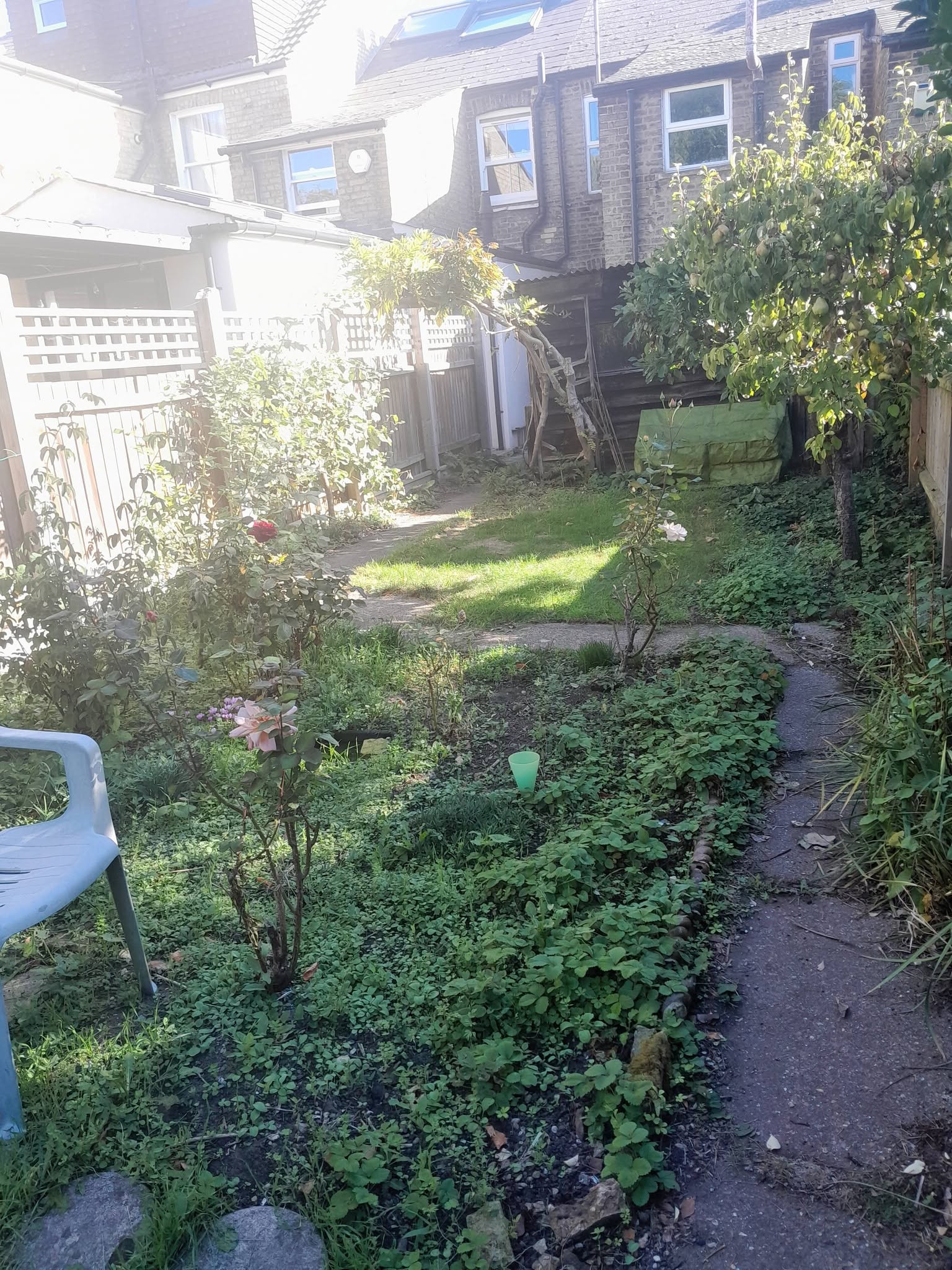
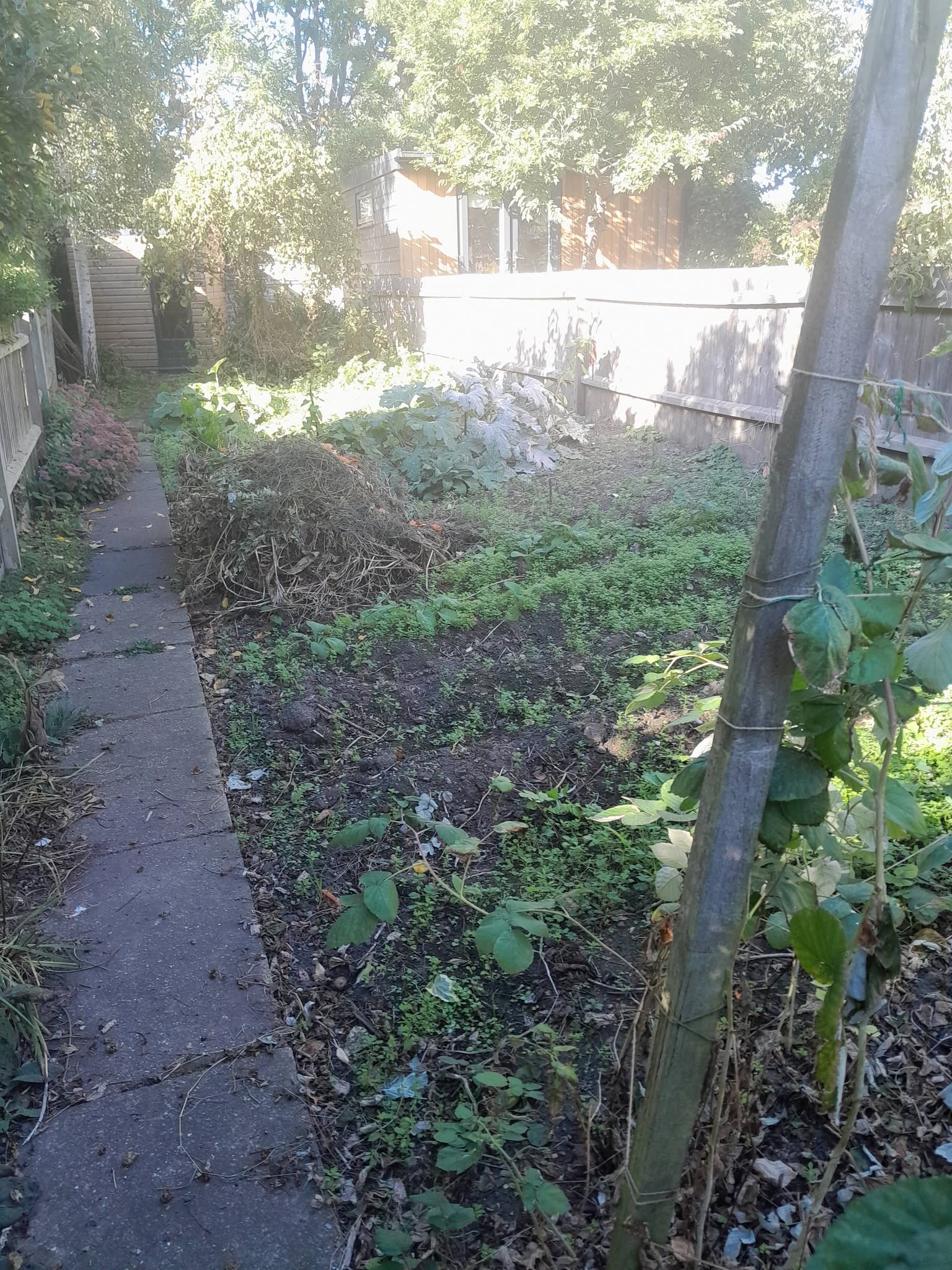
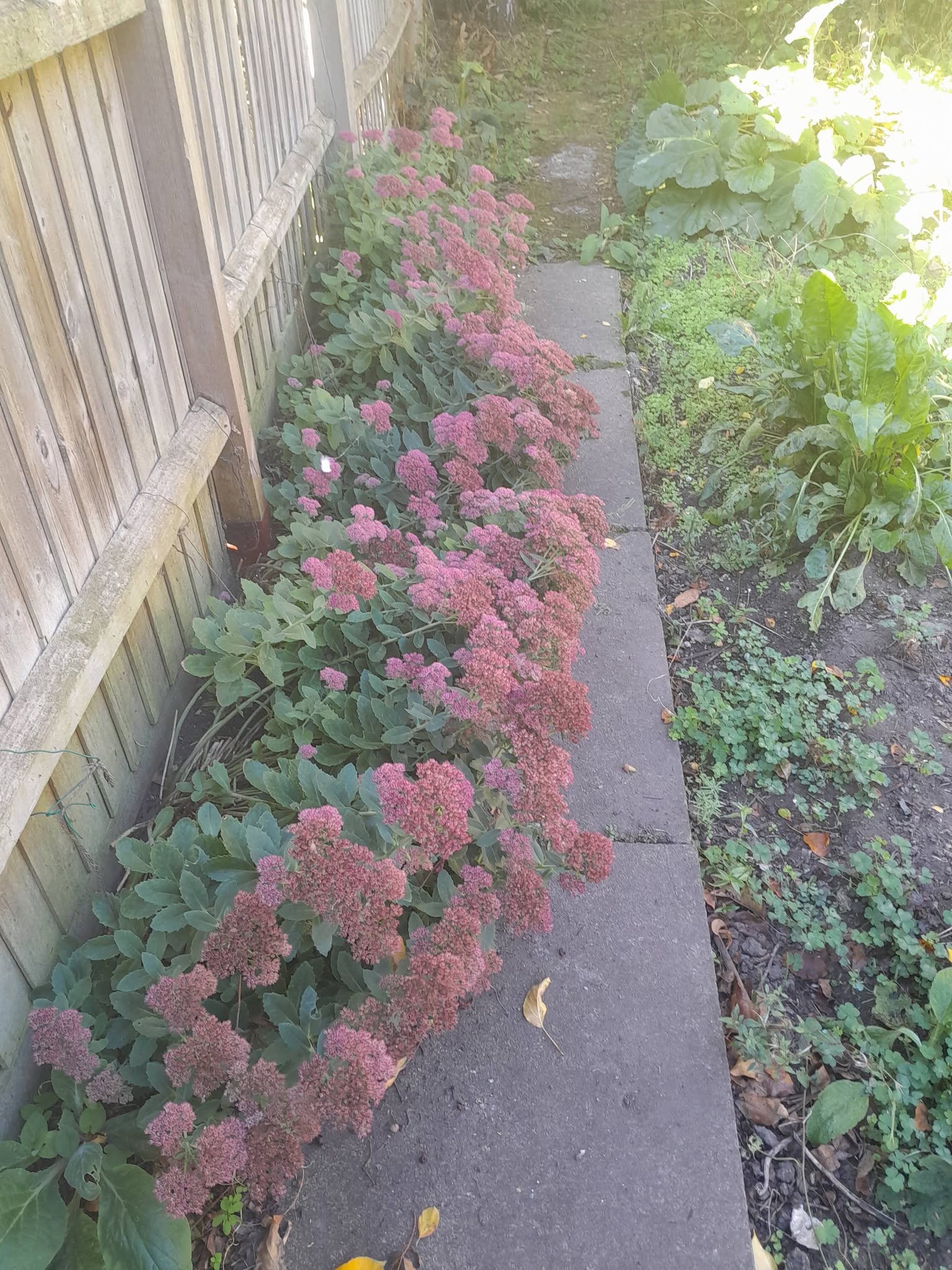
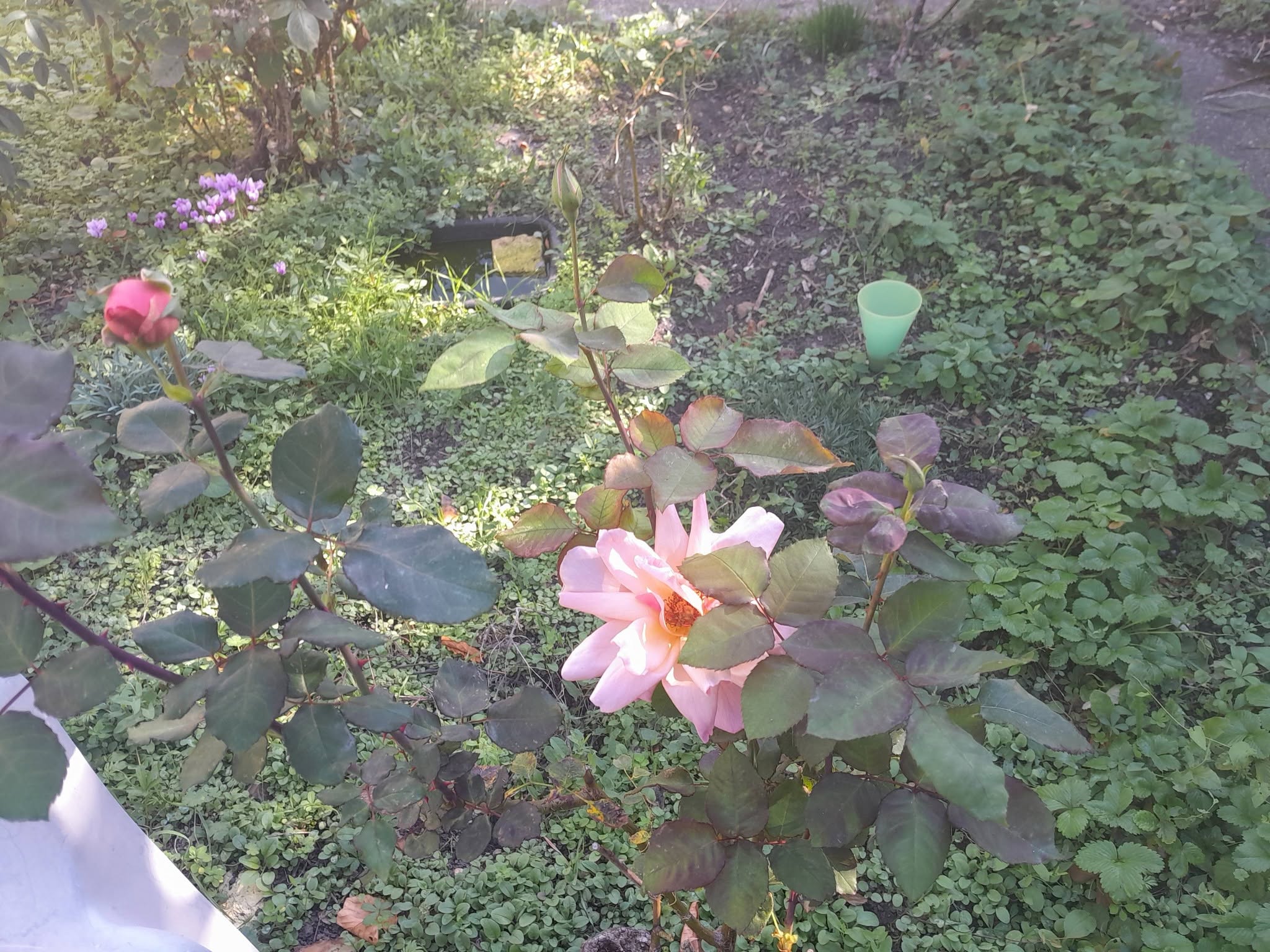
Click on photos for large version. I have tried to give wider shots of garden near the beginning of the month, to show change.
- January - February - March - April - May - June - July - August - September - October - November - December - Temperatures for year -
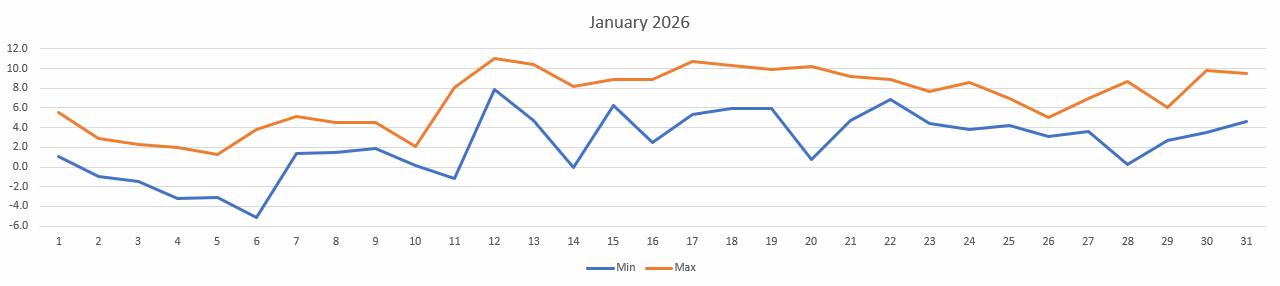 |
February |
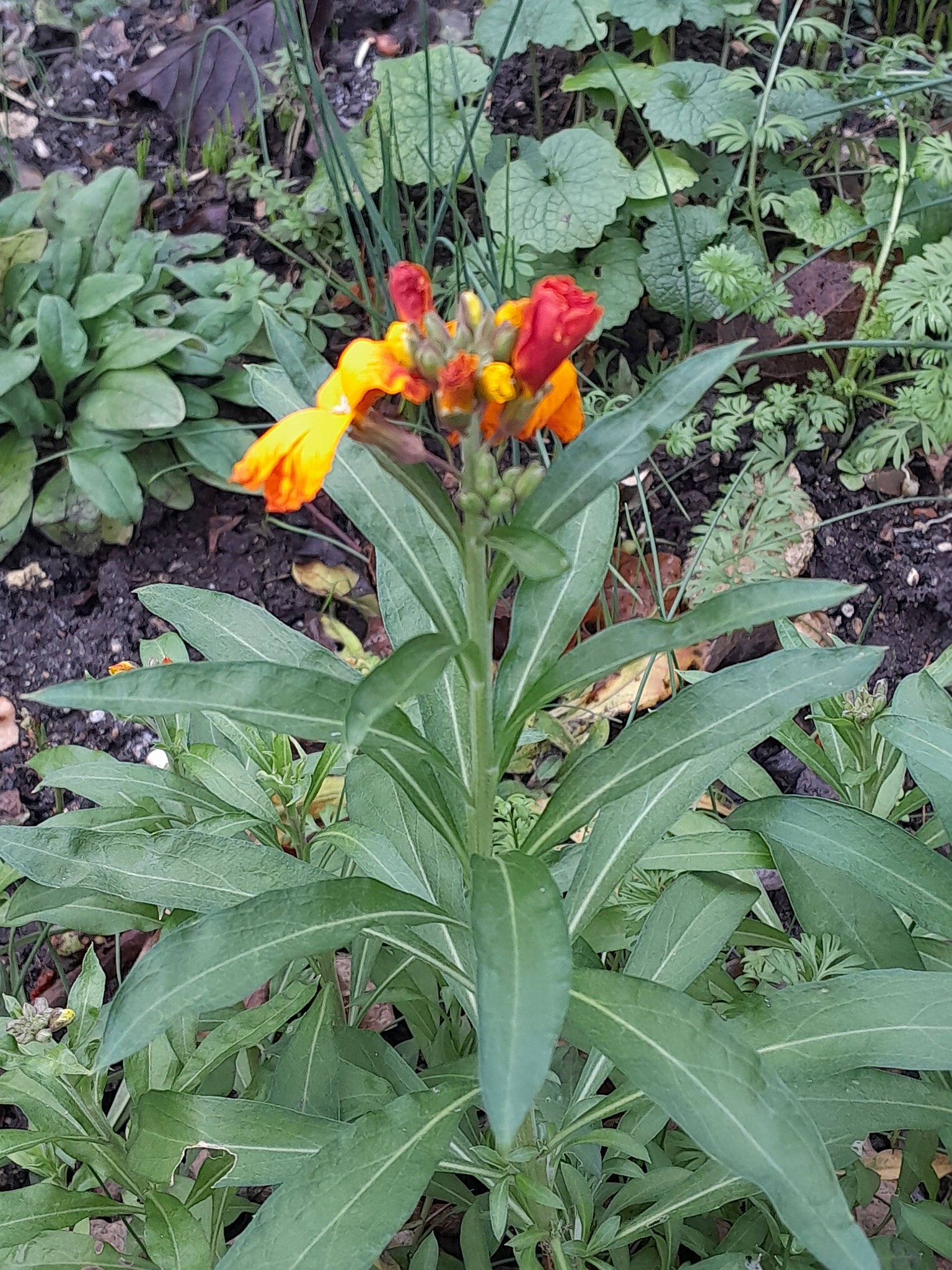
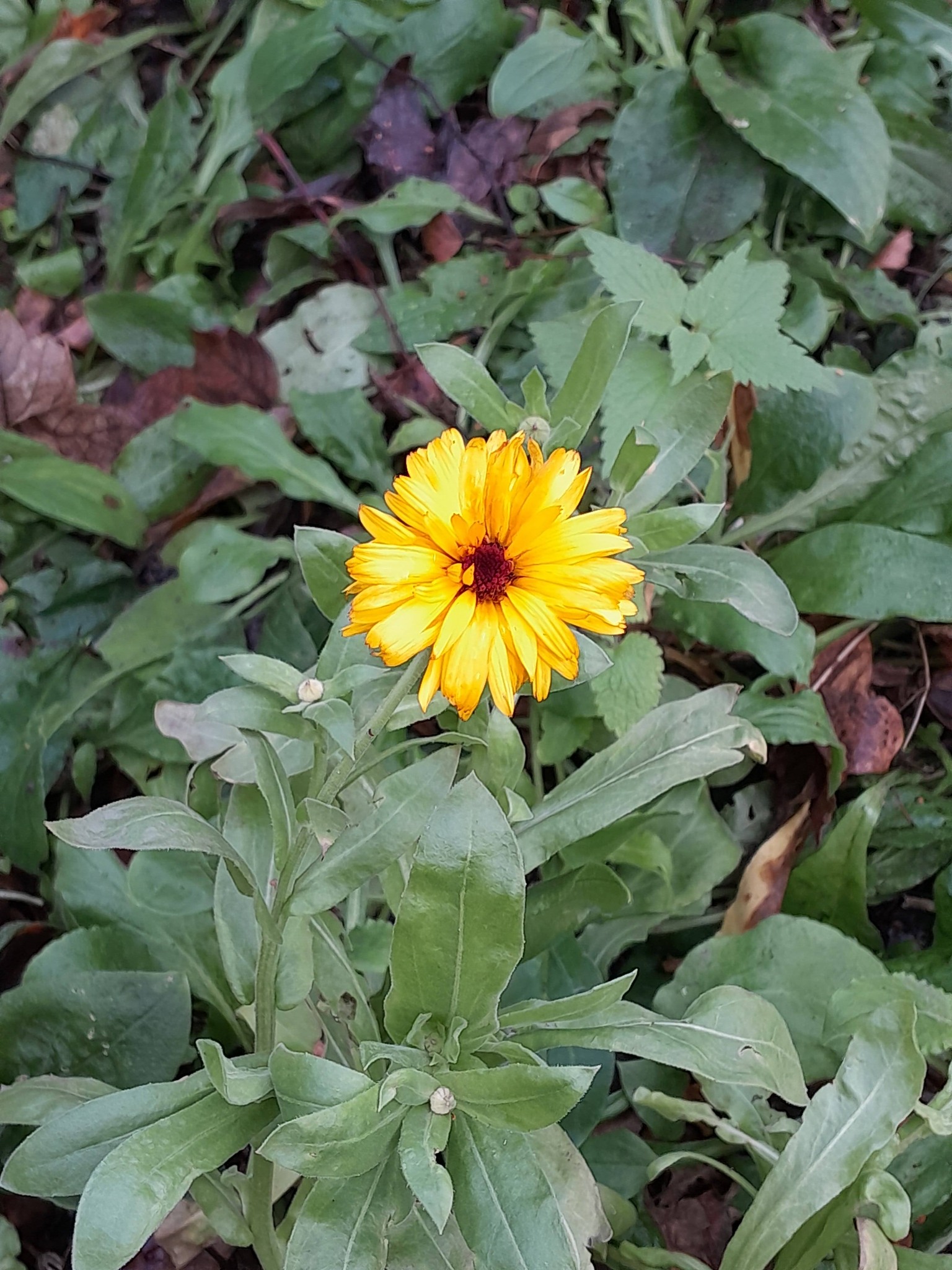
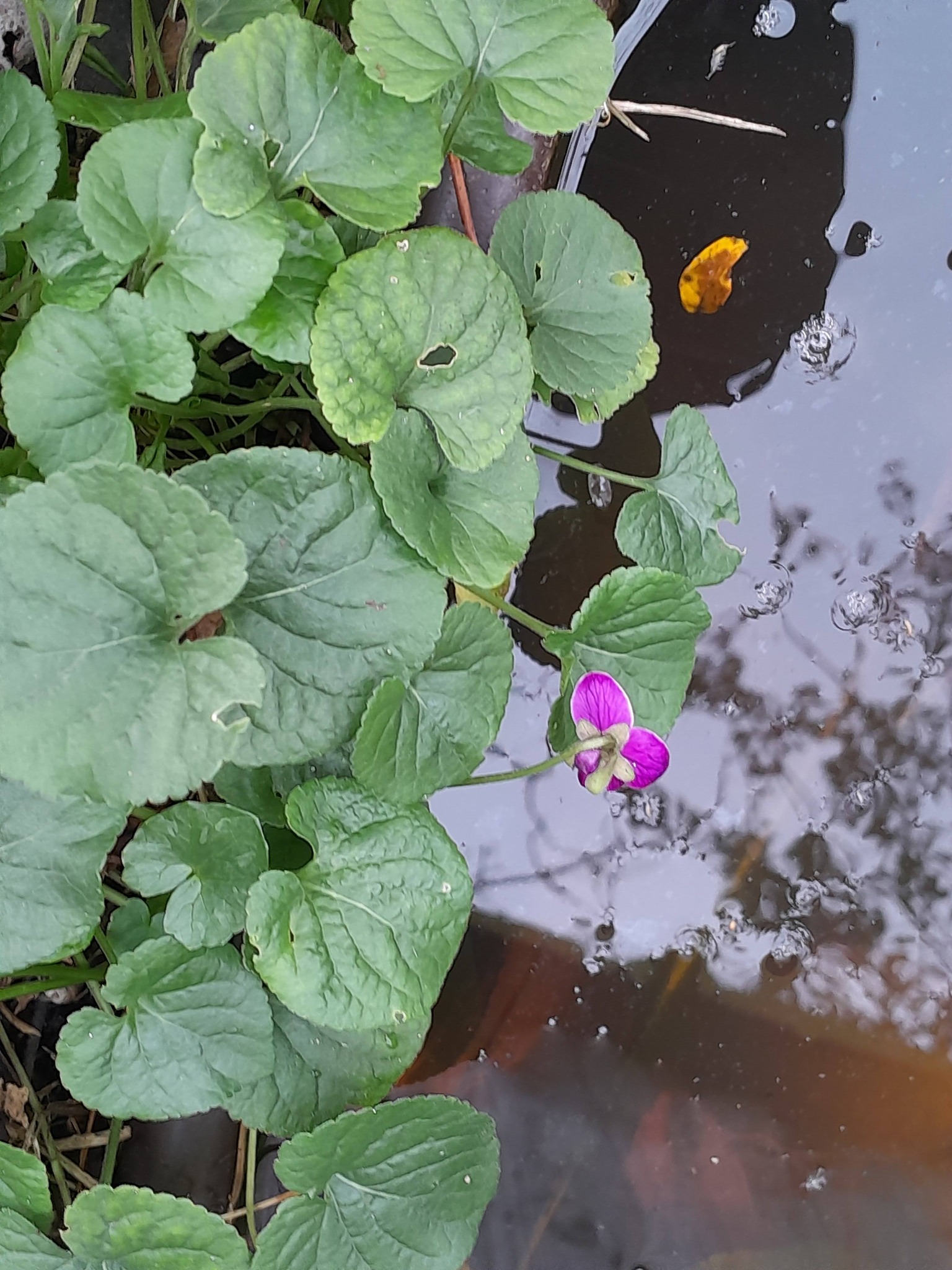
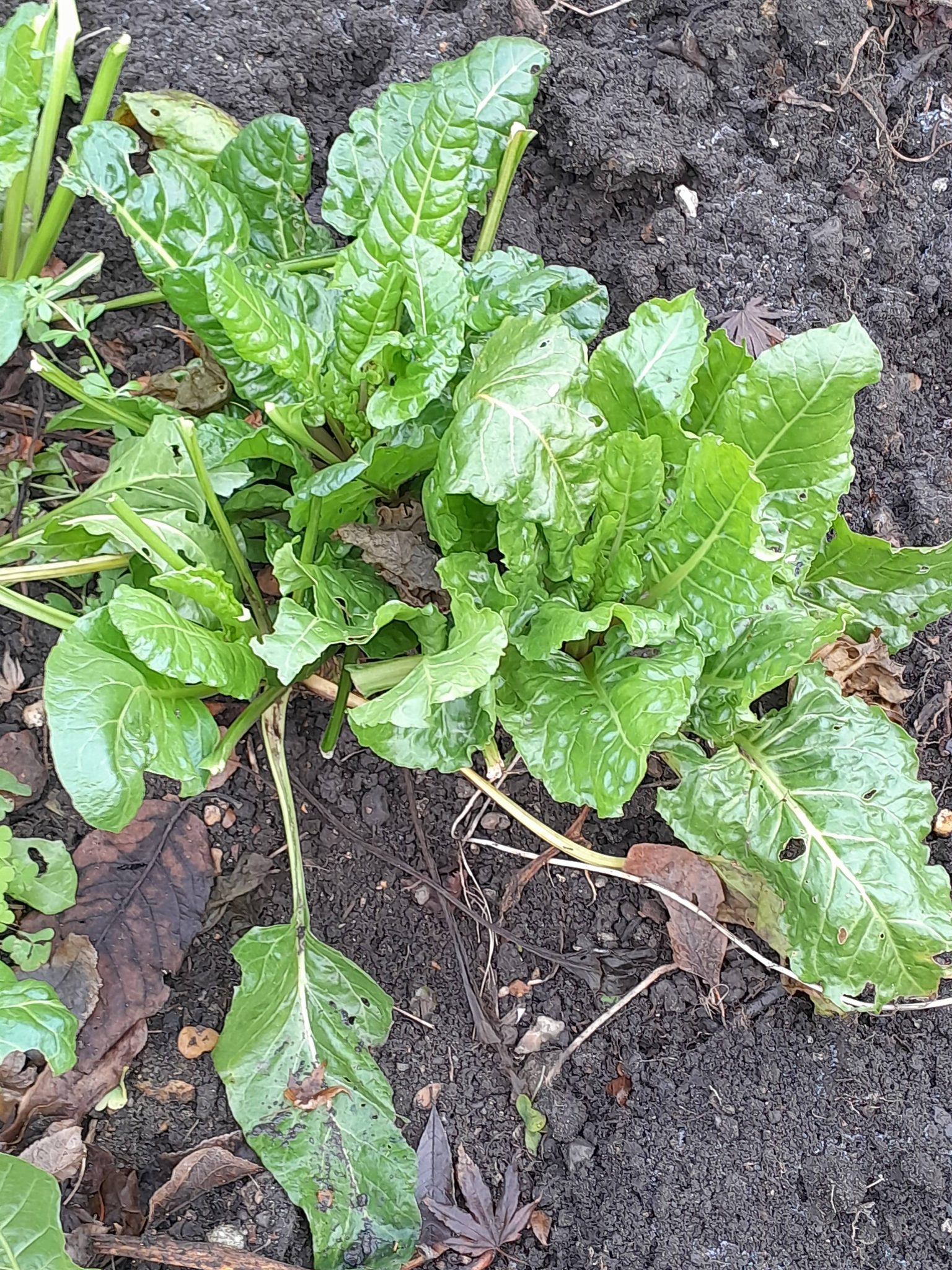
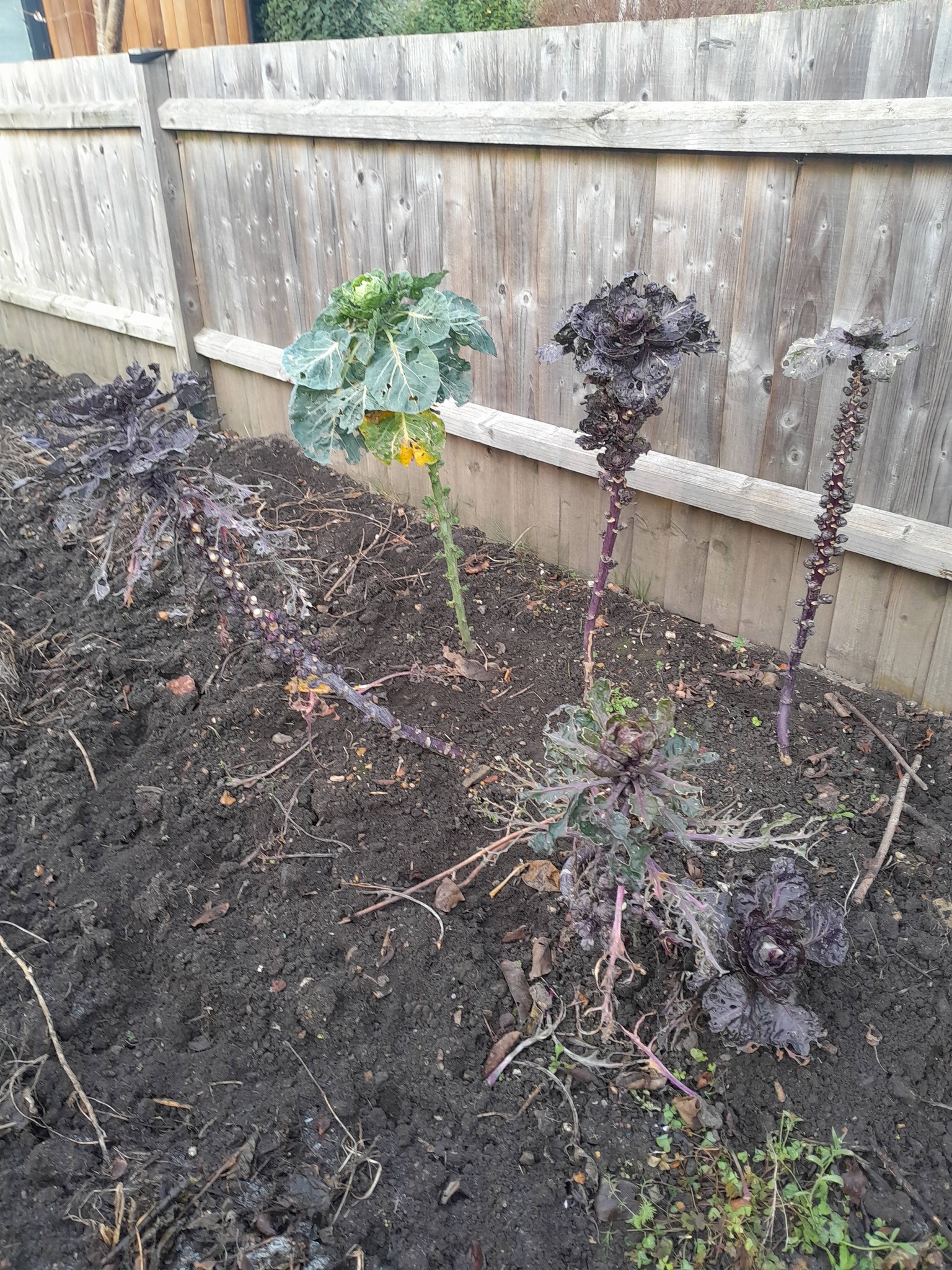
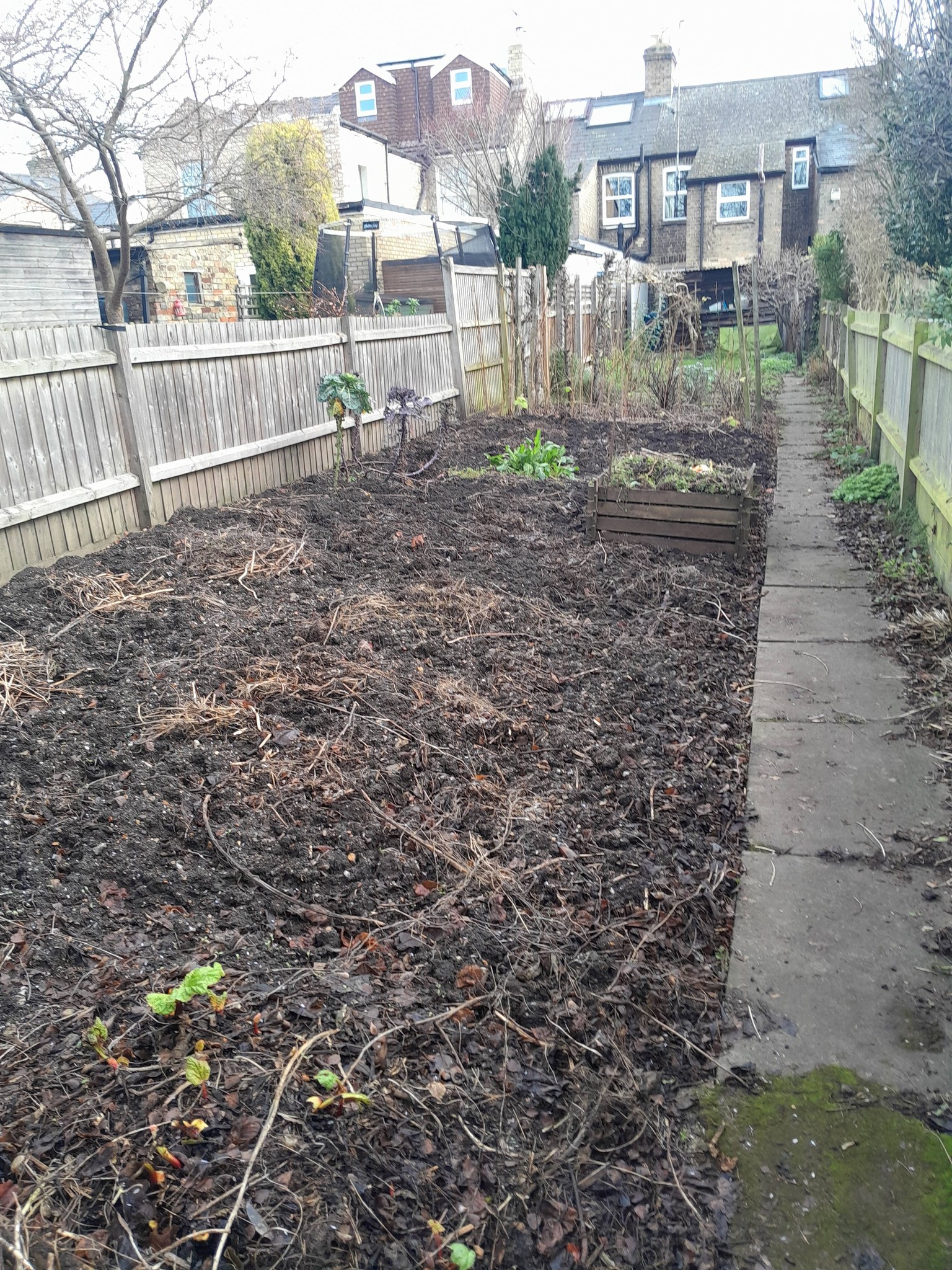
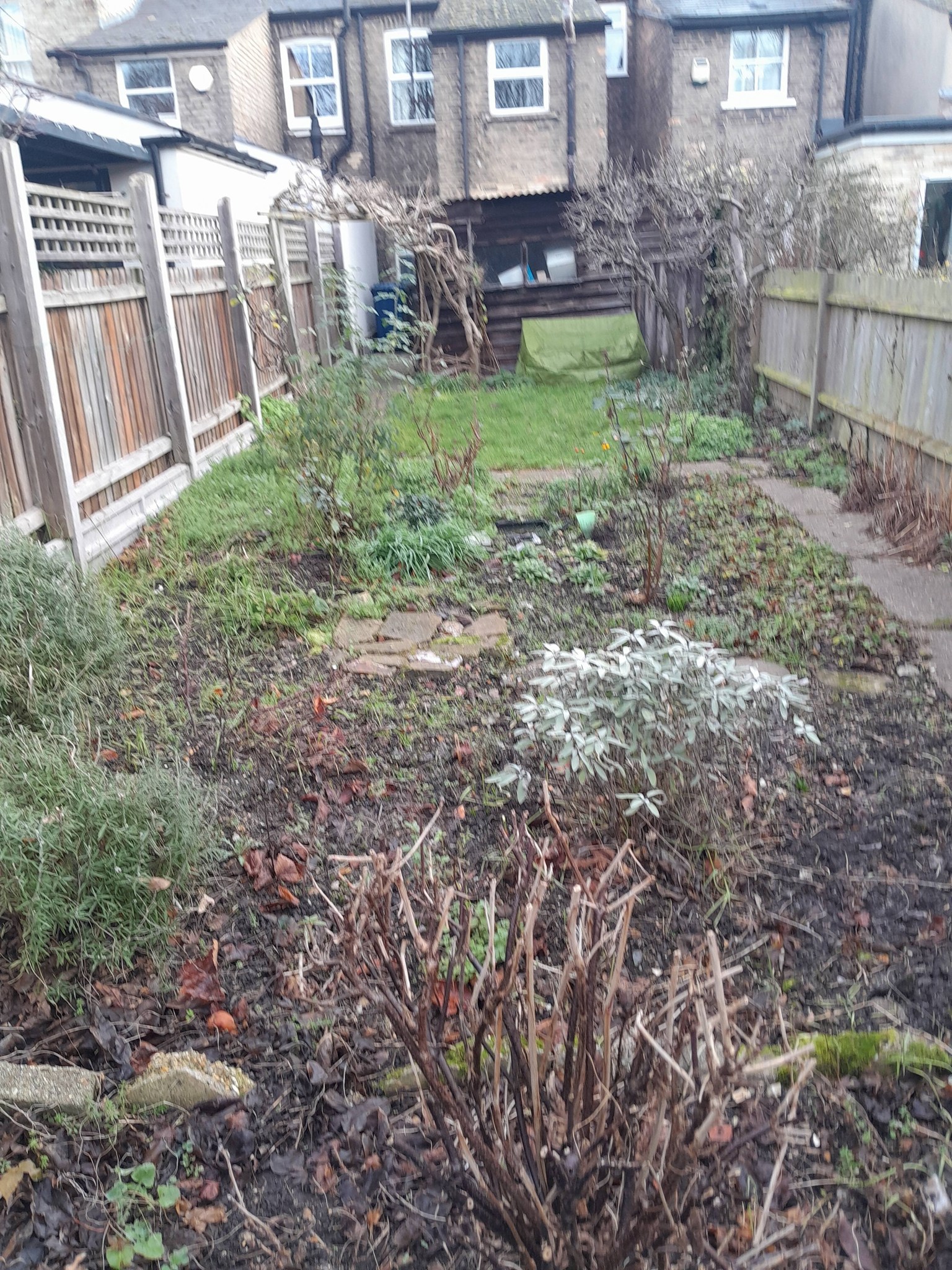
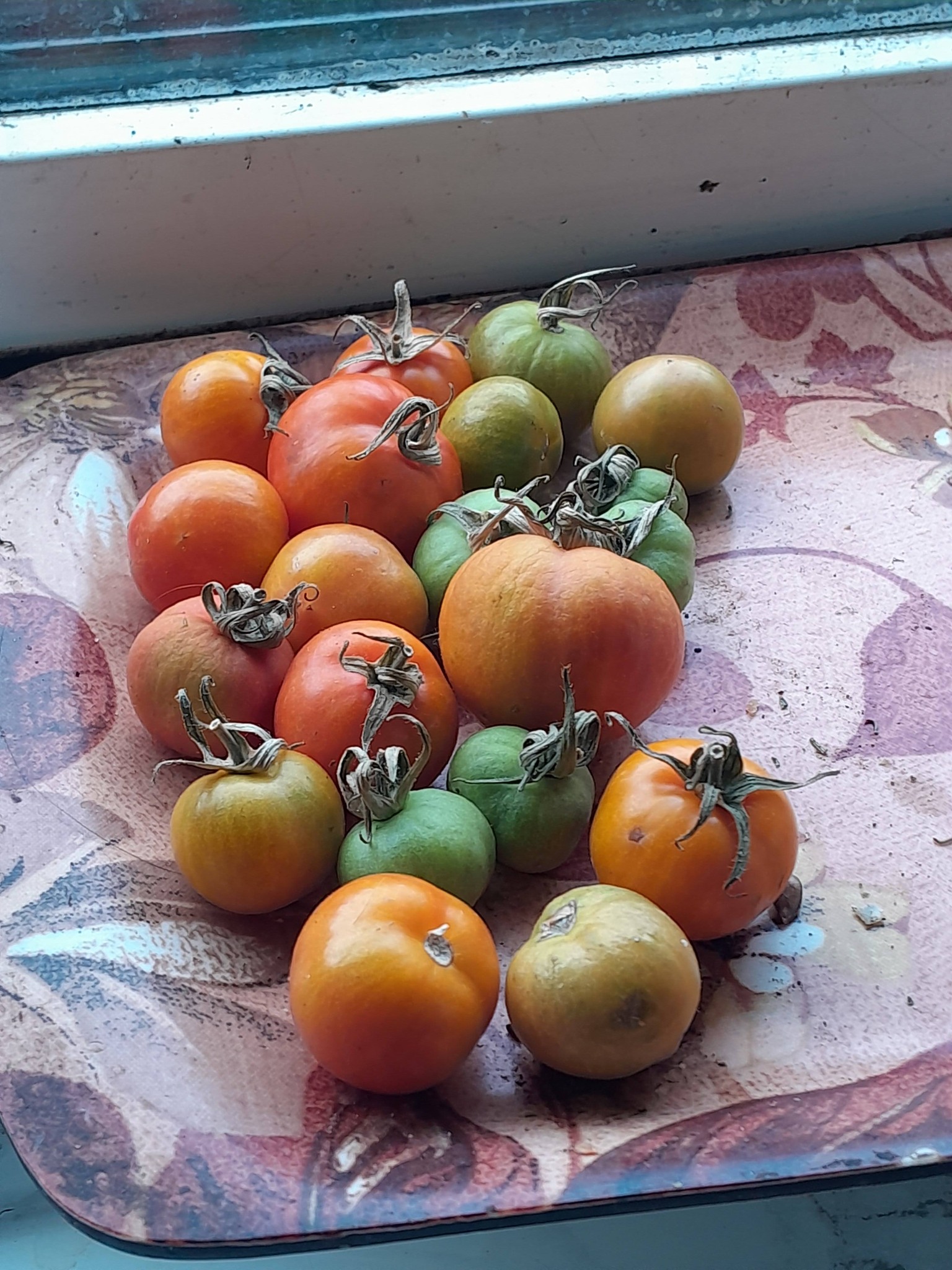
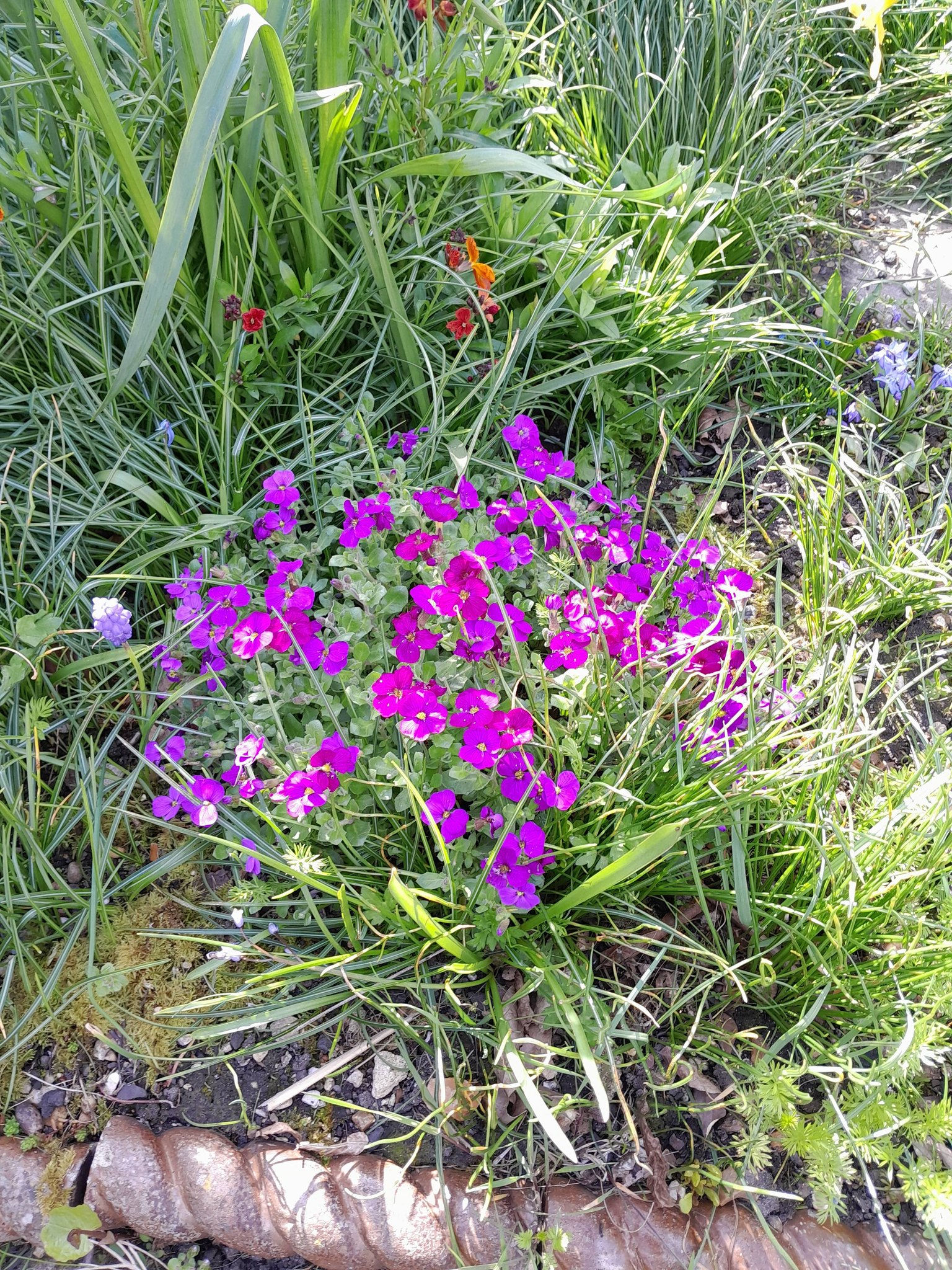
Jan 1: First photos of the year. Tomatoes, sprouts and spinach to finish up. Wallflowers and violet decided to flower (and Marigold never gave up). Leaves of cordon apple tree, but no others (apart from roses).
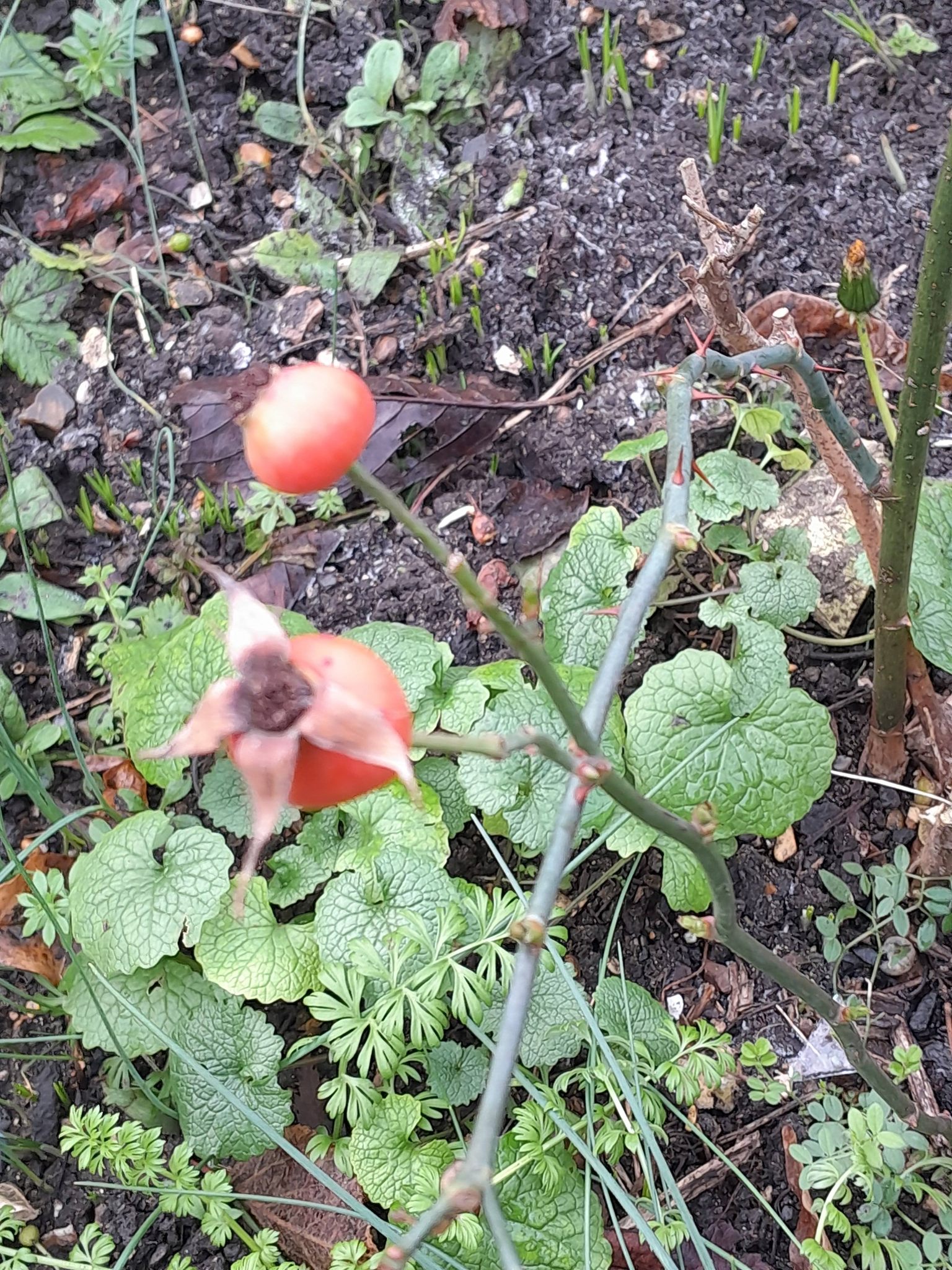
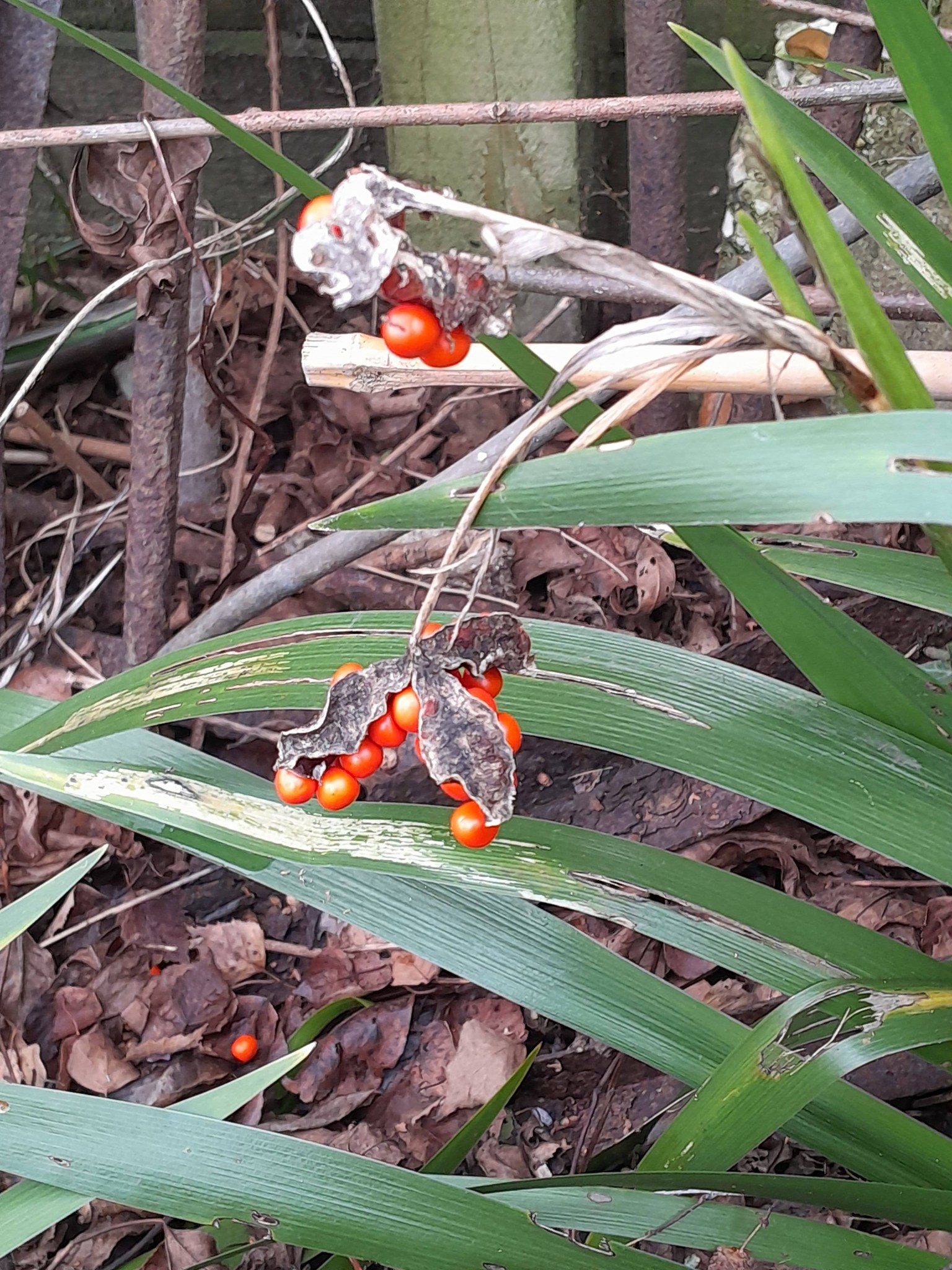
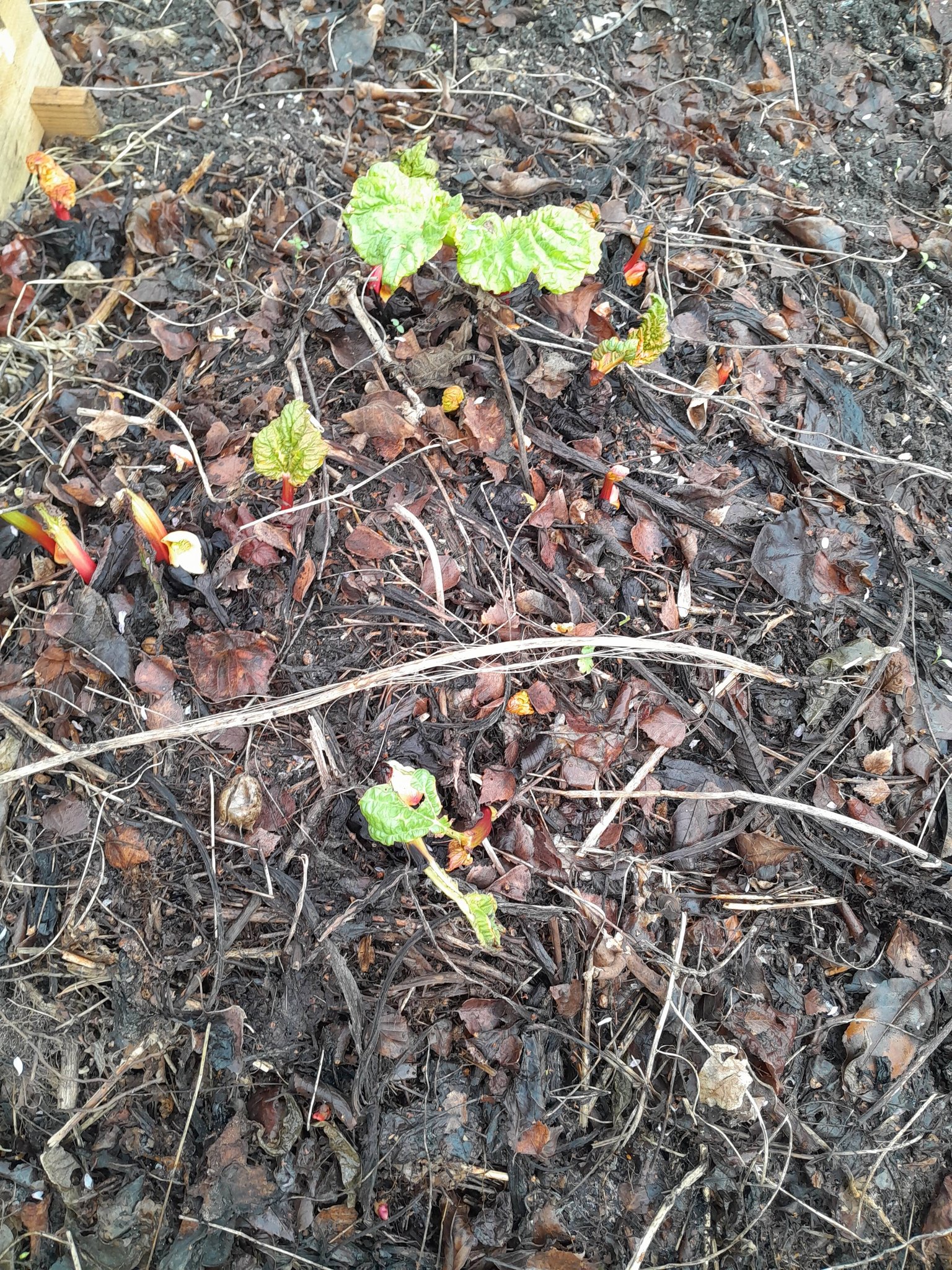
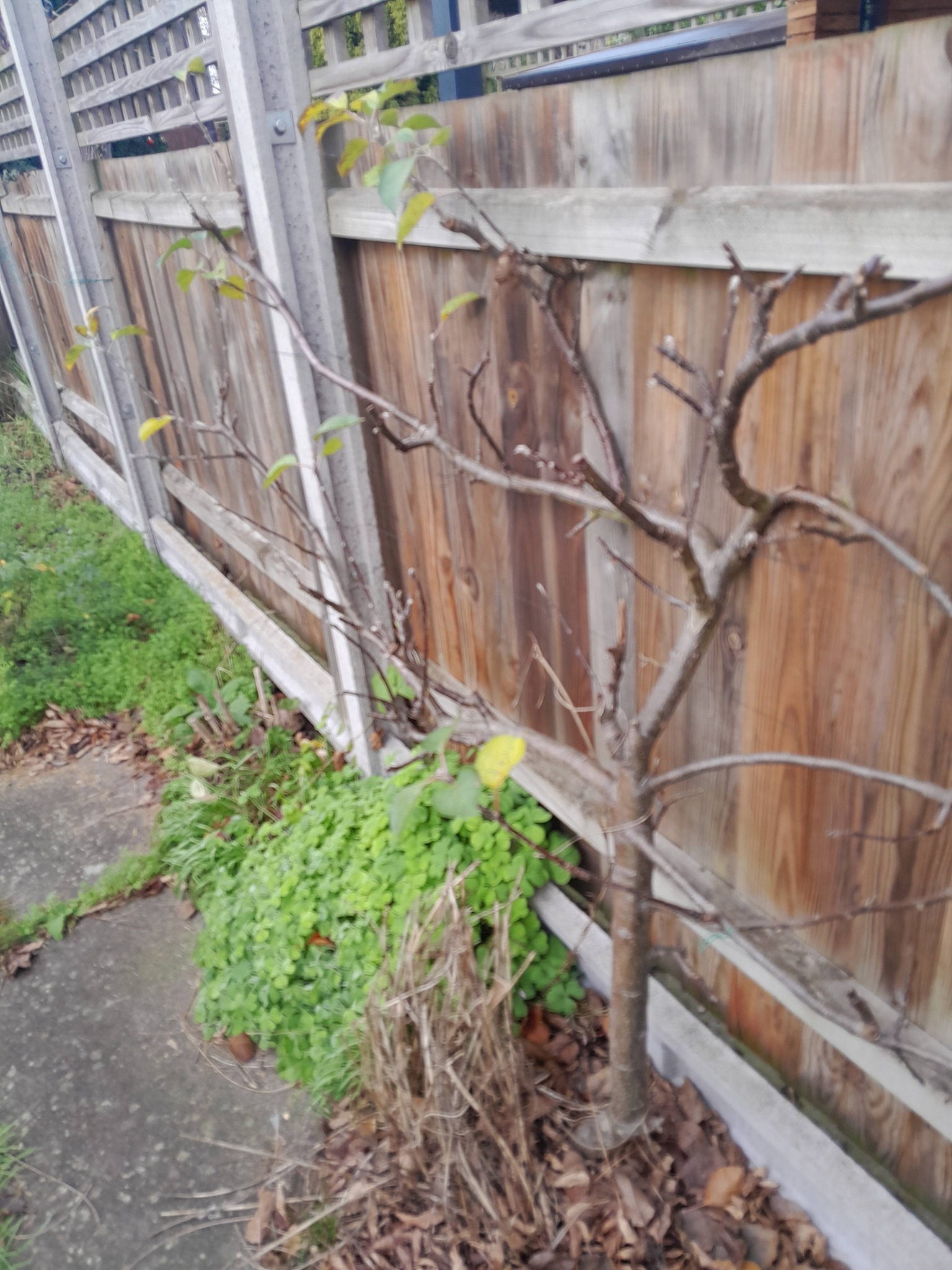
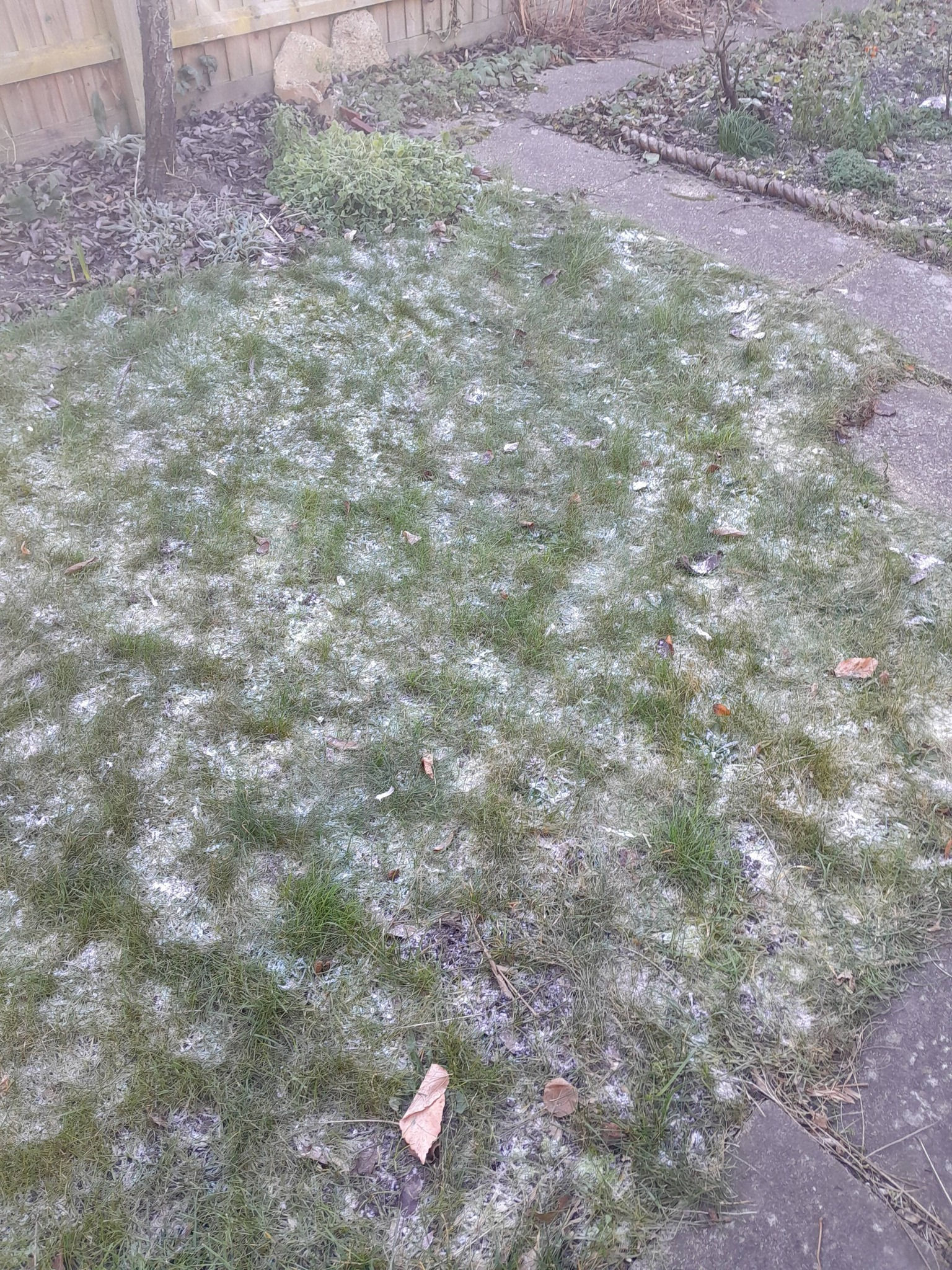
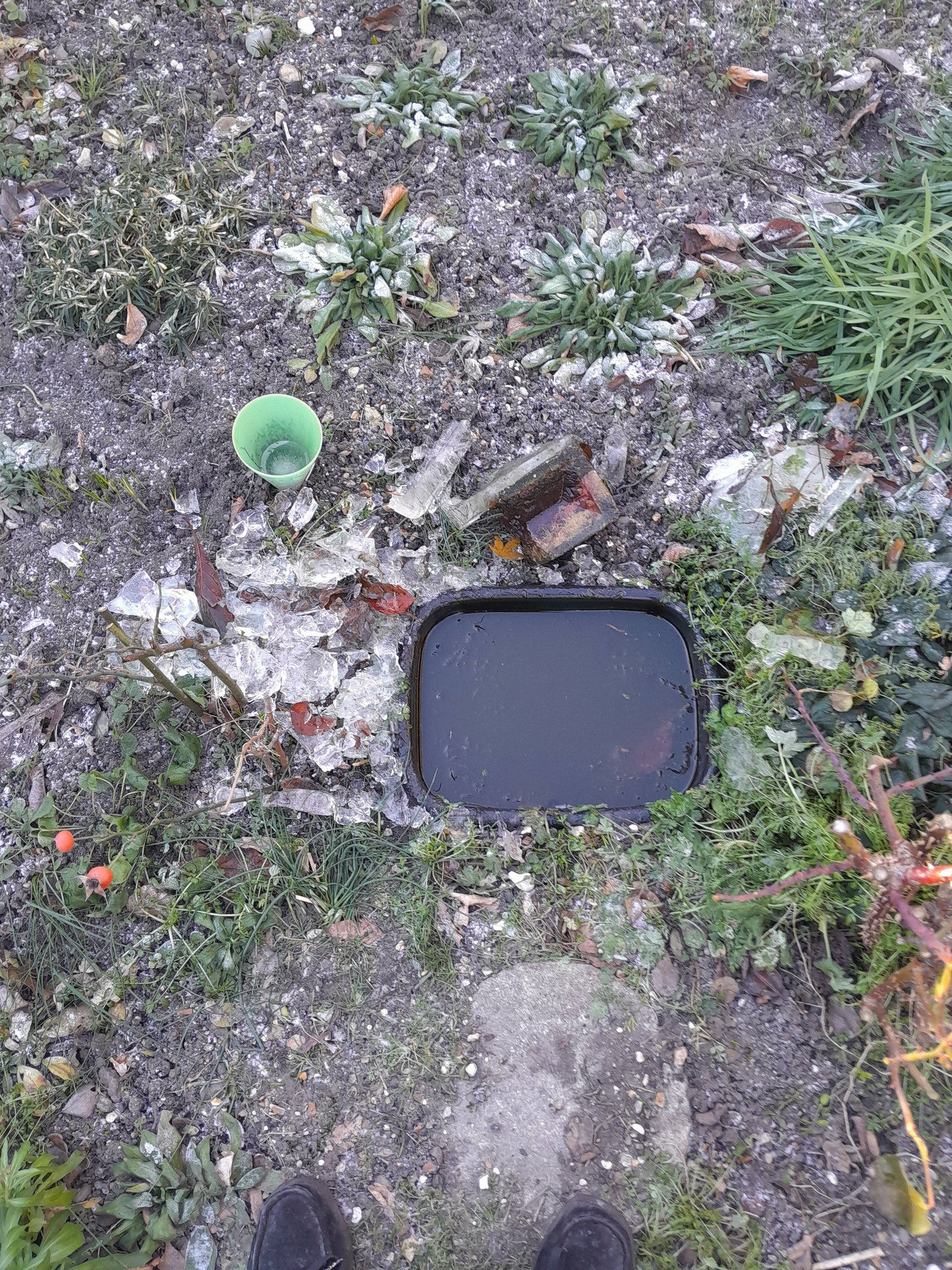
Jan 4: Hard frost. Removing ice from the pond.
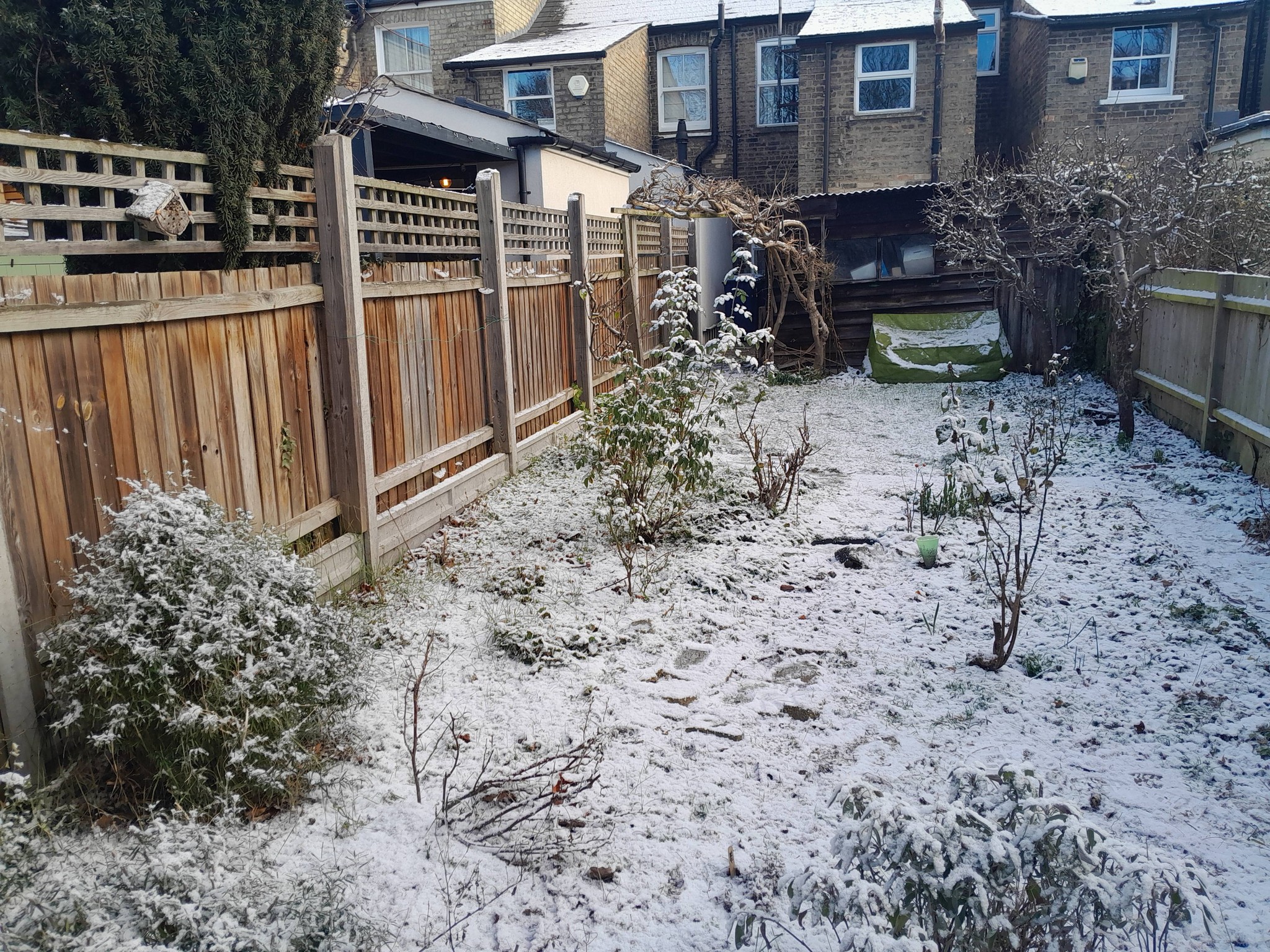
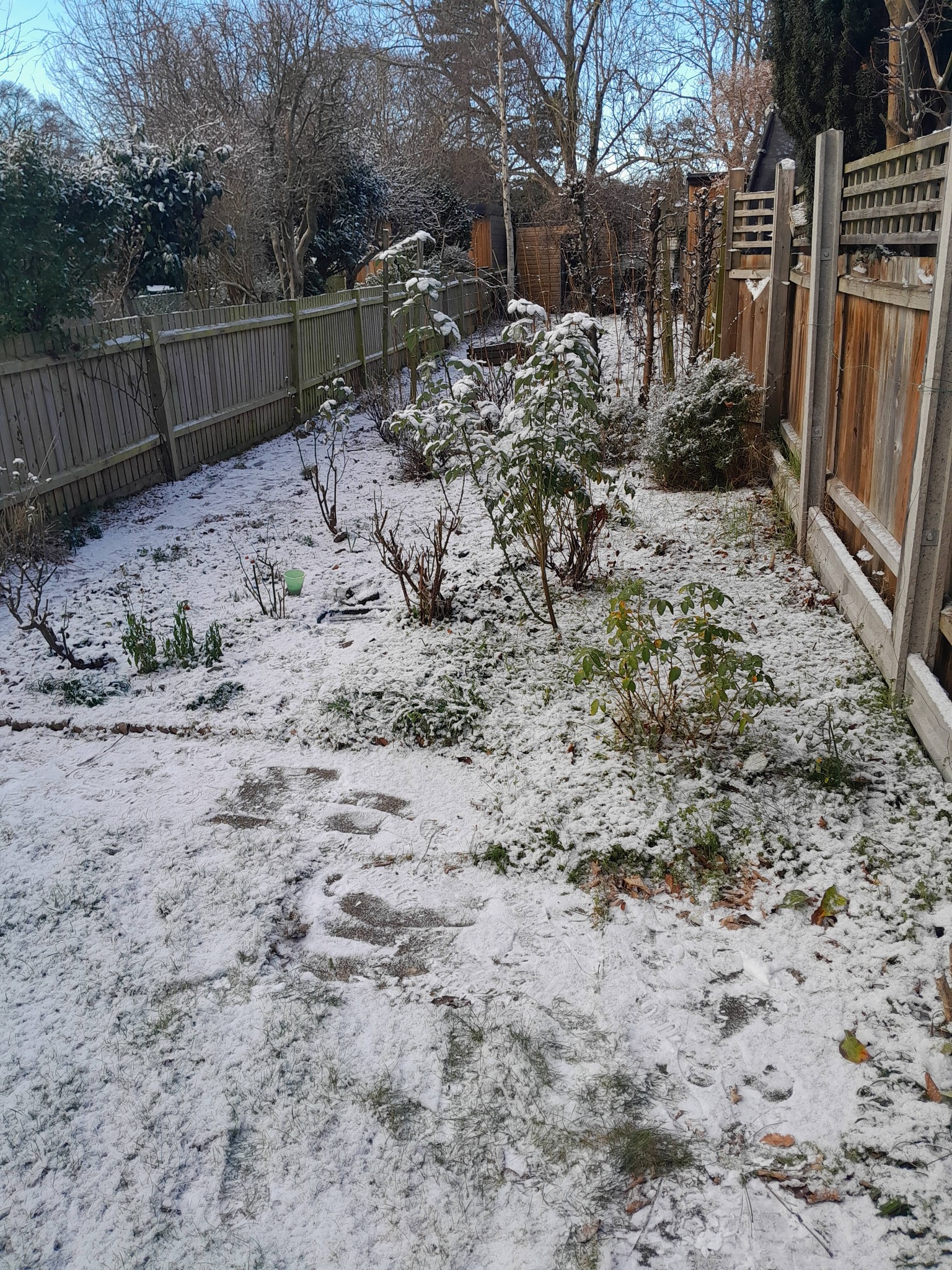
Jan 5: Snow!
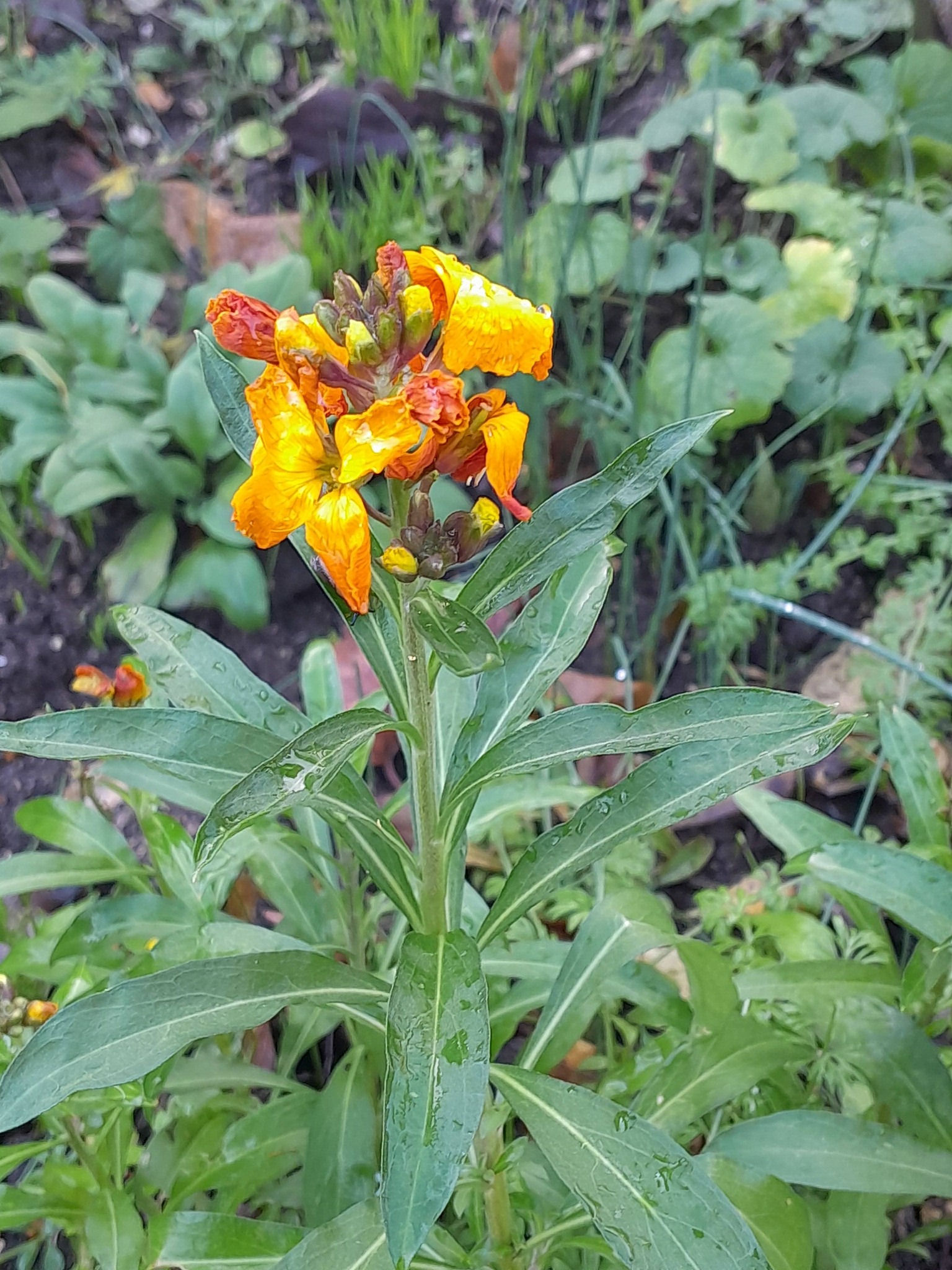
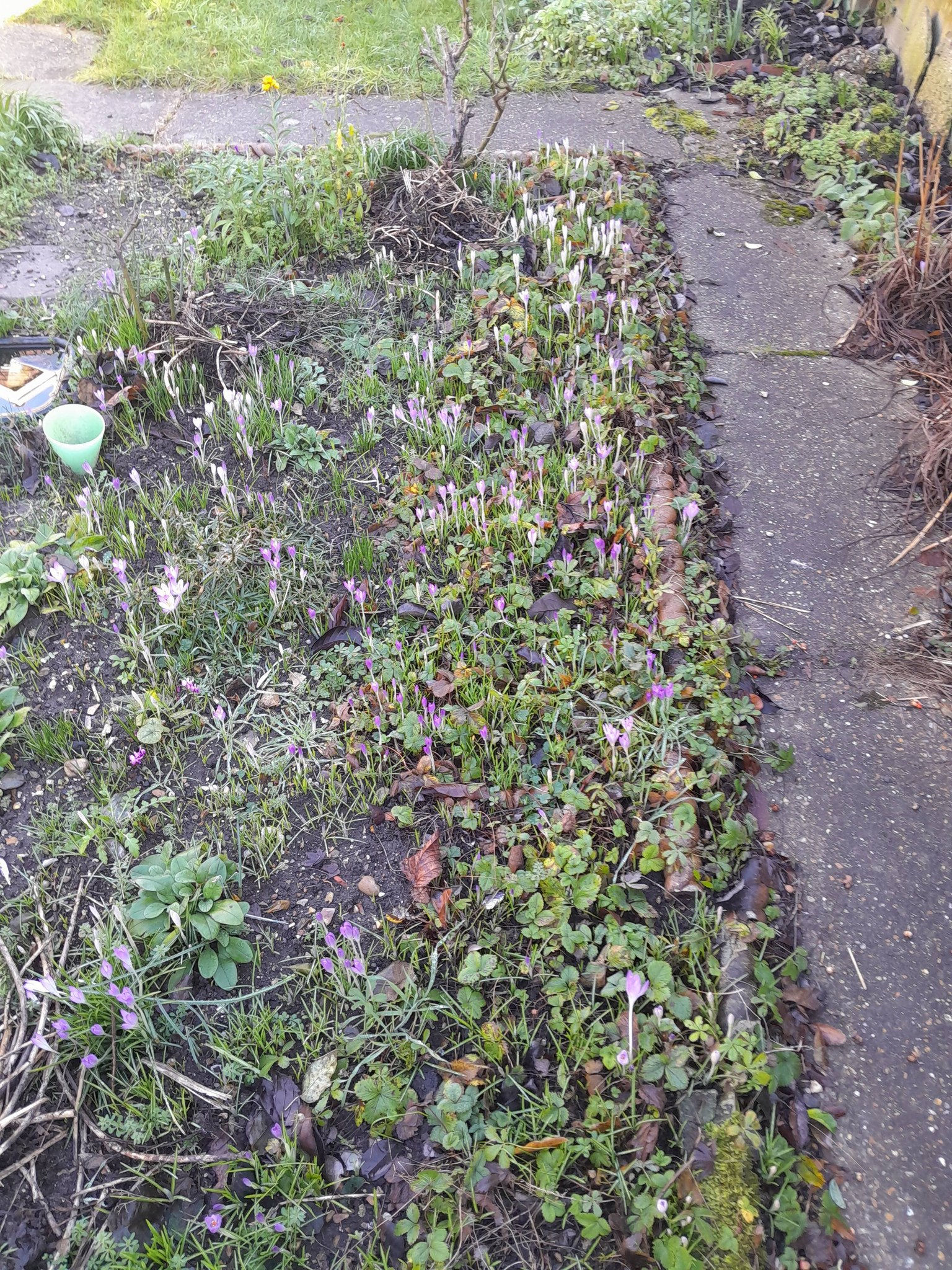
Jan 18: Crocuses nearly out! Plus aubretia and wallflower.
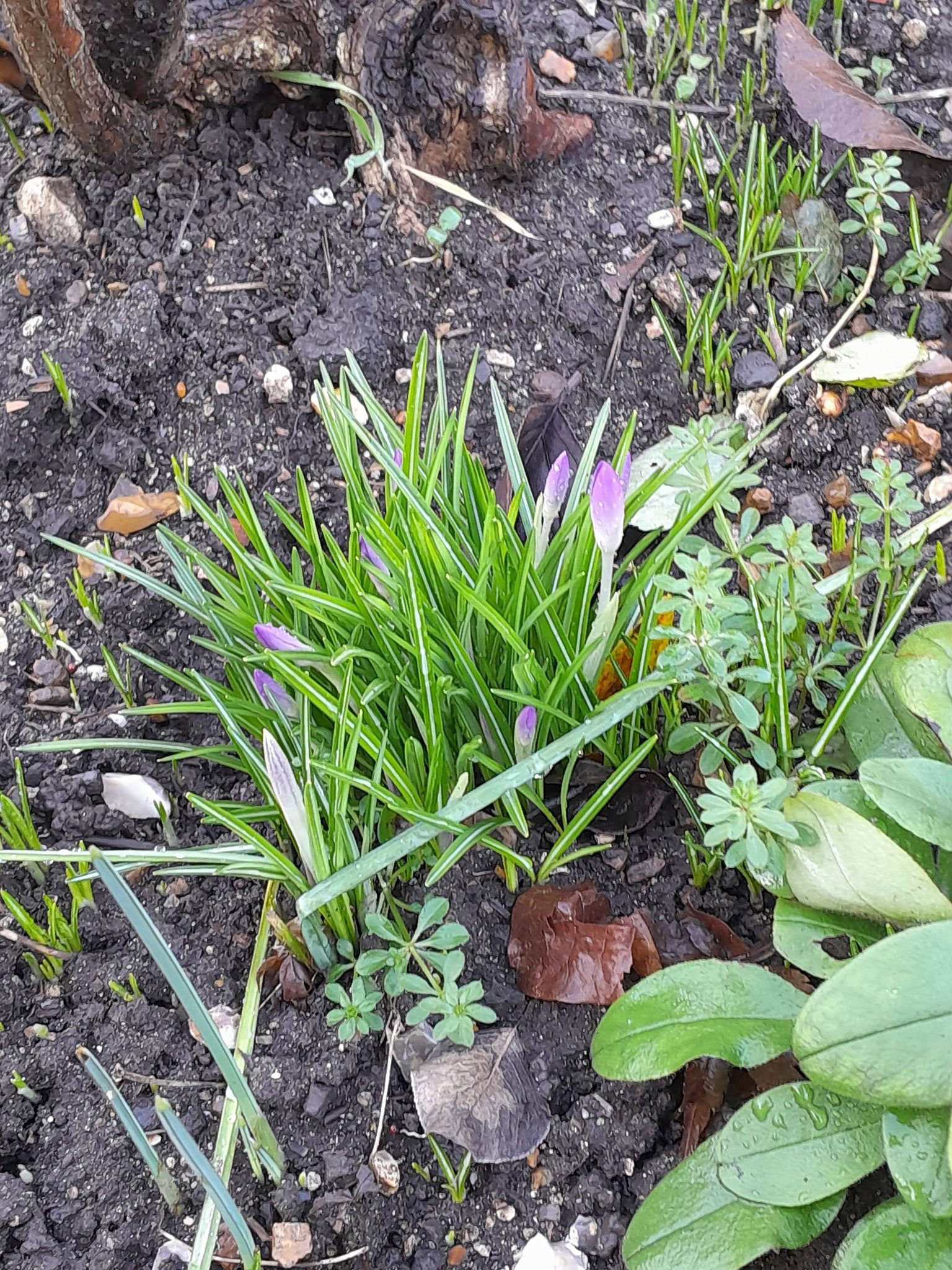
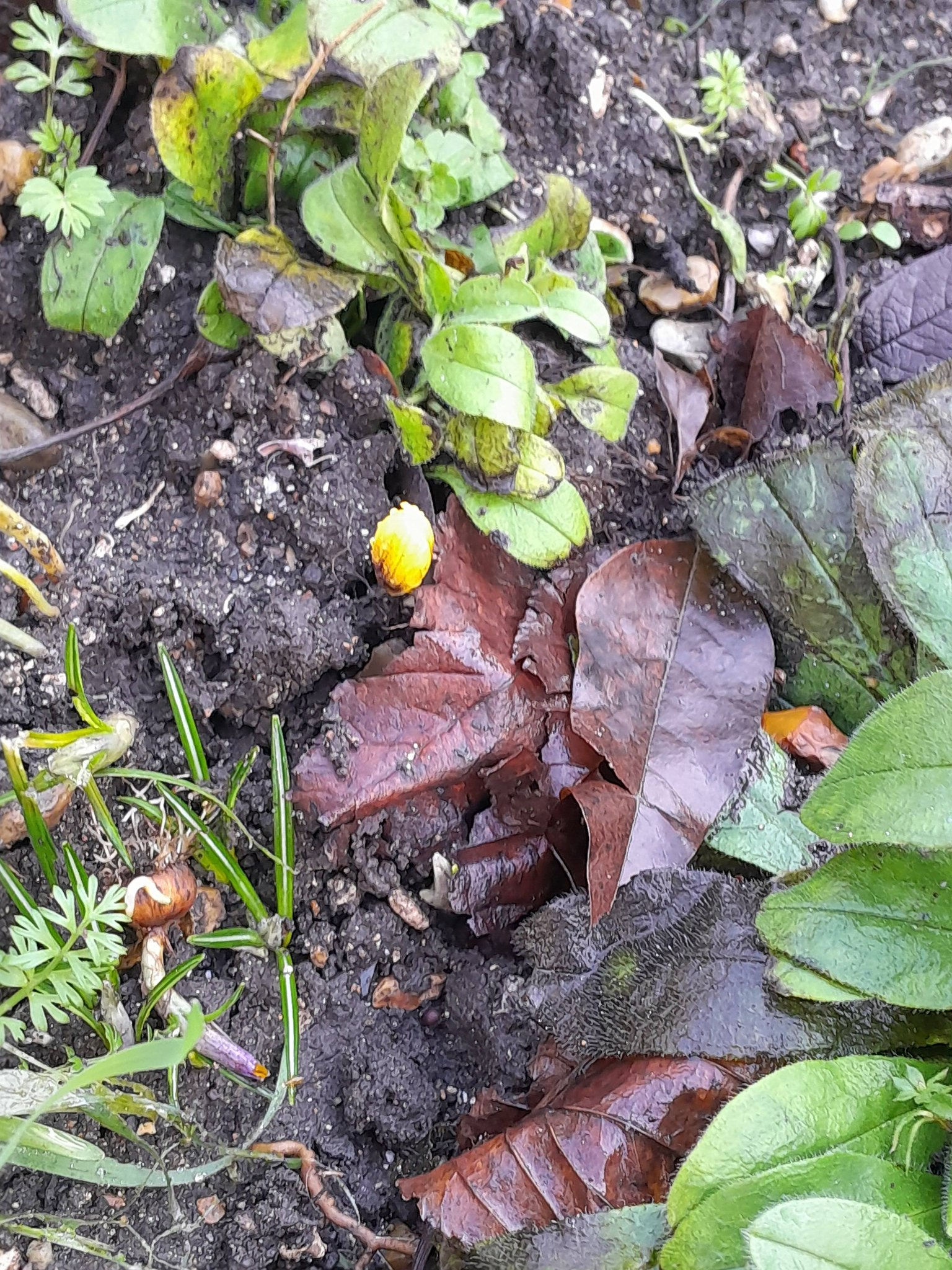
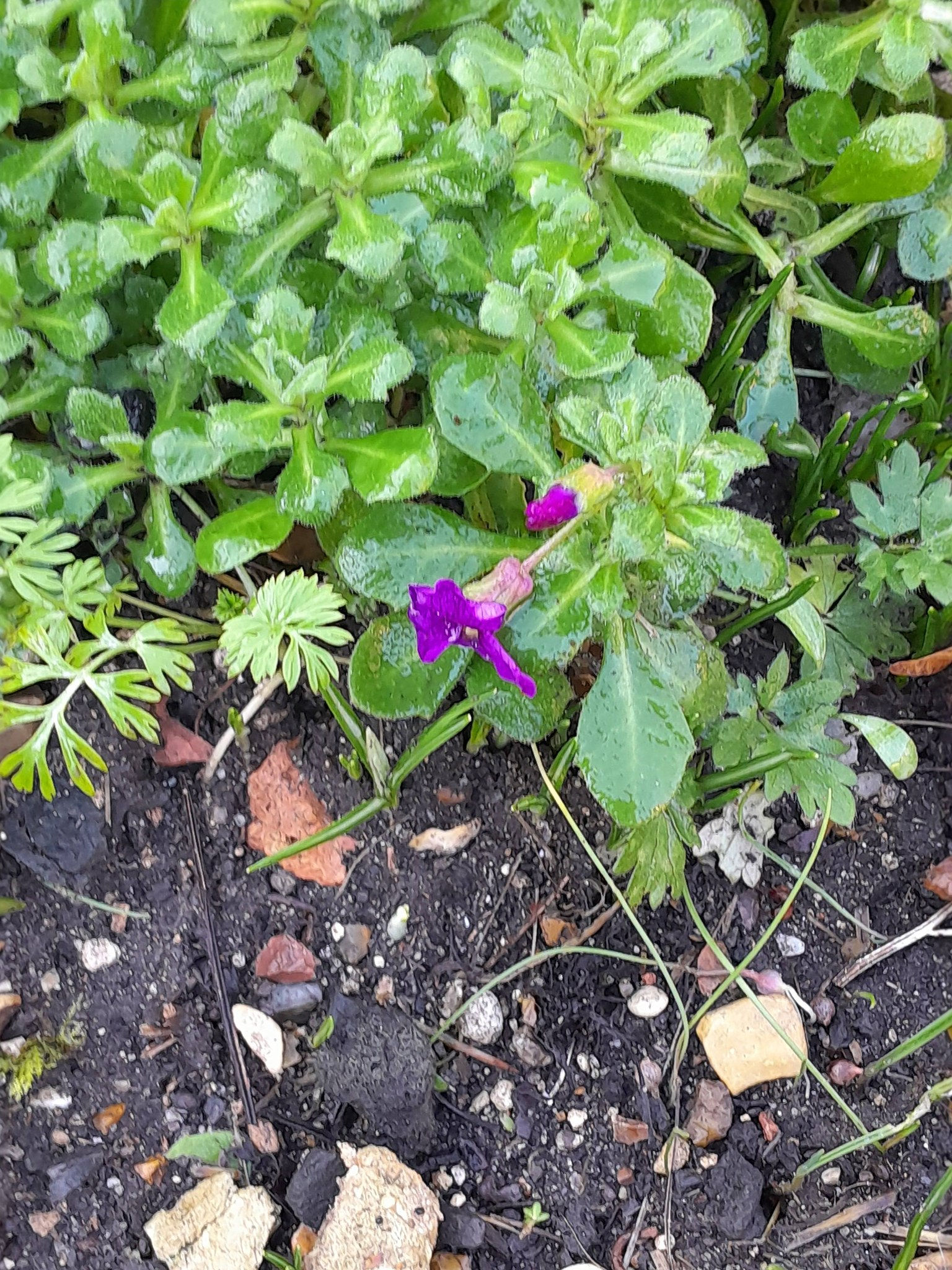
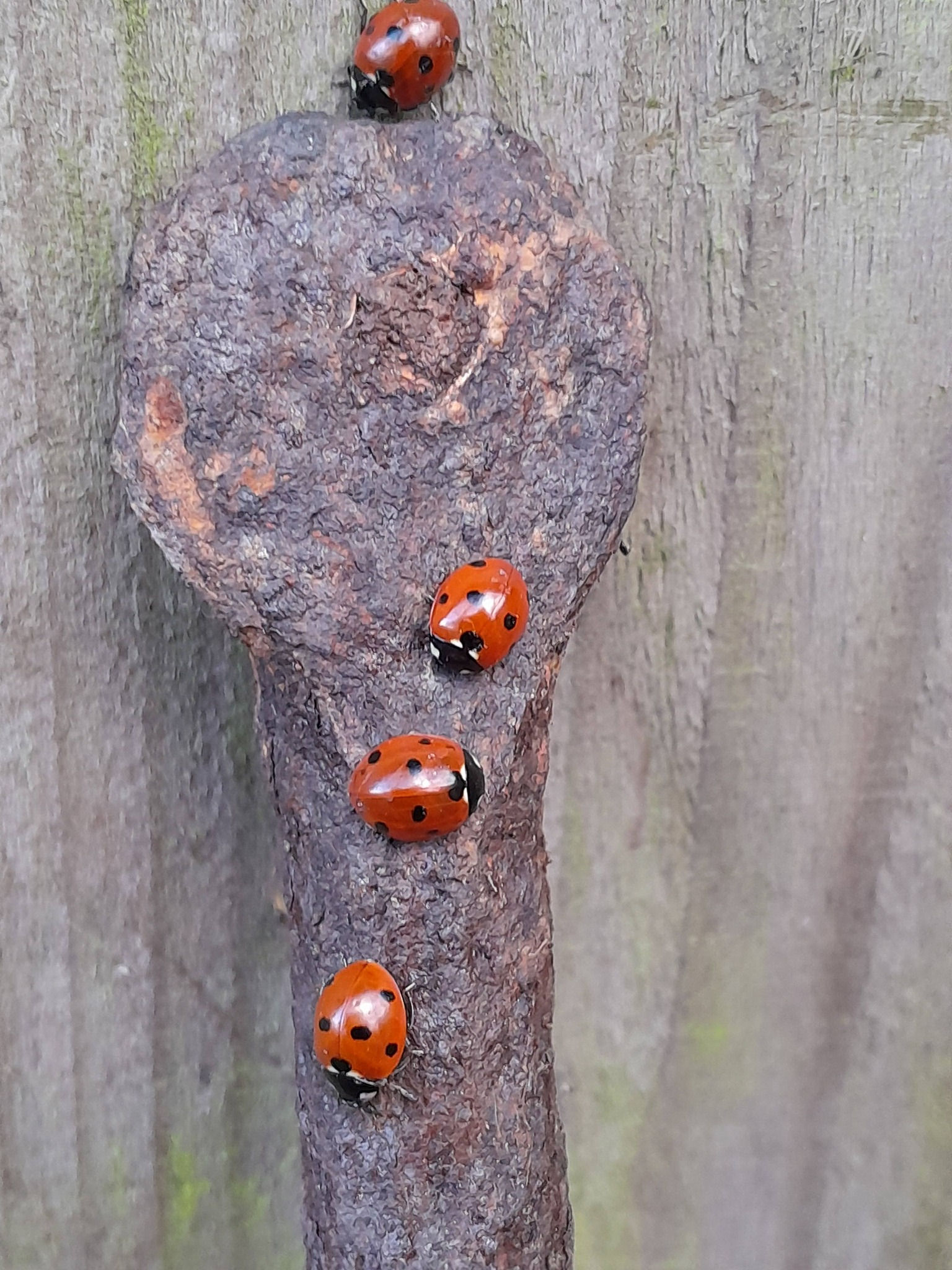
Jan 24: A few crocuses are open. Plus a cyclamen. And while tidying up some metal posts, I annoyed some ladybirds who preferred the shady side, thank you very much..
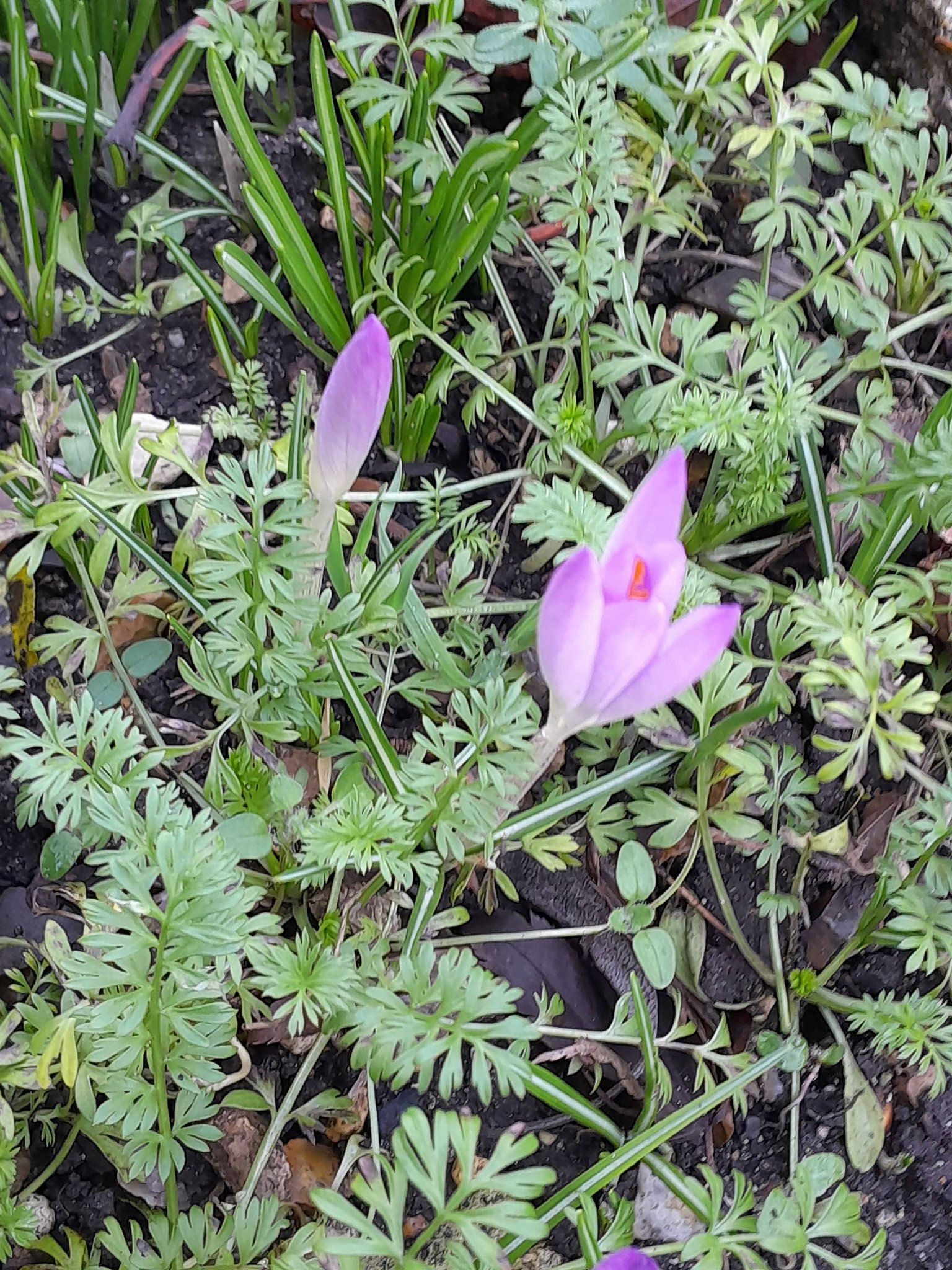
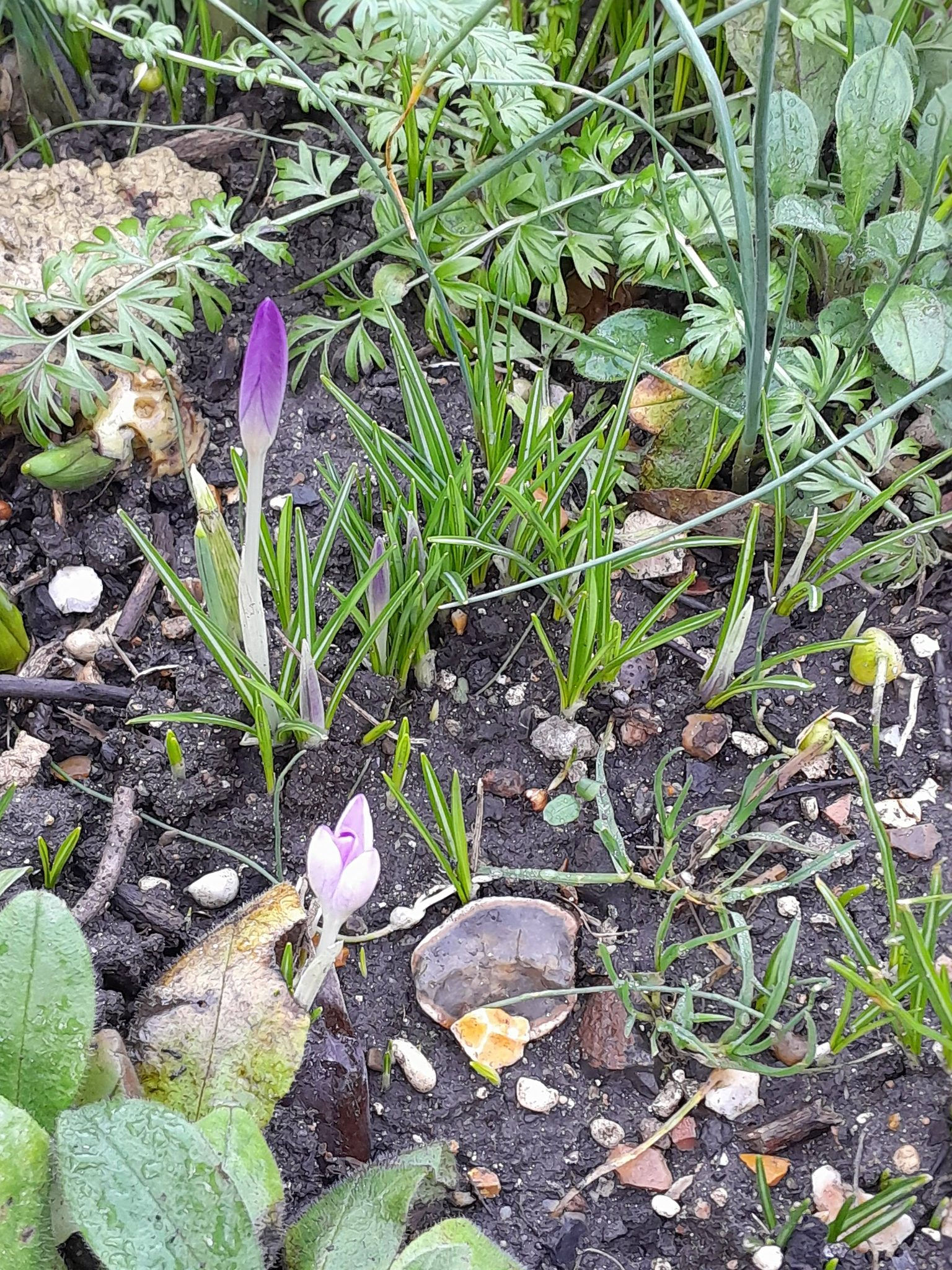
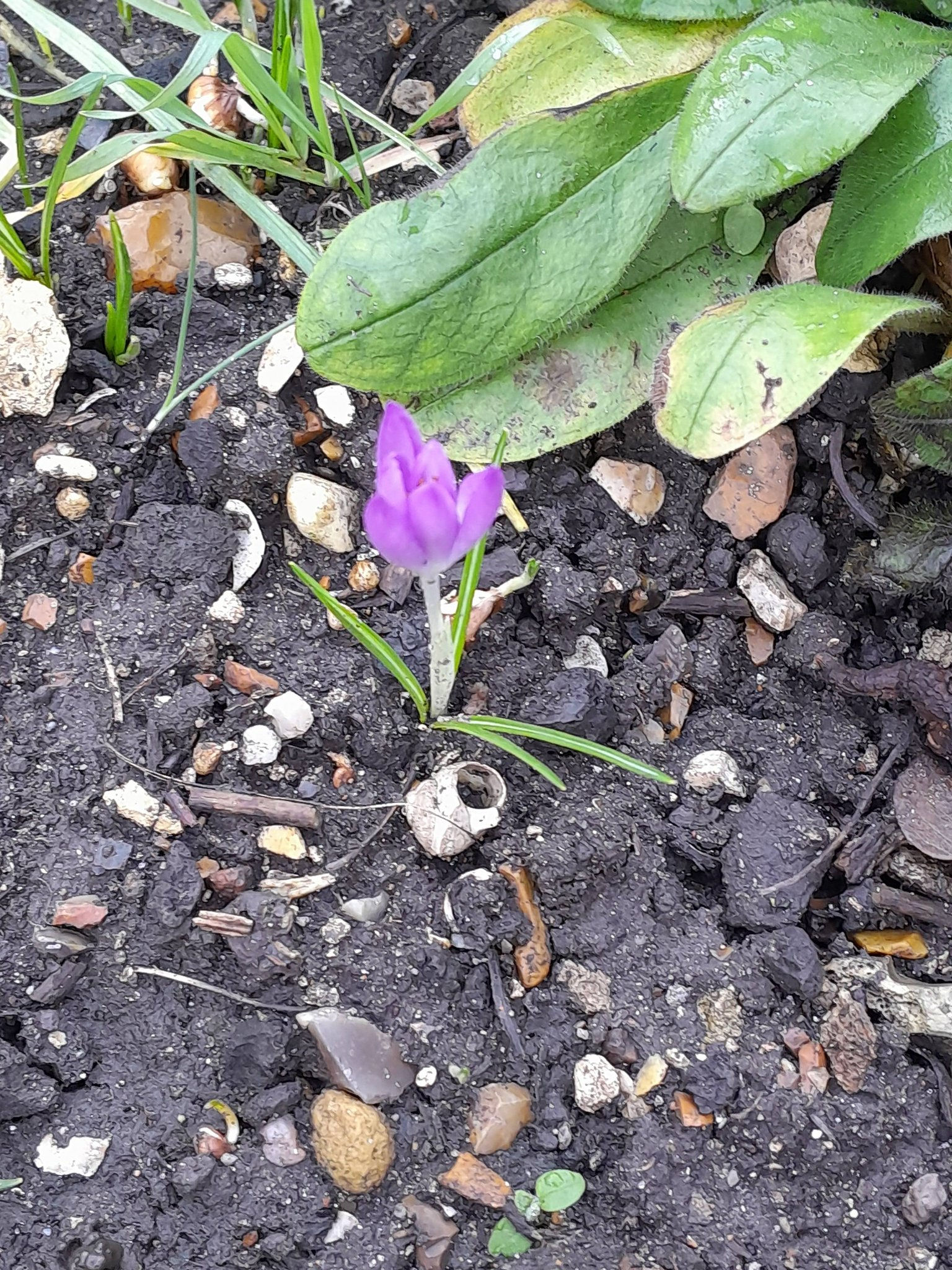
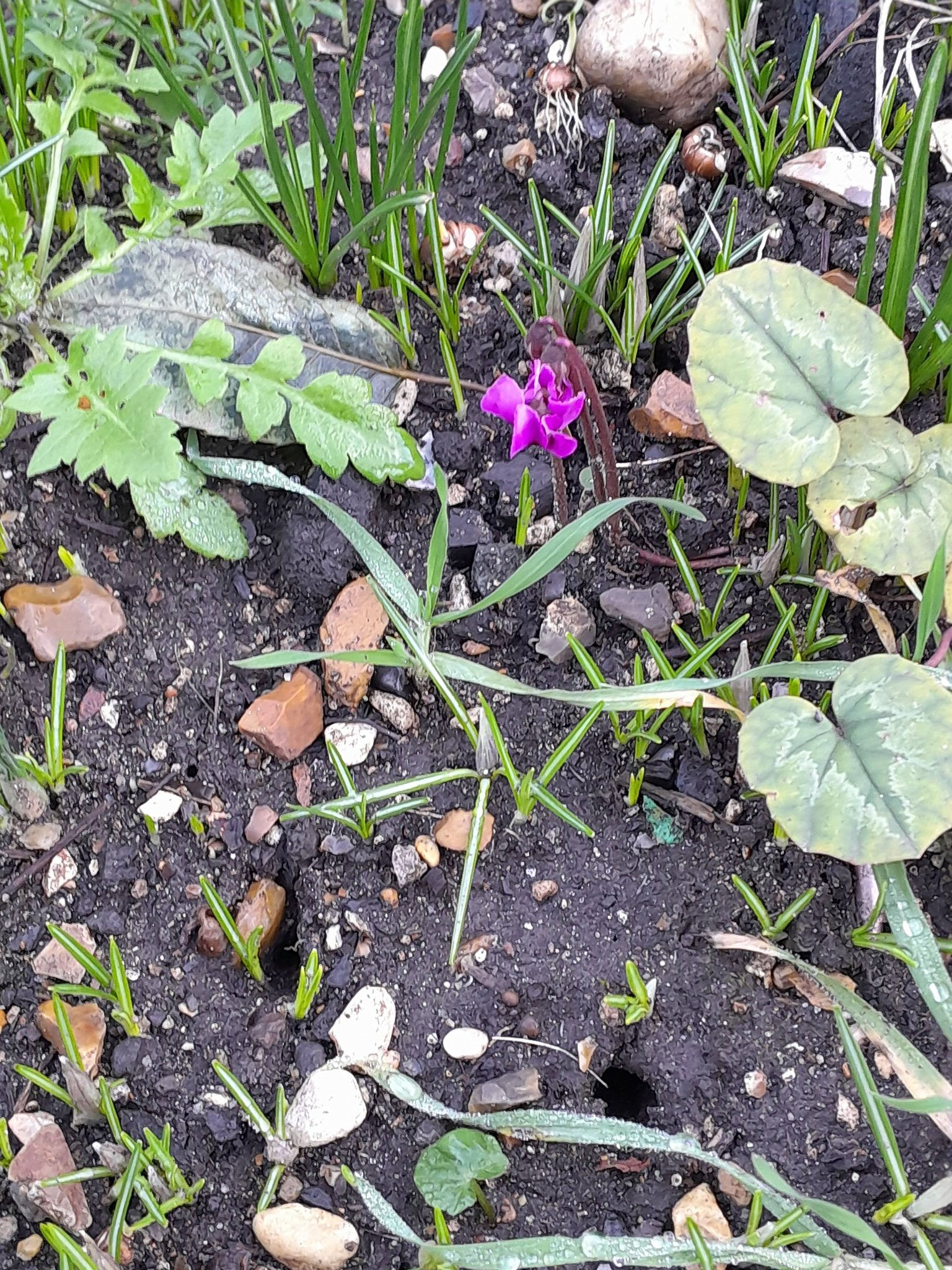
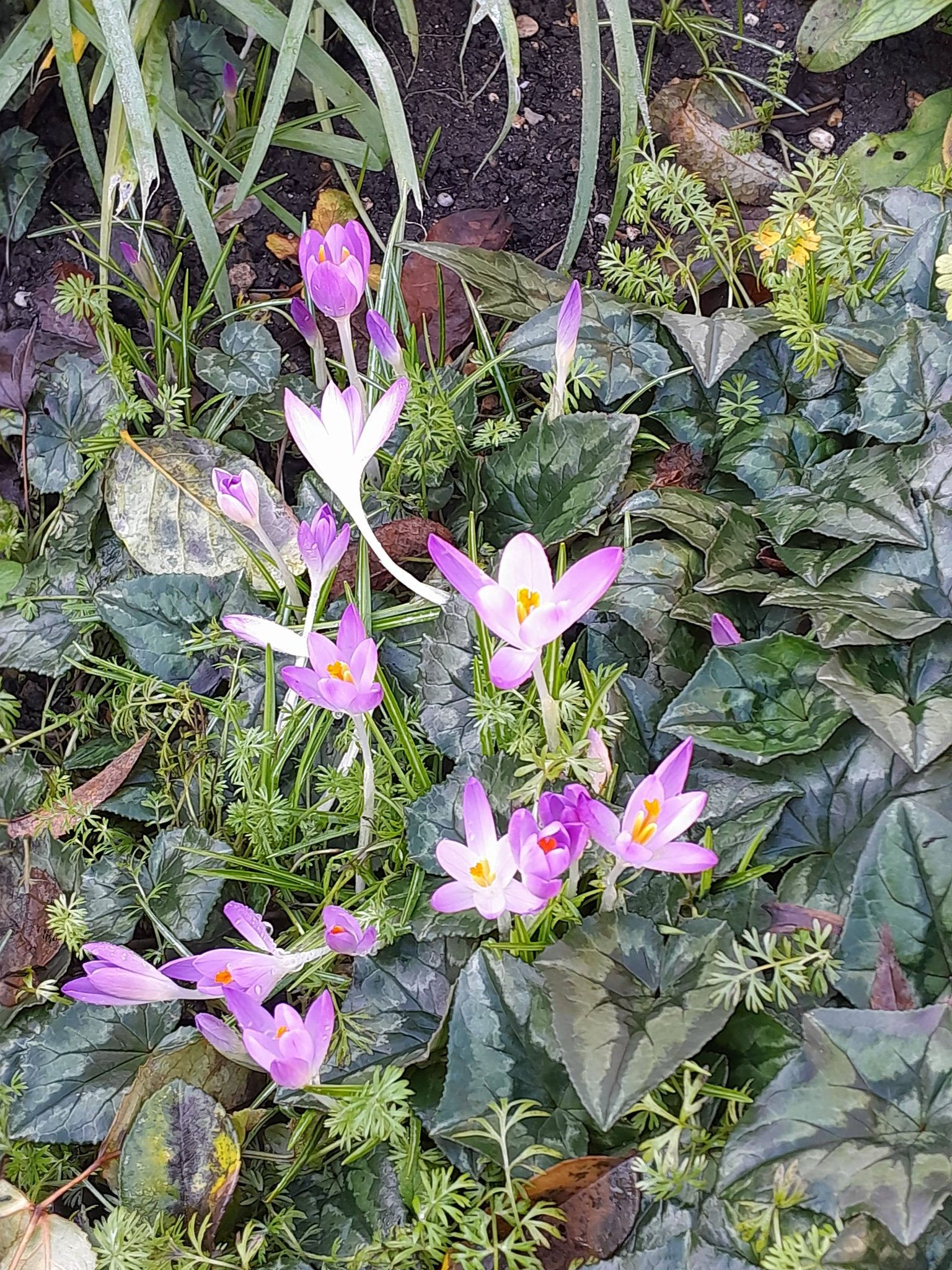
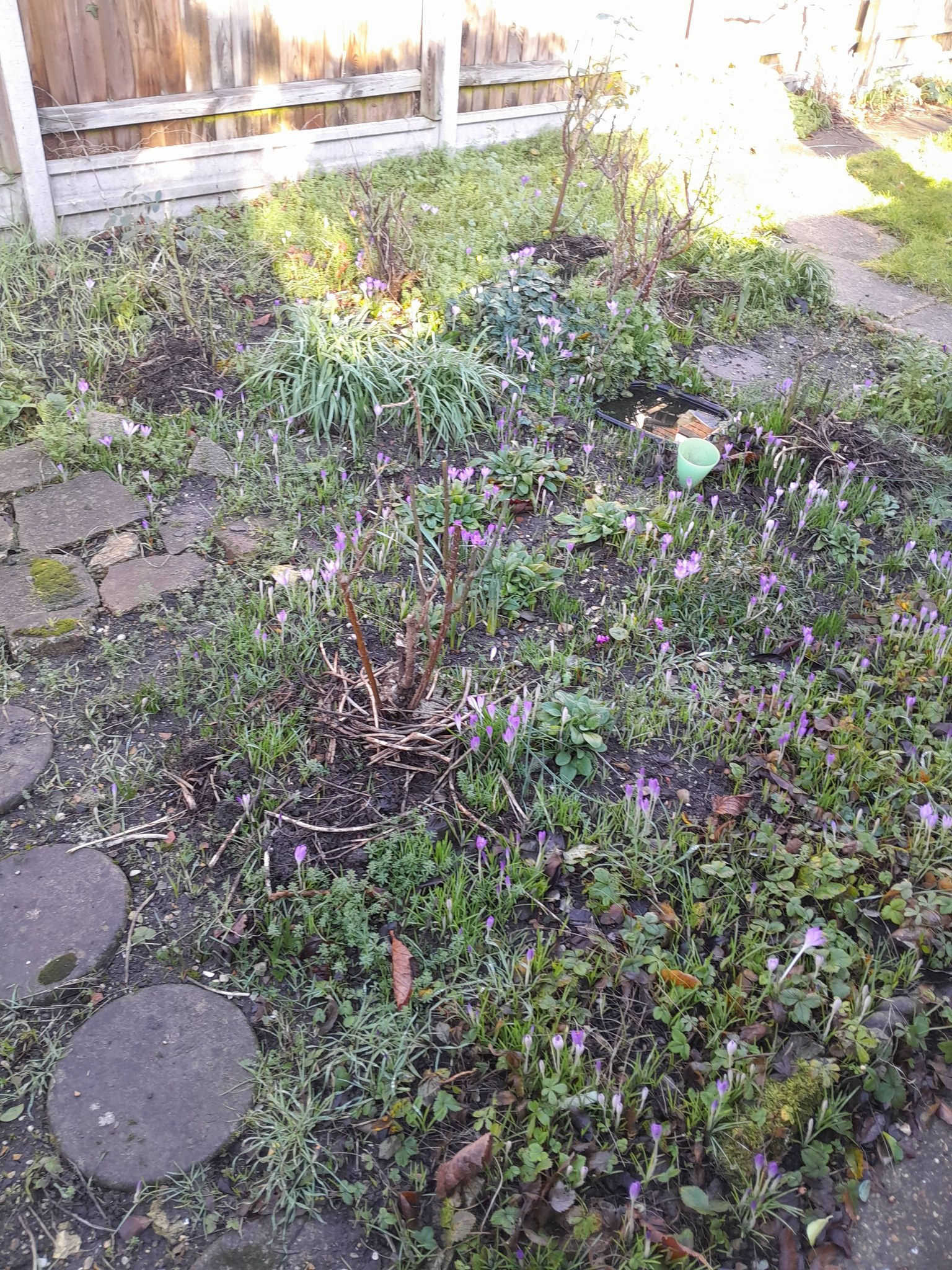
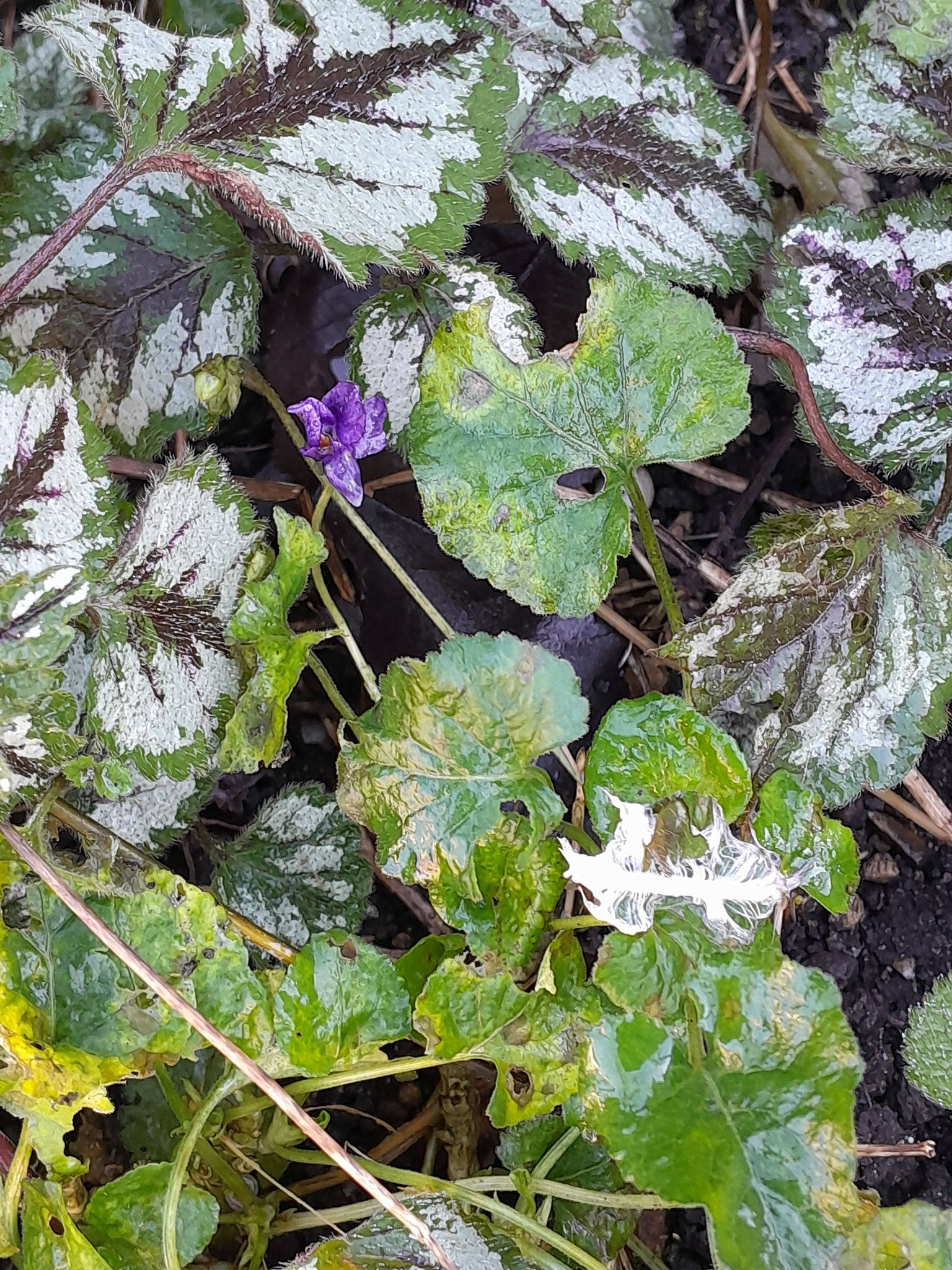
Jan 28: Crocuses! And a violet.
| January | 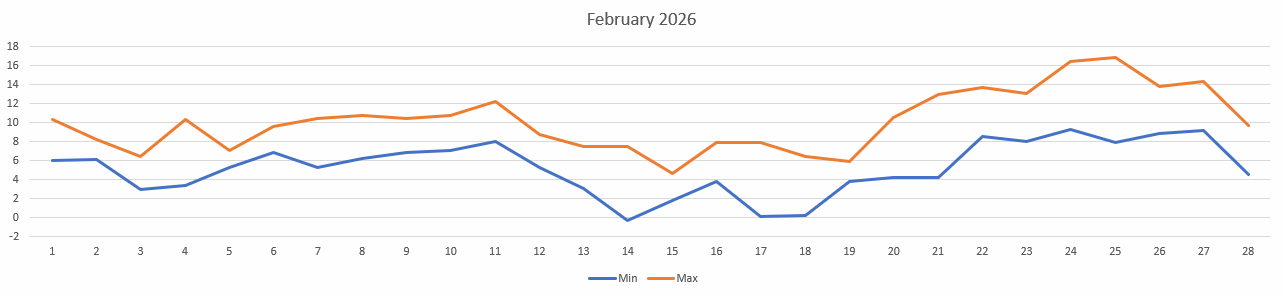 |
March |
Feb 1: Winter digging done! Still lots of crocuses (shady day, so not out). Cyclamen. Aubretia.
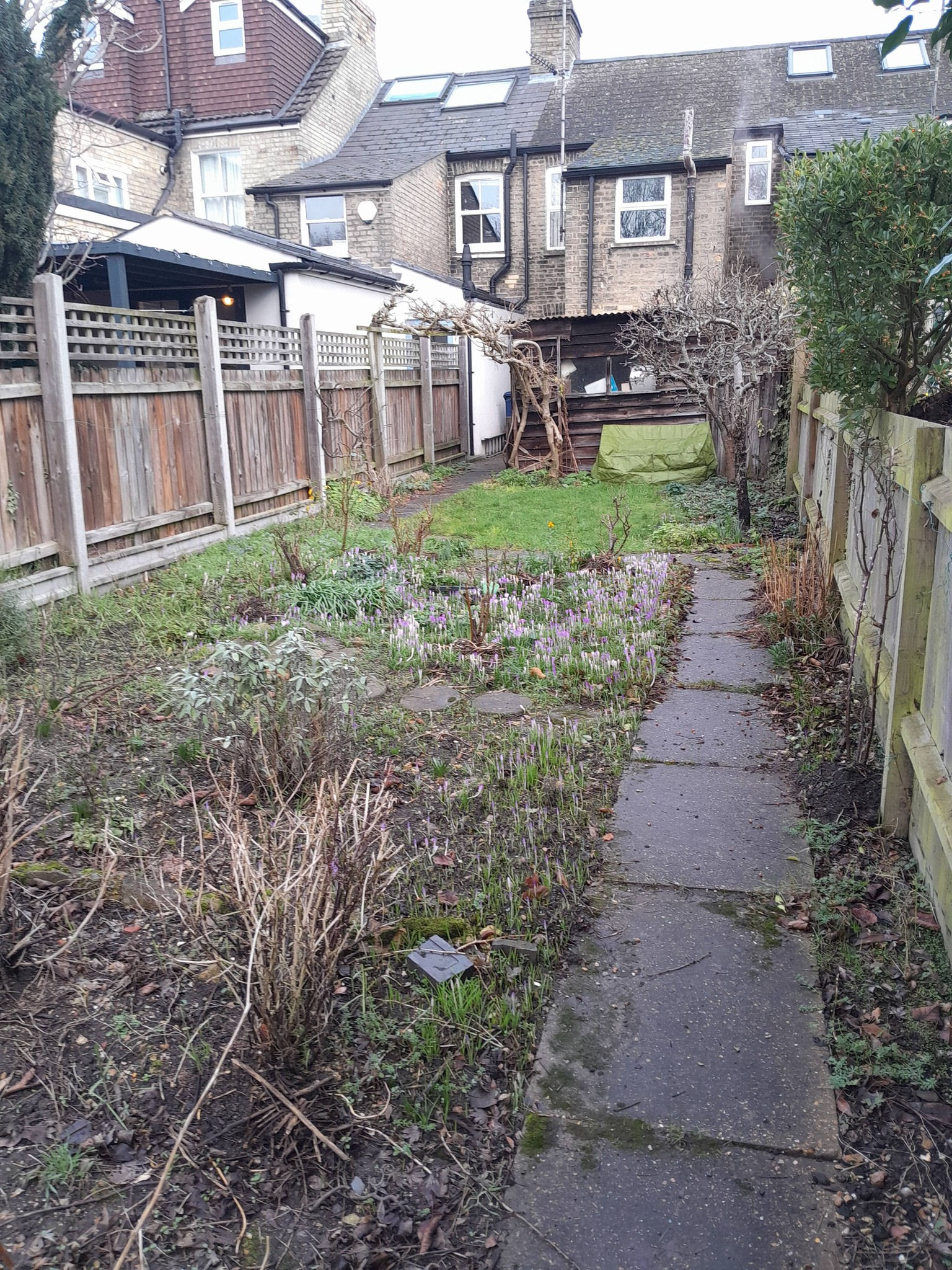
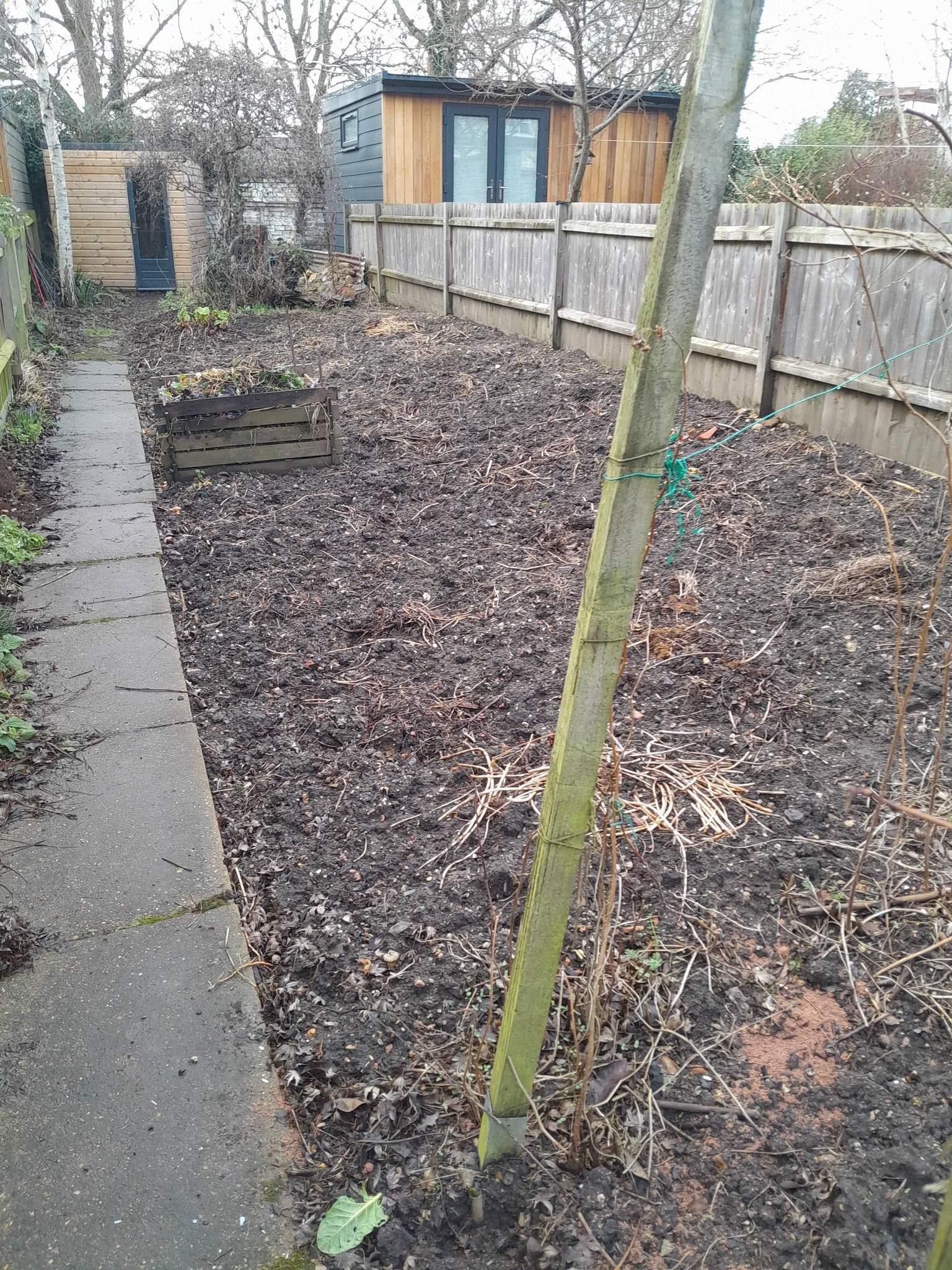
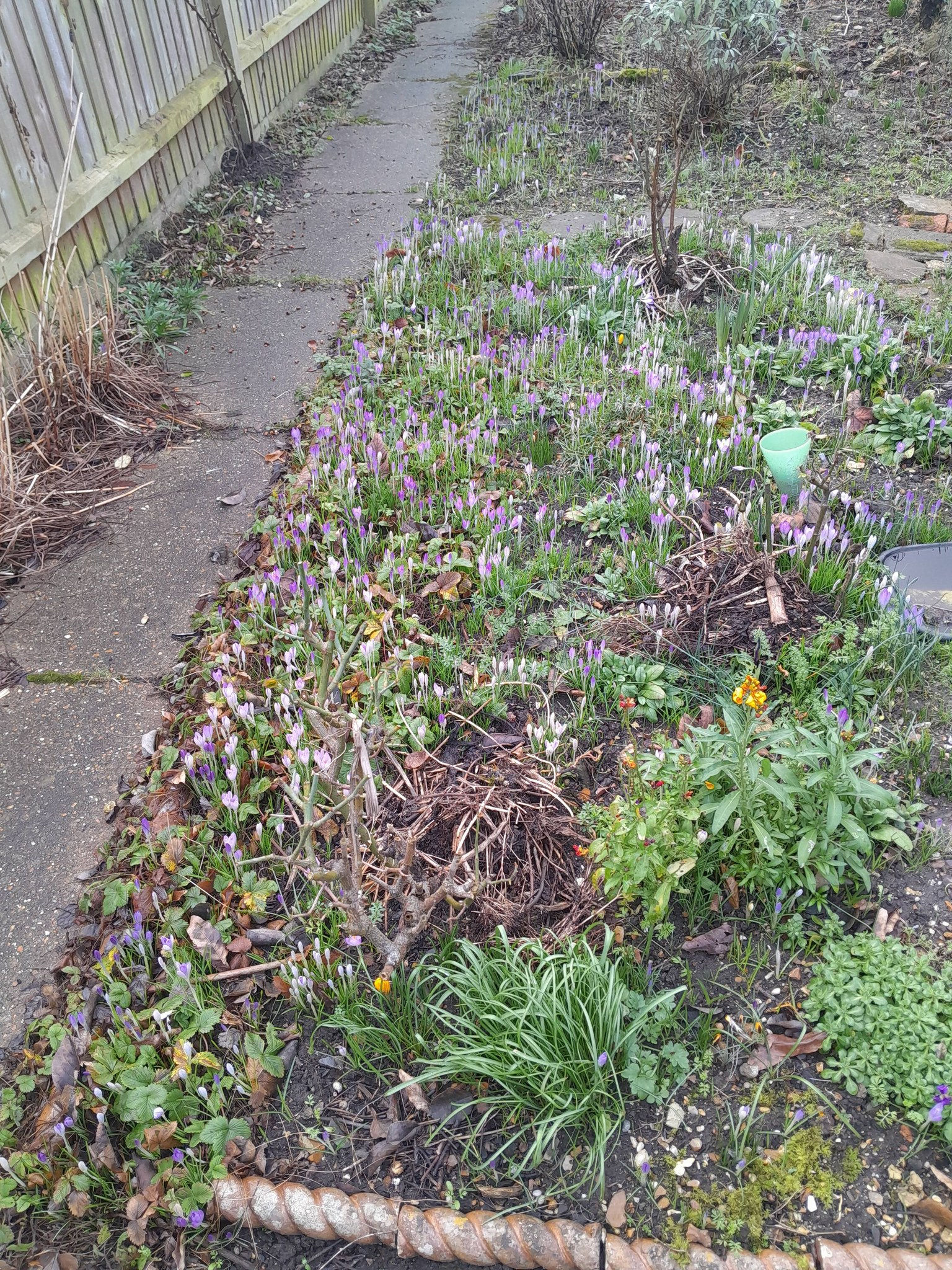
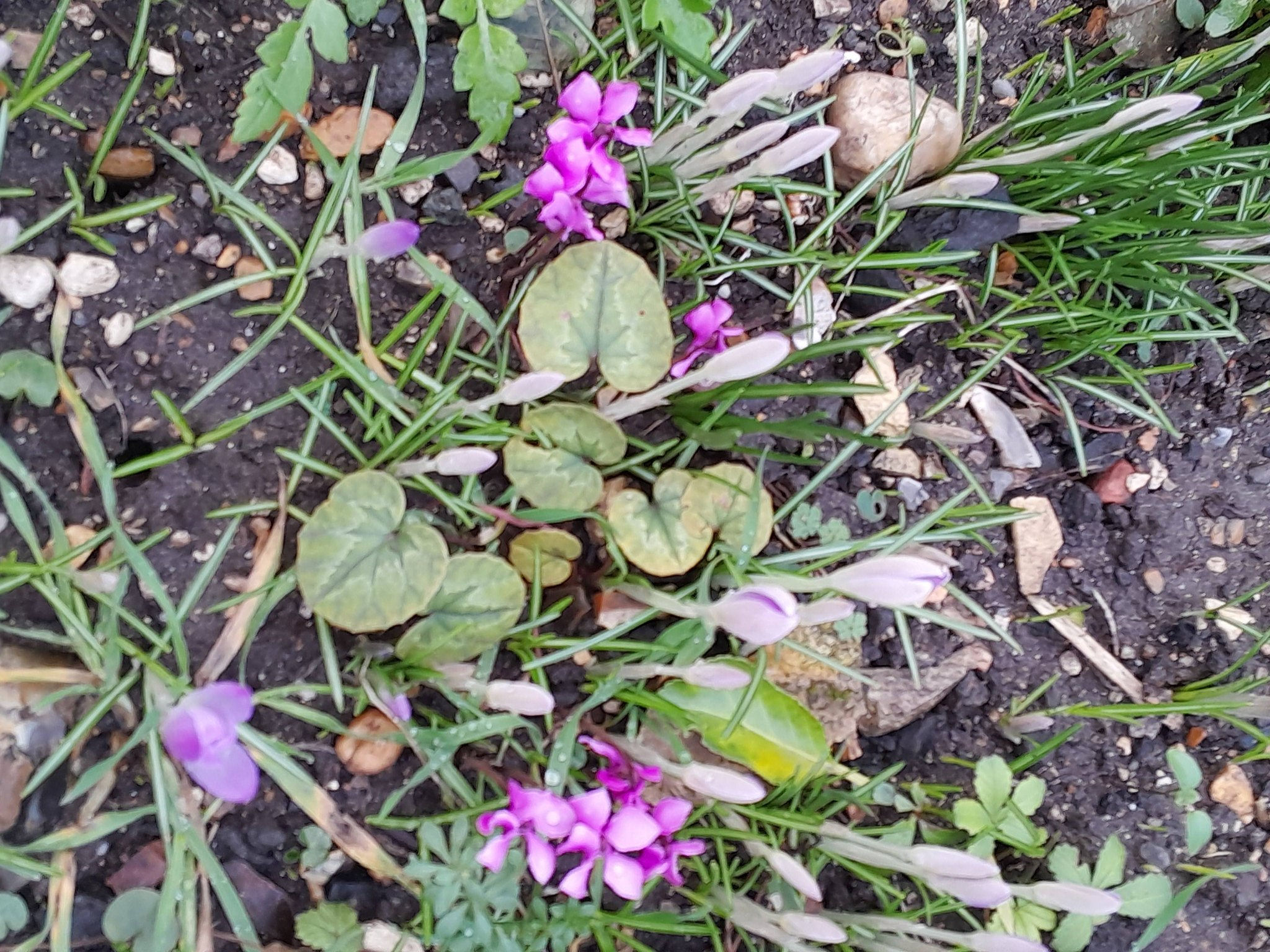
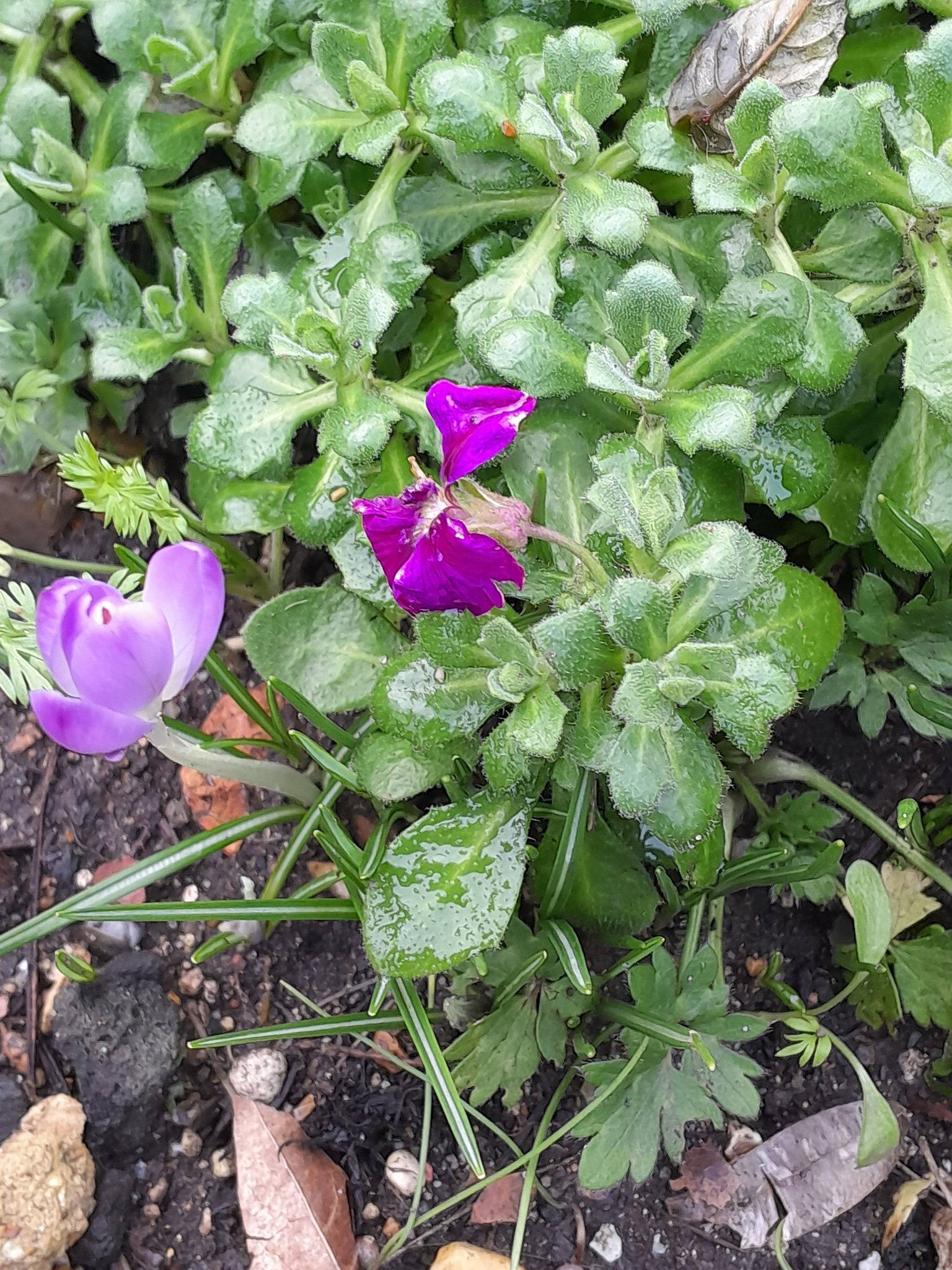
Feb 7: Peak crocus? Shame about the weather (damp and miserable).
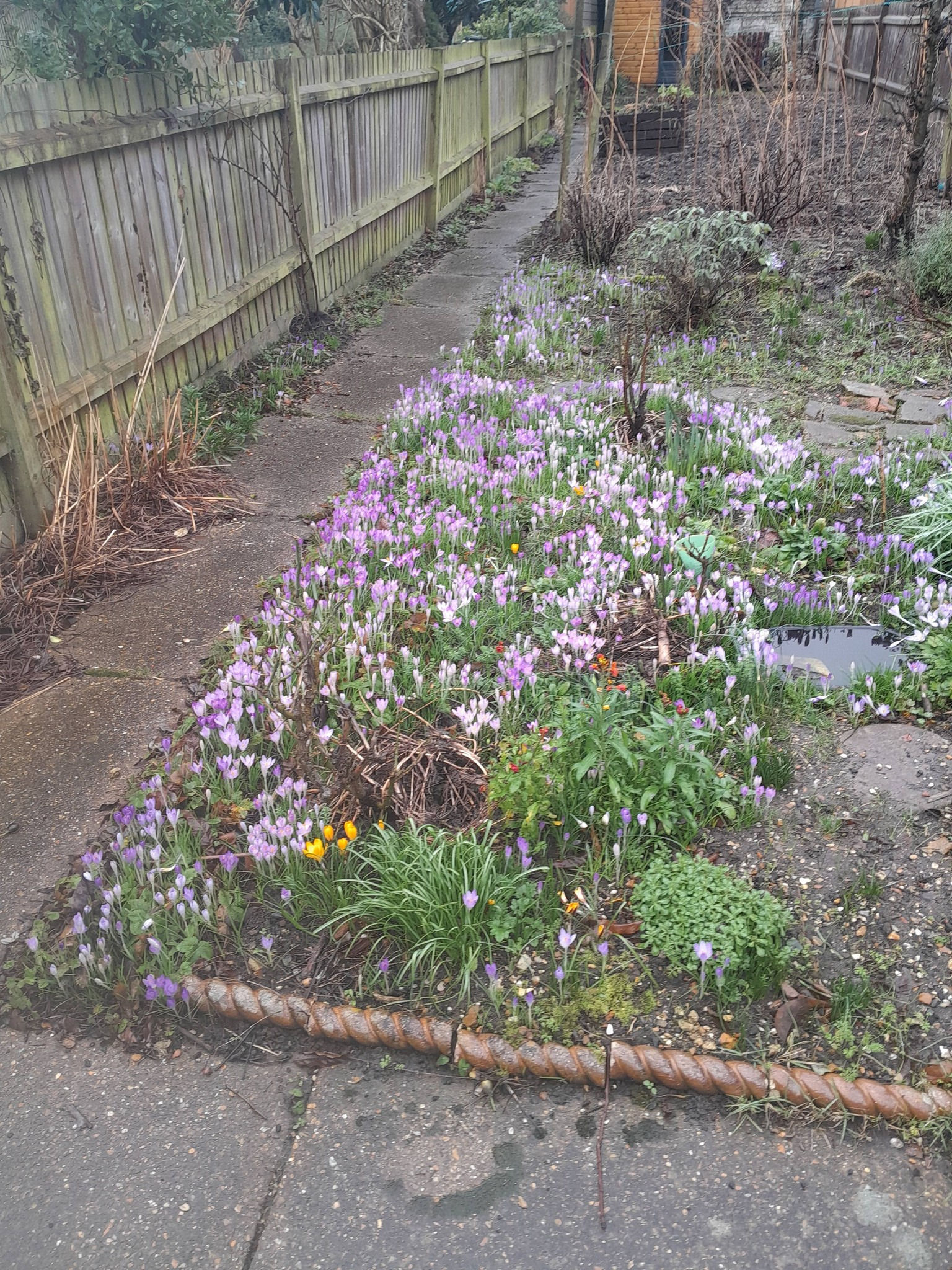
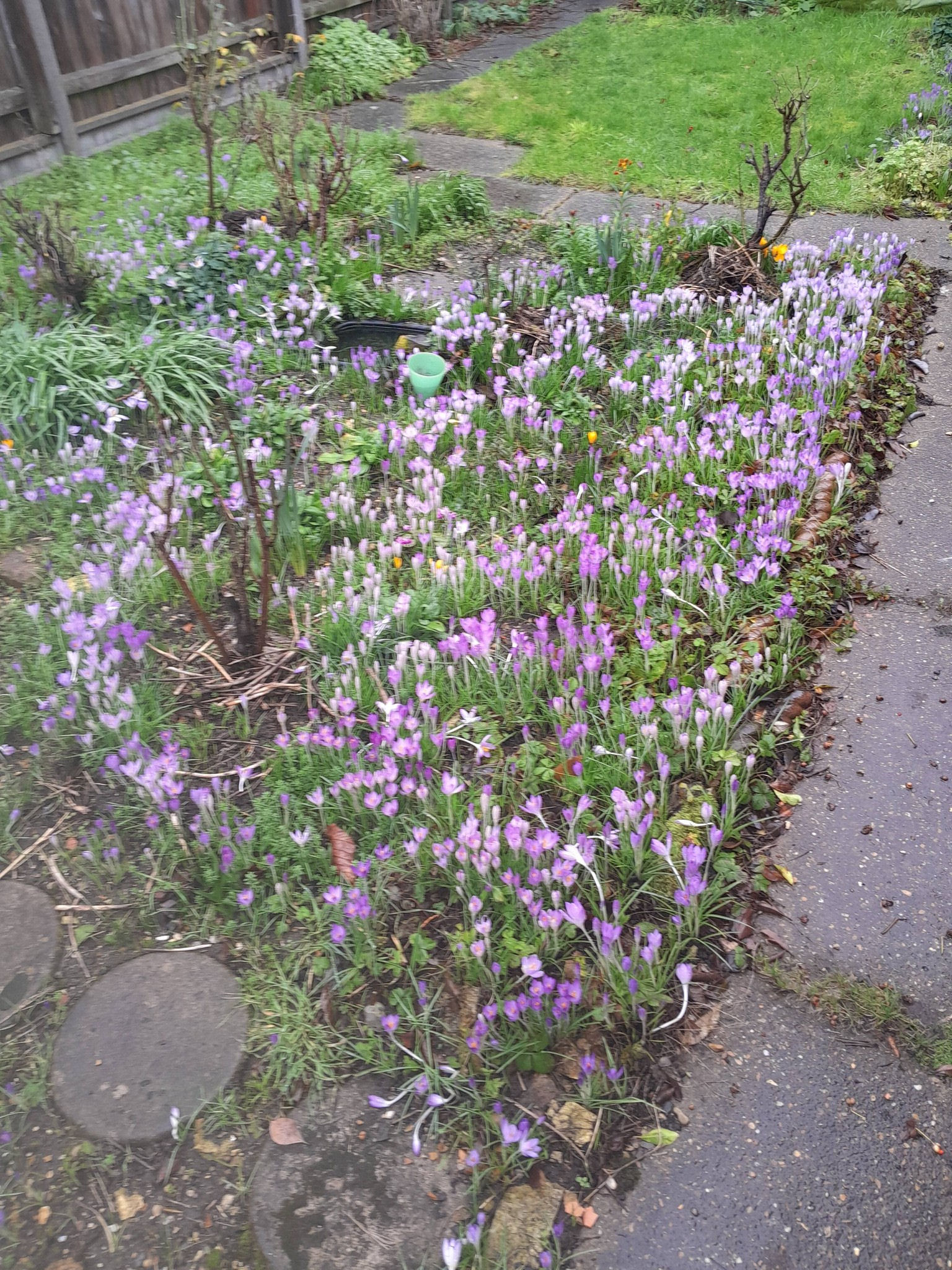
But then the sun came out!
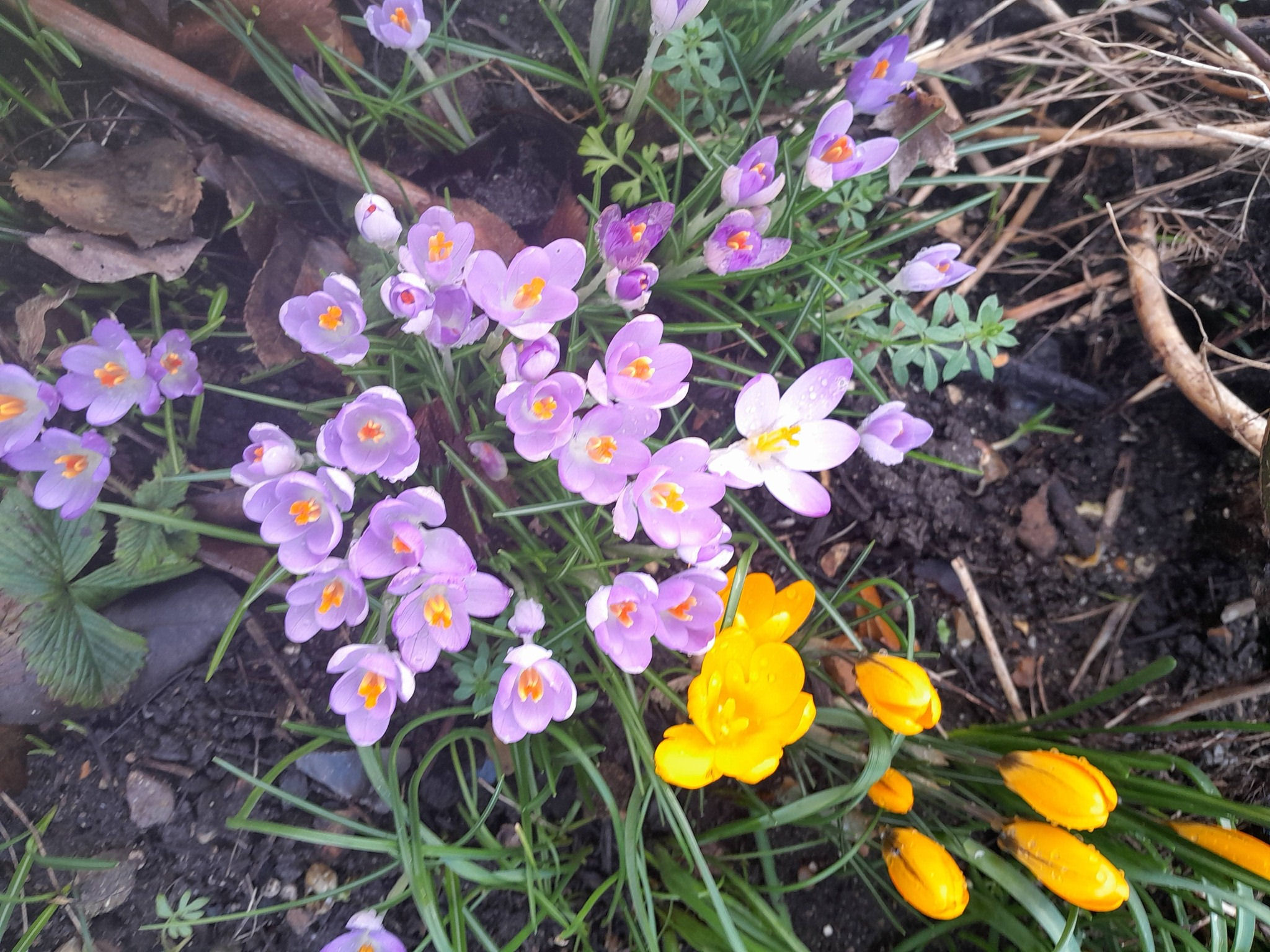
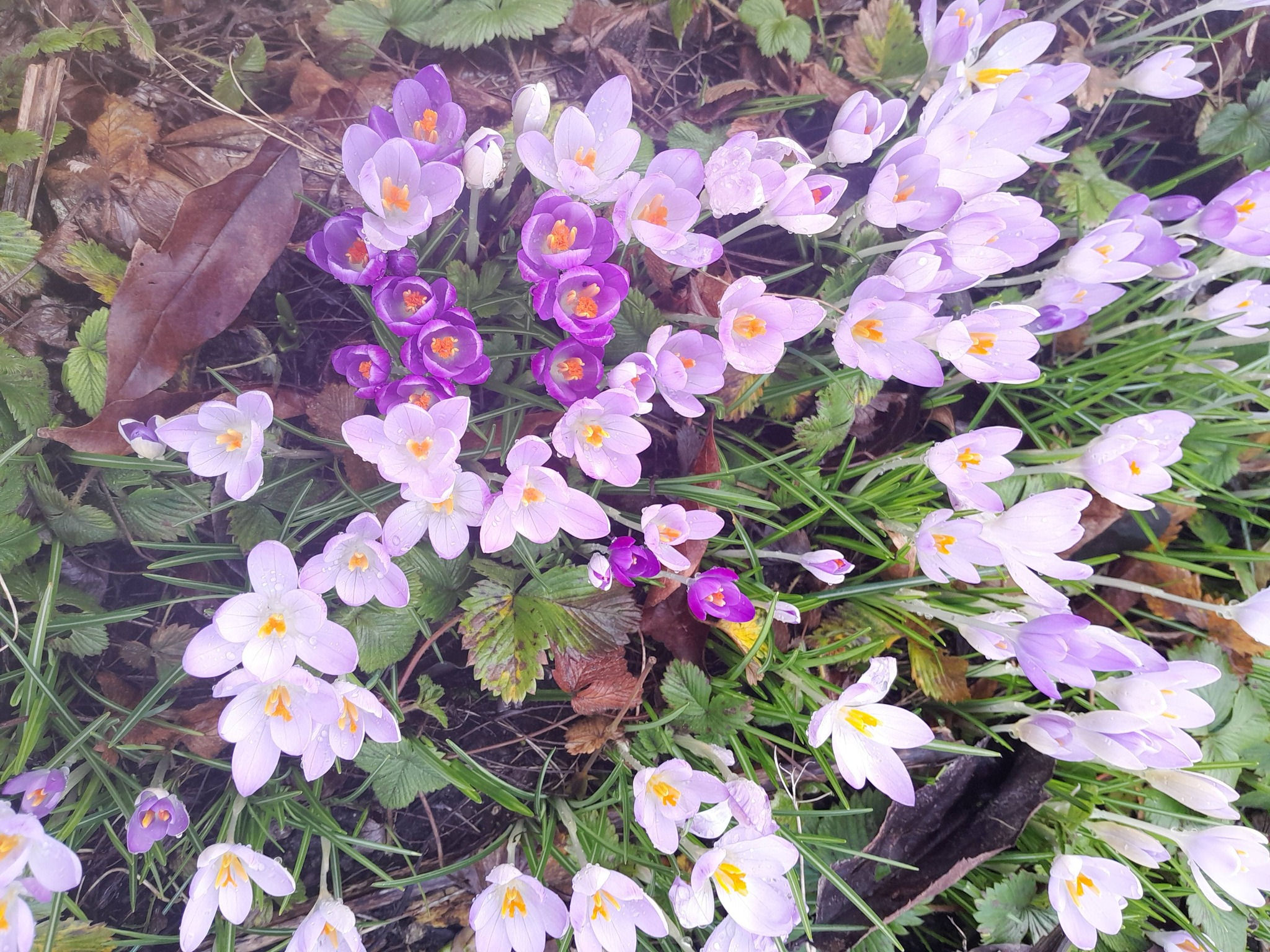
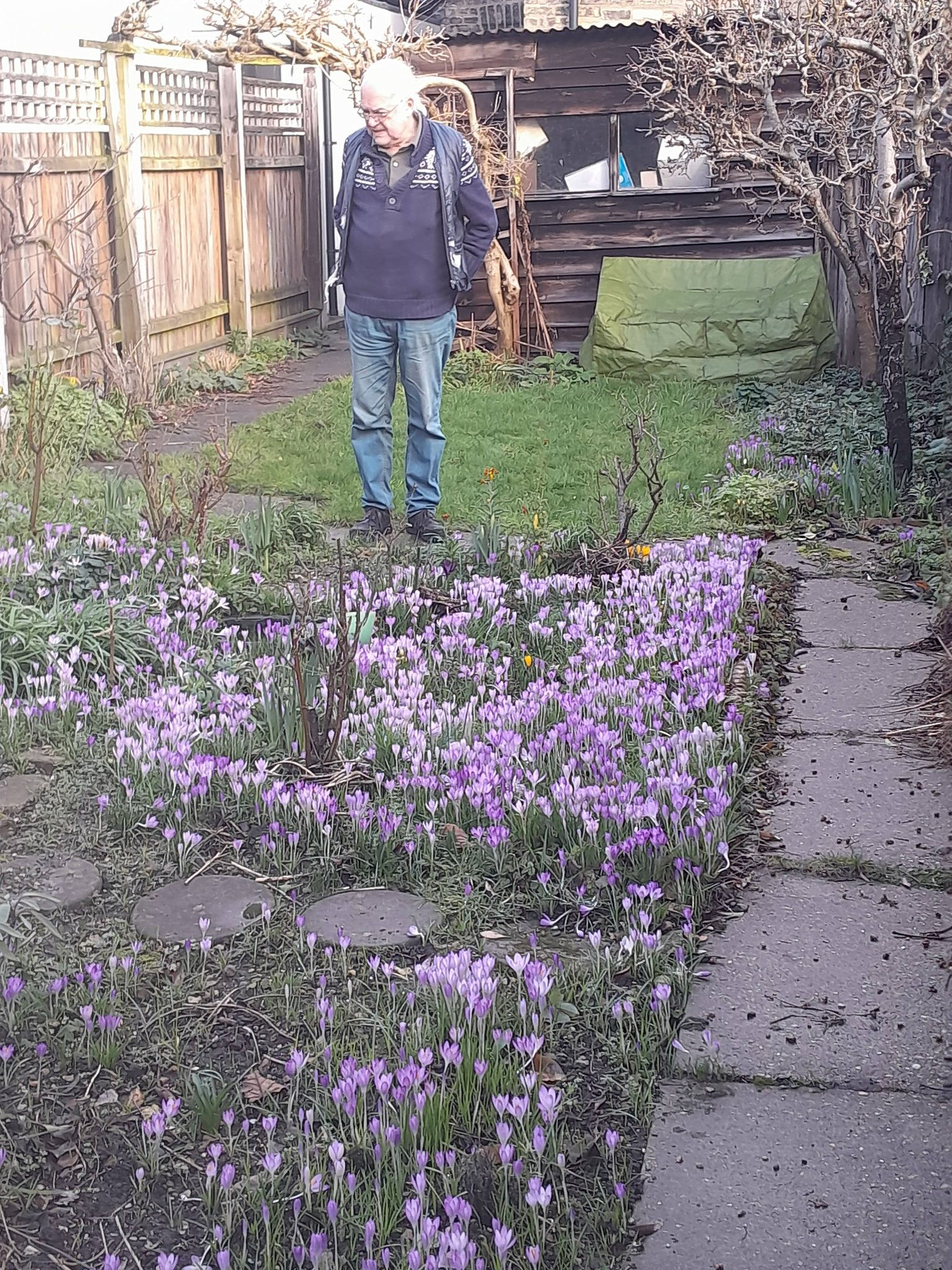
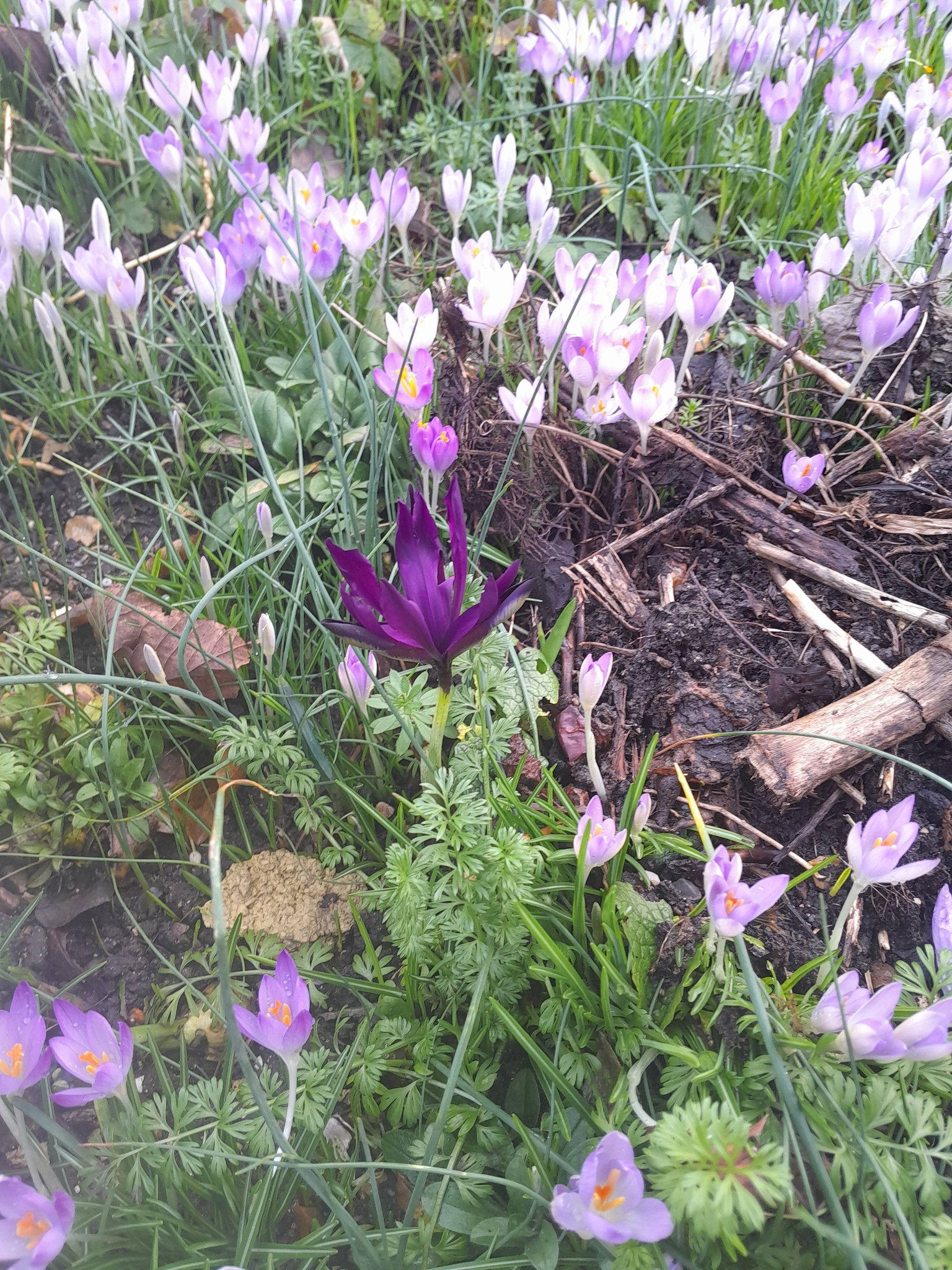
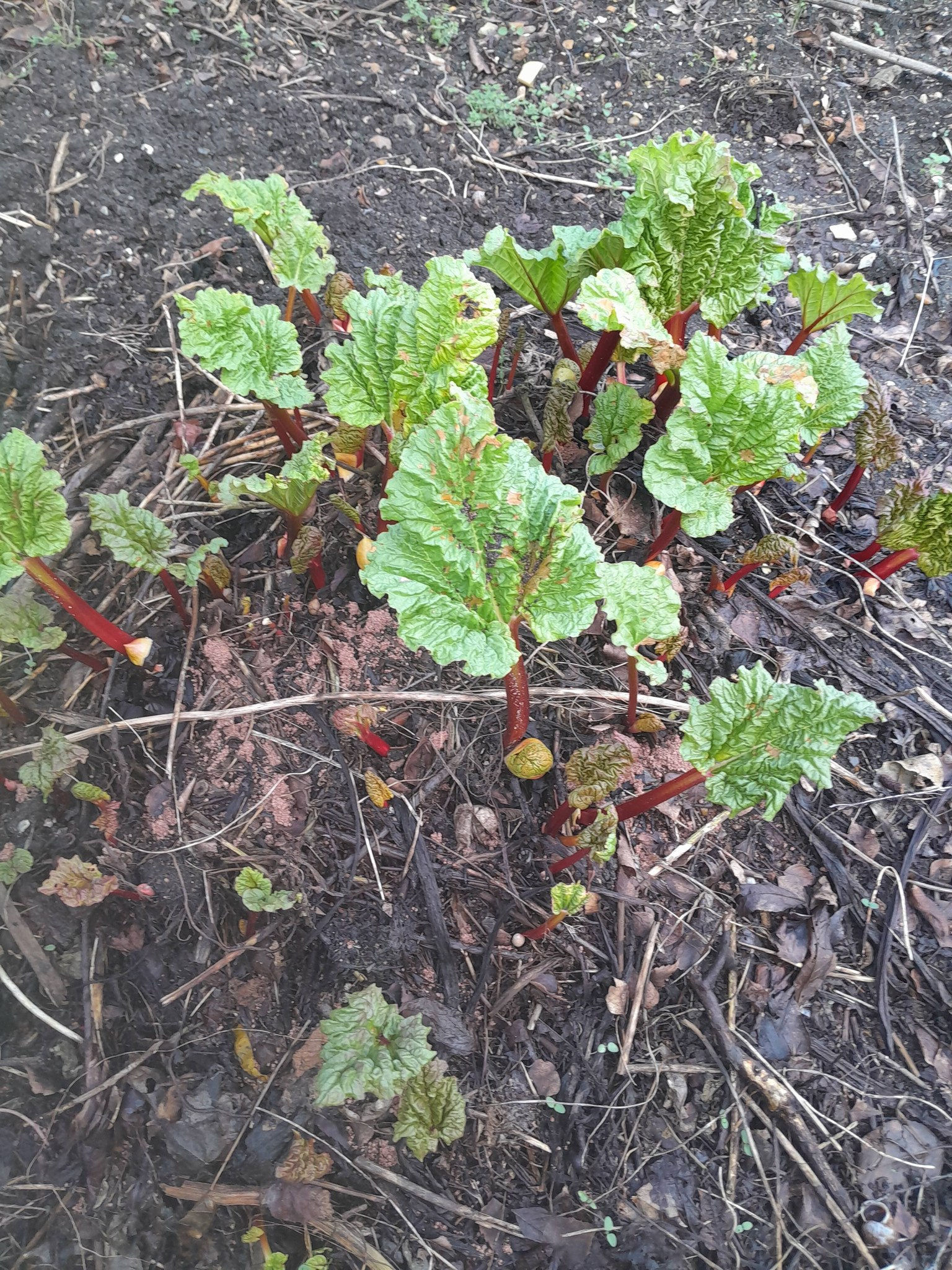
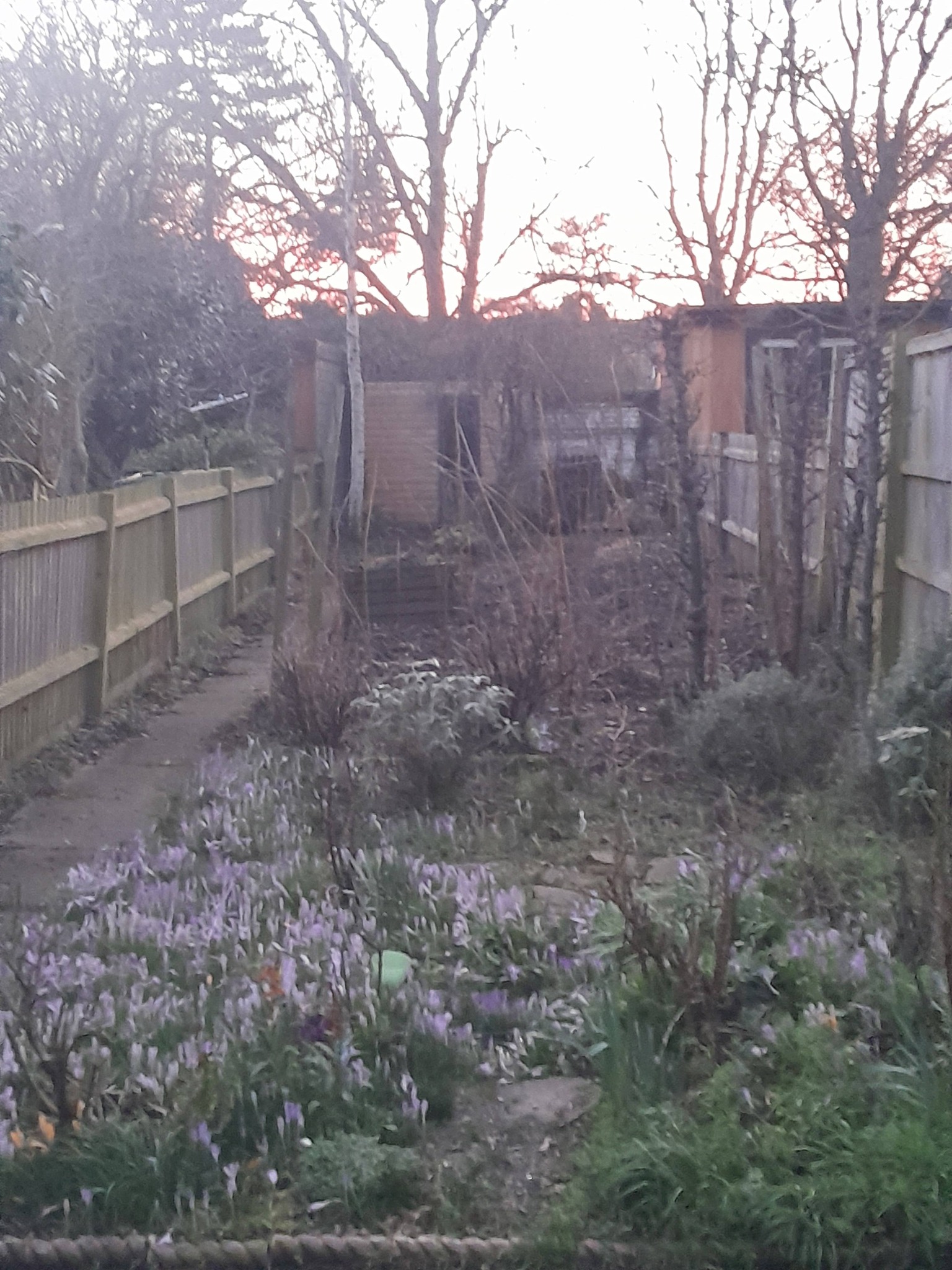
Feb 11: Effects of using a camera phone! These photos were taken at the same time, just point the camera in a different direction.
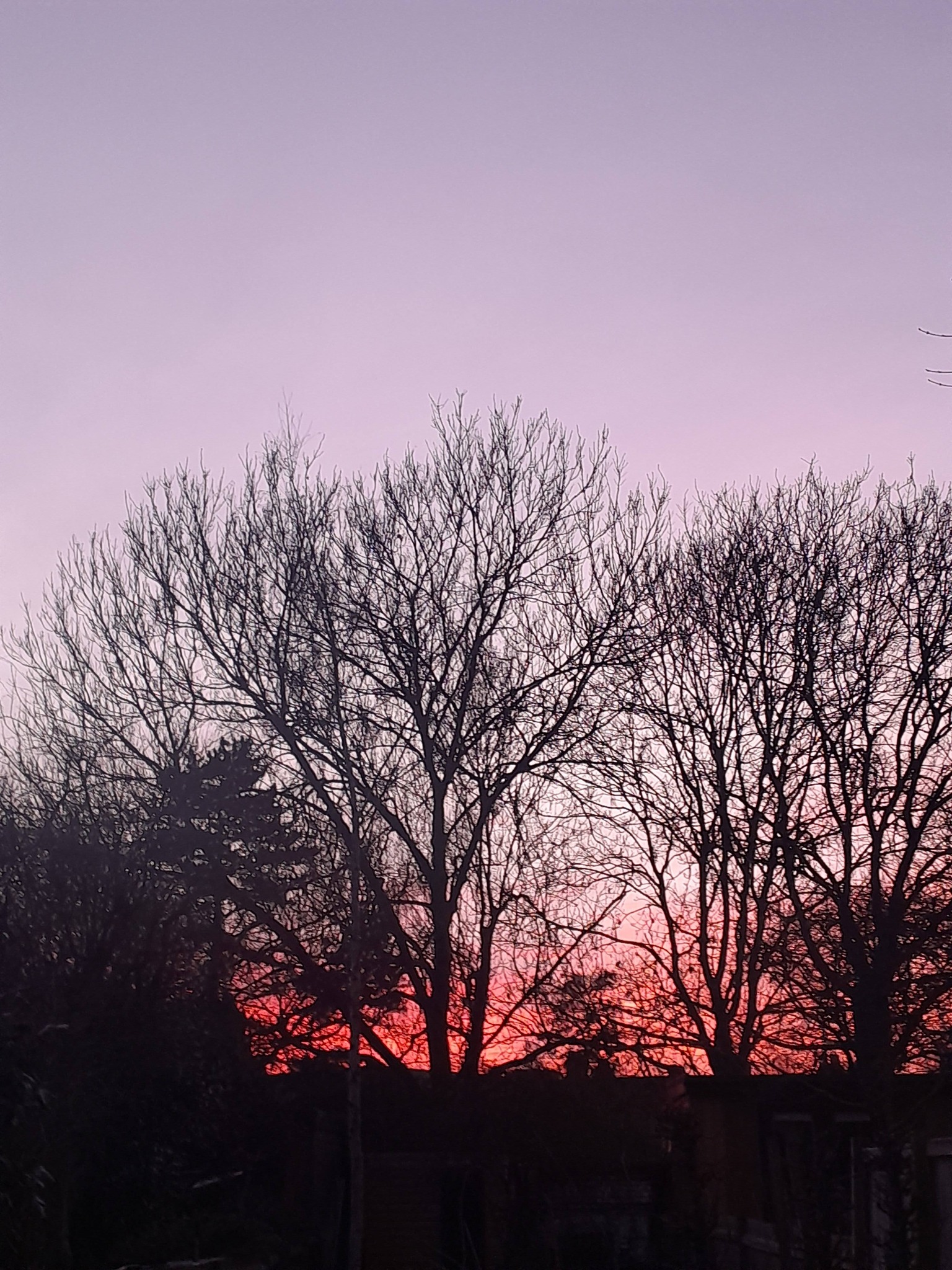
Feb 14: Wallflower, iris ret, and cyclamen. And crocus, of course..


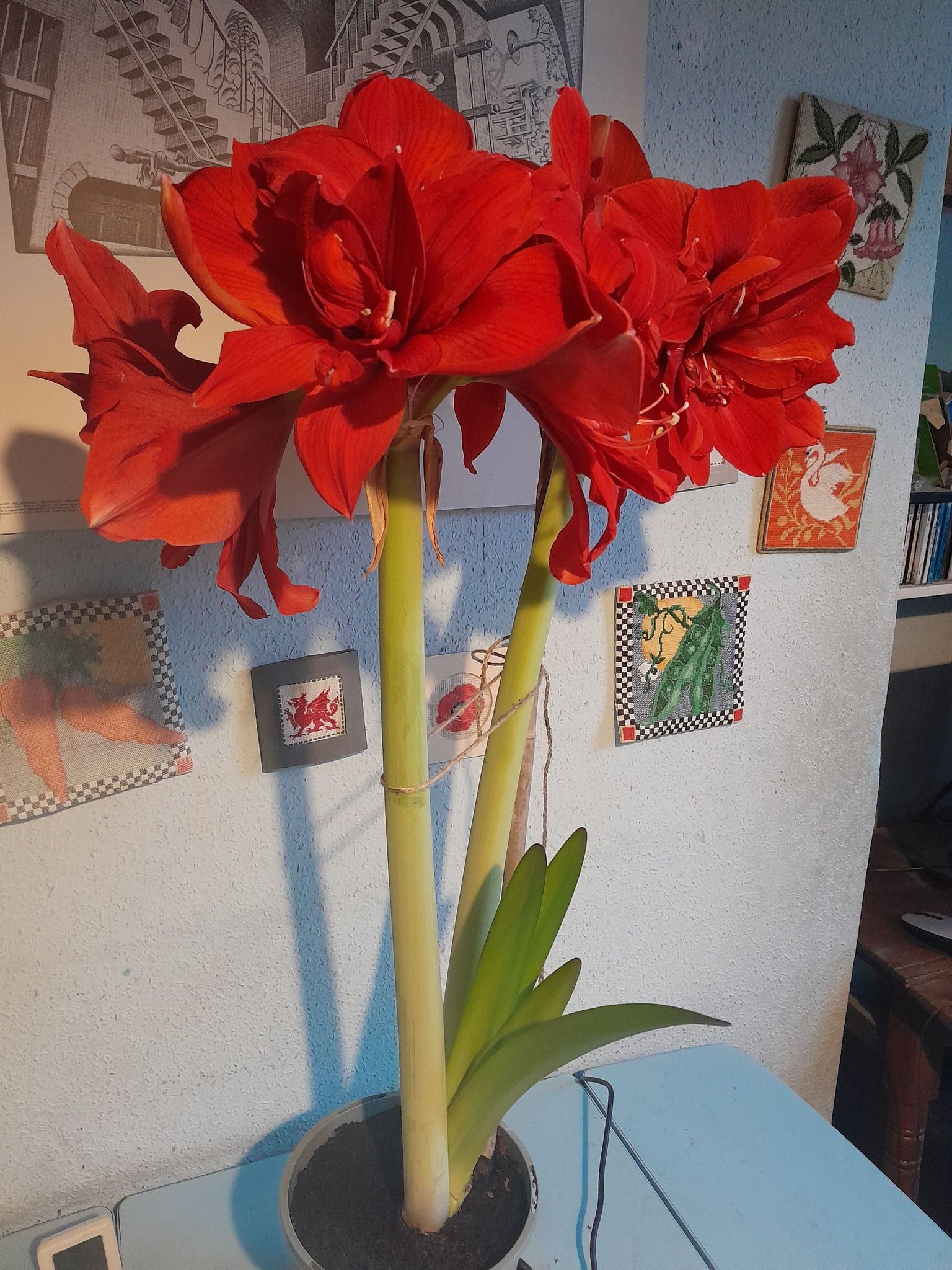
Feb 15: Snow! And an Amarylis
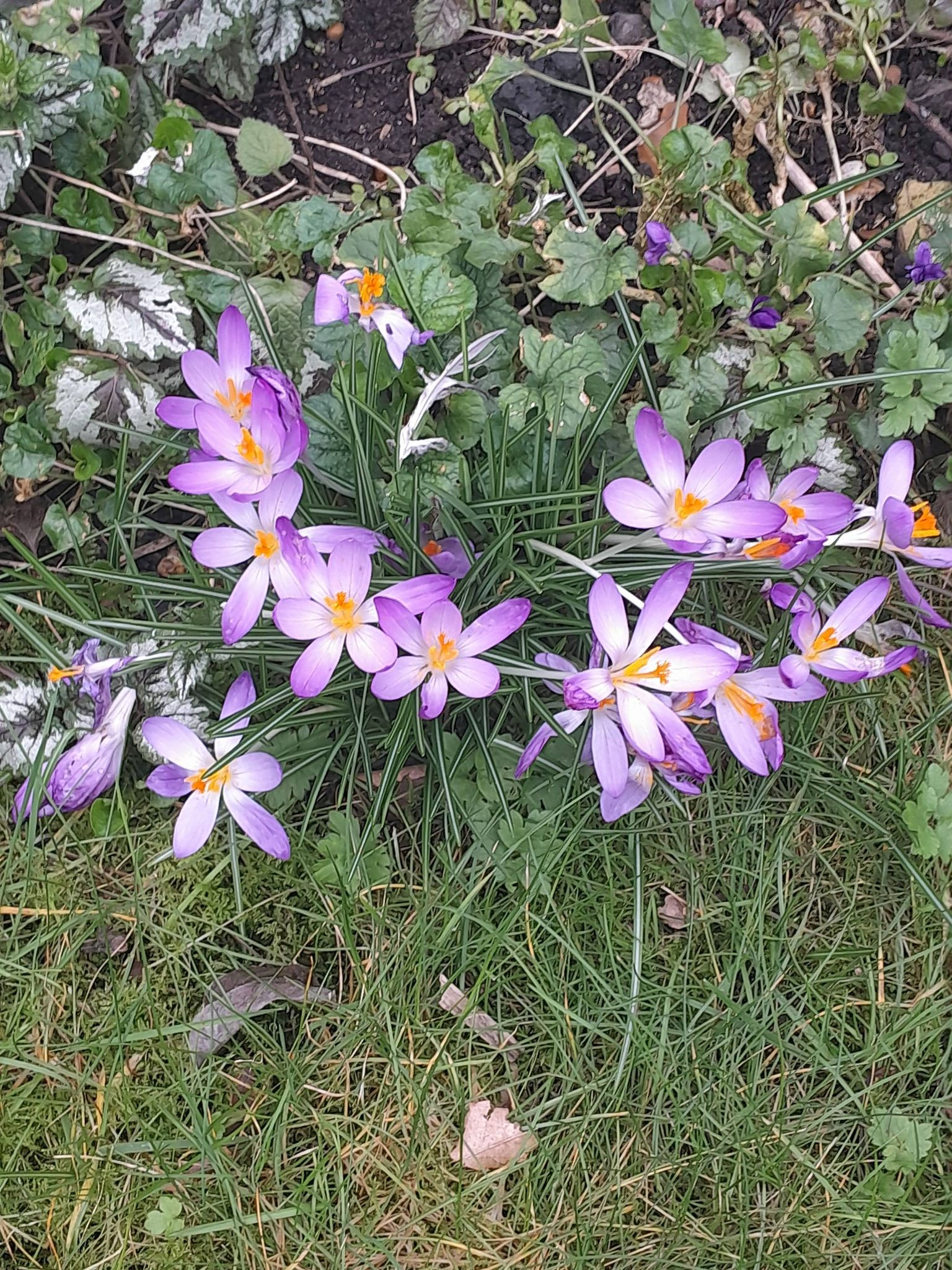
Feb 22: Mostly crocuses. The bedraggled orange flower is a marigold, hanging in there... Sown early carrot and raddish, and brussel sprots inside. (Broad beans sown last week, I think.)
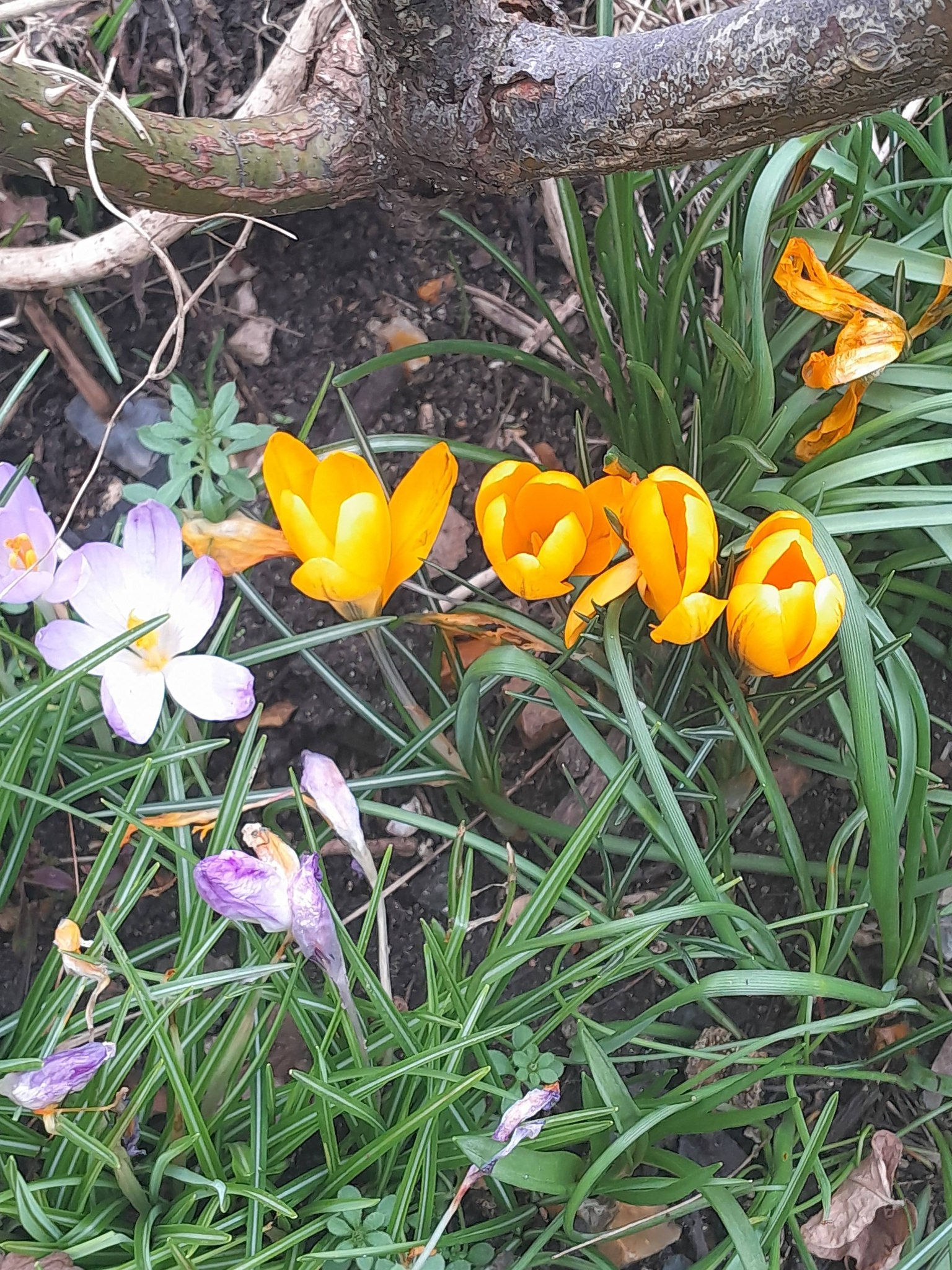
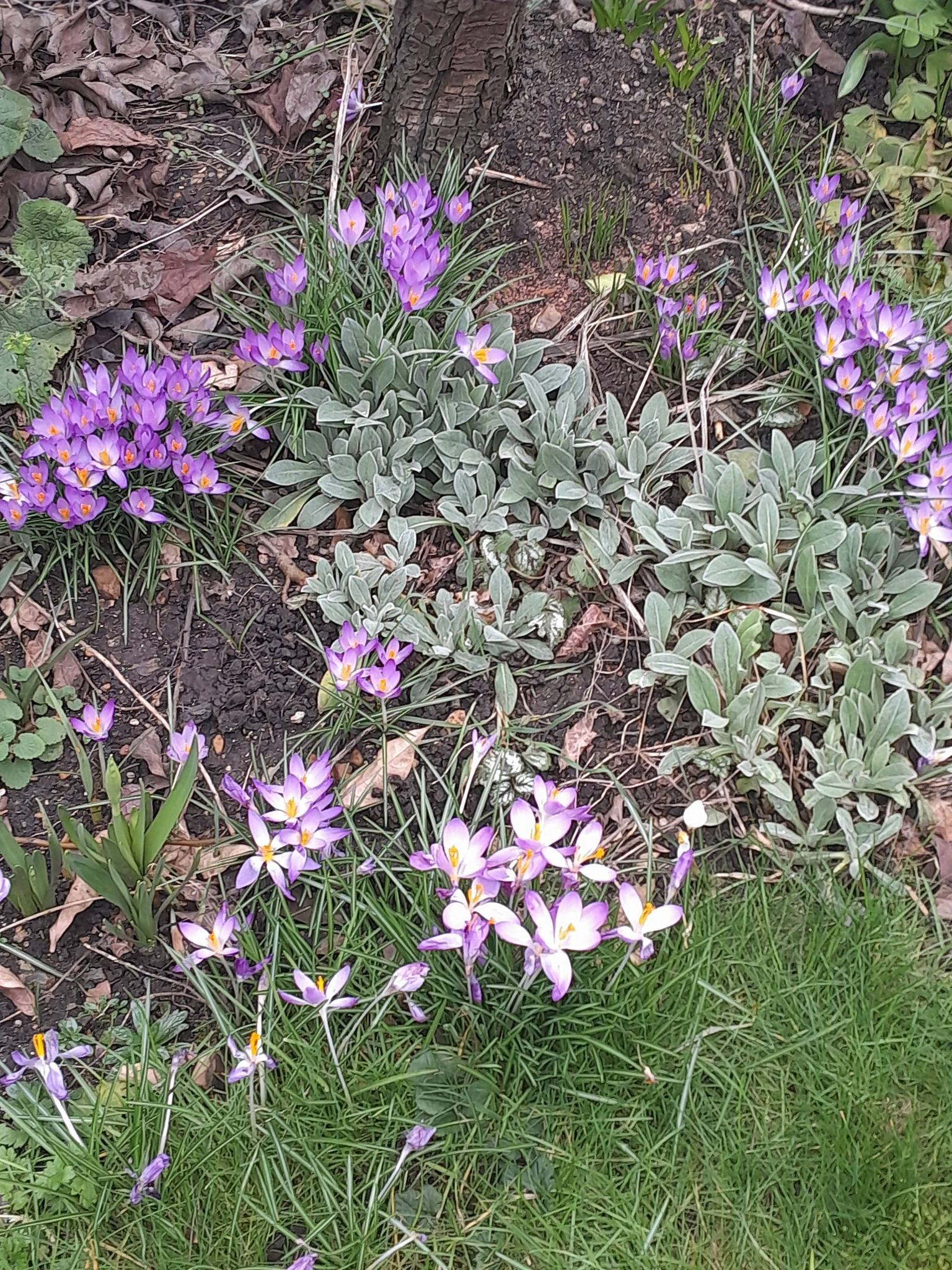
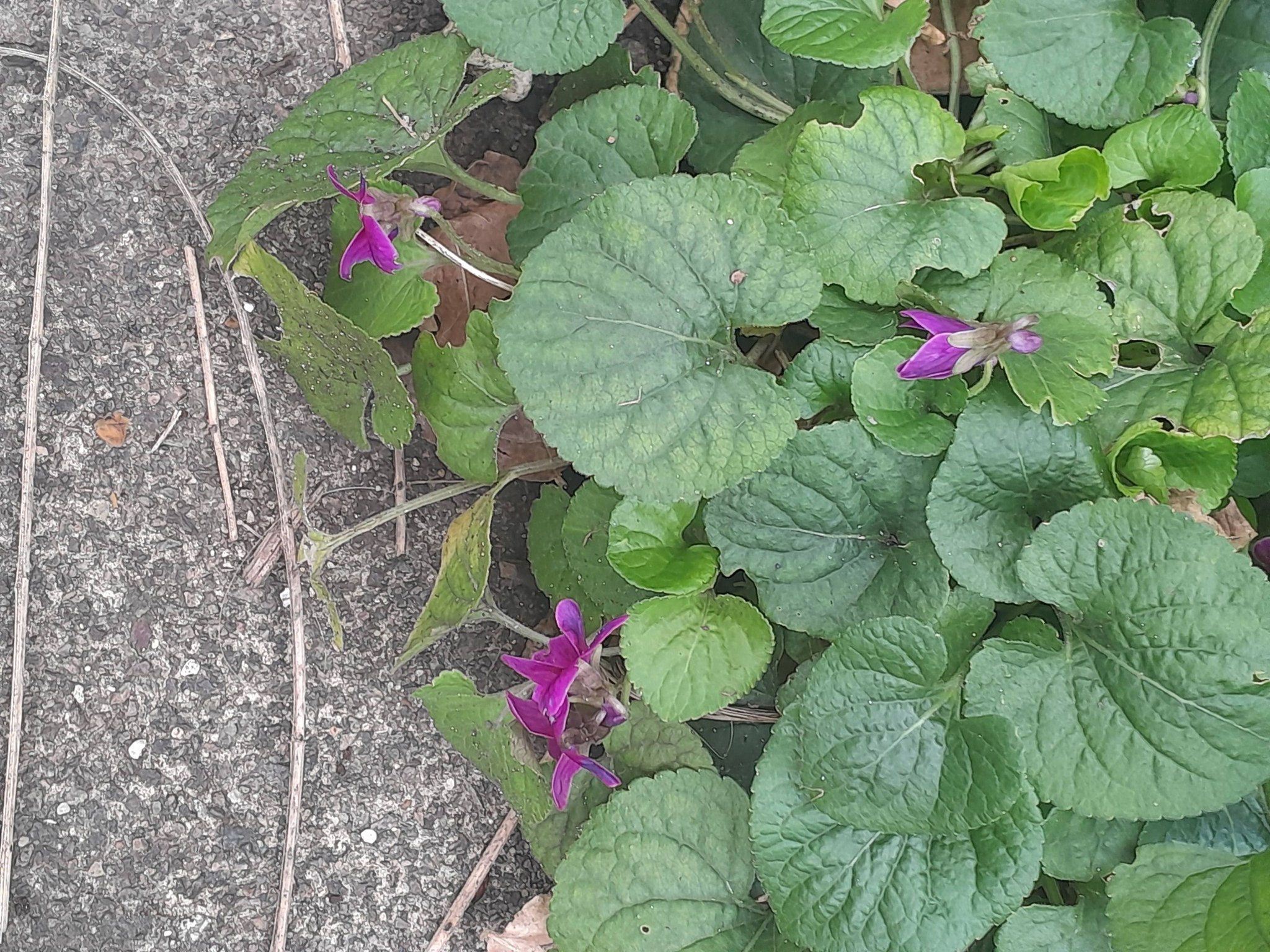
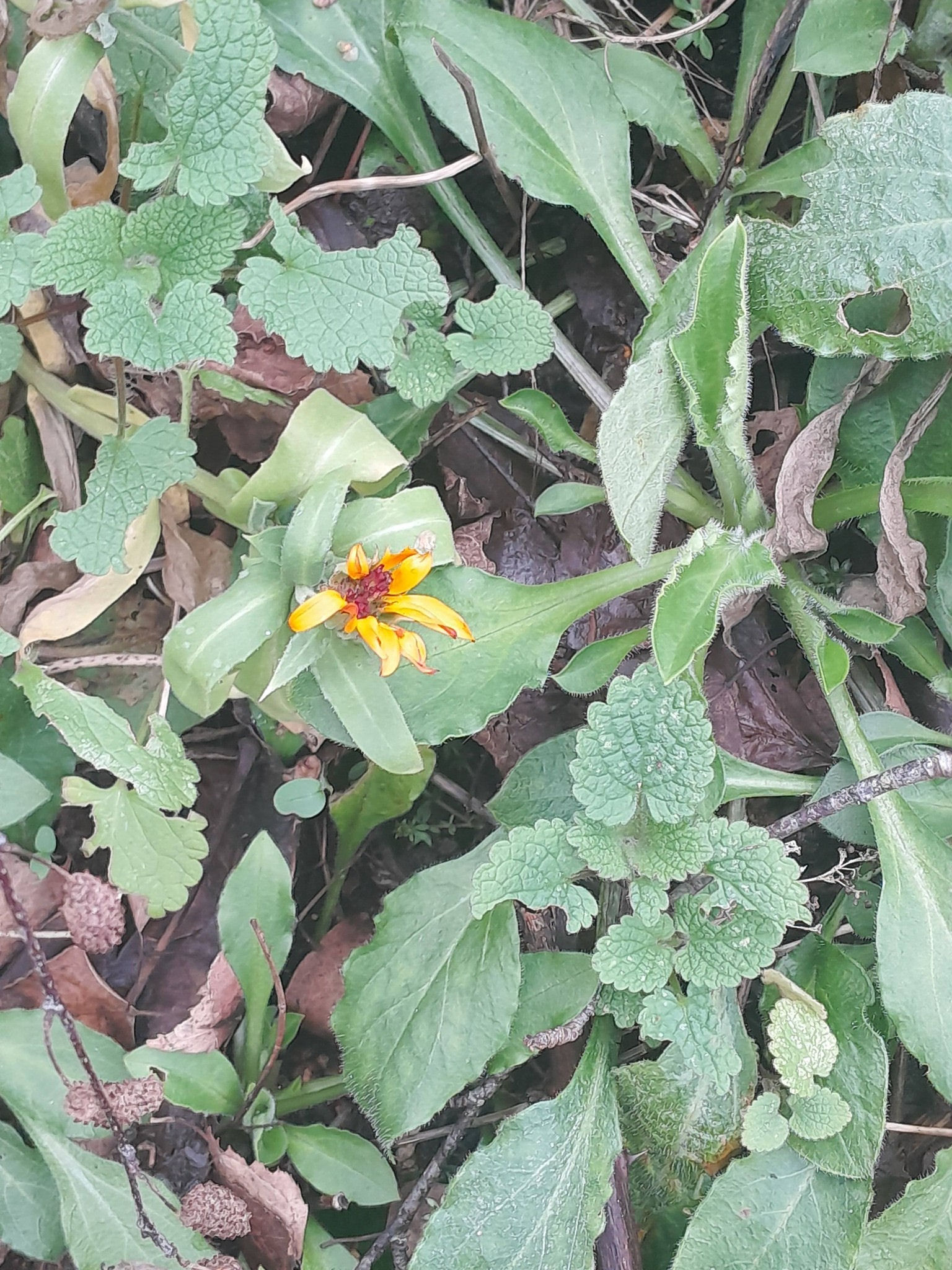
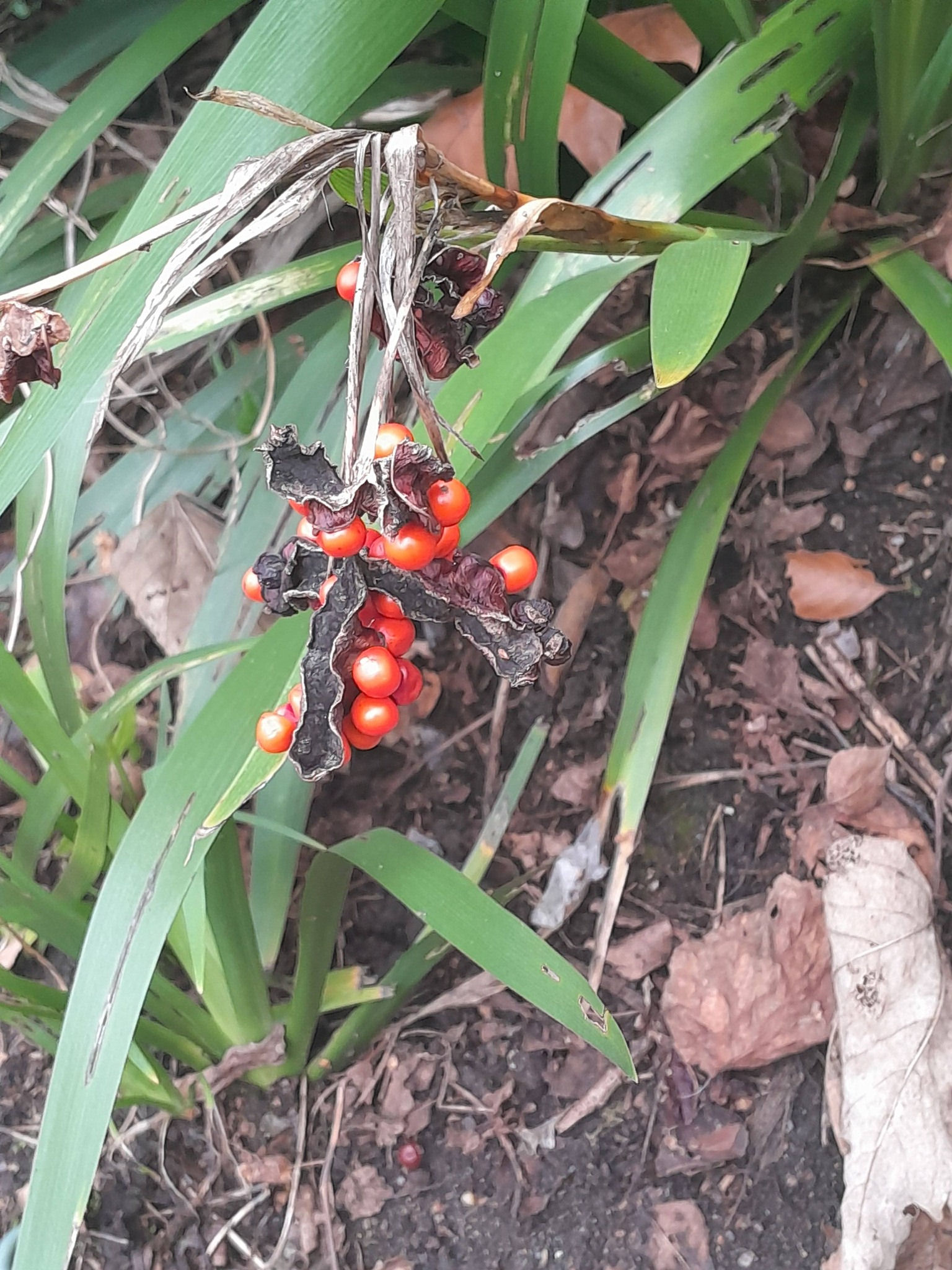
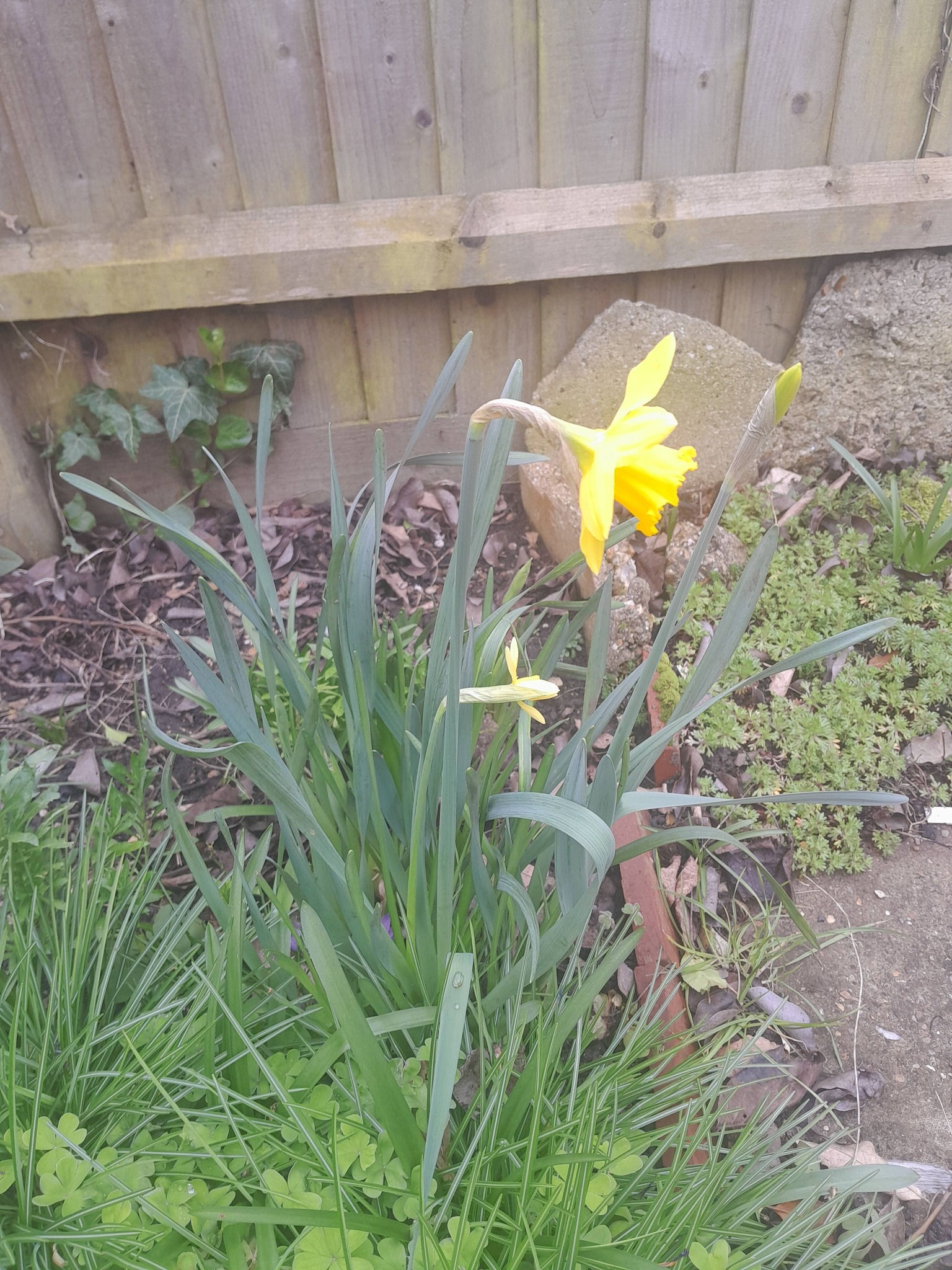
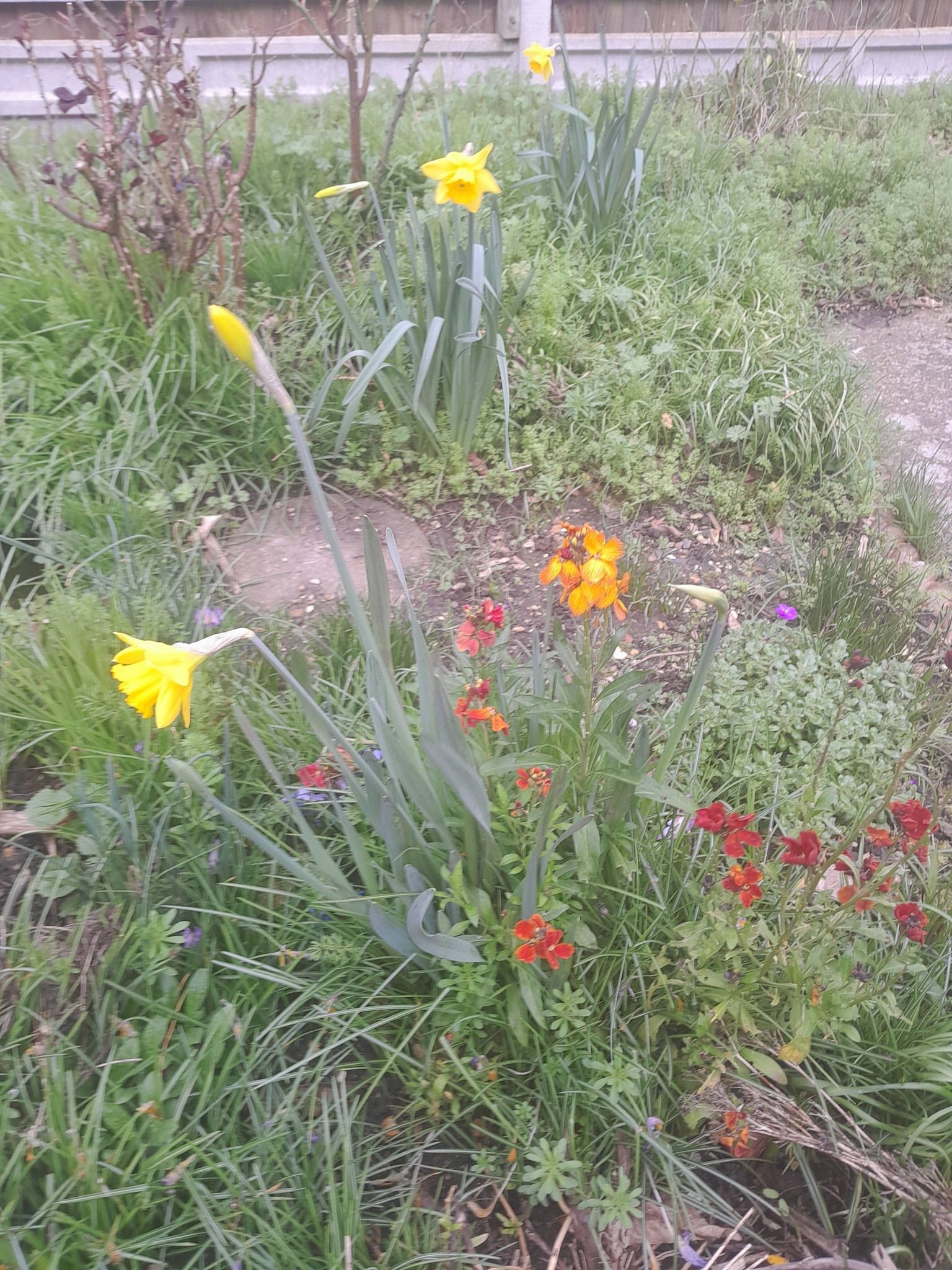
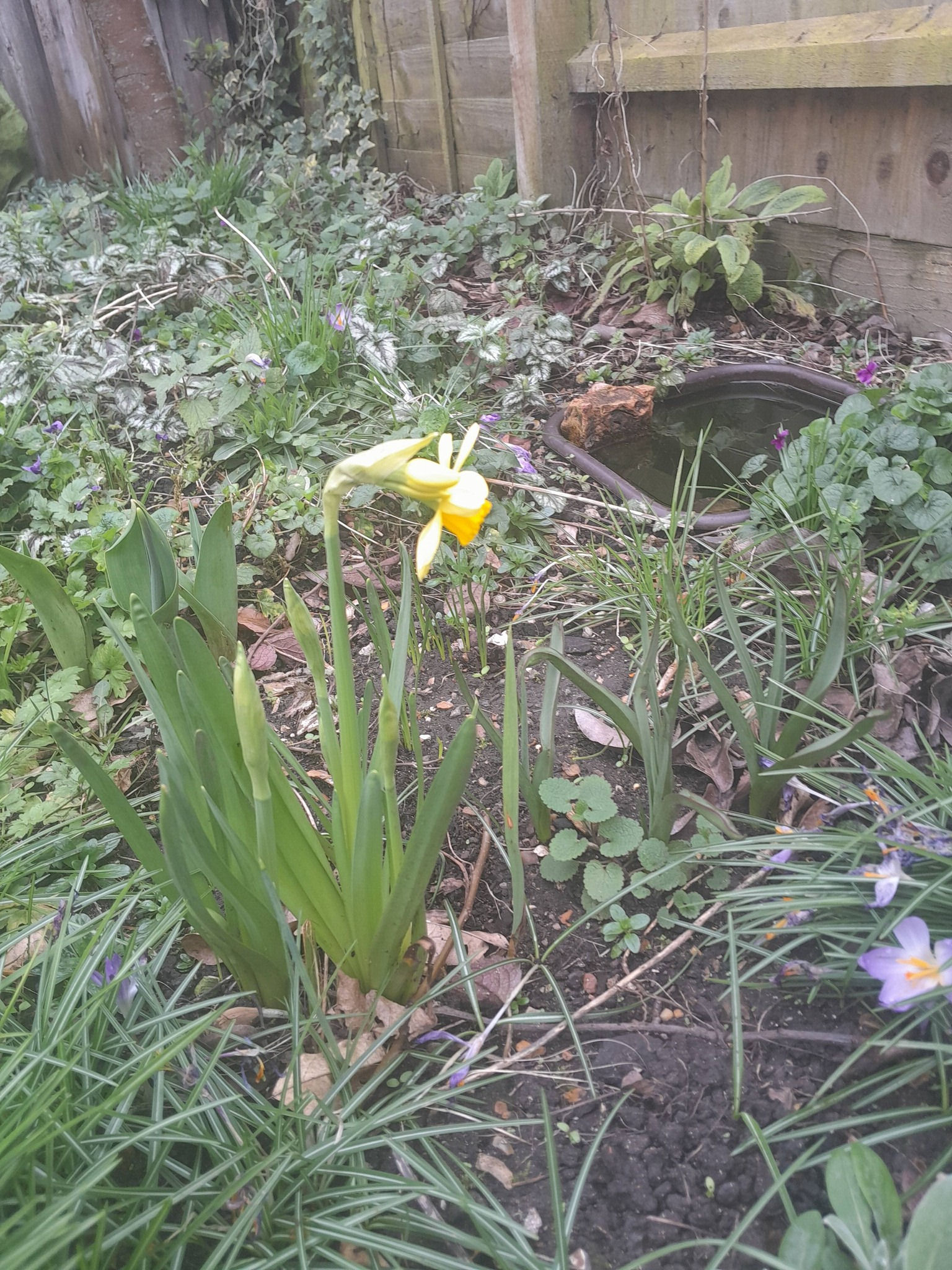
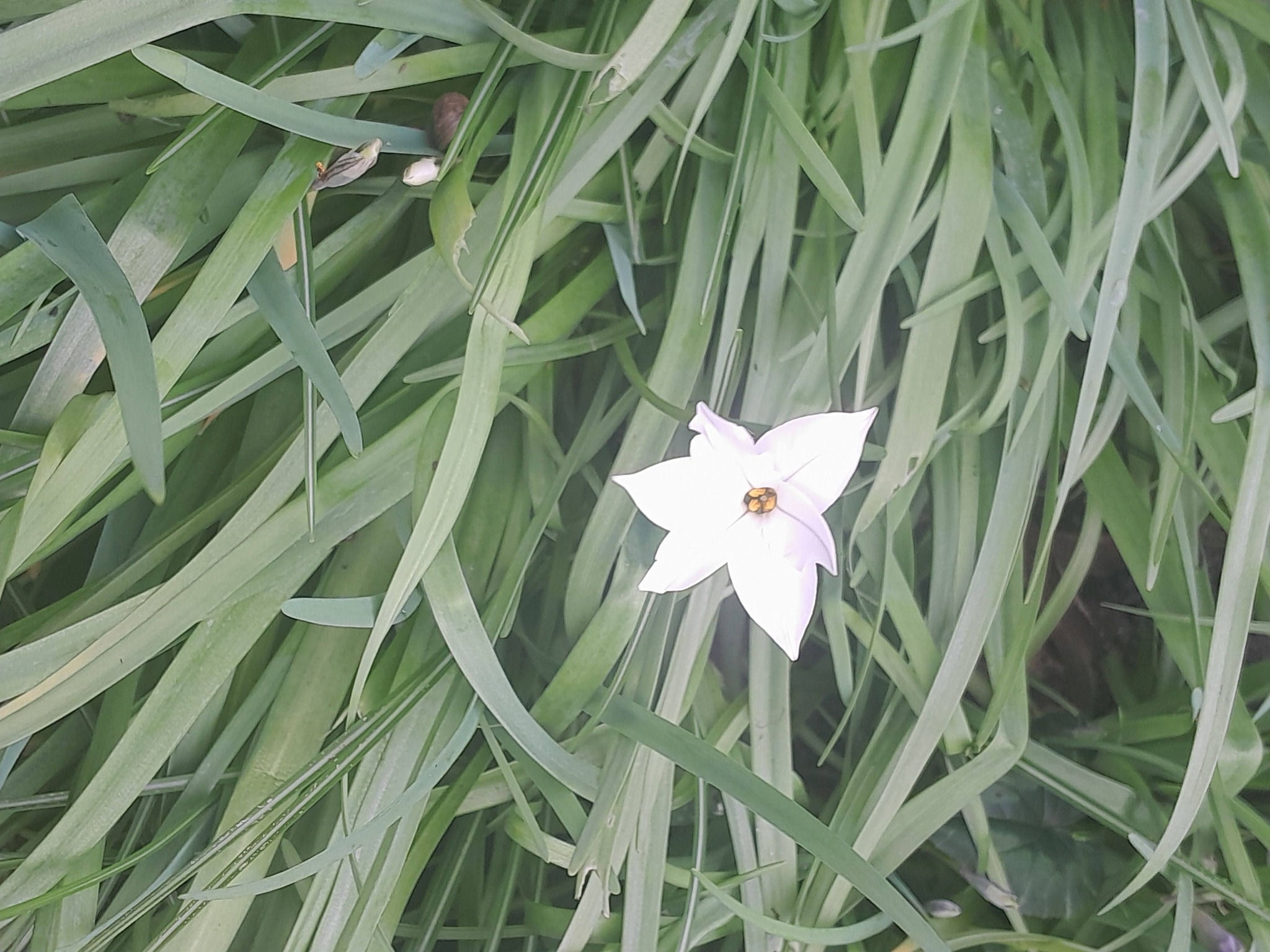
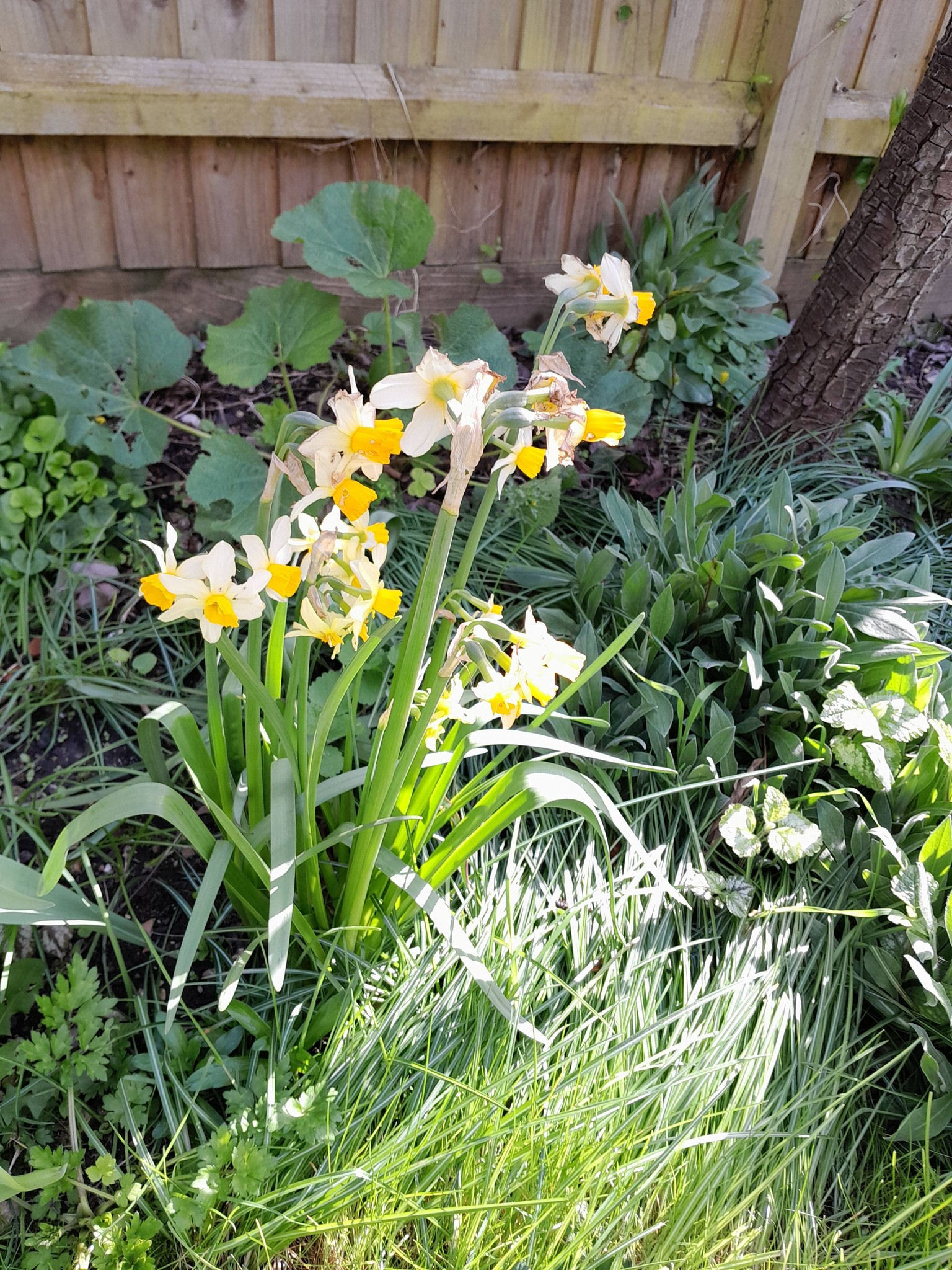
Feb 27: The crocuses are nearly over. The daffodils are starting. The first Springstar is out. The rosemary is flowering (this type has a blue flower). And maybe a rhubarb crumble soon?
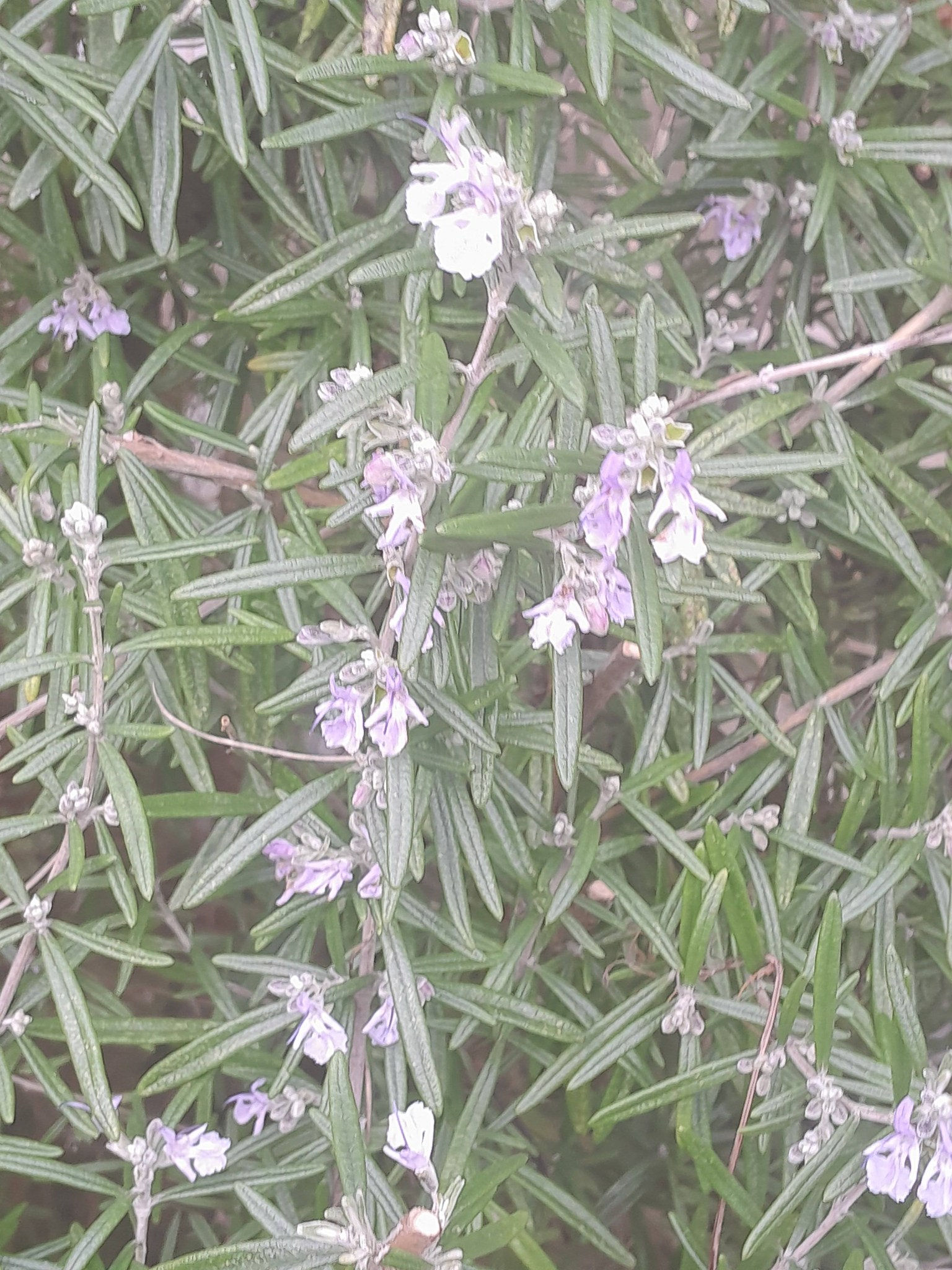
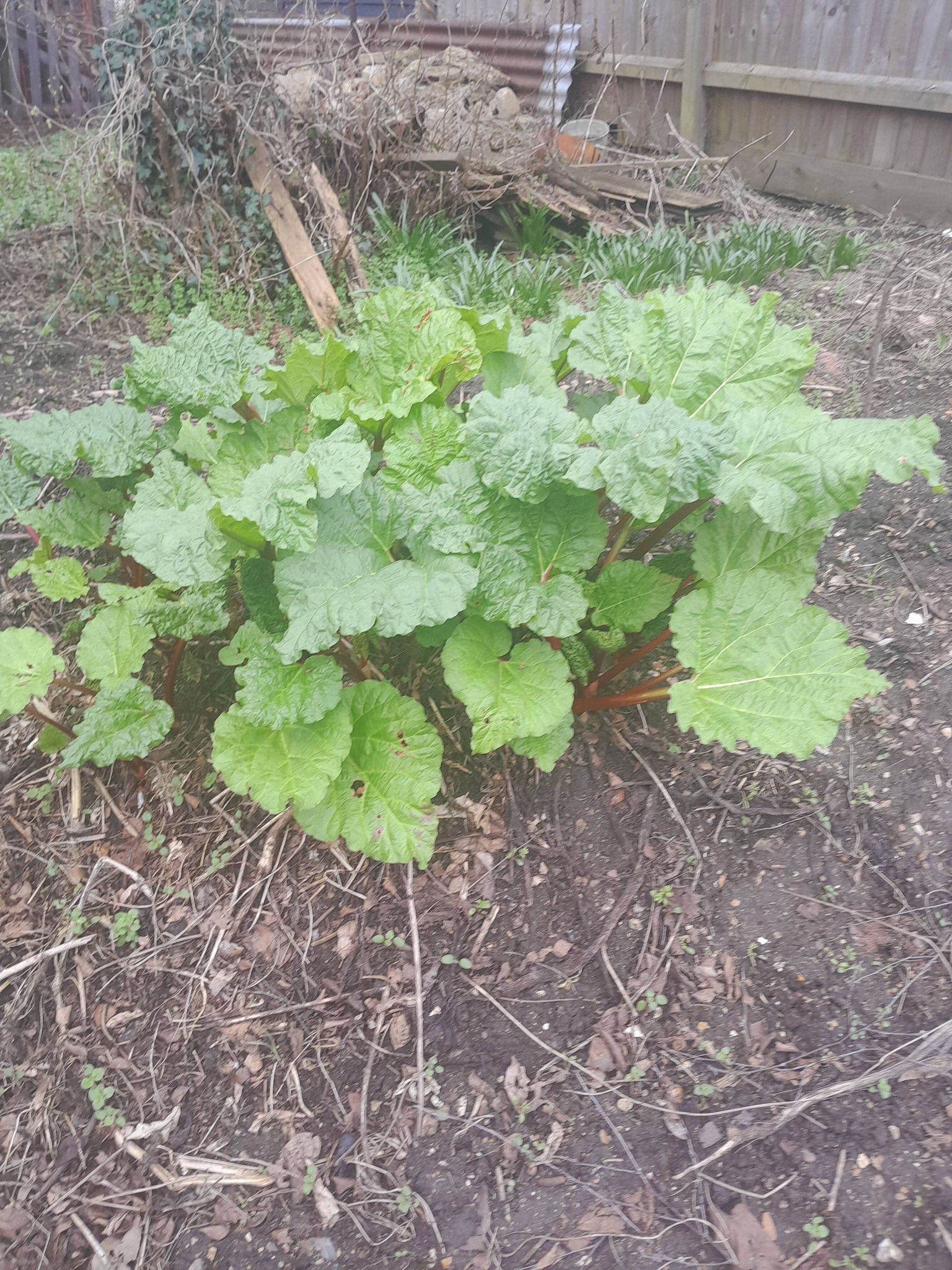
| February | 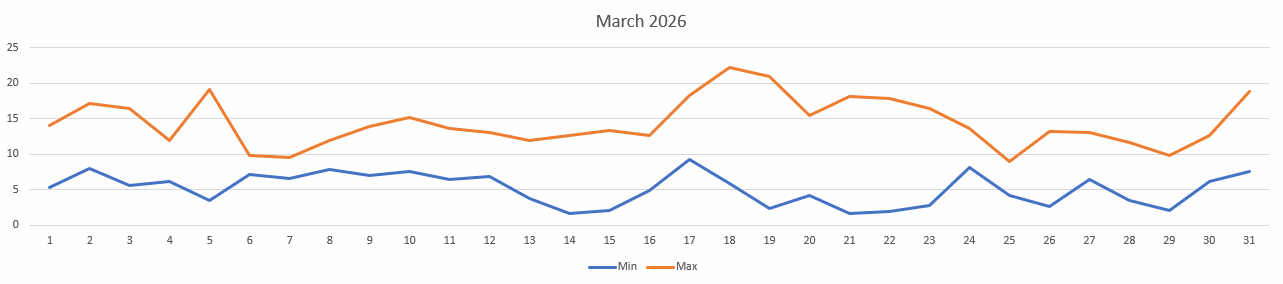 |
April |
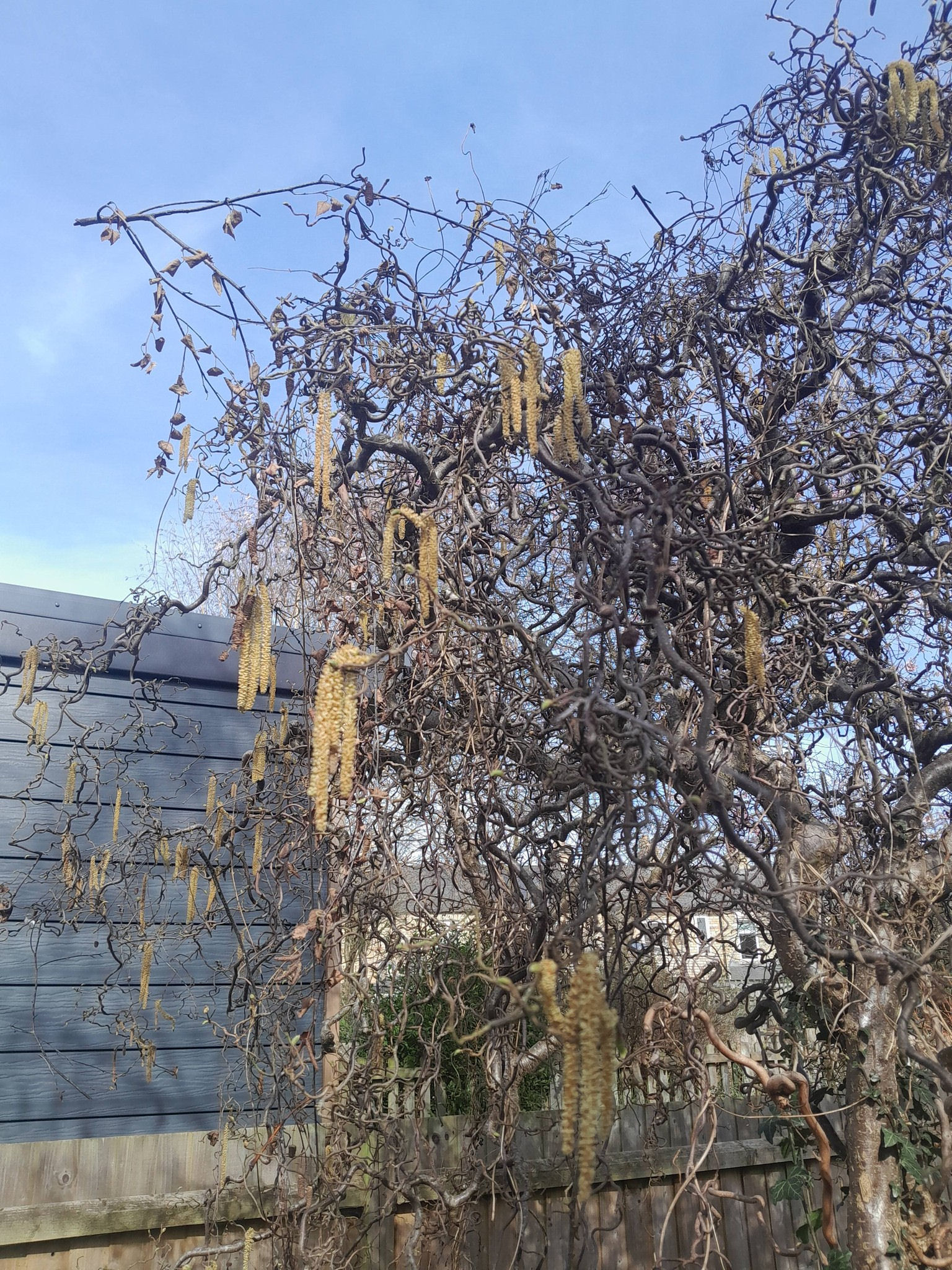
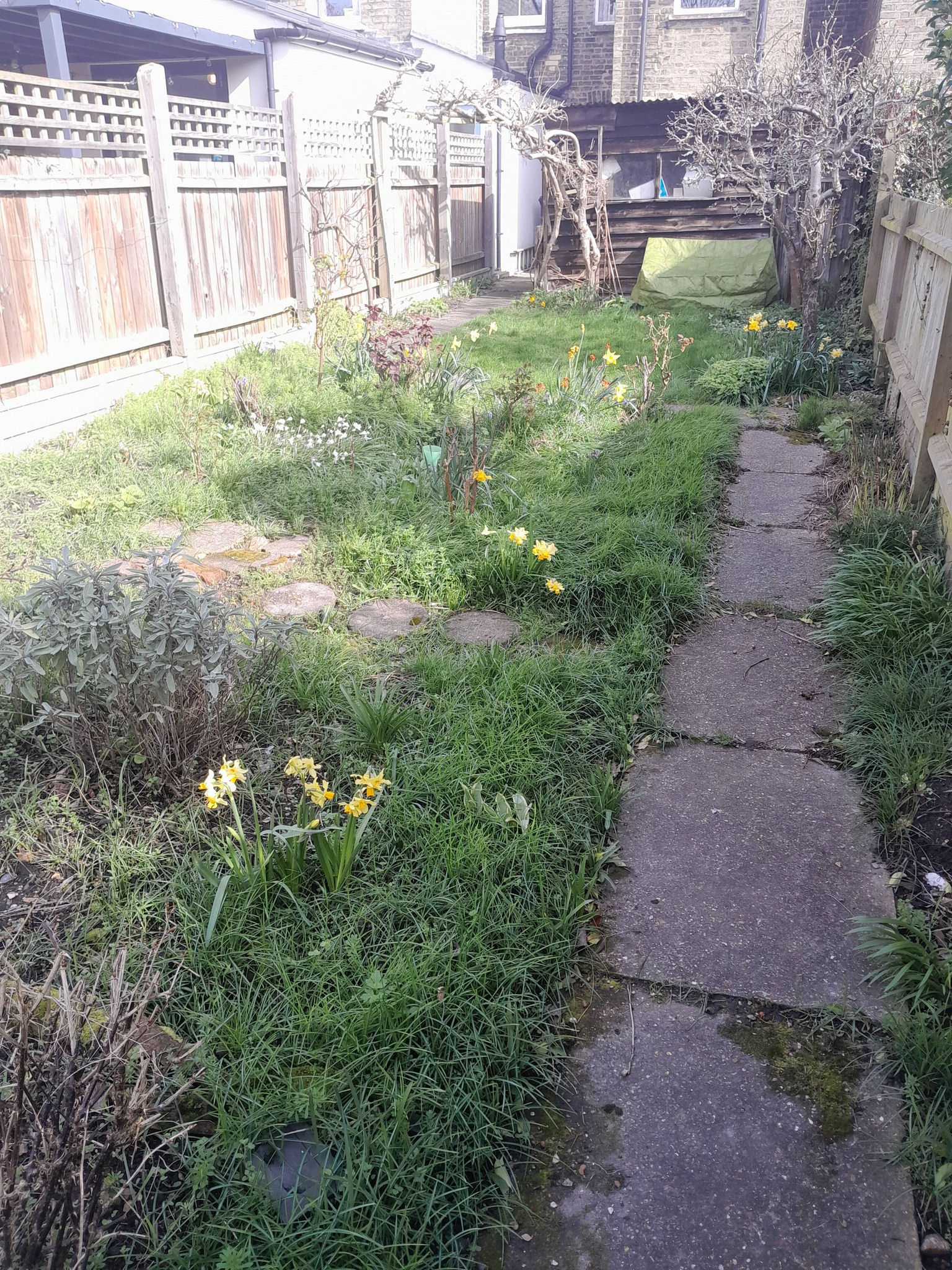
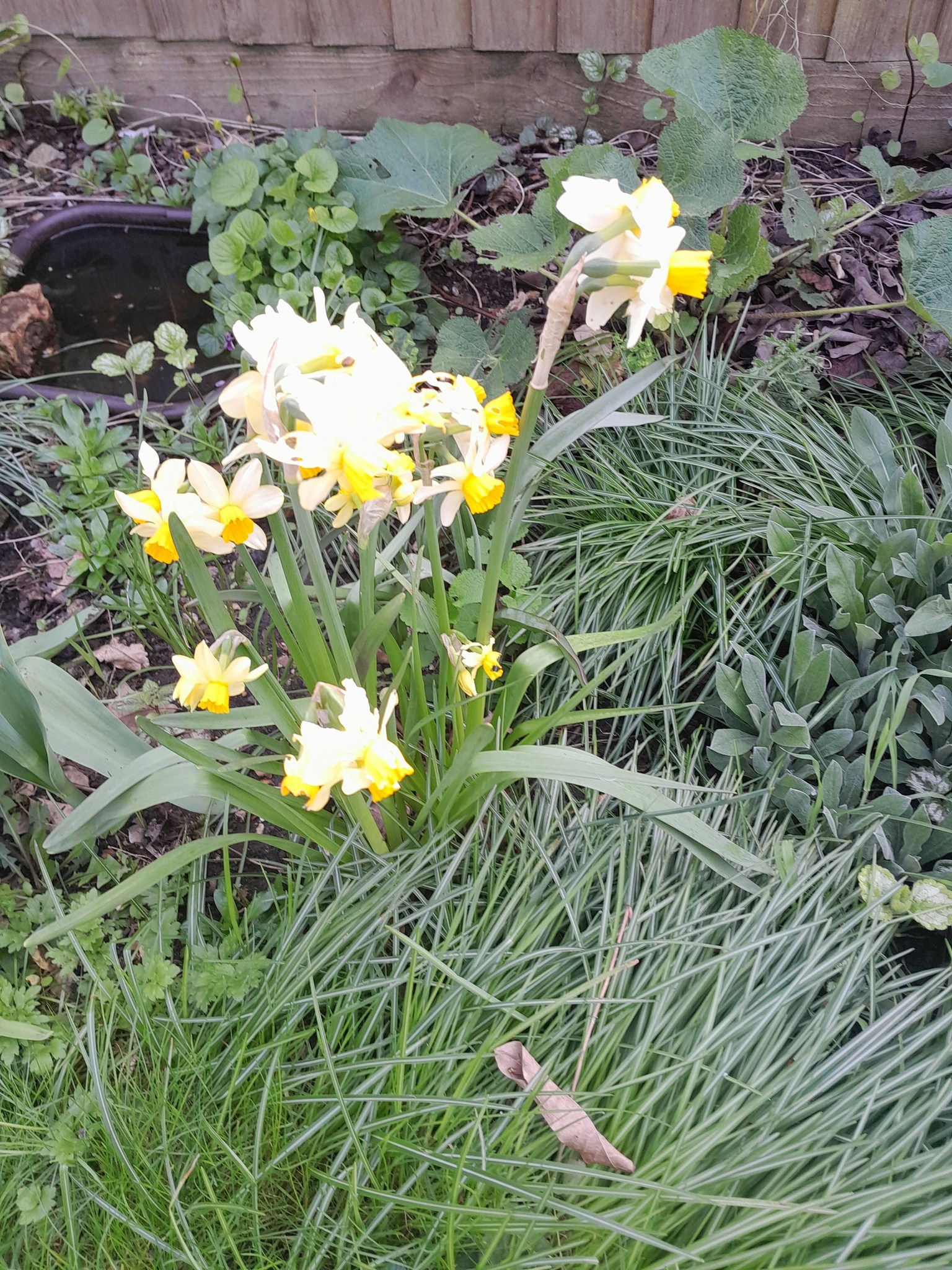
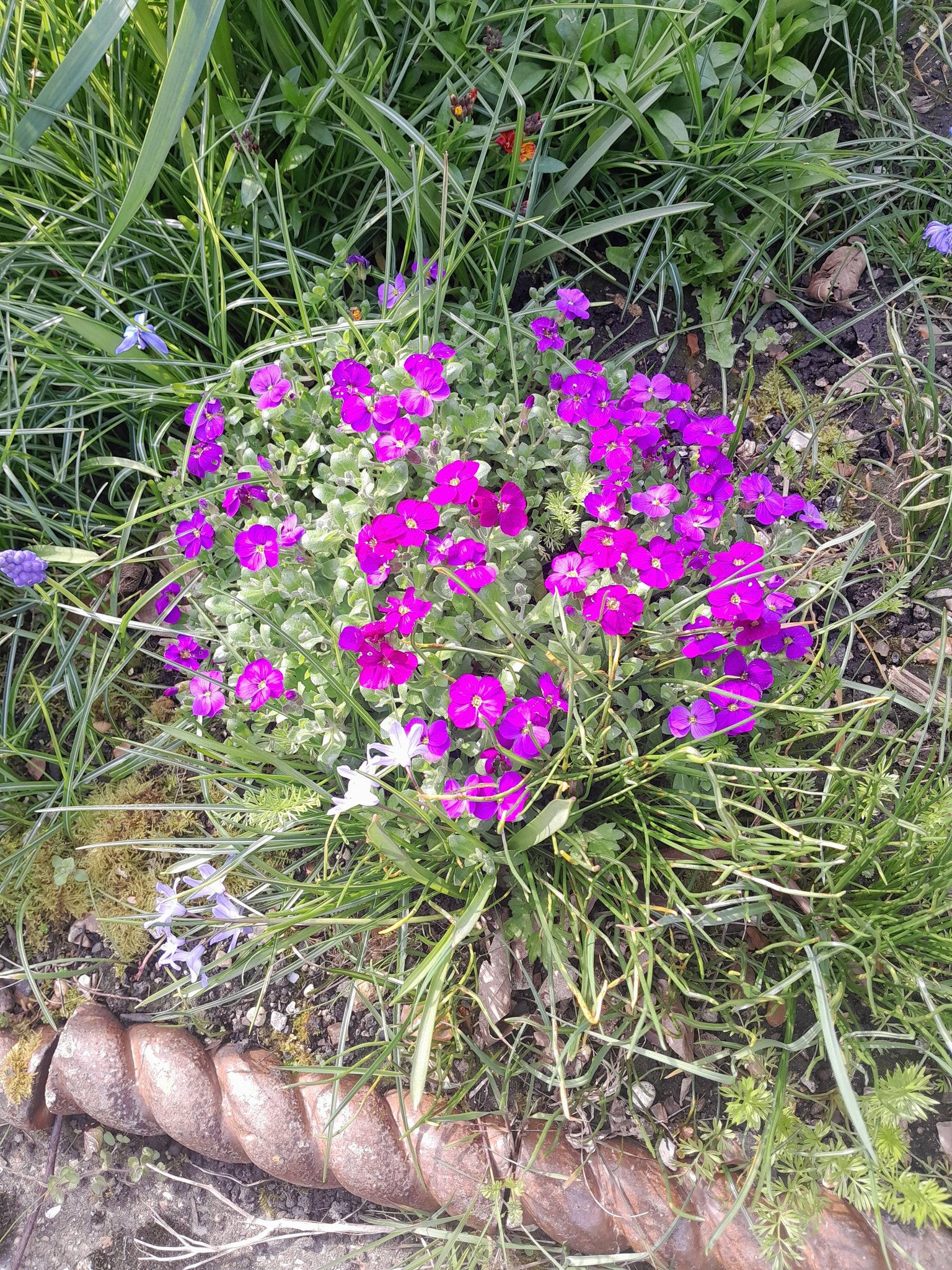
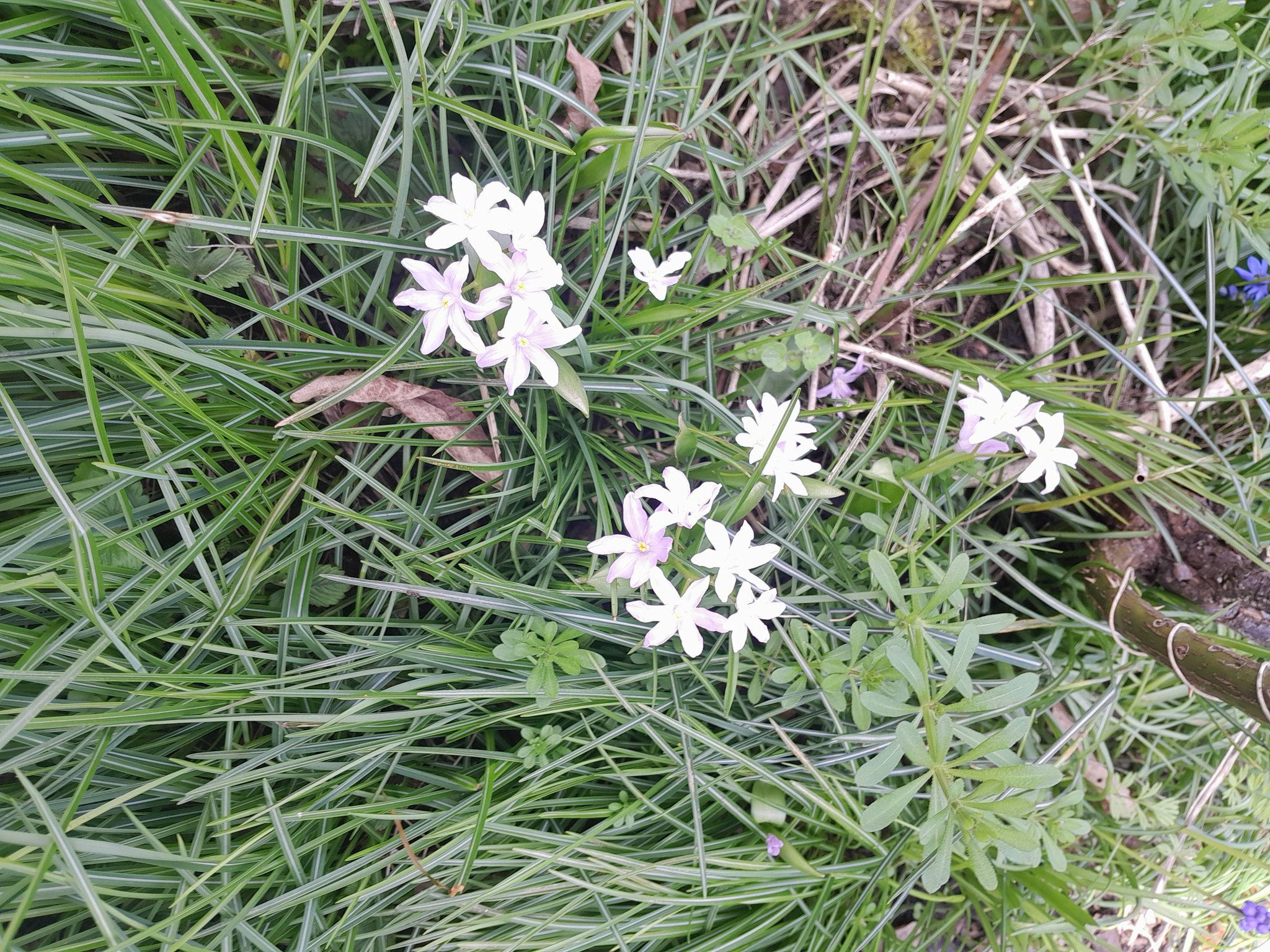
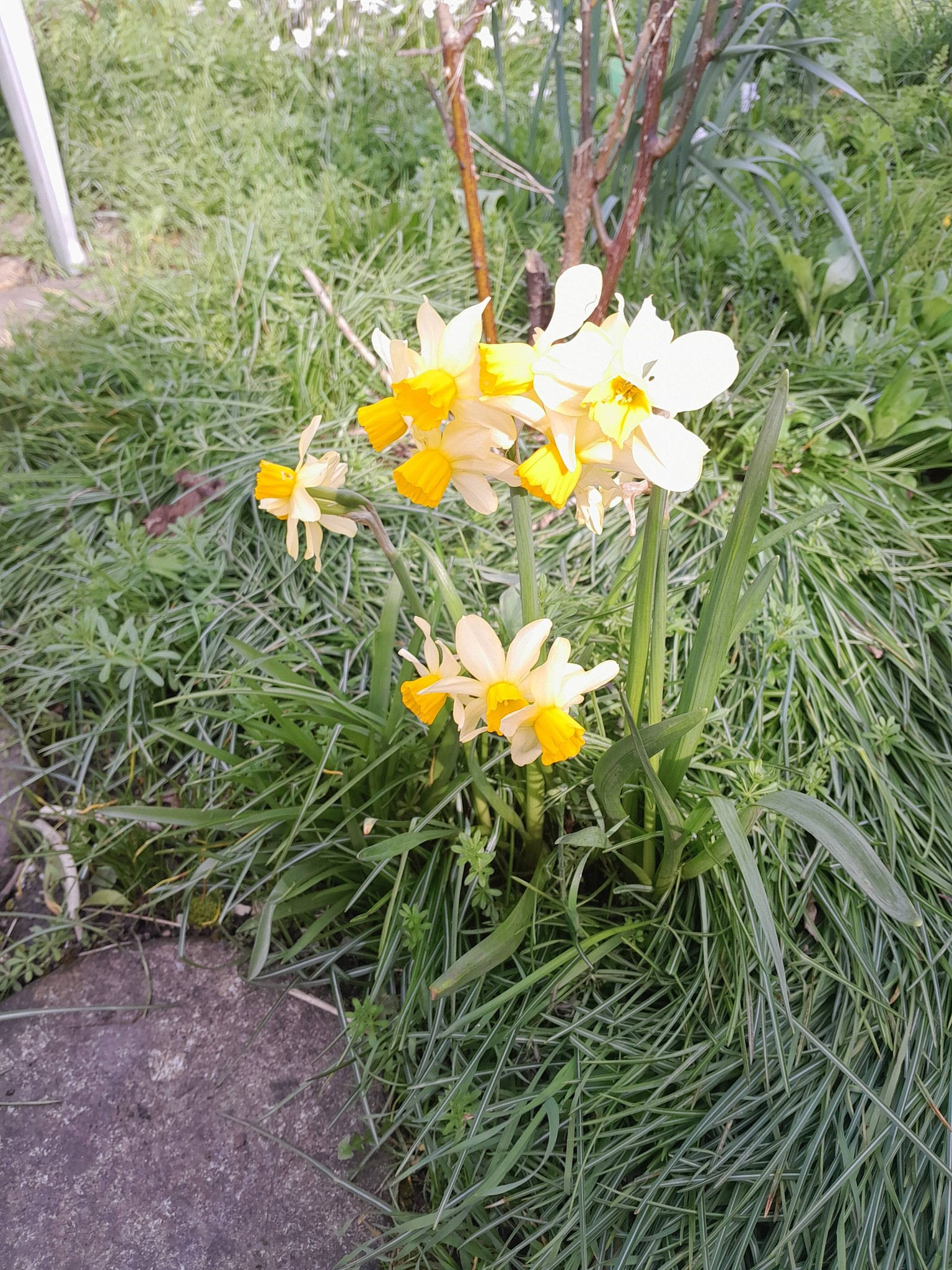
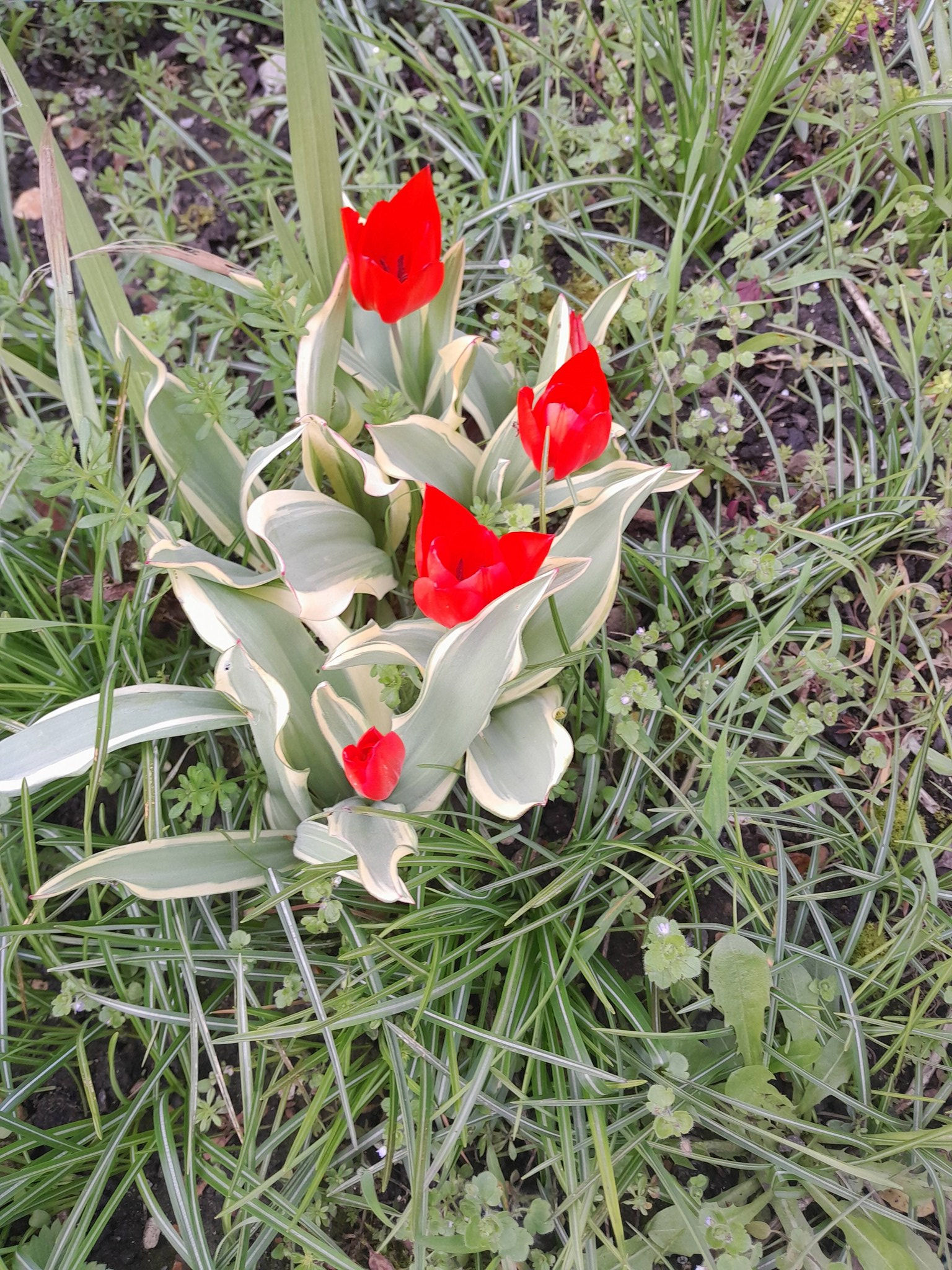
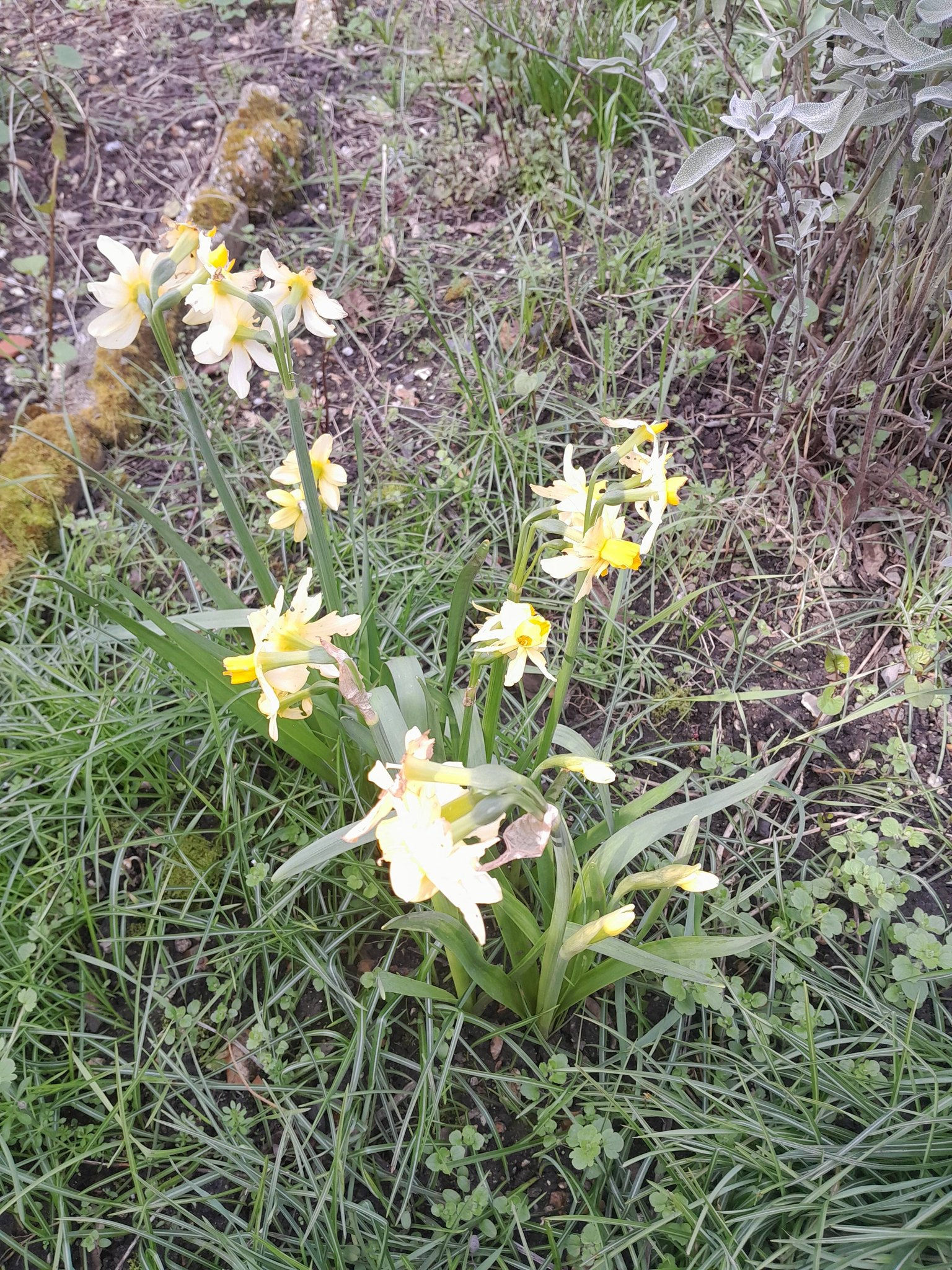
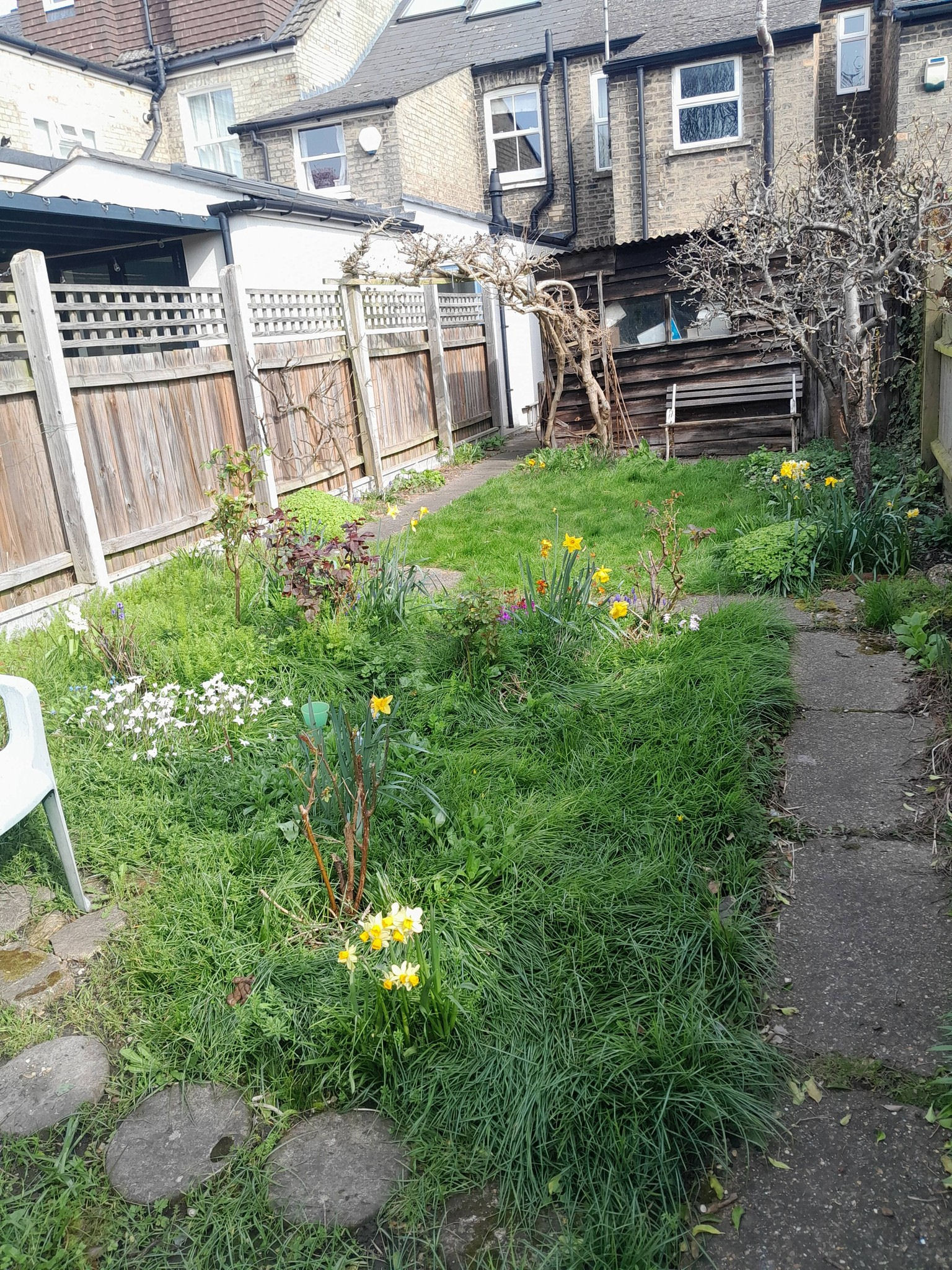
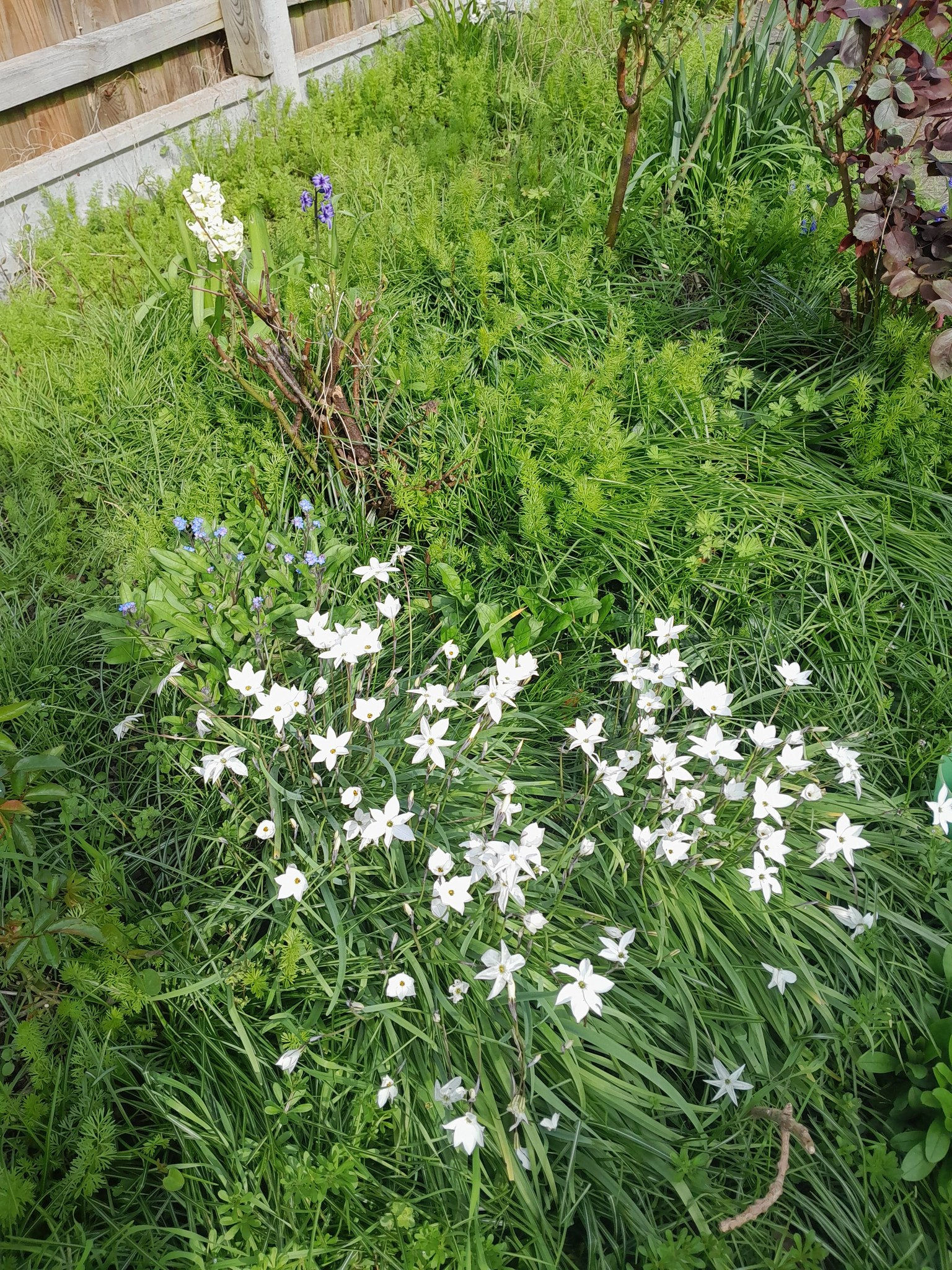
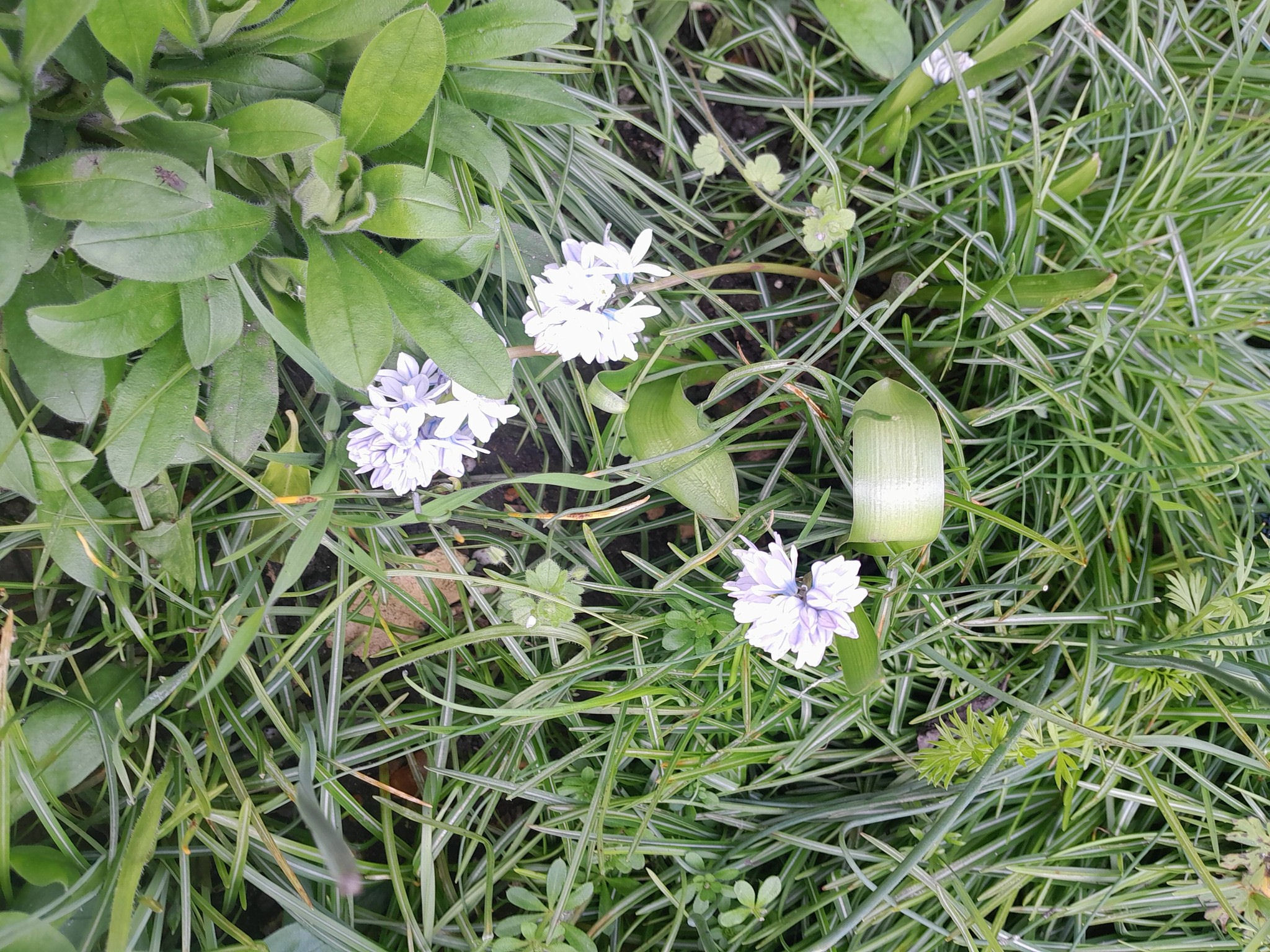
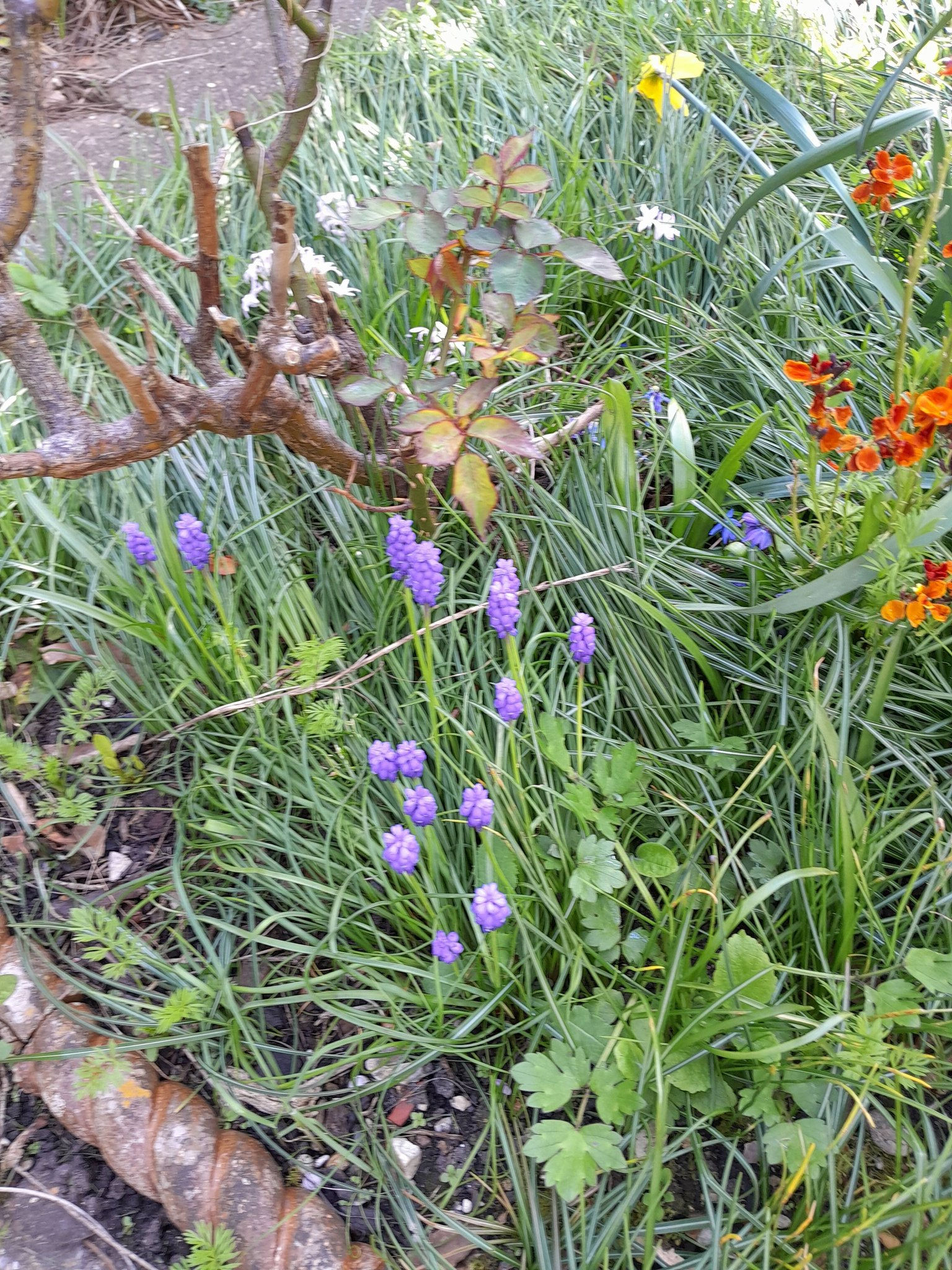
Mar 1: Garden from different angles. PLus hyacinth and scilla.
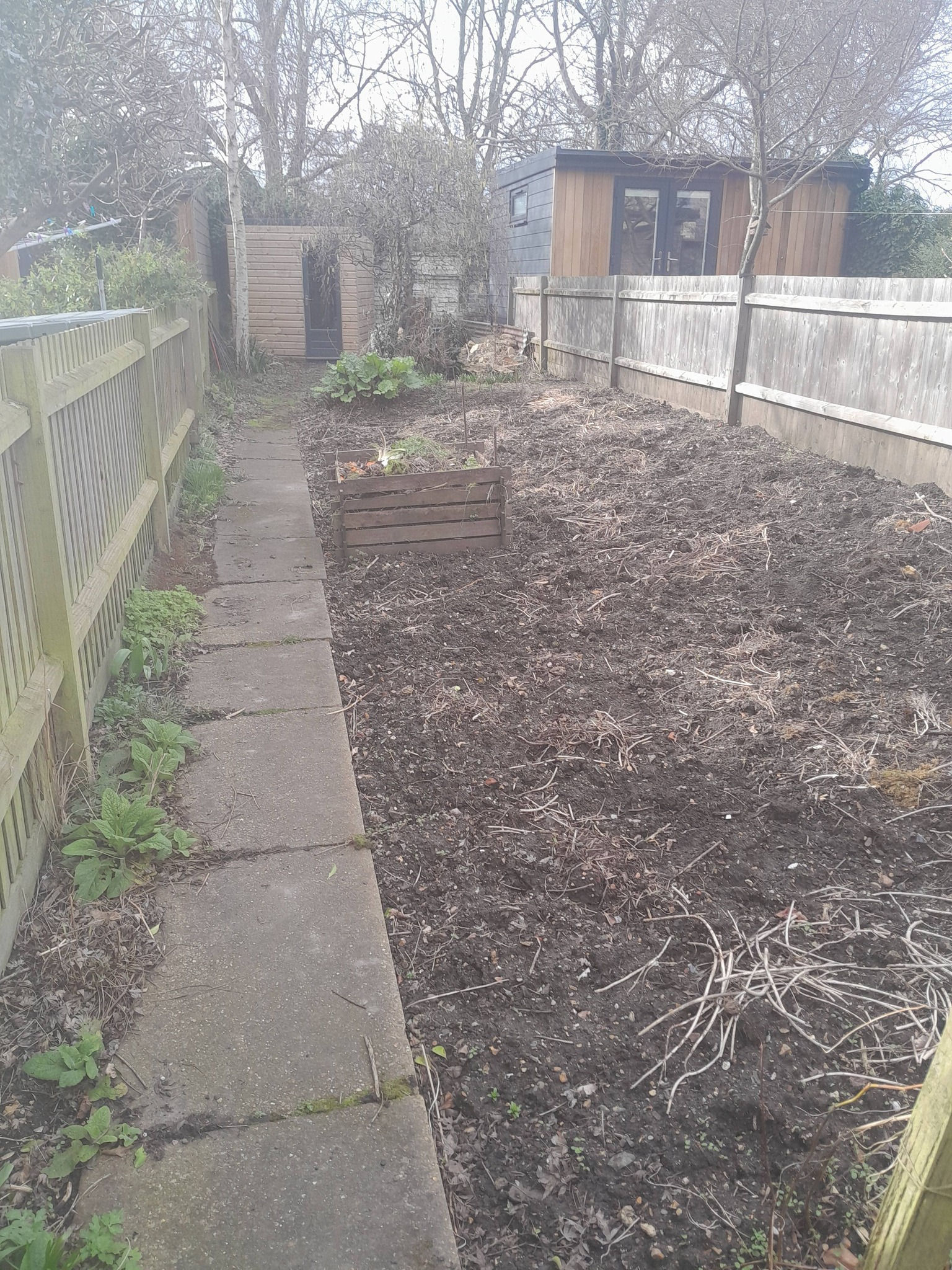
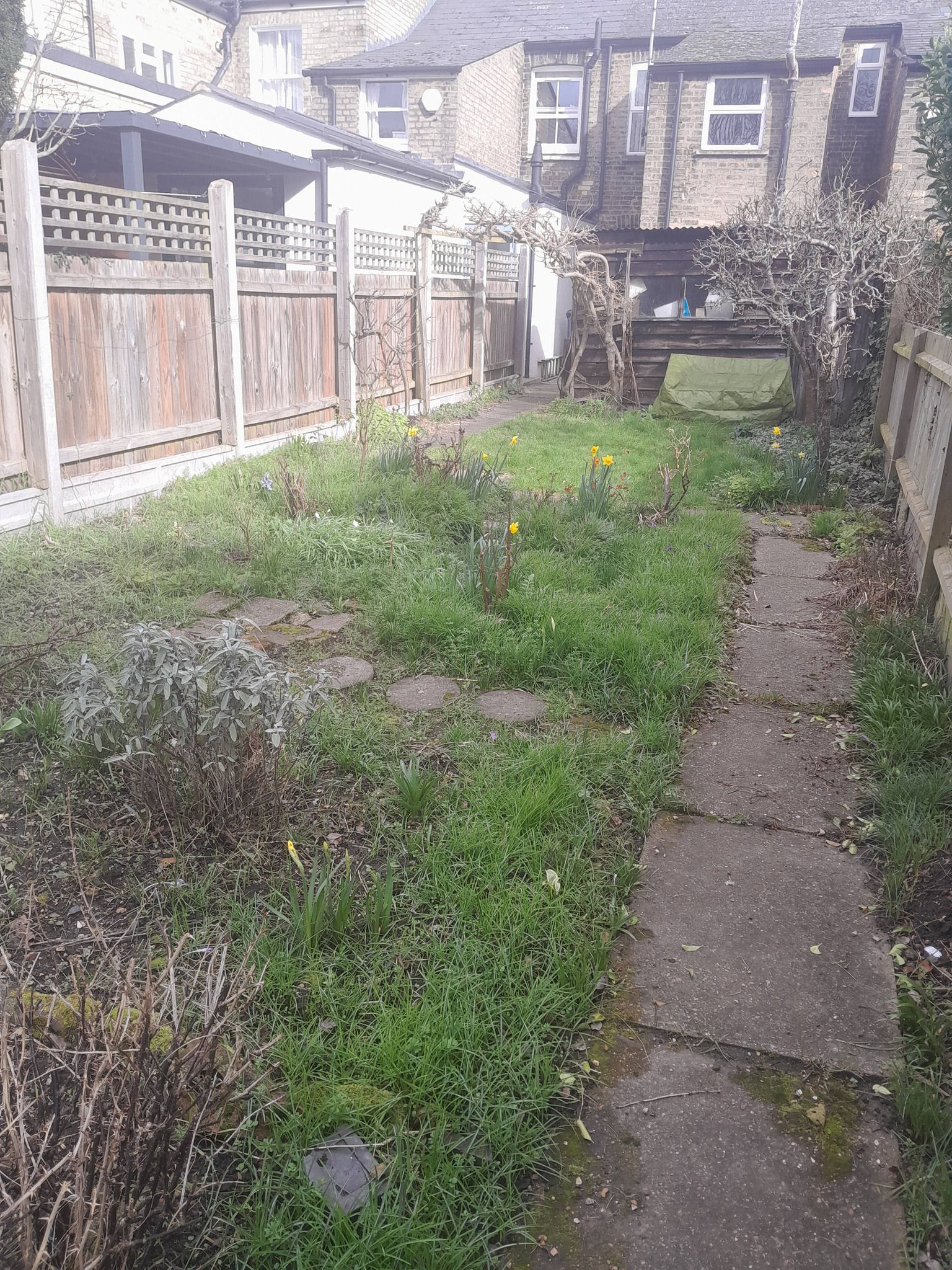
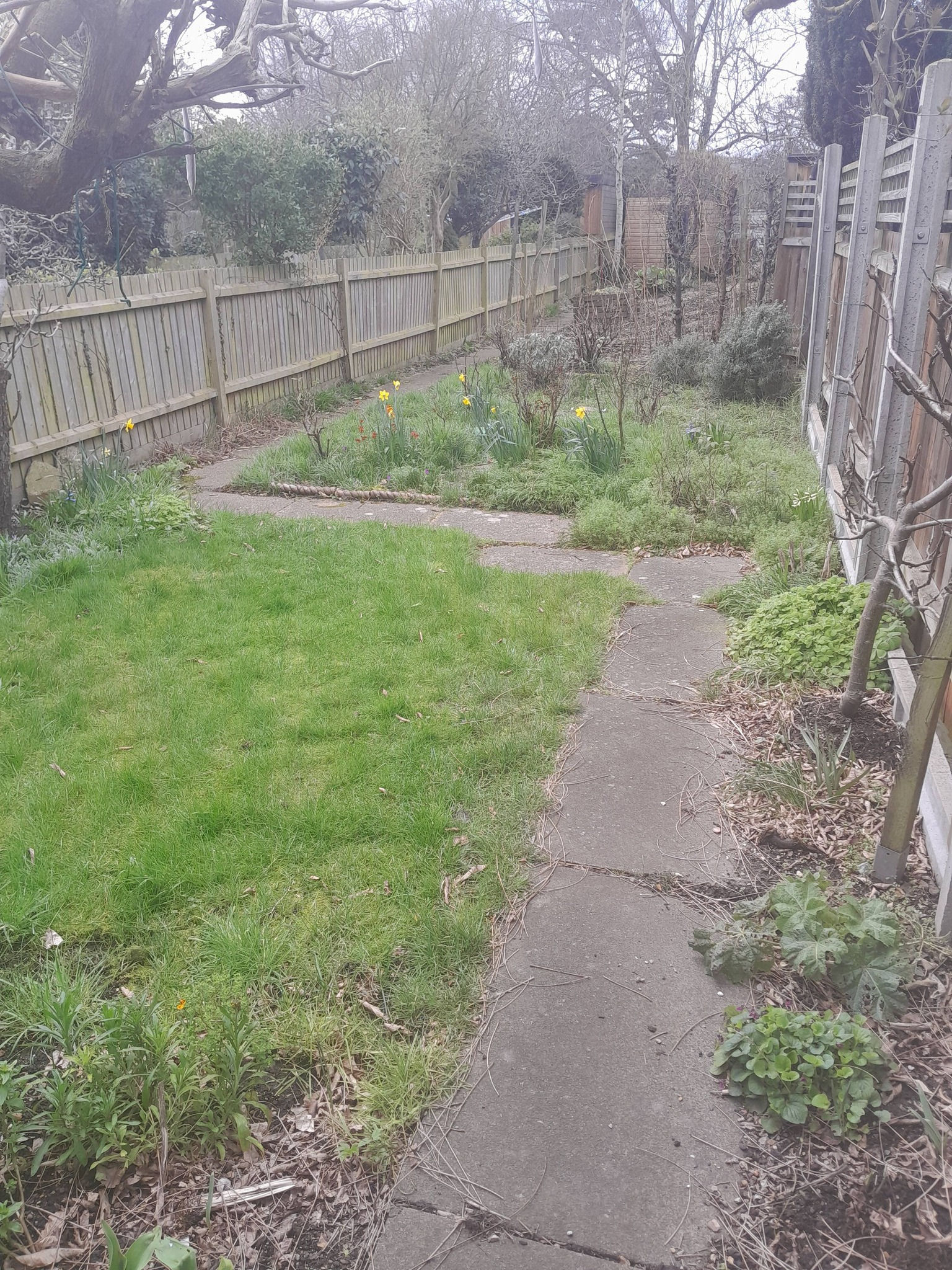
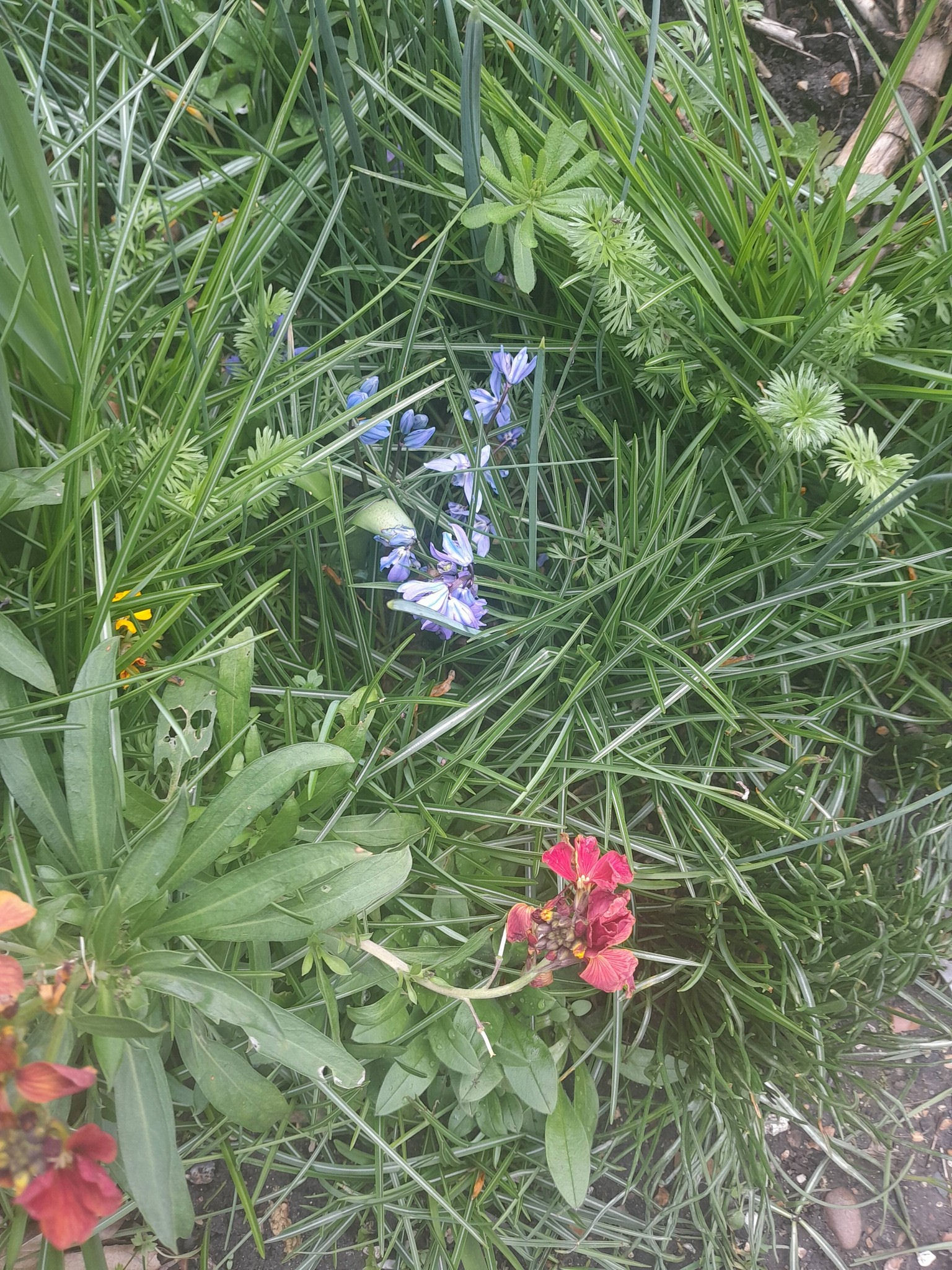
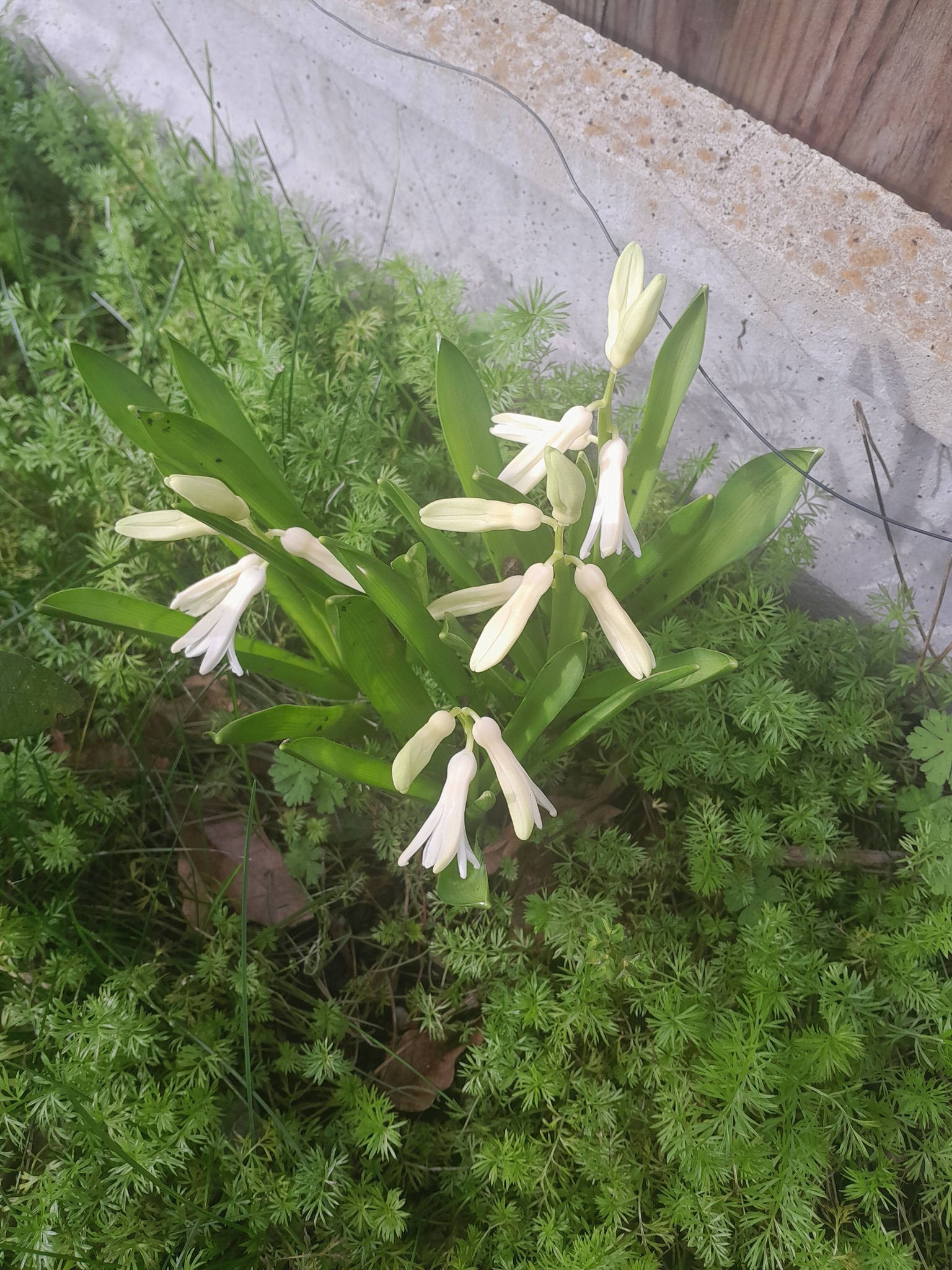
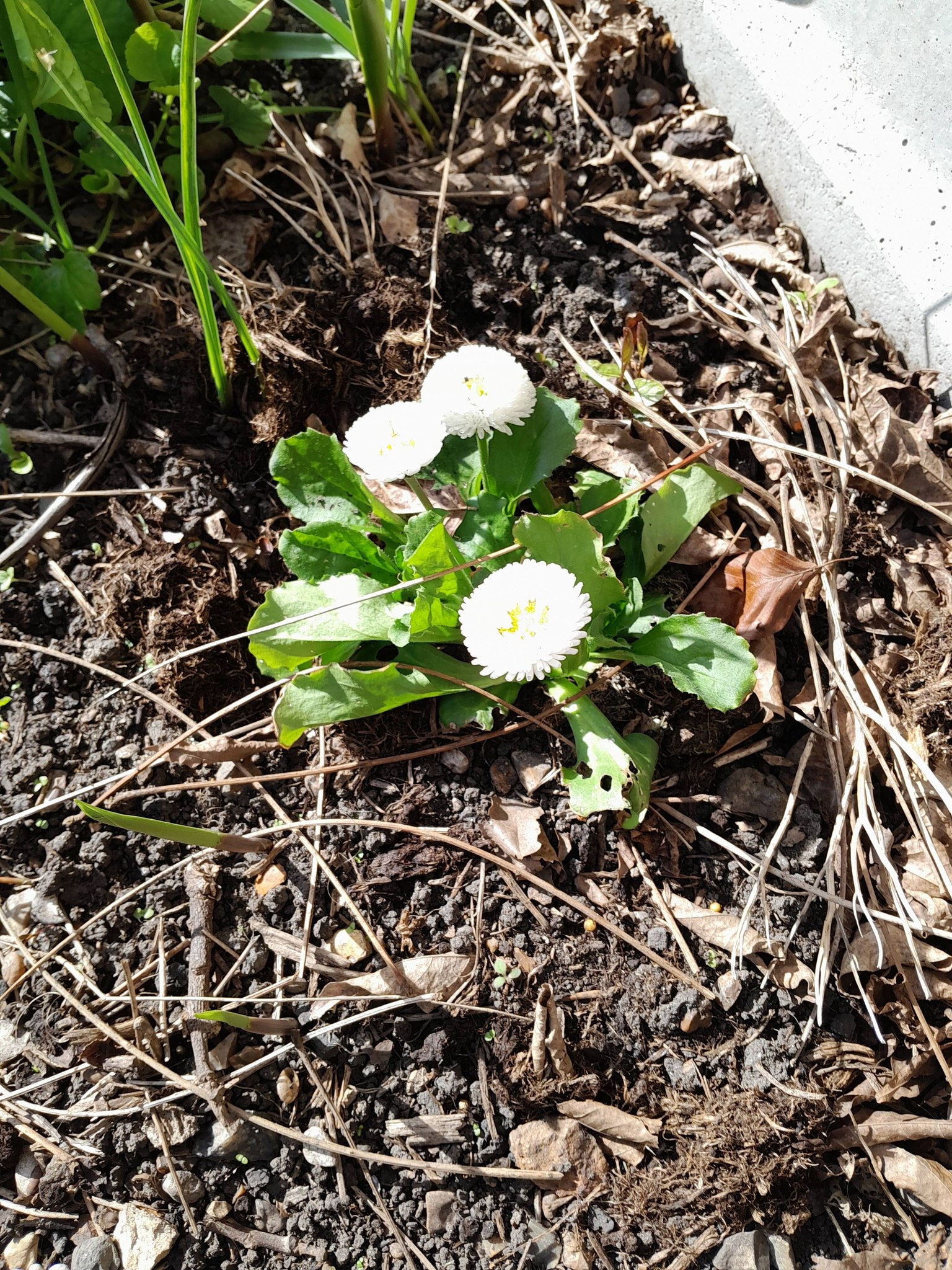
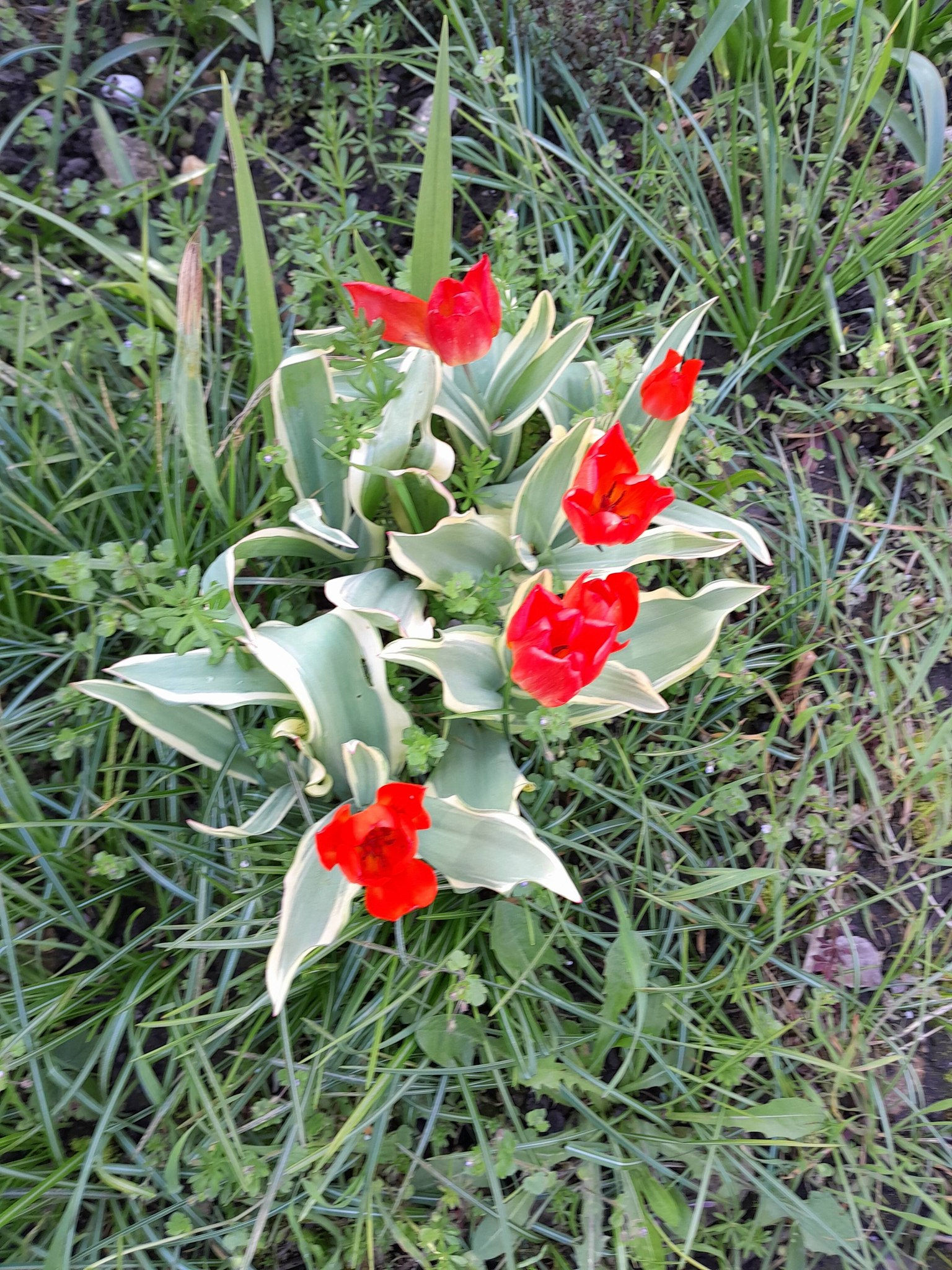
Mar 8: Flowers are really starting to get going! Bellis was bought.
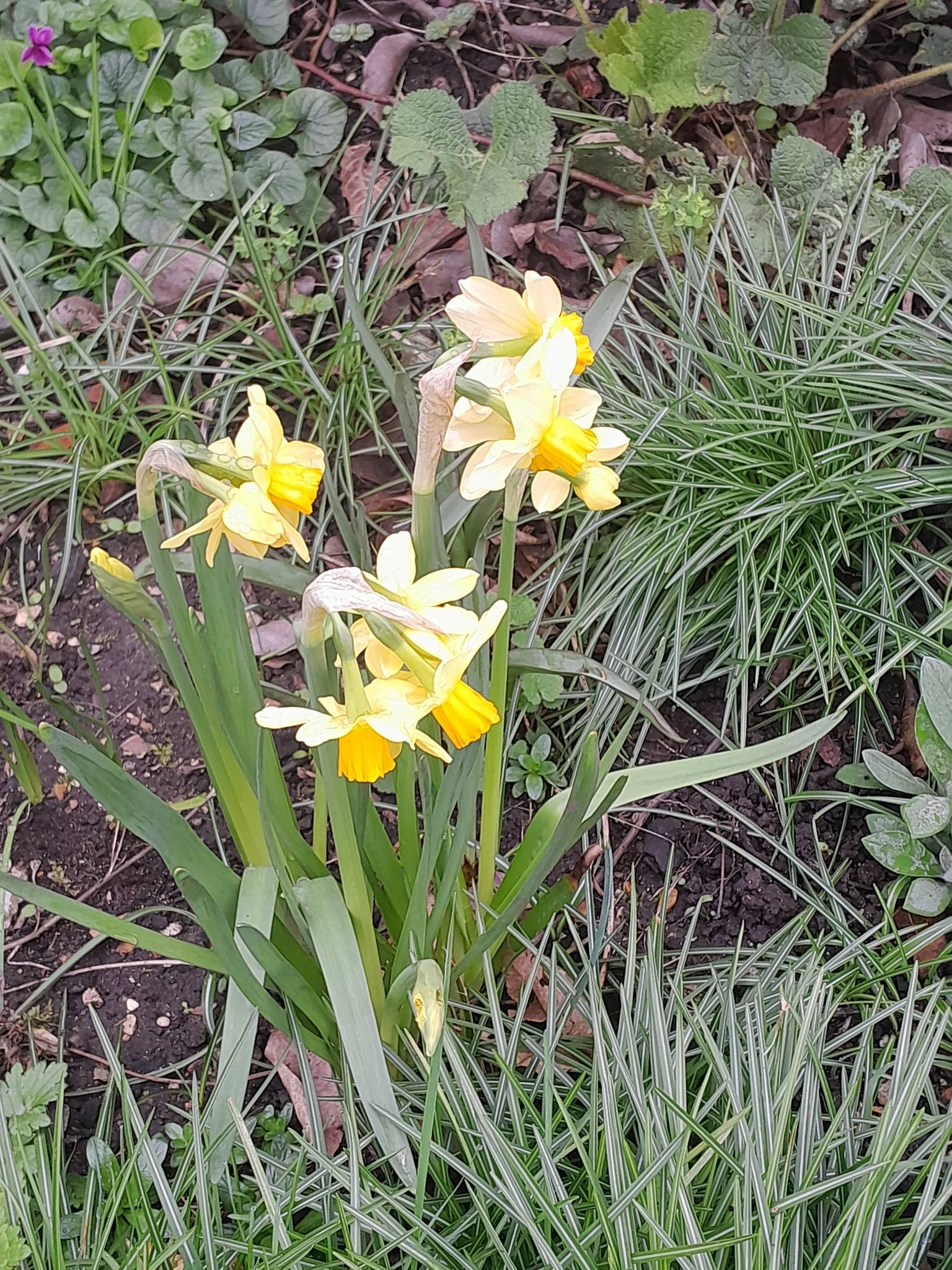
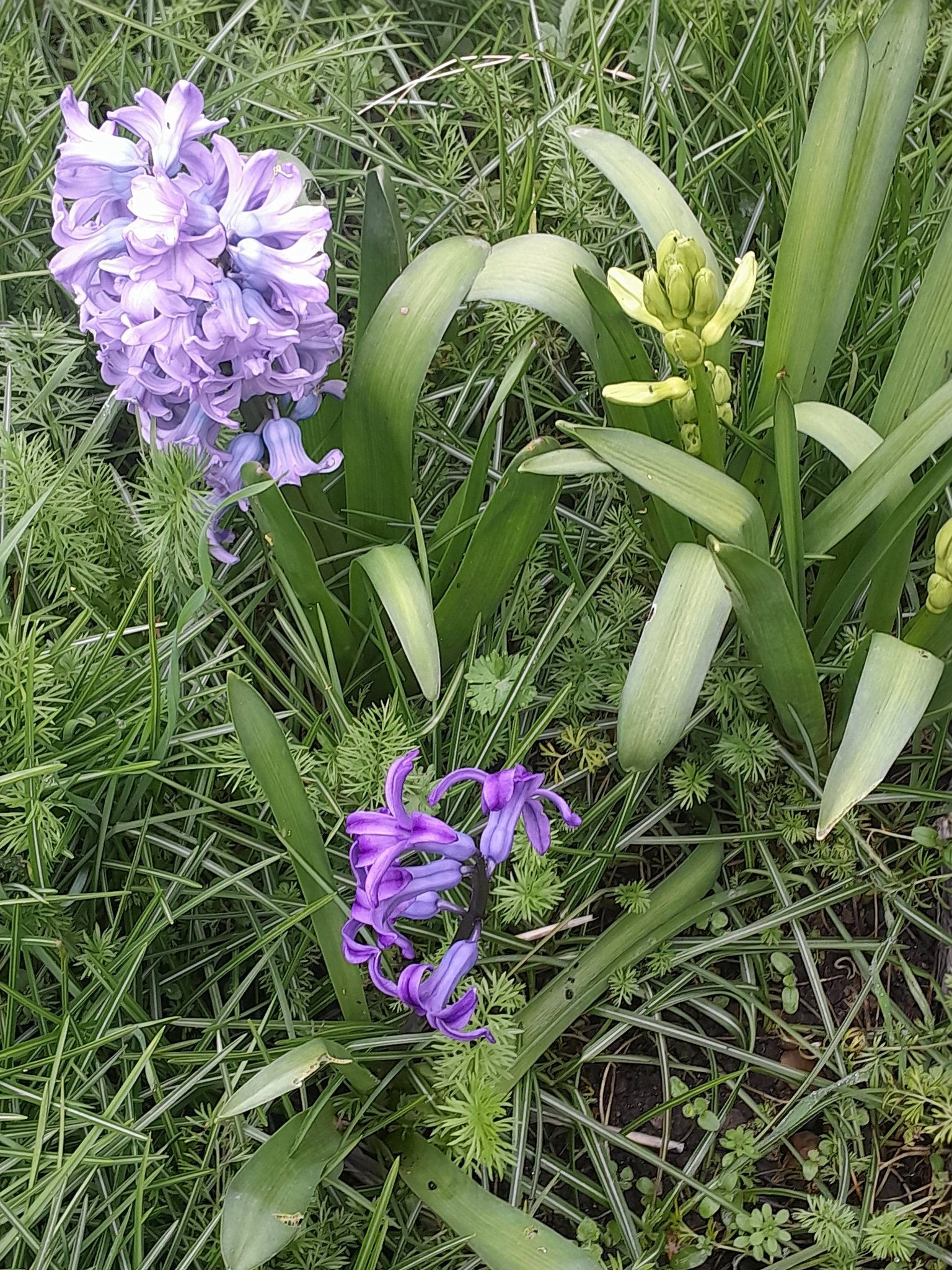
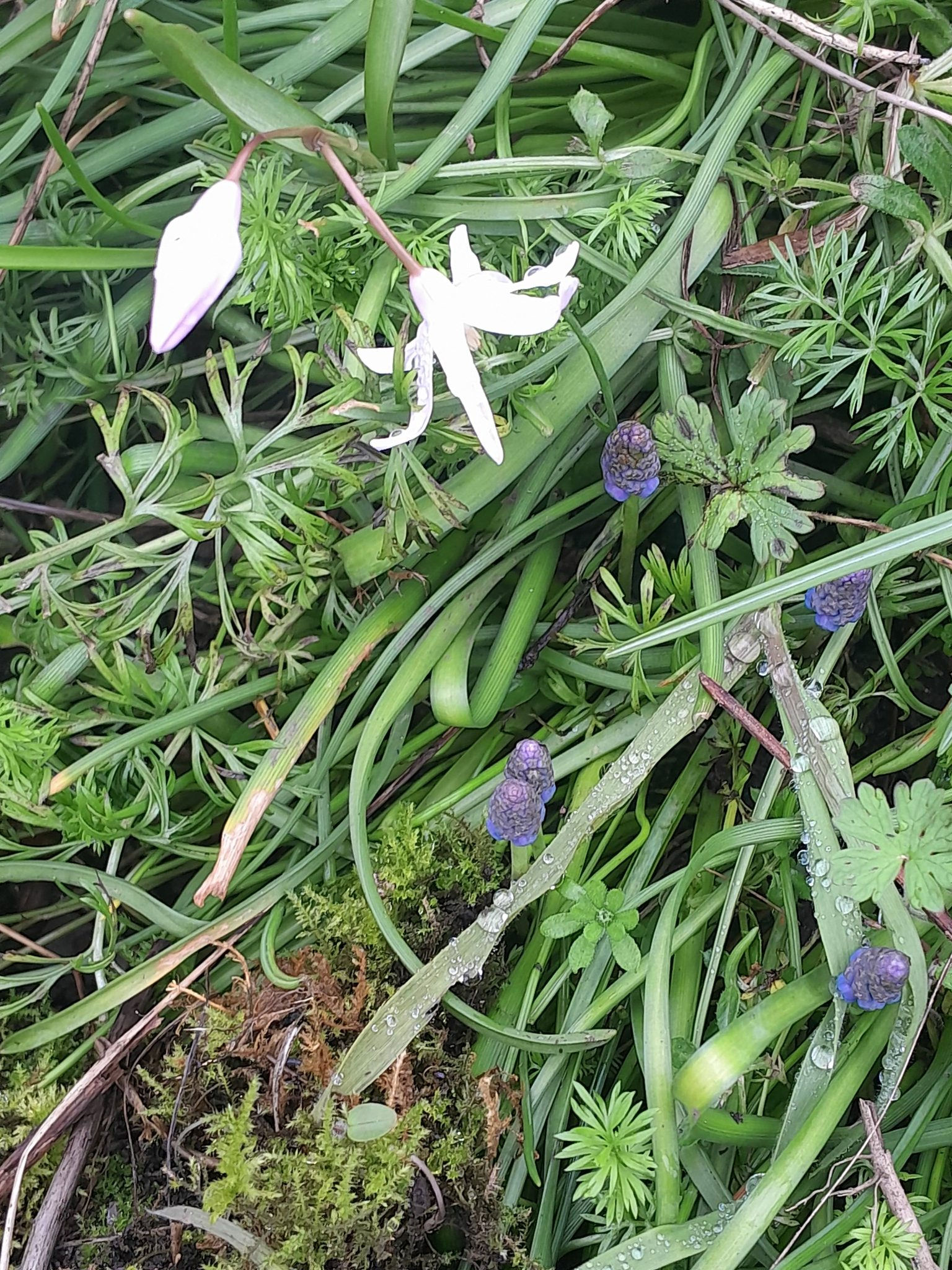
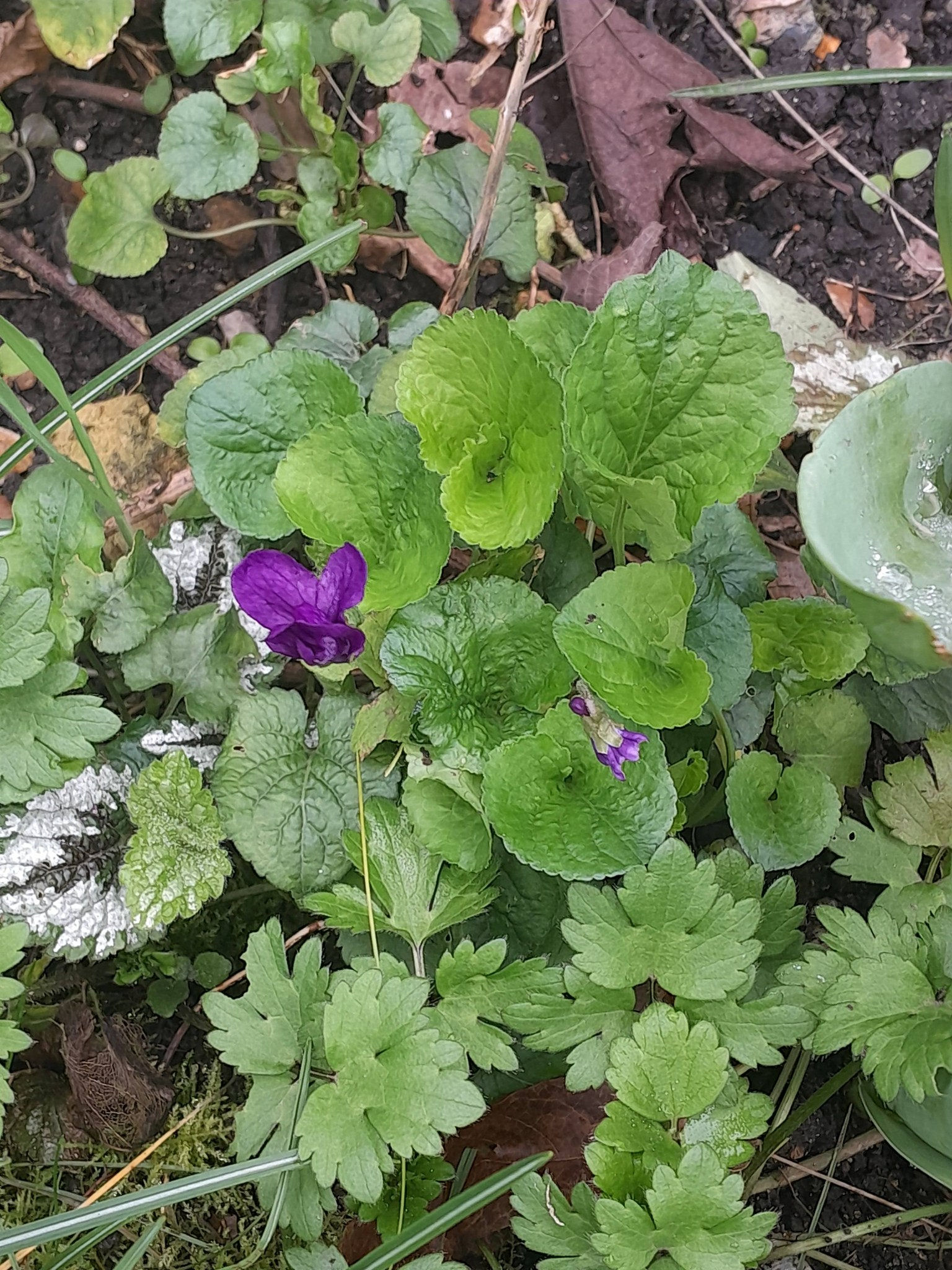
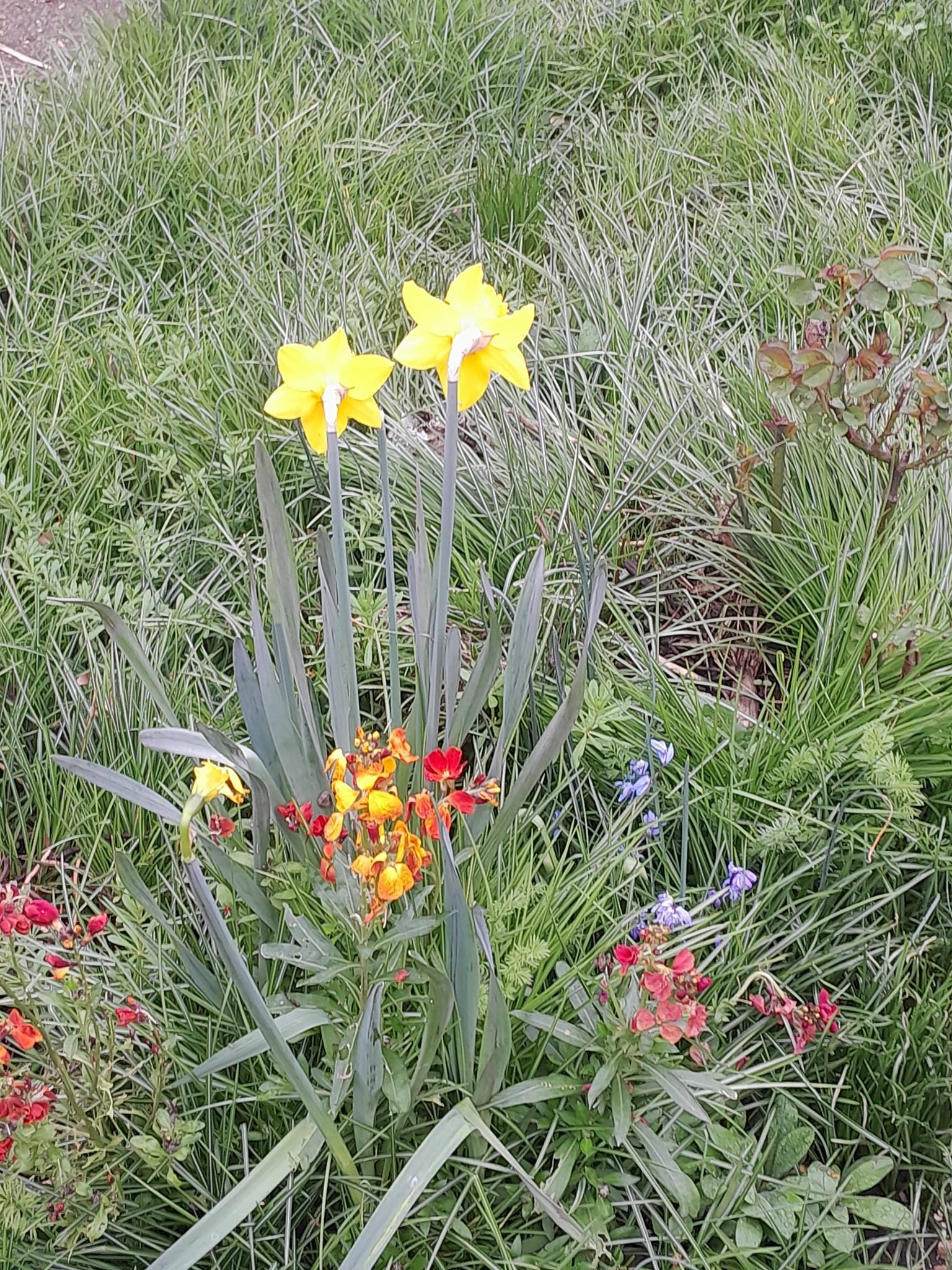
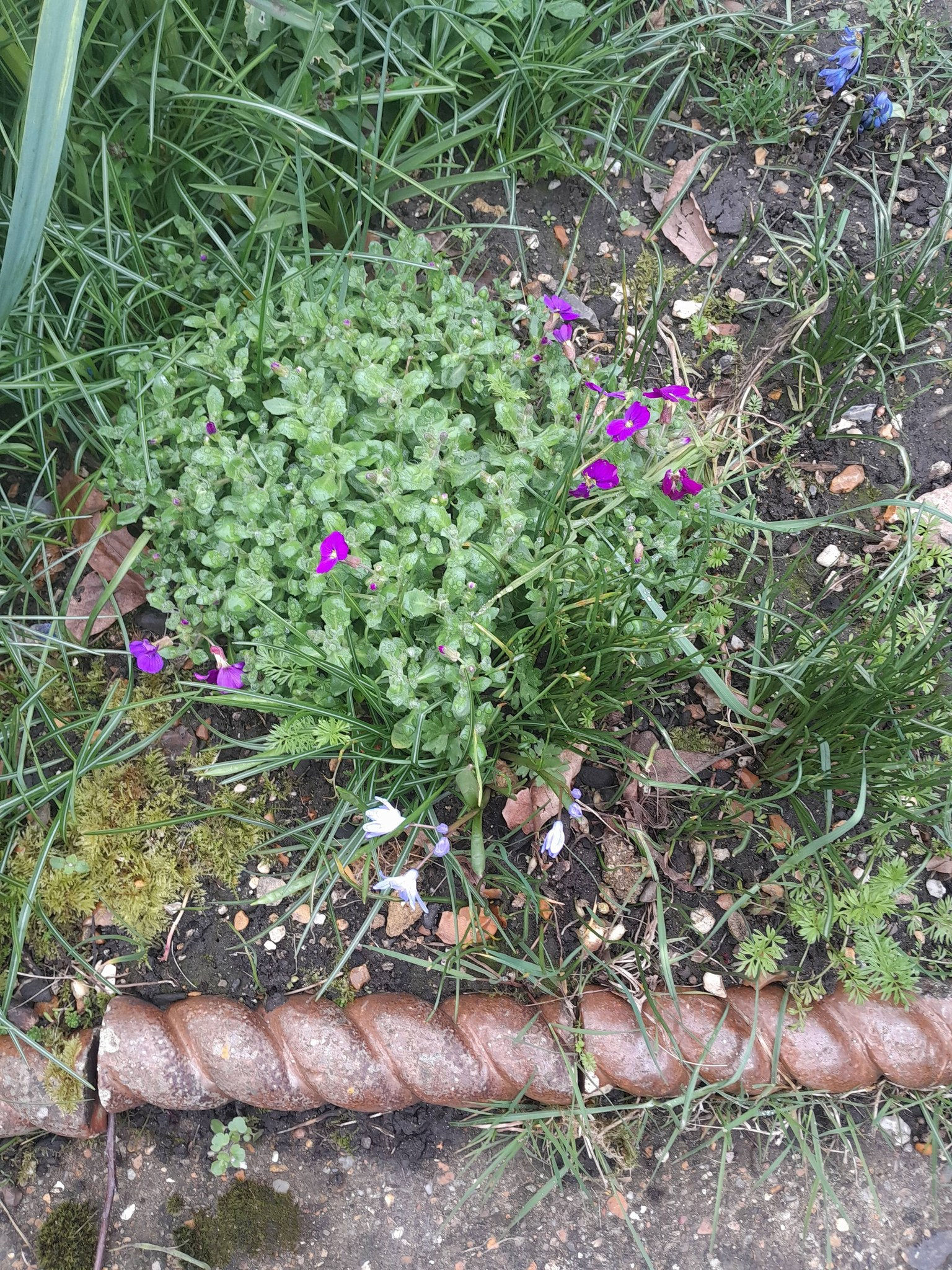
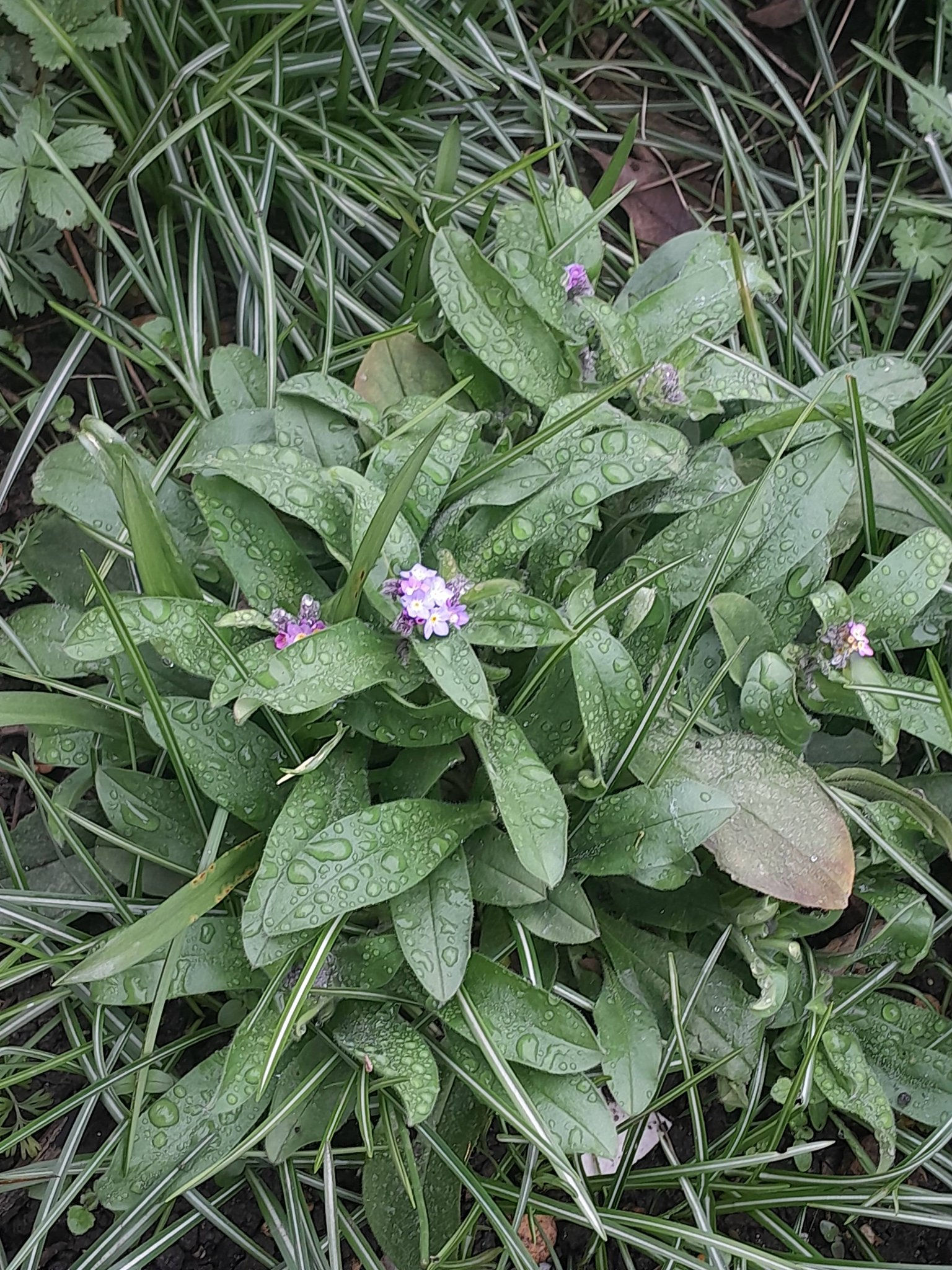
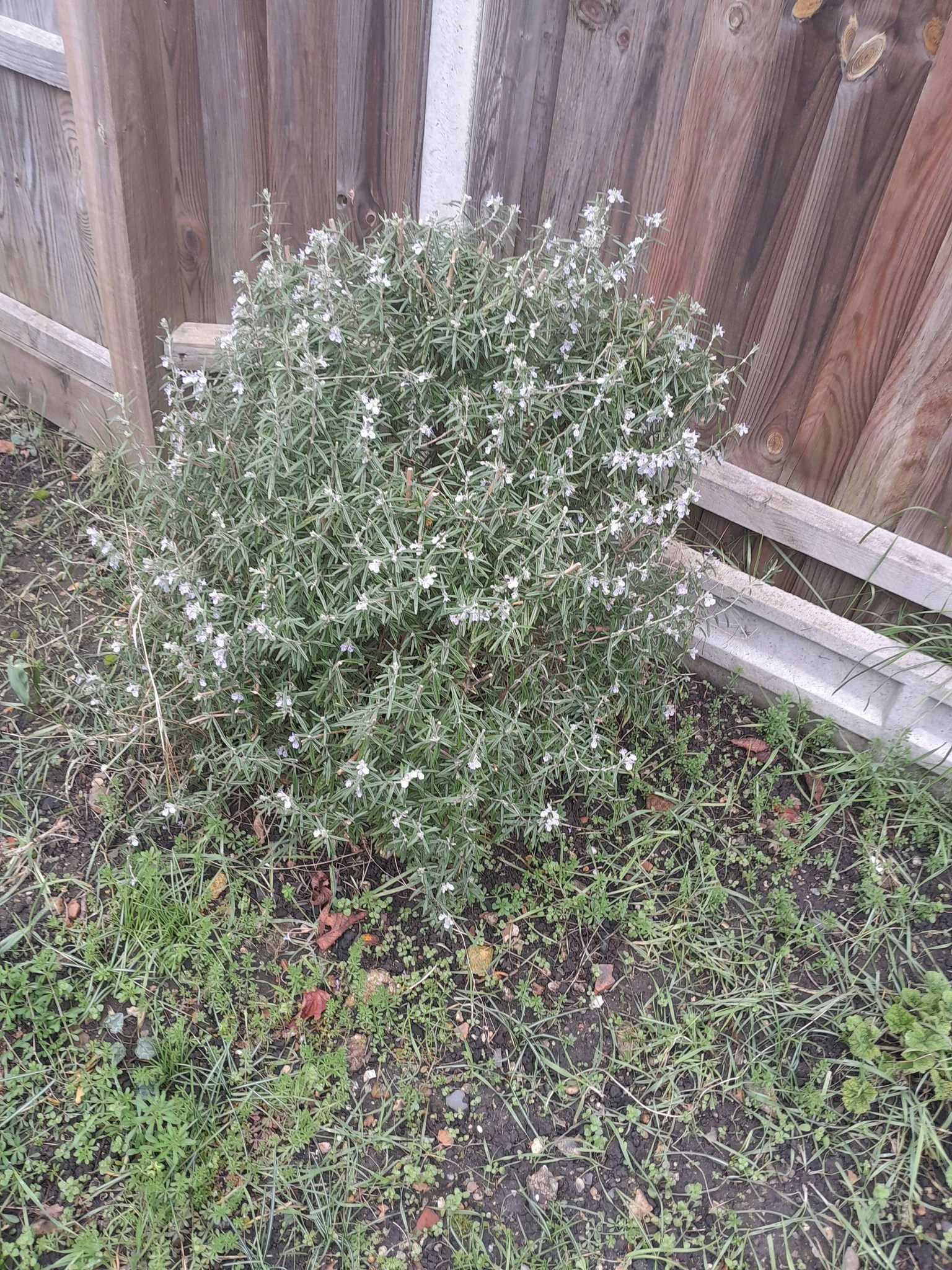
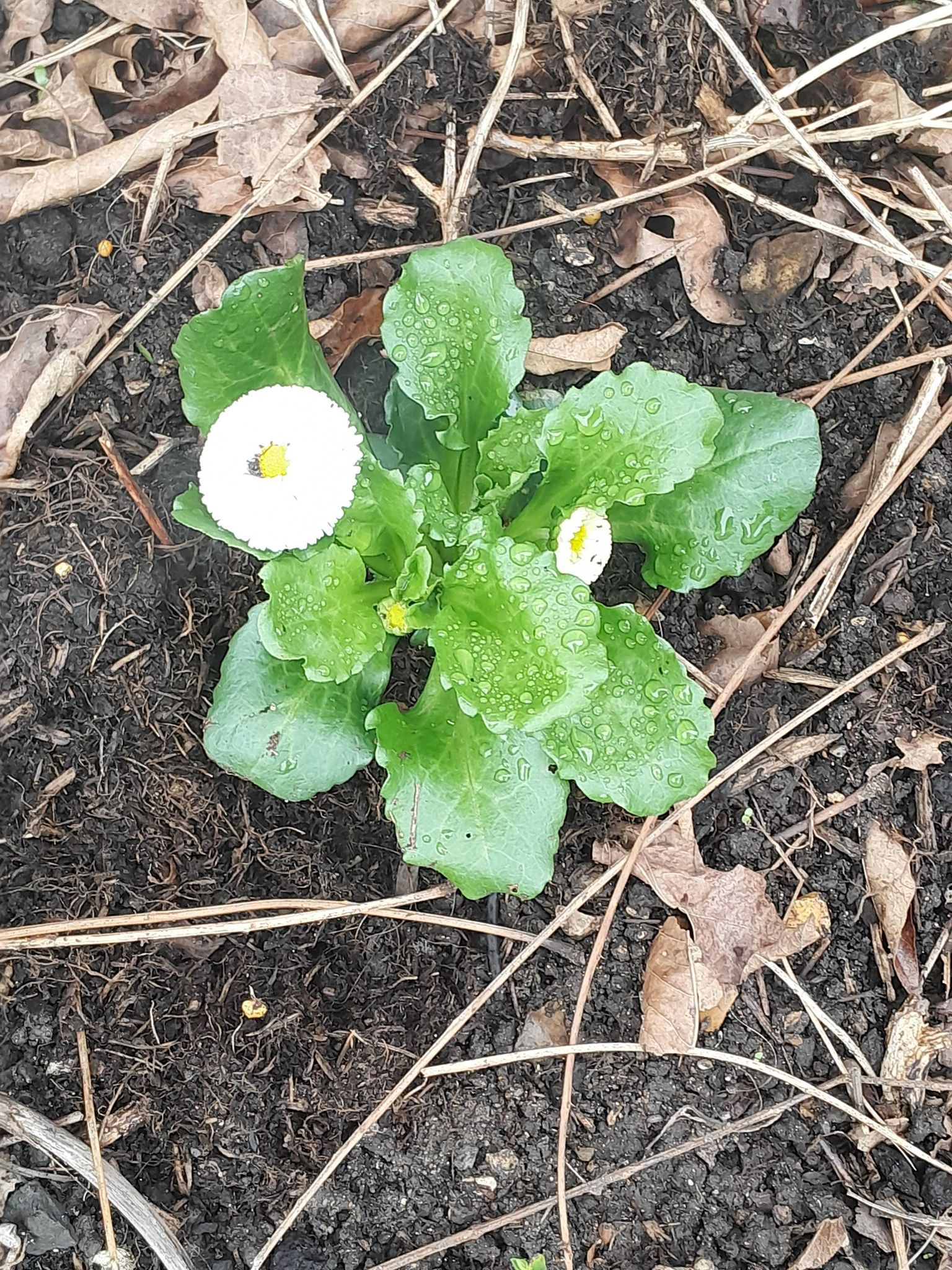
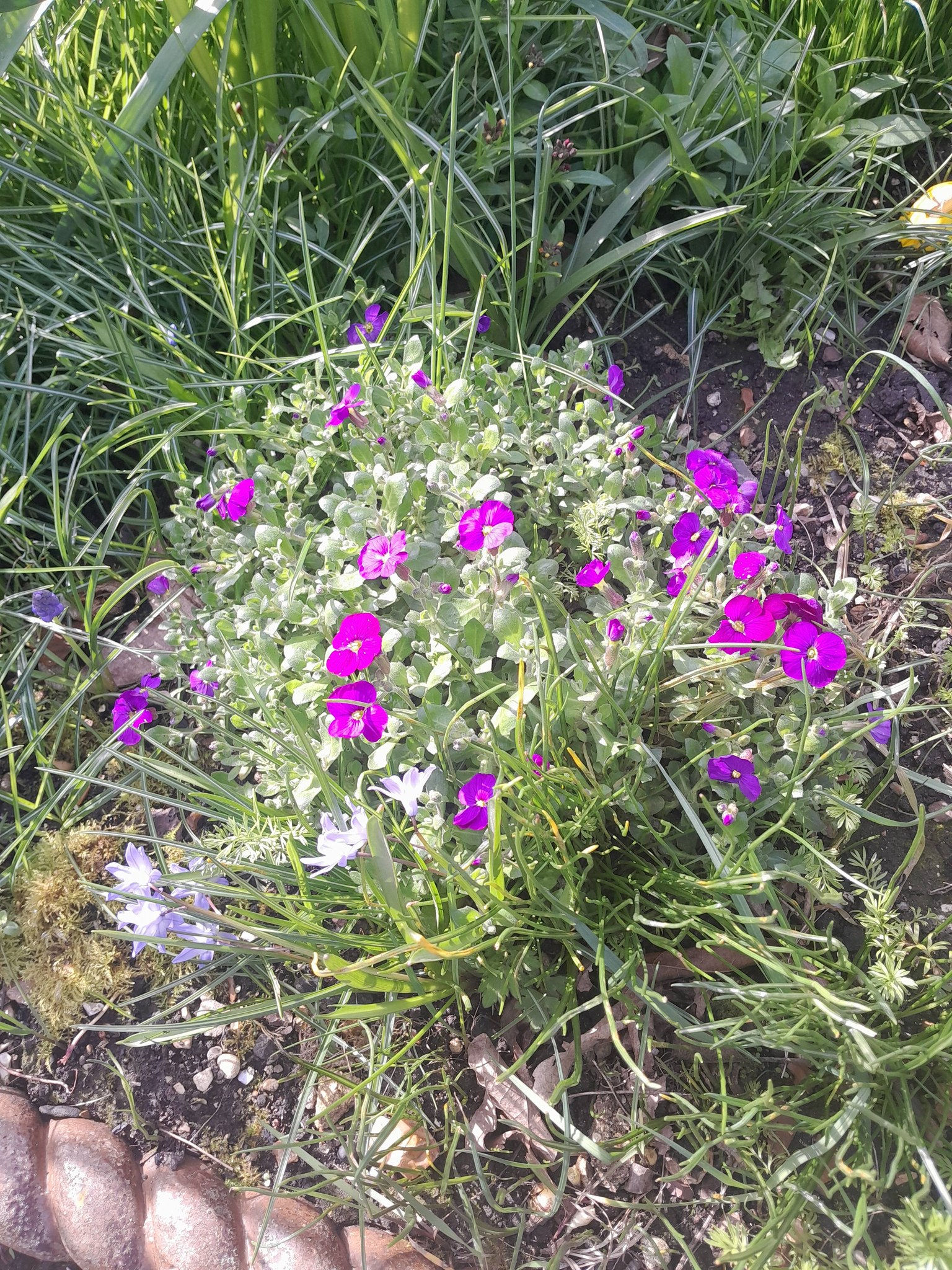
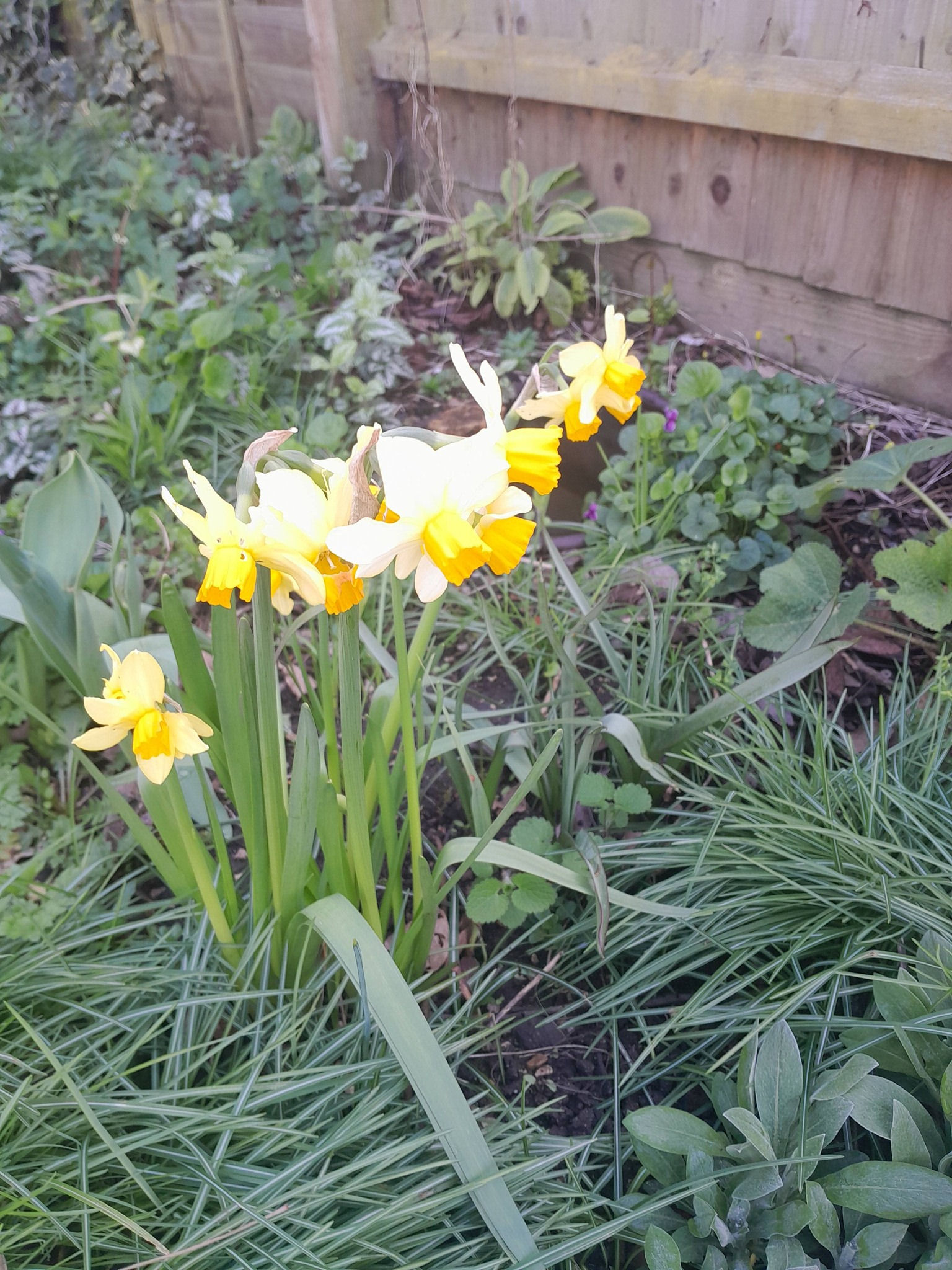
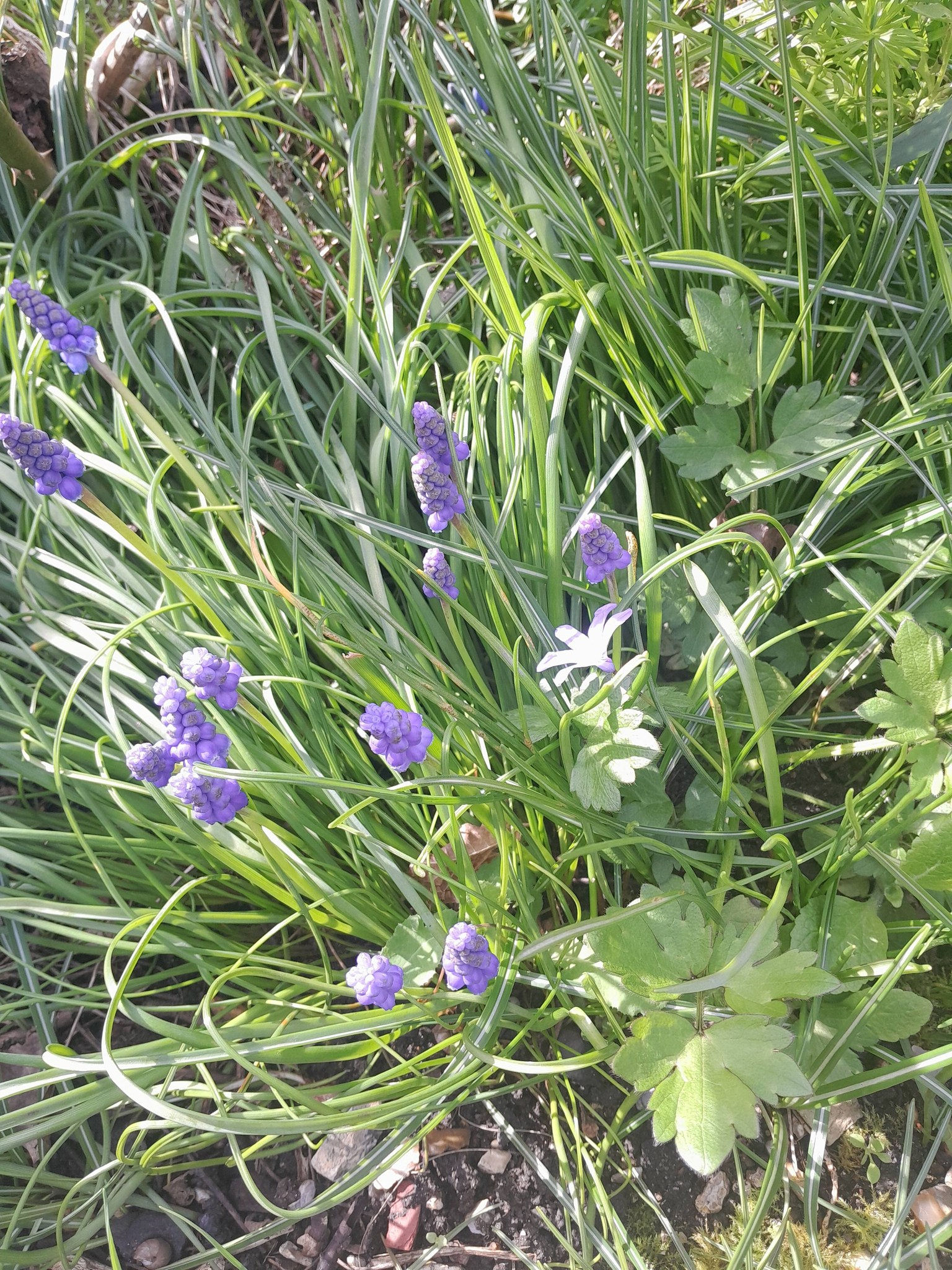
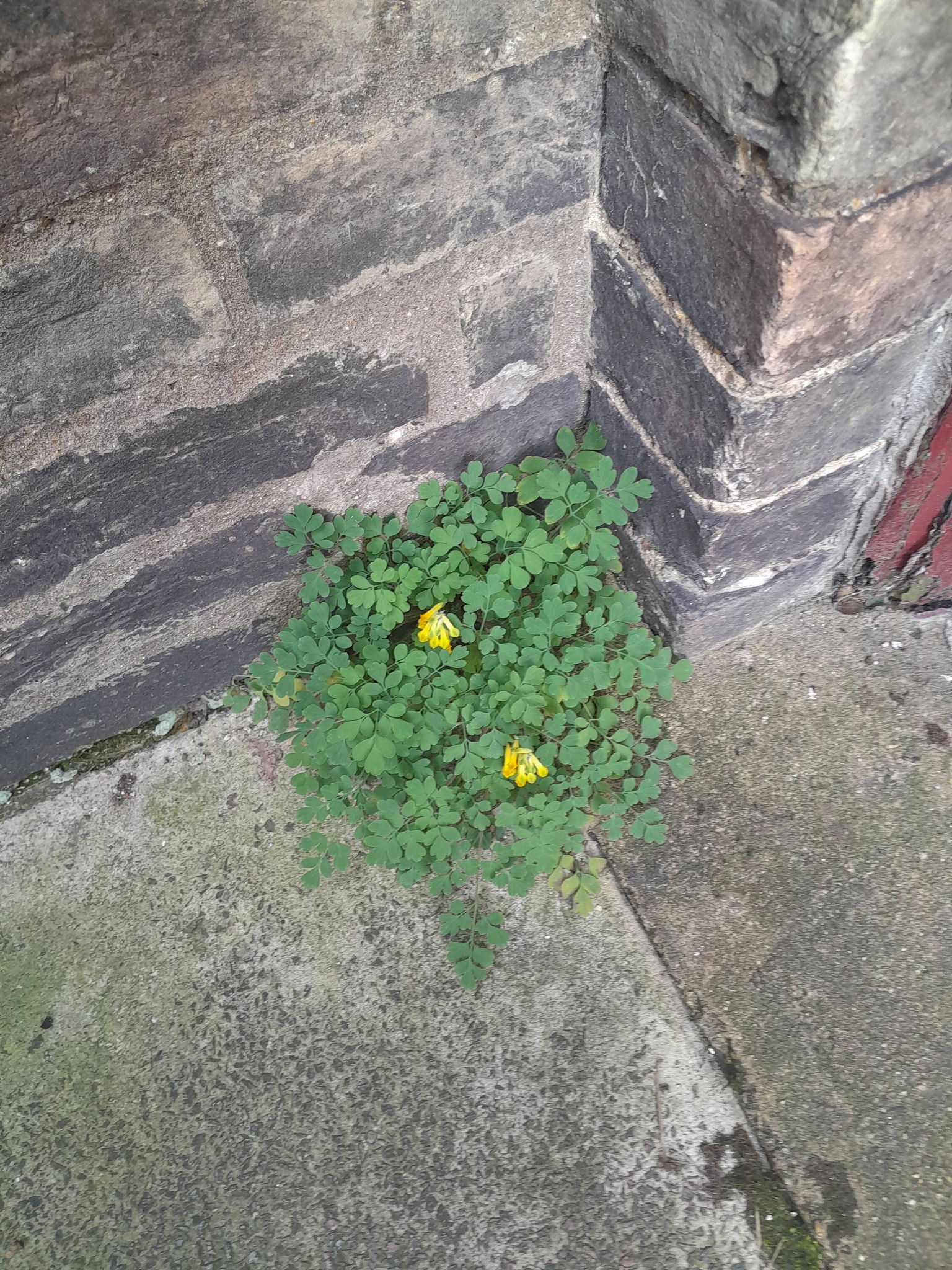
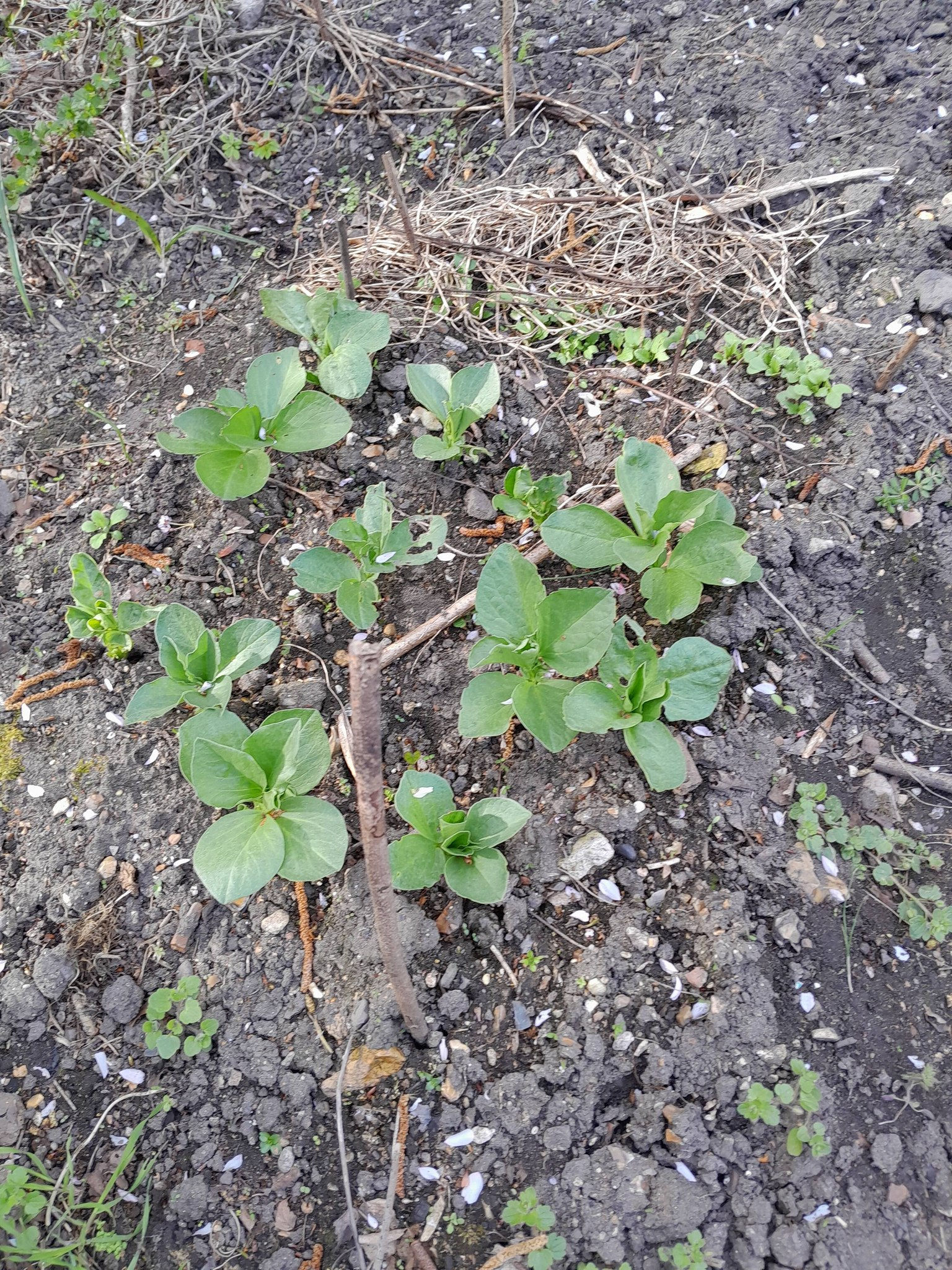
Mar 13: Flowers saying Brrr! I think we may have made a mistake here, folks...
| March | 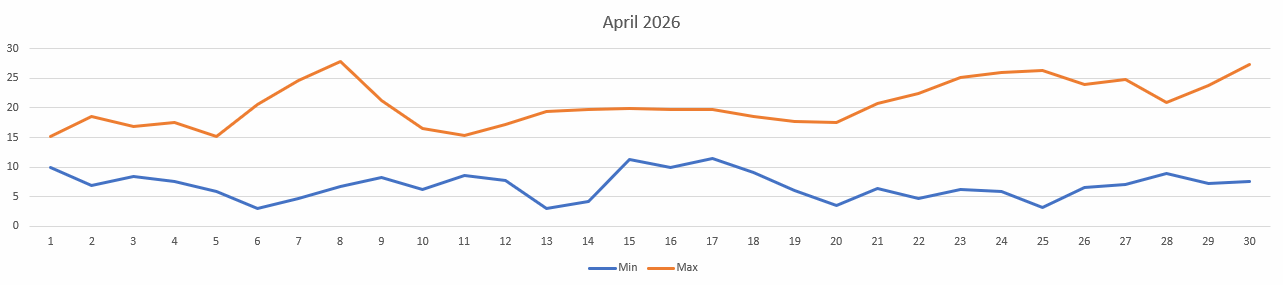 |
May |
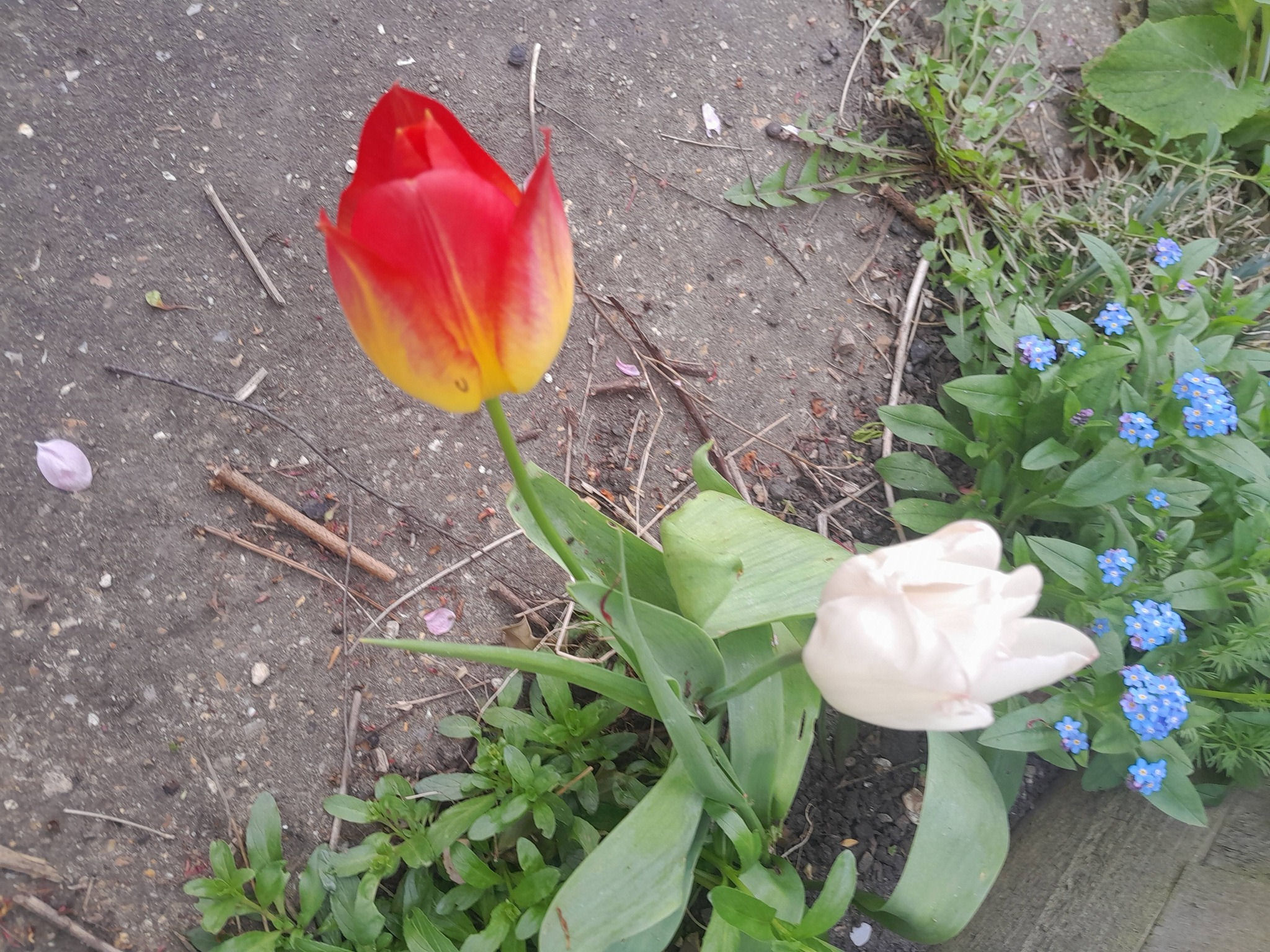
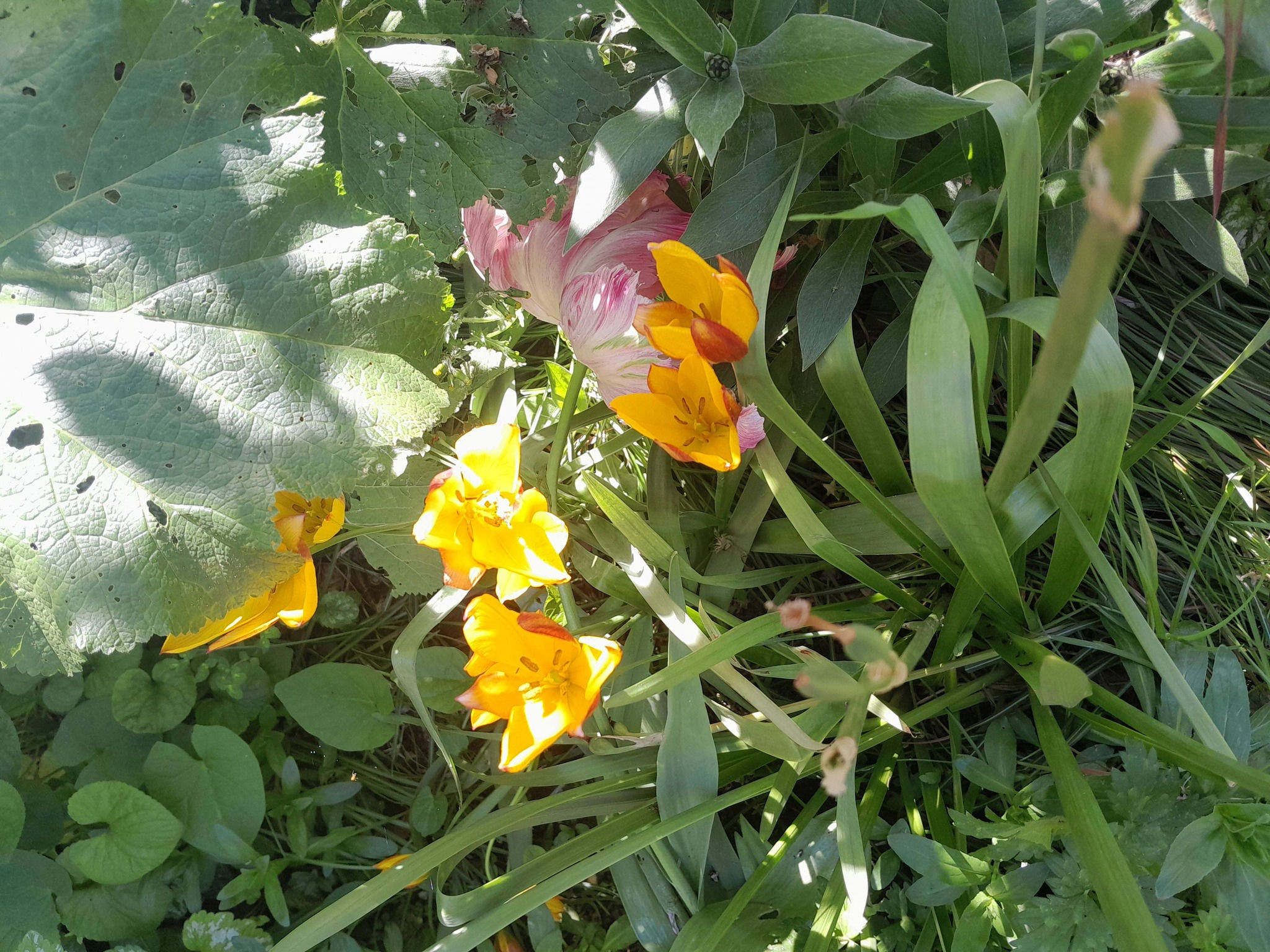
Apr 4:Various tulips.
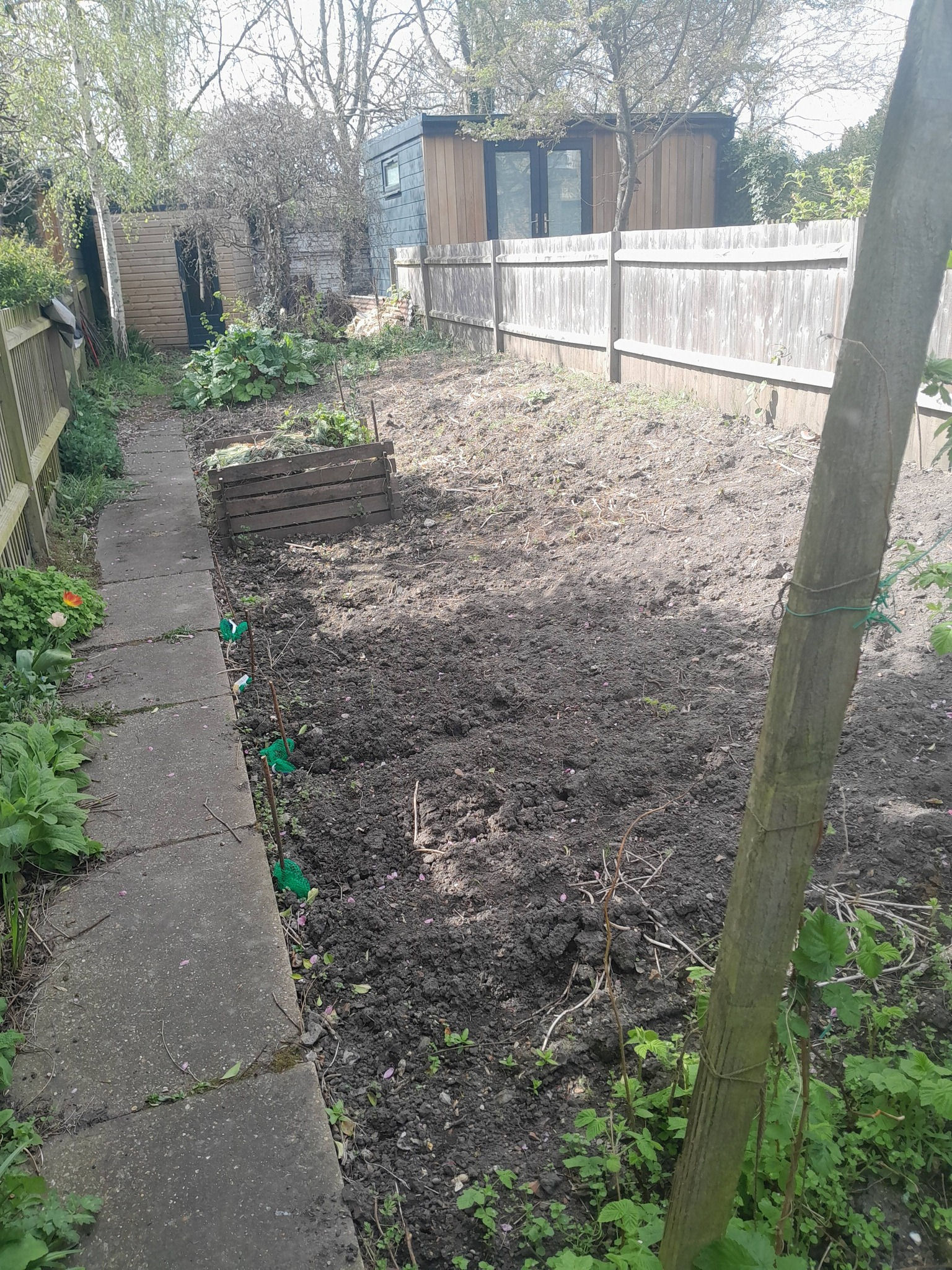
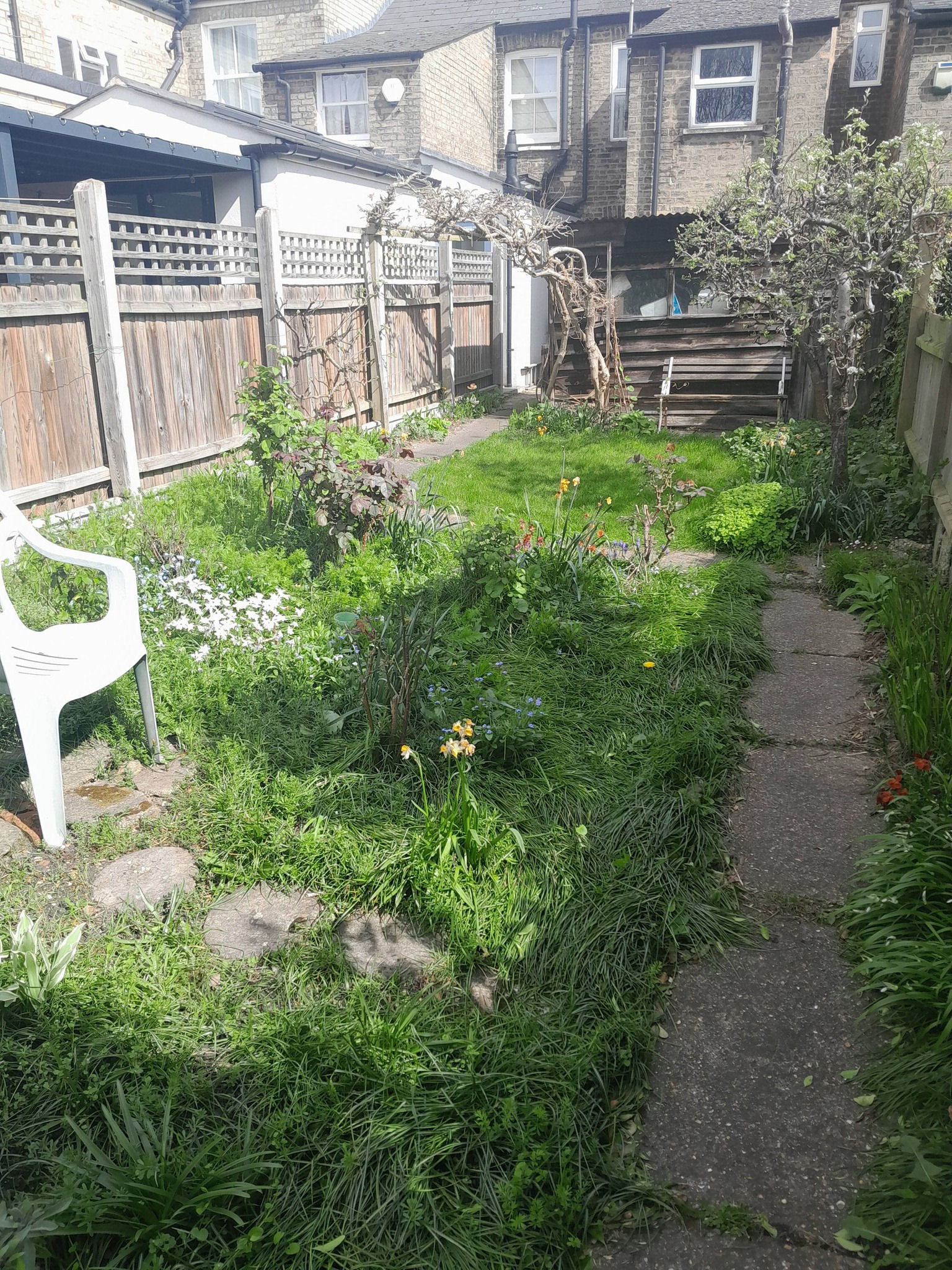
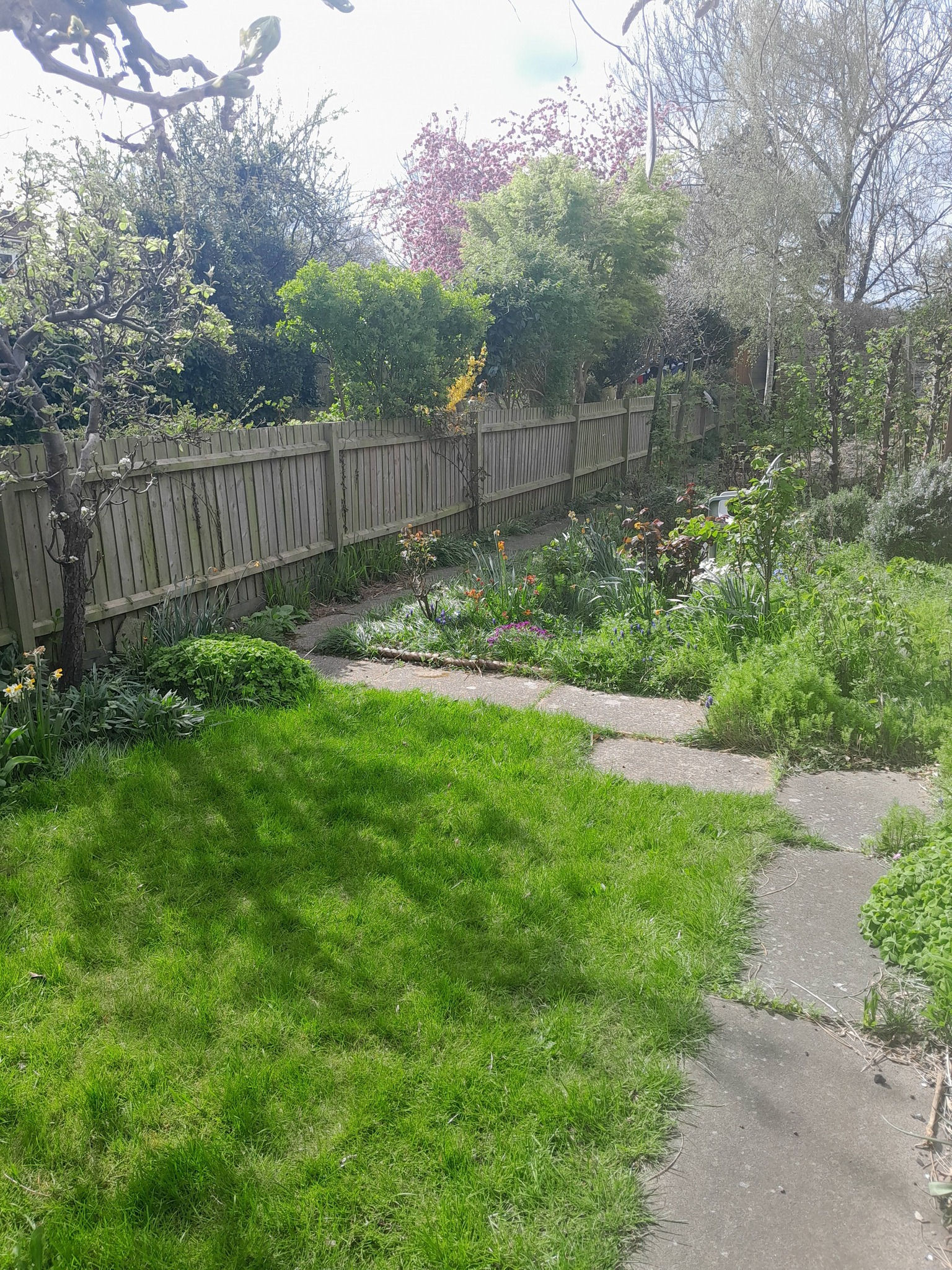
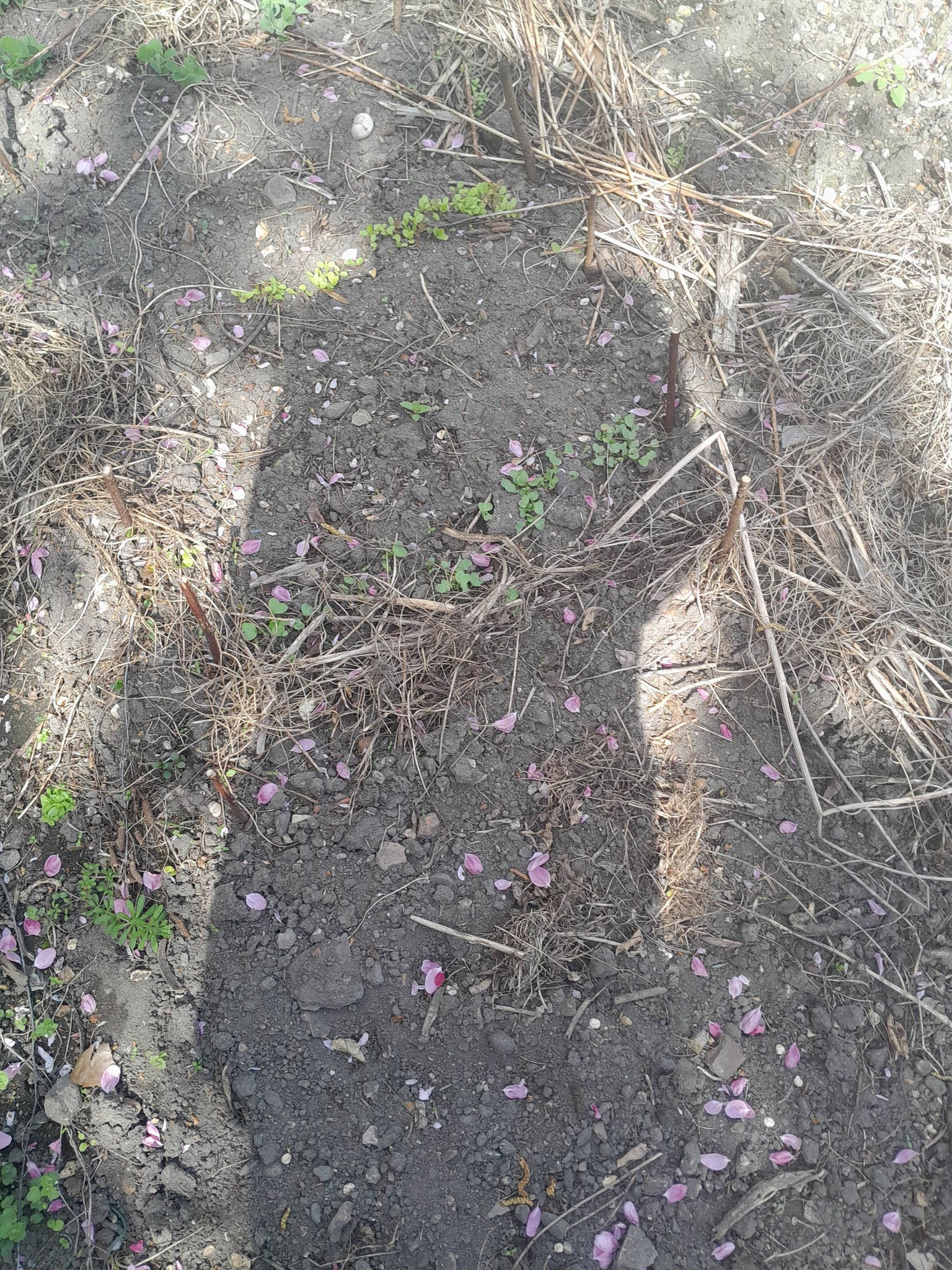
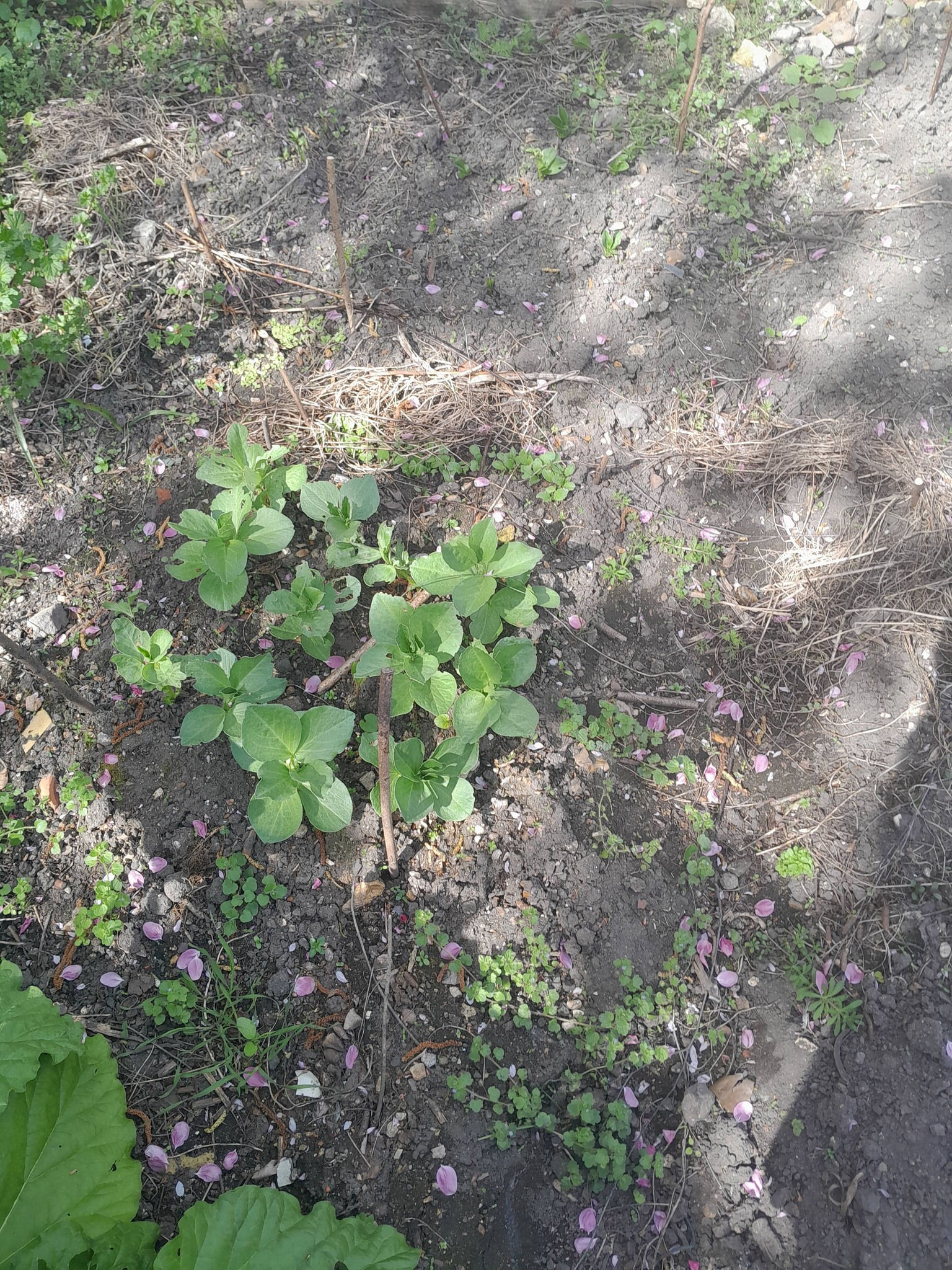
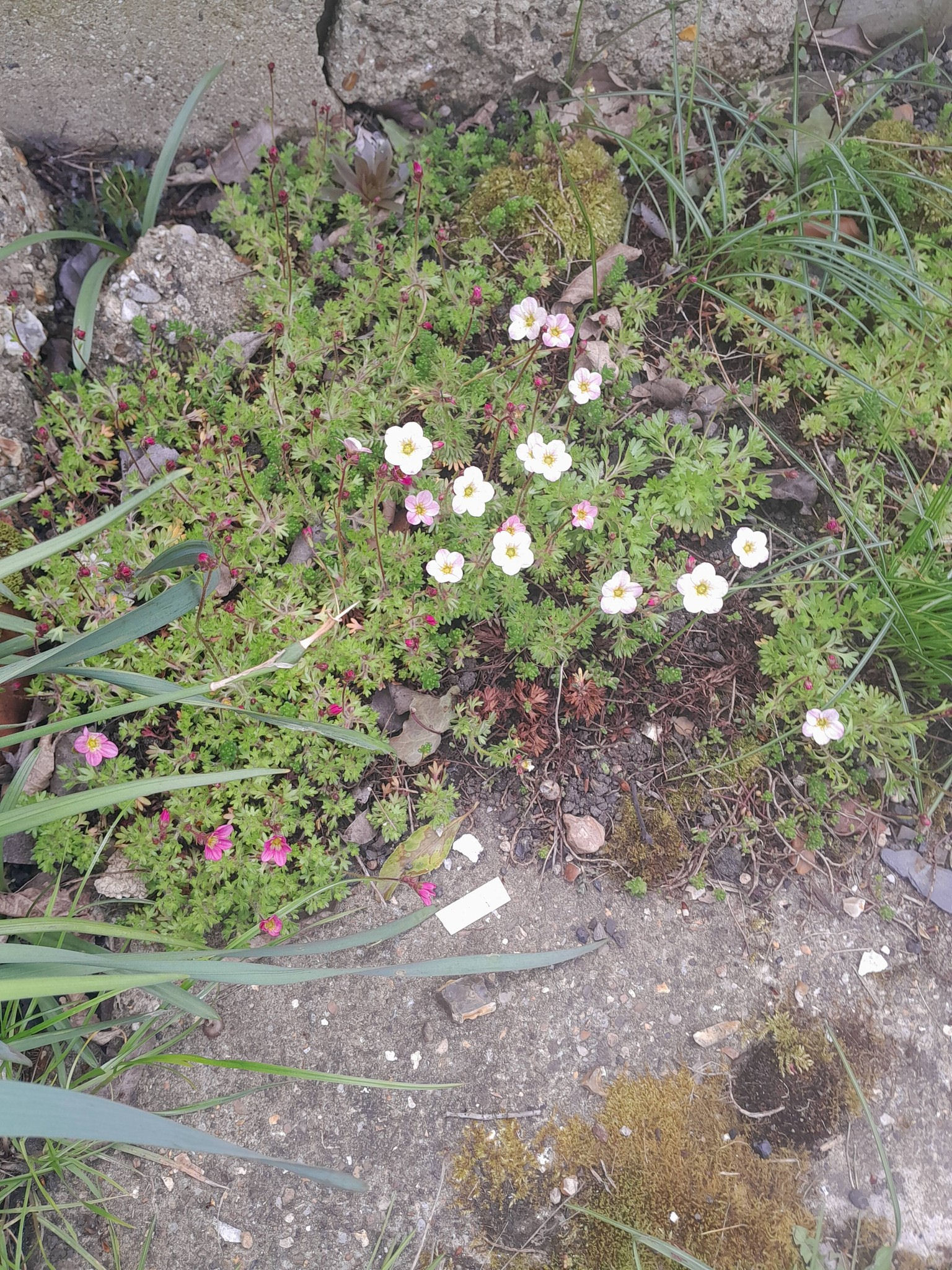
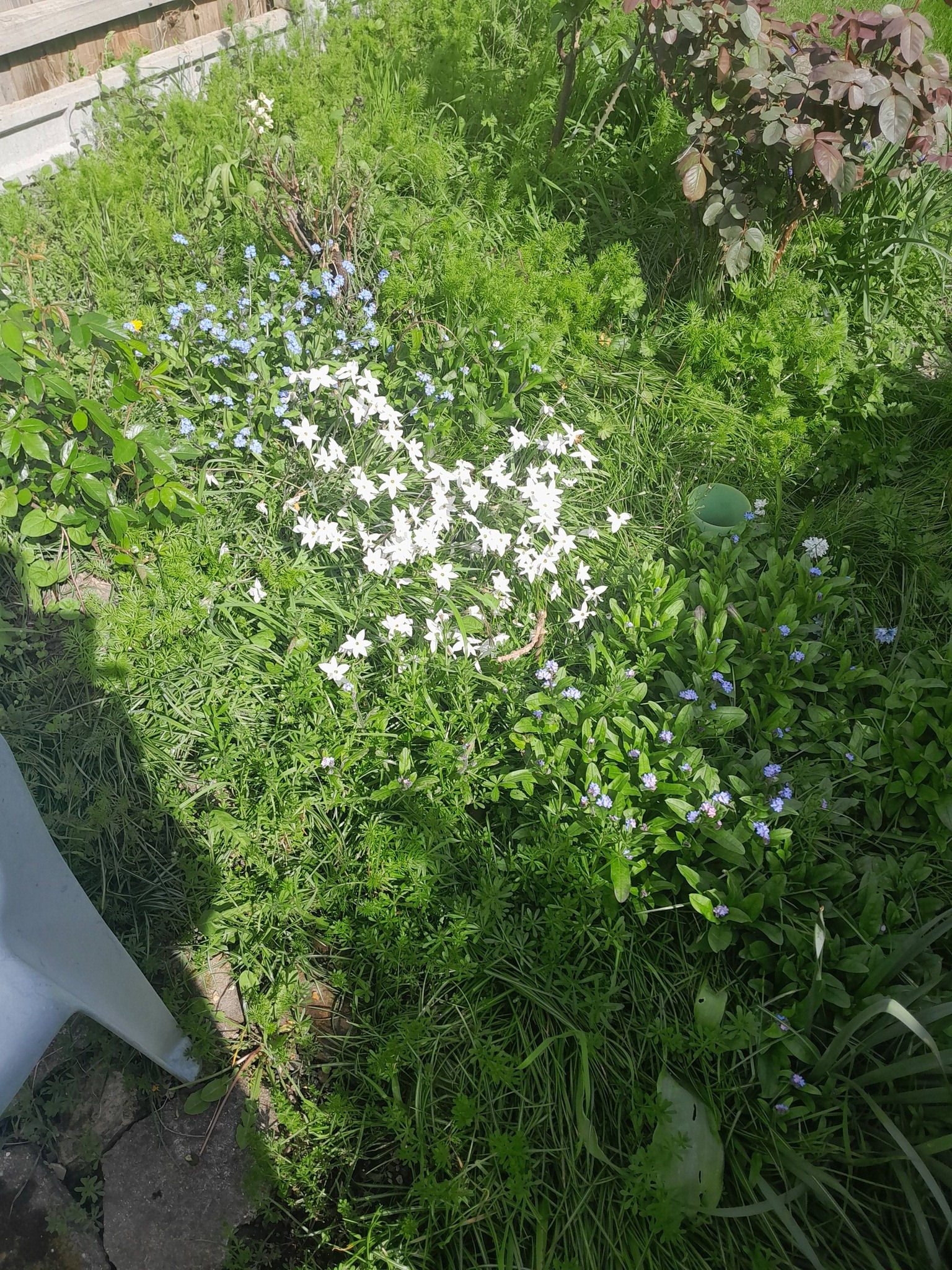
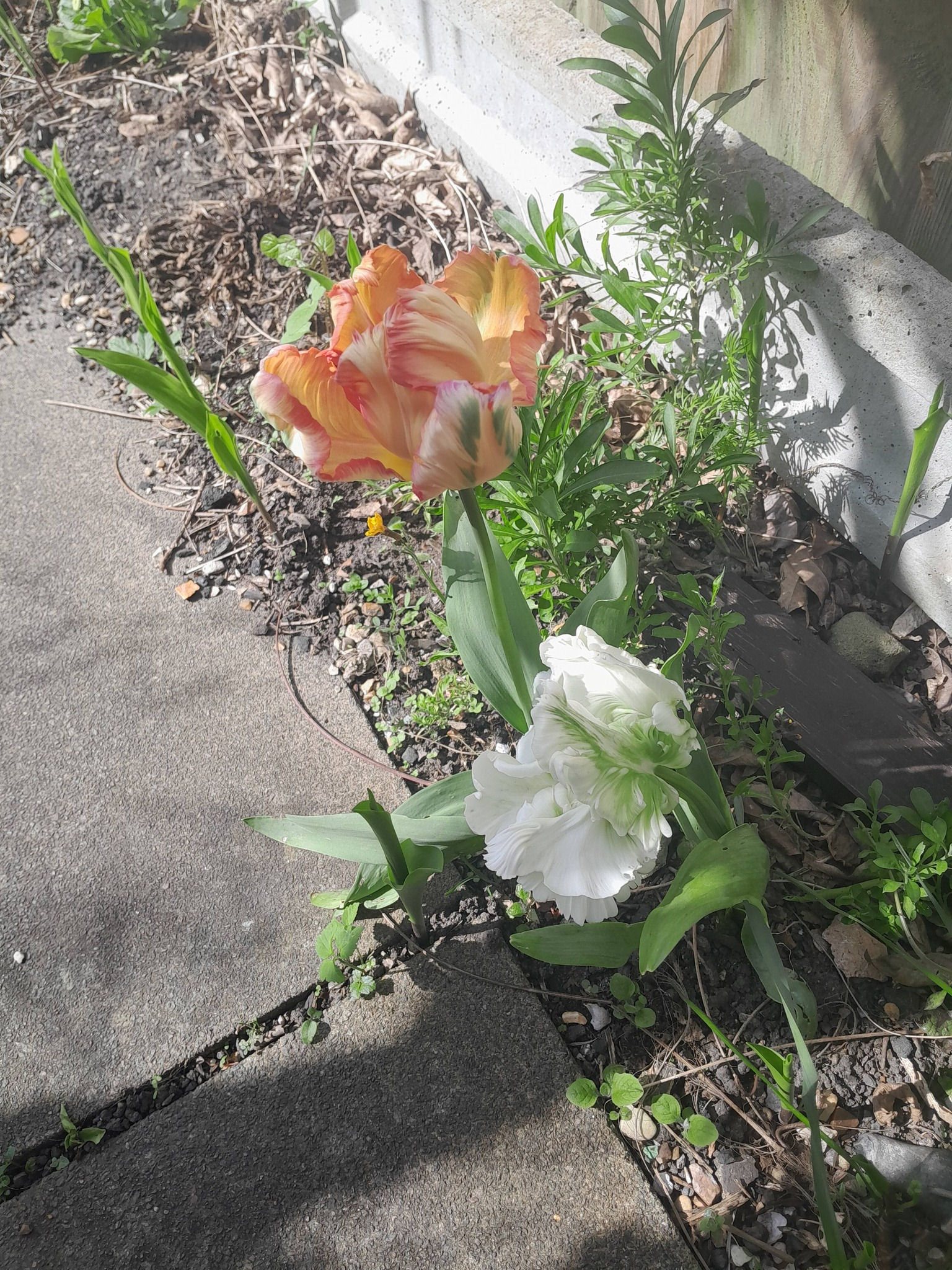
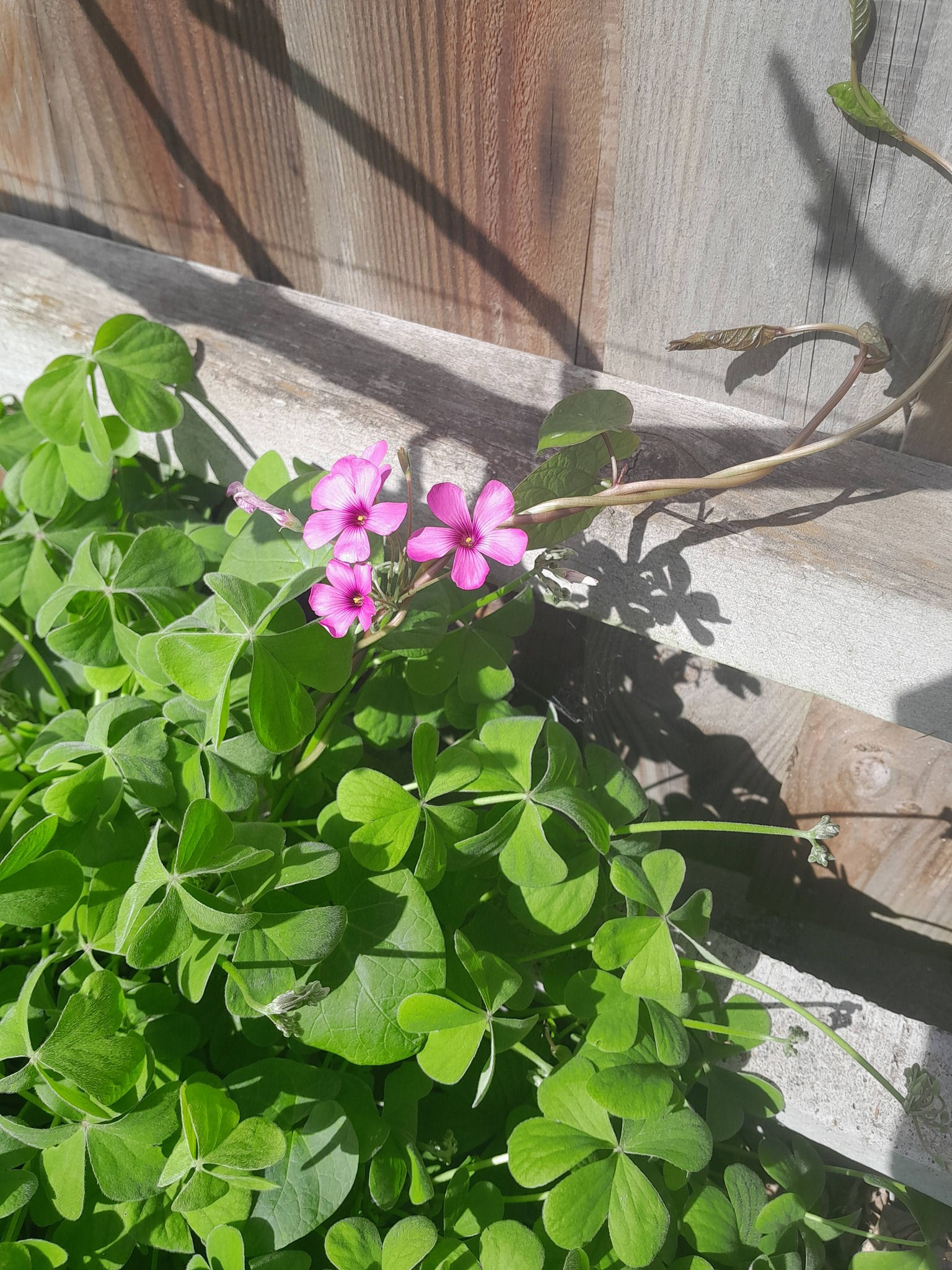
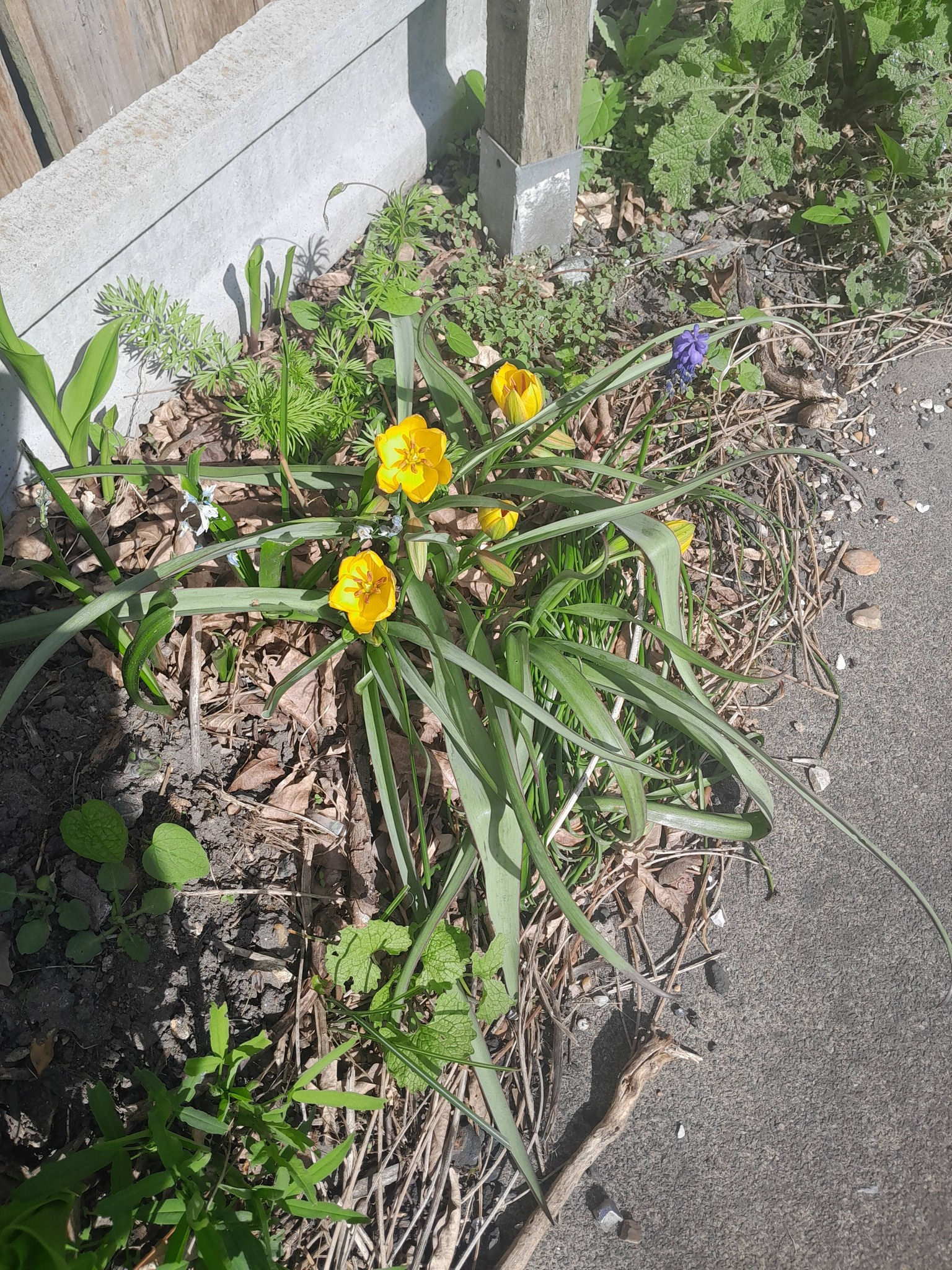
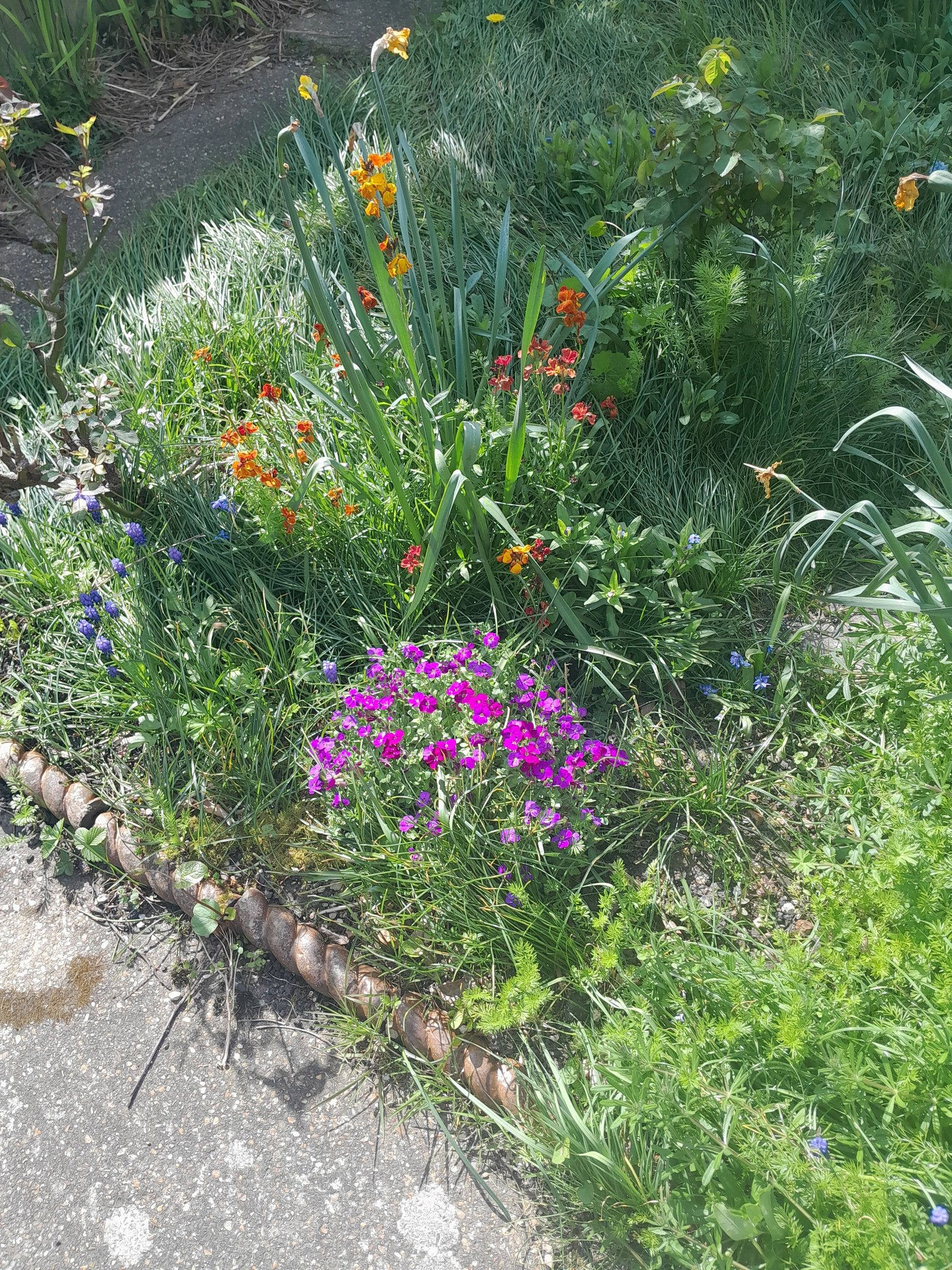
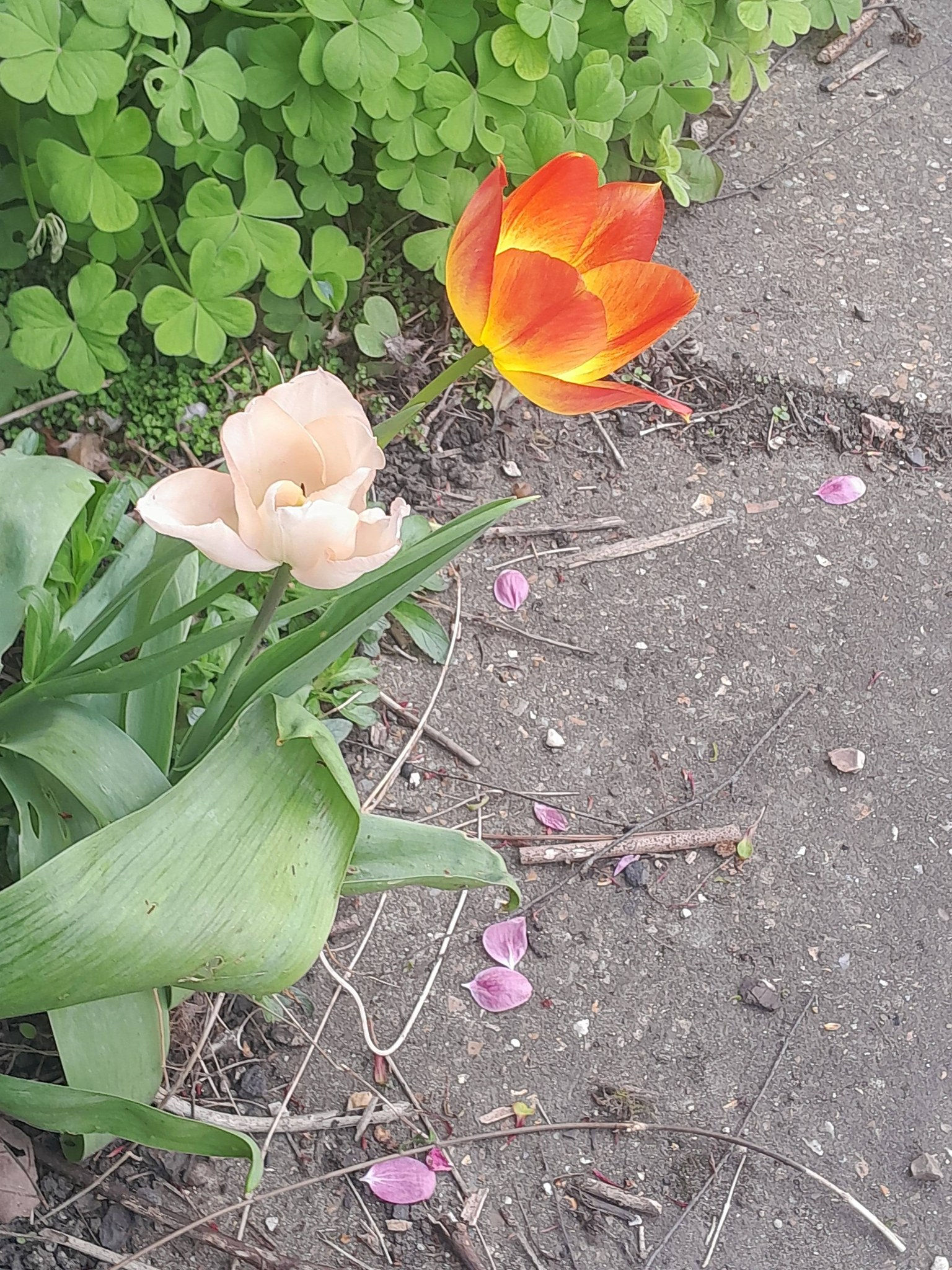
Apr 8: A couple of sunny days has really brought on the blossom


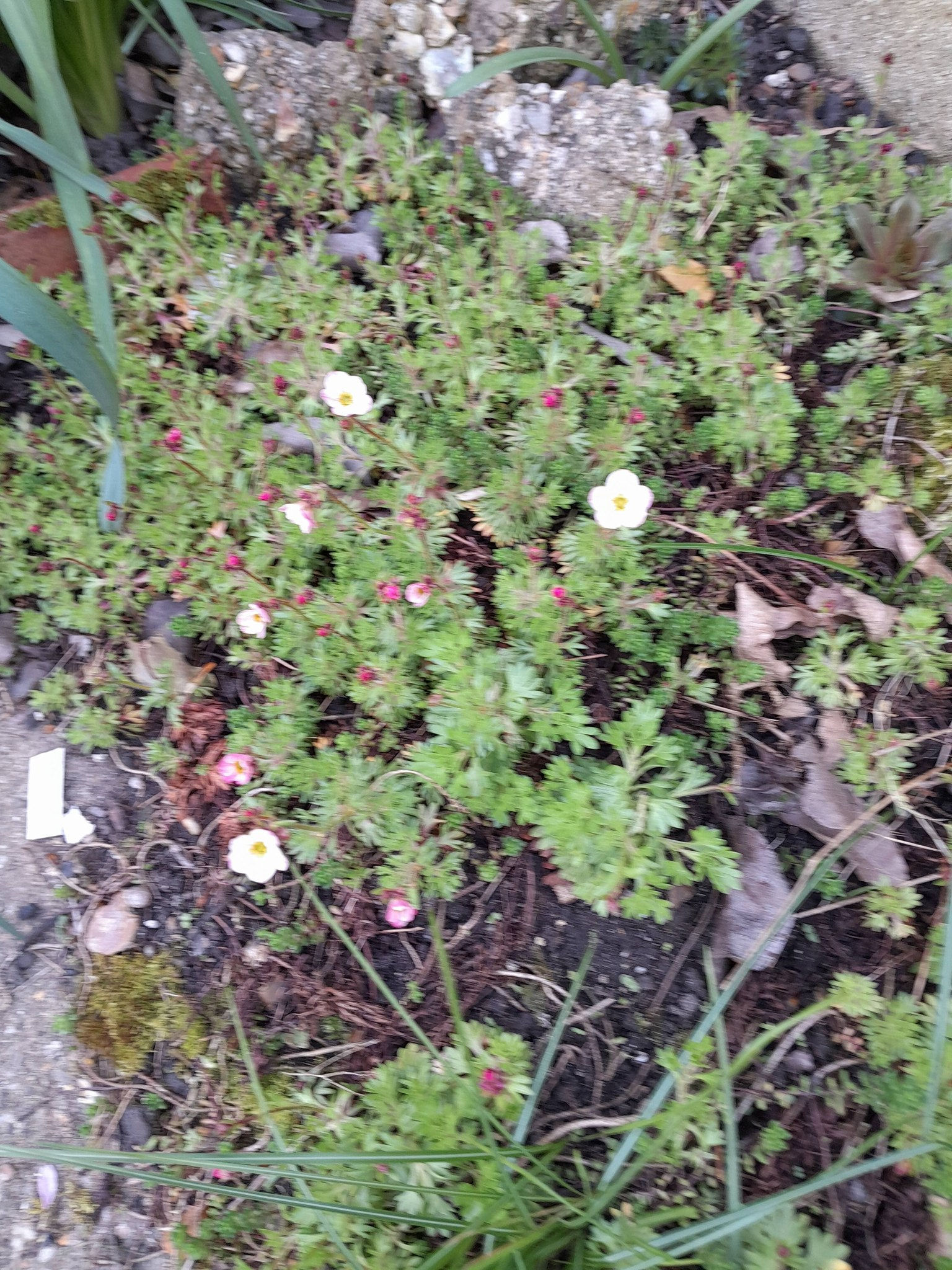
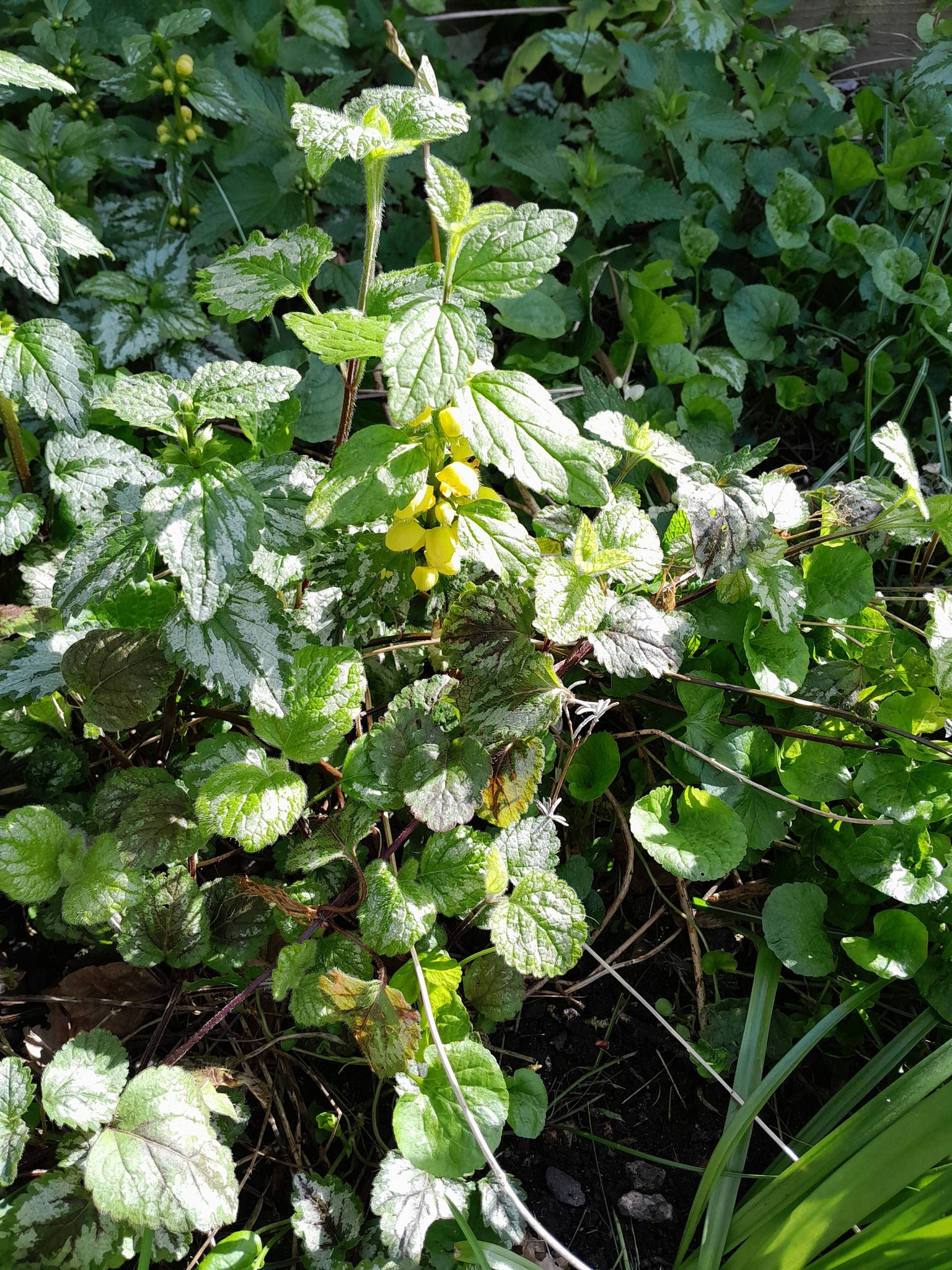
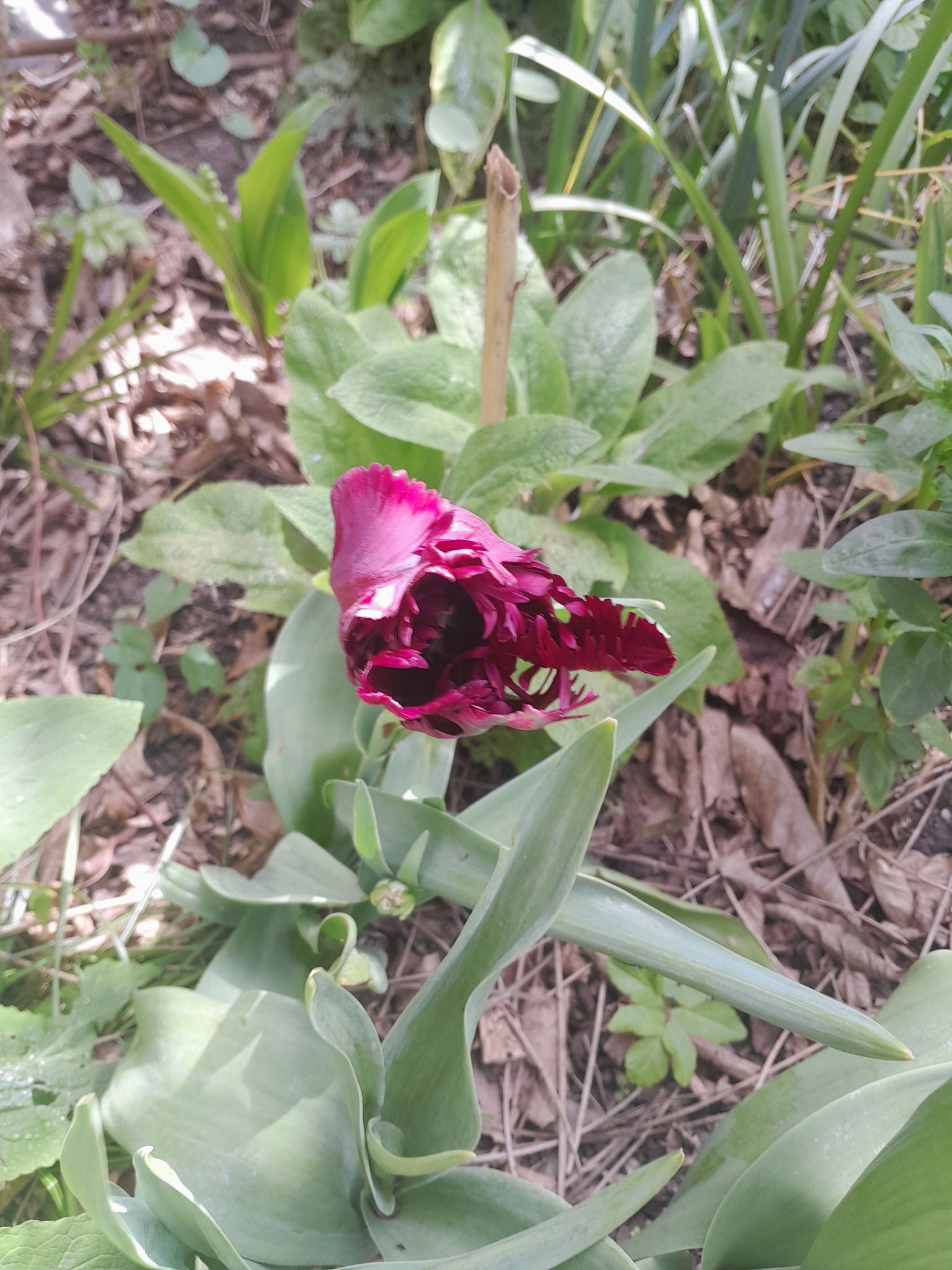
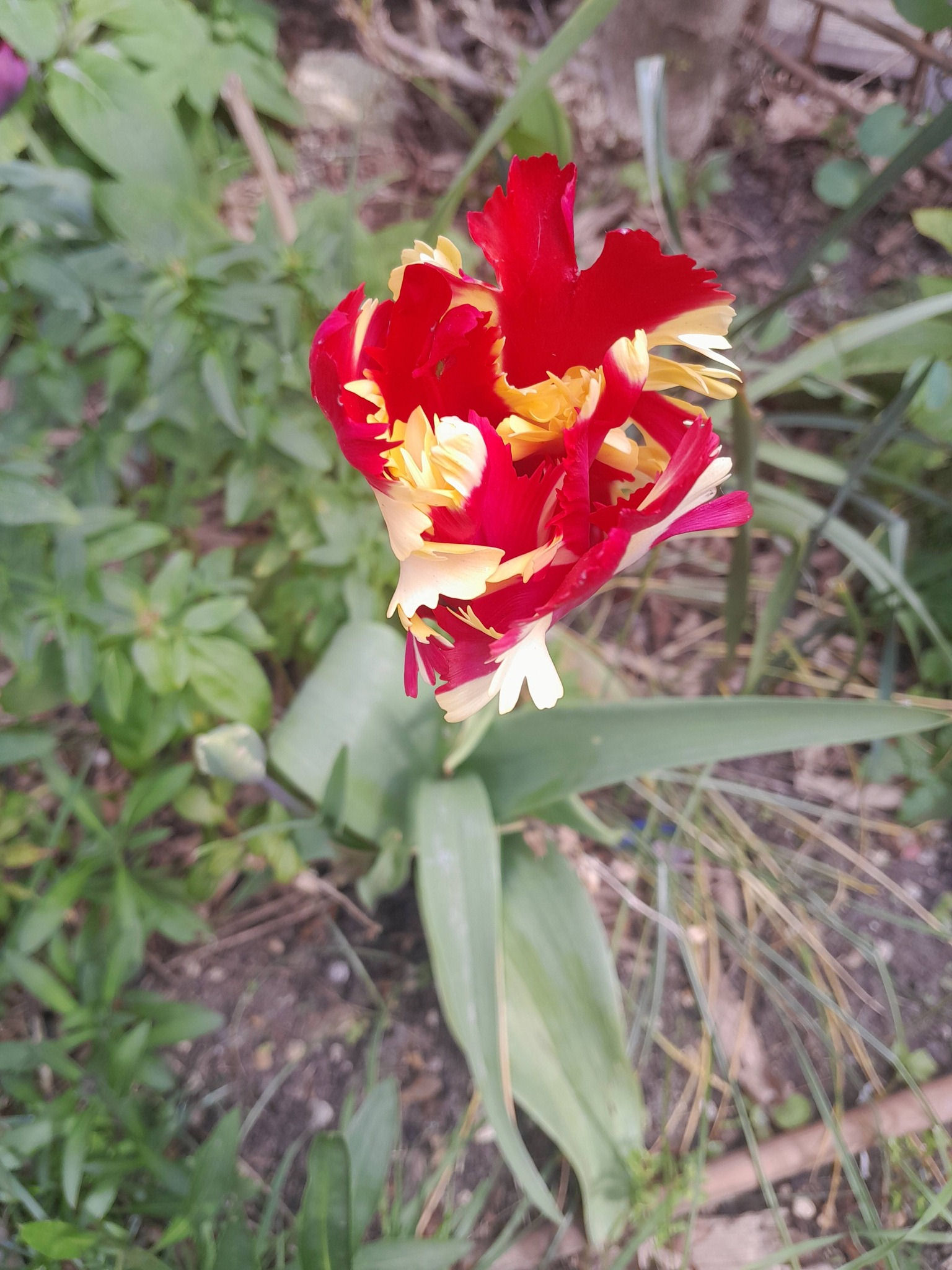
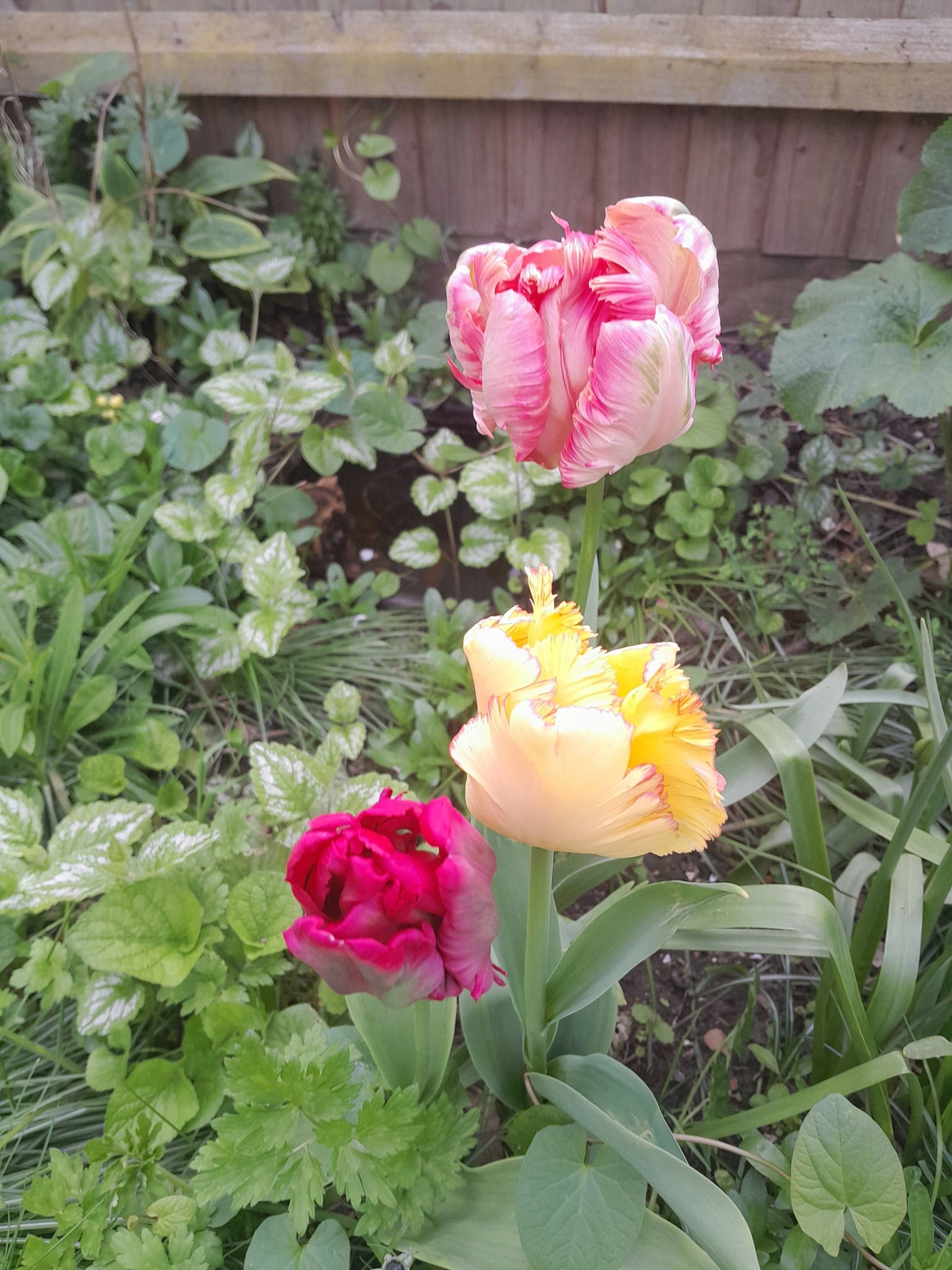
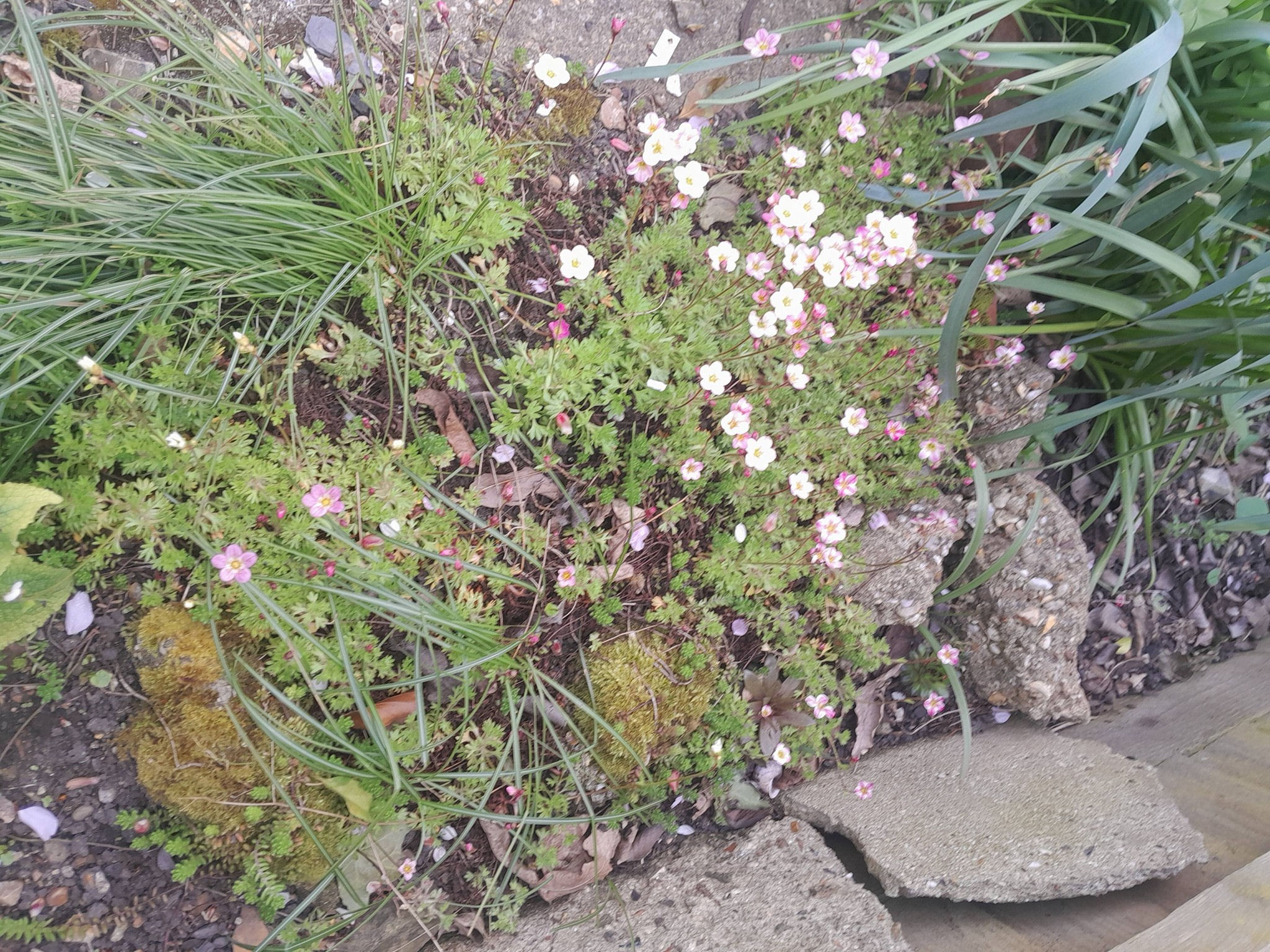
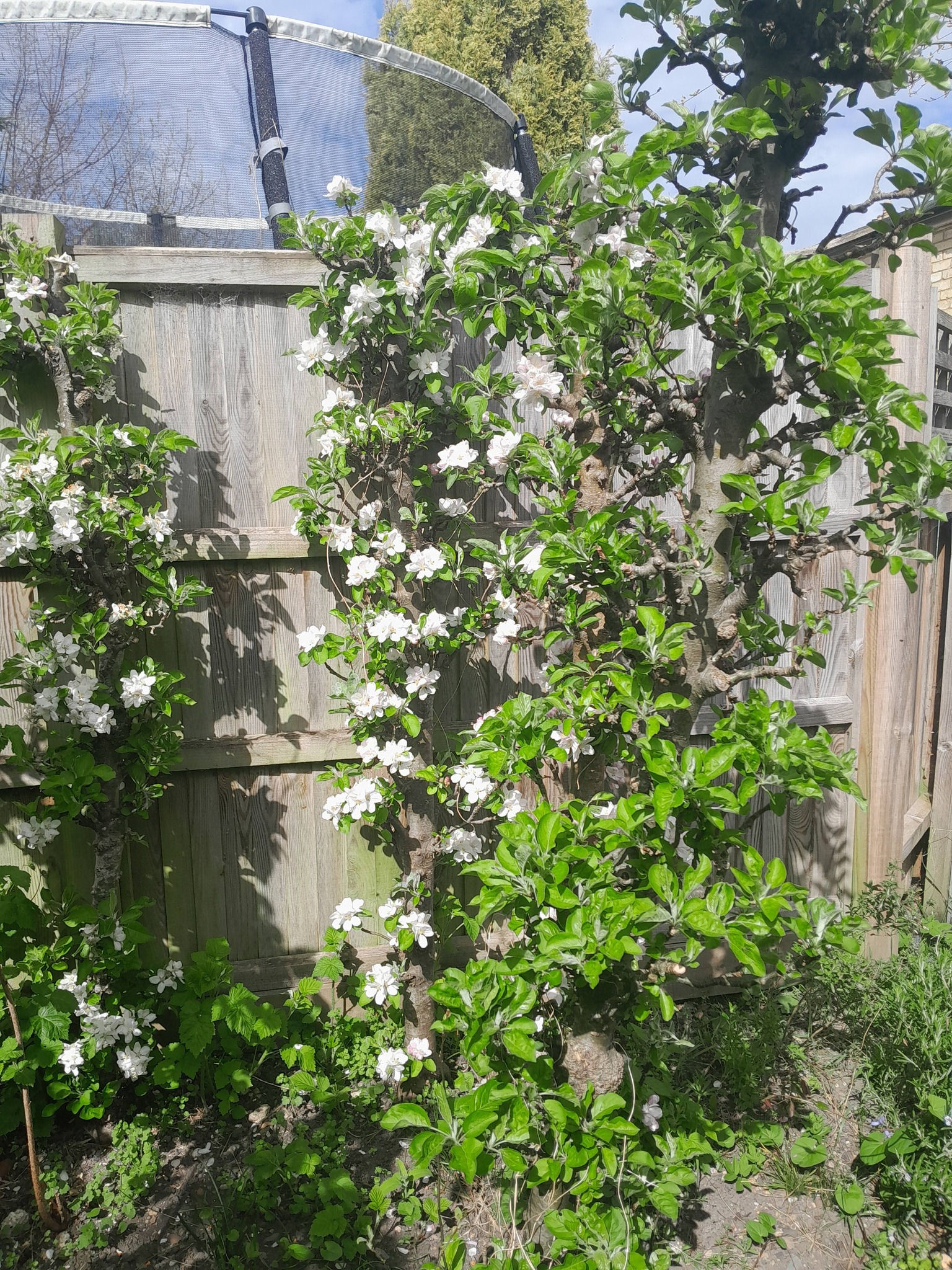
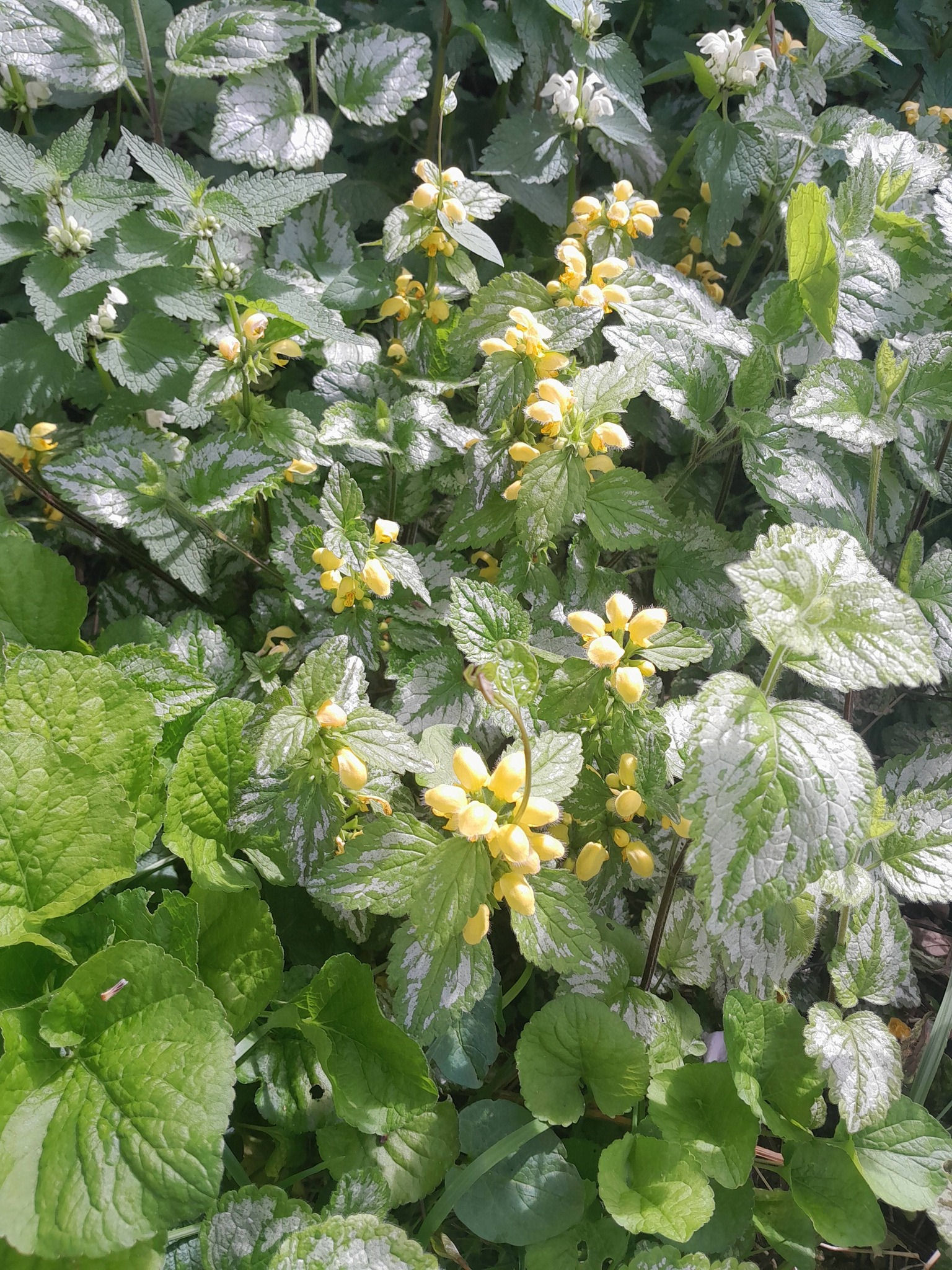
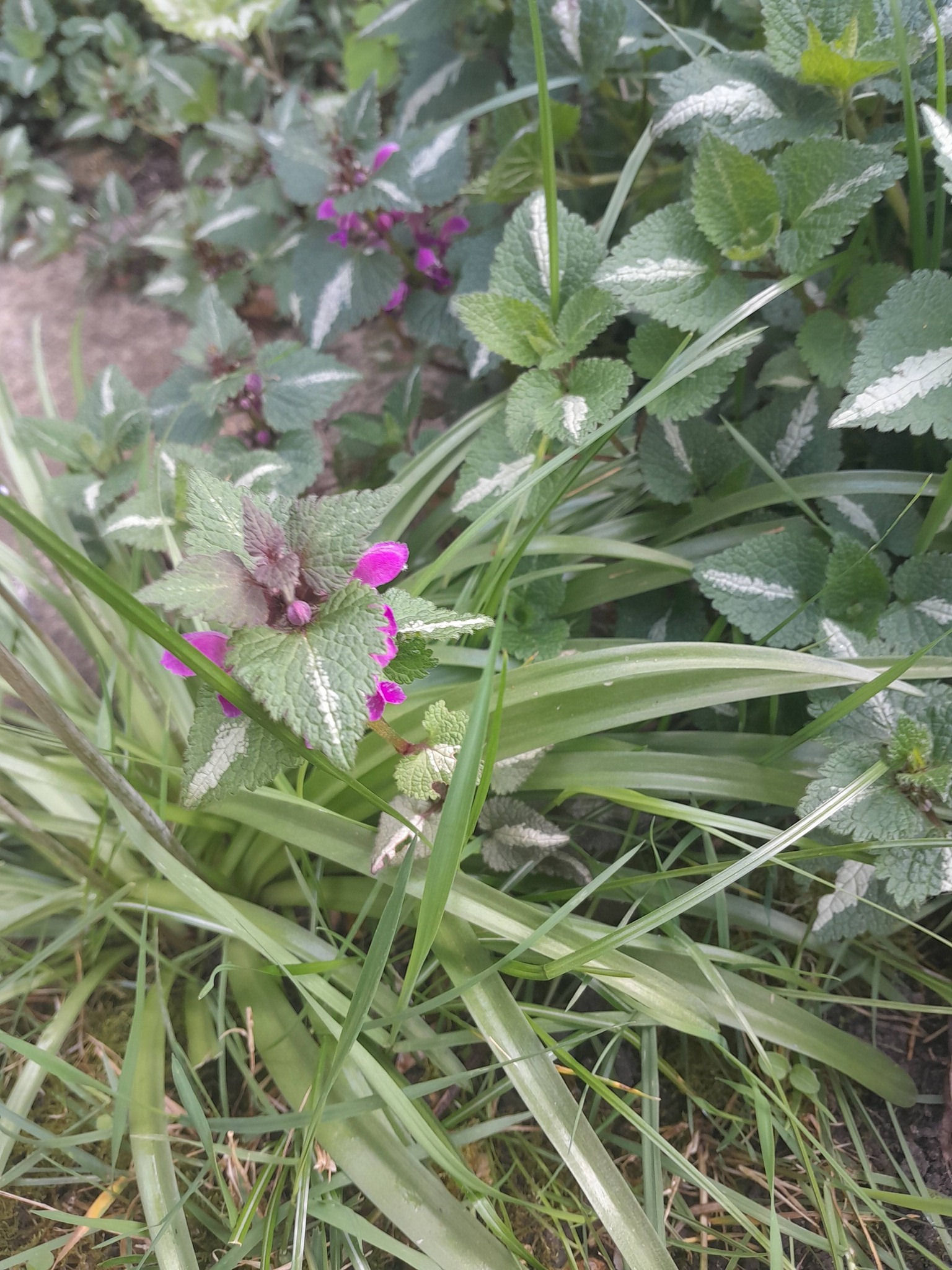
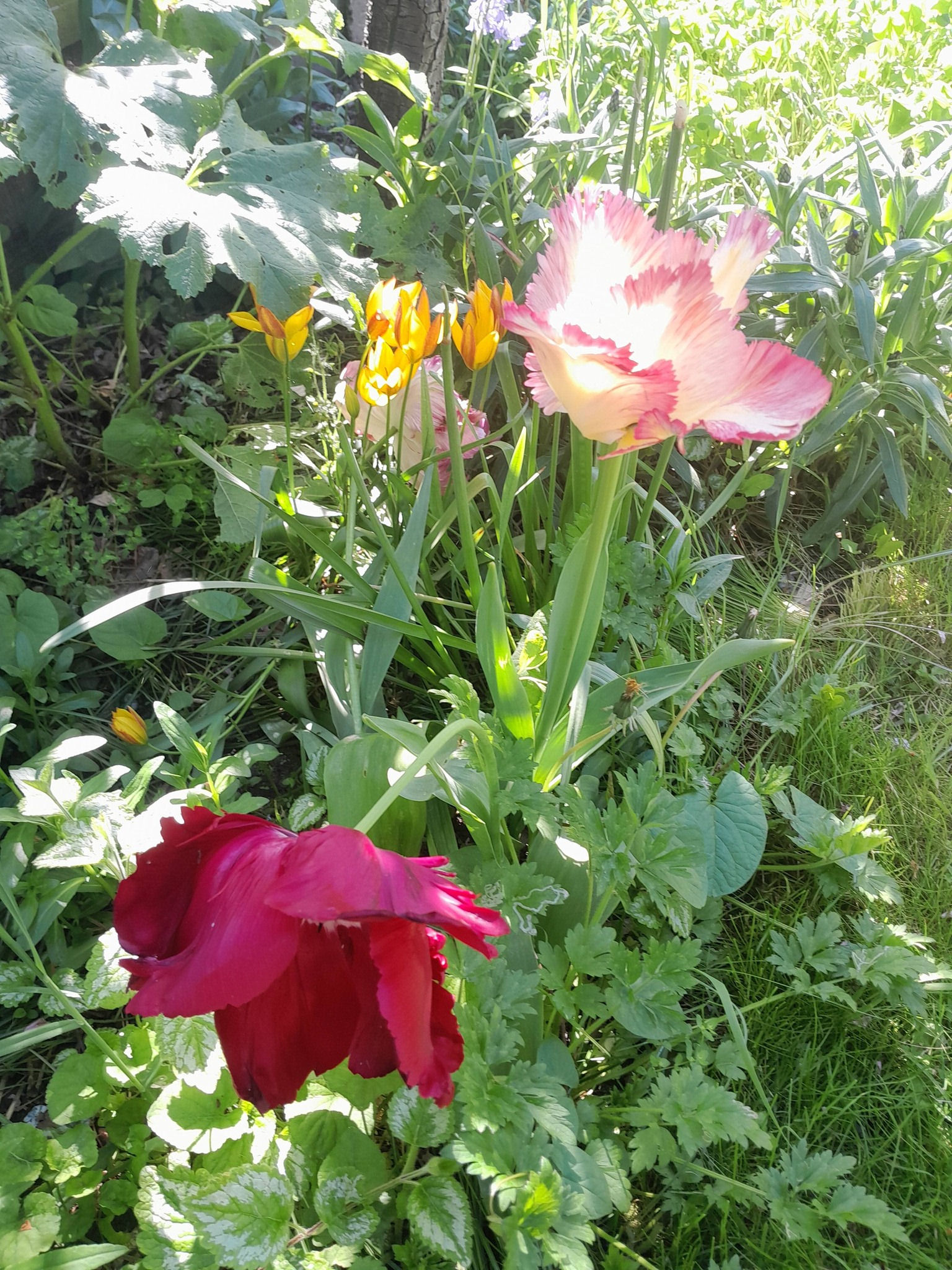
Apr 11: I bought a mixed bag of parrot tulips last autumn. Definitely a success story! Also saxifrage and dead nettles, and showing how an apple tree has gone biennial.
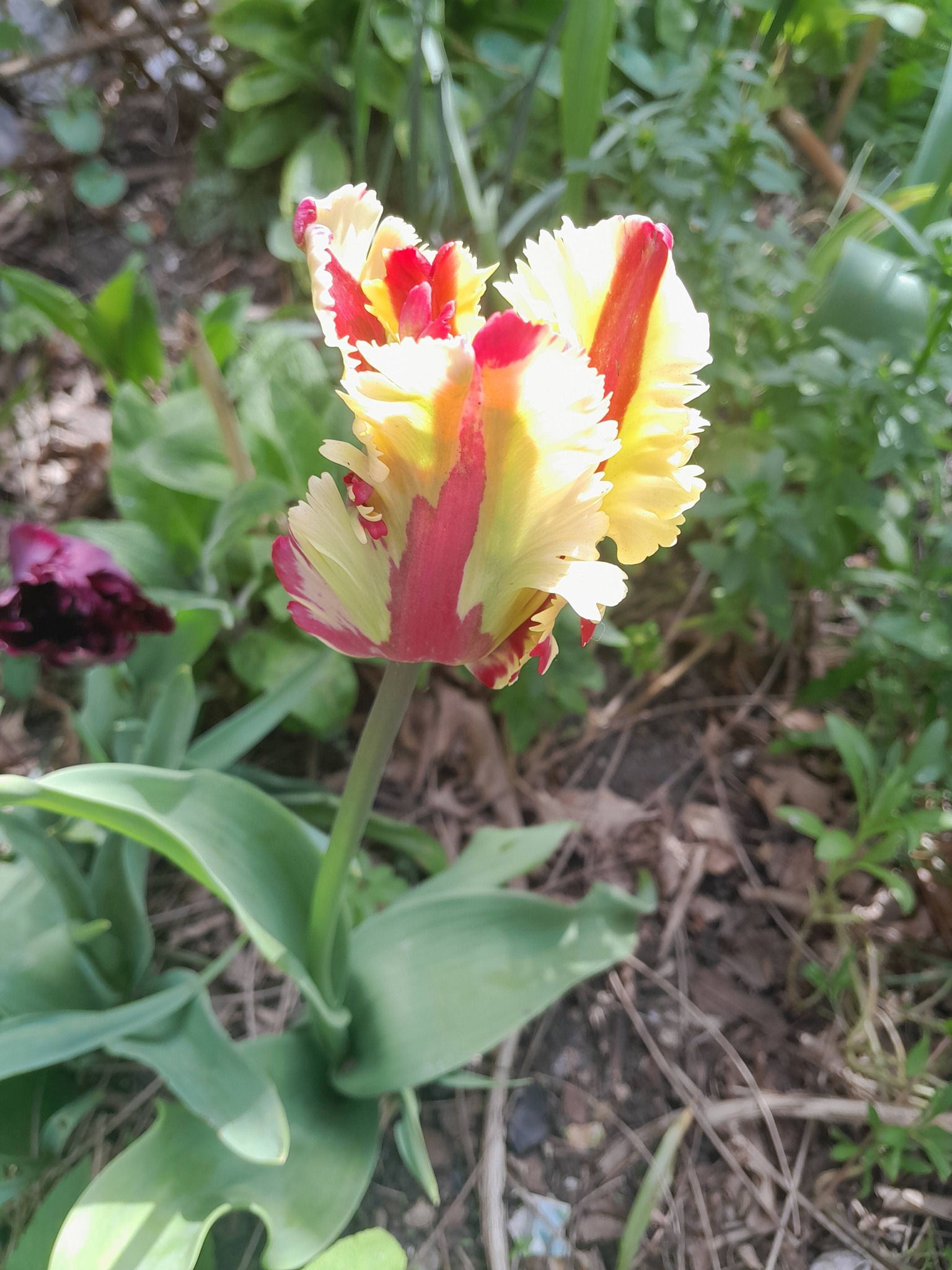
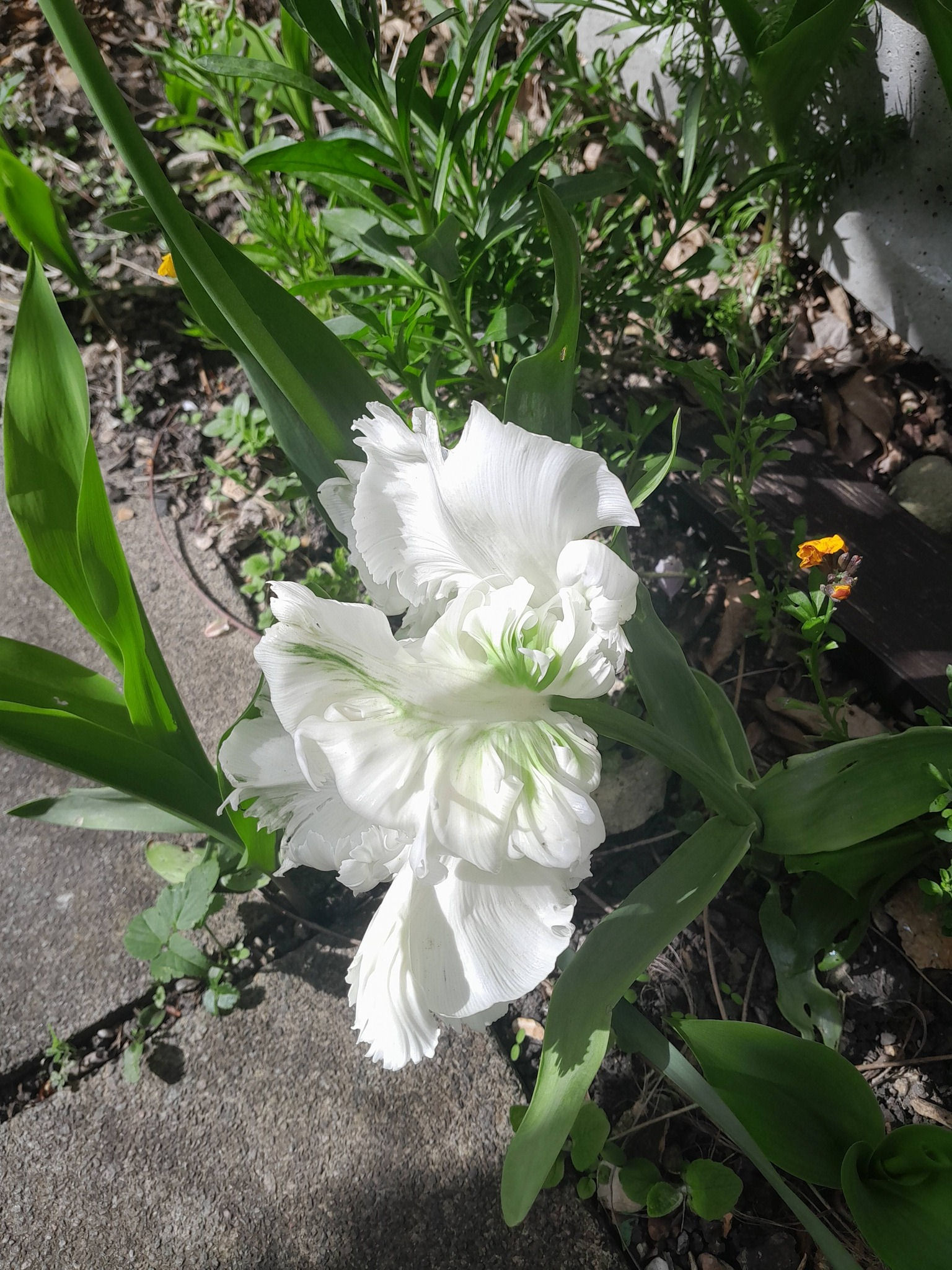
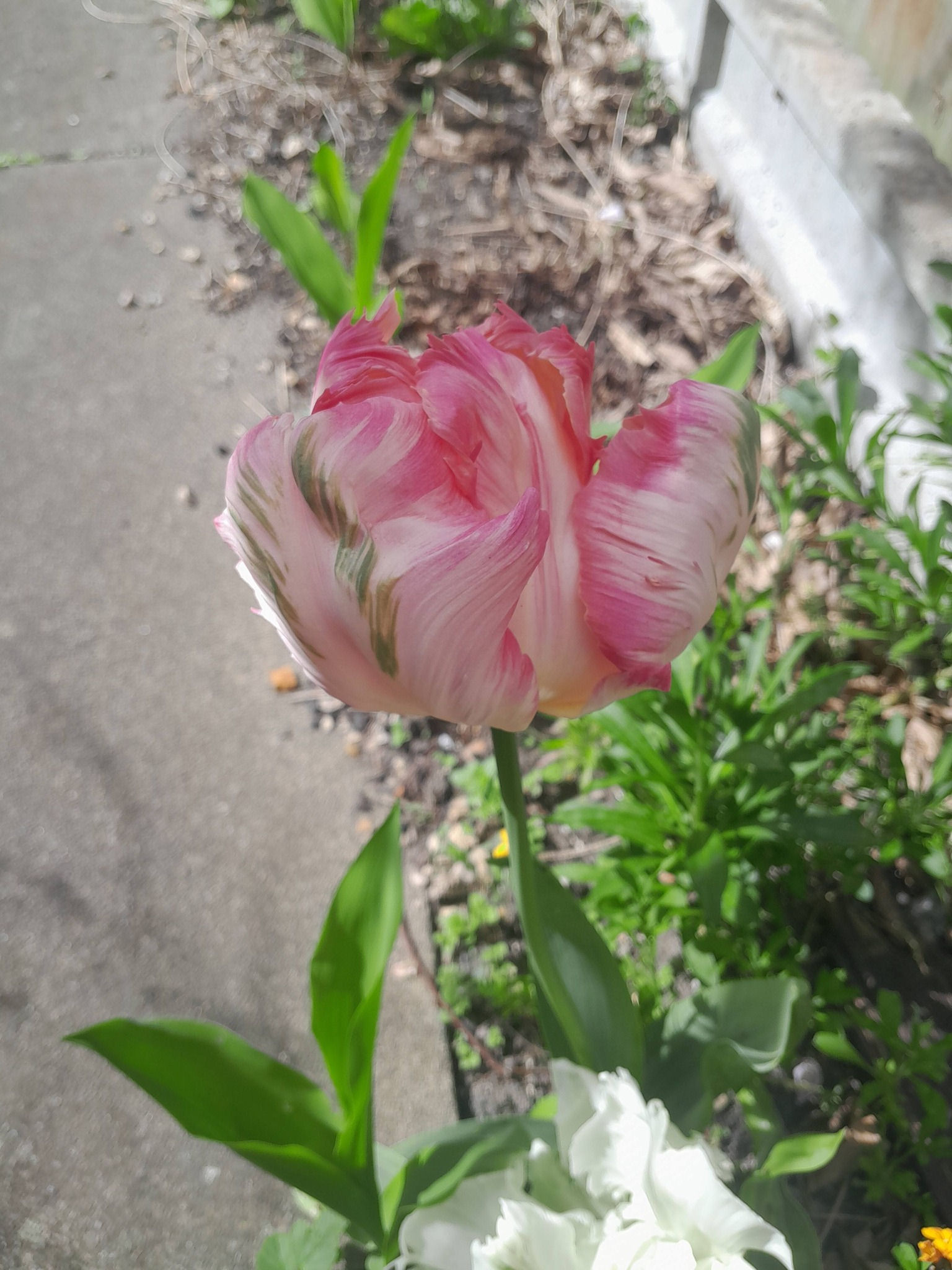
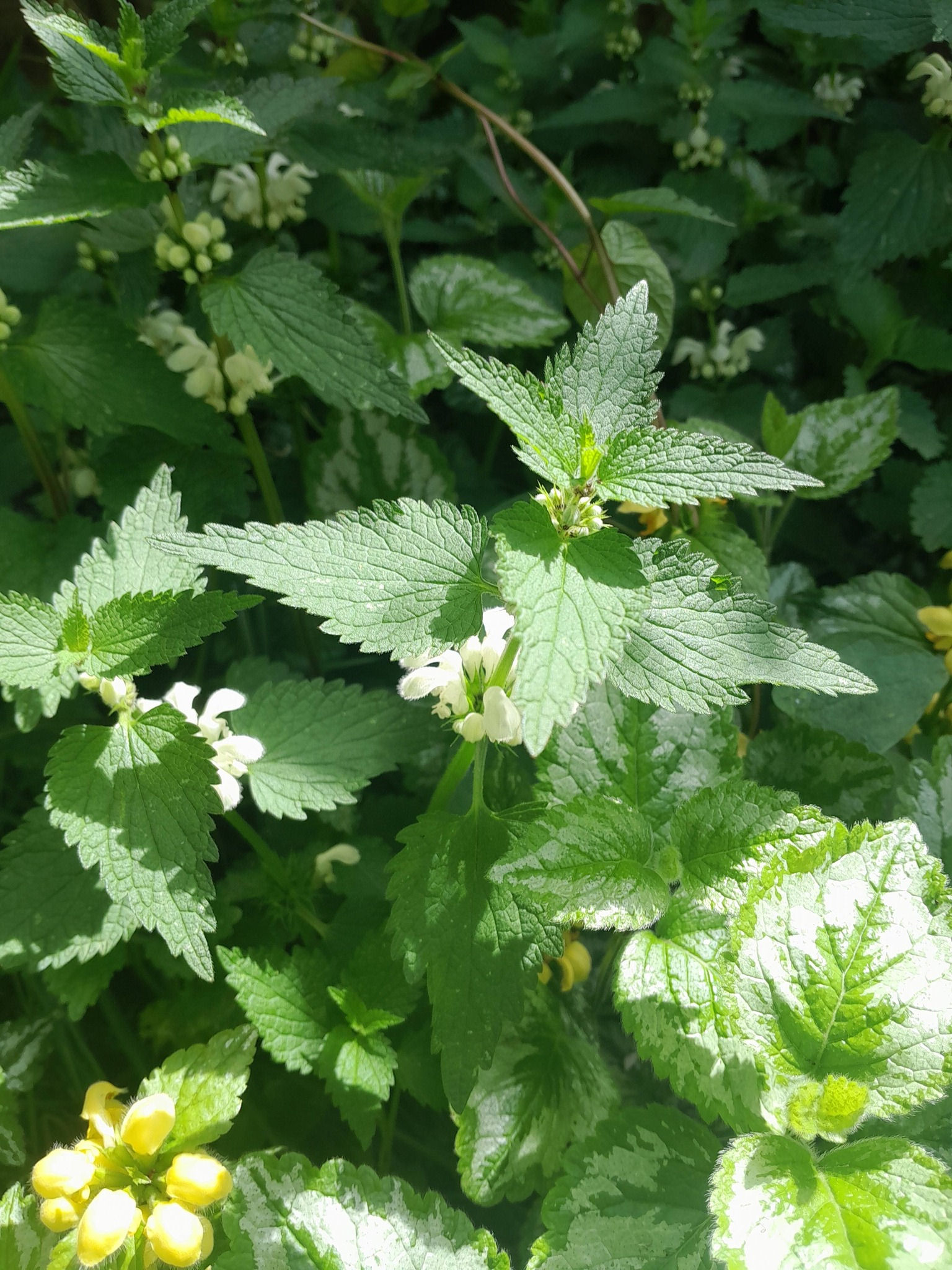
Apr 13: Anthocharis cardamines (Orange-tip) - The orange-tip is related to the cabbage-whites, but the caterpillars feed only on wild members of the cabage-family, such as garlic mustard, charlock and cuckoo-flower (they also eat each other!). Only the males have the orange patches. Flies in spring - the flight period has shifted more than a fortnight earlier in Britain due to changing climate. Common throughout mainland UK.
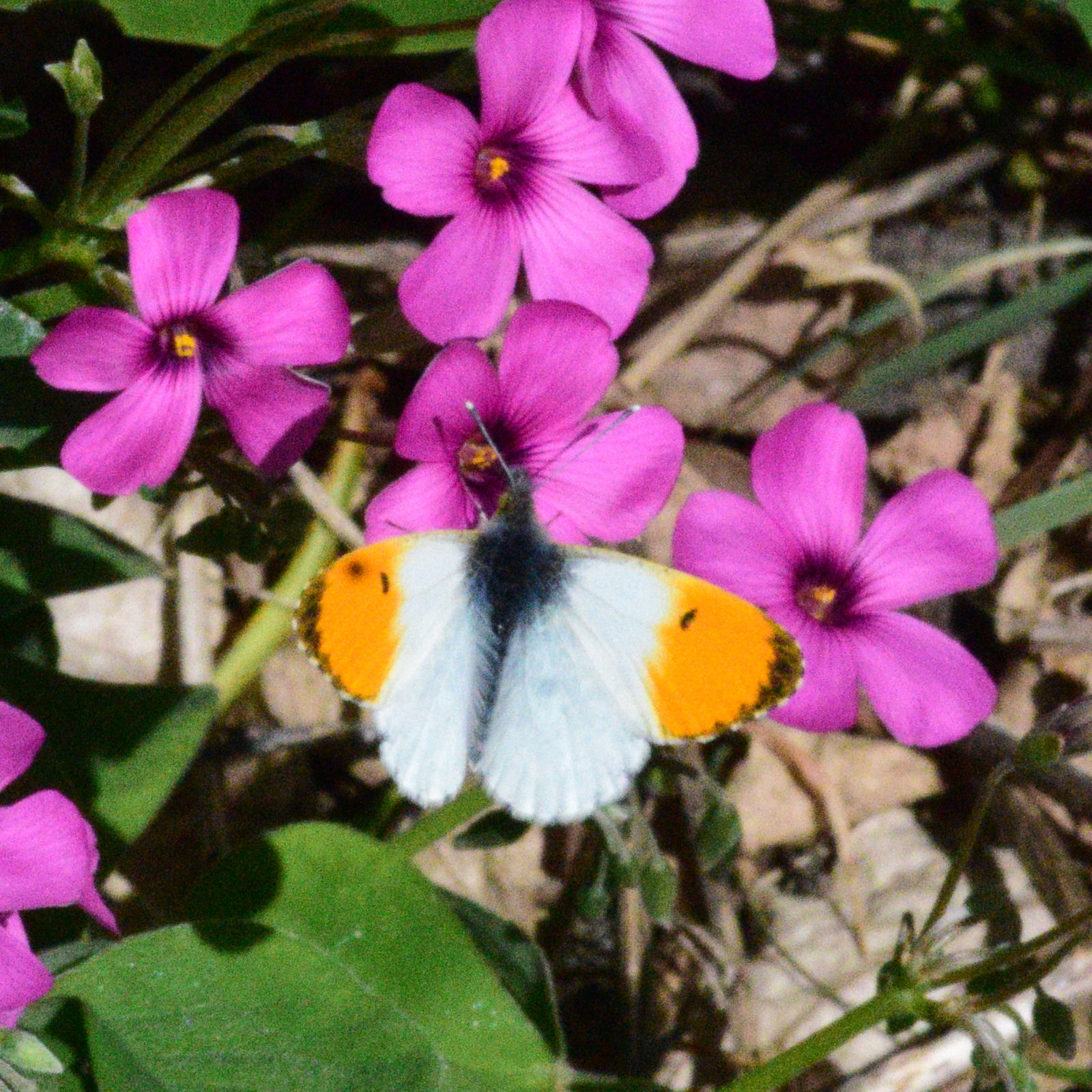
Apr 14: Misumena vatia (Flower Crab Spider) - See Diaea dorsata (Aug. 14 2023) for info on crab spiders generally. This is a male Misumena vatia - the females have much larger bodies and pale legs, and are said to change colour to blend in with the flower they are lurking on, waiting to pounce on a bee or hoverfly. Mostly southern, up to Birmingham - Lincoln; possibly becoming more common within this range. First record for our garden, on apple blossom.
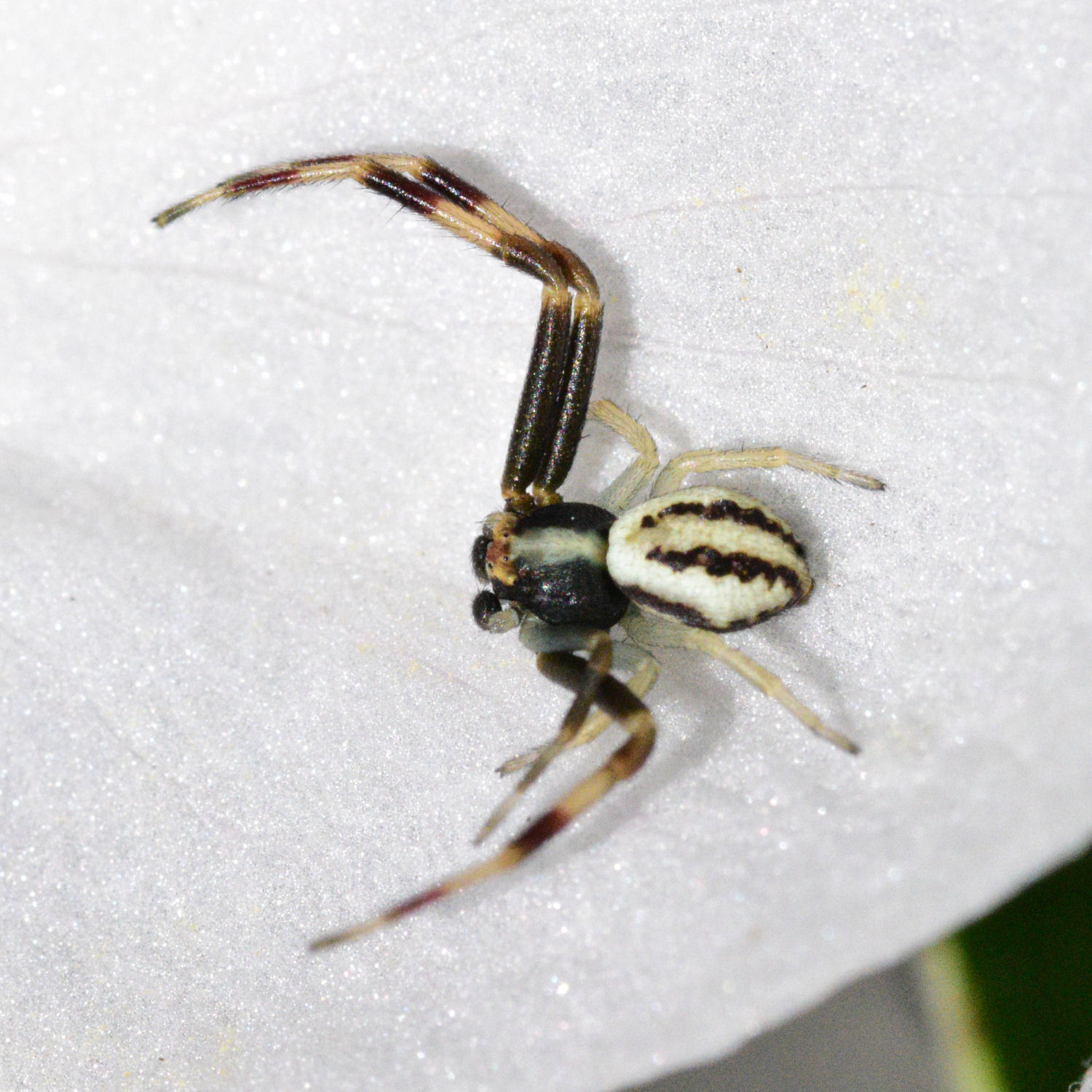
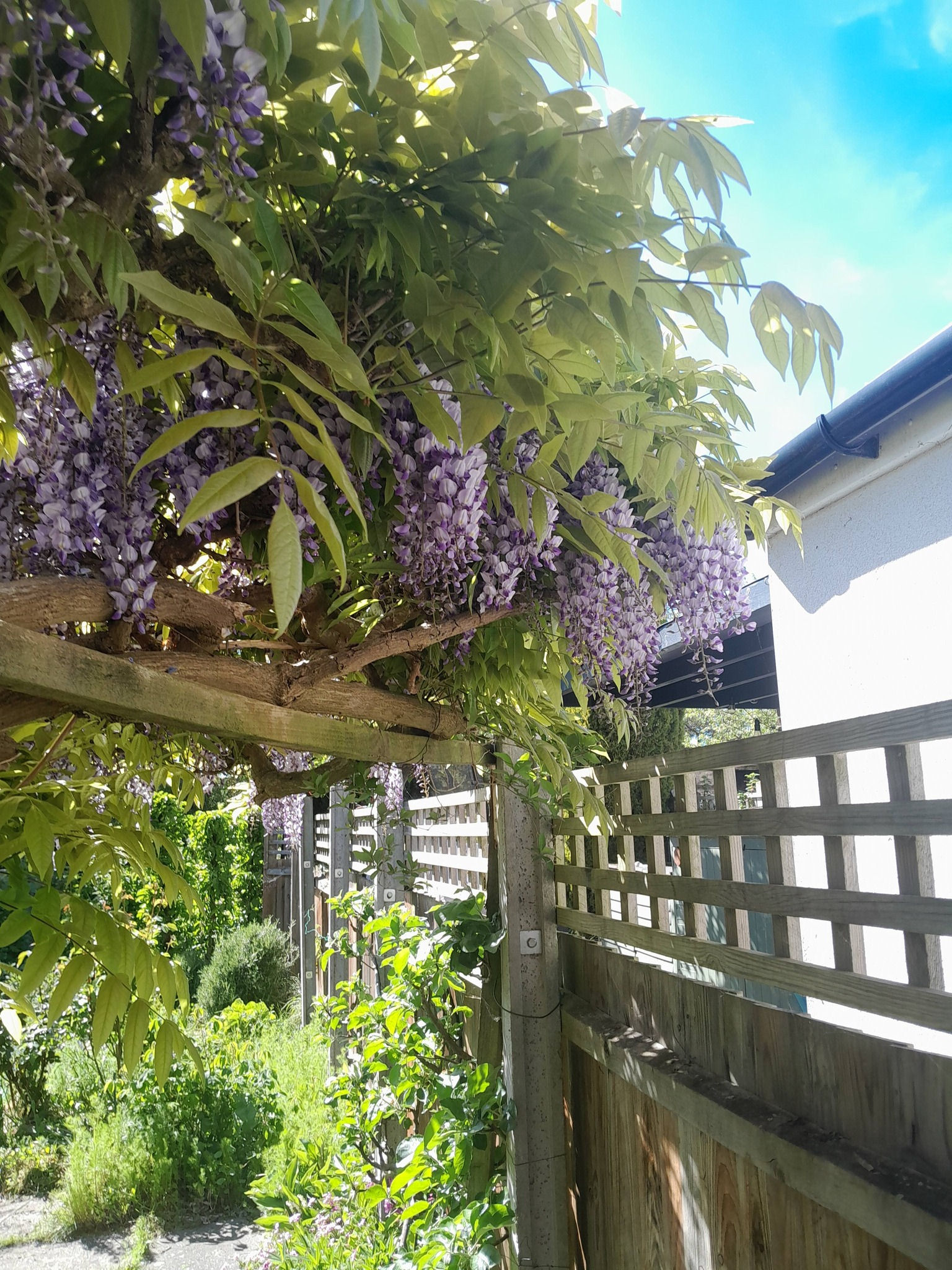
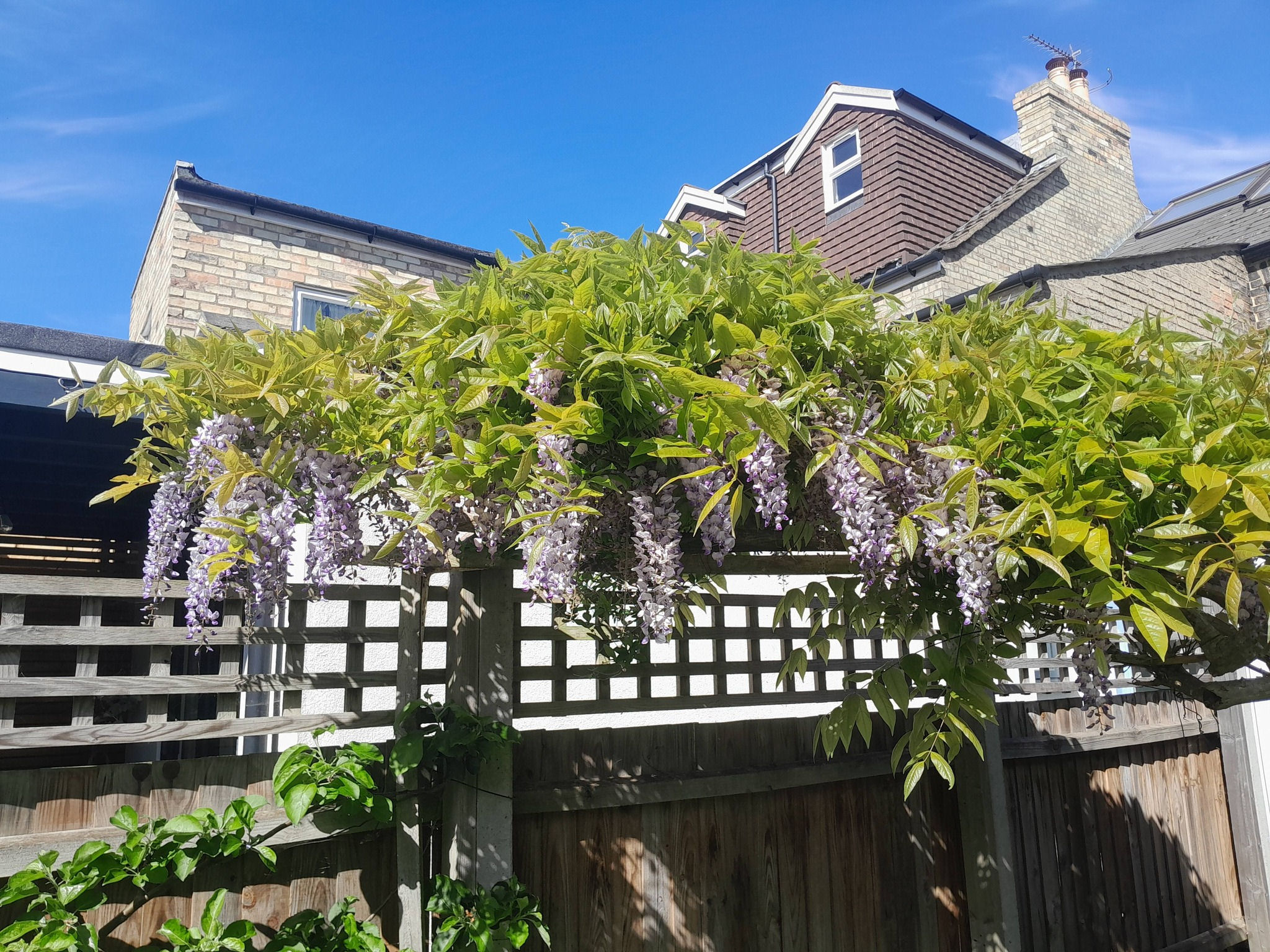
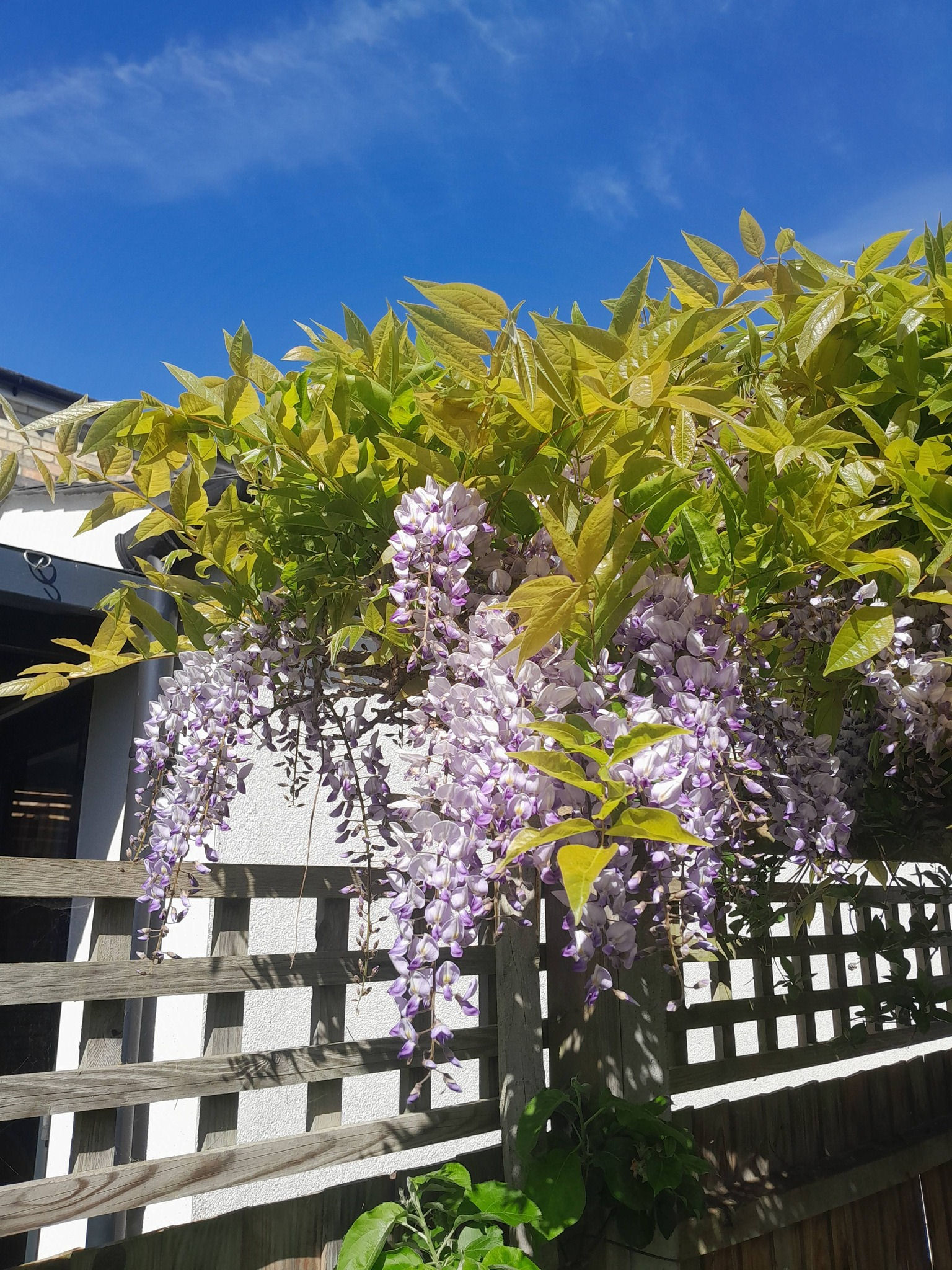
Apr 17: Wisteria started. Saxifrage looking good. Plus the bluebell wood!
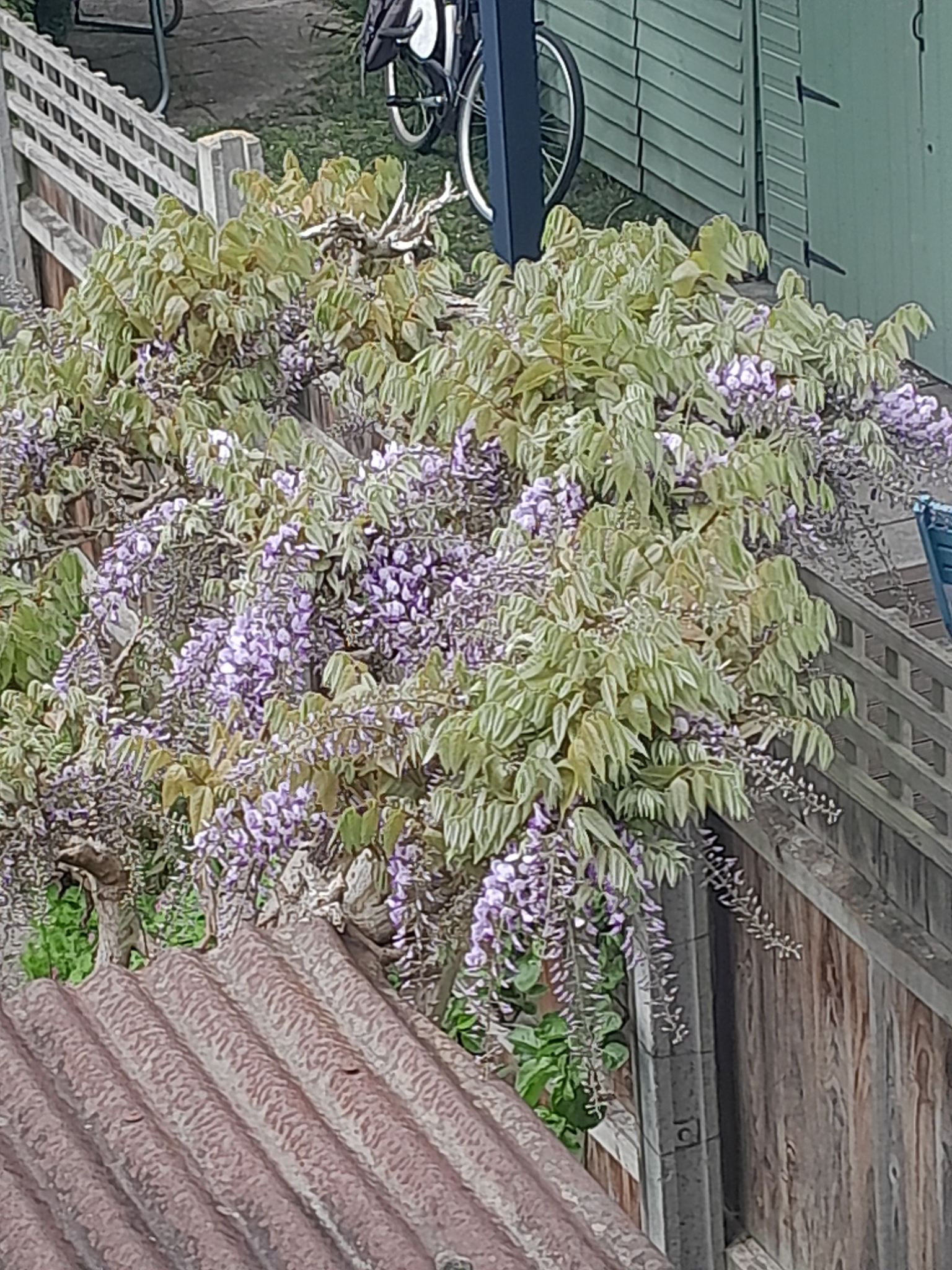
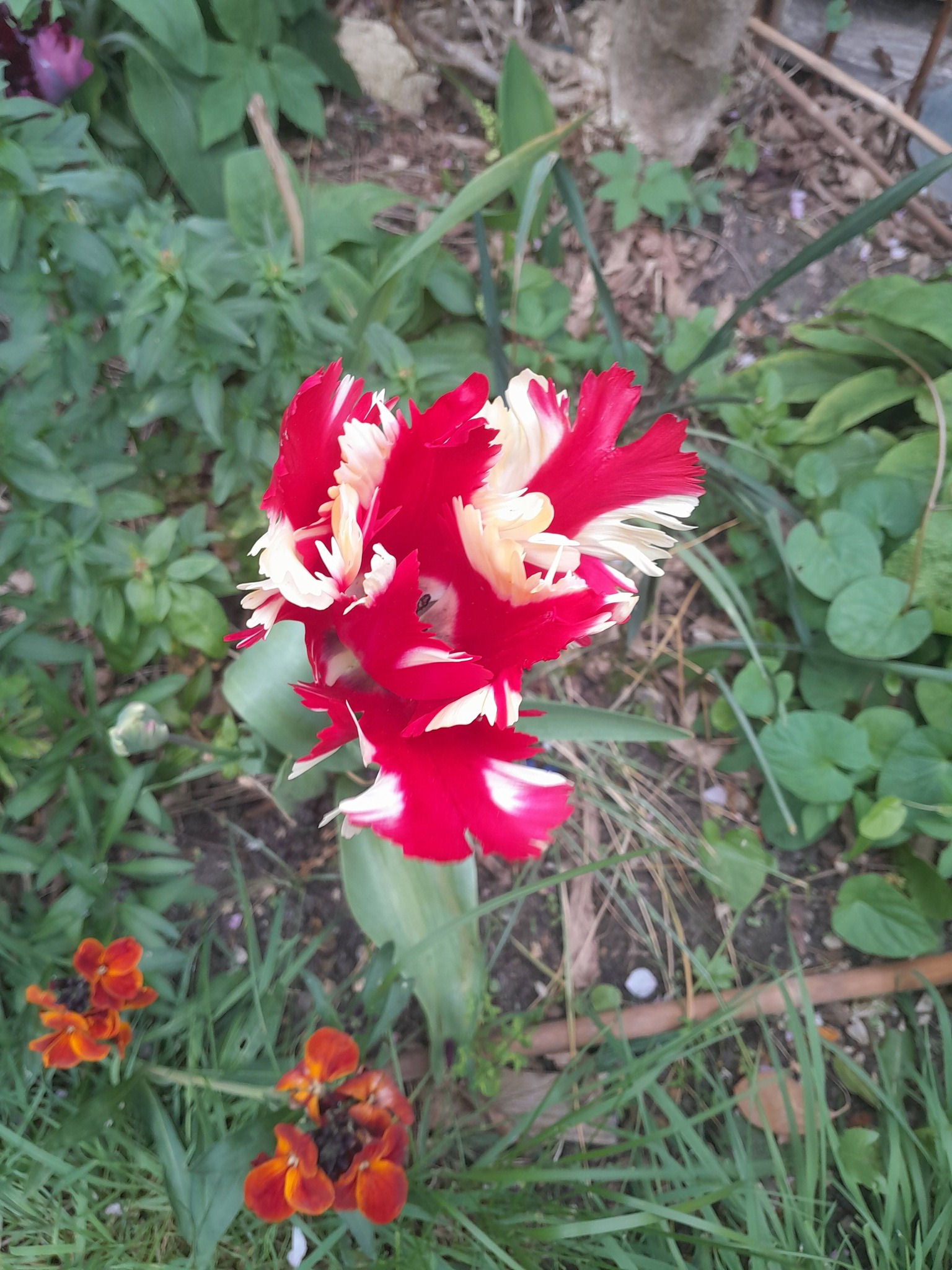
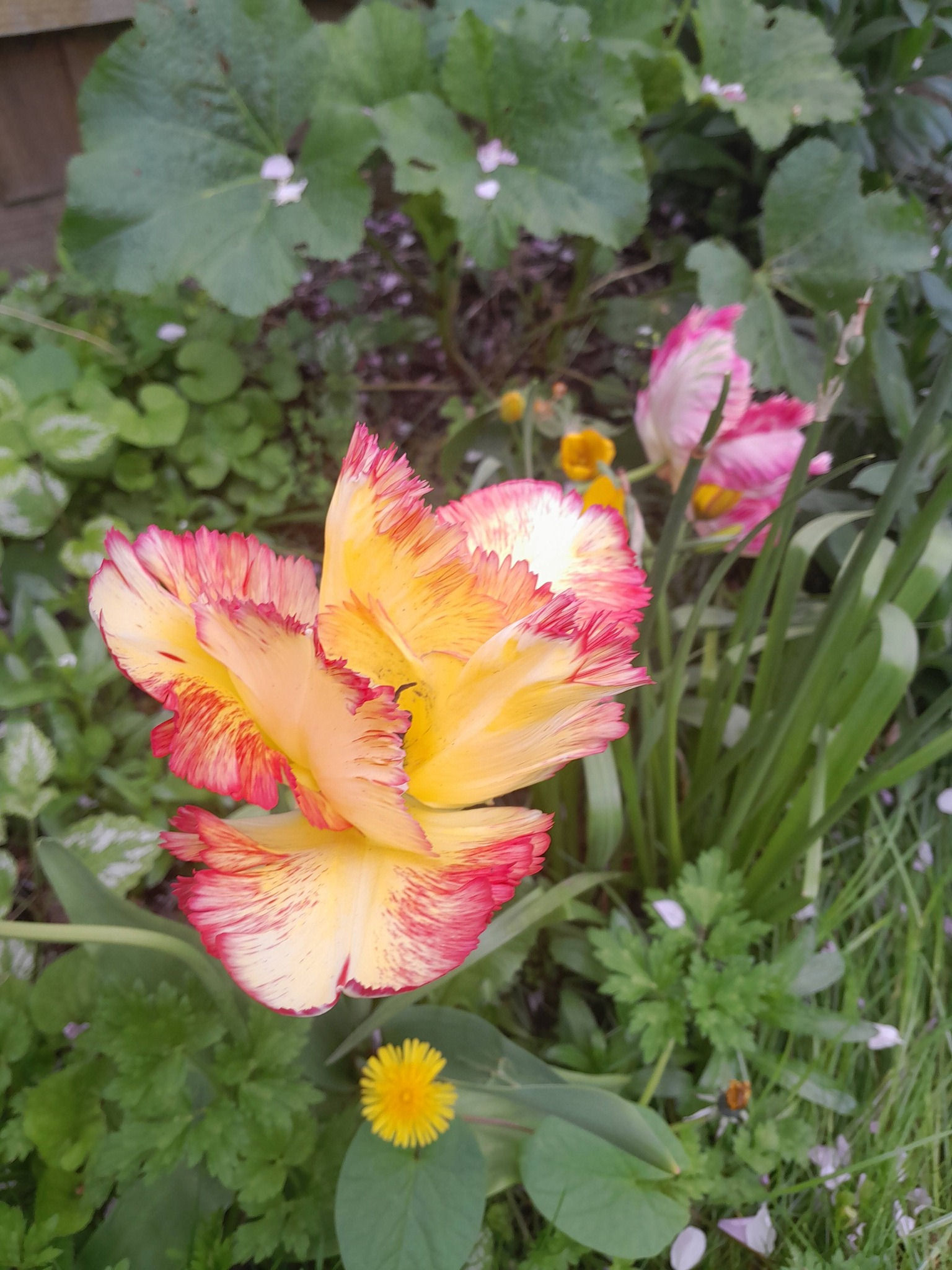
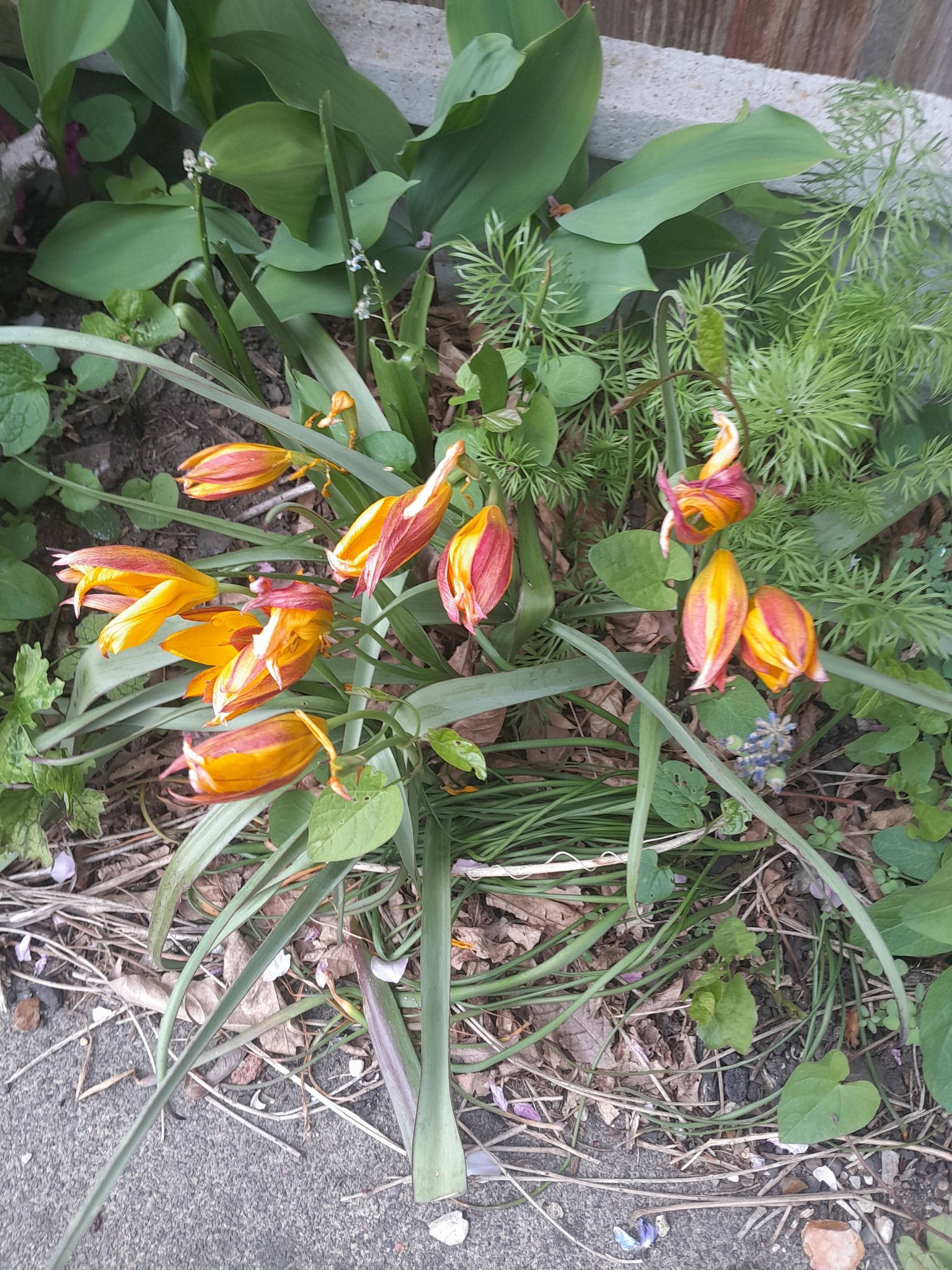
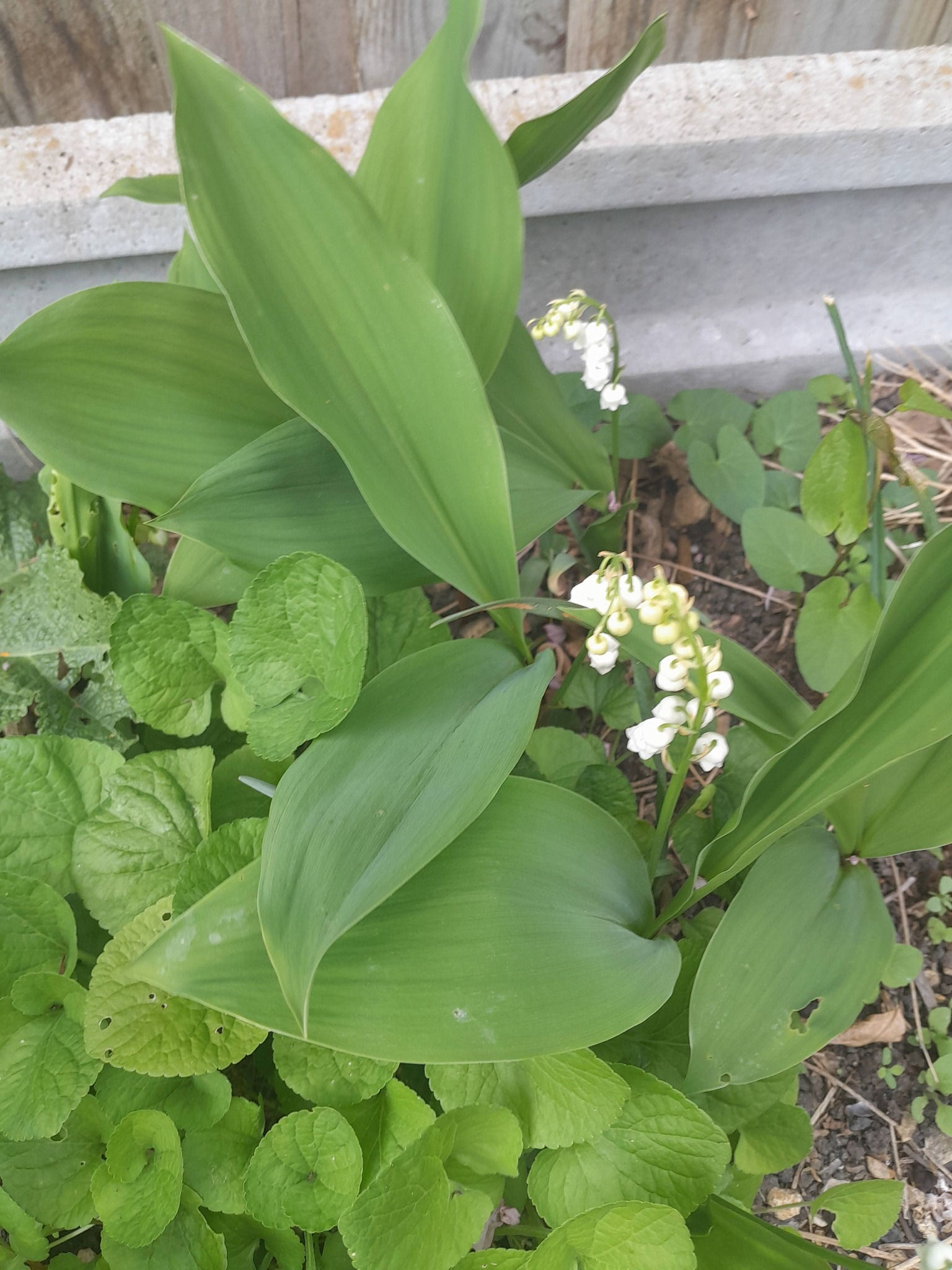
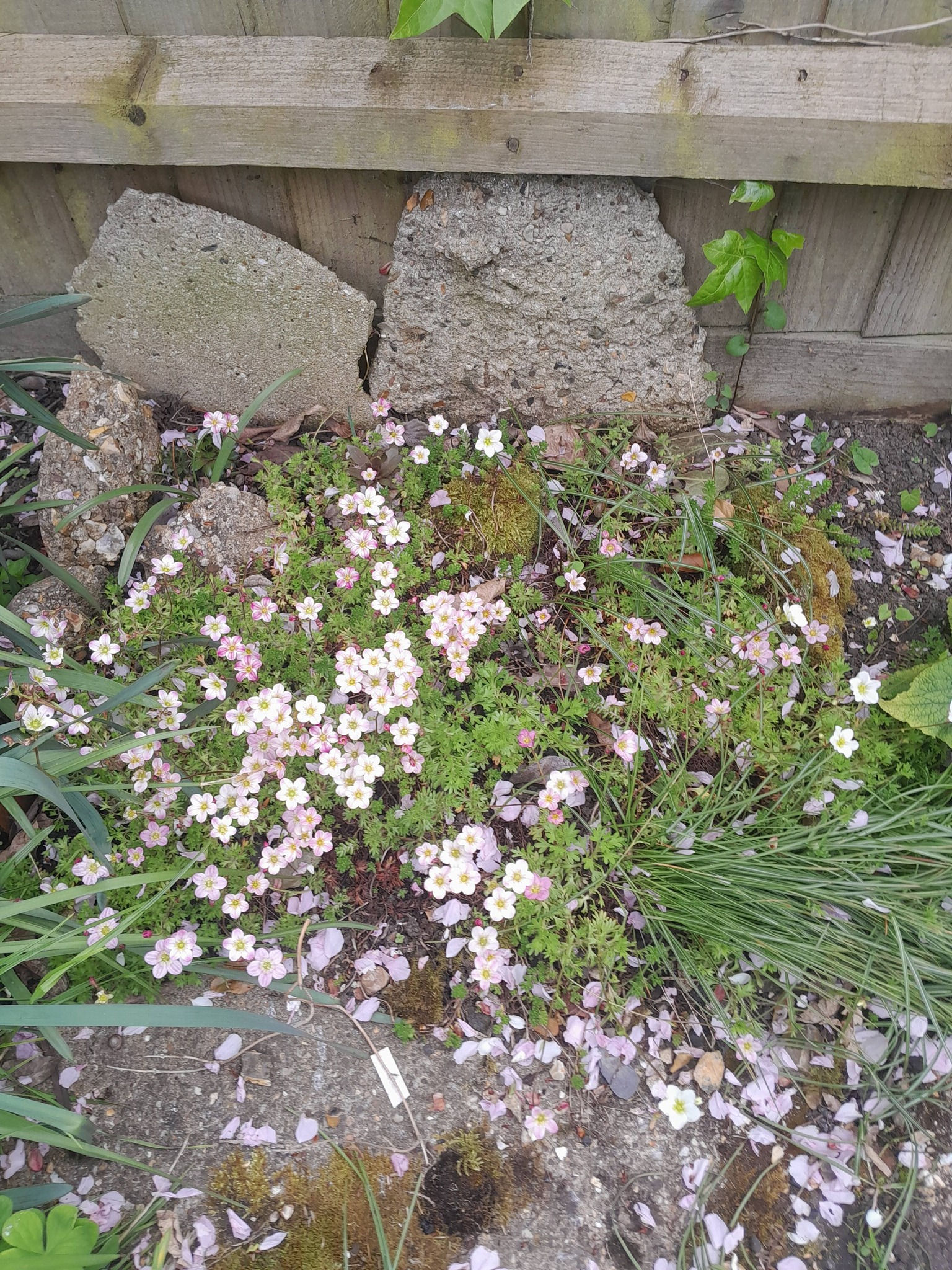
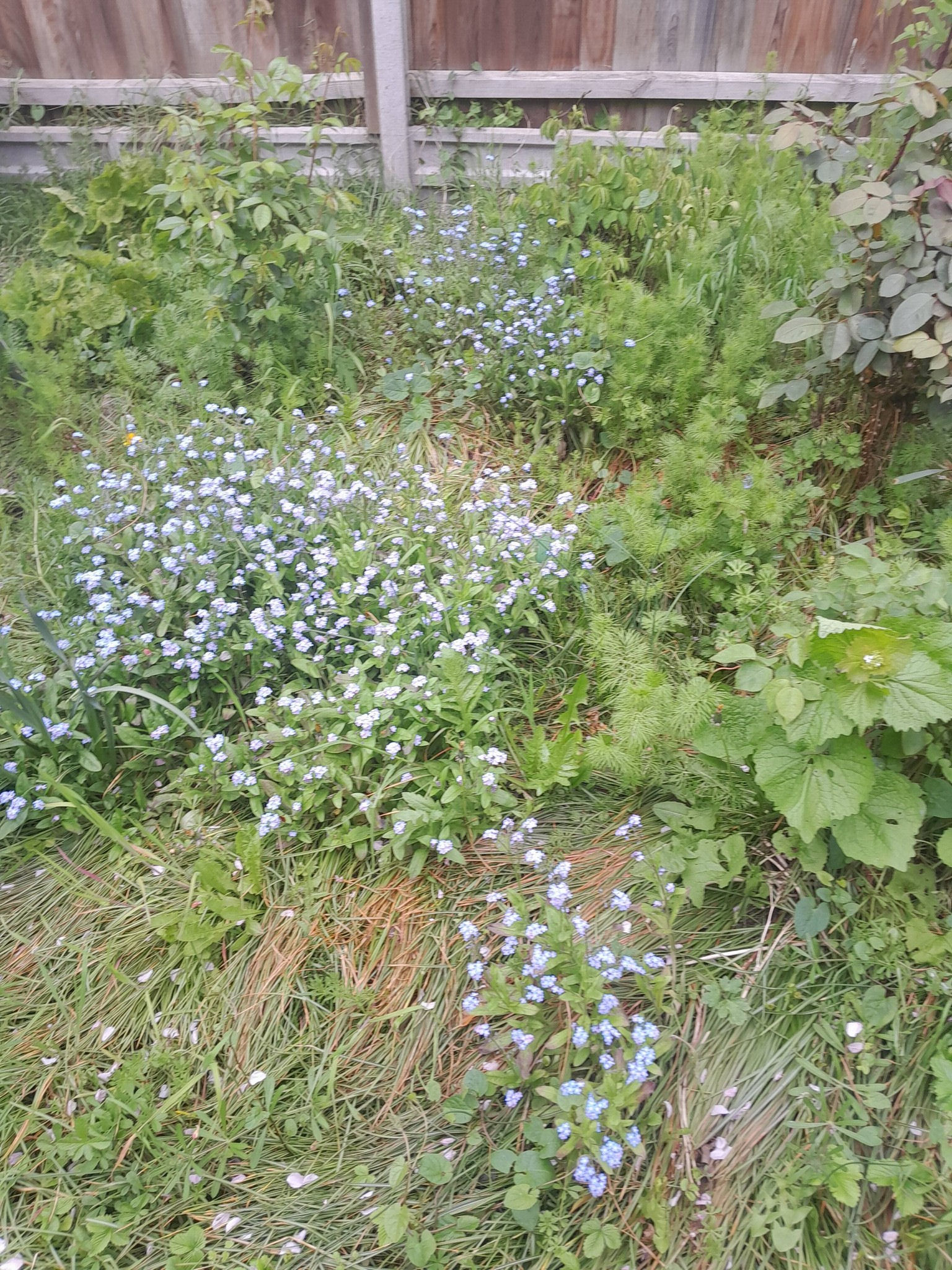
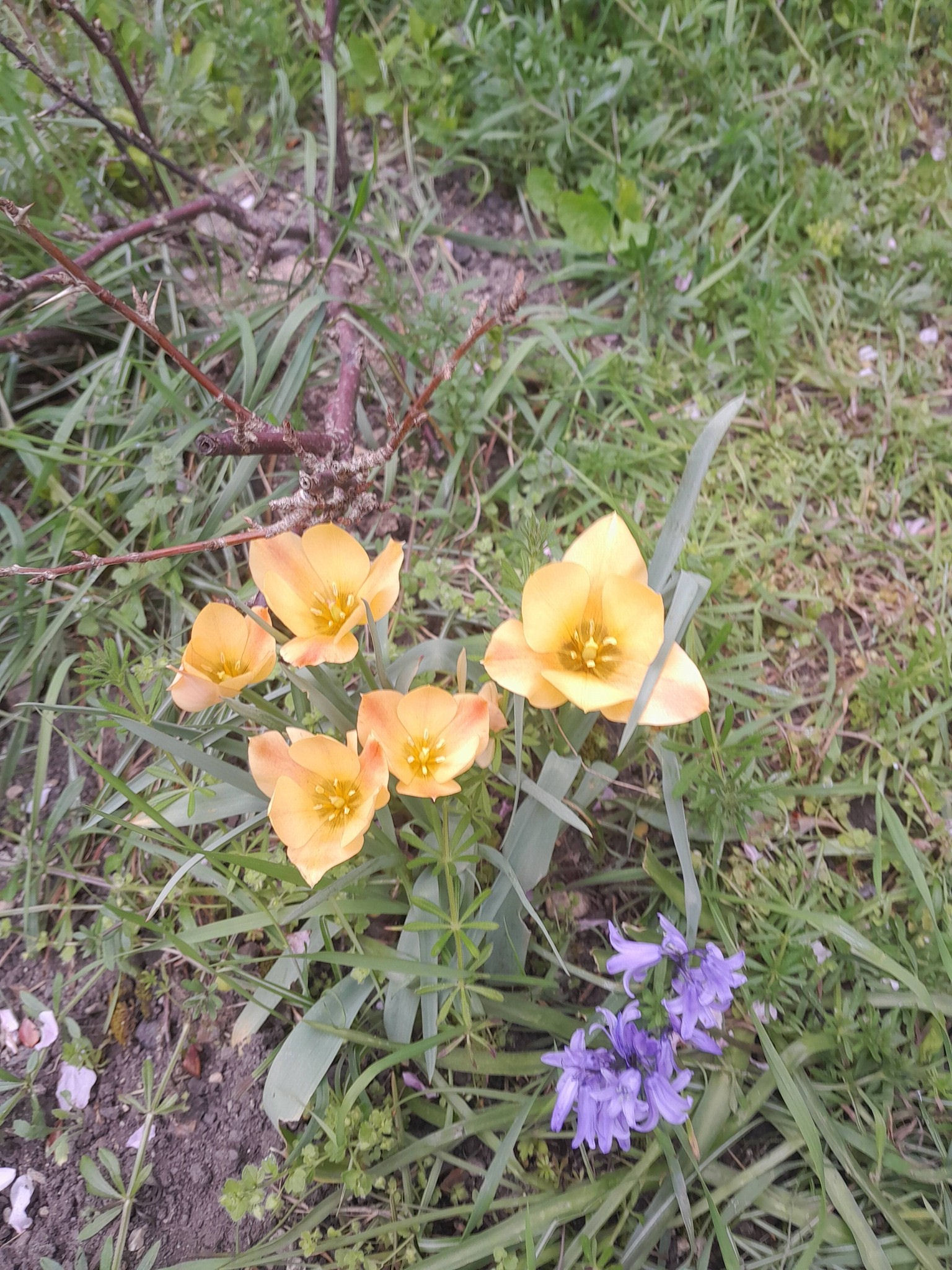
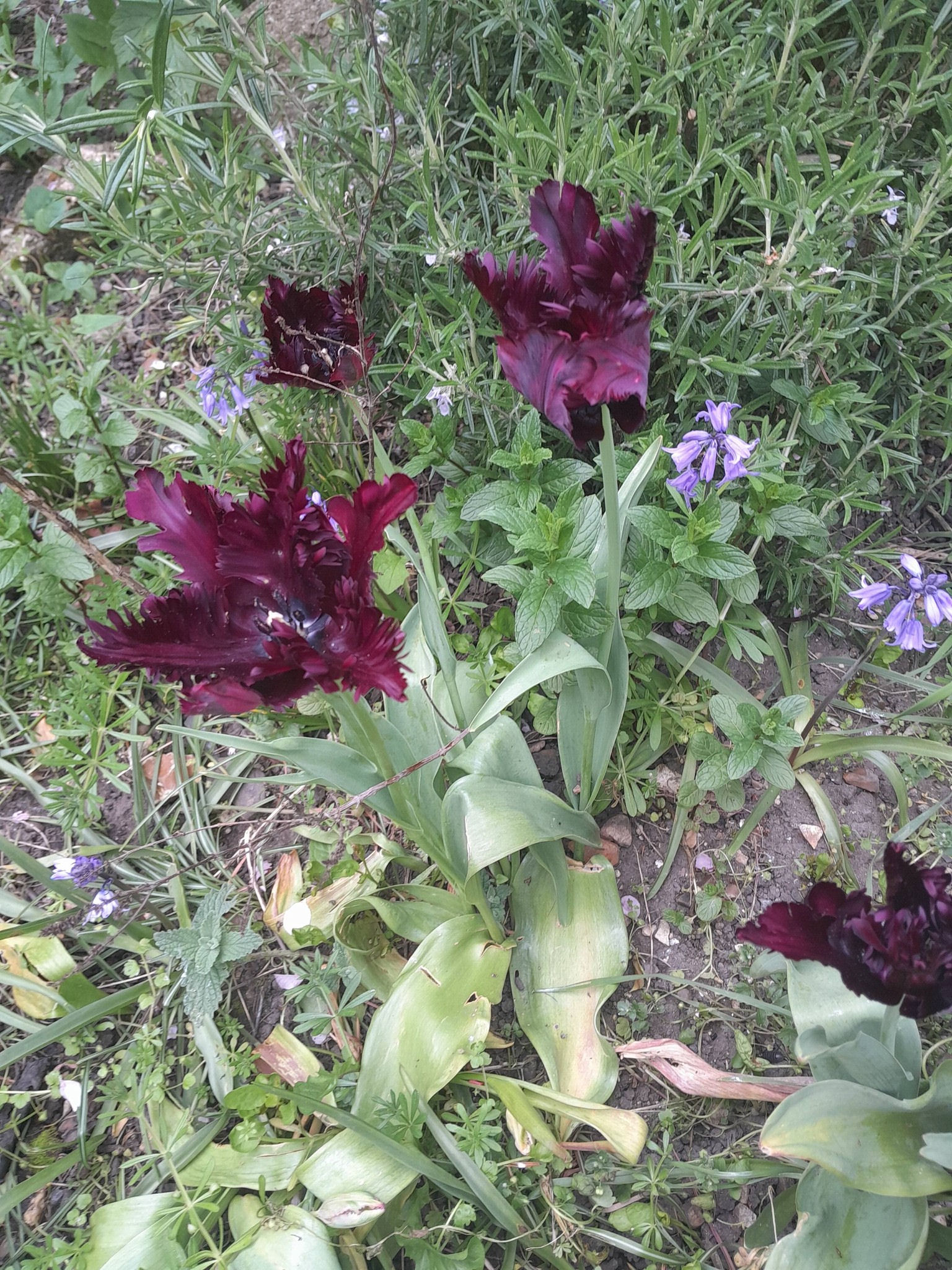
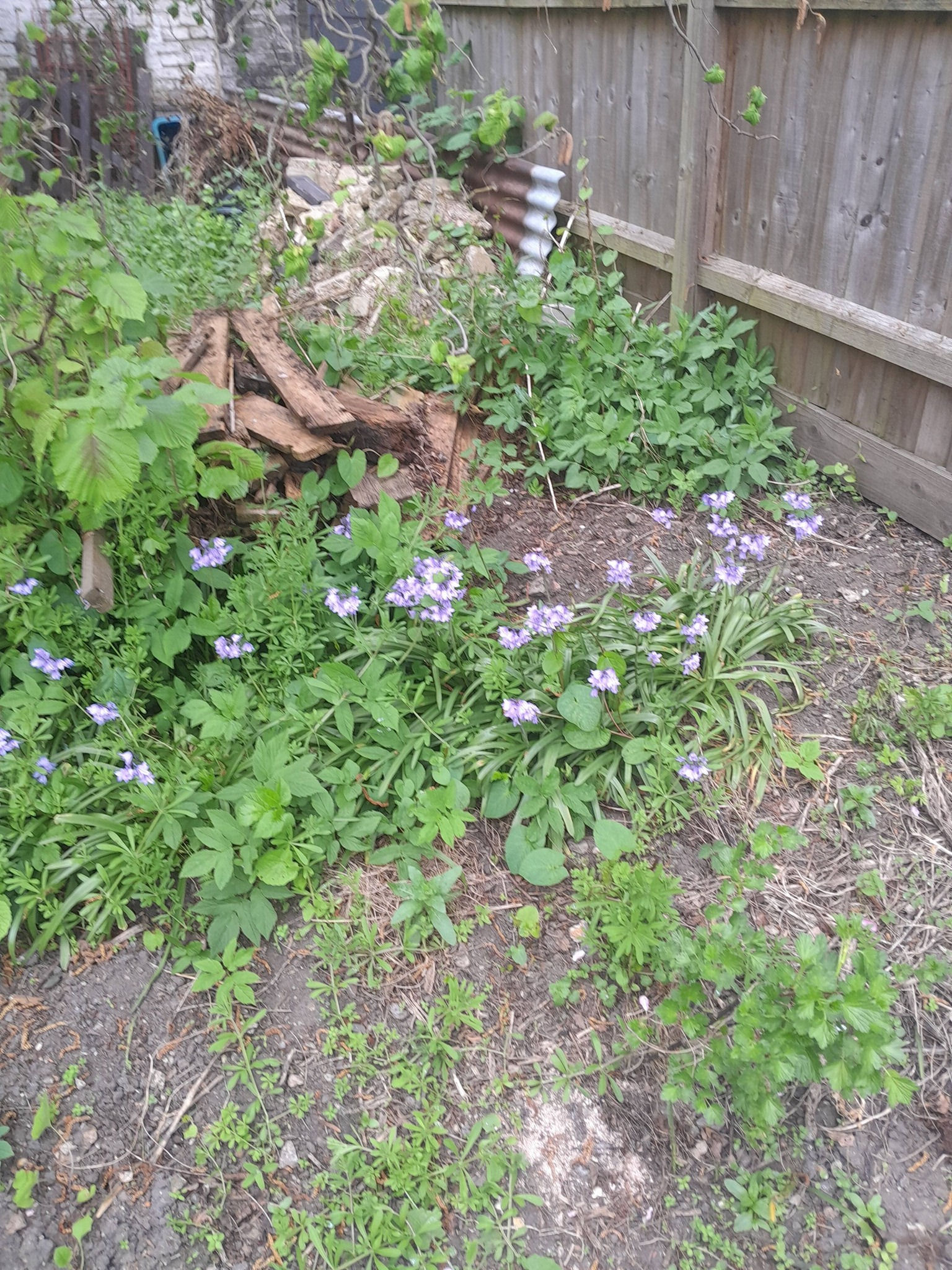
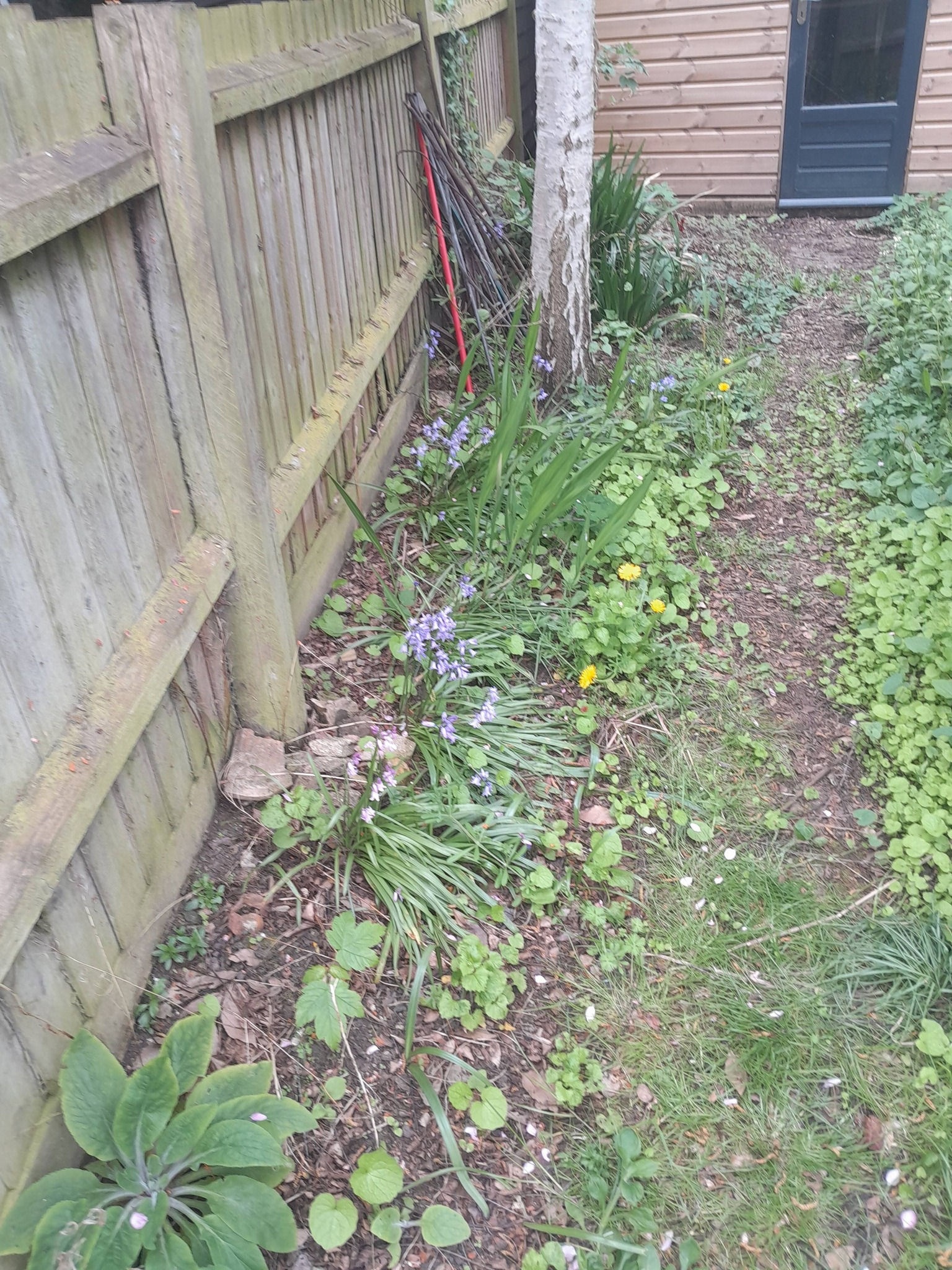
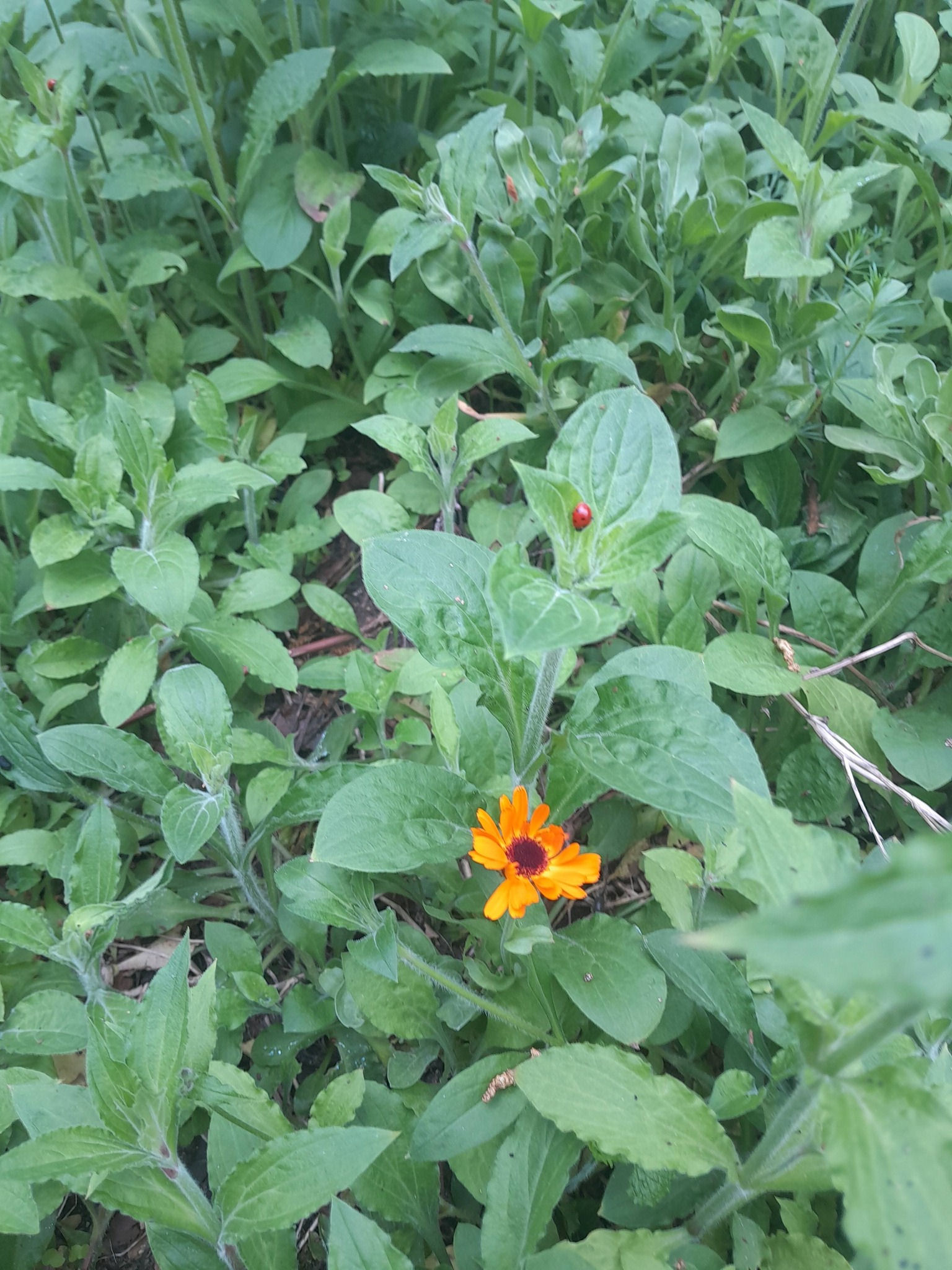
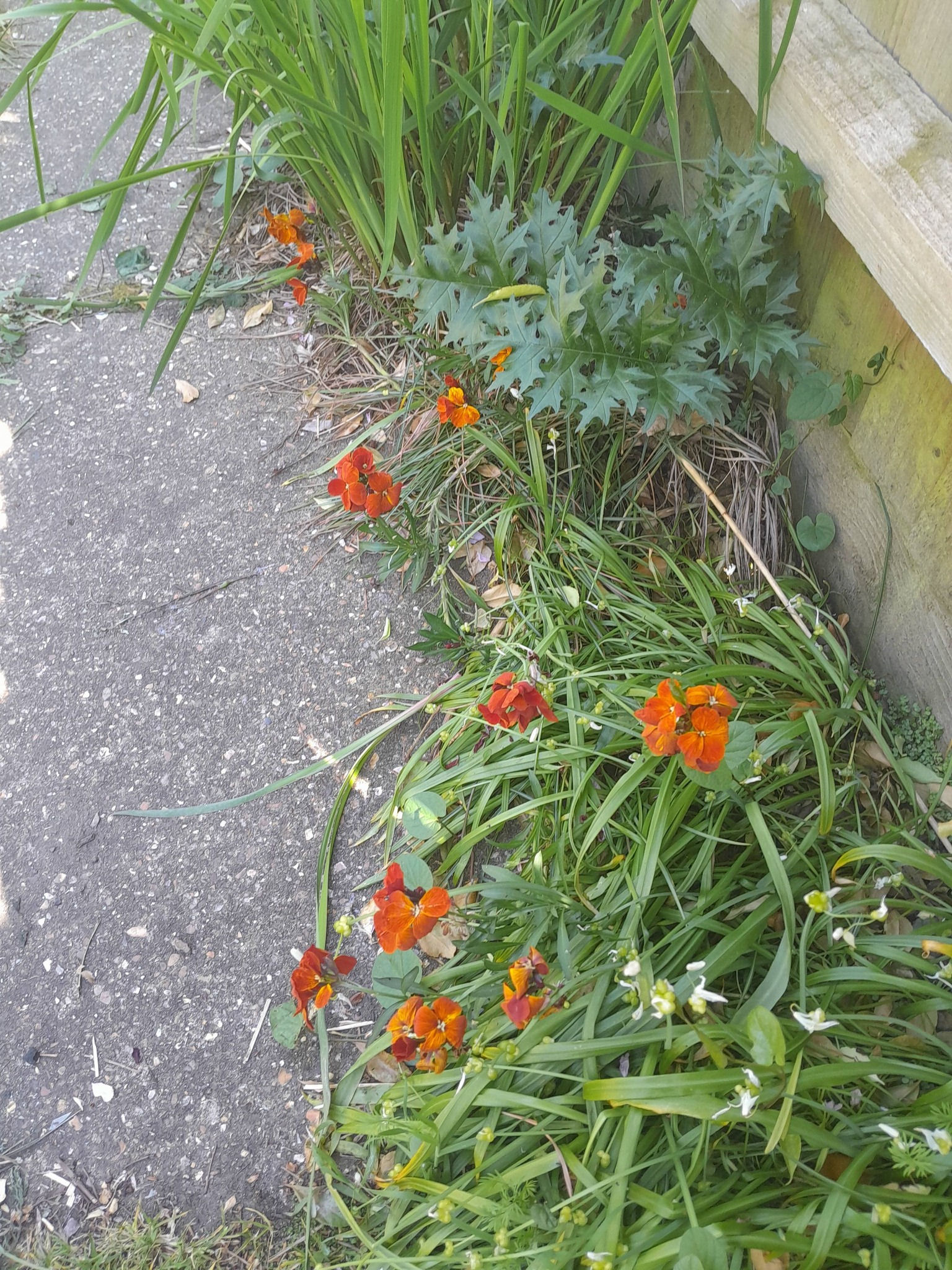
Apr 25: Sunny, but no rain! I bought a coral, honeysucle and goosberry bush.
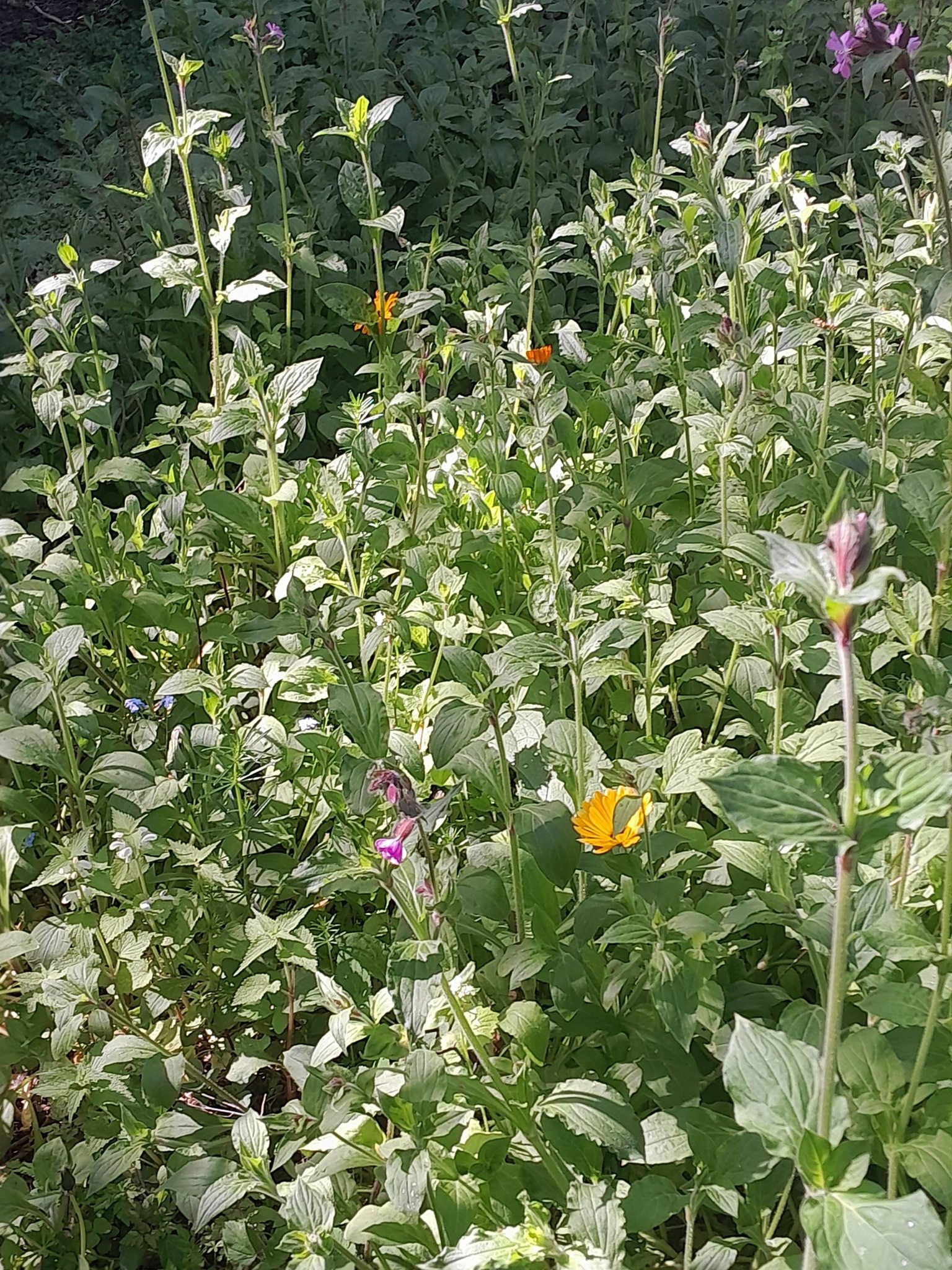
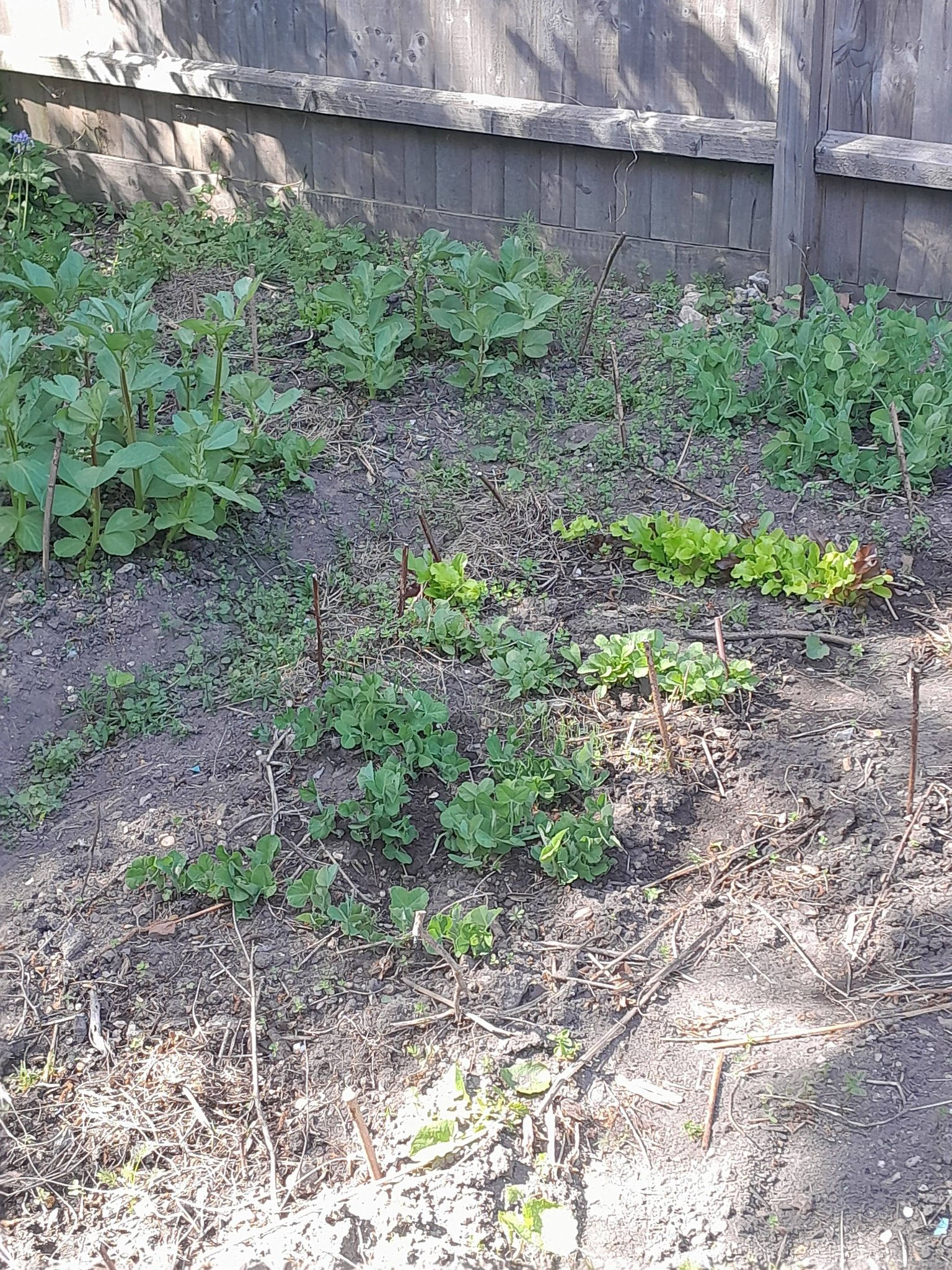
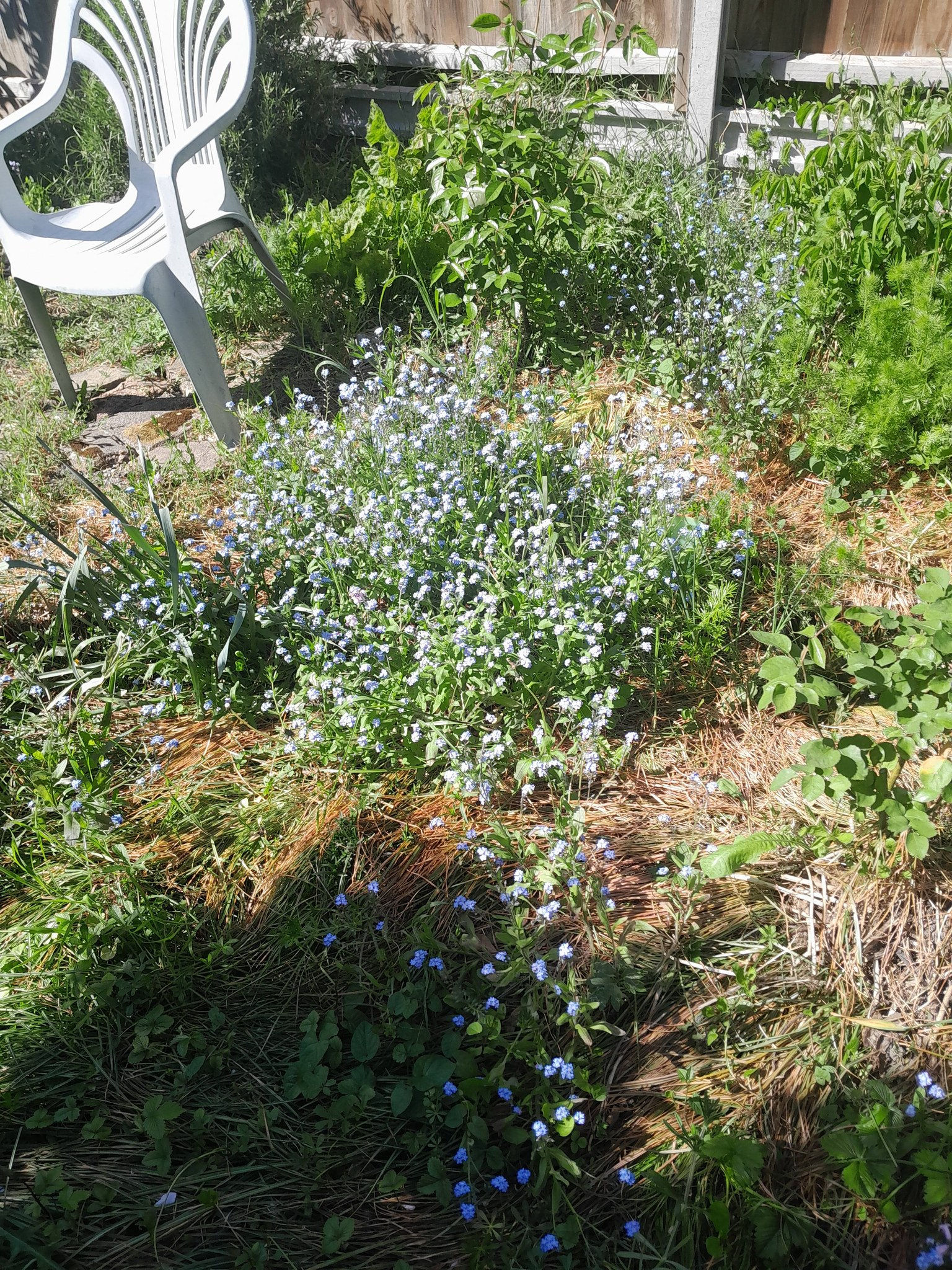
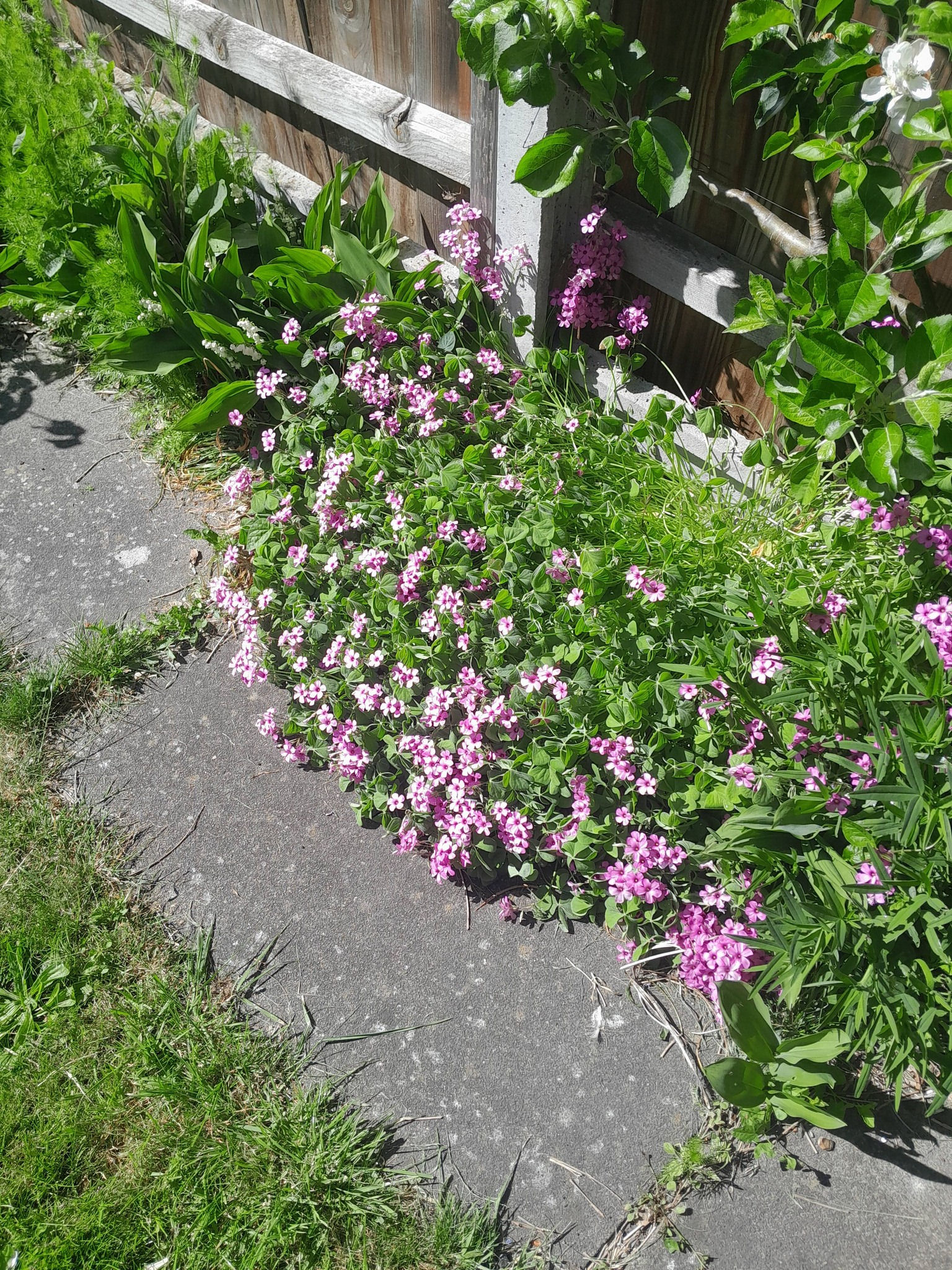
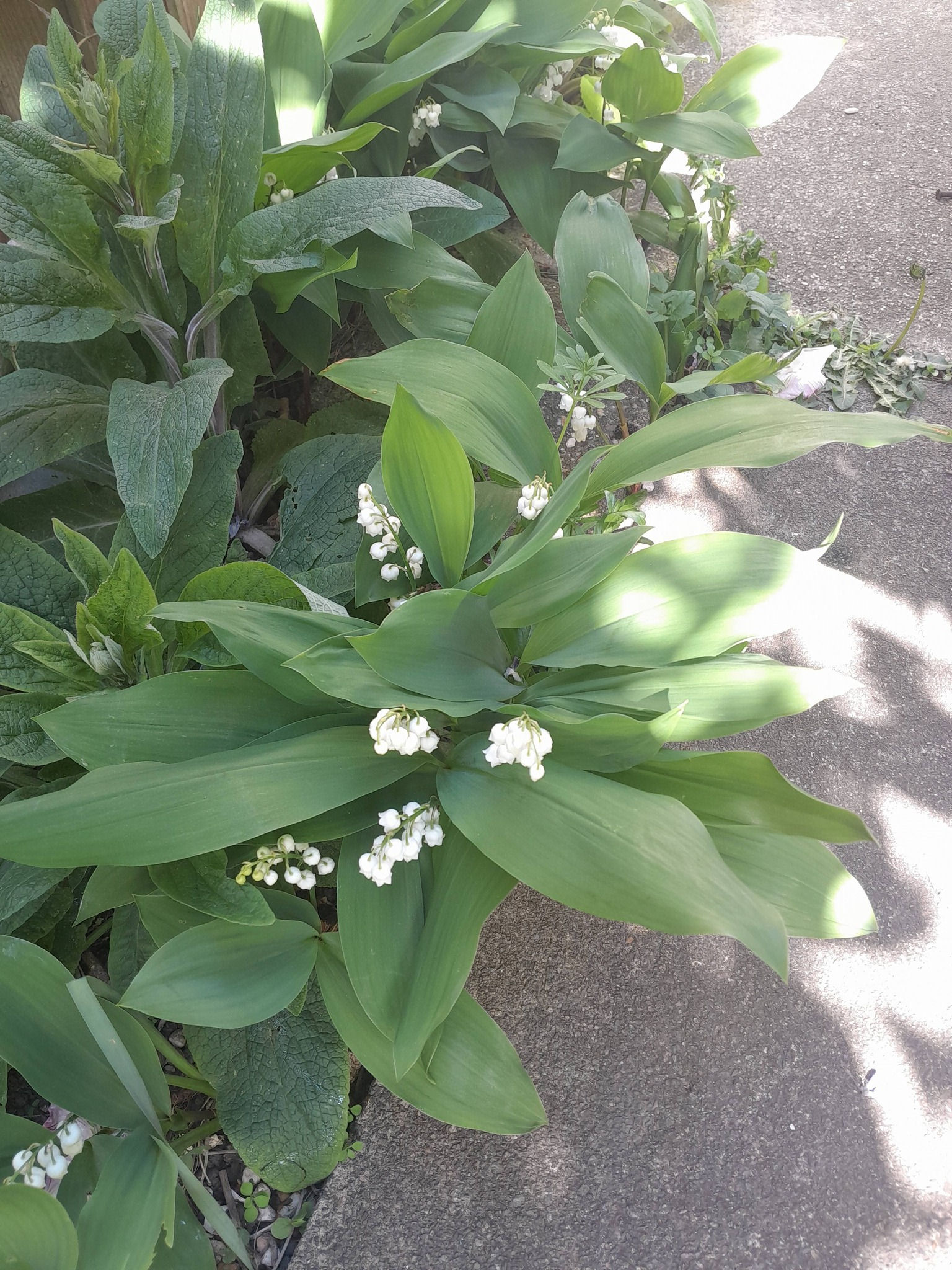
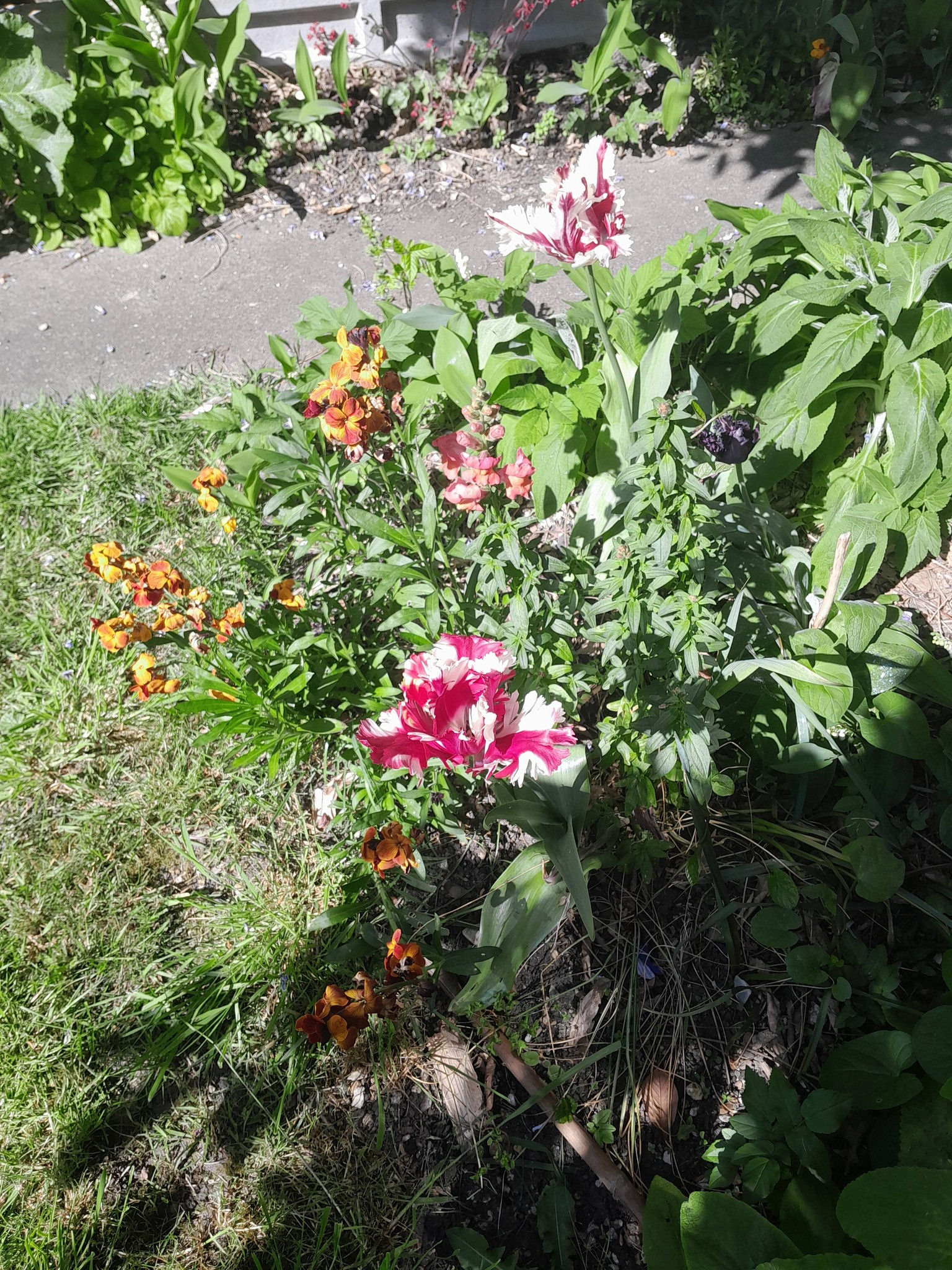
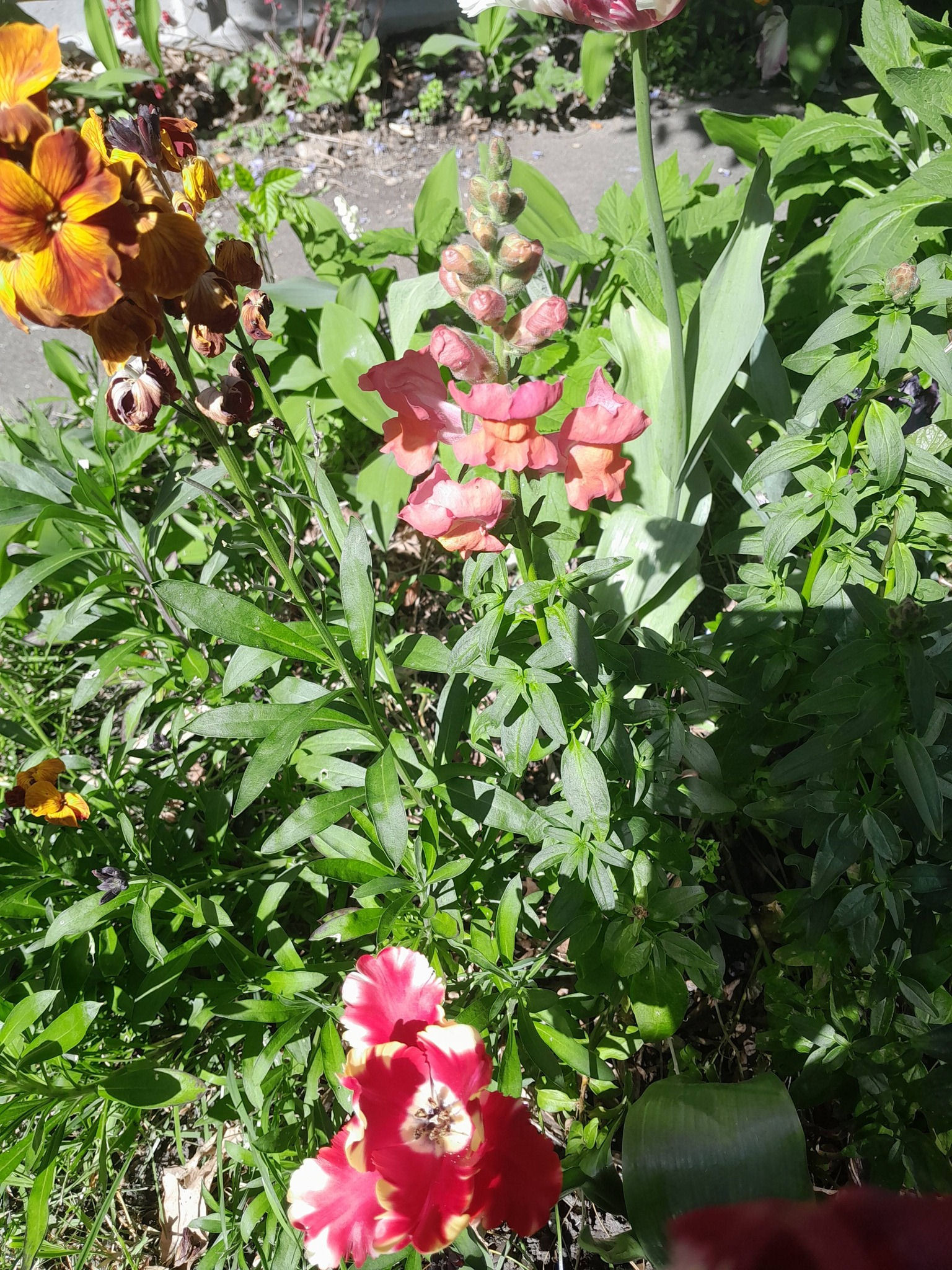
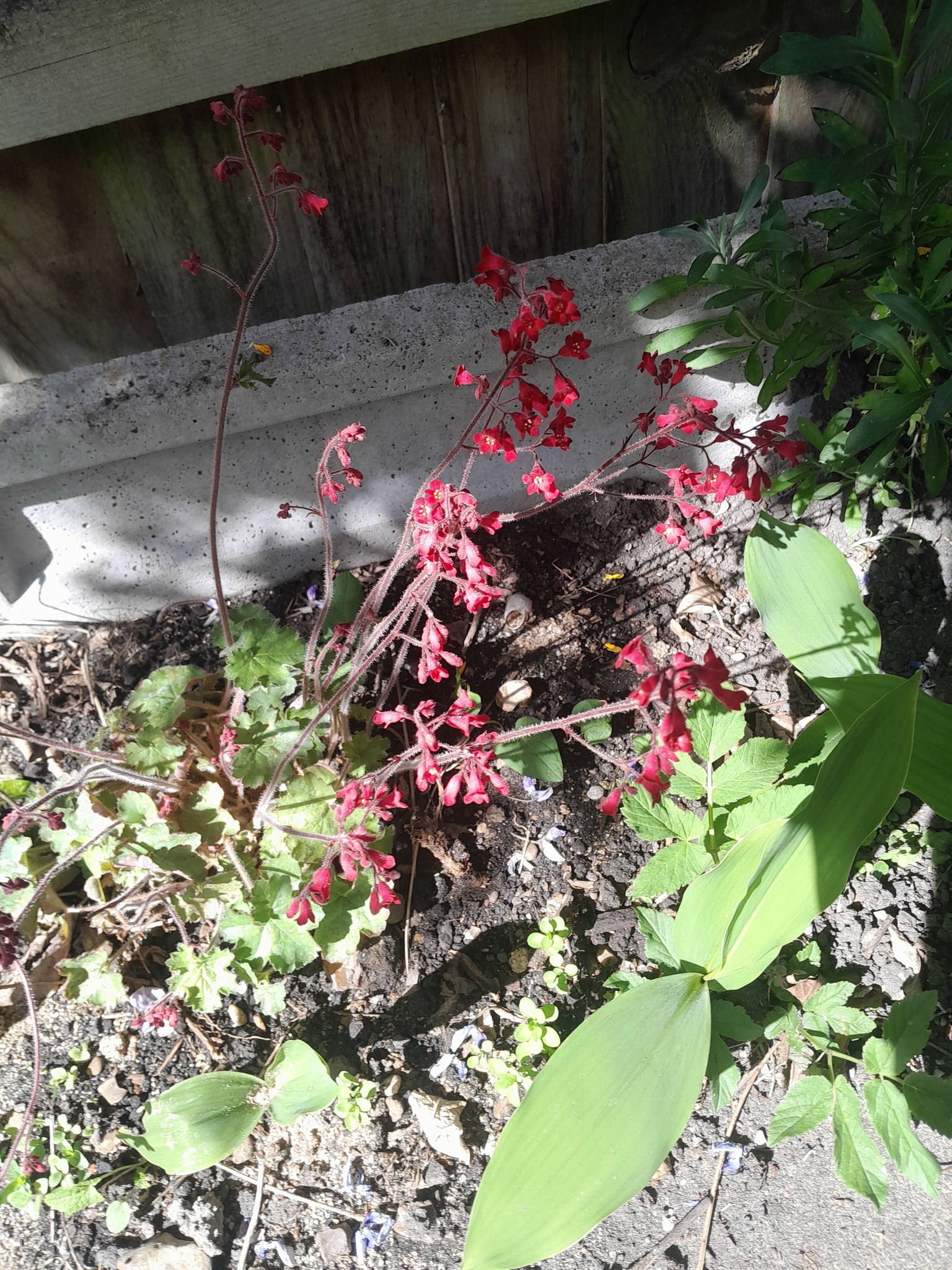
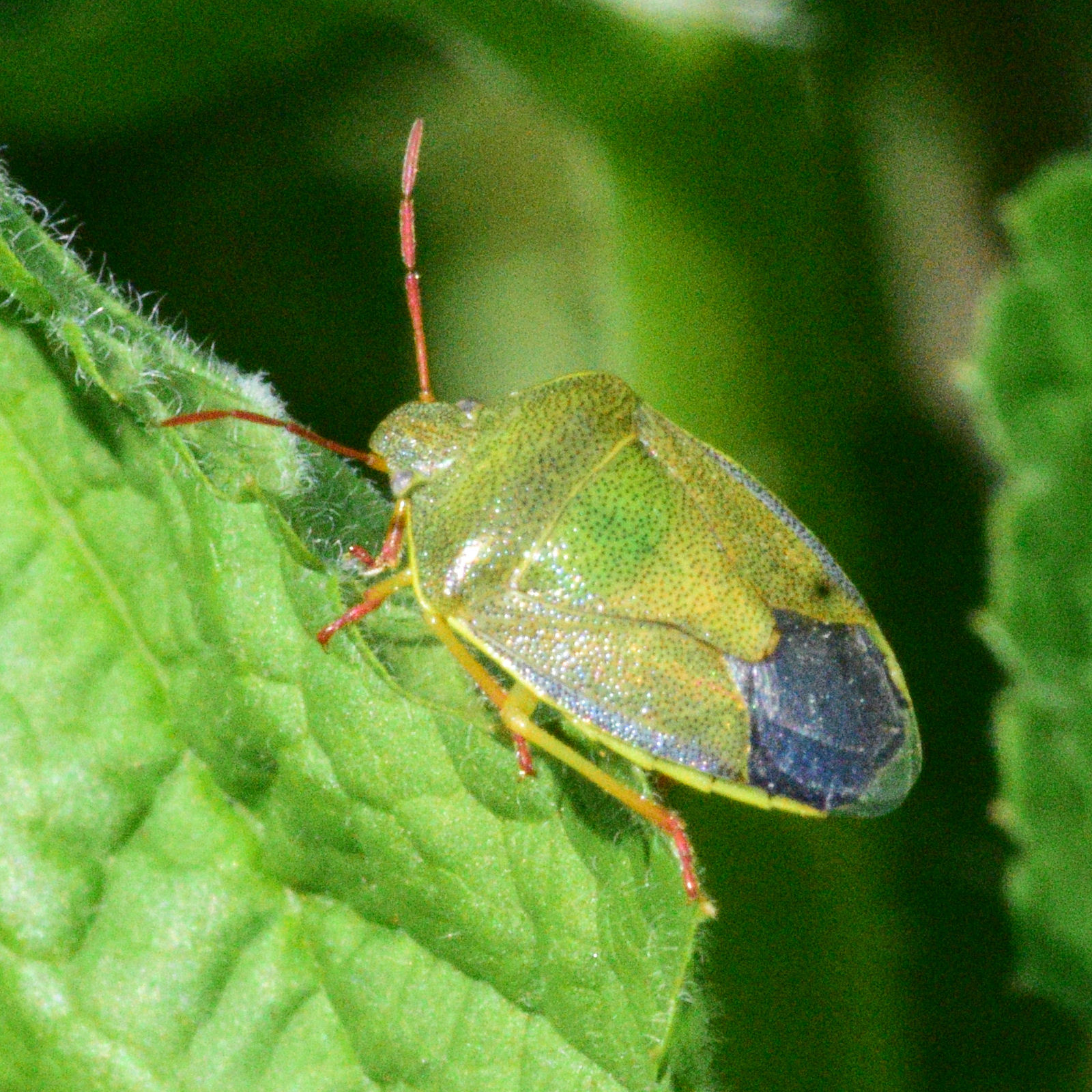
Apr 27: Piezodorus lituratus (Gorse Shieldbug): Quite similar to its relative the Common Green Shieldbug (15 May 2023) but rather more colourful with the yellow "connexivum" (the fringe round the body) and red antennae. Its food-plants are not just gorse but many other members of the pea family ranging from Clover to Laburnum (I wouldn't be surprised if it used Wisteria, although it's not listed). Not regarded as a pest, as far as I know. This one was on our redcurrants, presumably just passing. Common throughout Britain favouring lowland areas, but this is the first one I've seen in our garden. {From Jo - our neighbours have gorse, but I don't know if that's relevant.)
| April | 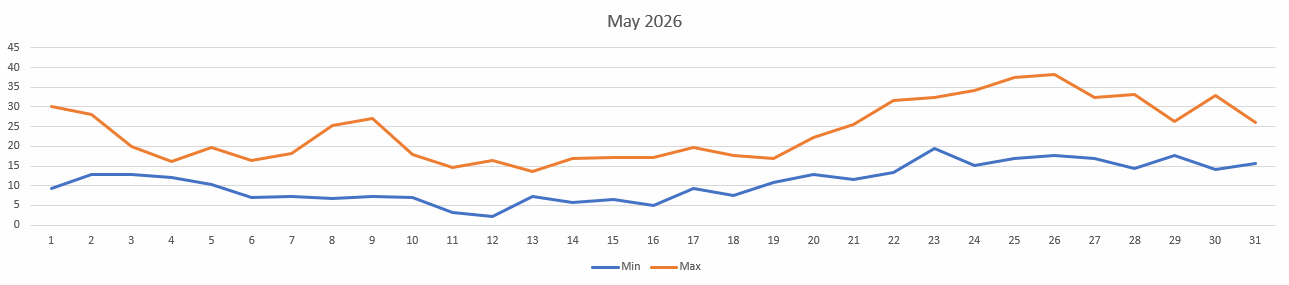 |
June |
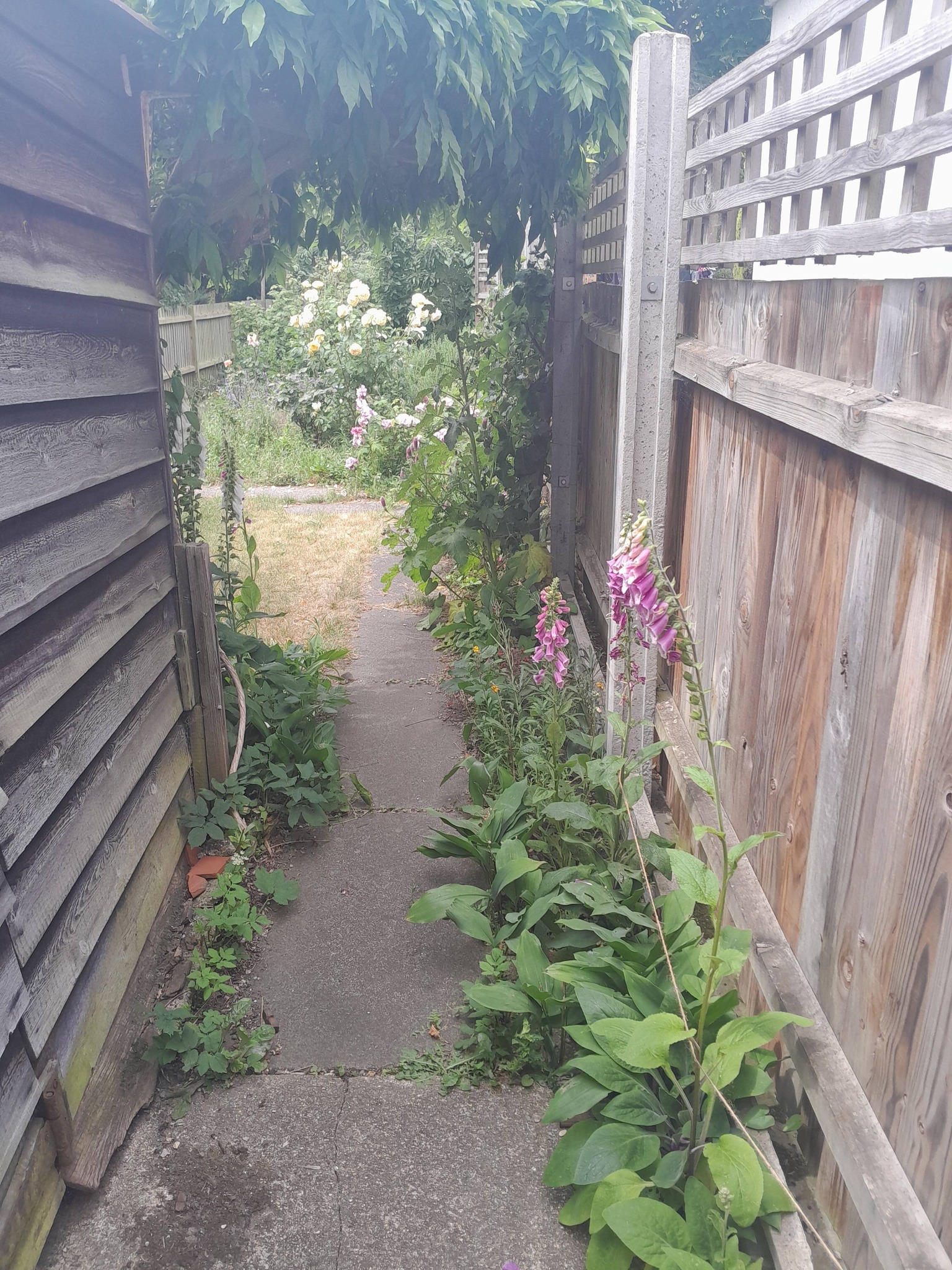
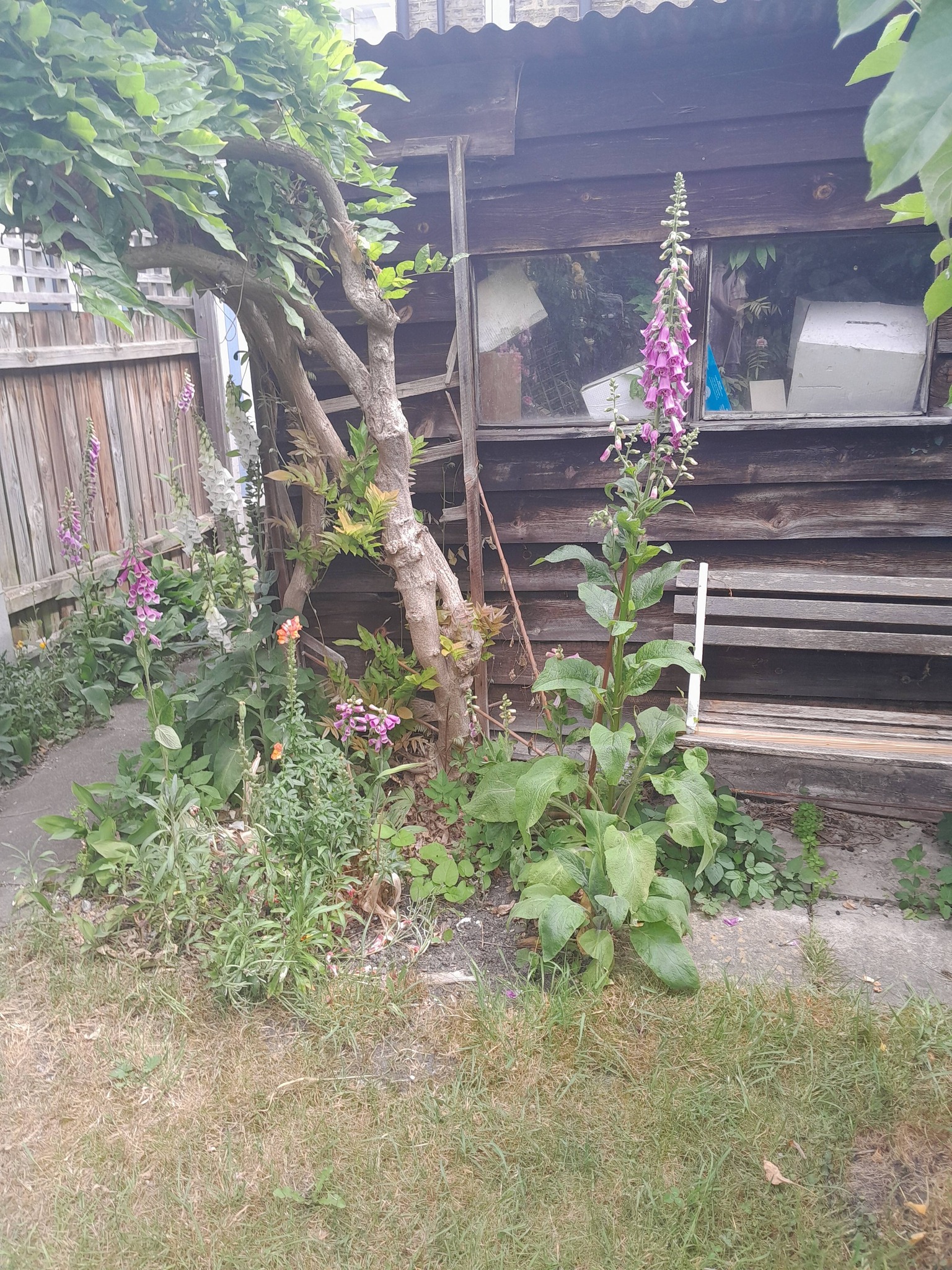
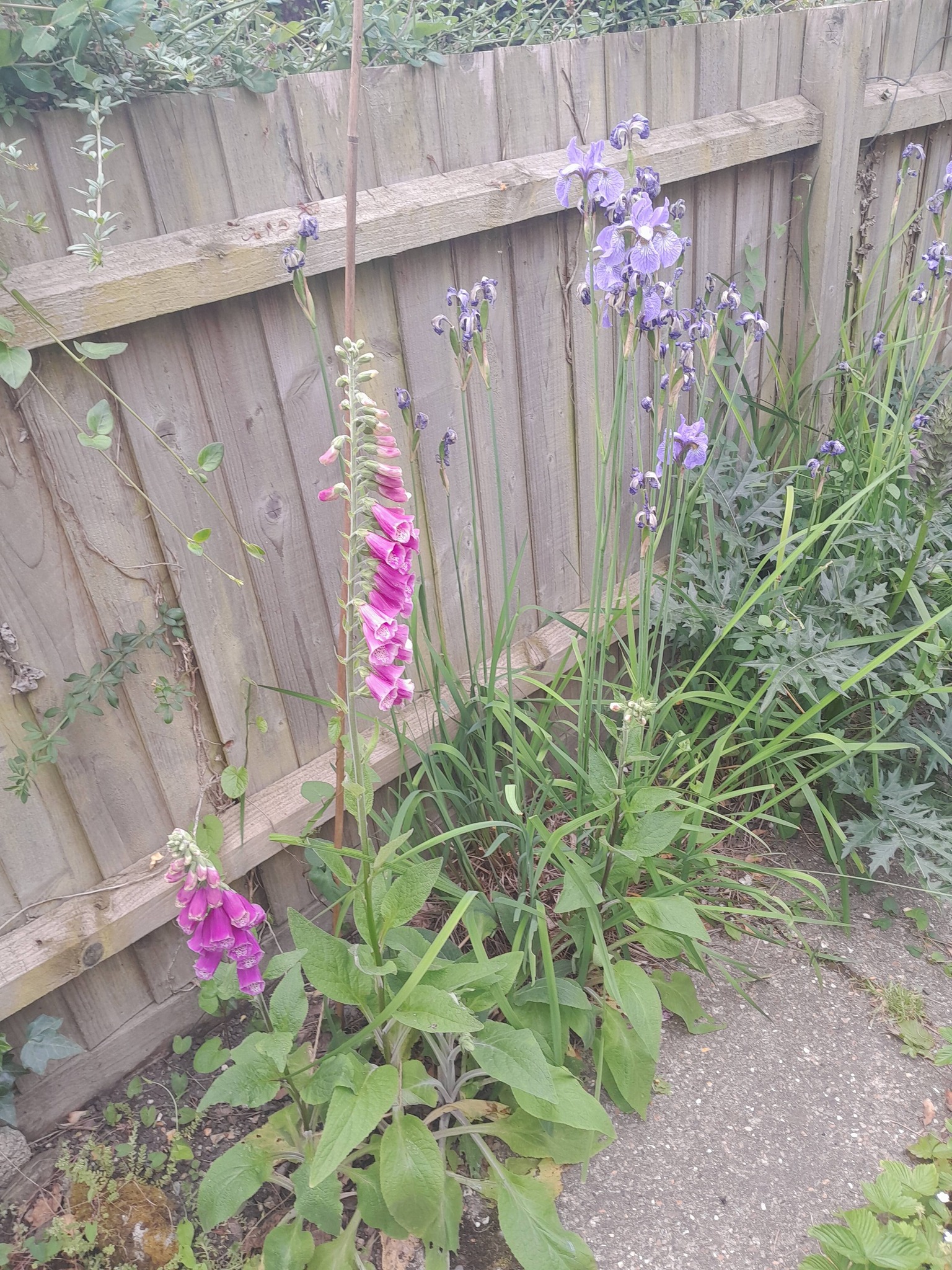
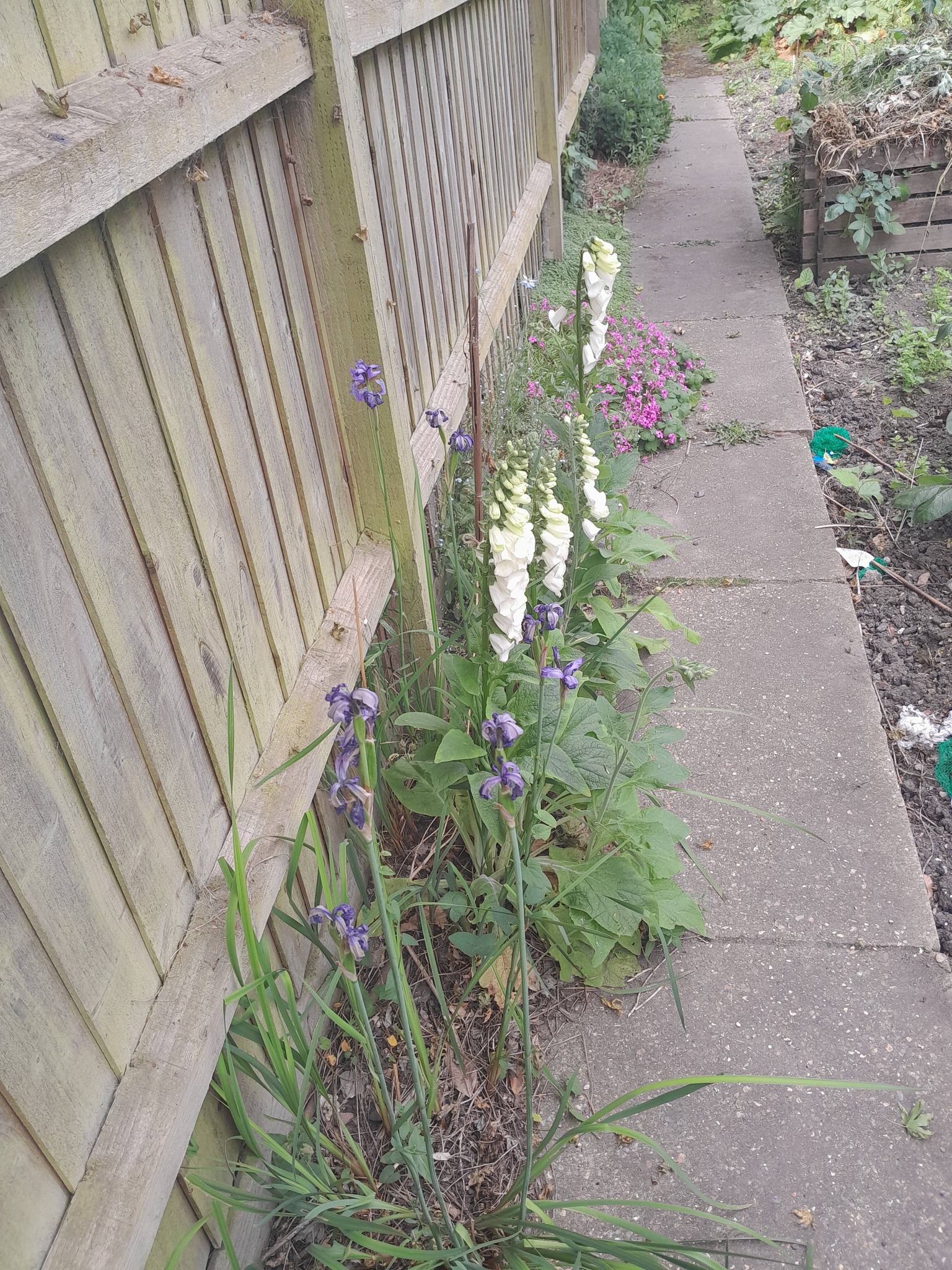
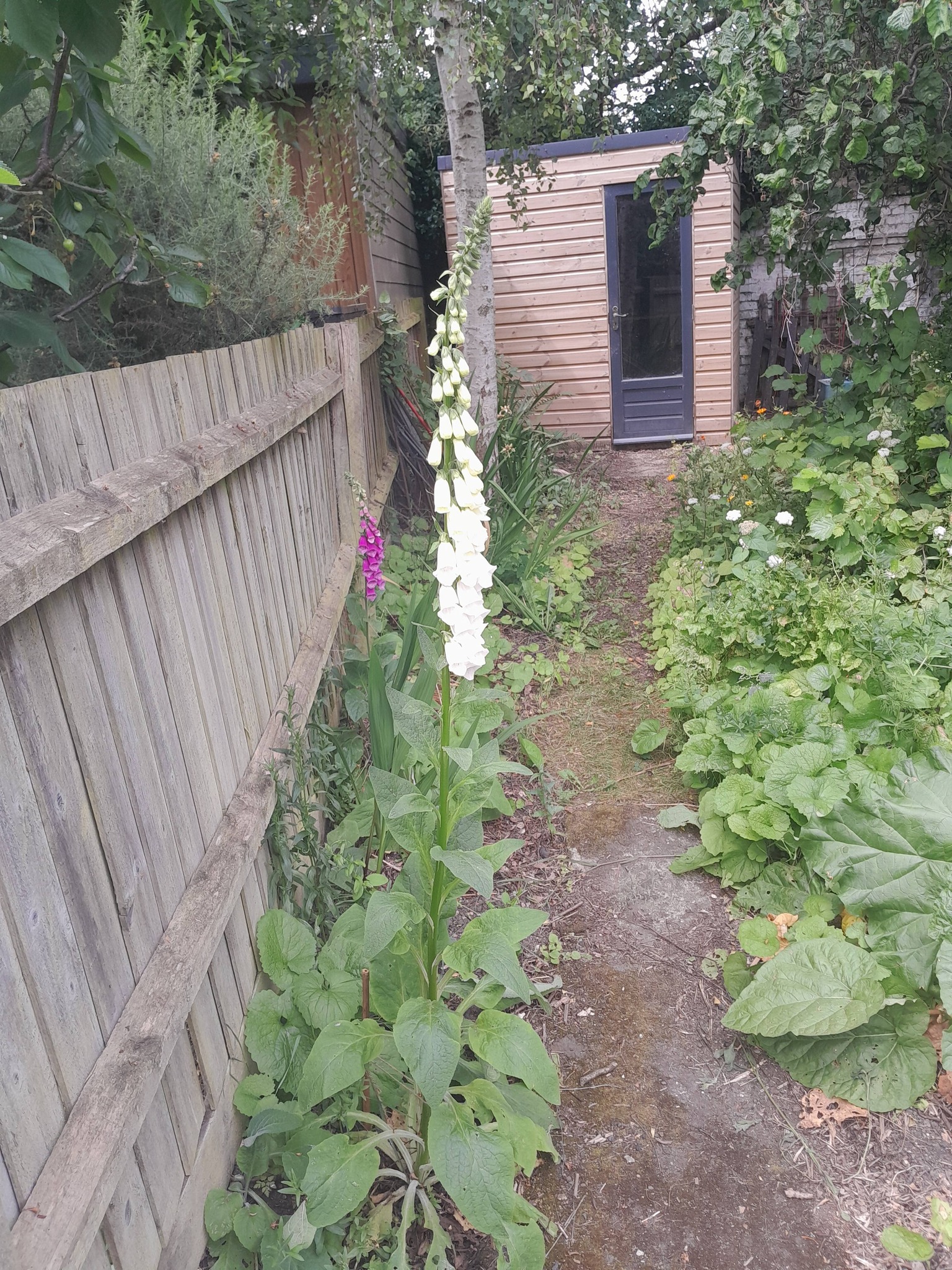
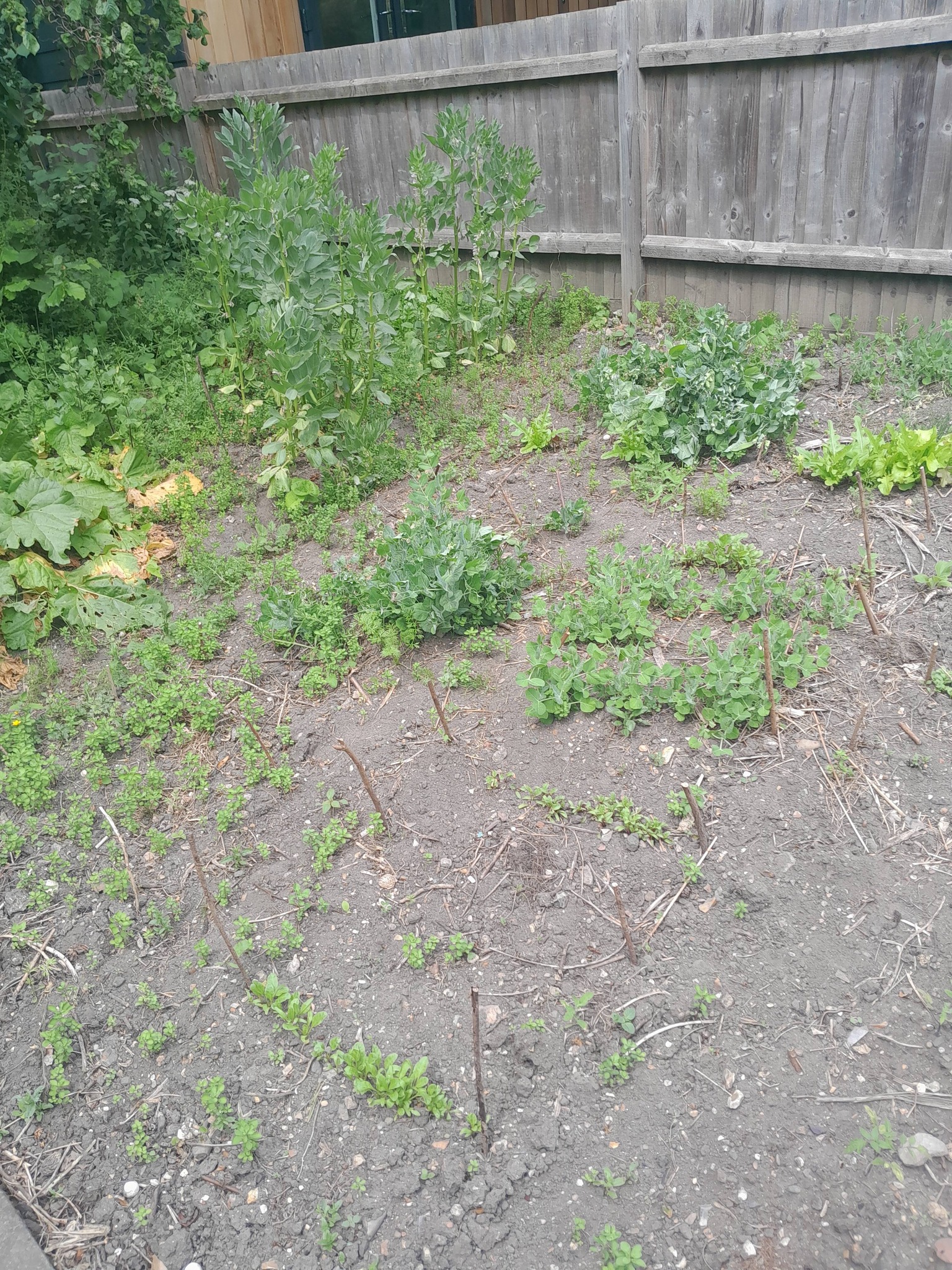
May 1: Sunny, but no rain! Veg during well (so far) this year.
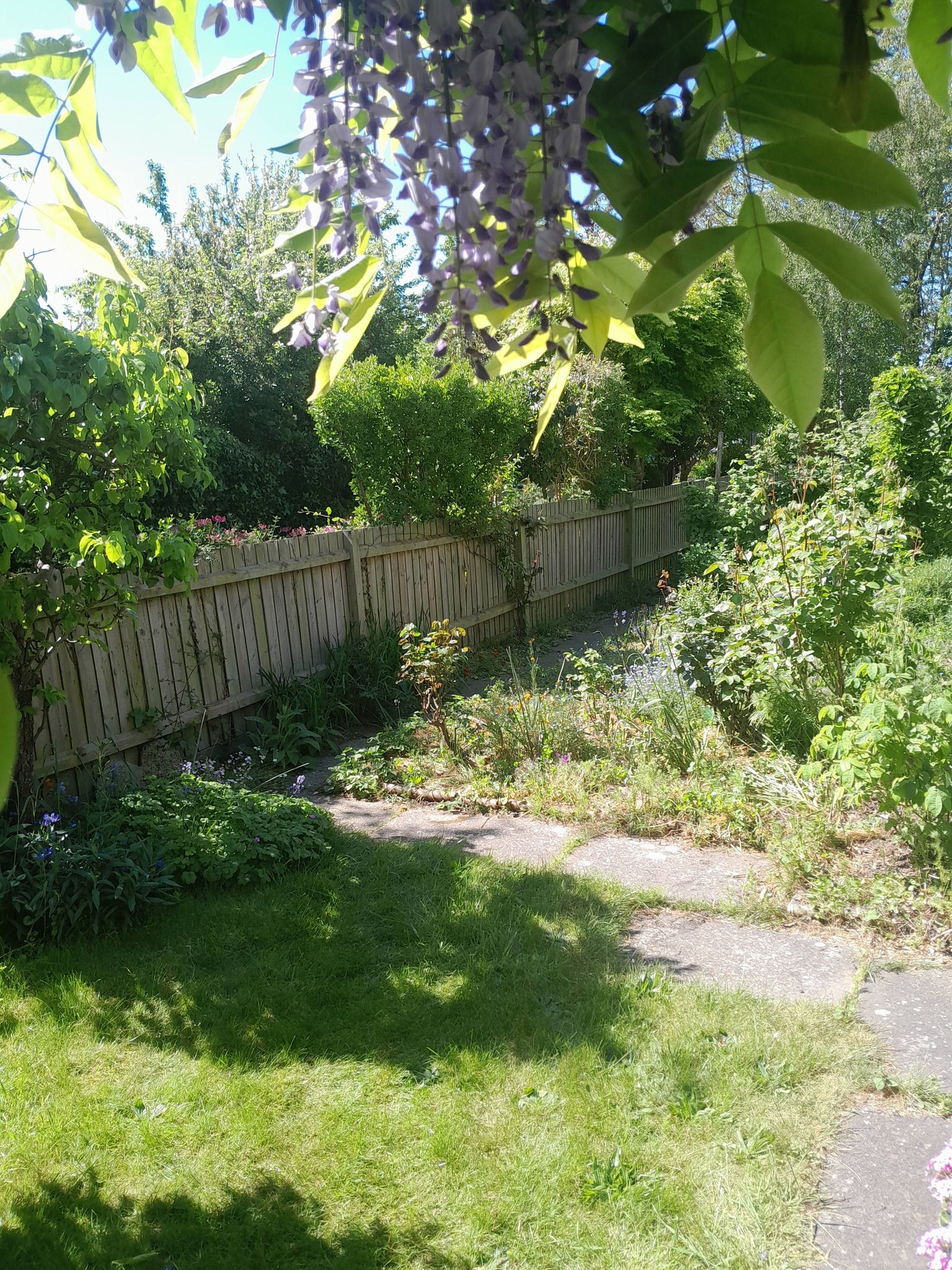
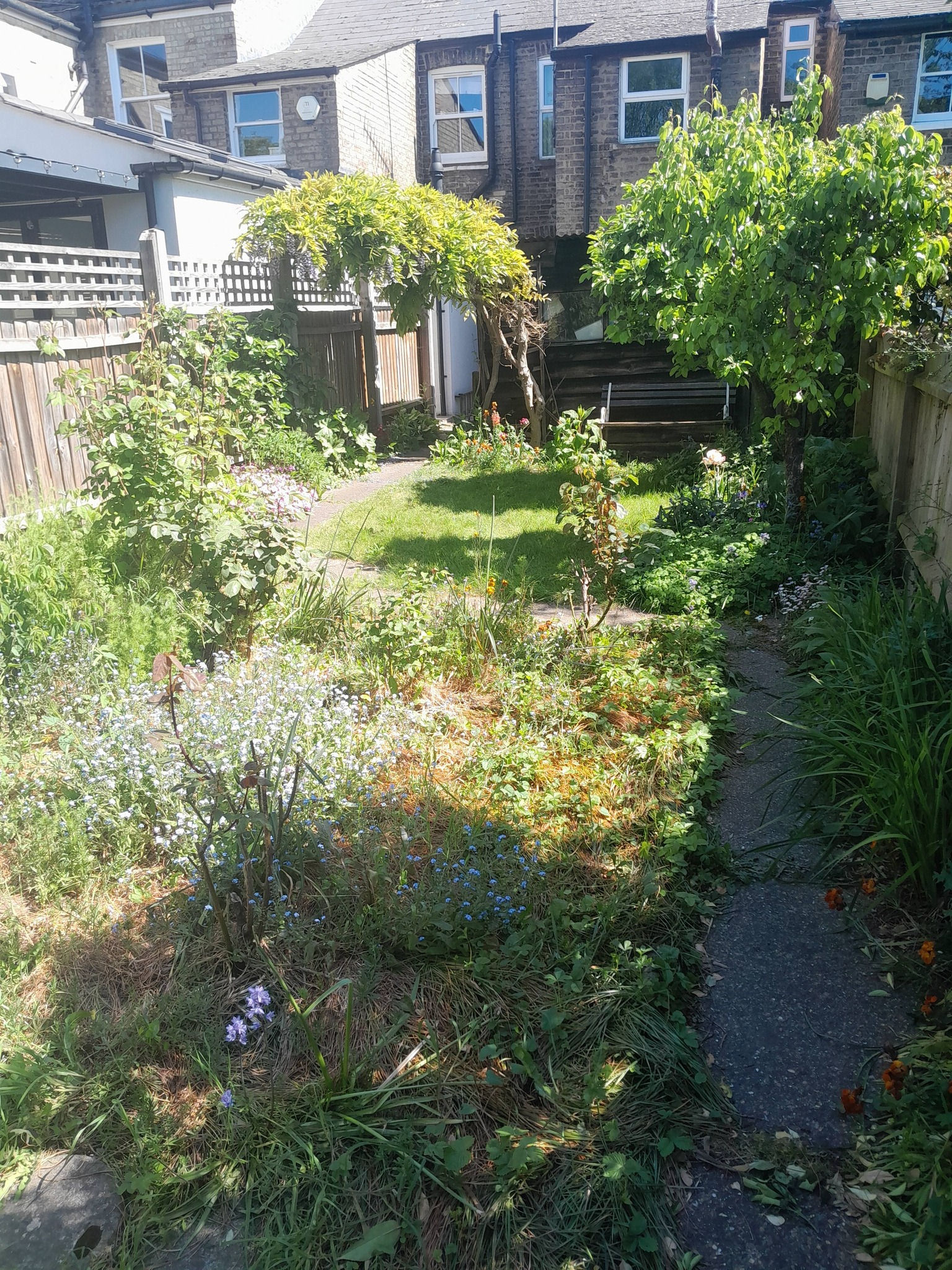
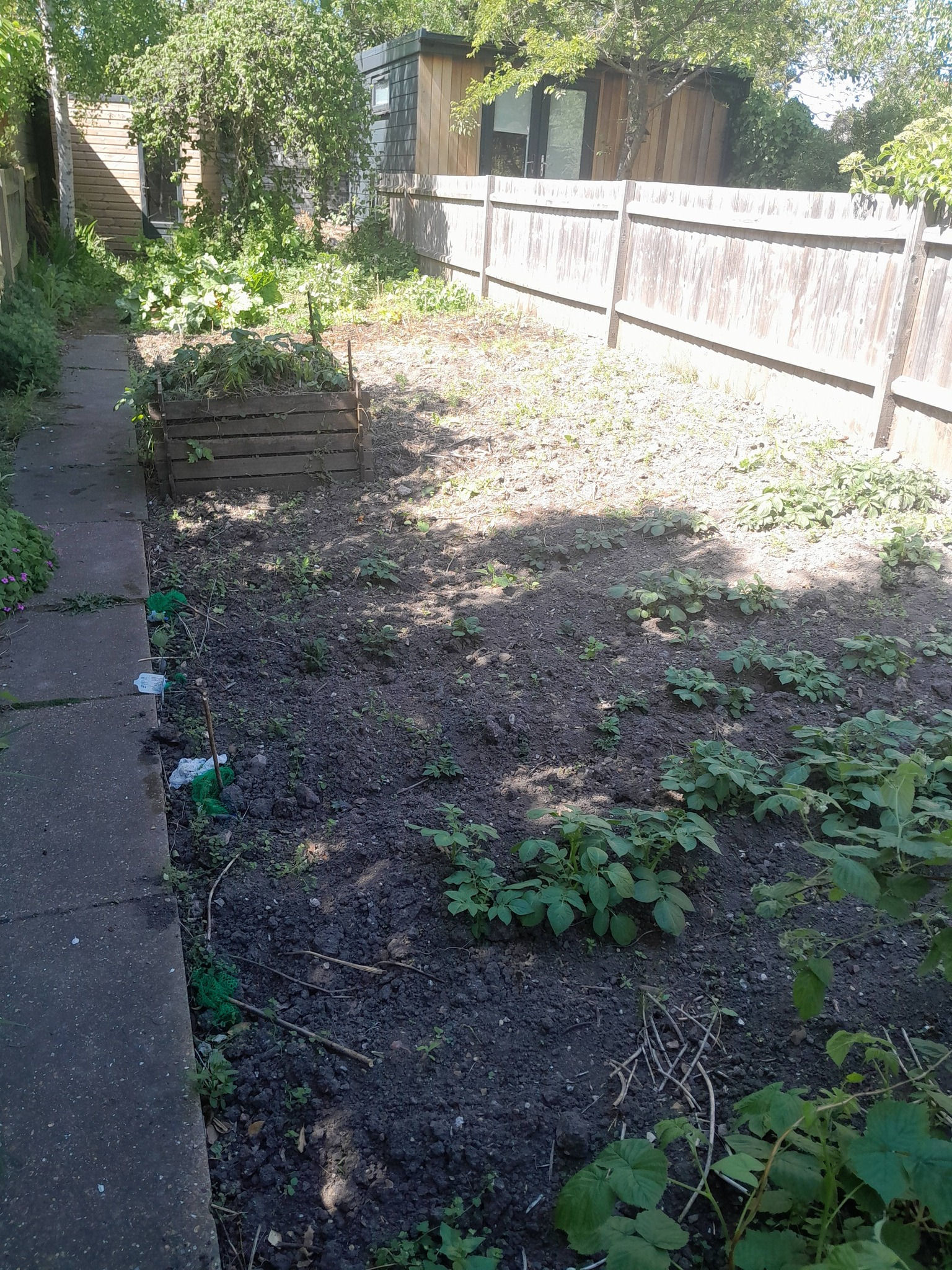
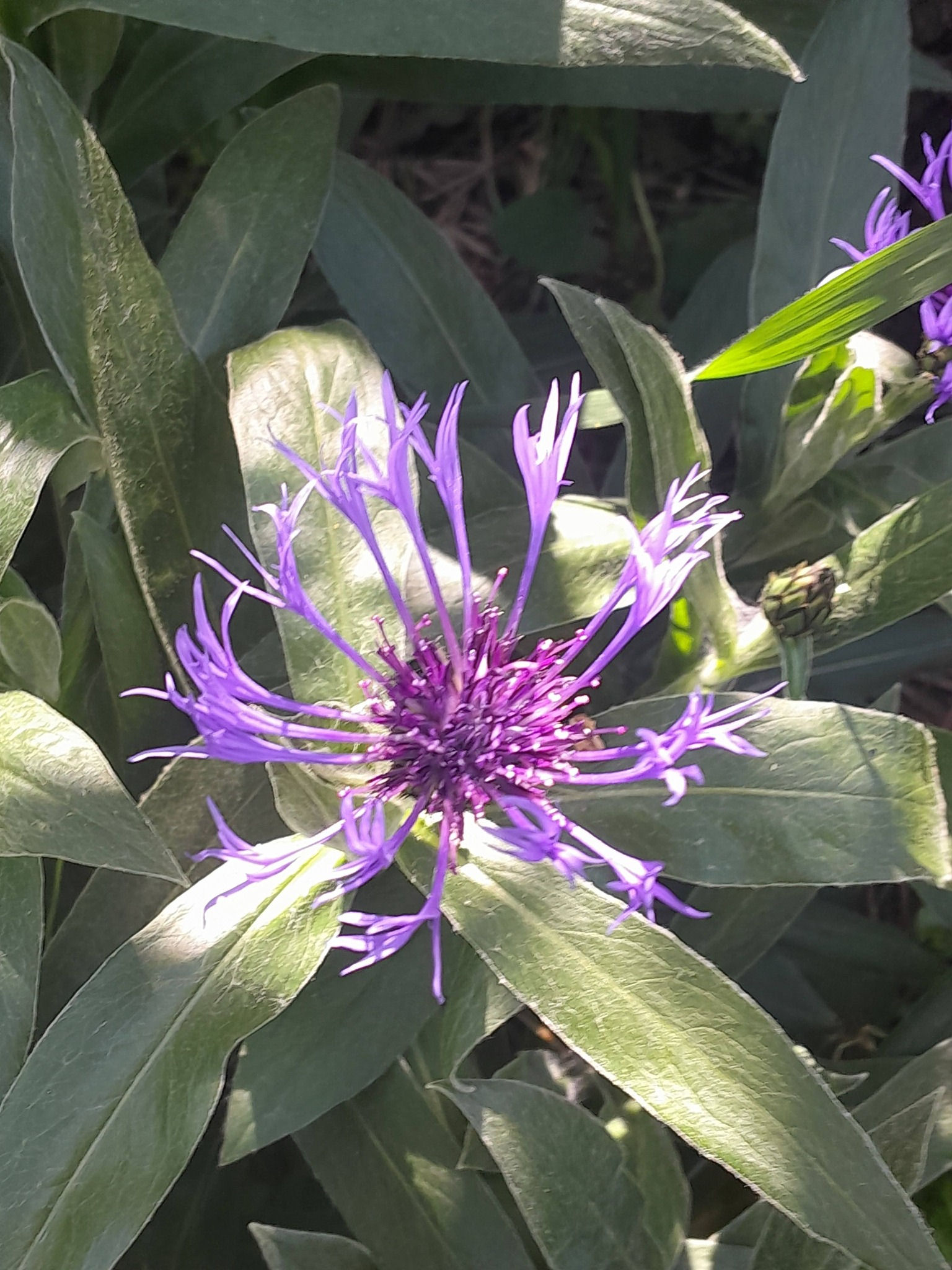
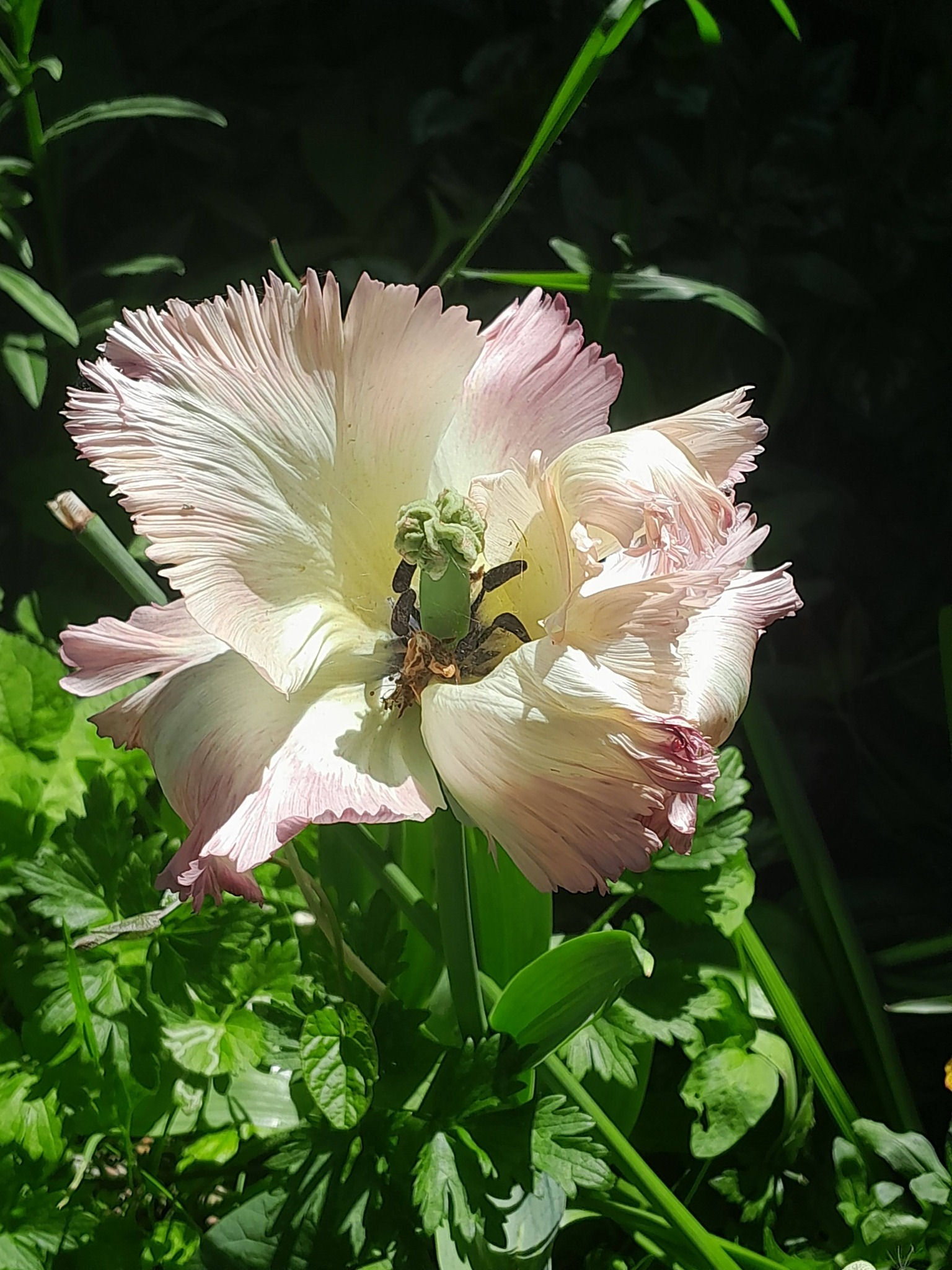
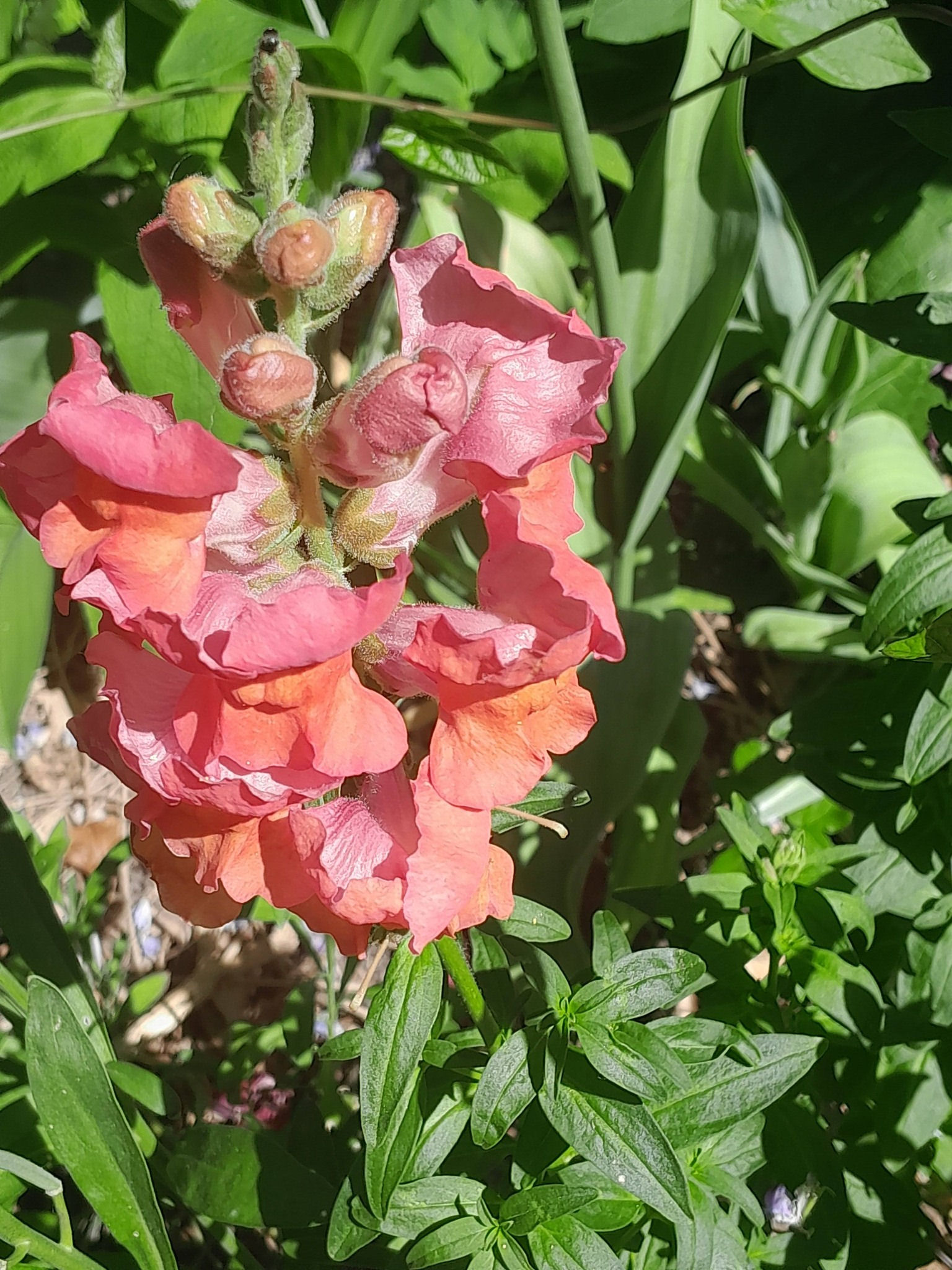
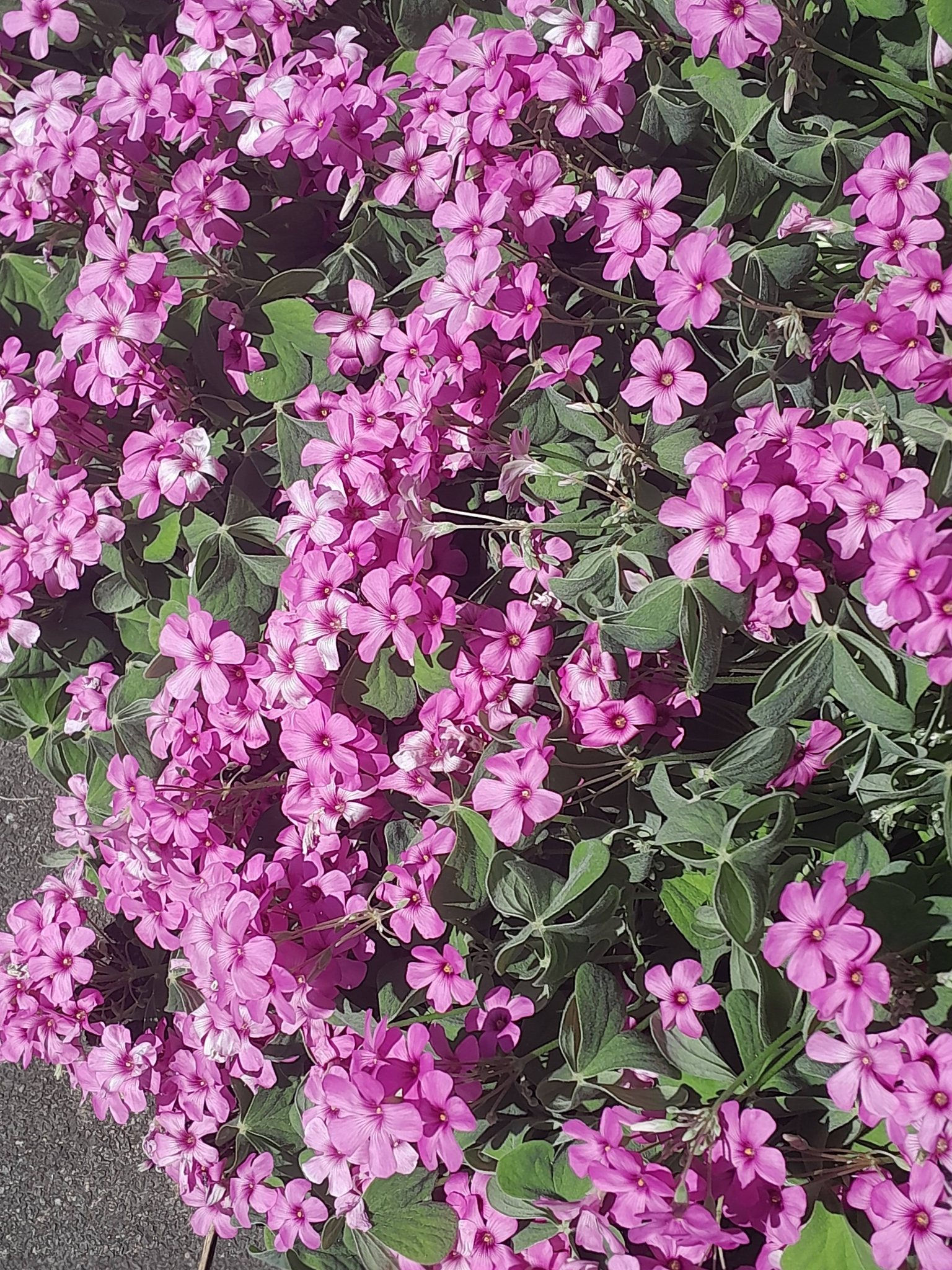
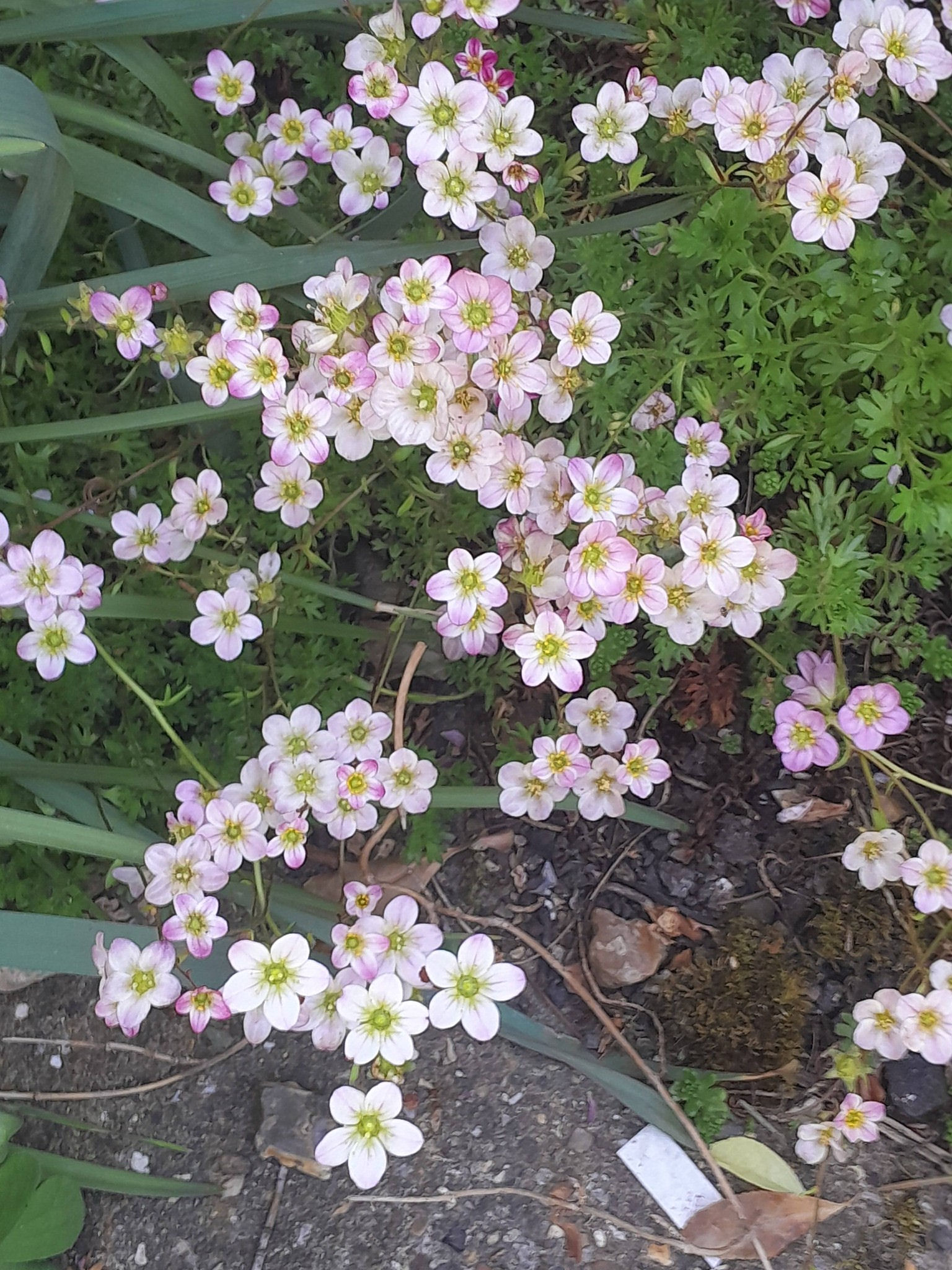
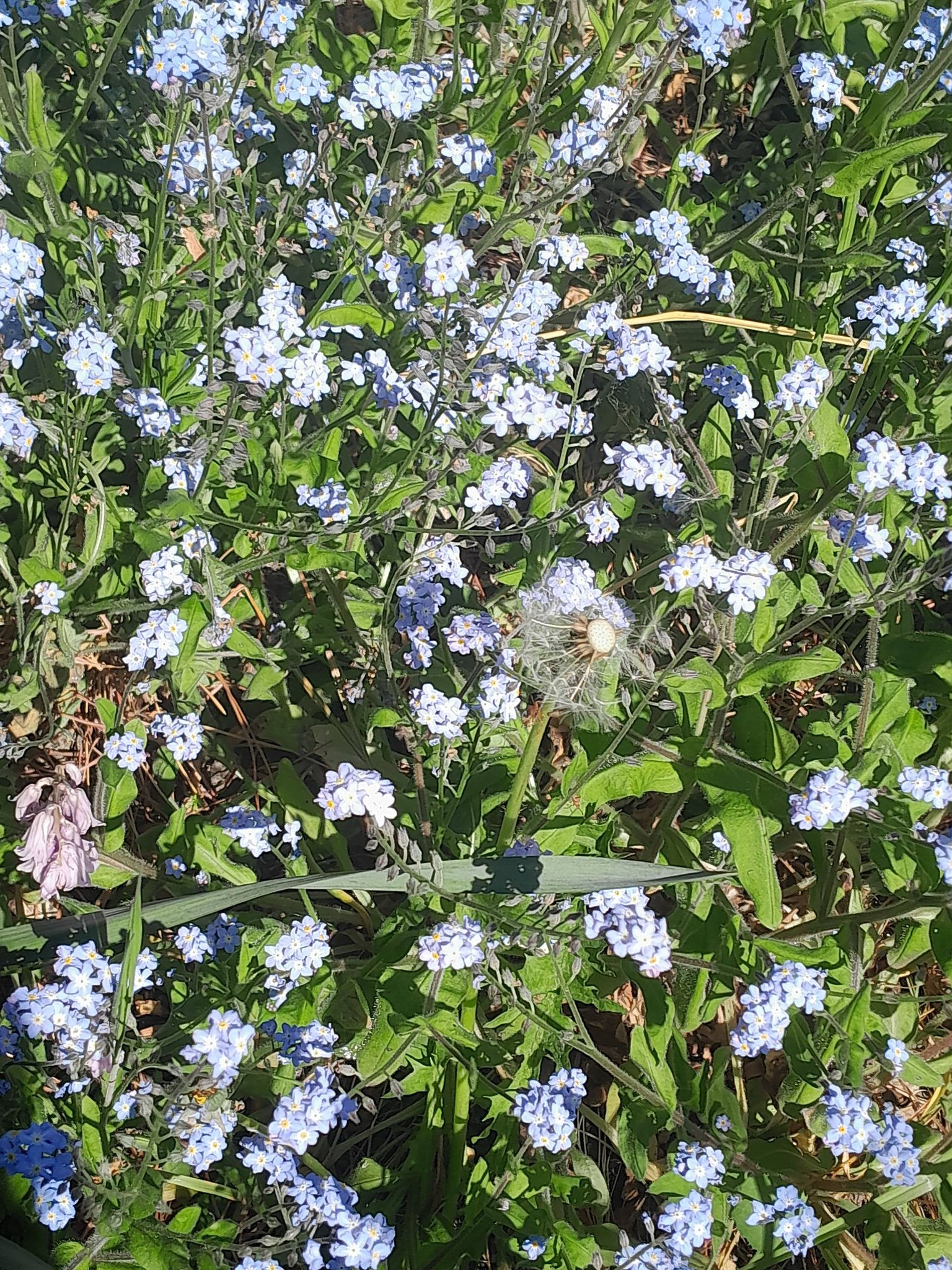
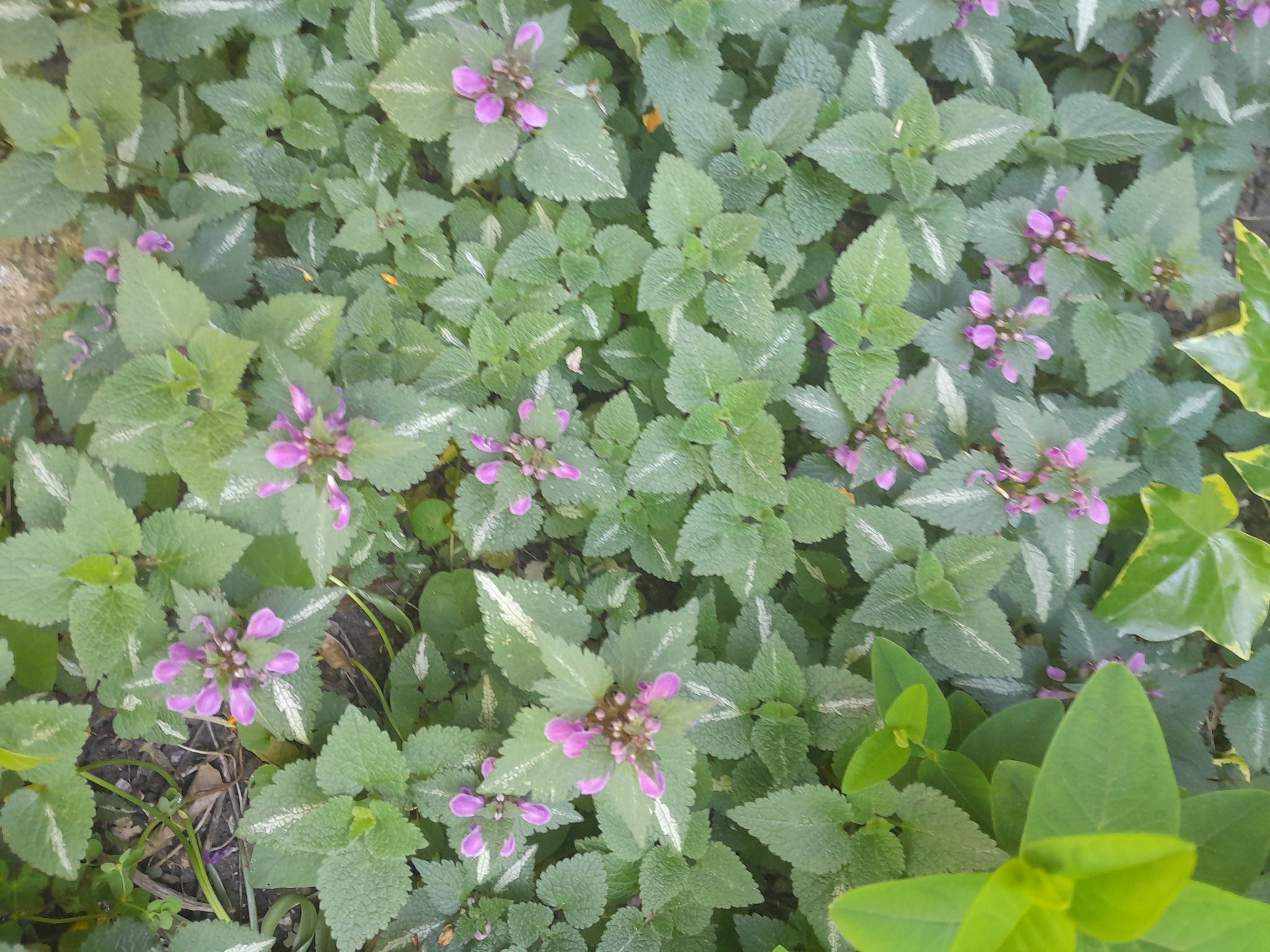
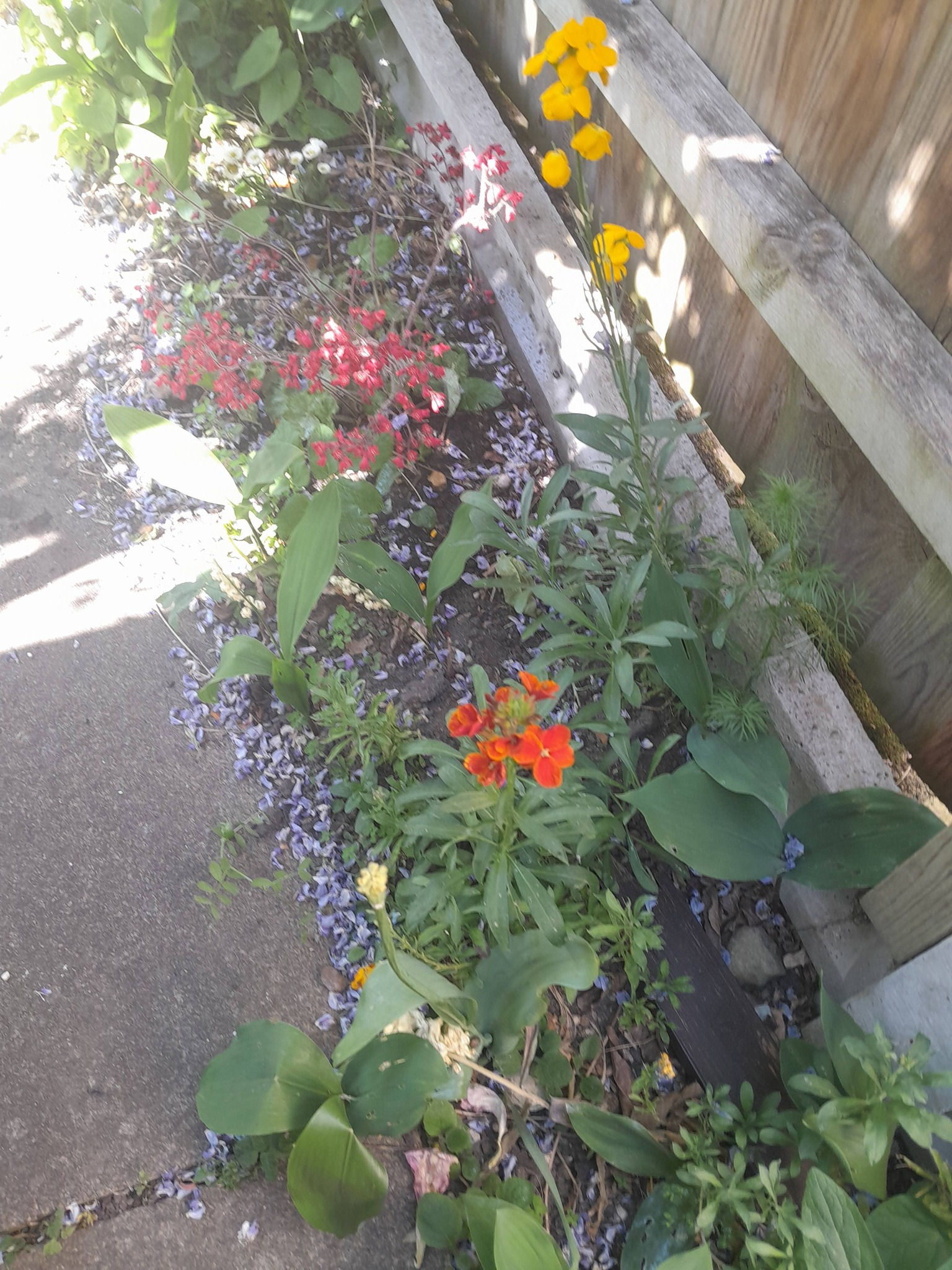
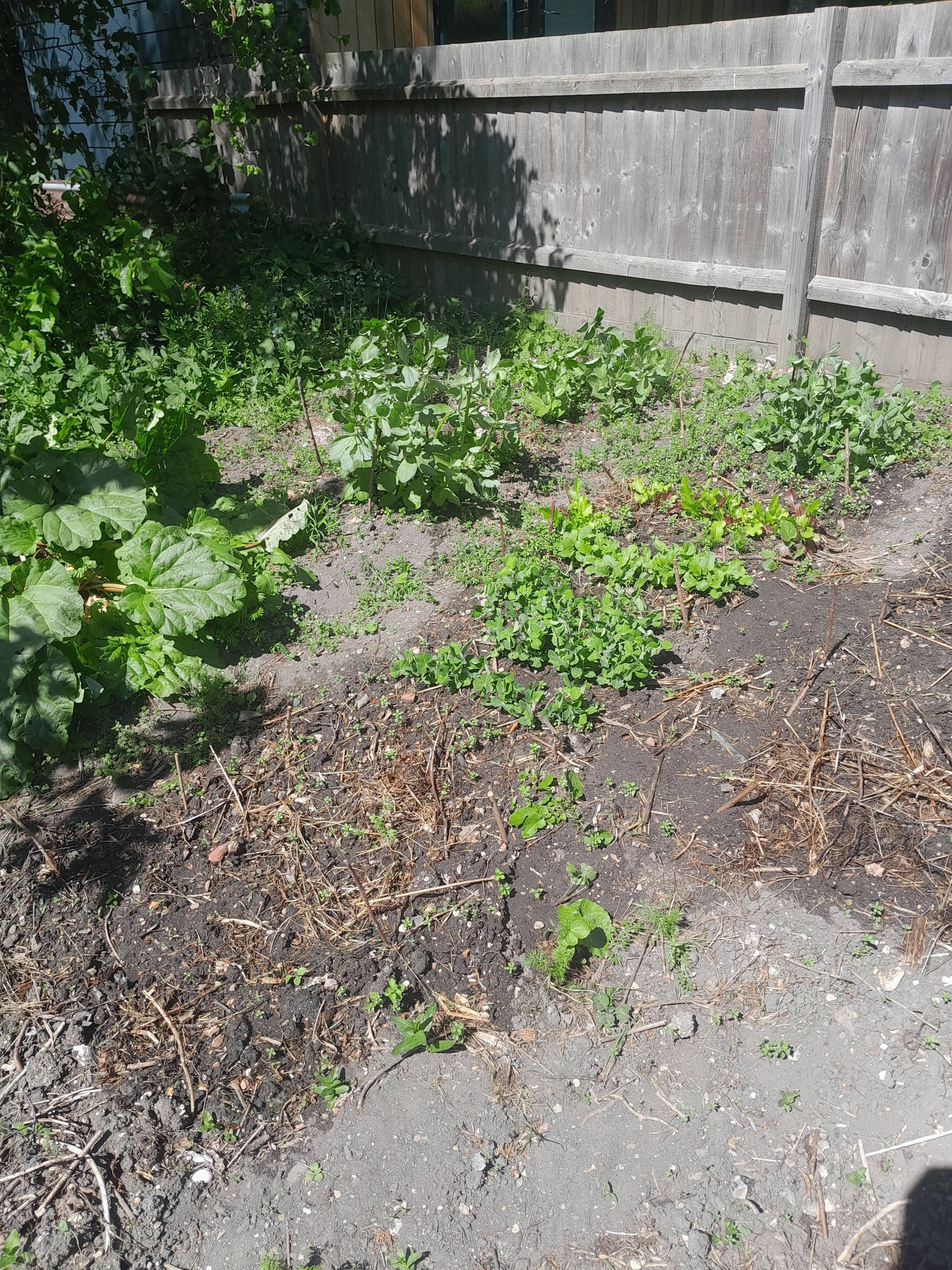
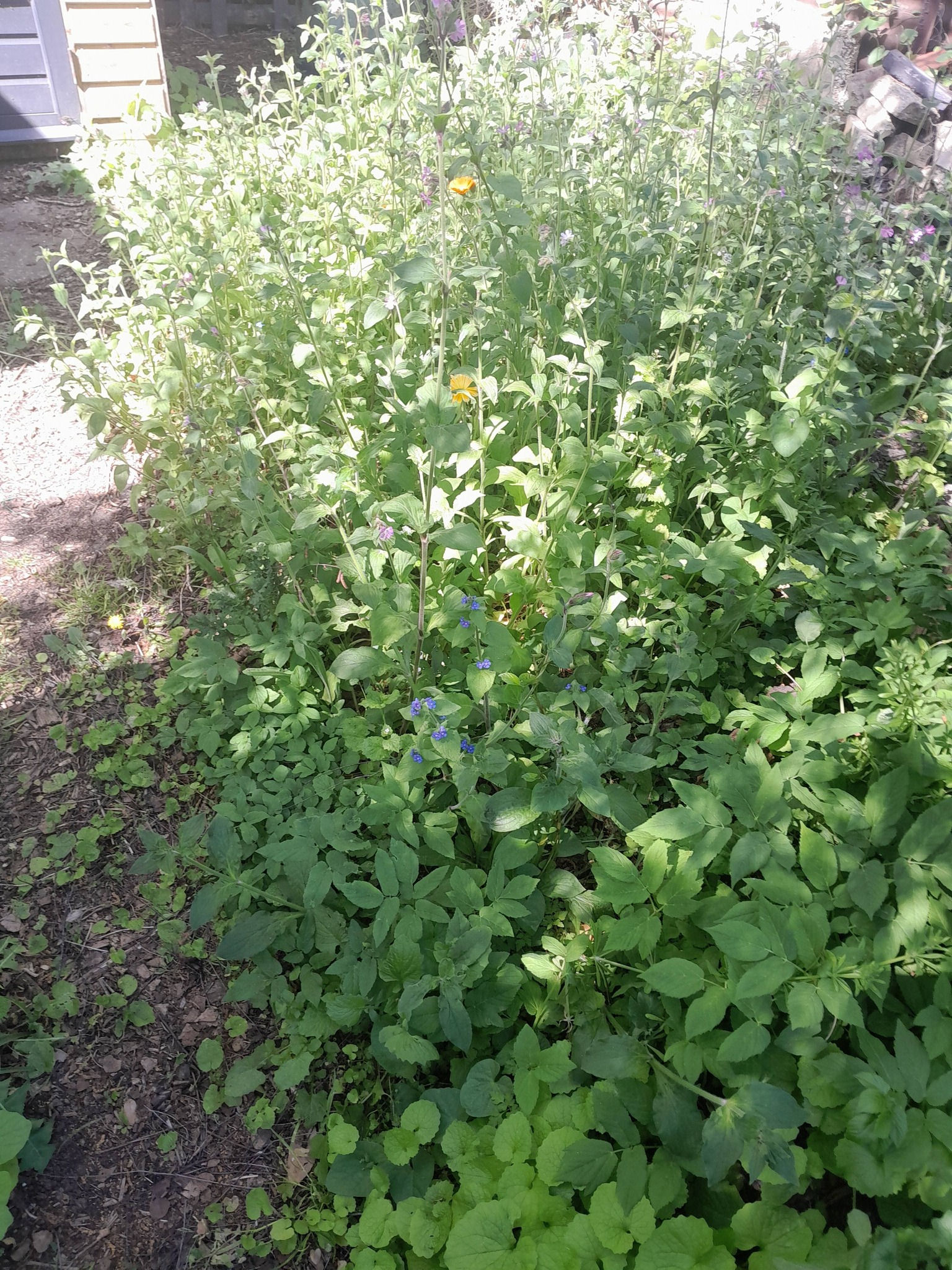
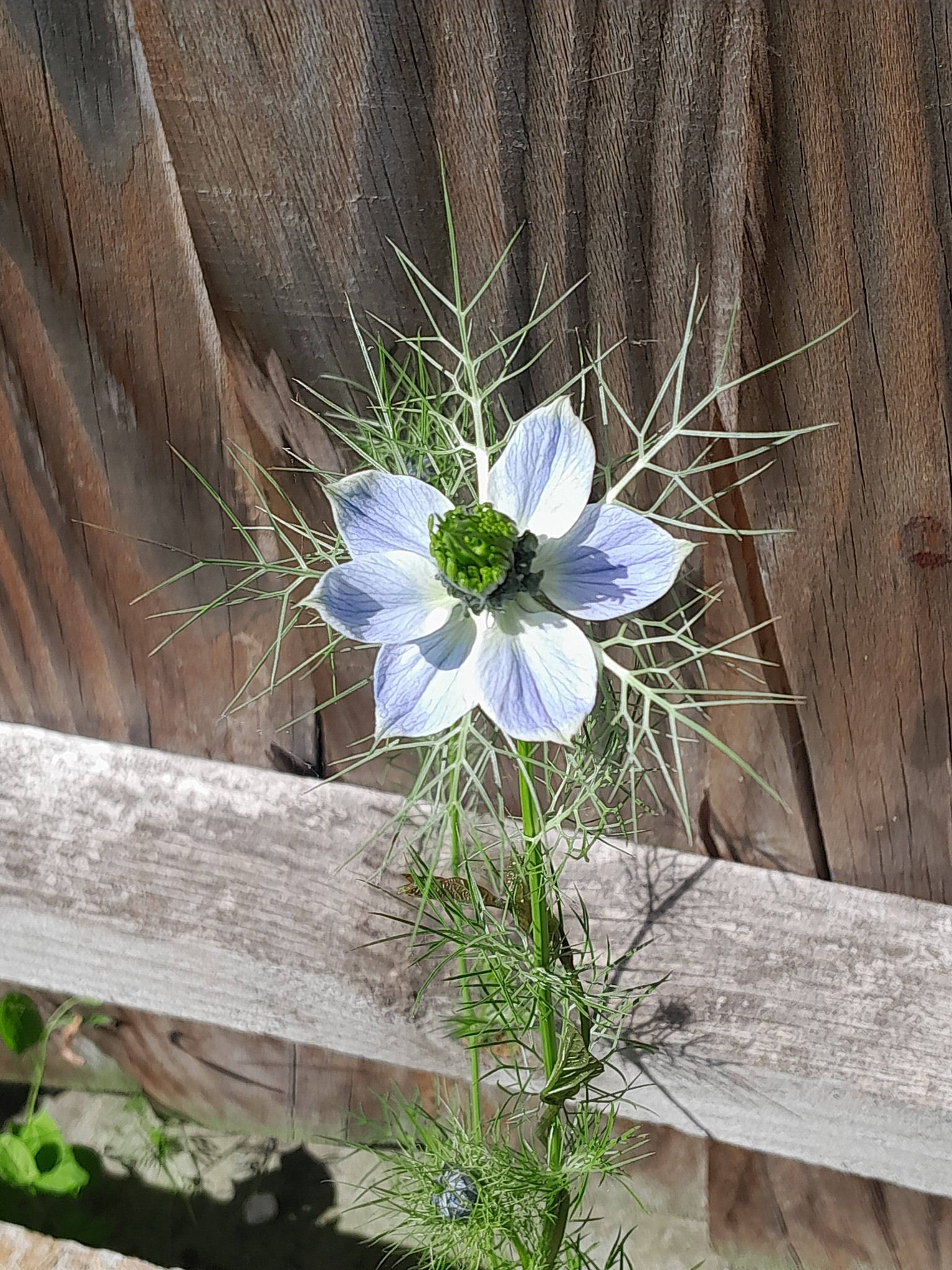
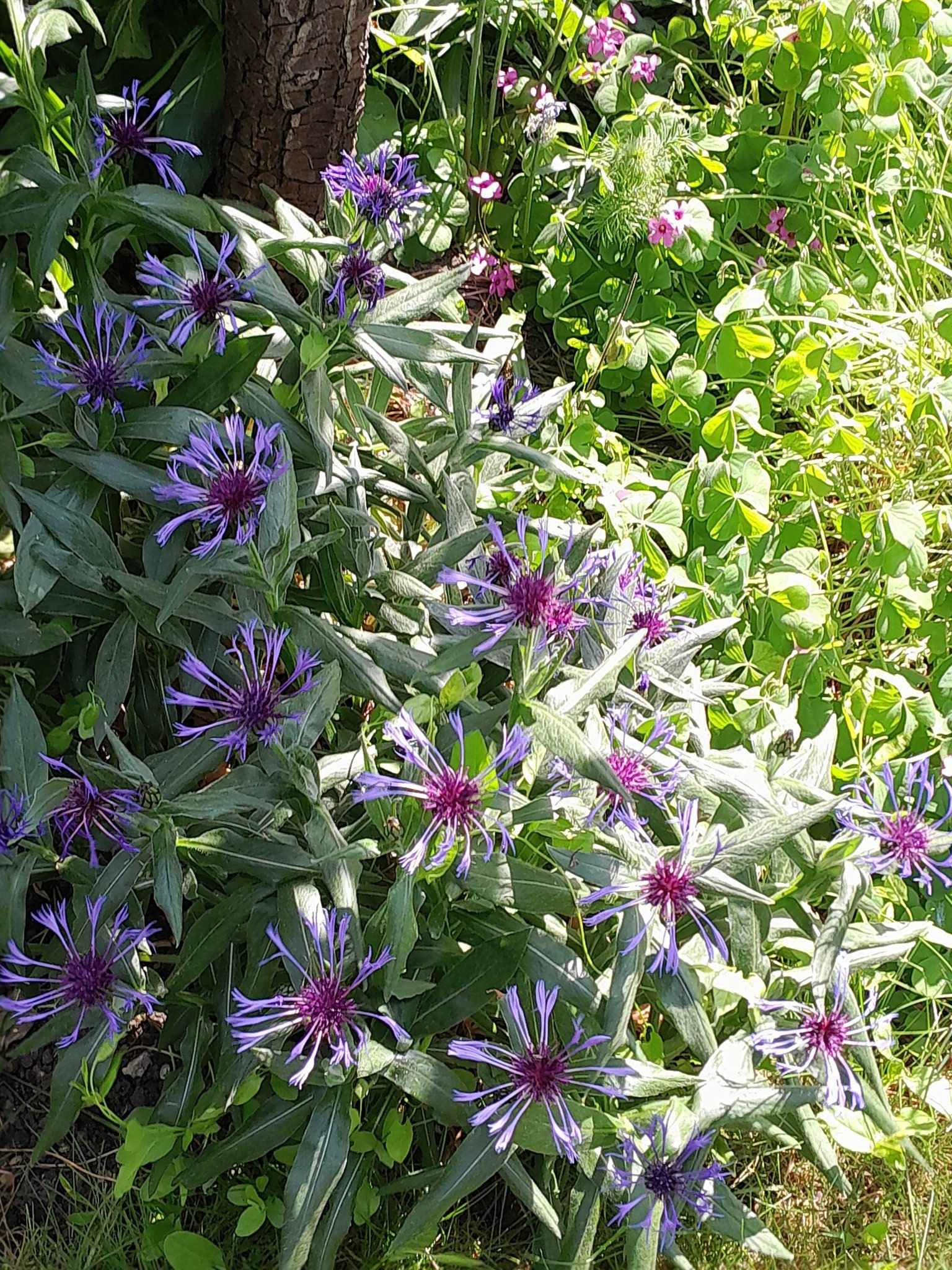
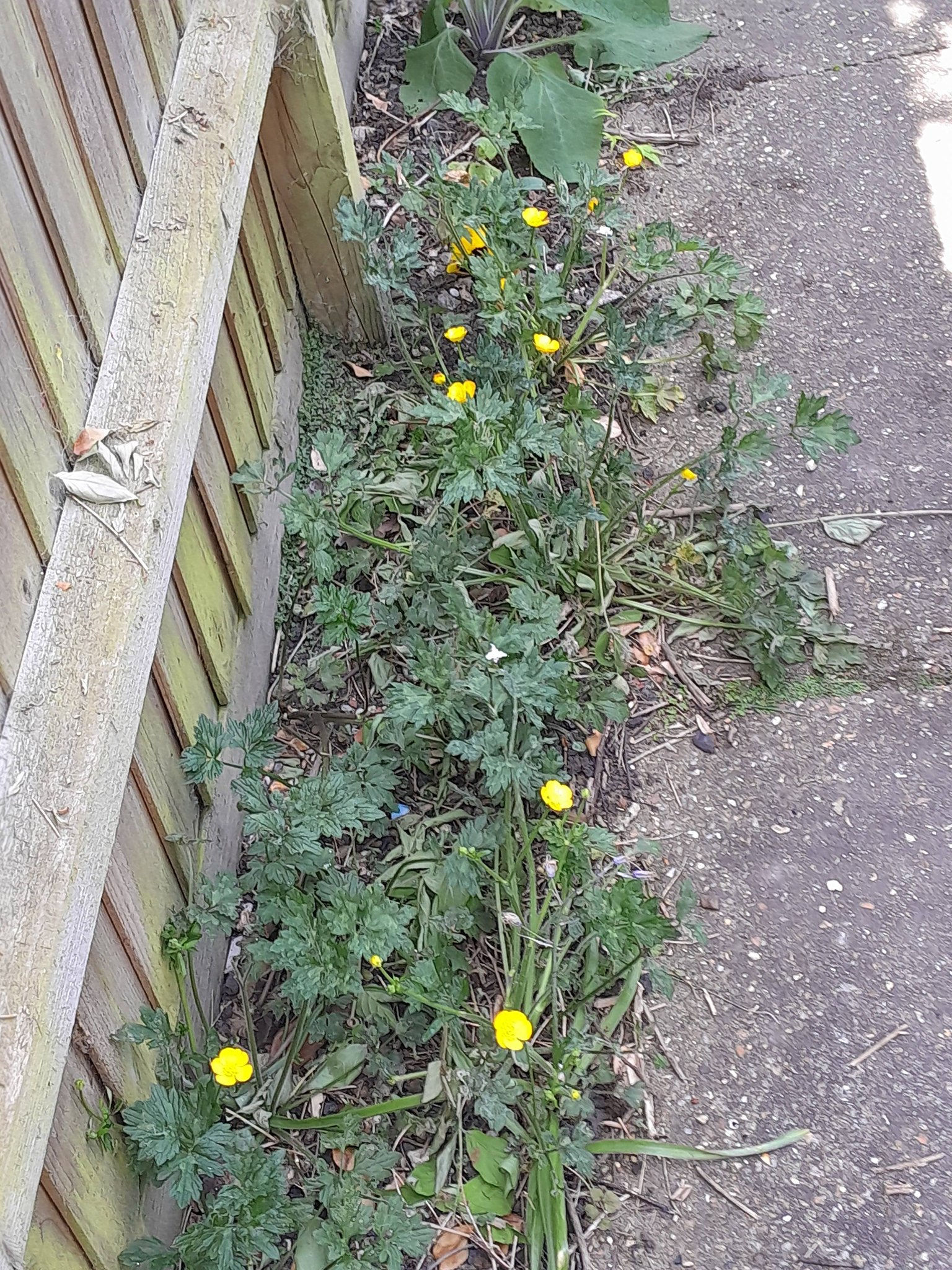
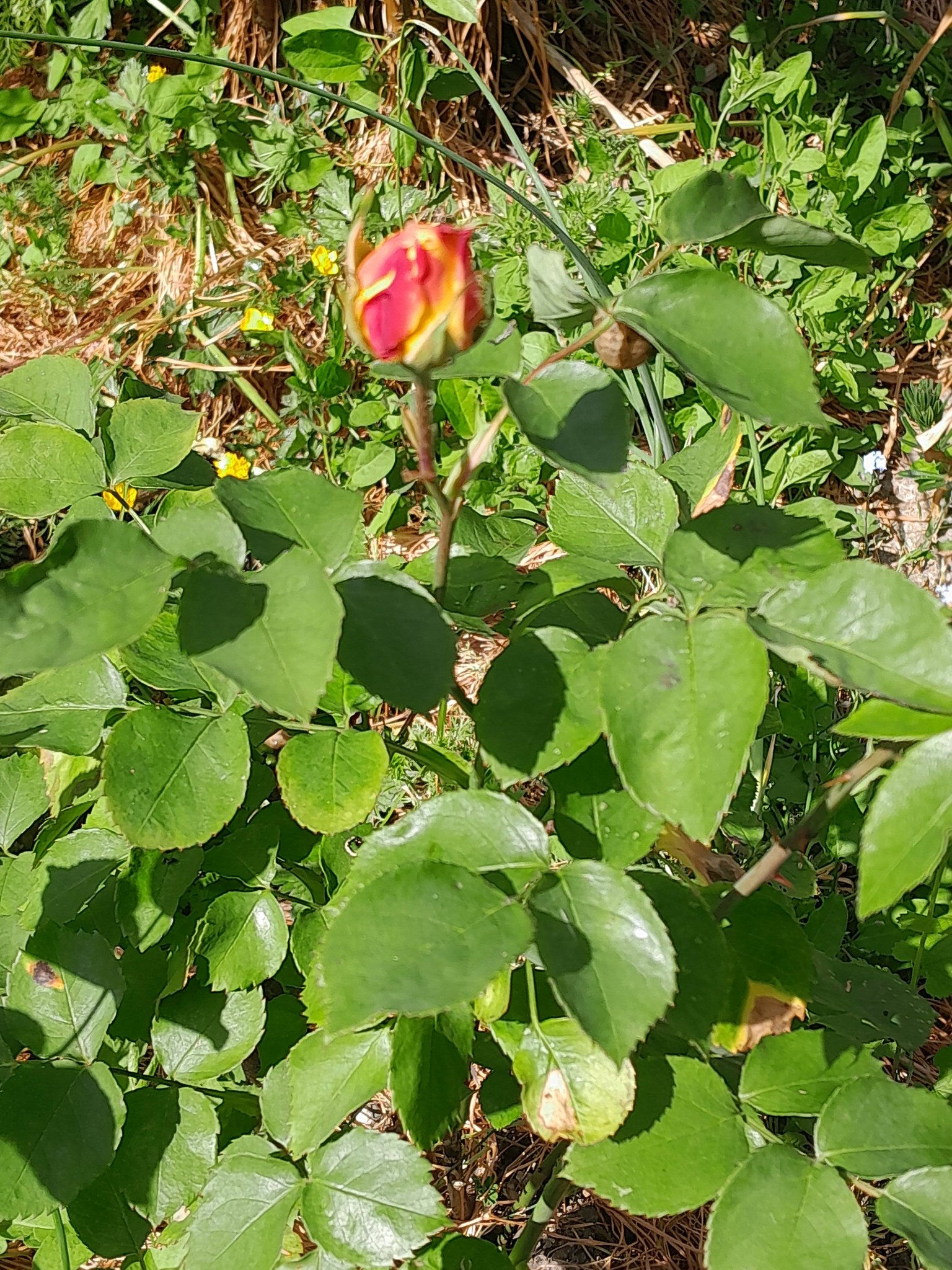
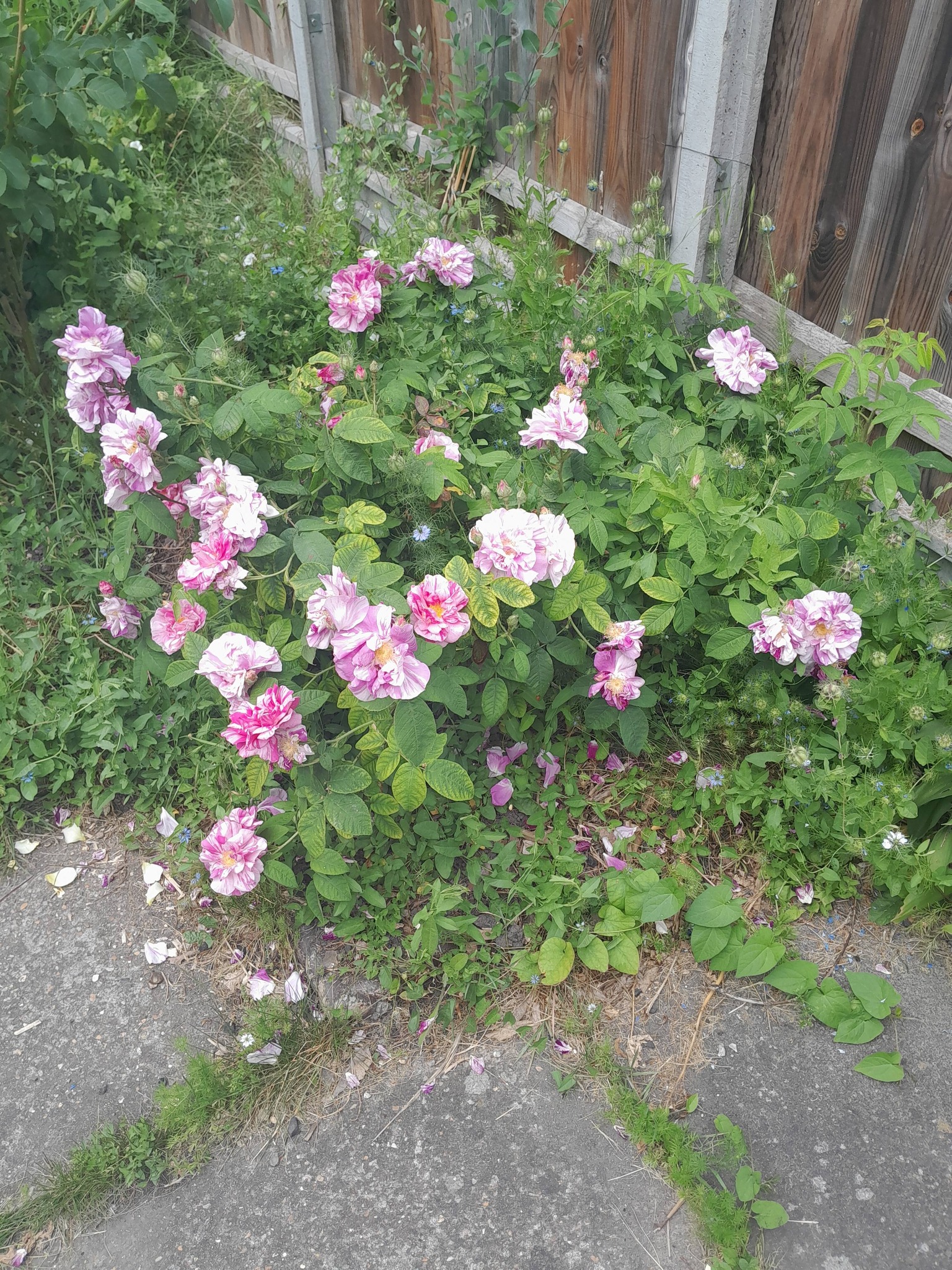
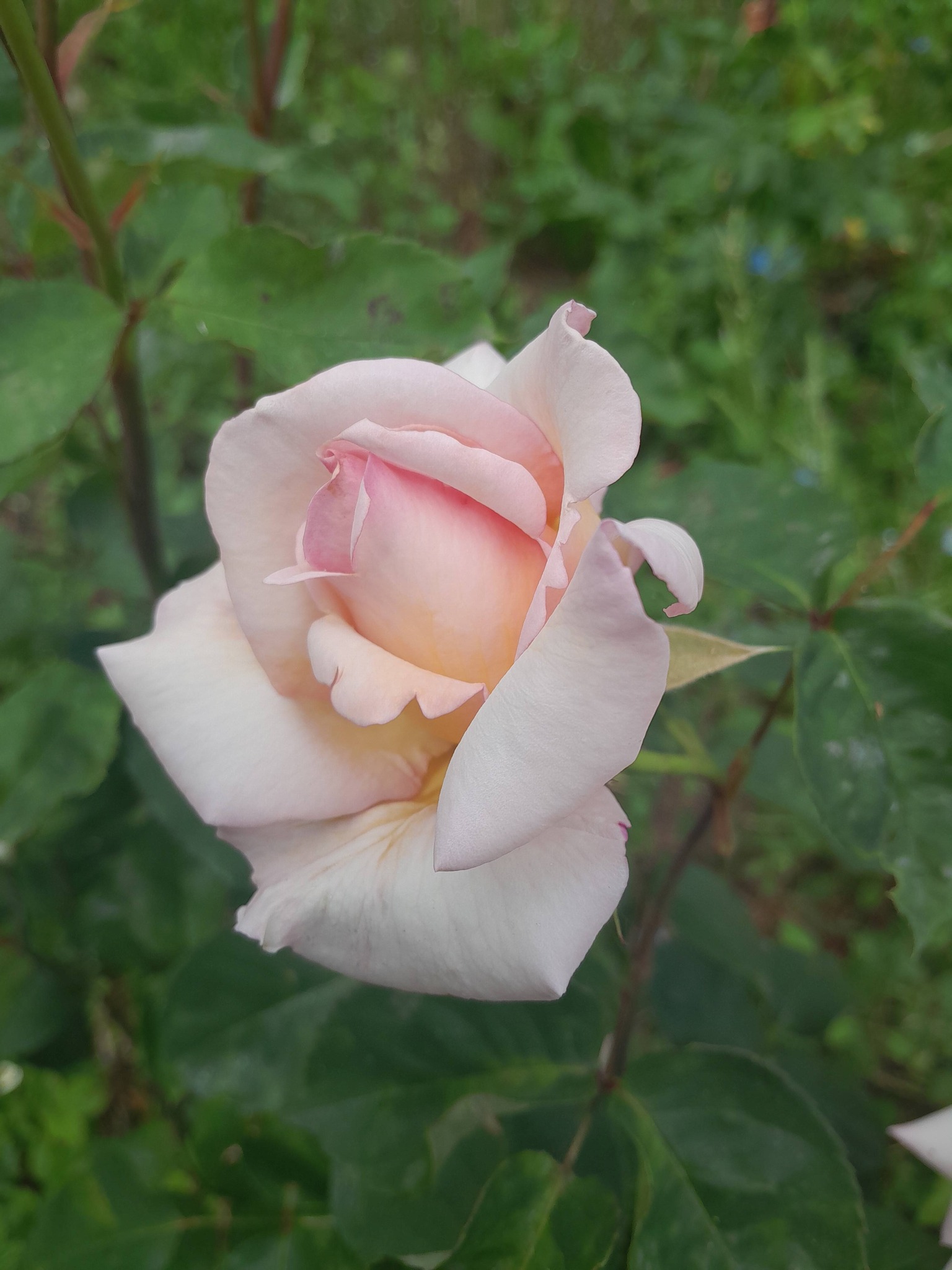
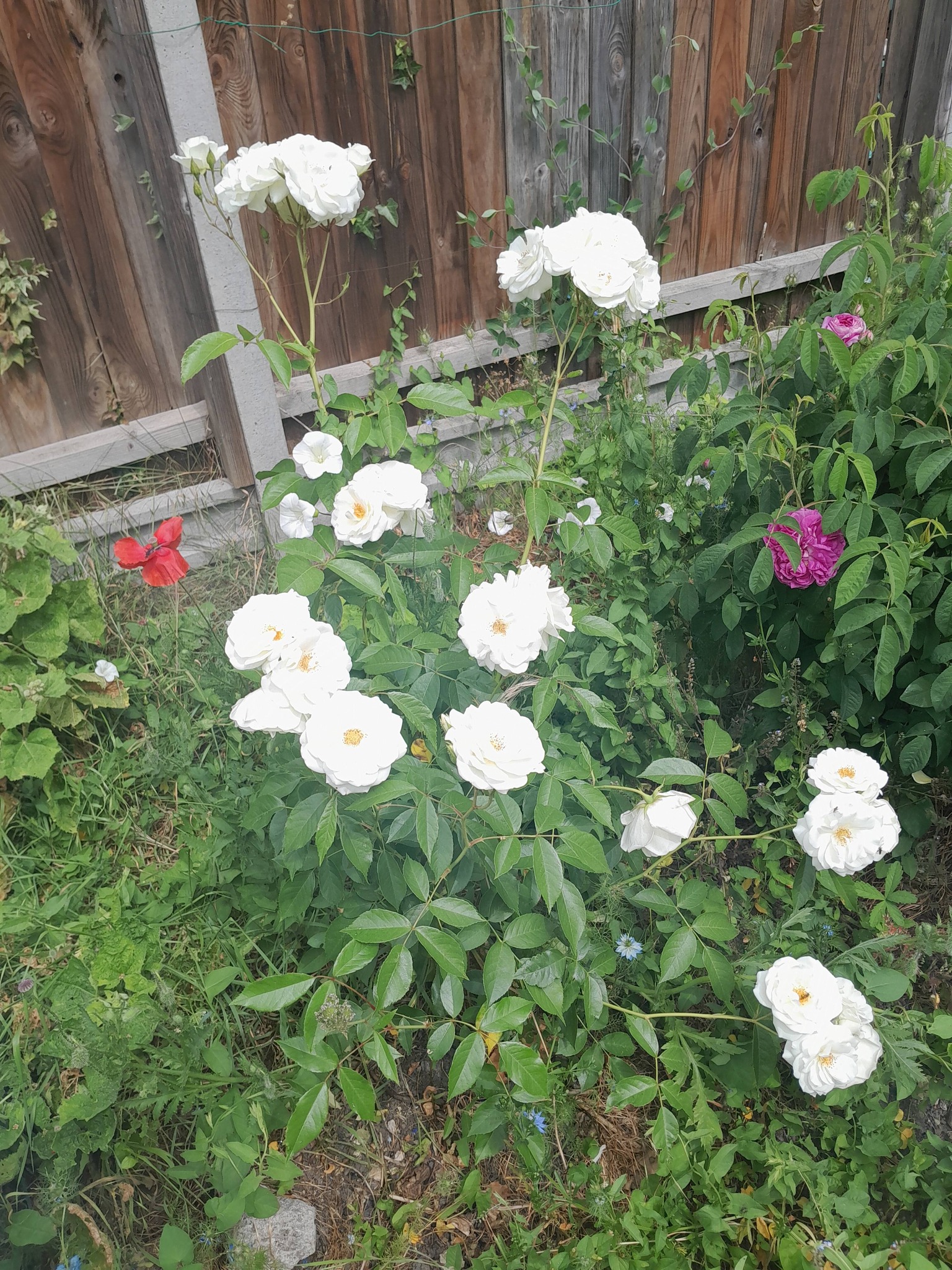
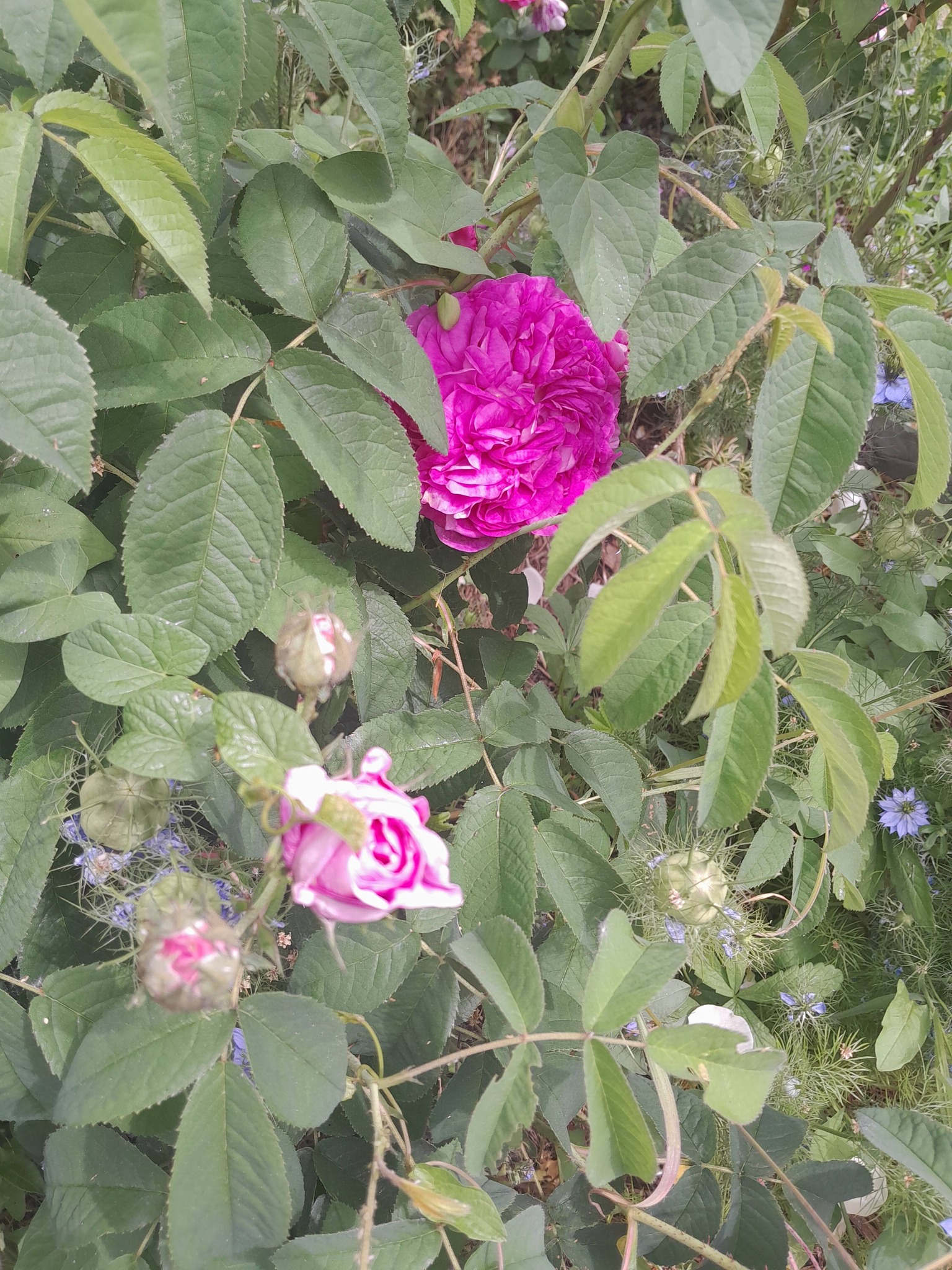
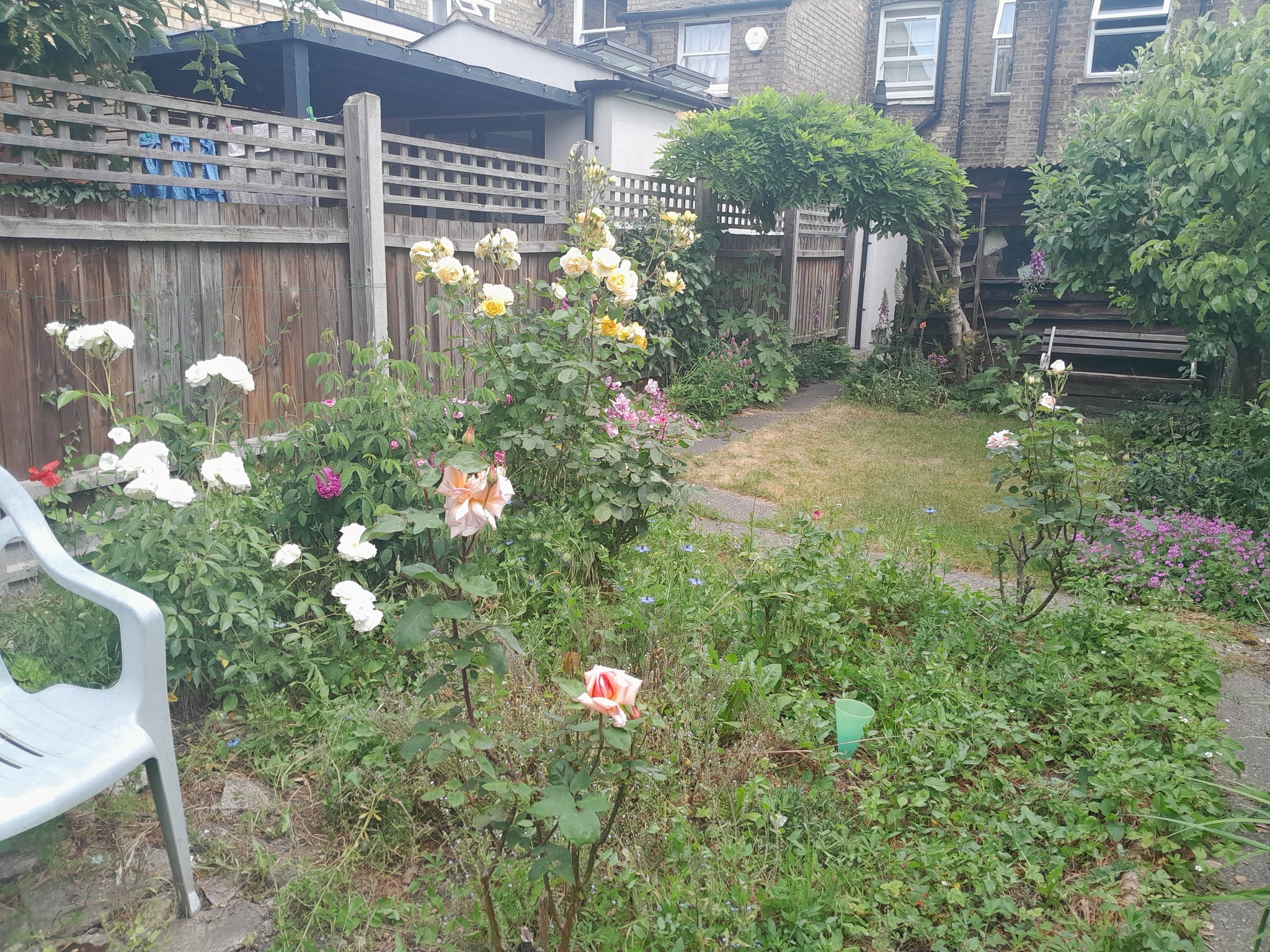
May 9: First rose bud showing colour! Not a good buttercup year. And here come the love-in-a-mist.
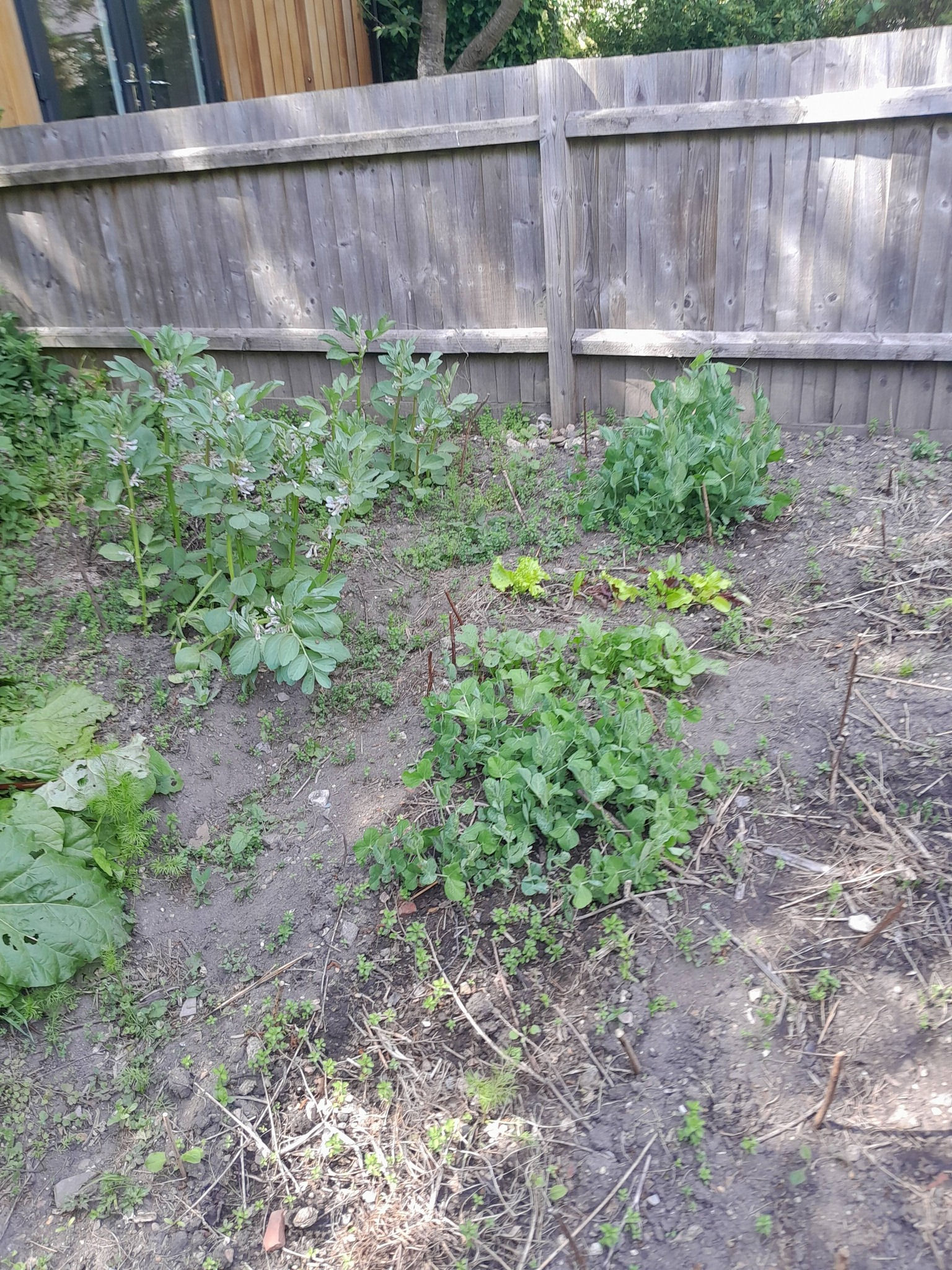
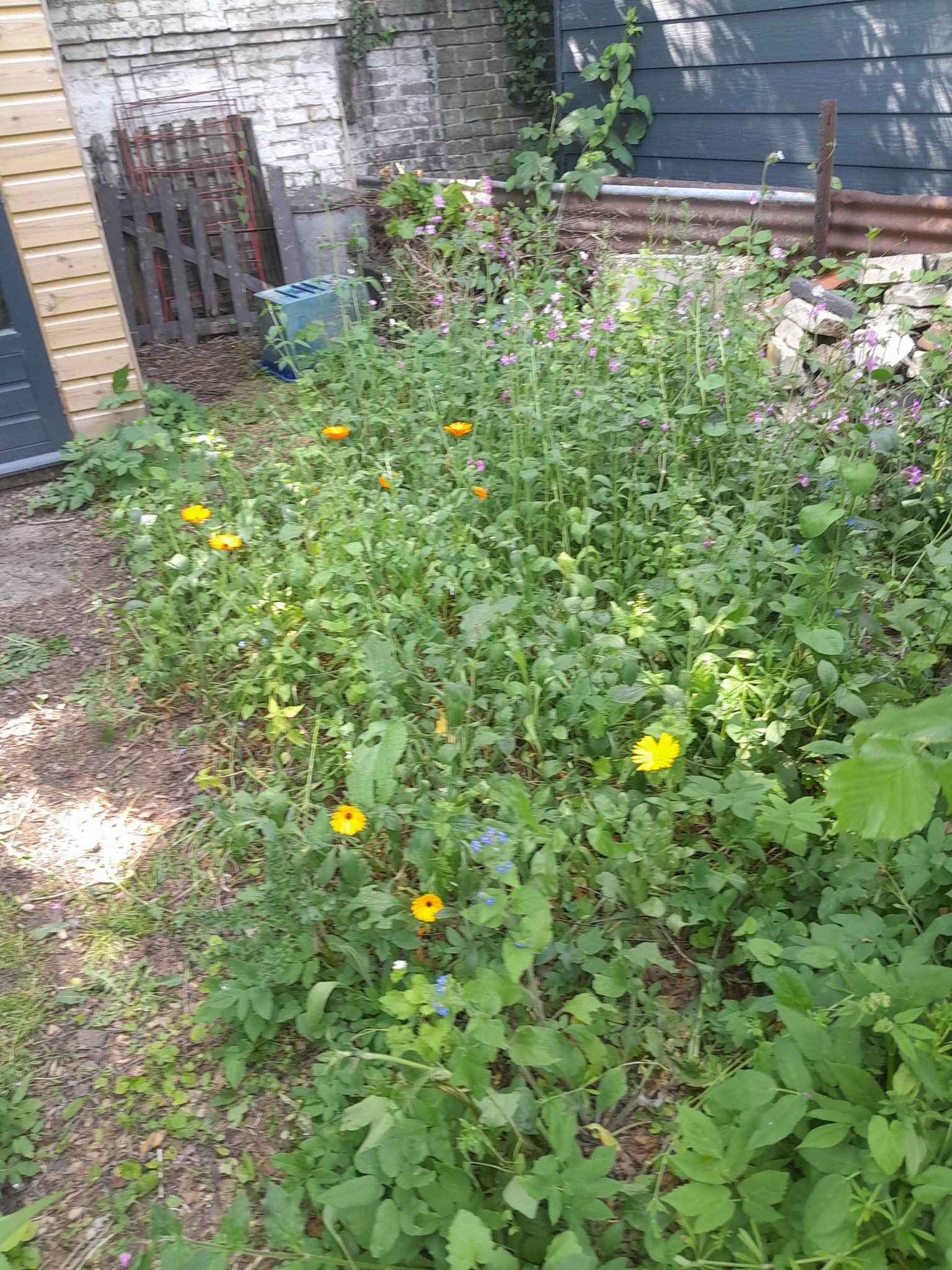
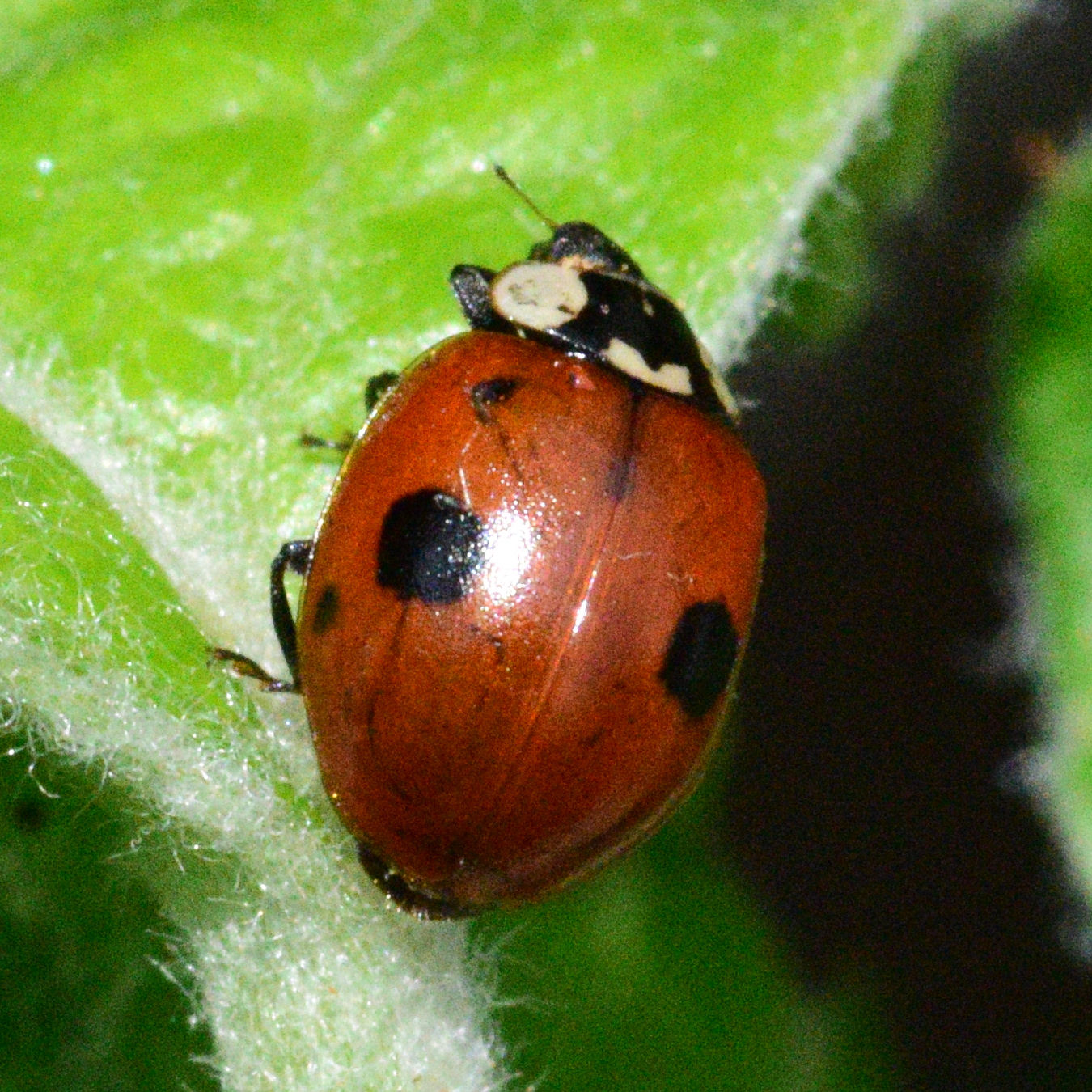
May 10: Adalia bipunctata (2-spot ladybird) - Closely related to the 10-spot ladybird (Apr. 7 2023), and generally the same remarks apply. It also has many melanic variants and you may need a crib-sheet to tell whether some forms are 2s or 10s. Also an aphid eater and common throughout England, Wales and lowland Scotland.
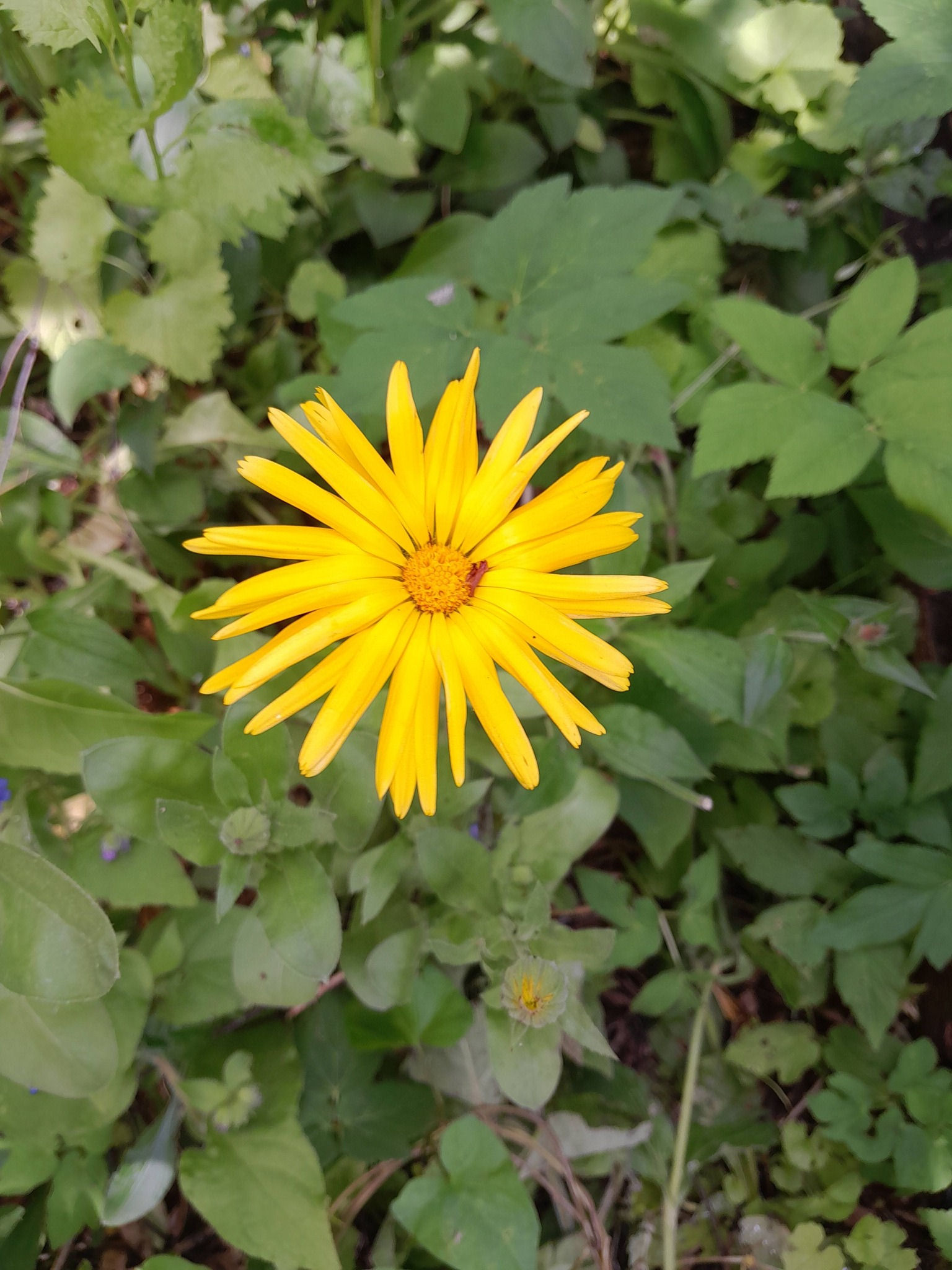
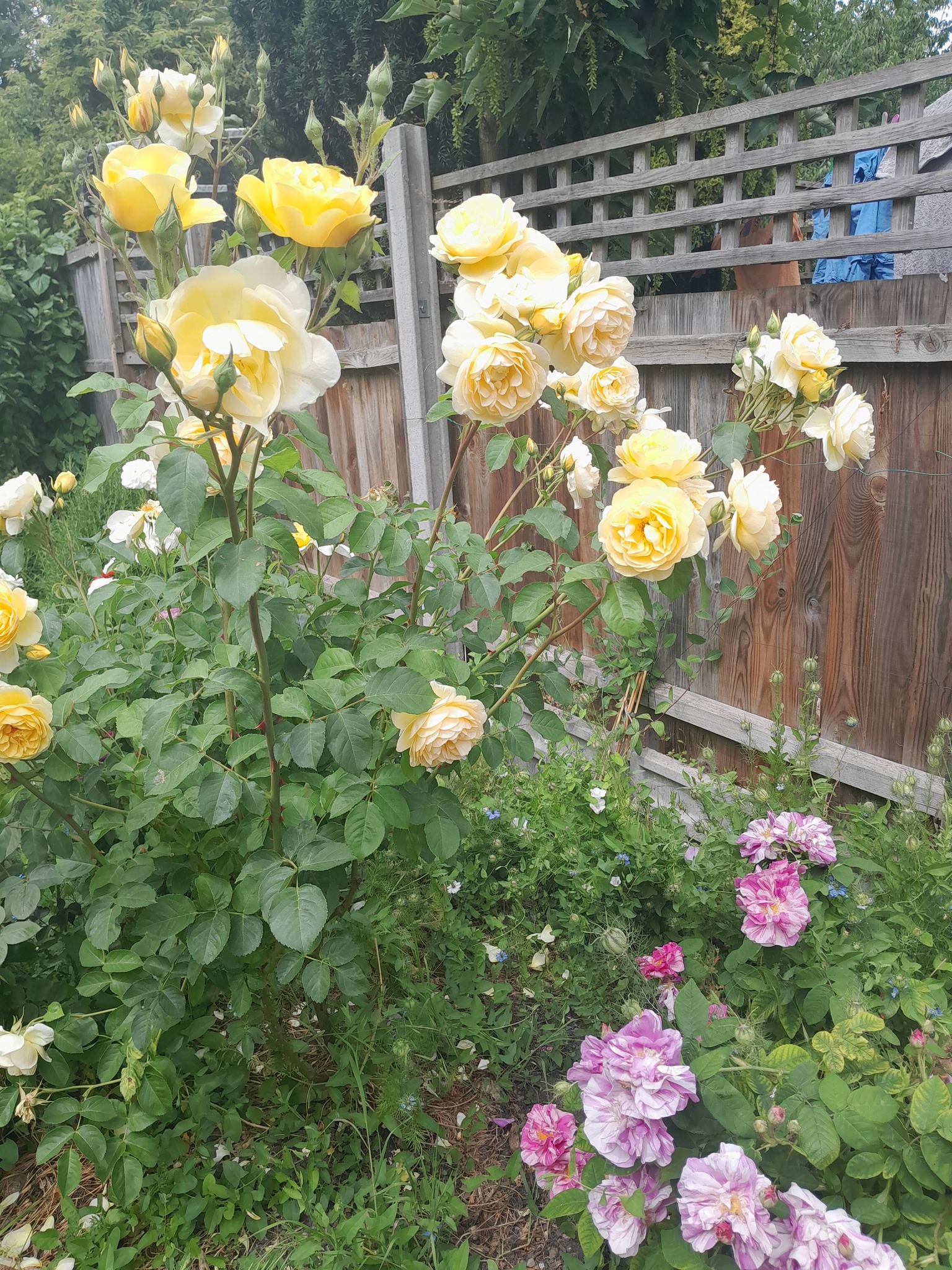
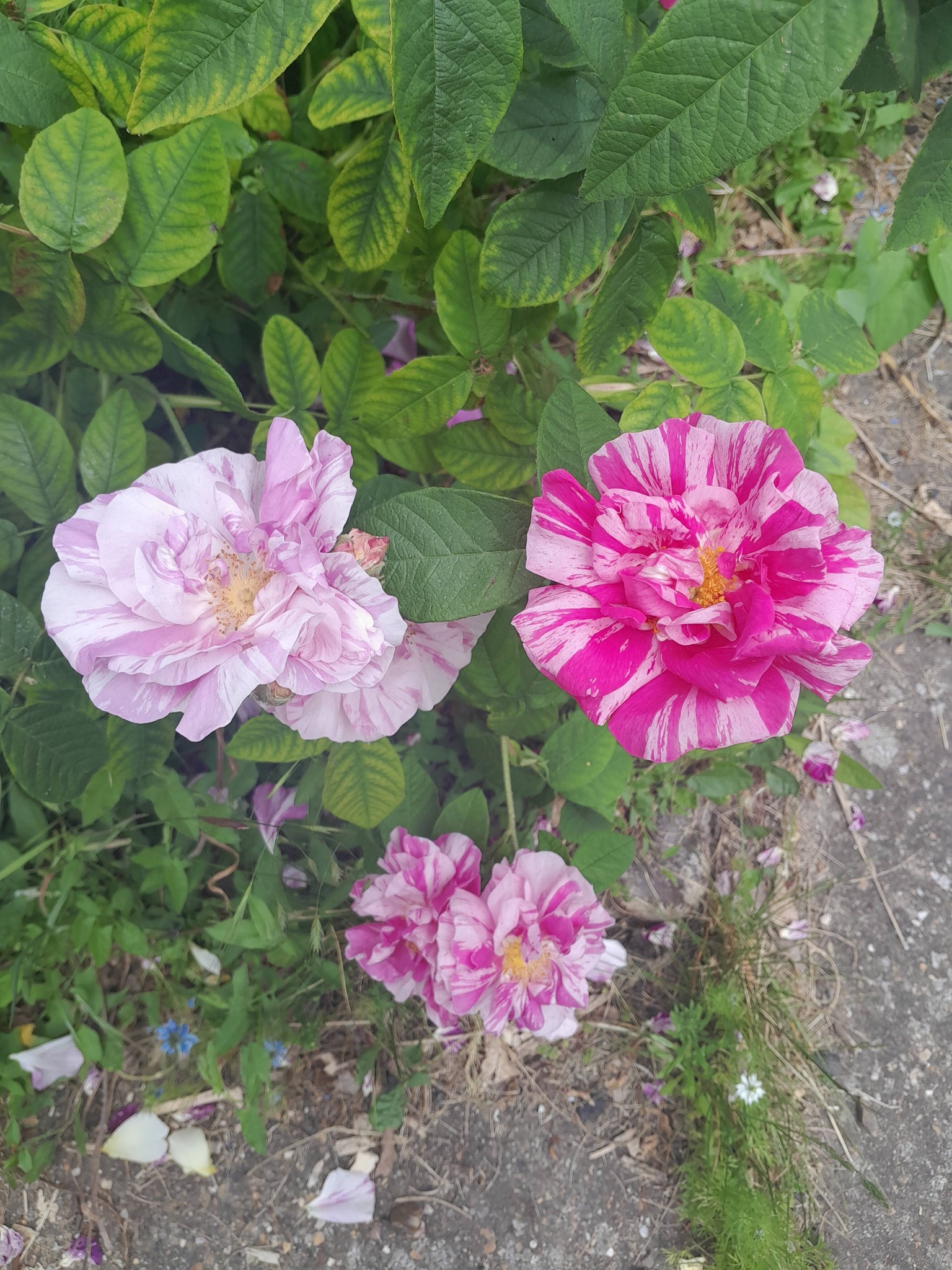
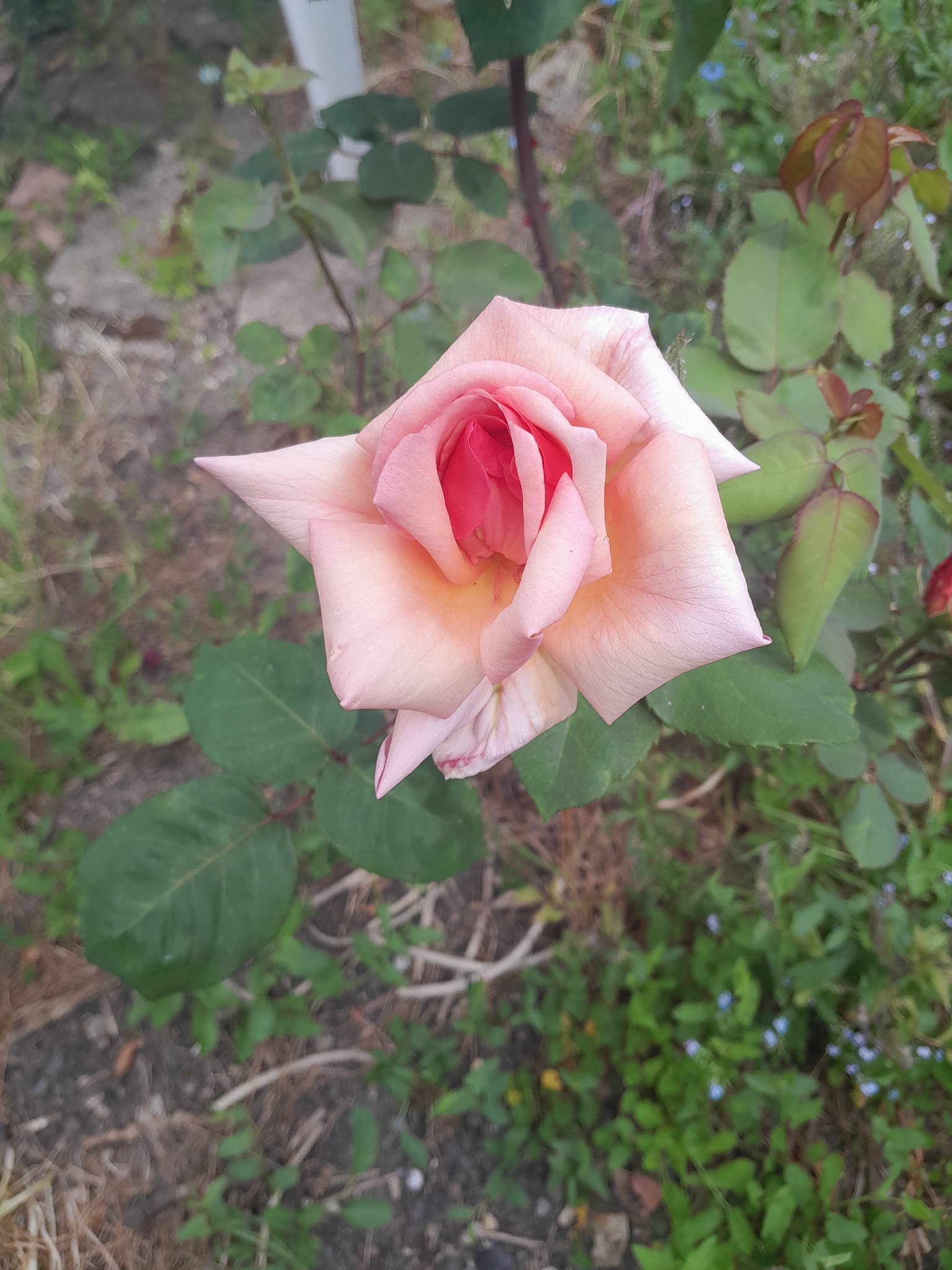
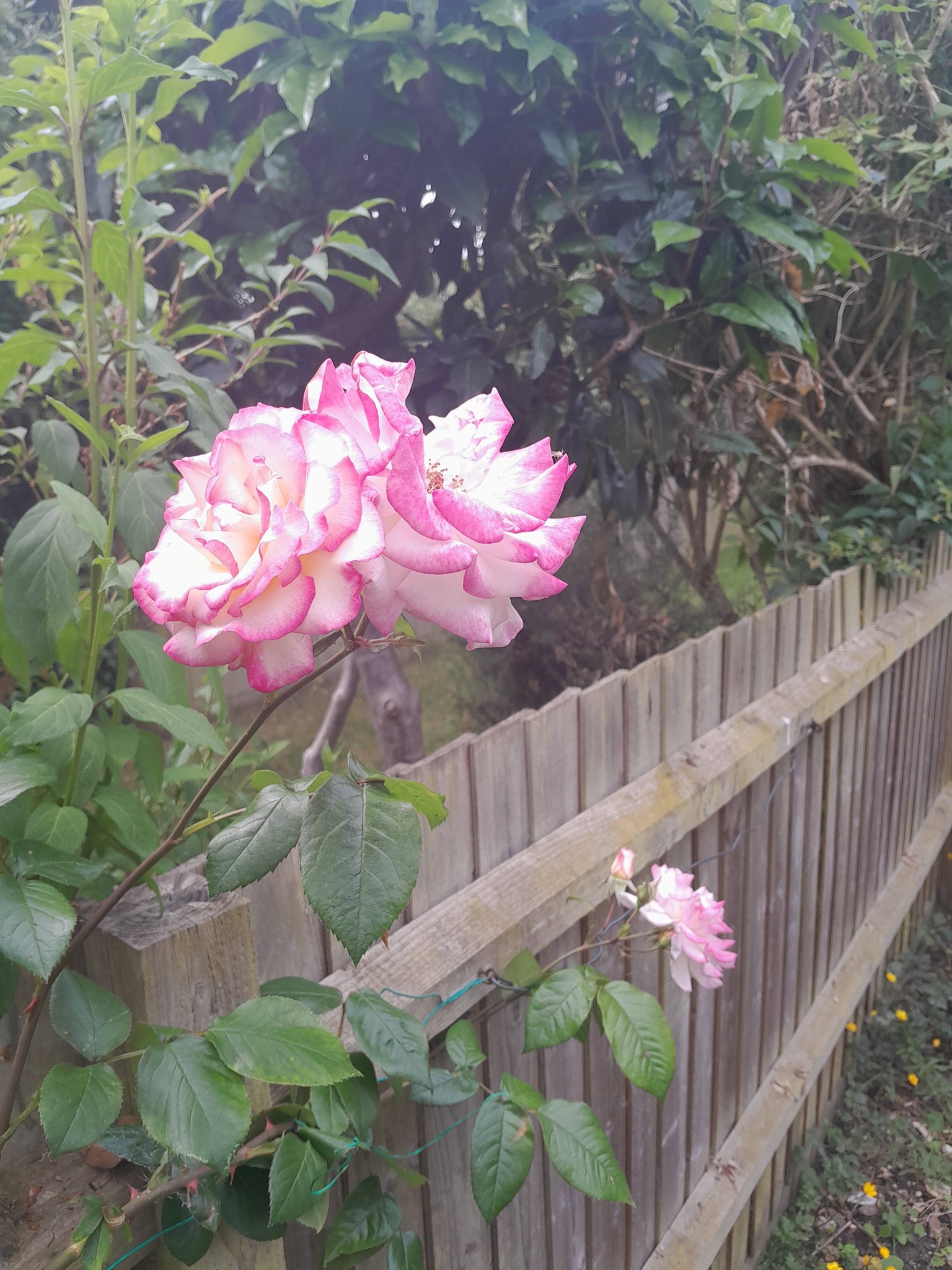
May 15: First rose. Cold. But at least we got some rain.
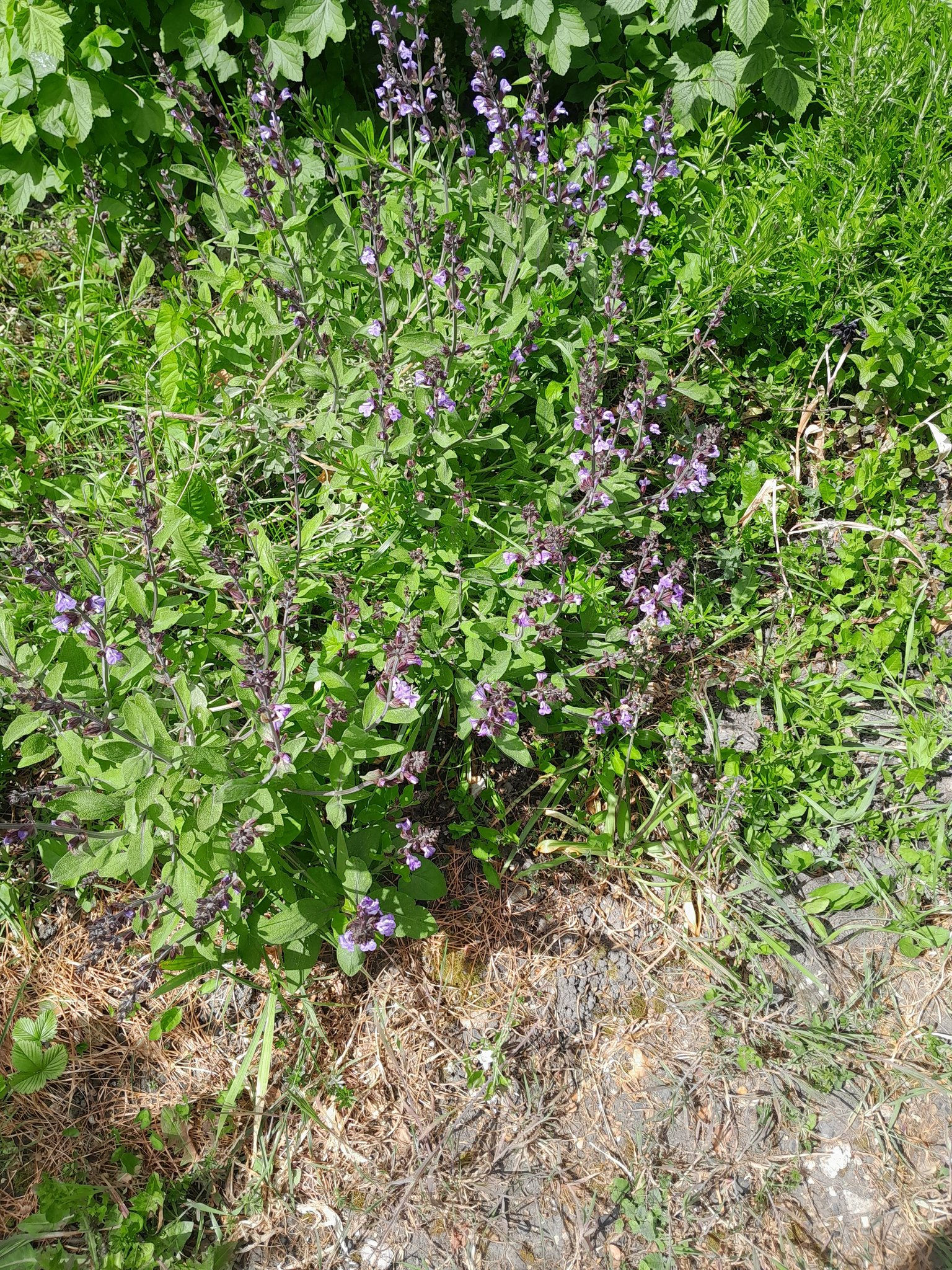
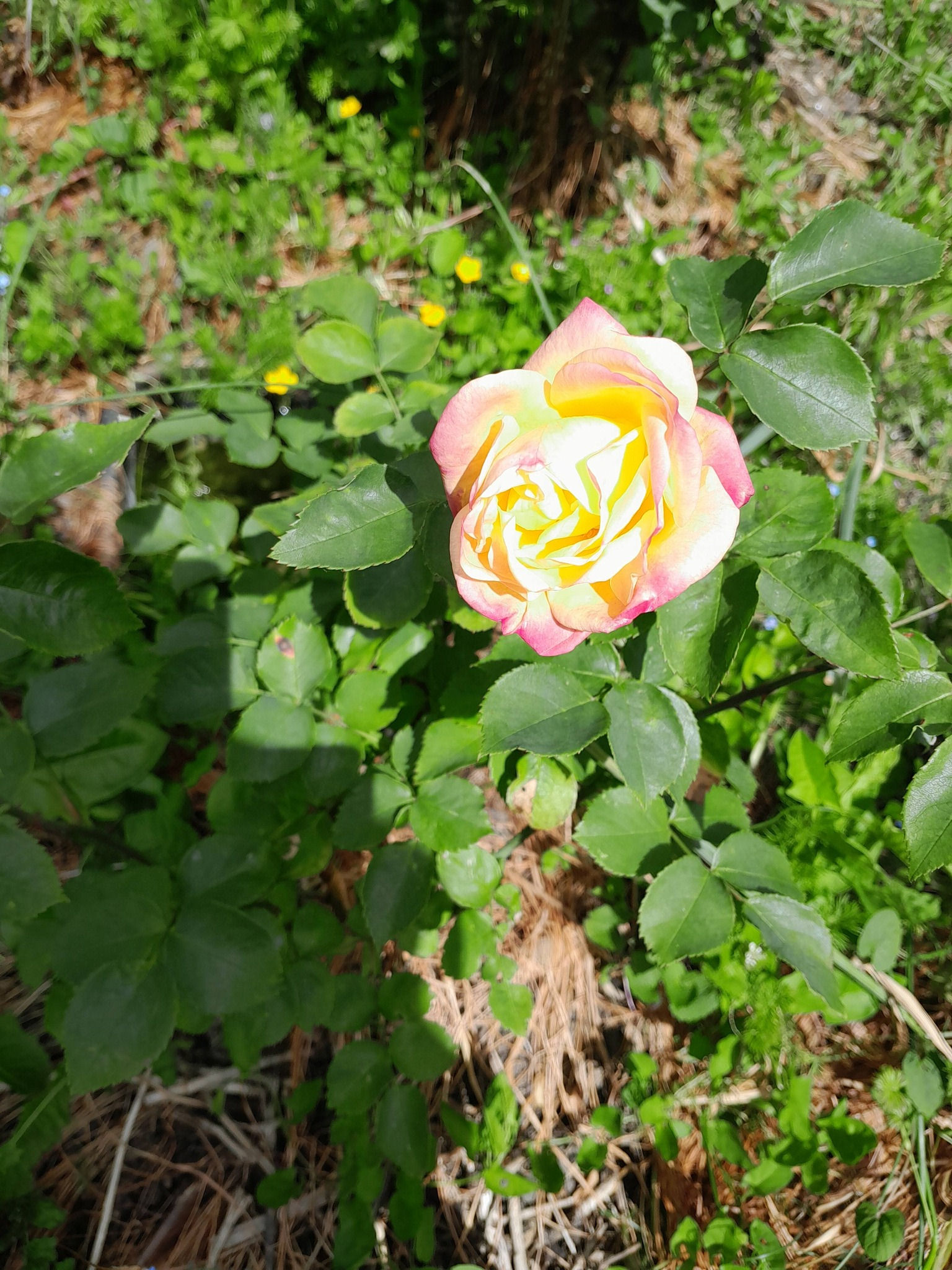
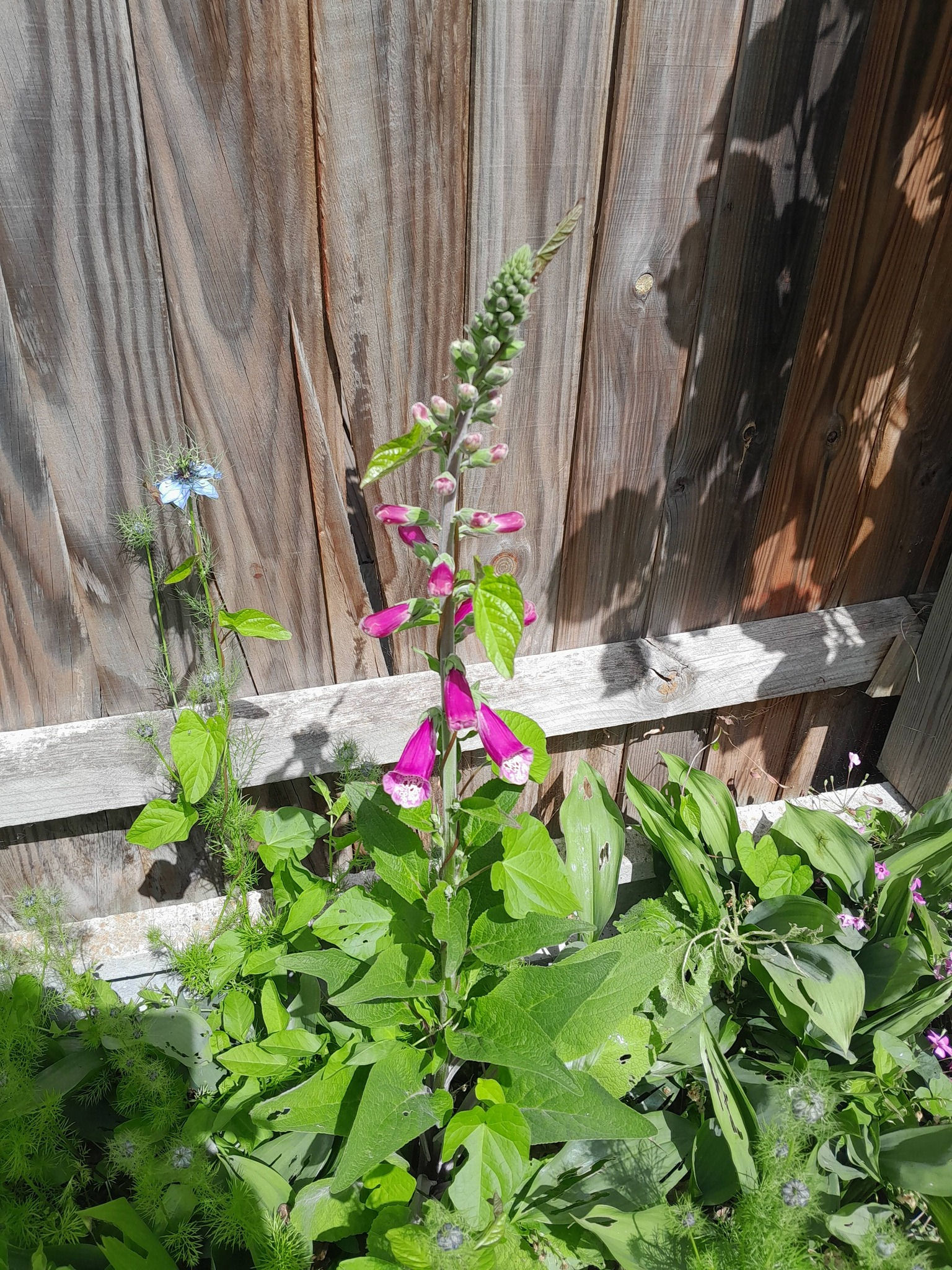
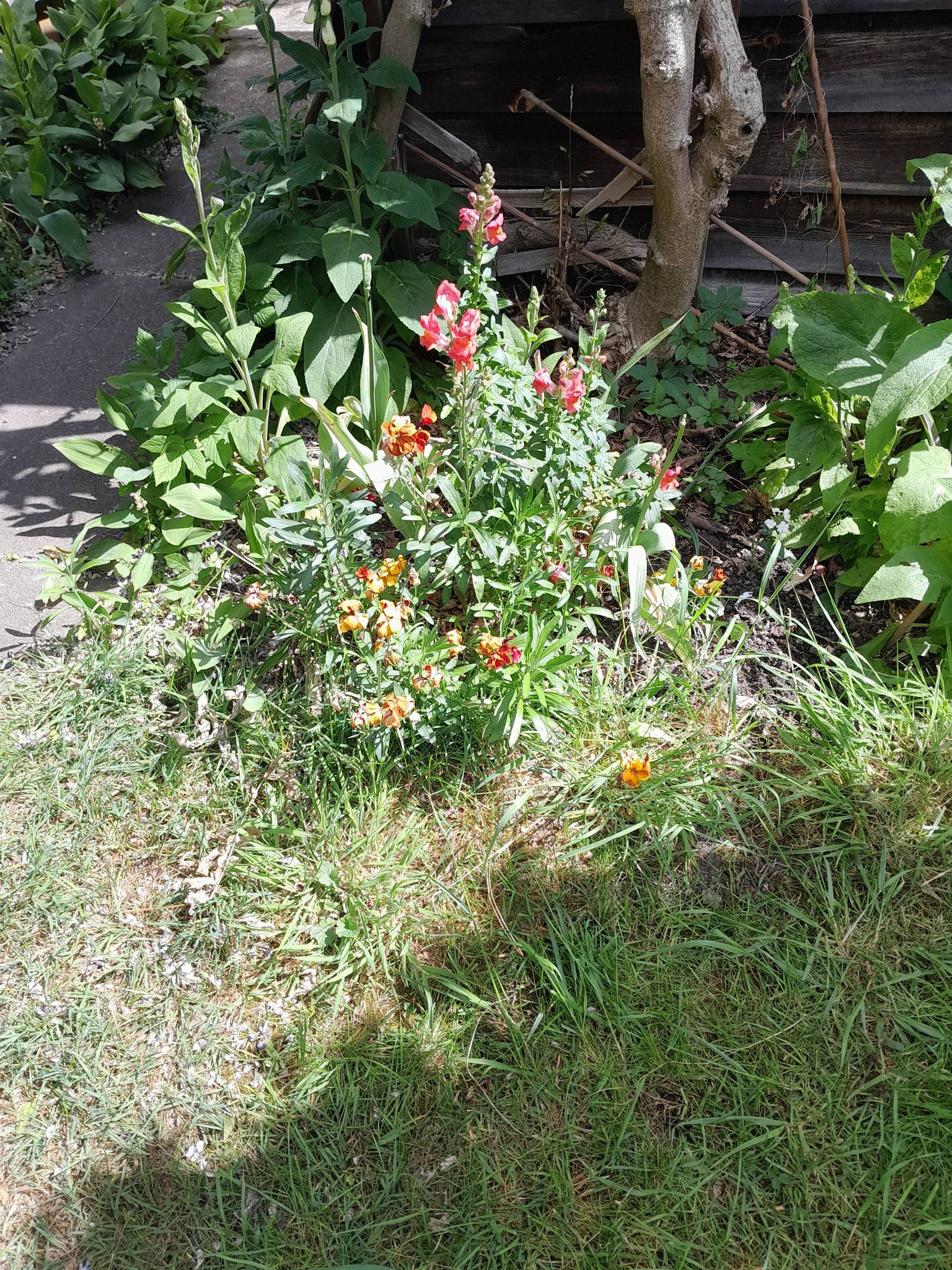
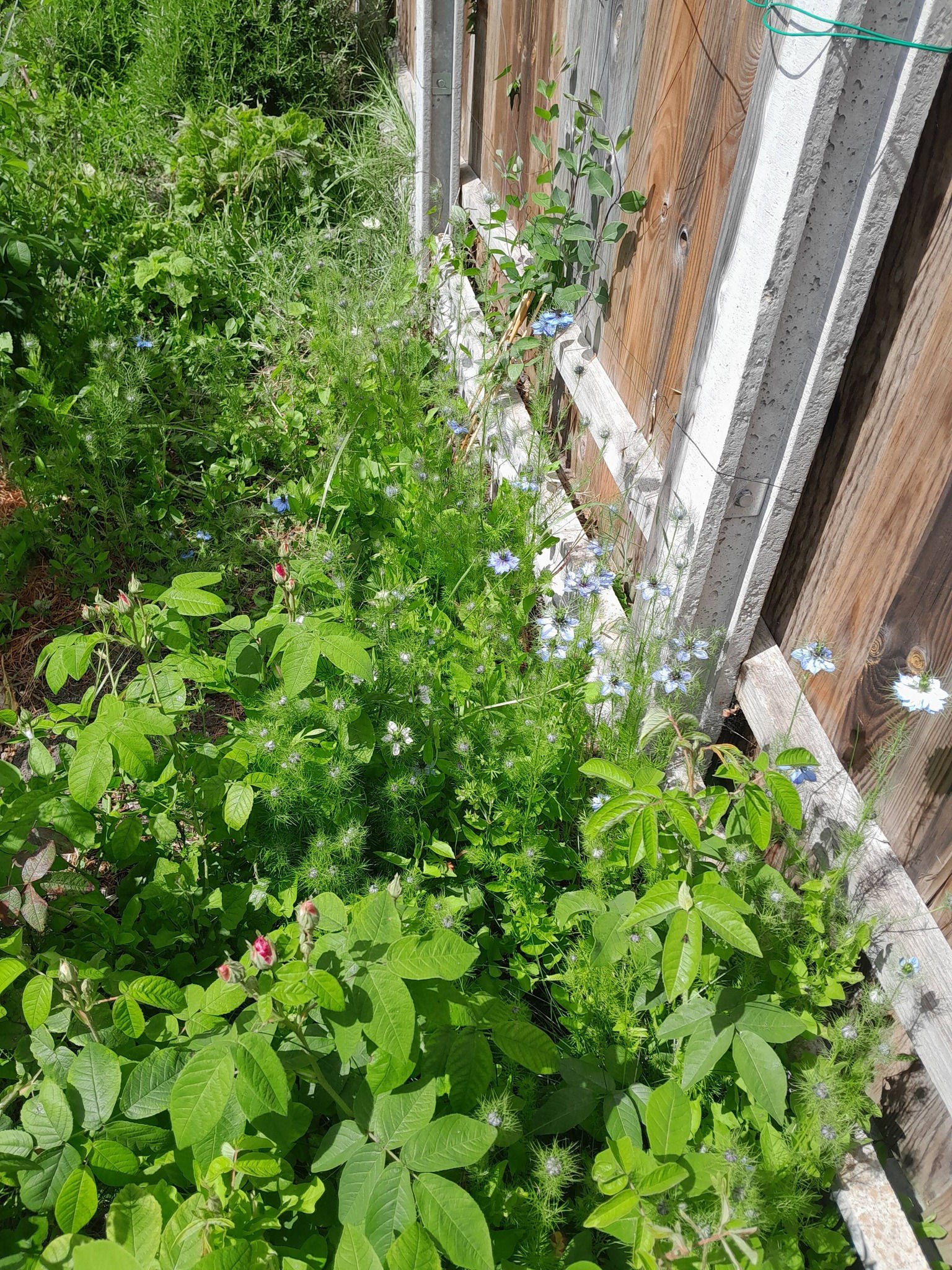
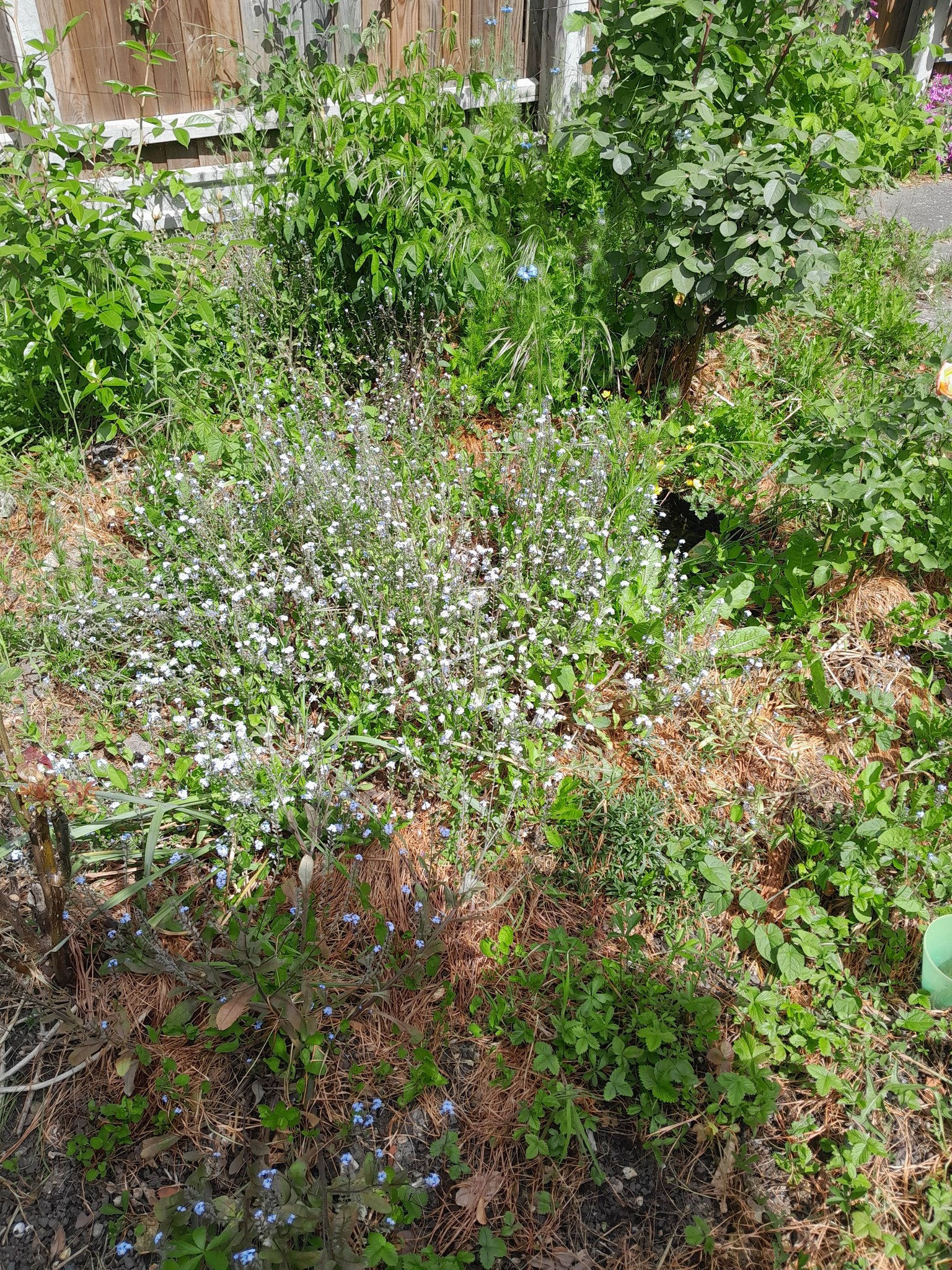
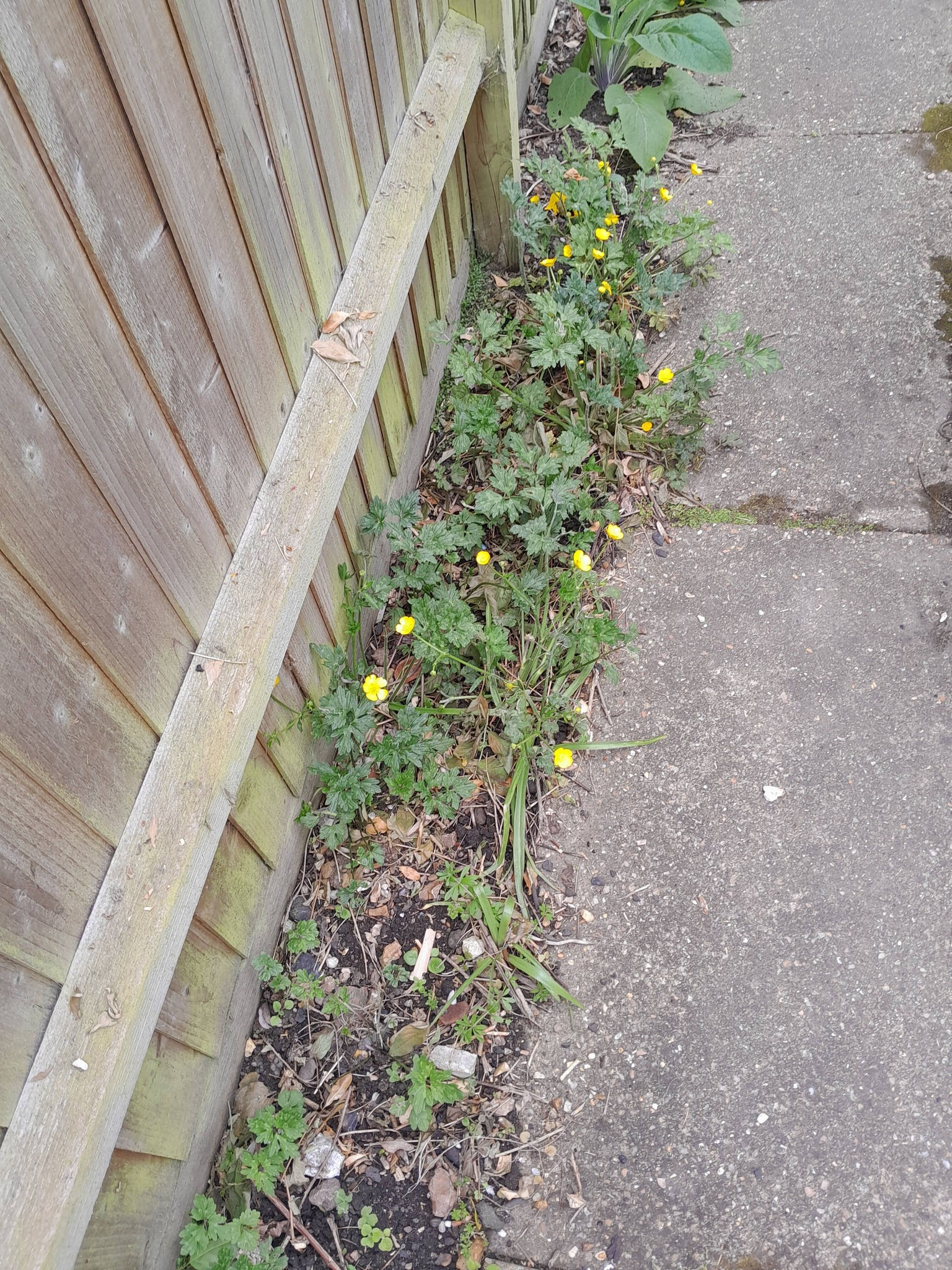
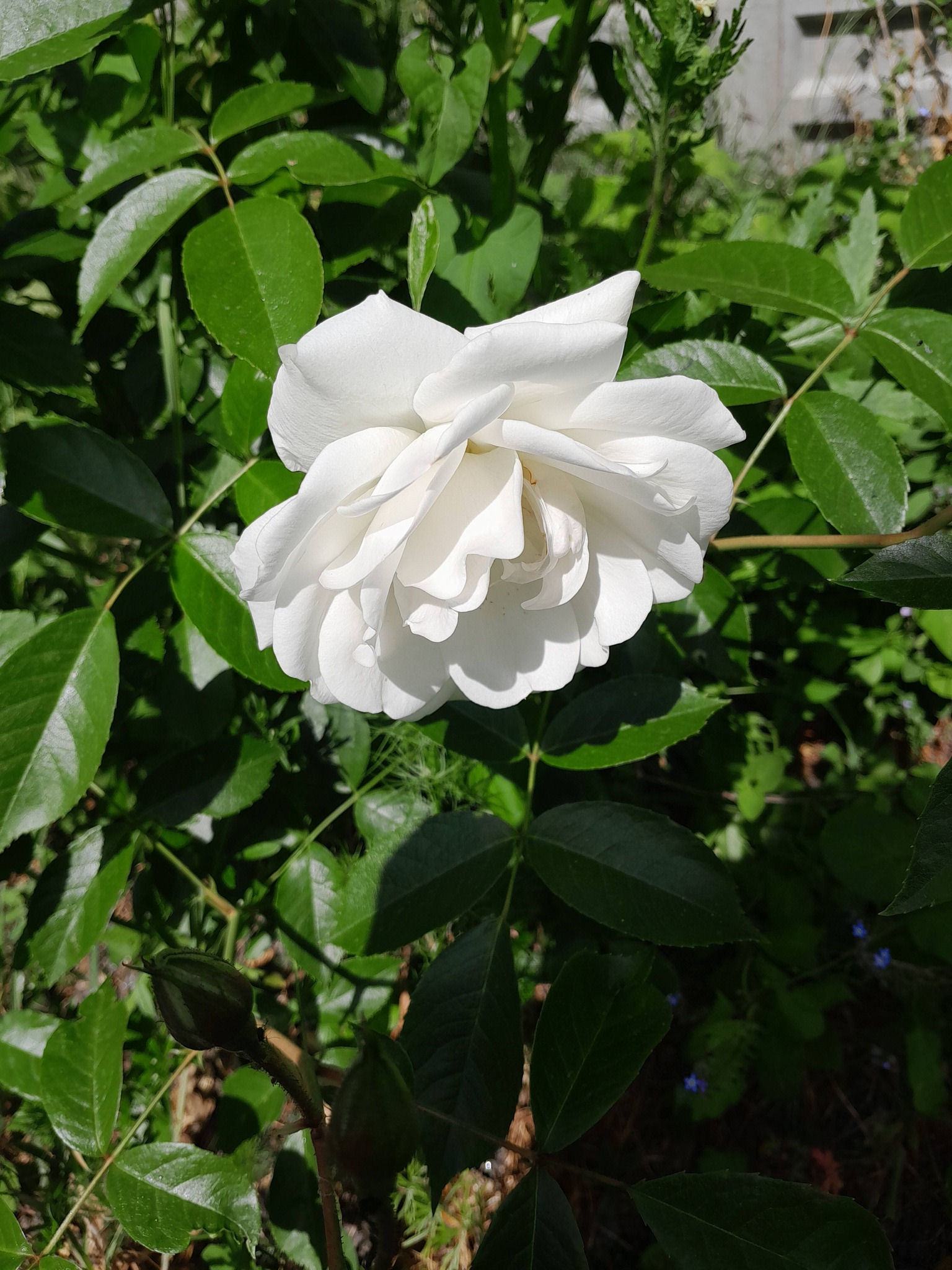
May 23: The heat wave arrives....
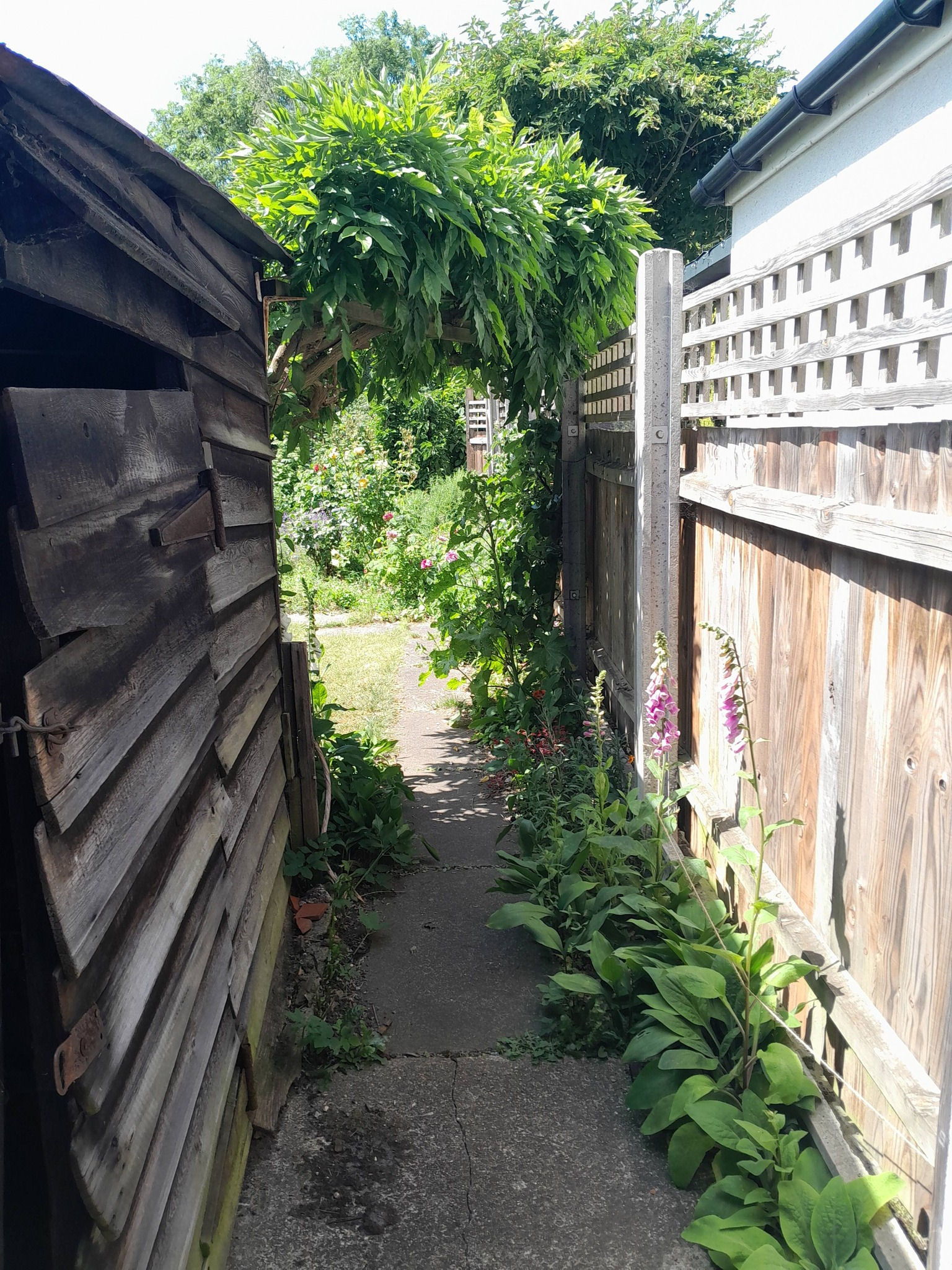
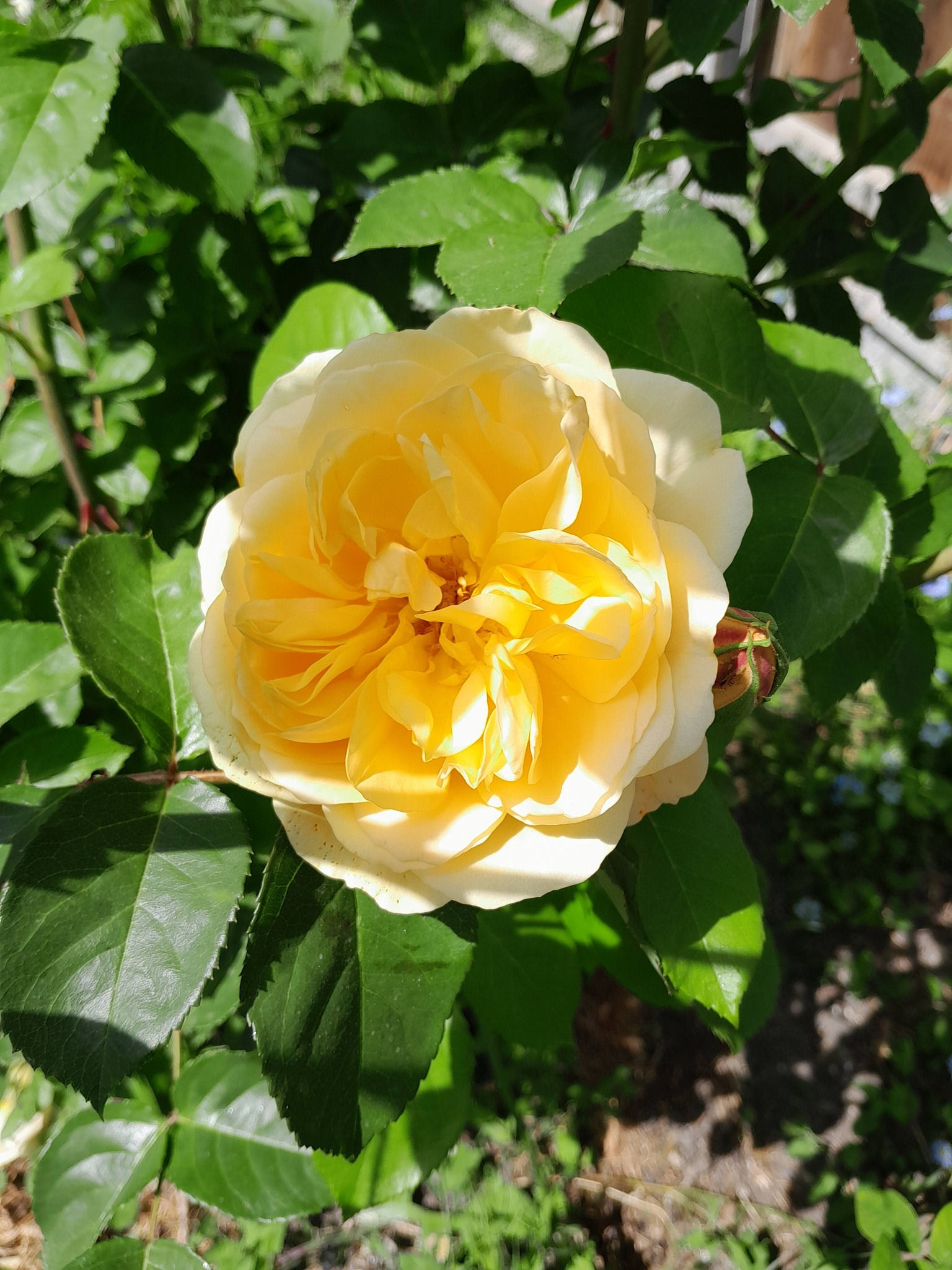
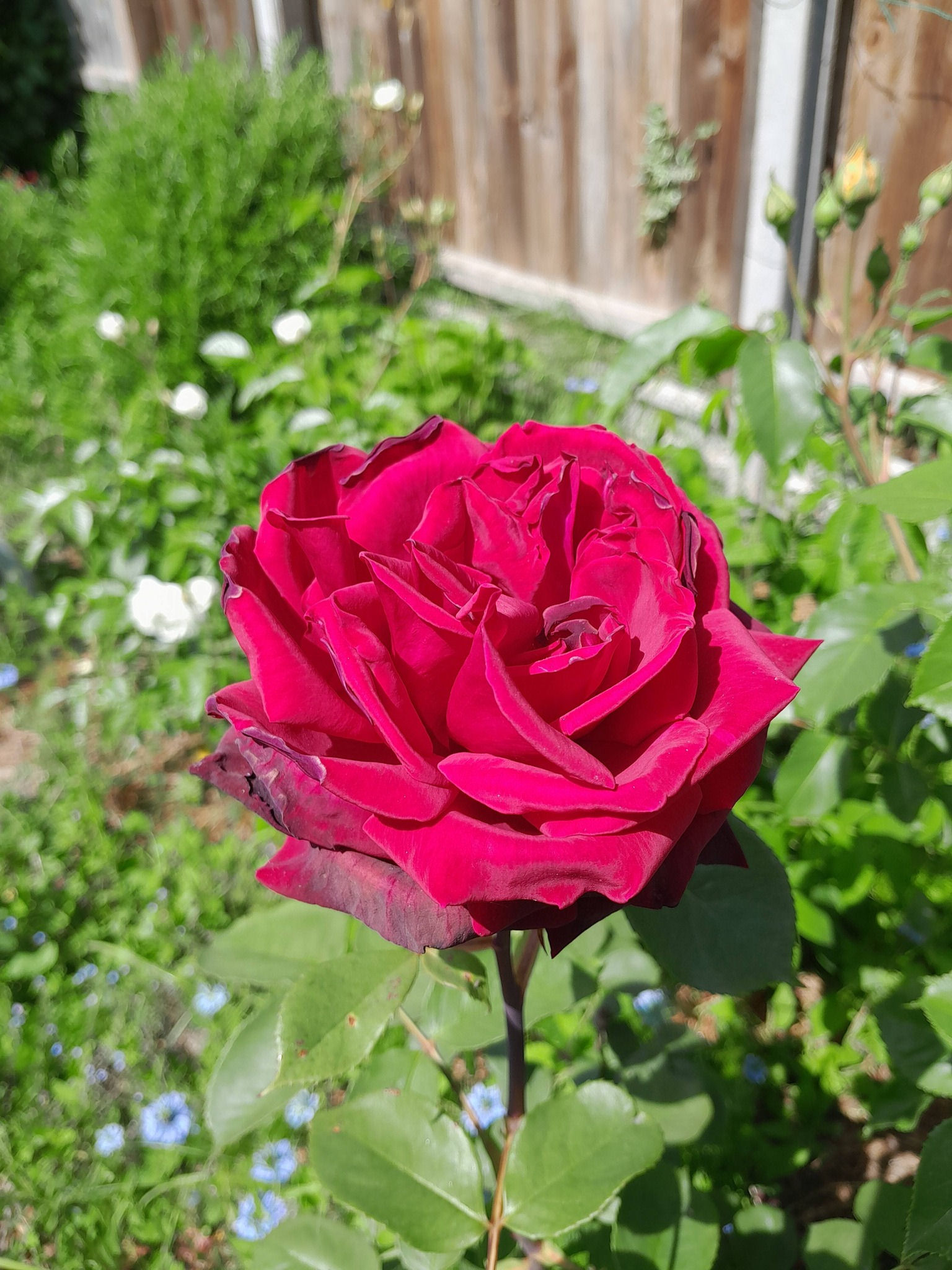
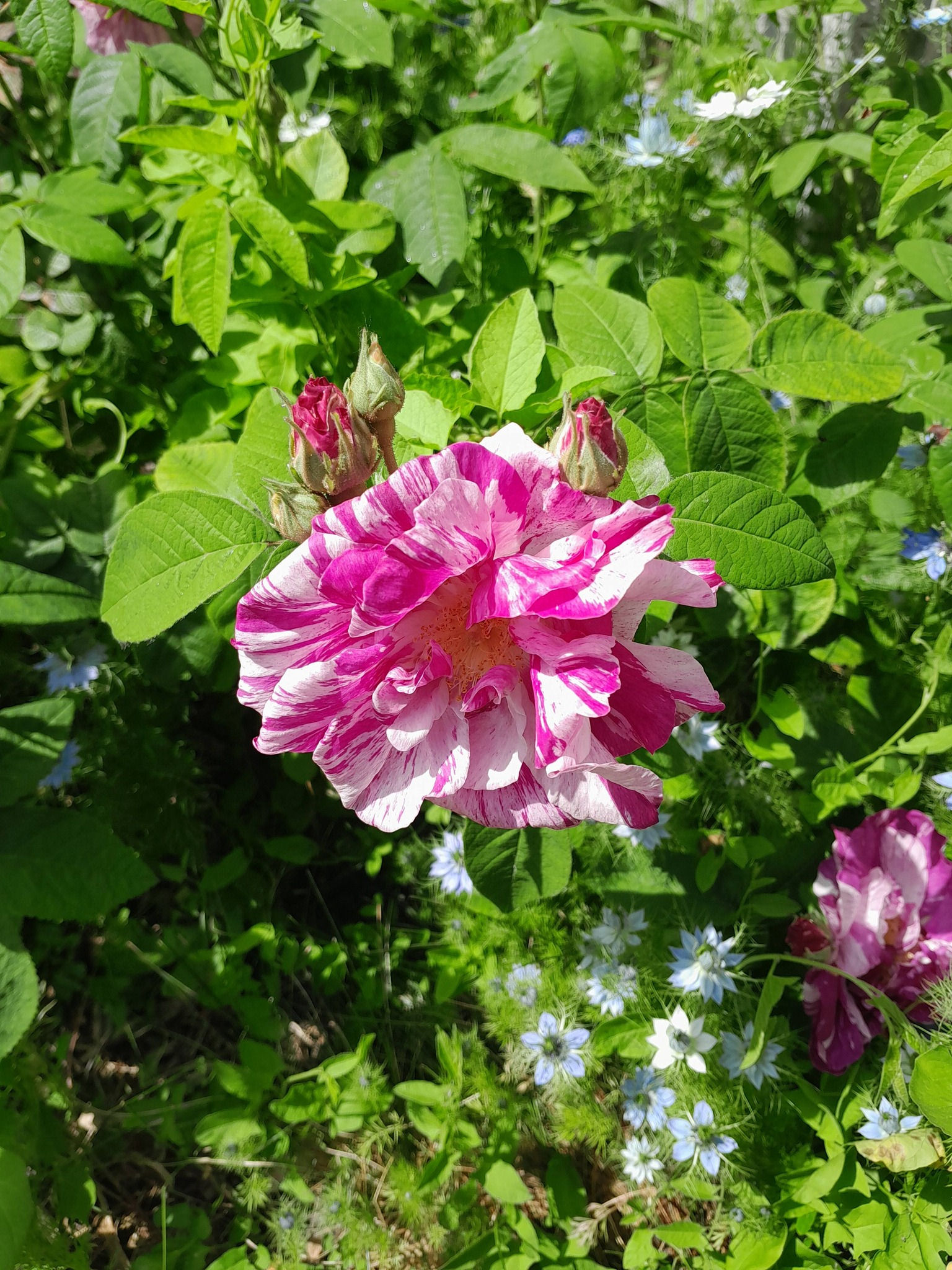
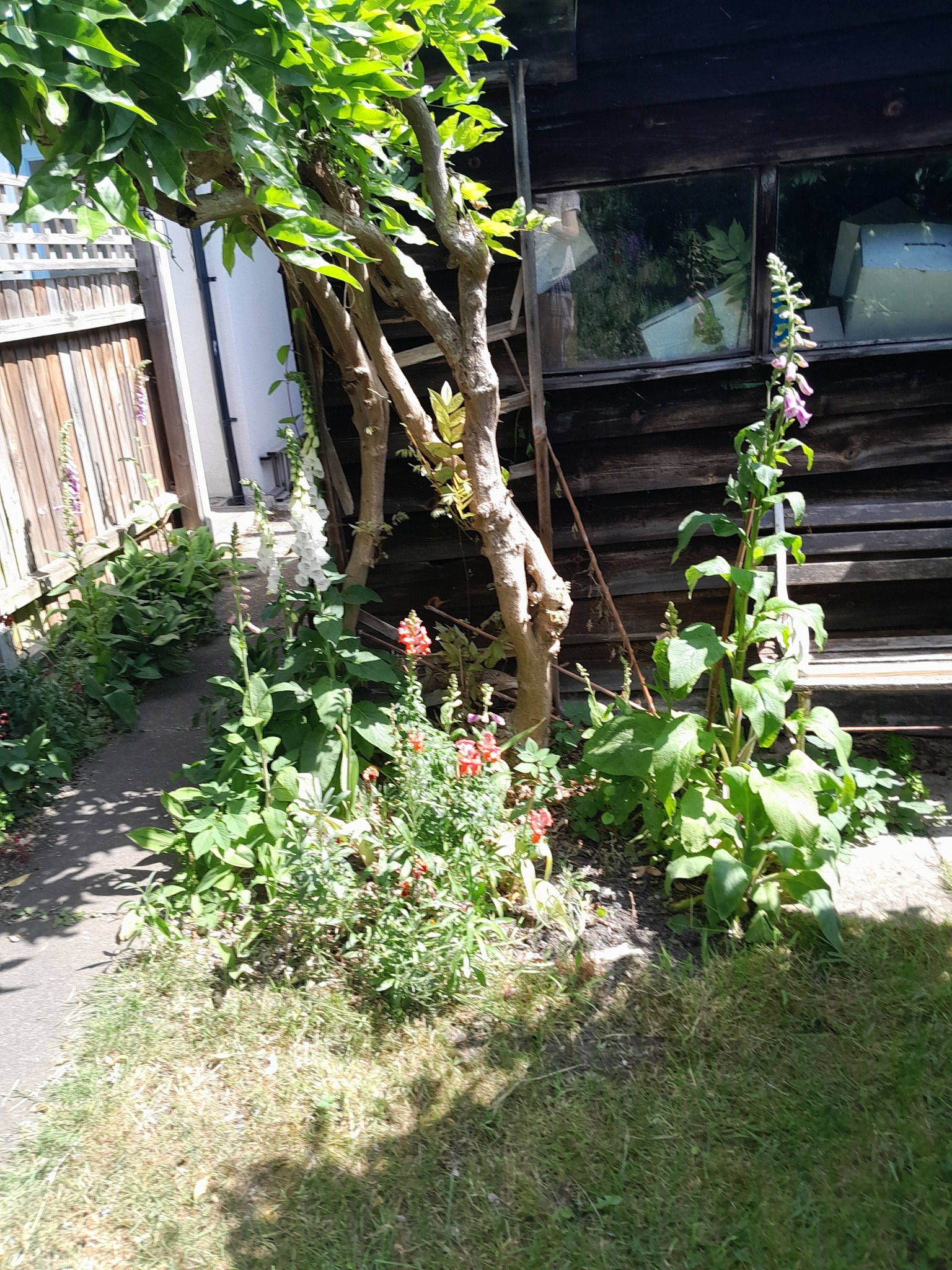
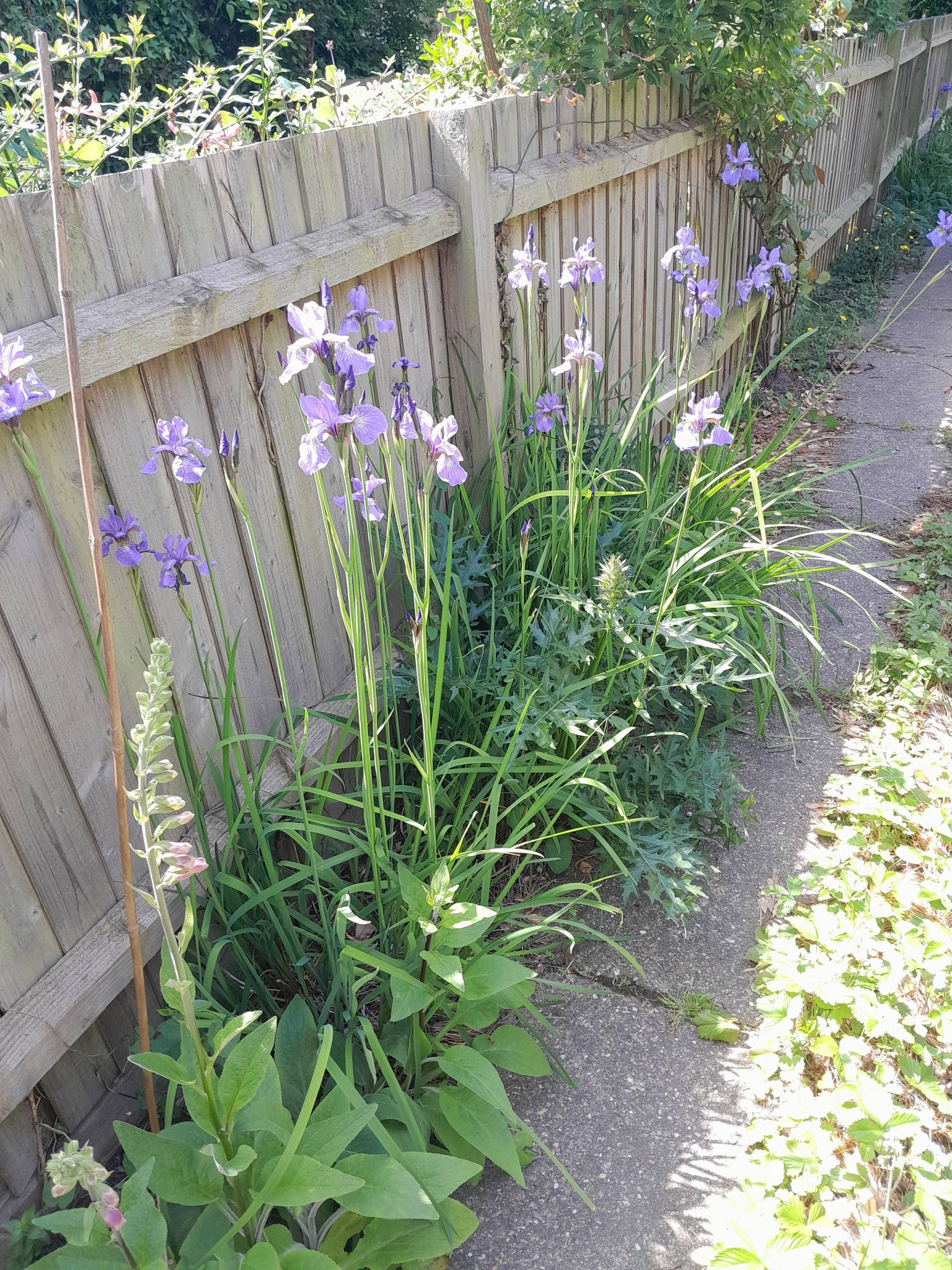
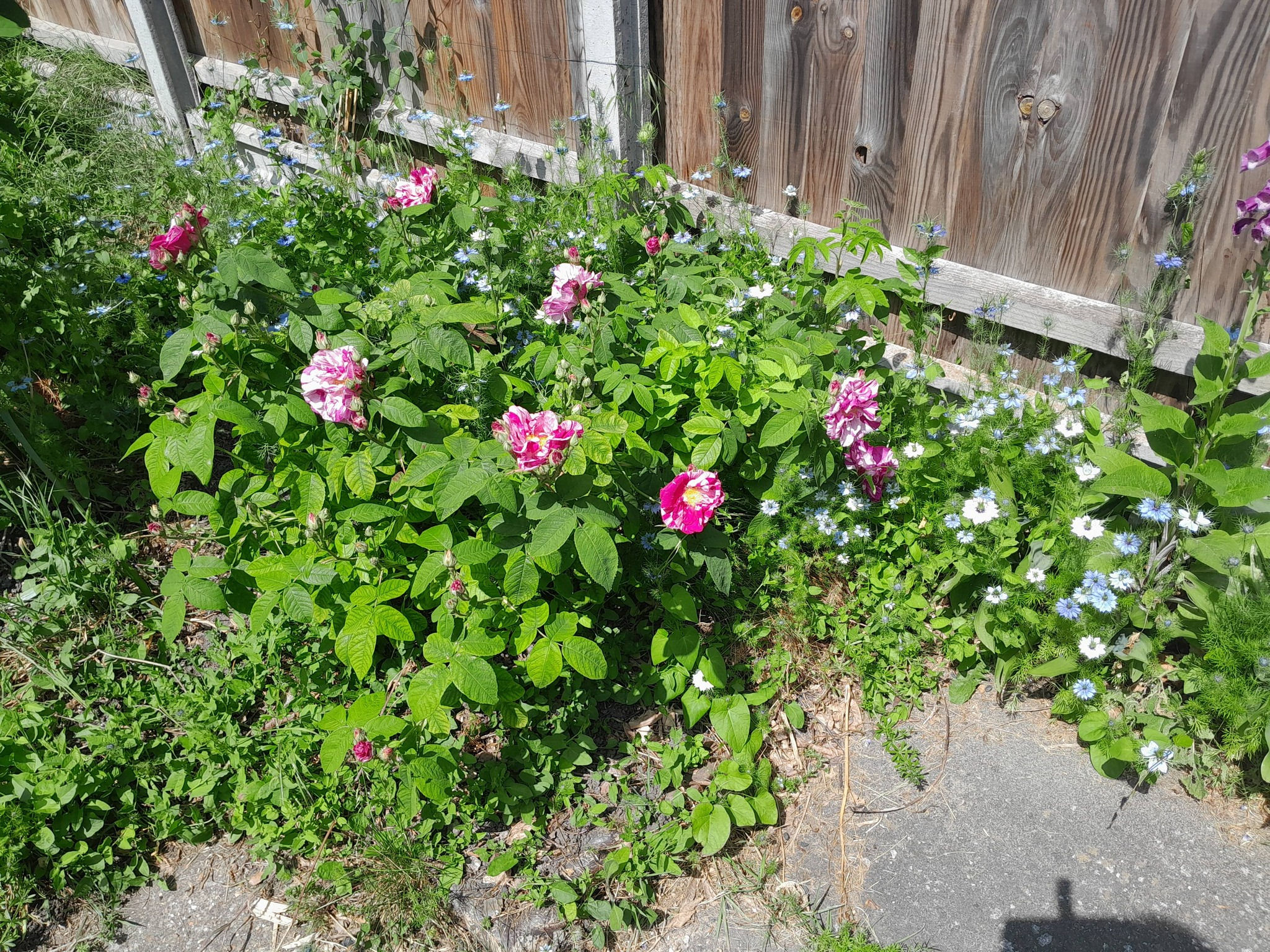
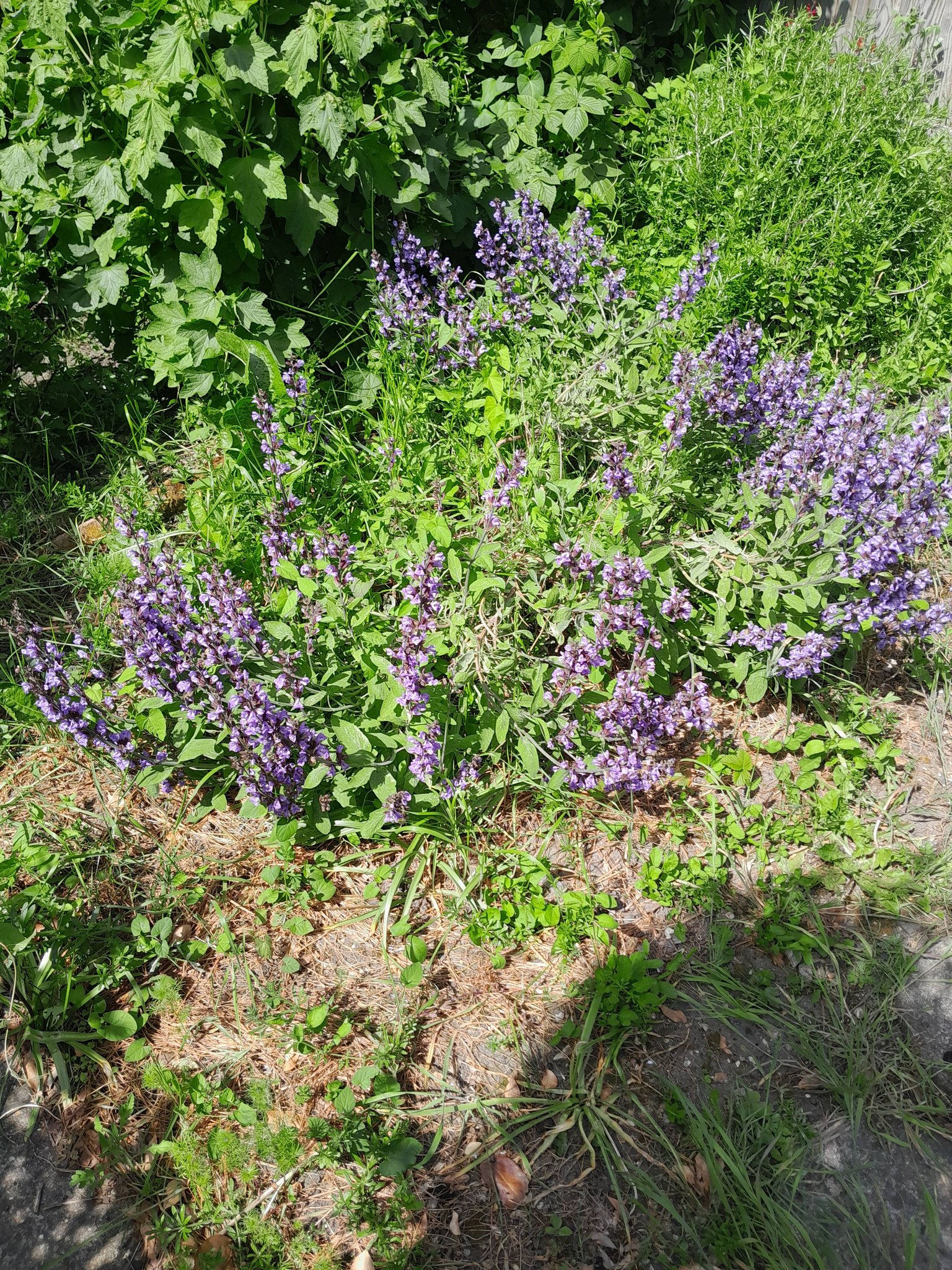
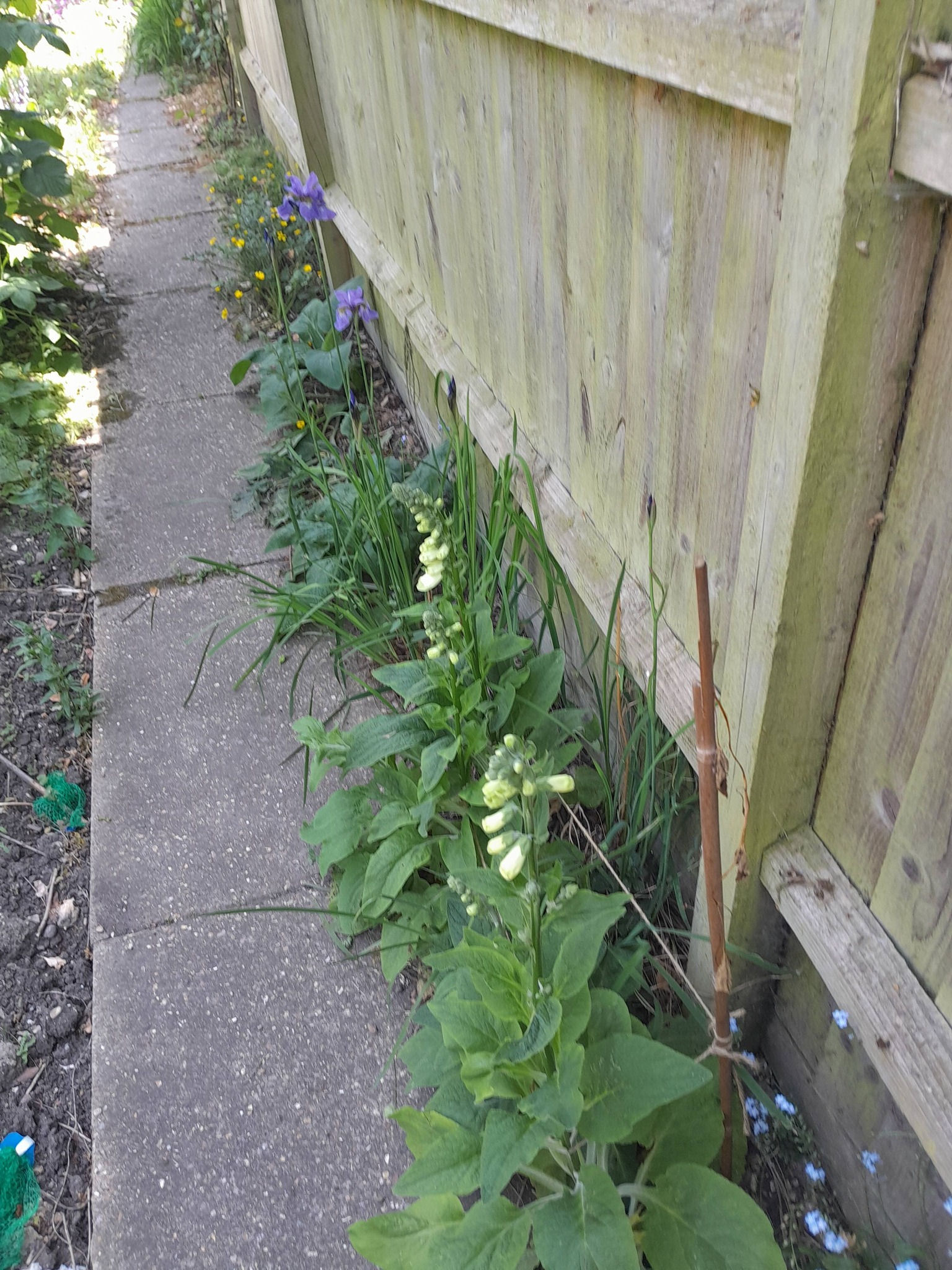
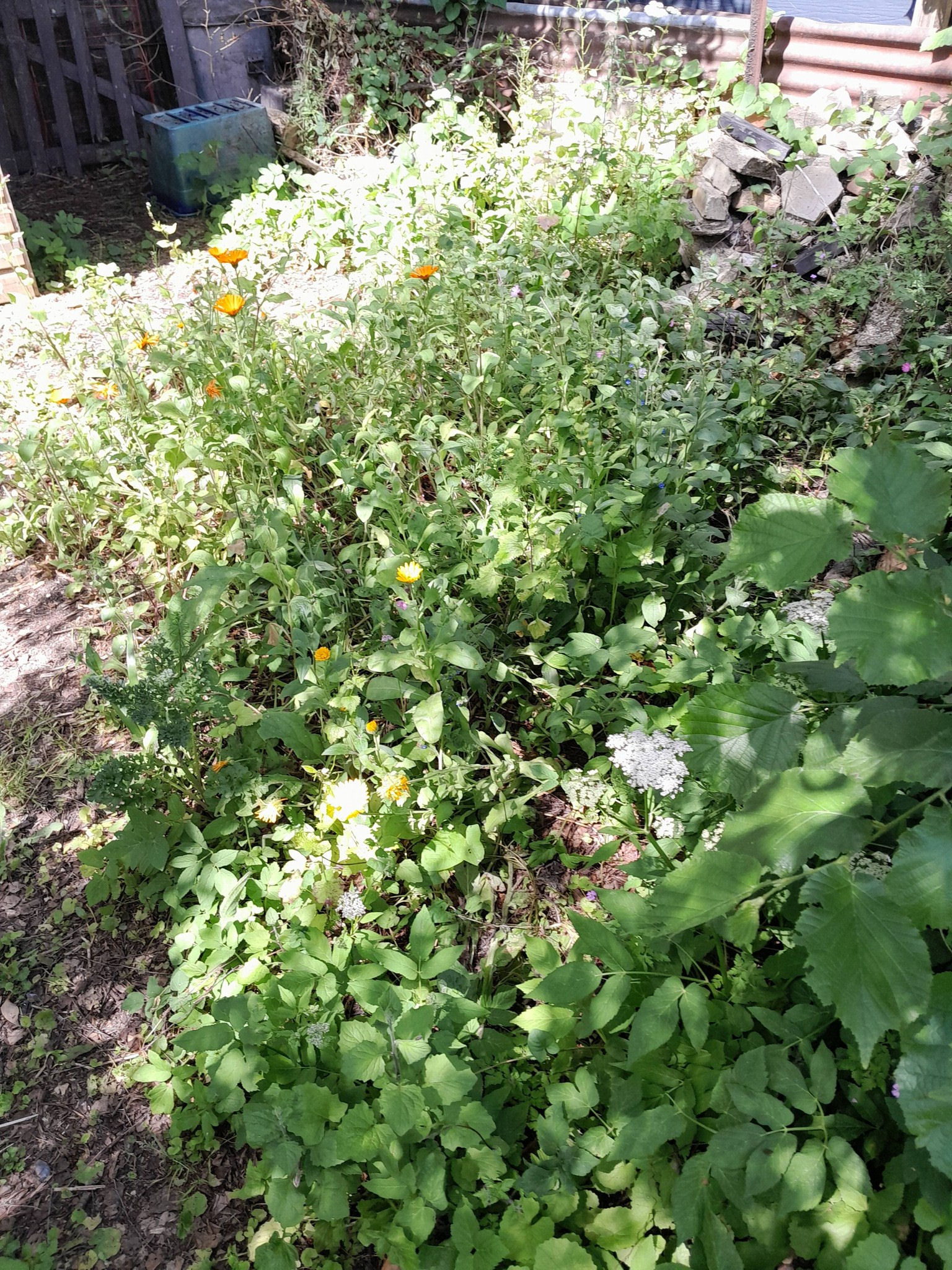
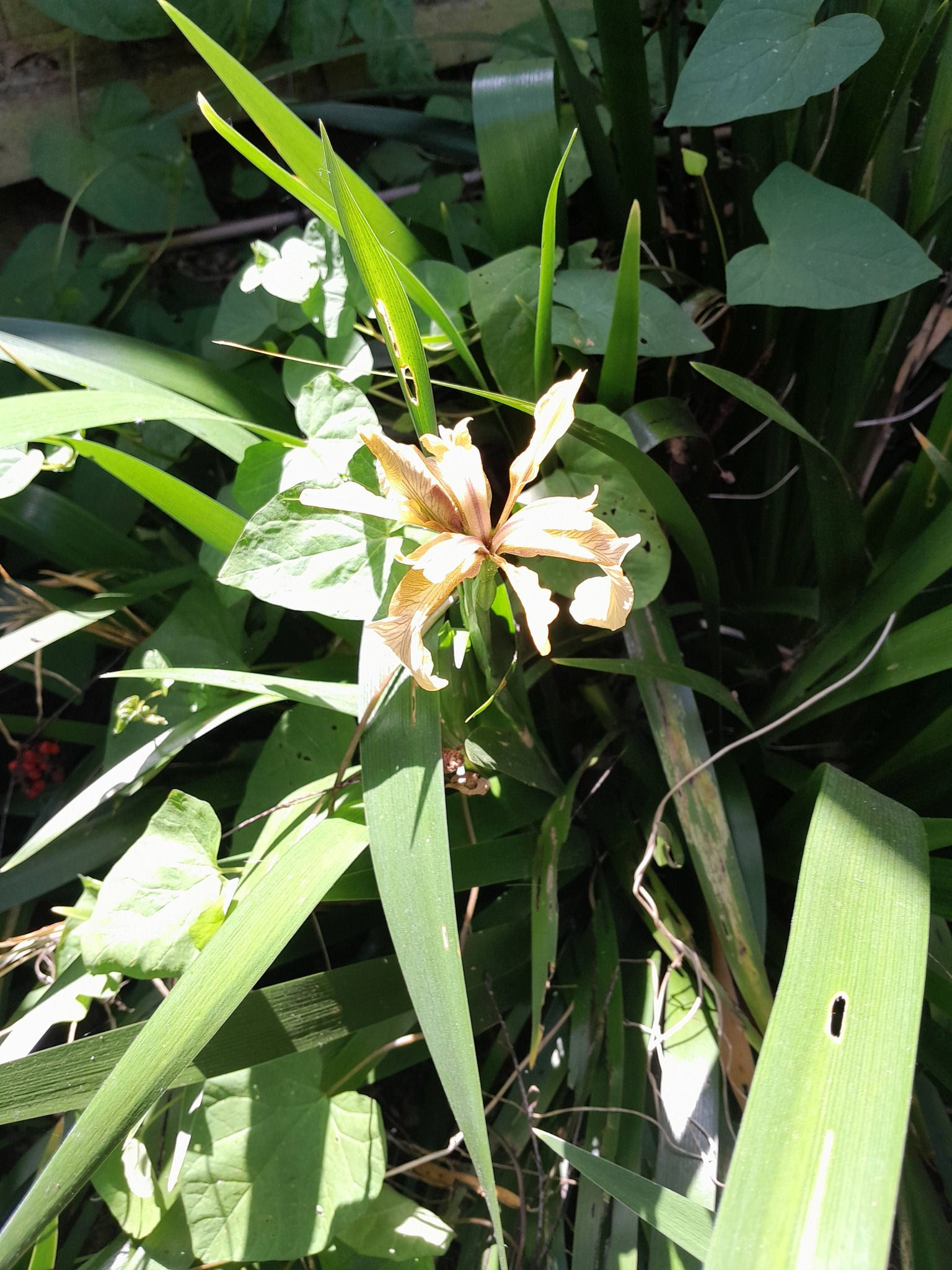
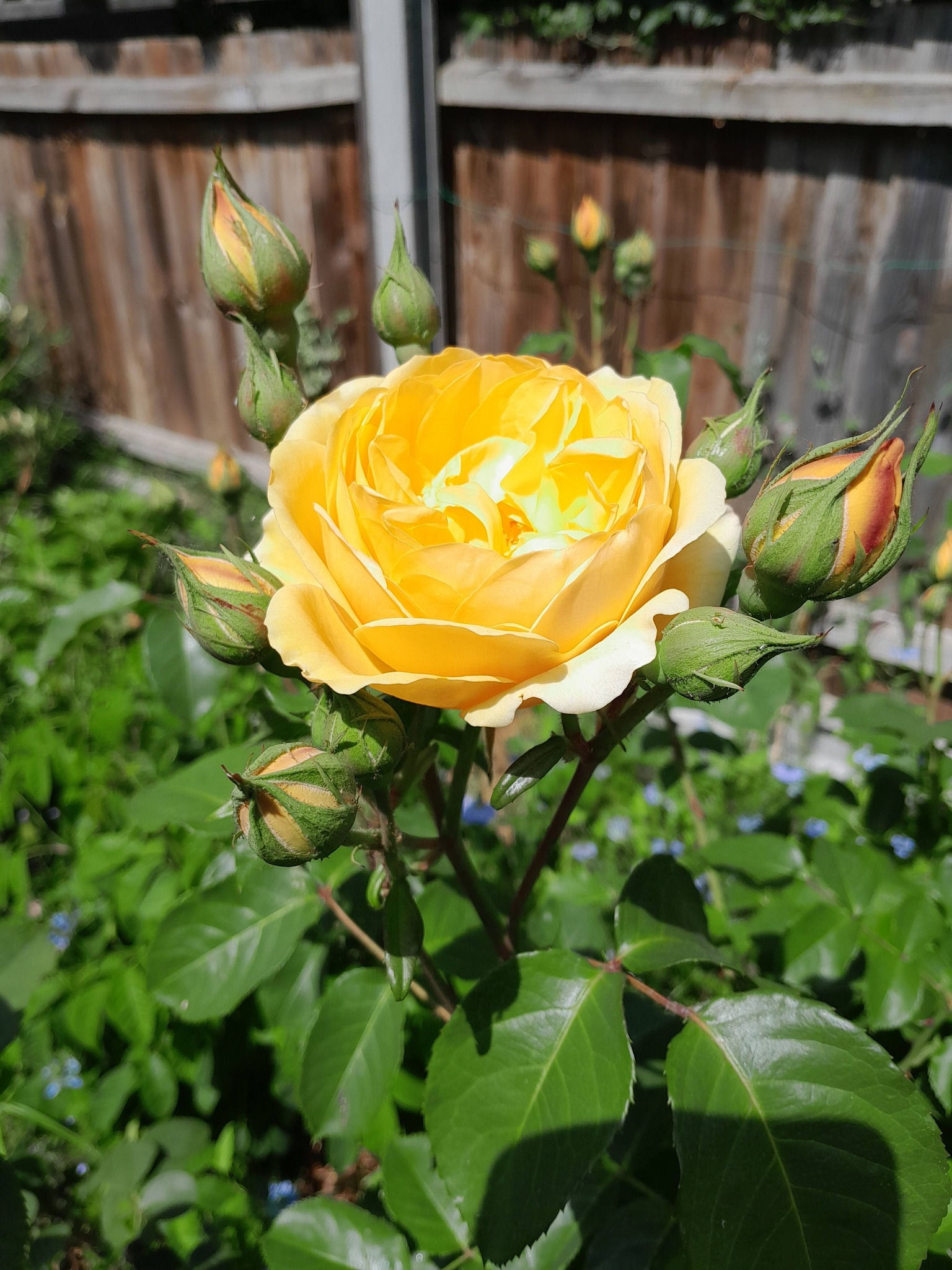
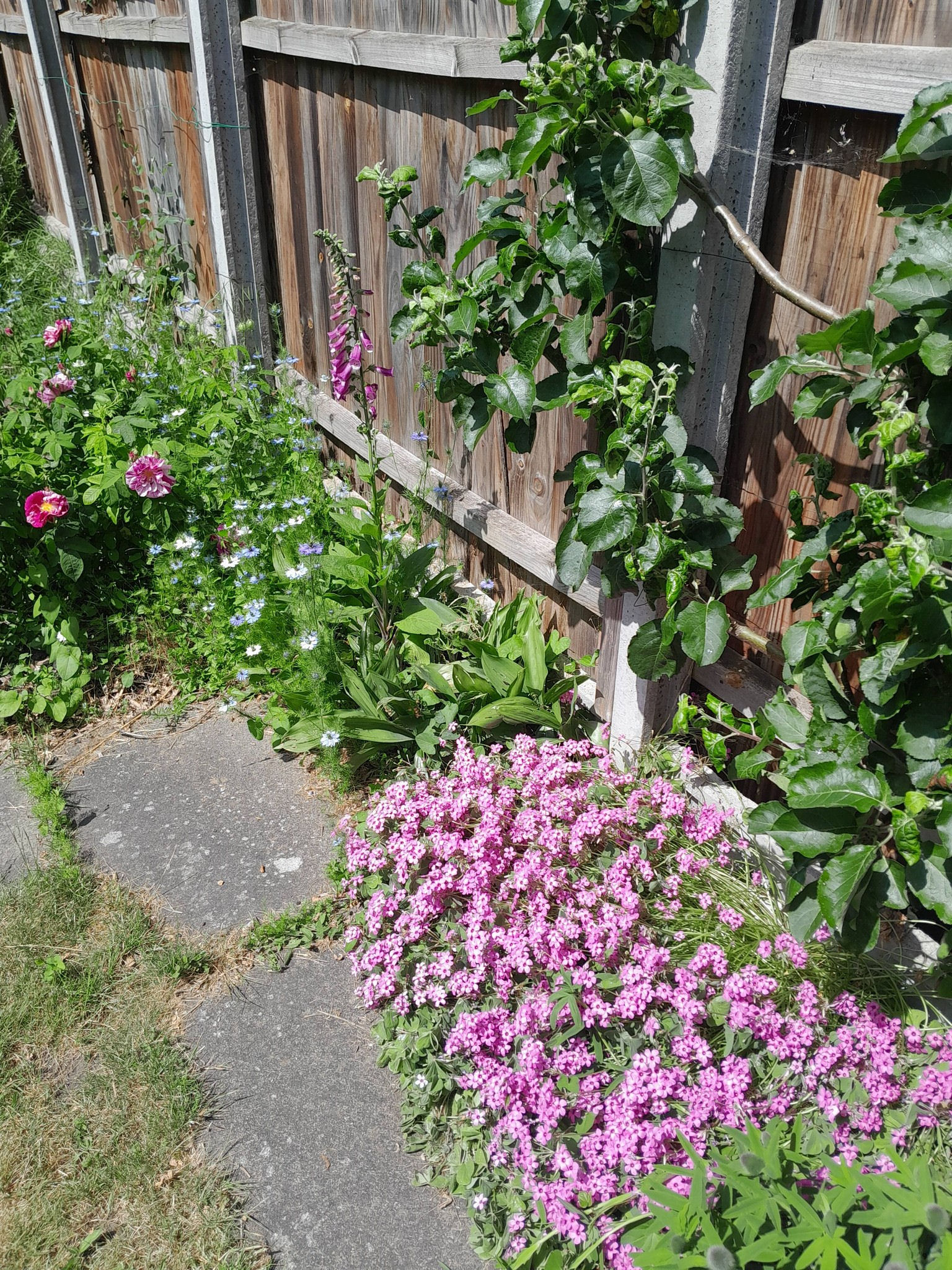
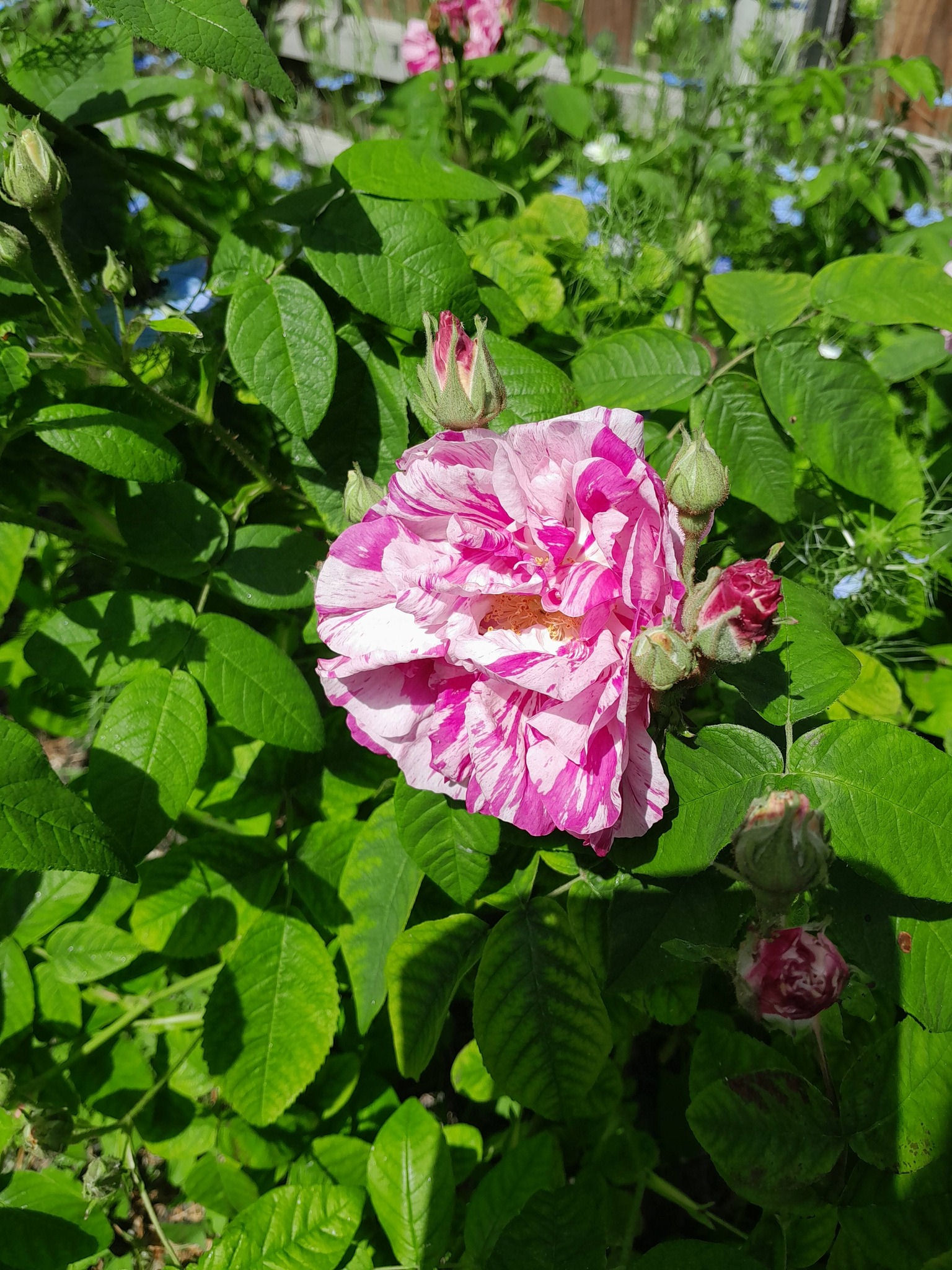
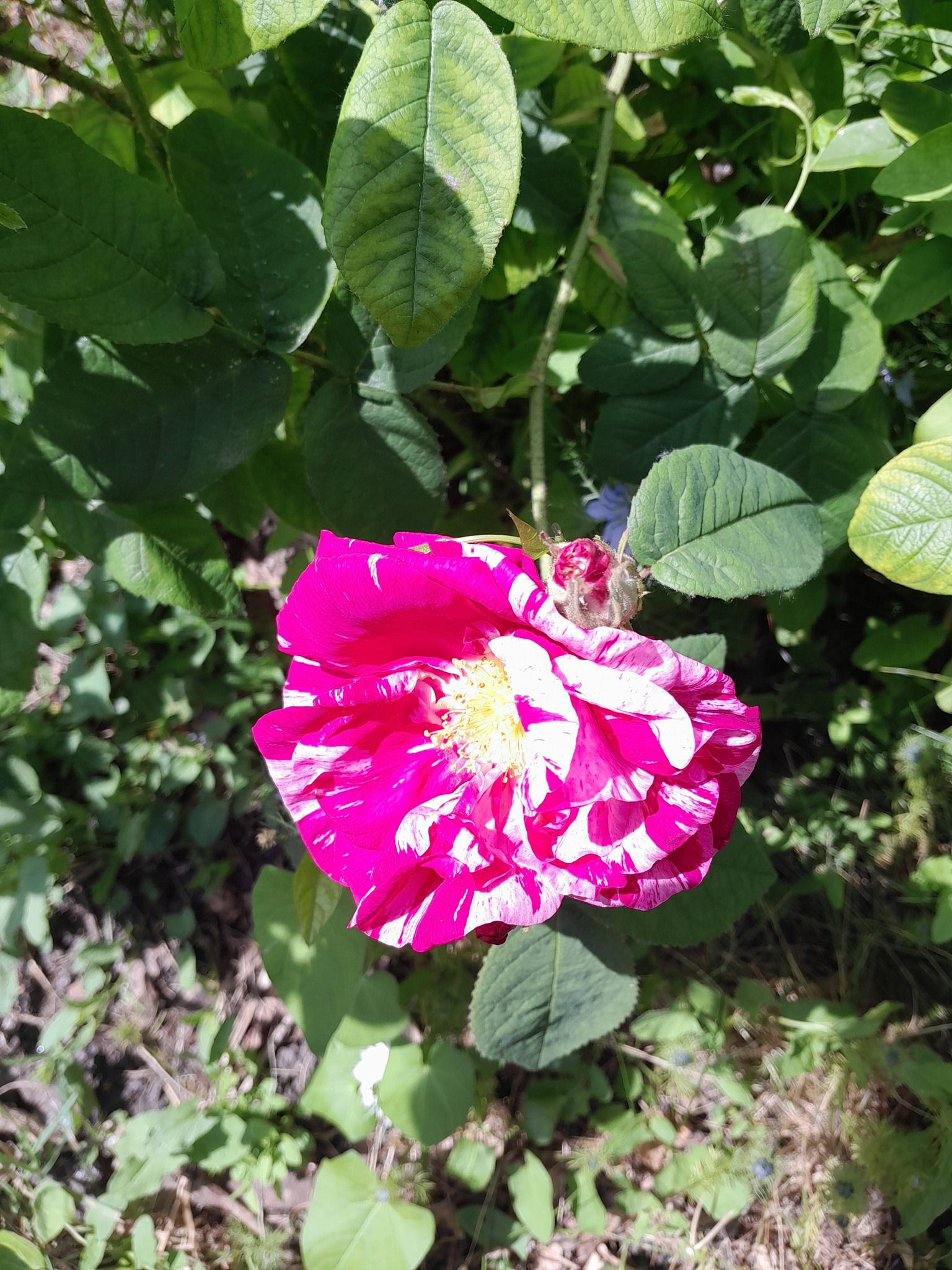
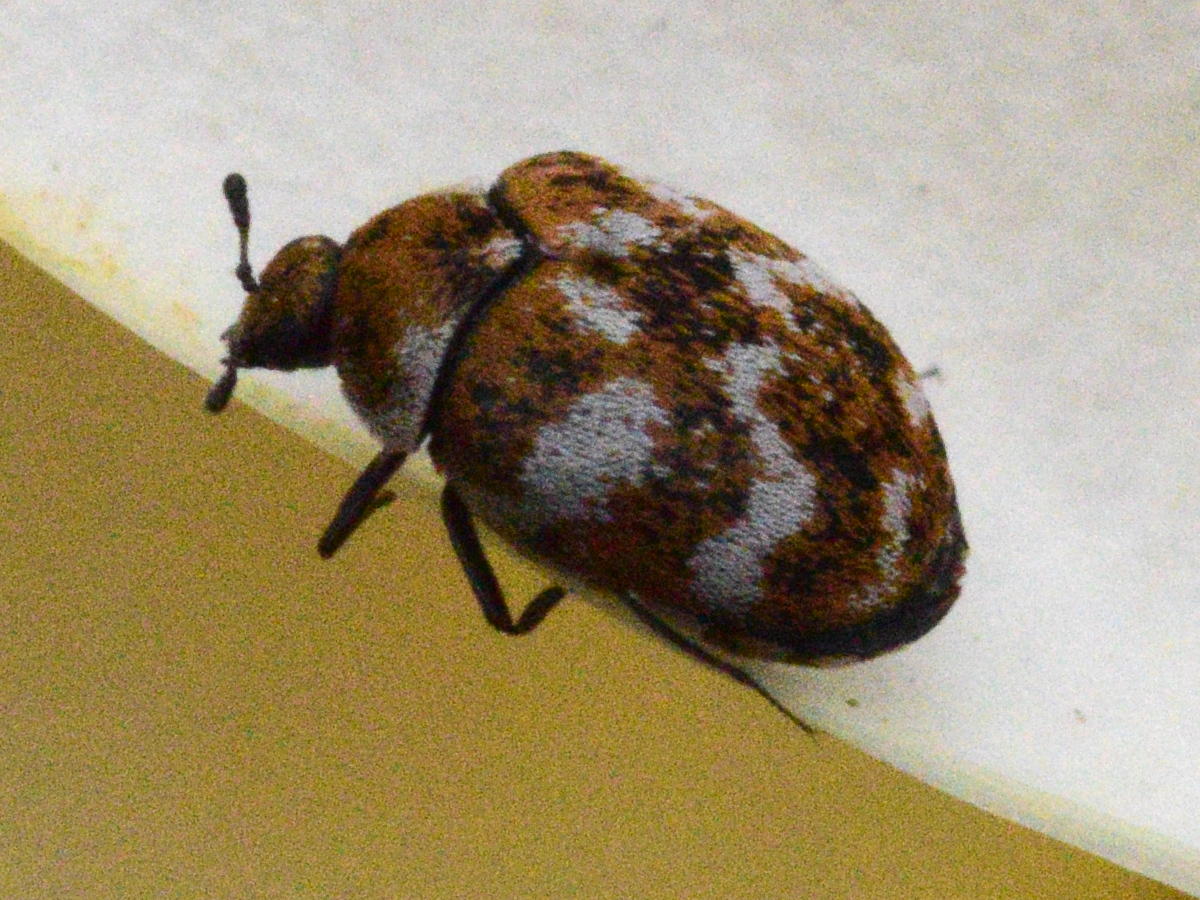
May 28: Anthrenus verbasci (varied carpet beetle) Quite a small but distinctive beetle often found on flowers, sometimes gregarious, it is mostly notorious for the activities of its larvae, known as "woollly bears". These feed on keratin and chitin, which in its natual environment are represented by cast bird-feathers and dead insects. In a human environment they are represented by woollen carpets and dead insects (in collections). Widespread in central and south-eatern England, apparently not so much in the west and north.
June 6: Lots of rain! Mostly roses. Veg garden better than last year.
| May | 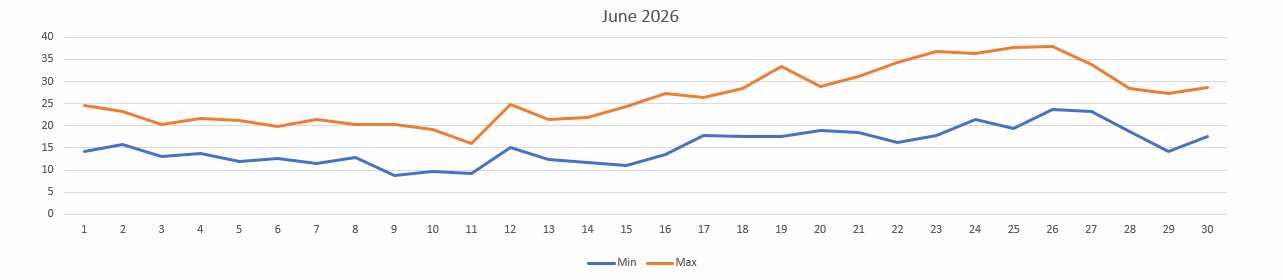 |
July |
June 1:
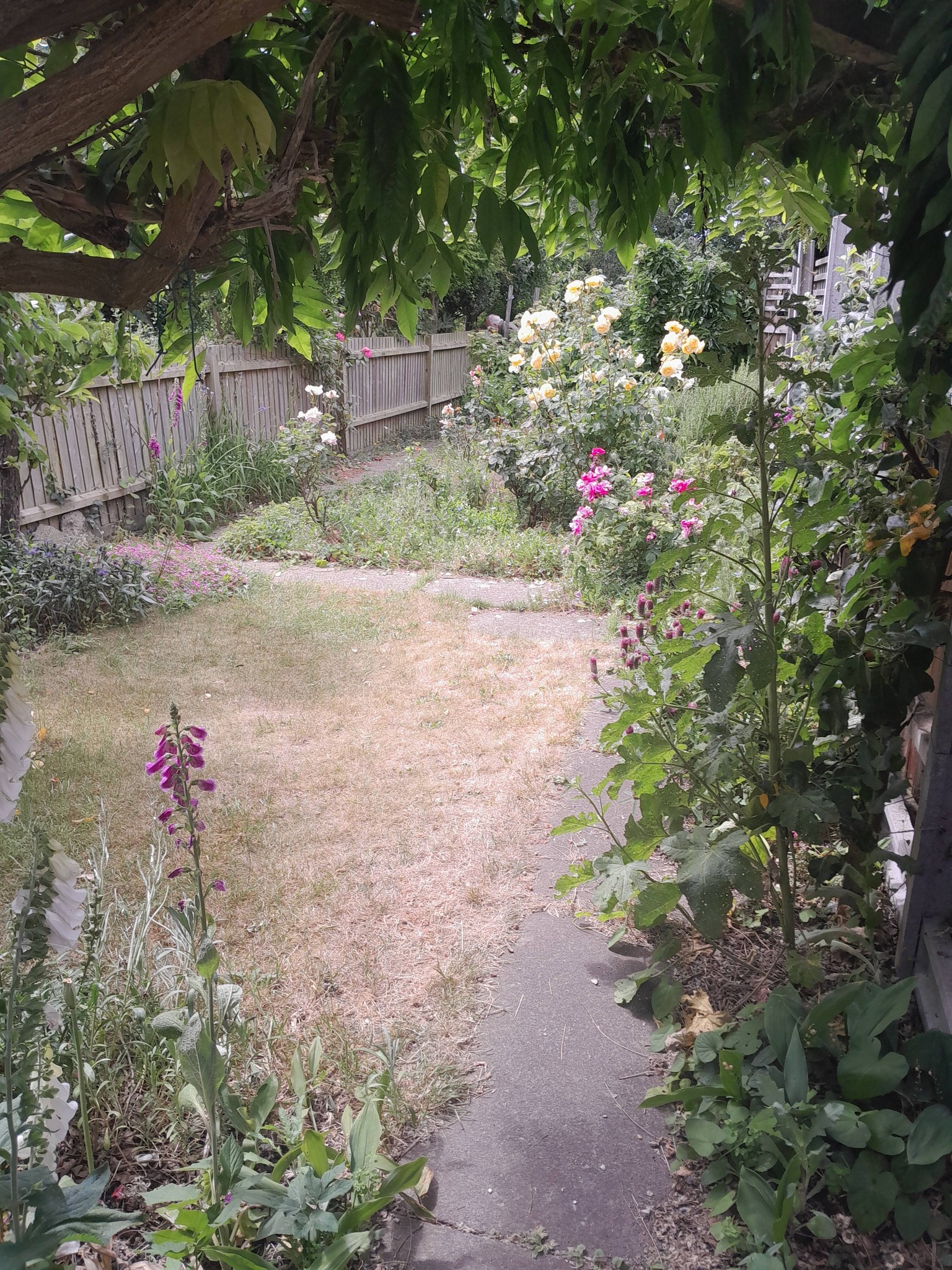
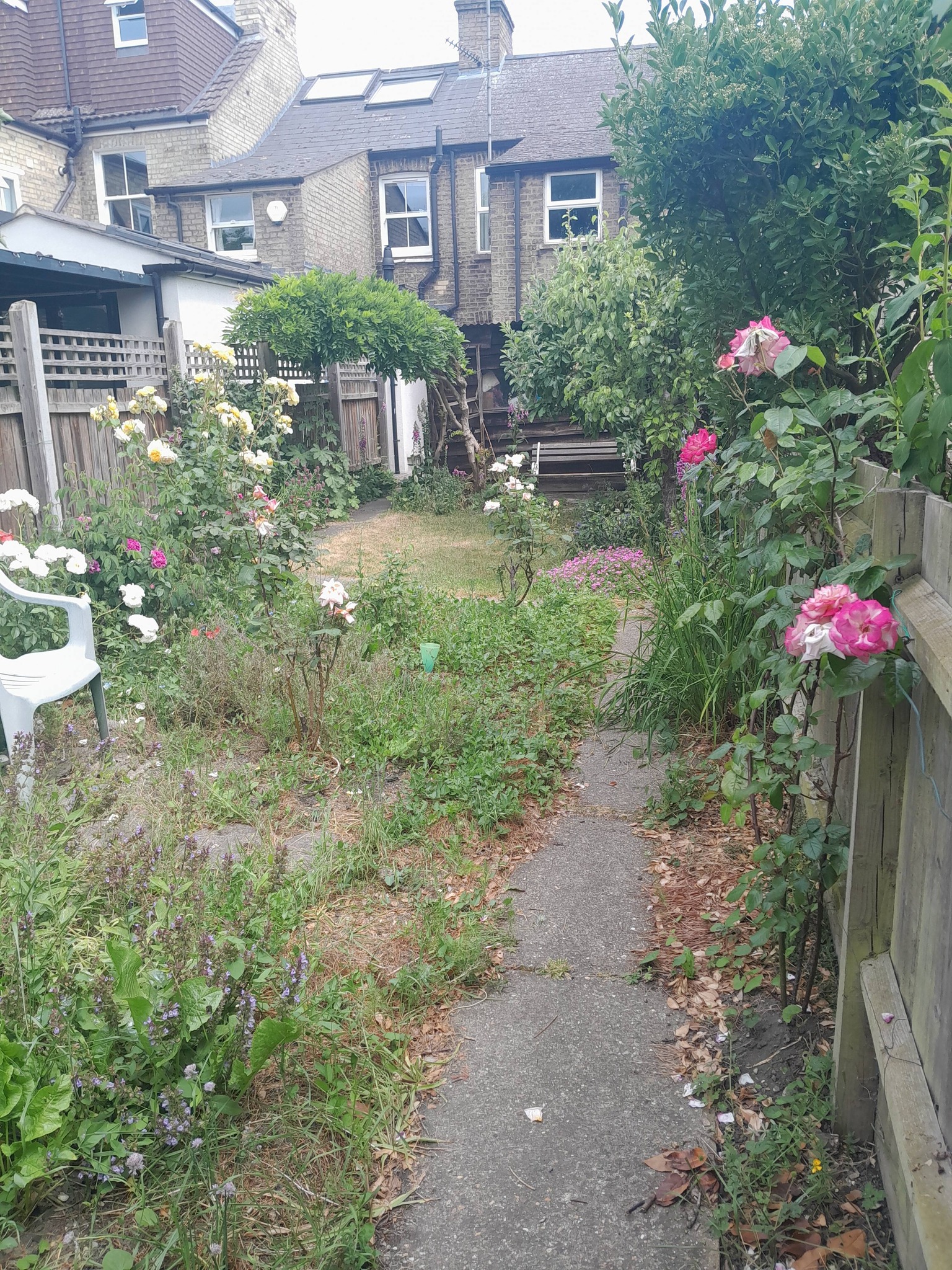
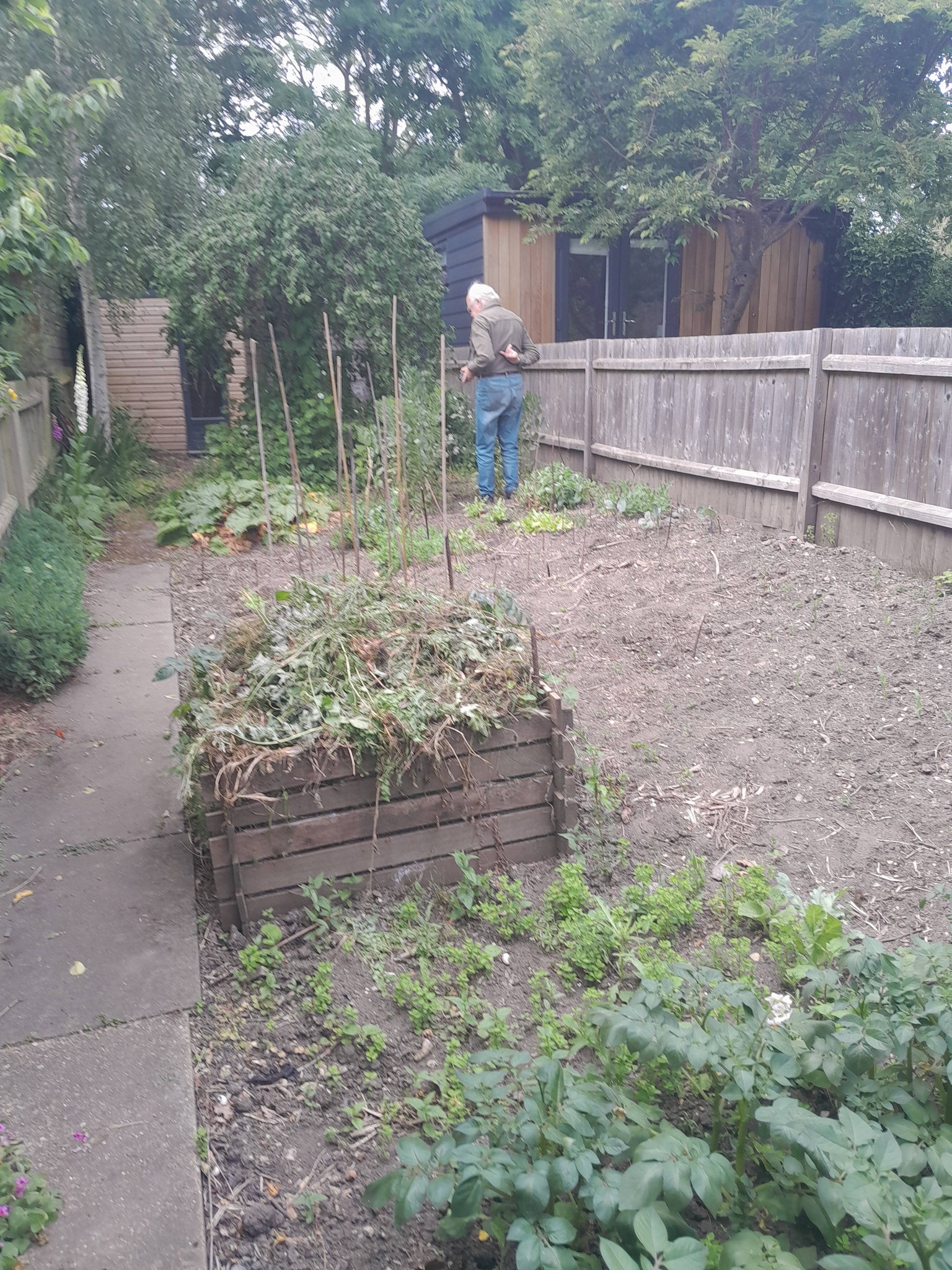
June 8: Weather a bit cooler but no rain.
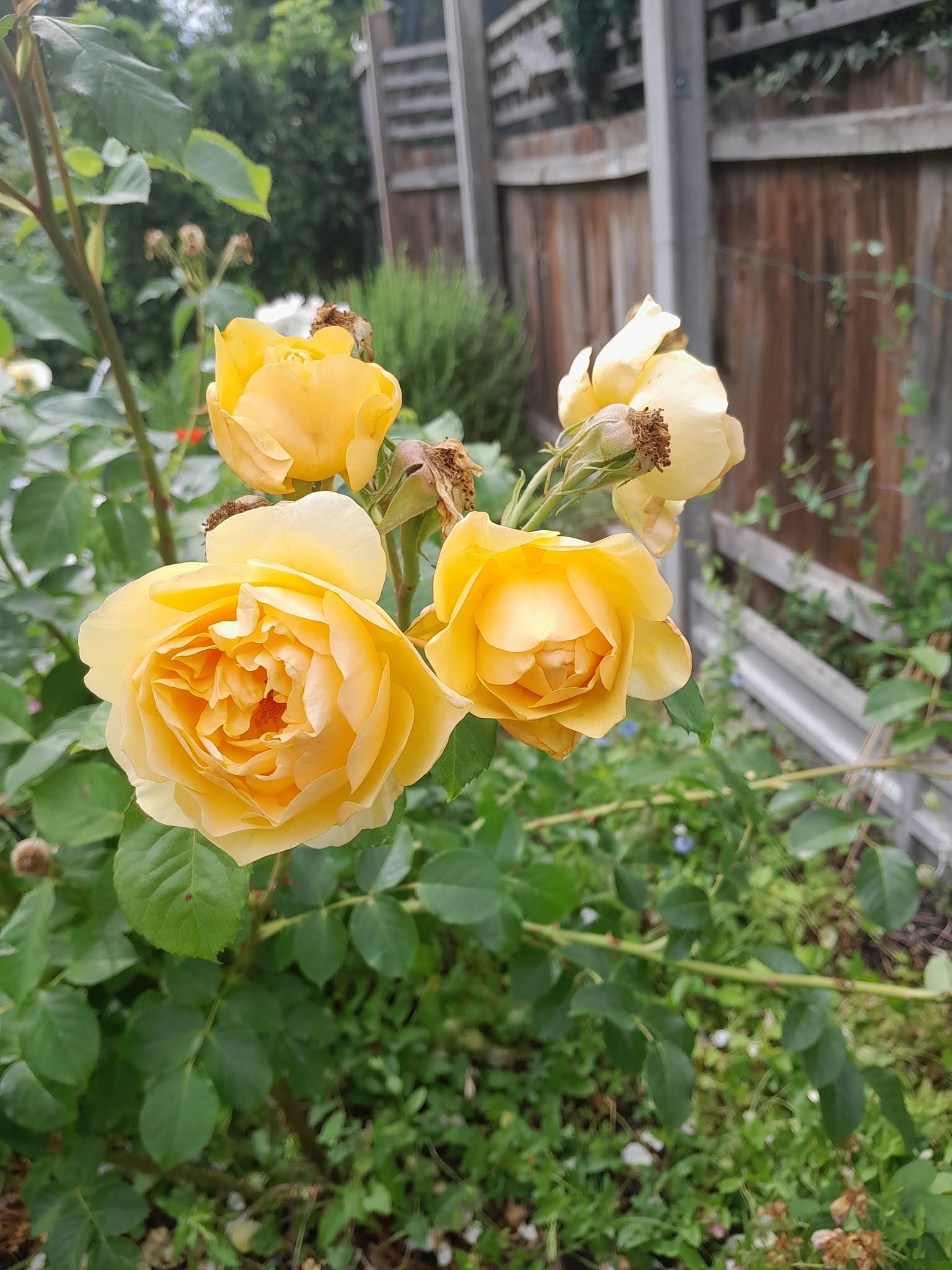
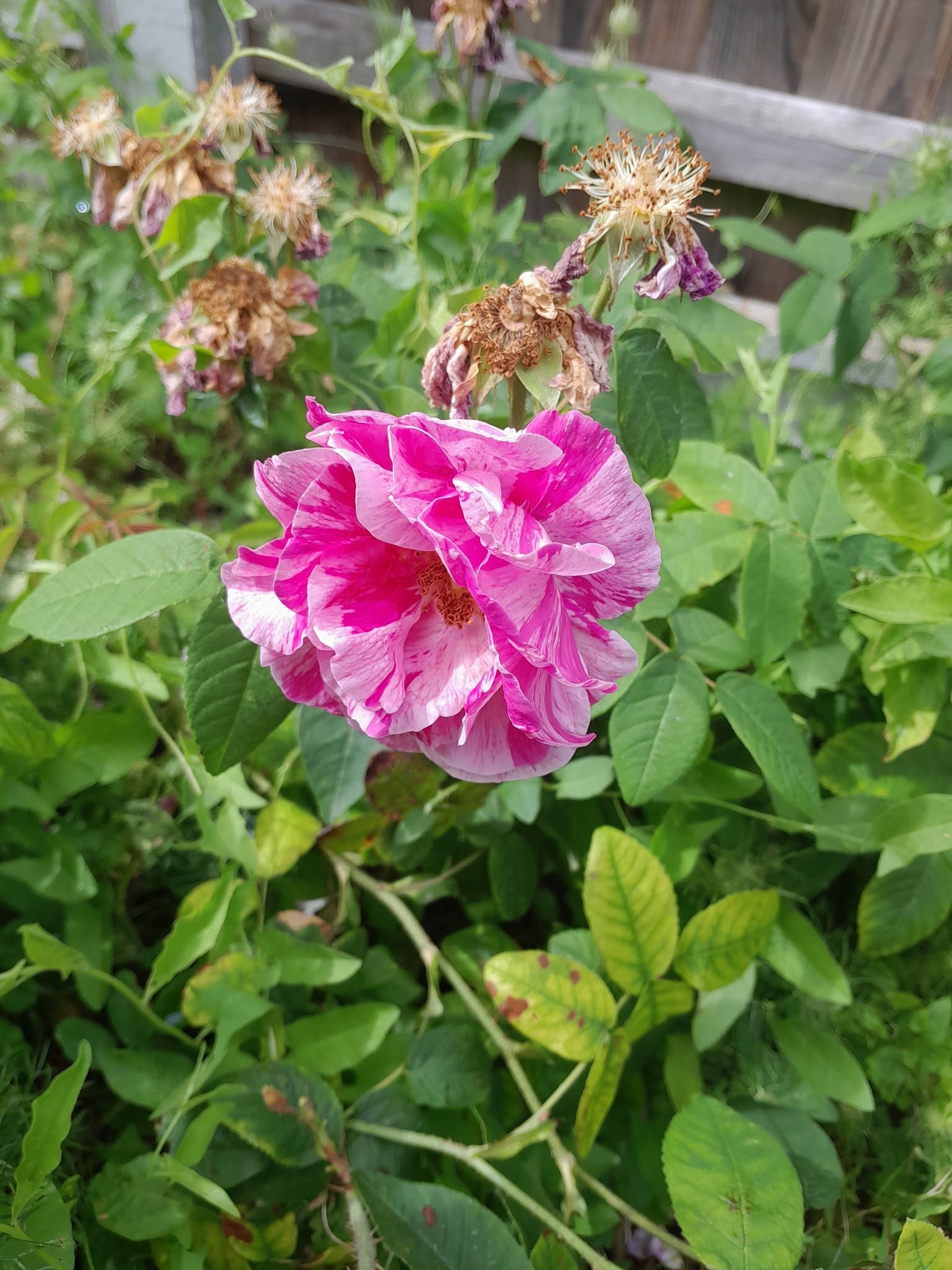
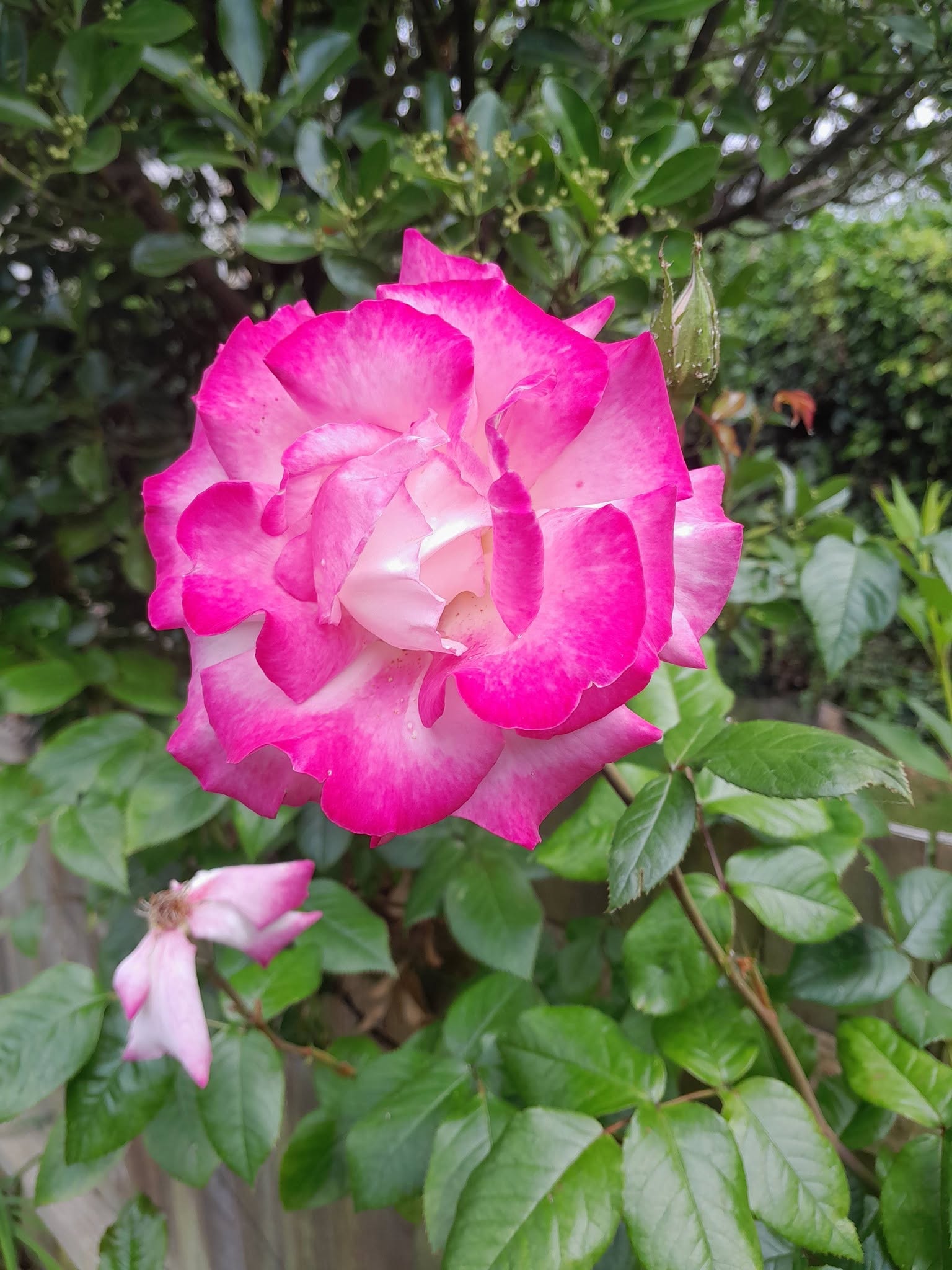
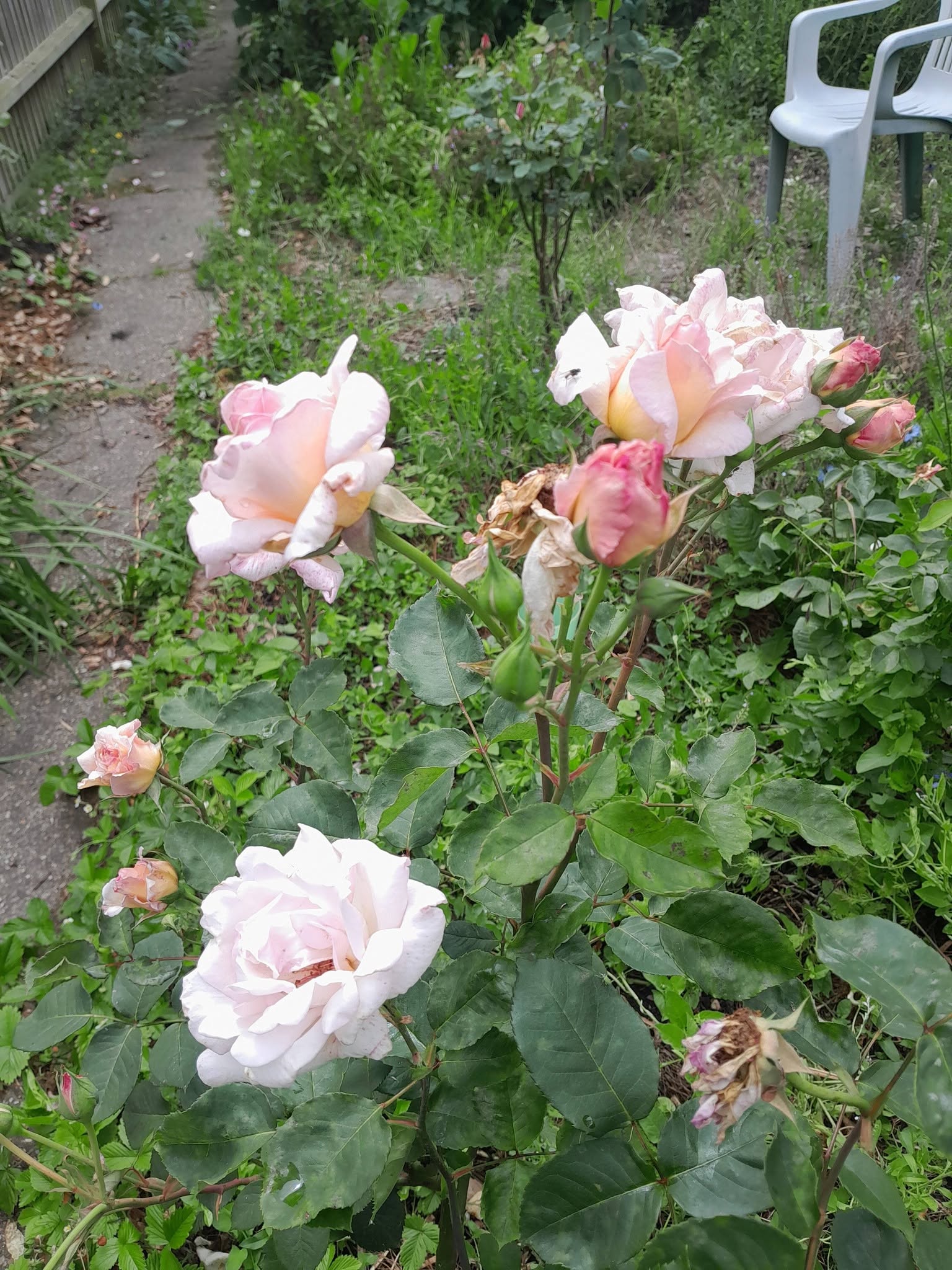
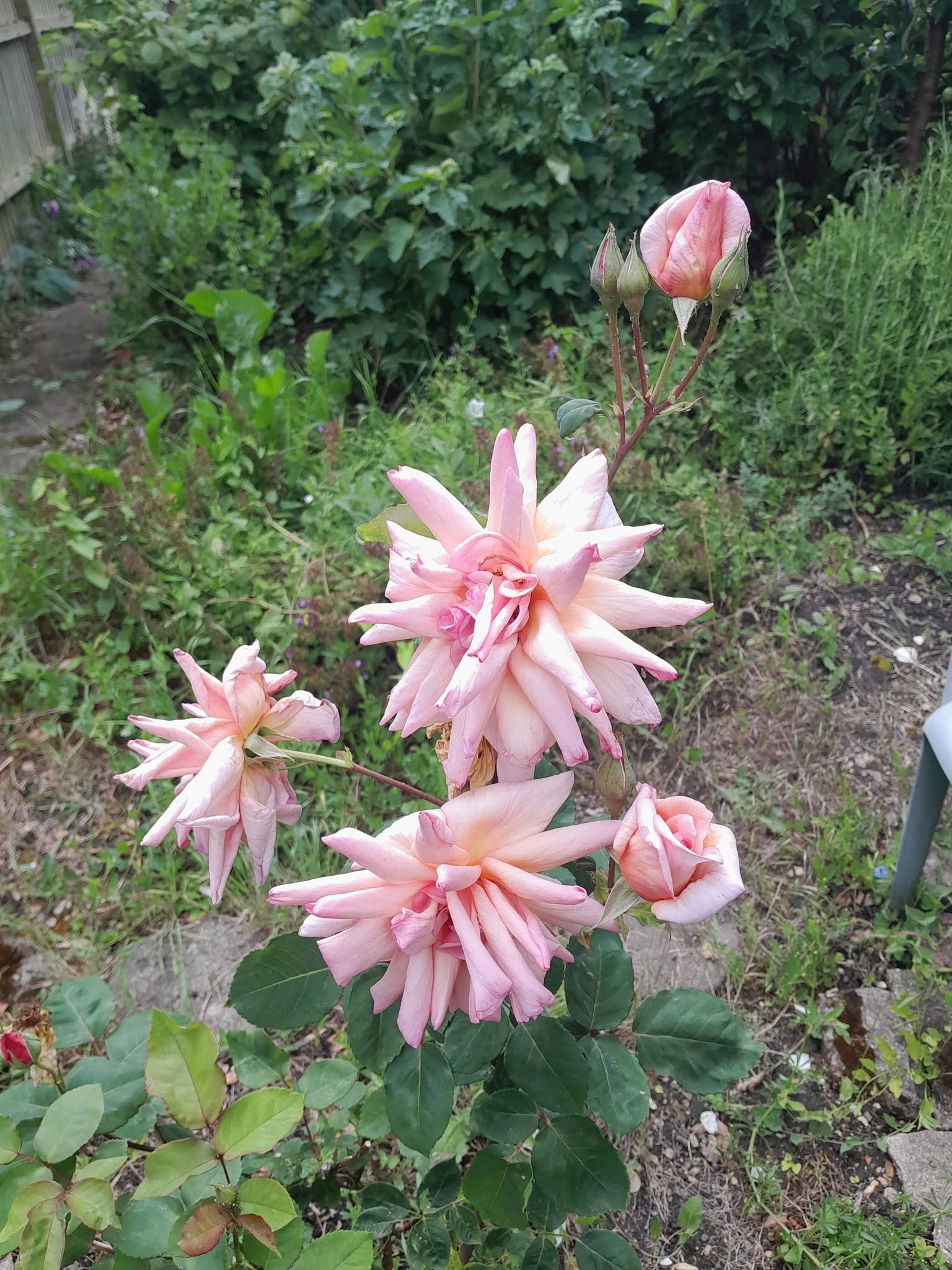
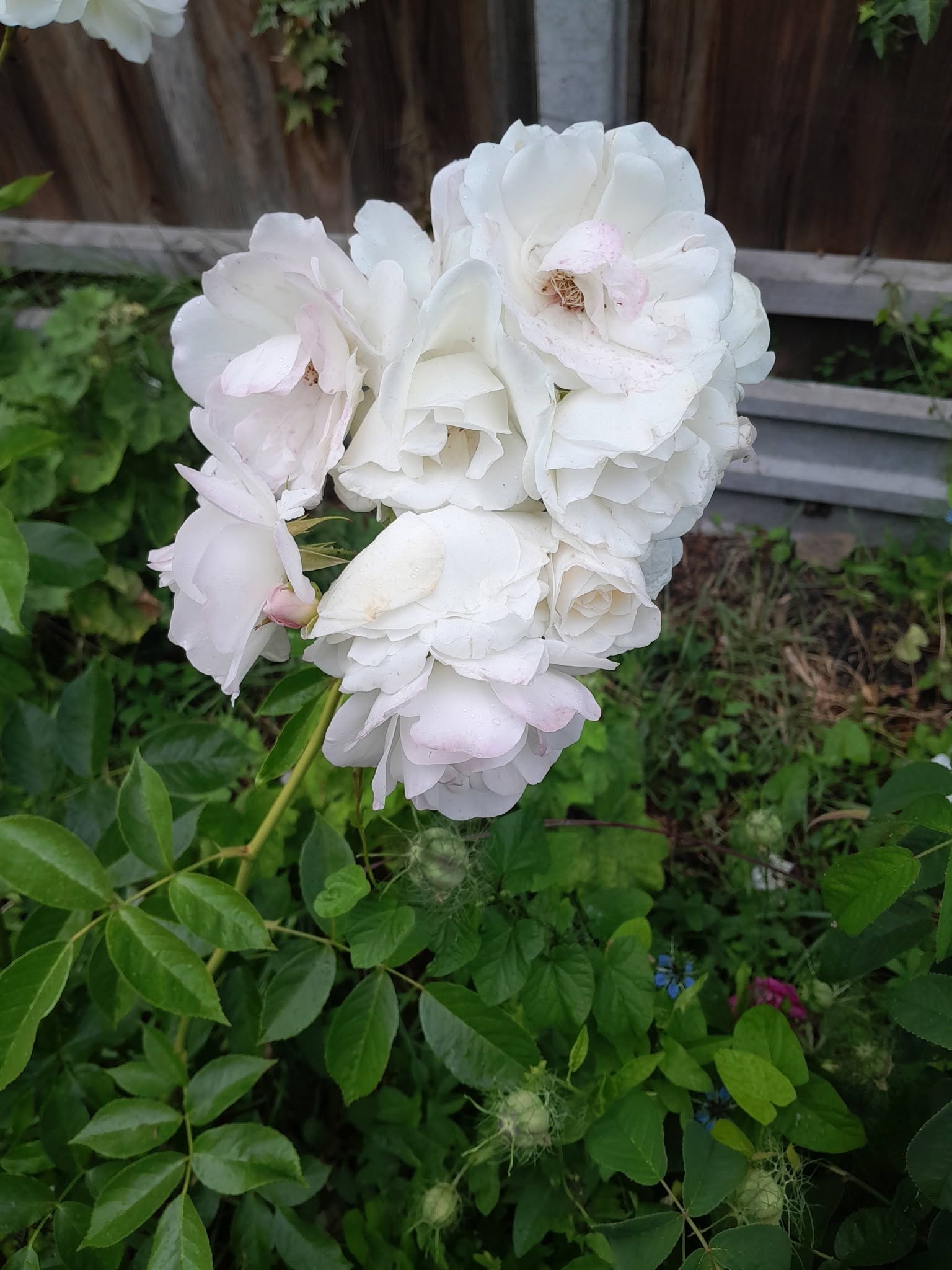
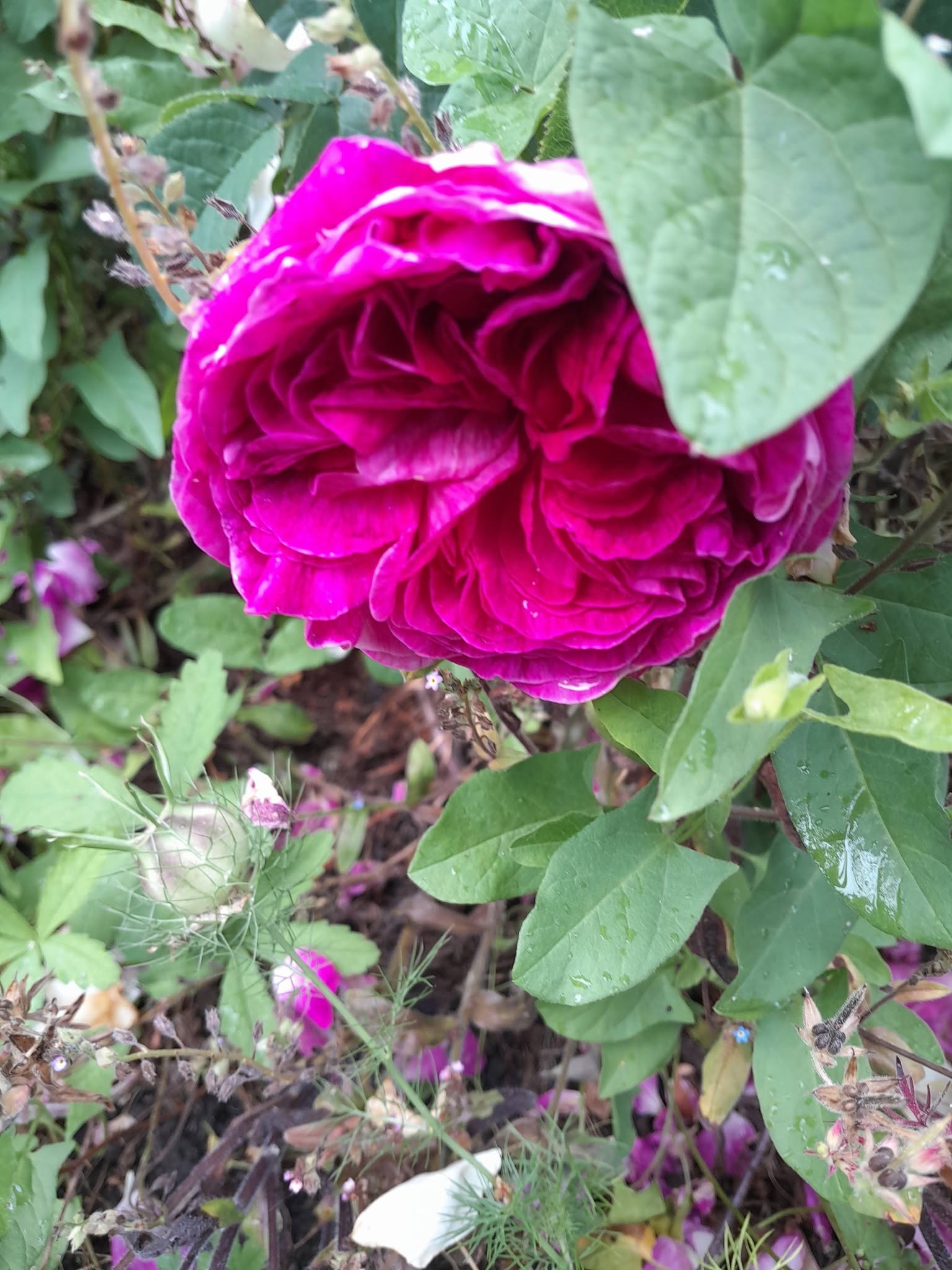
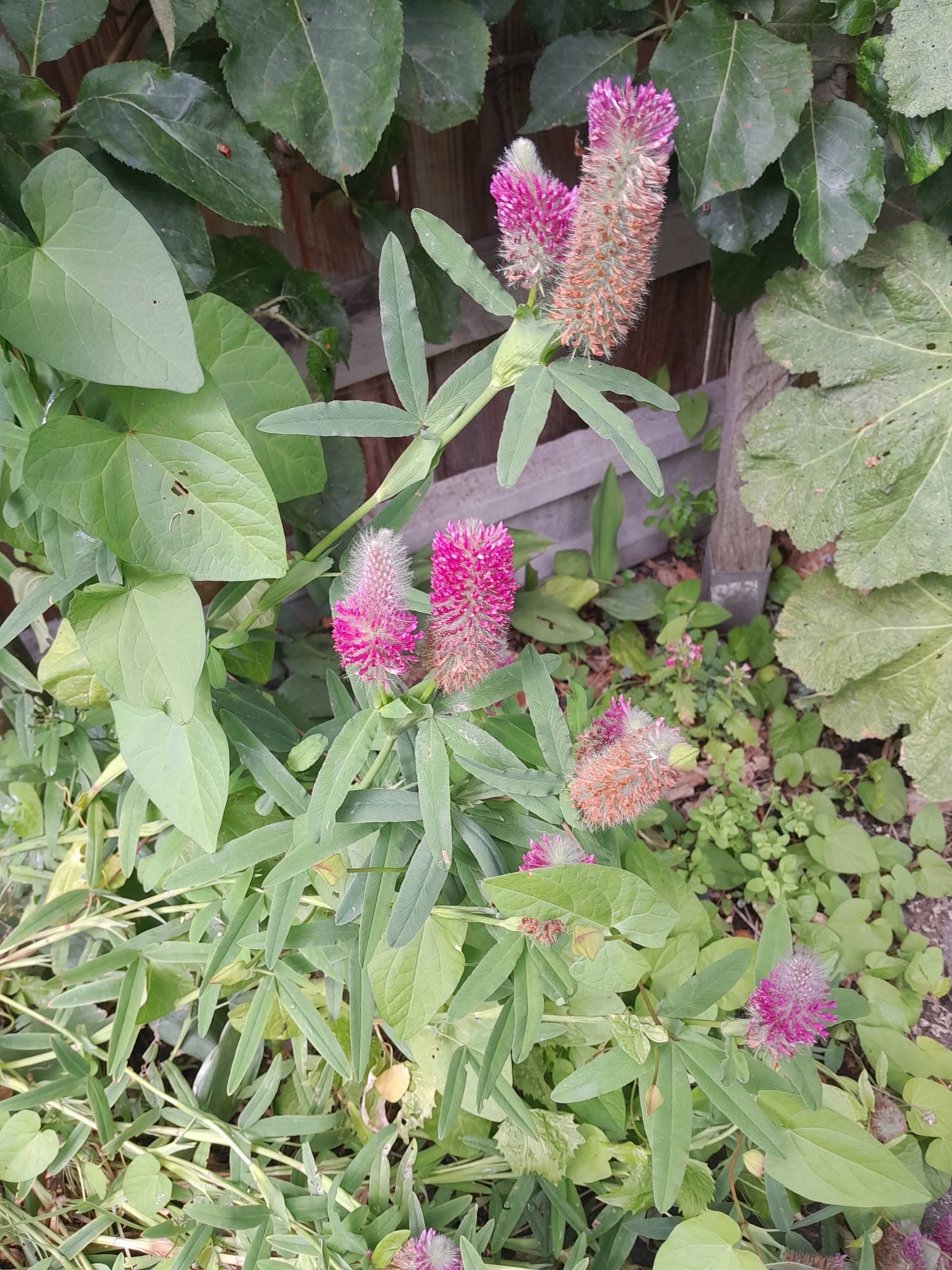
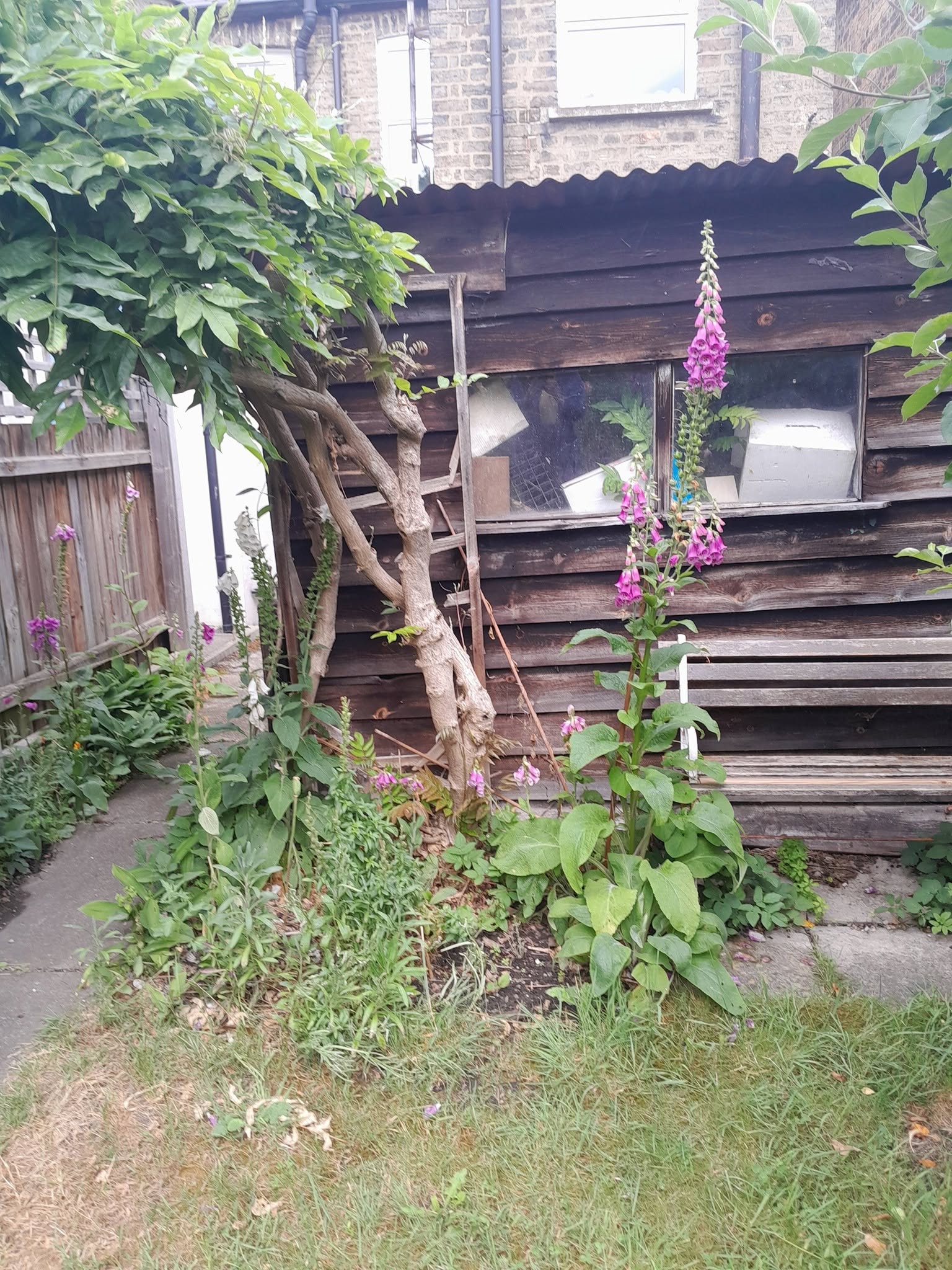
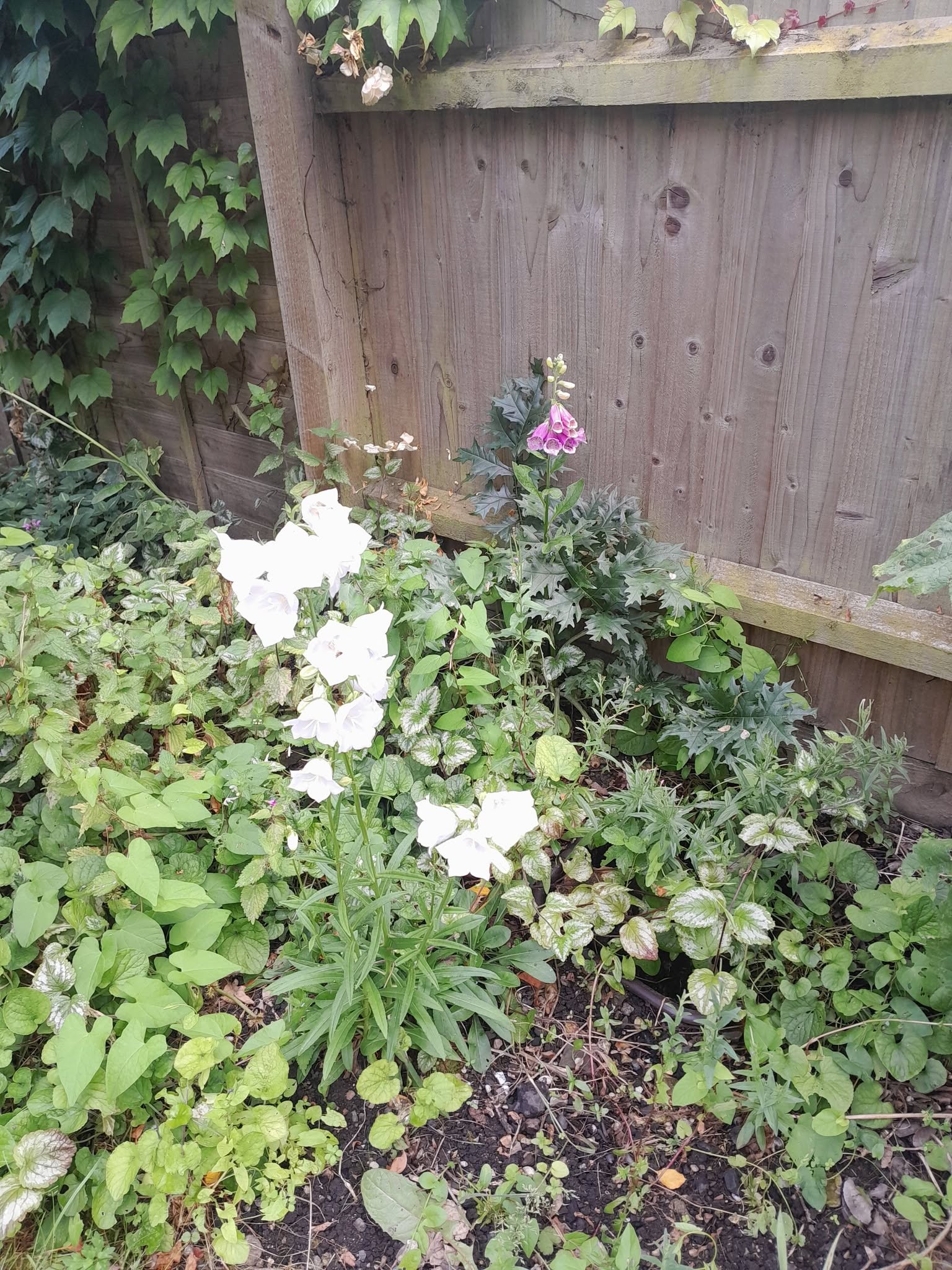
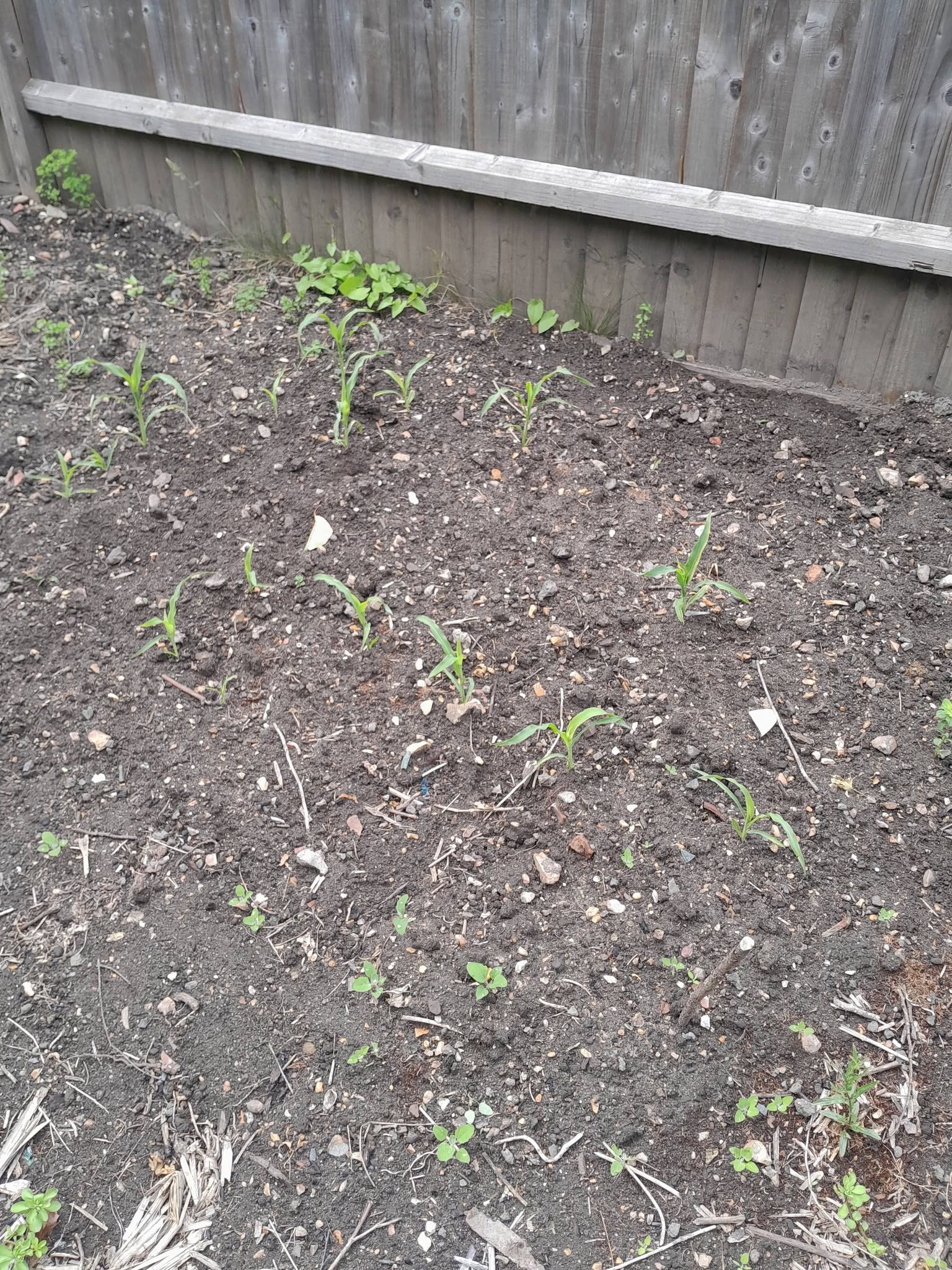
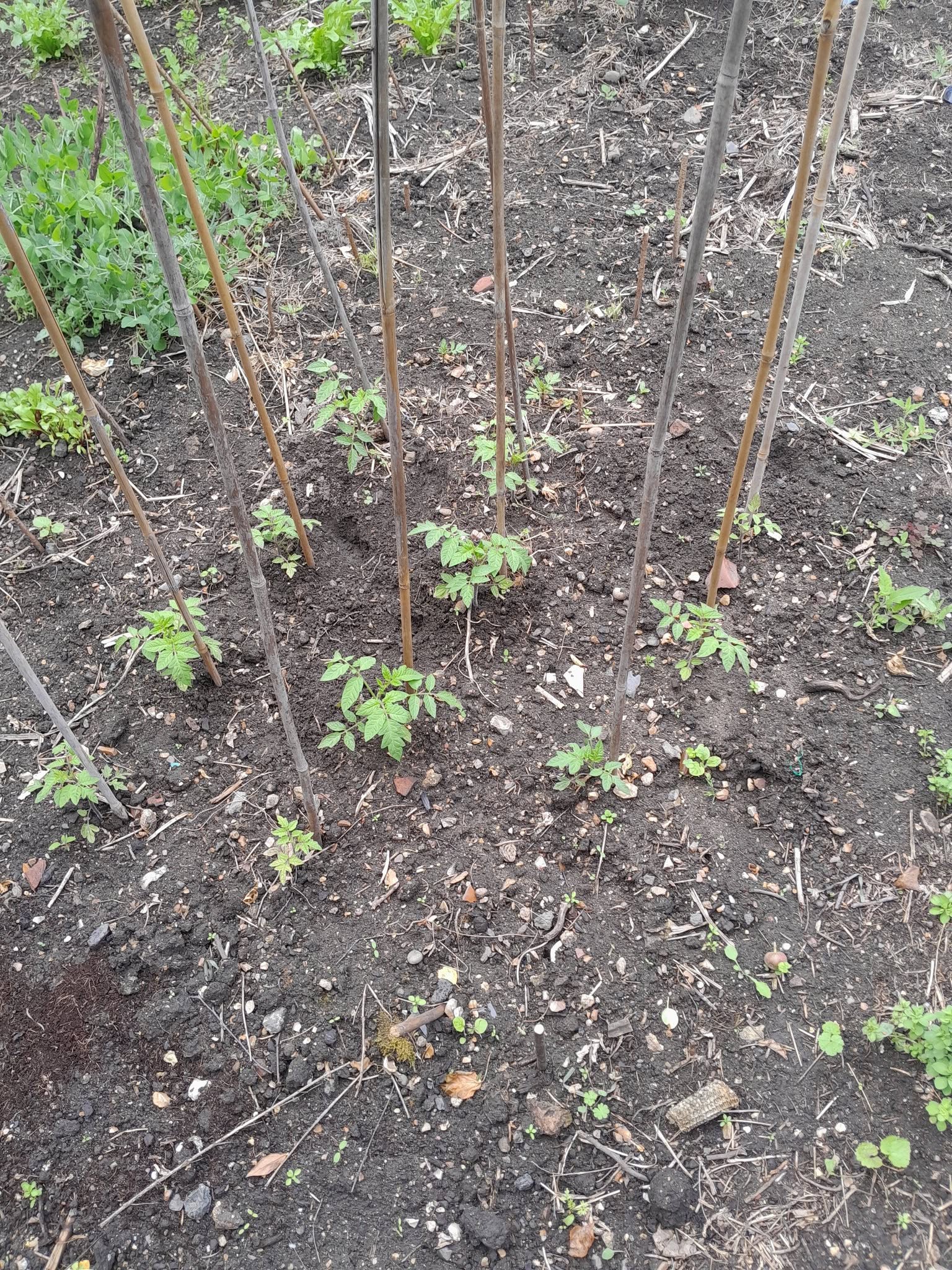
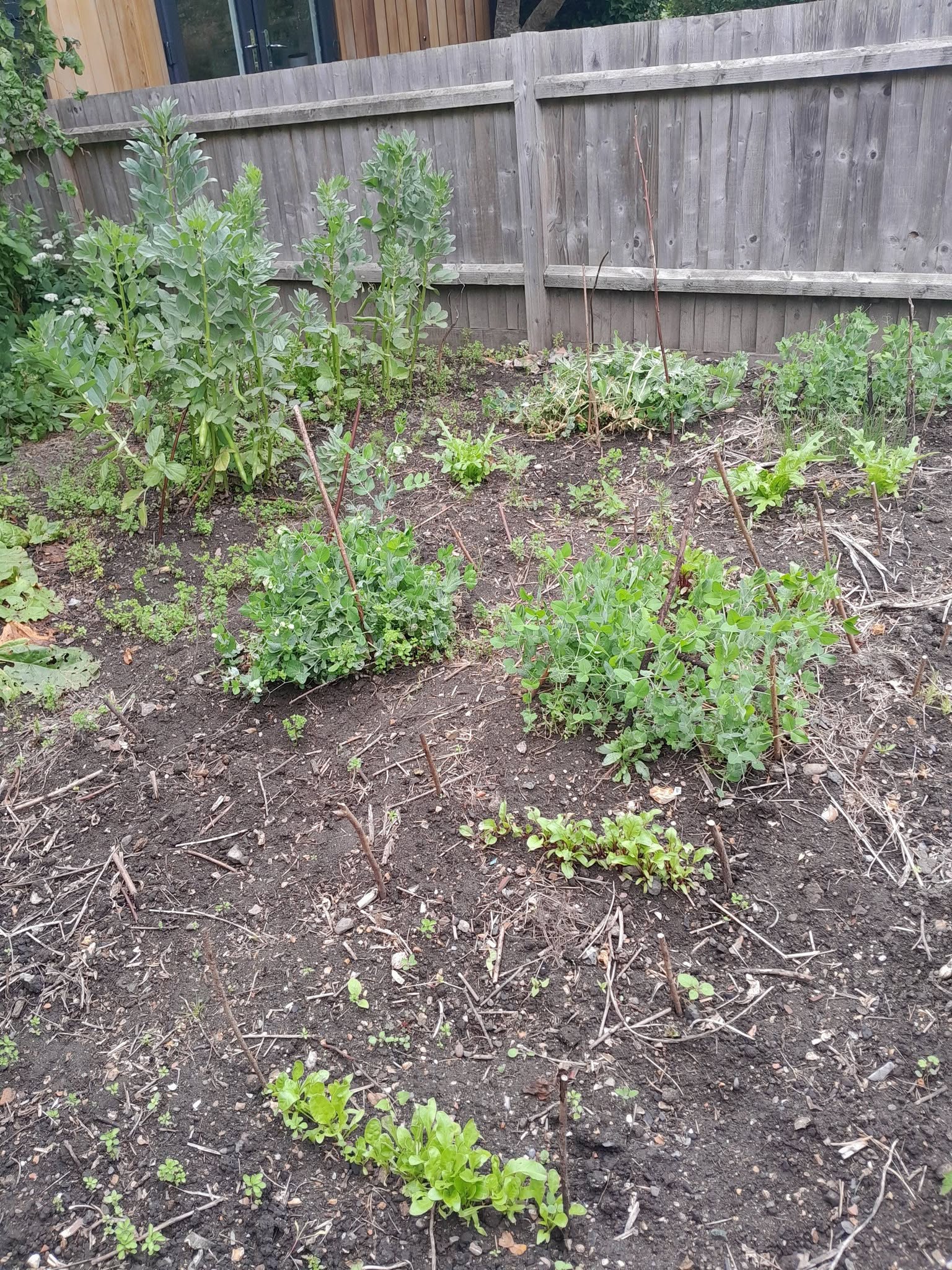
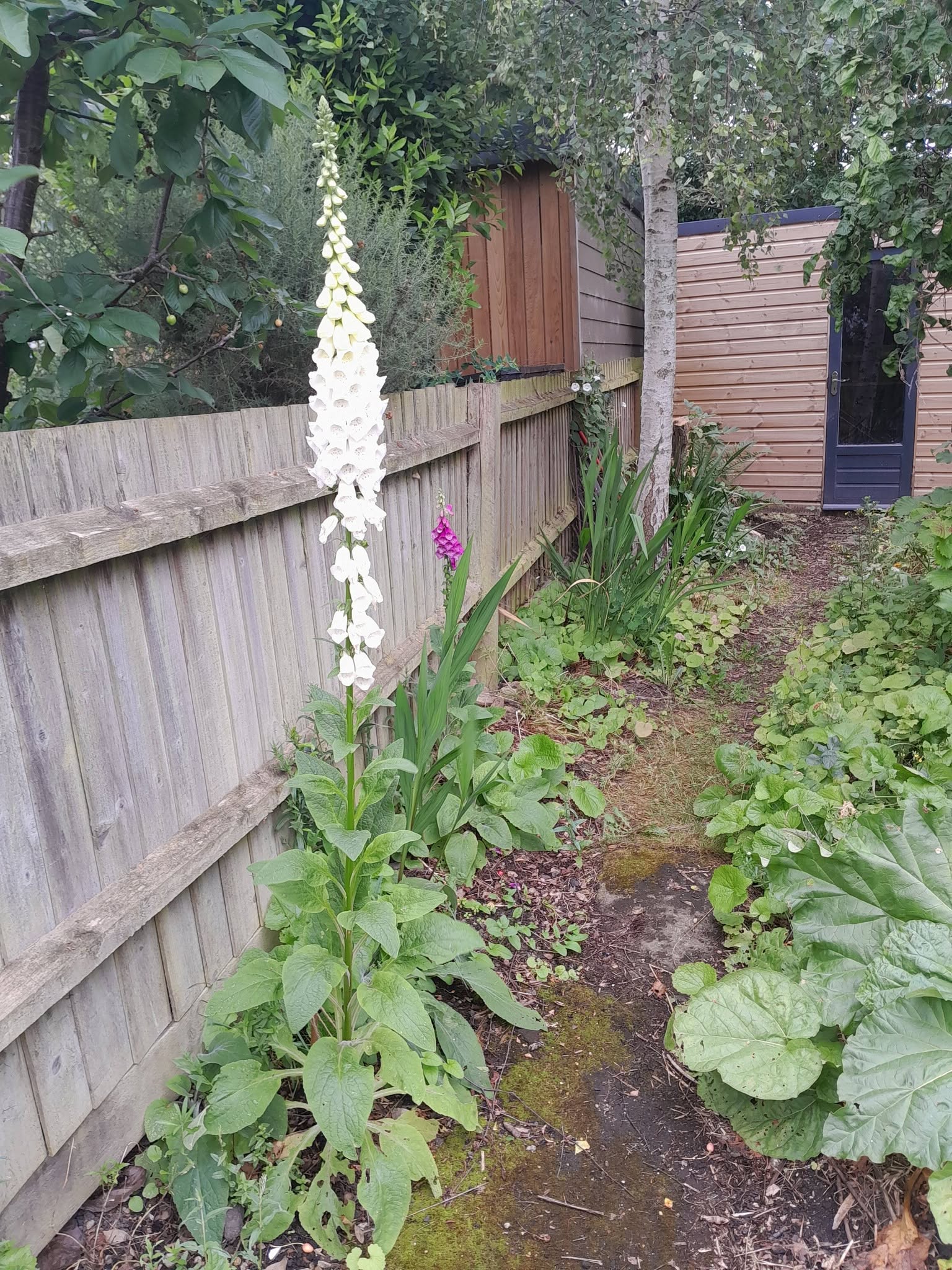
June 13: Keith does the weeding while I take pix!
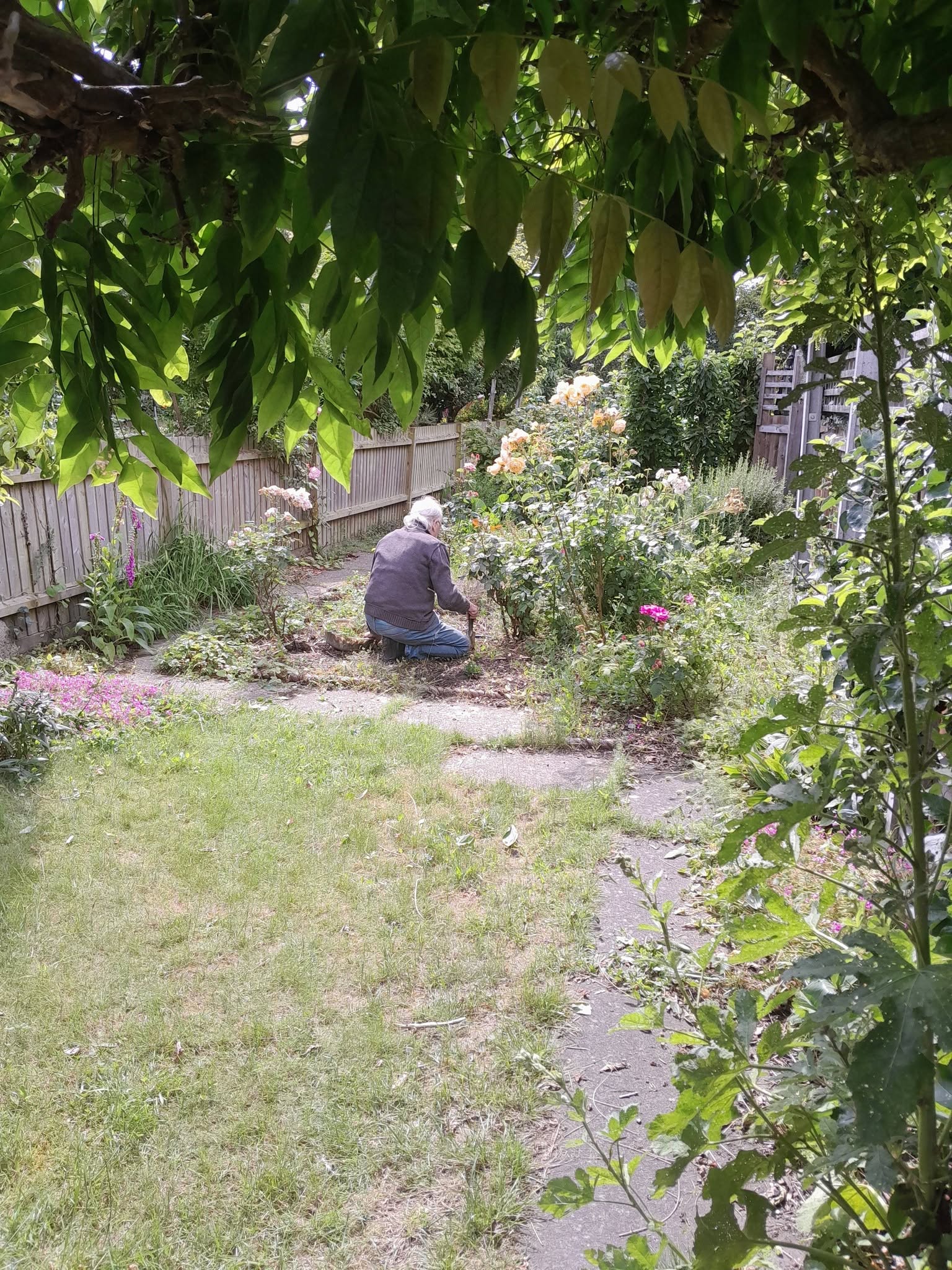
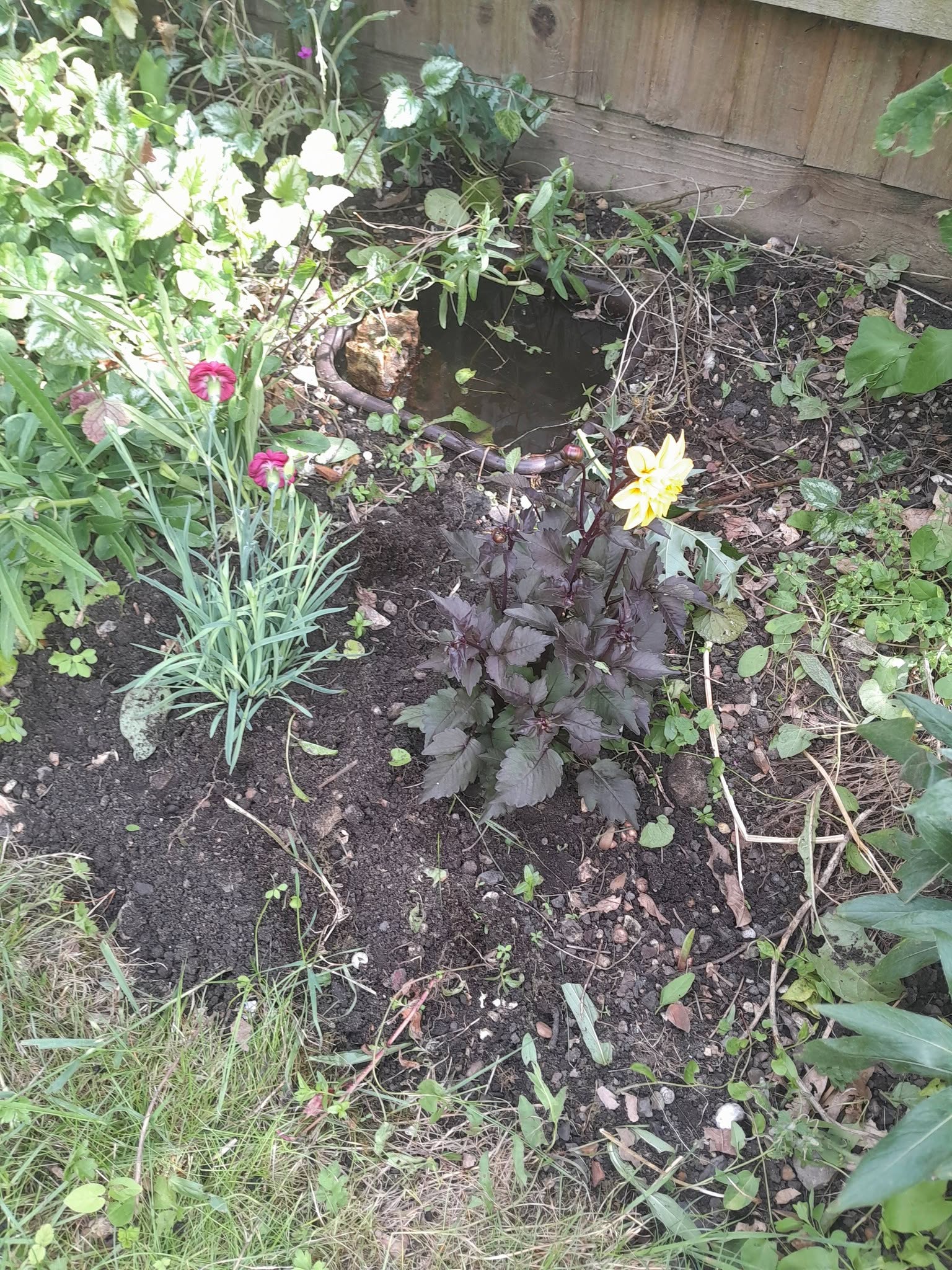
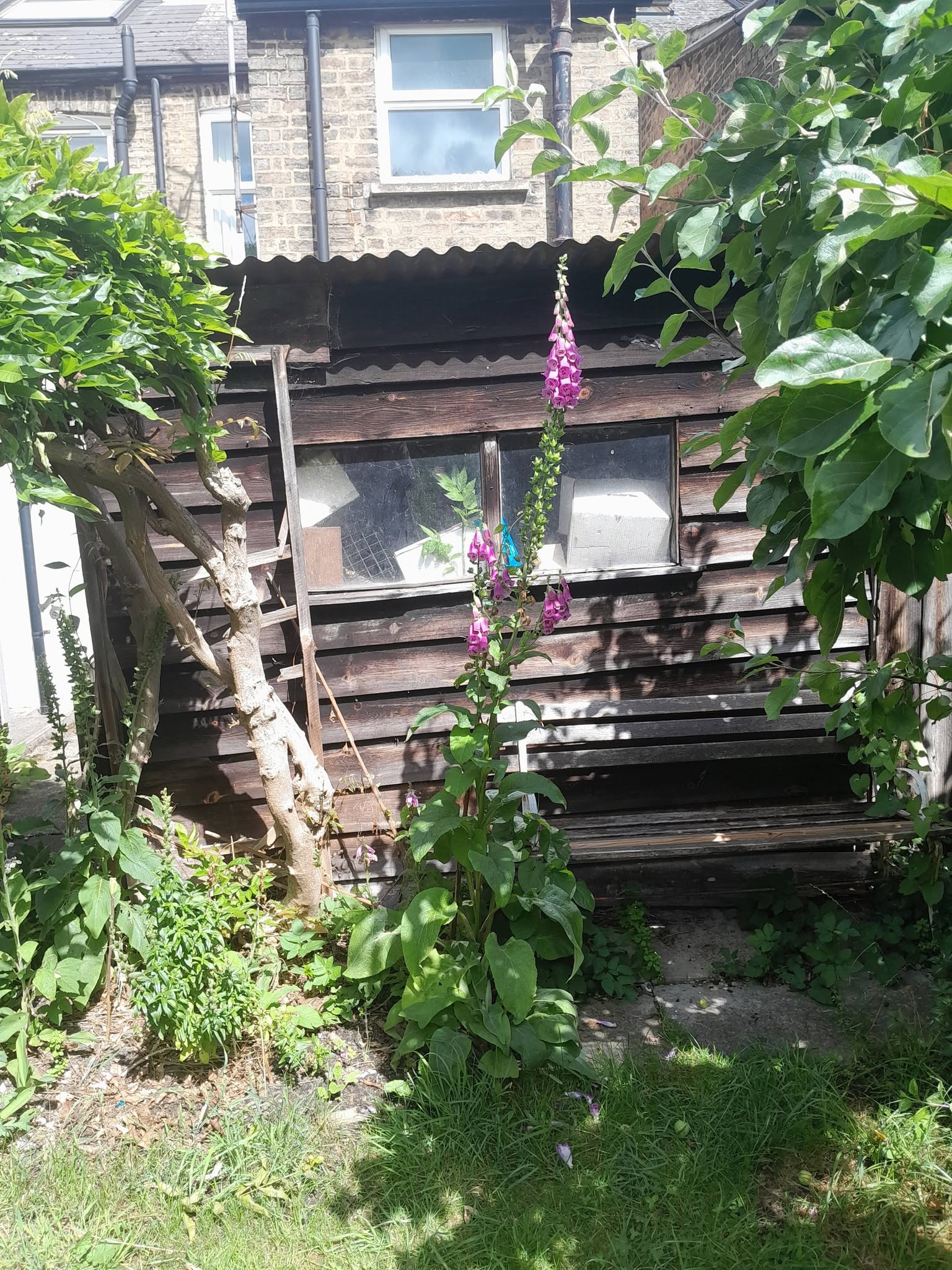
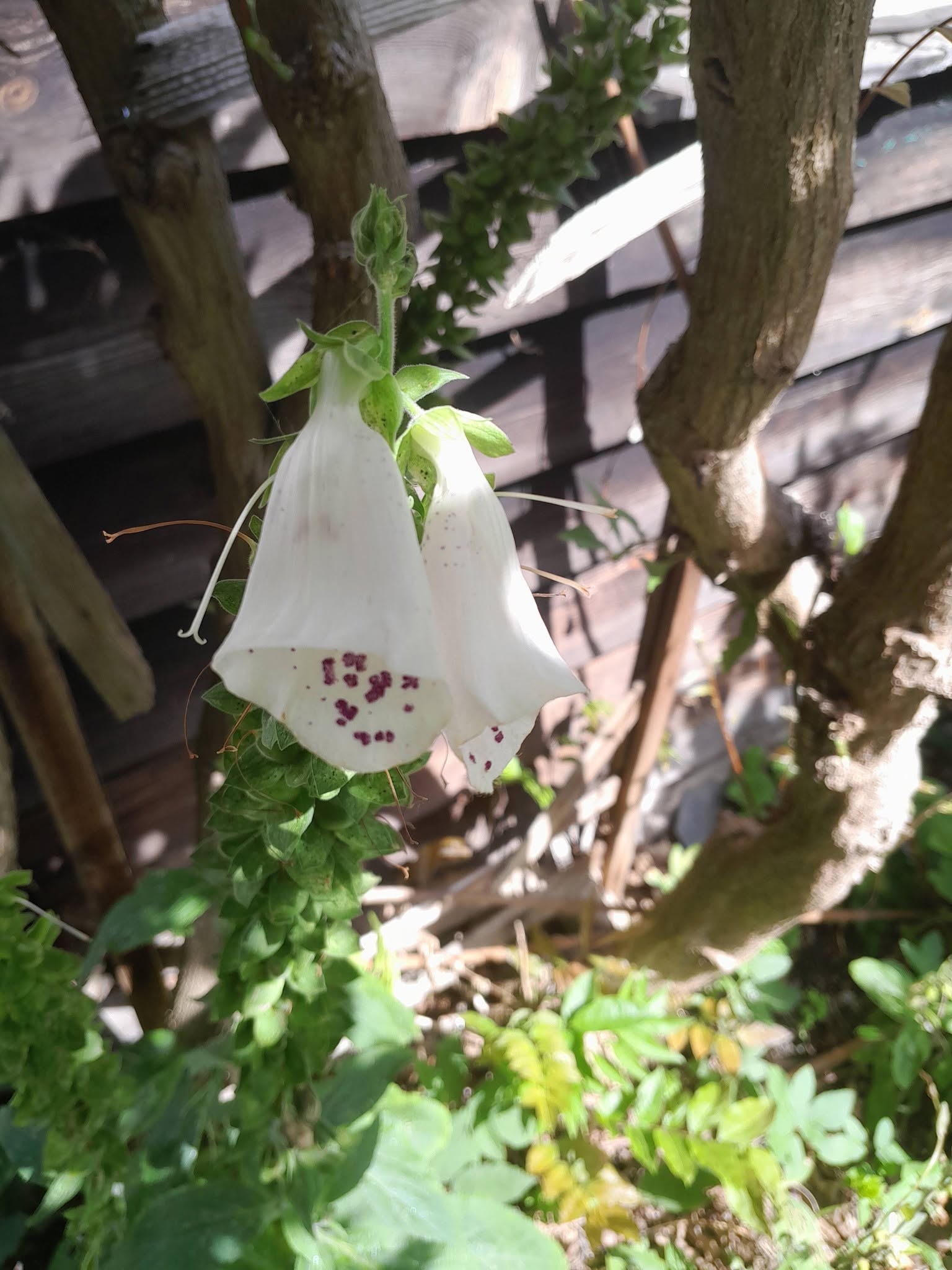
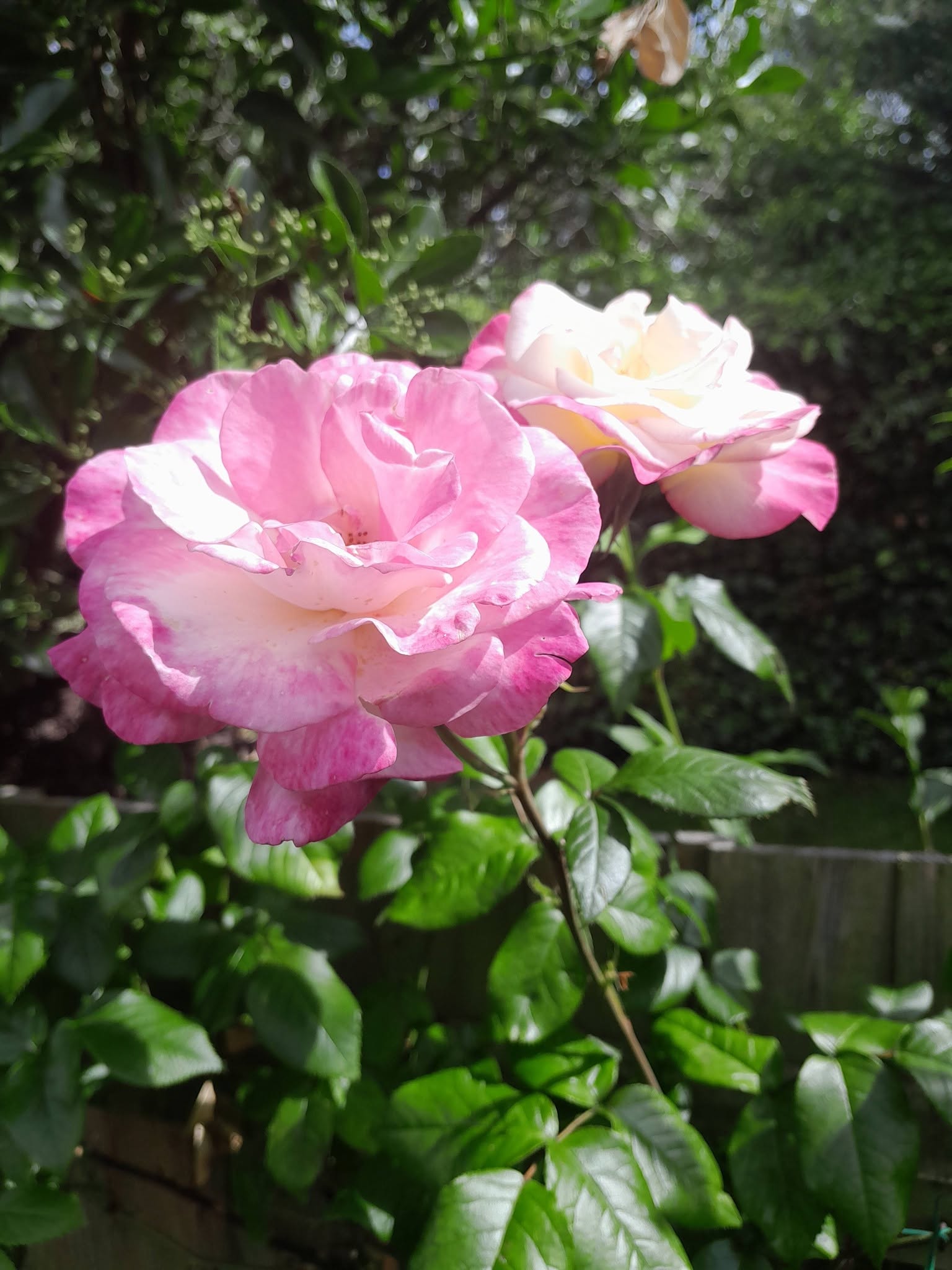
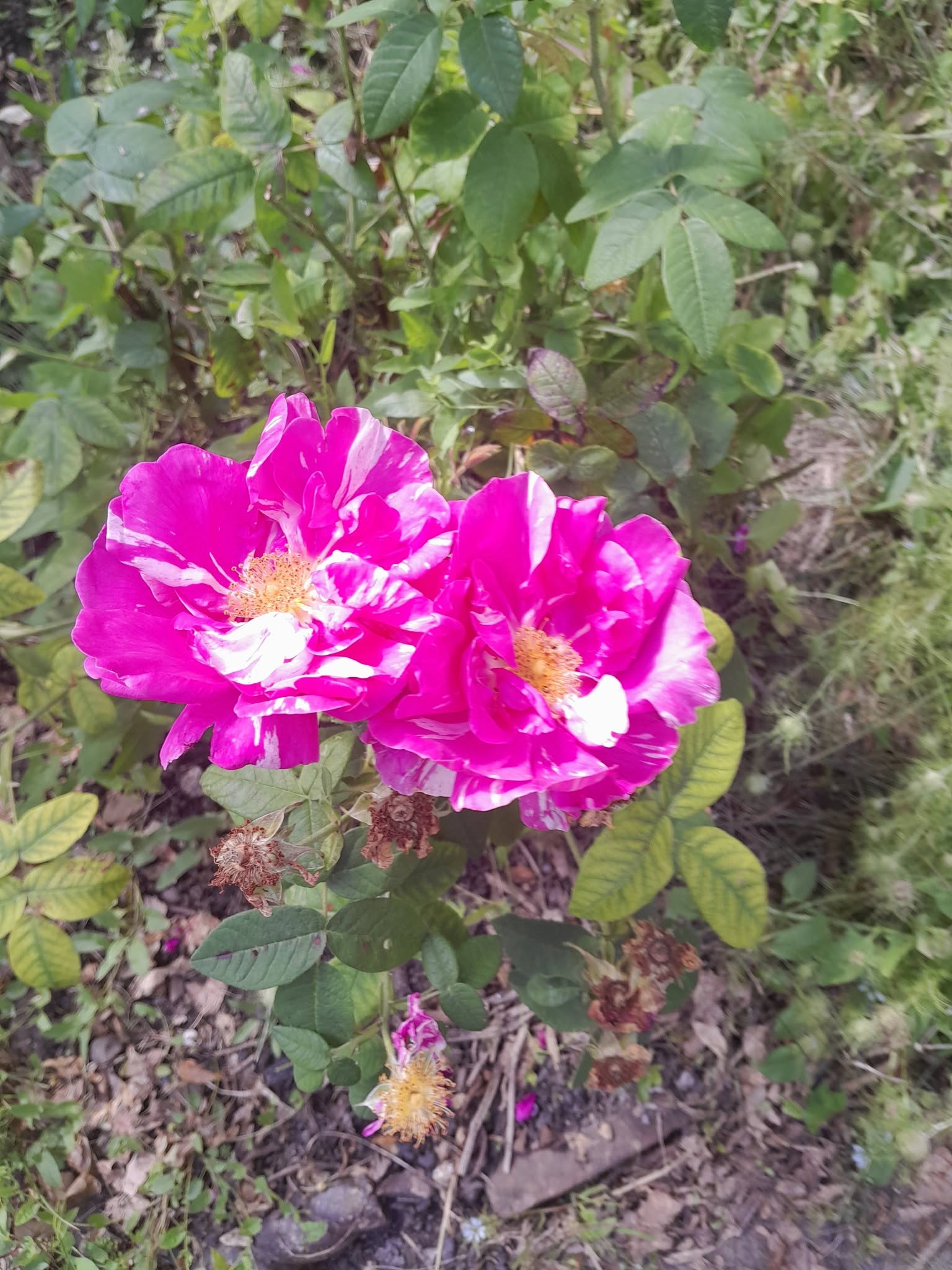
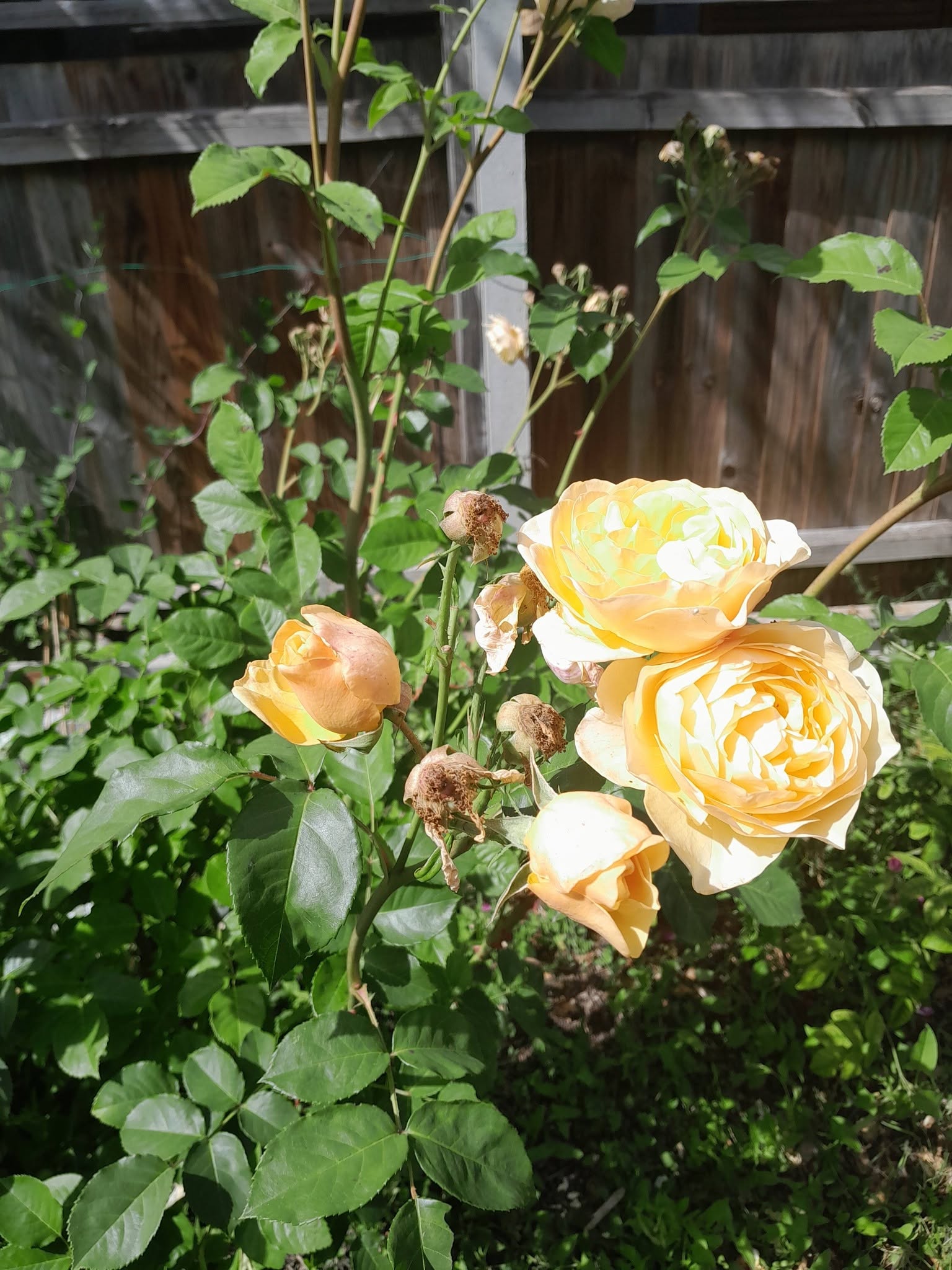
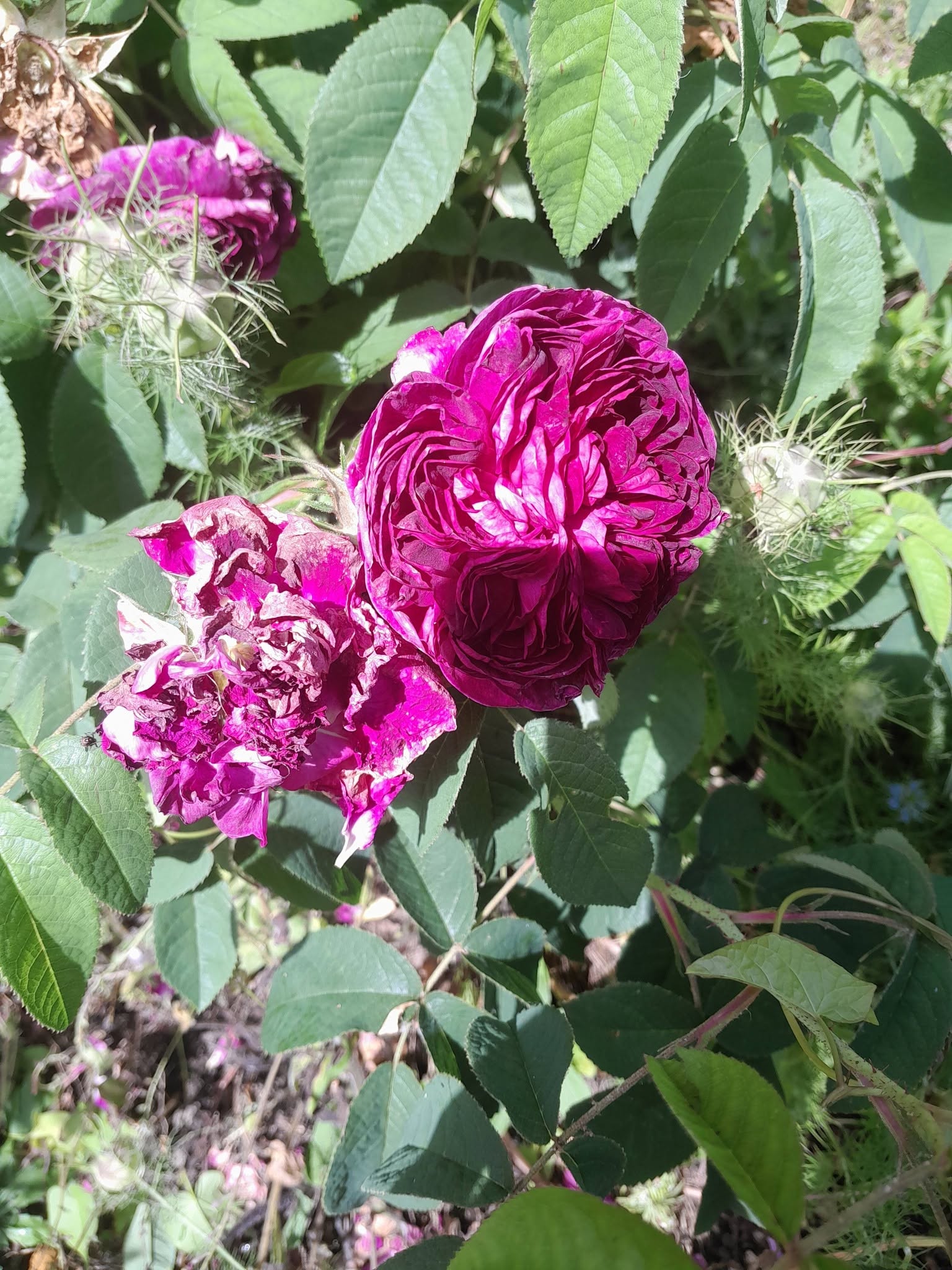
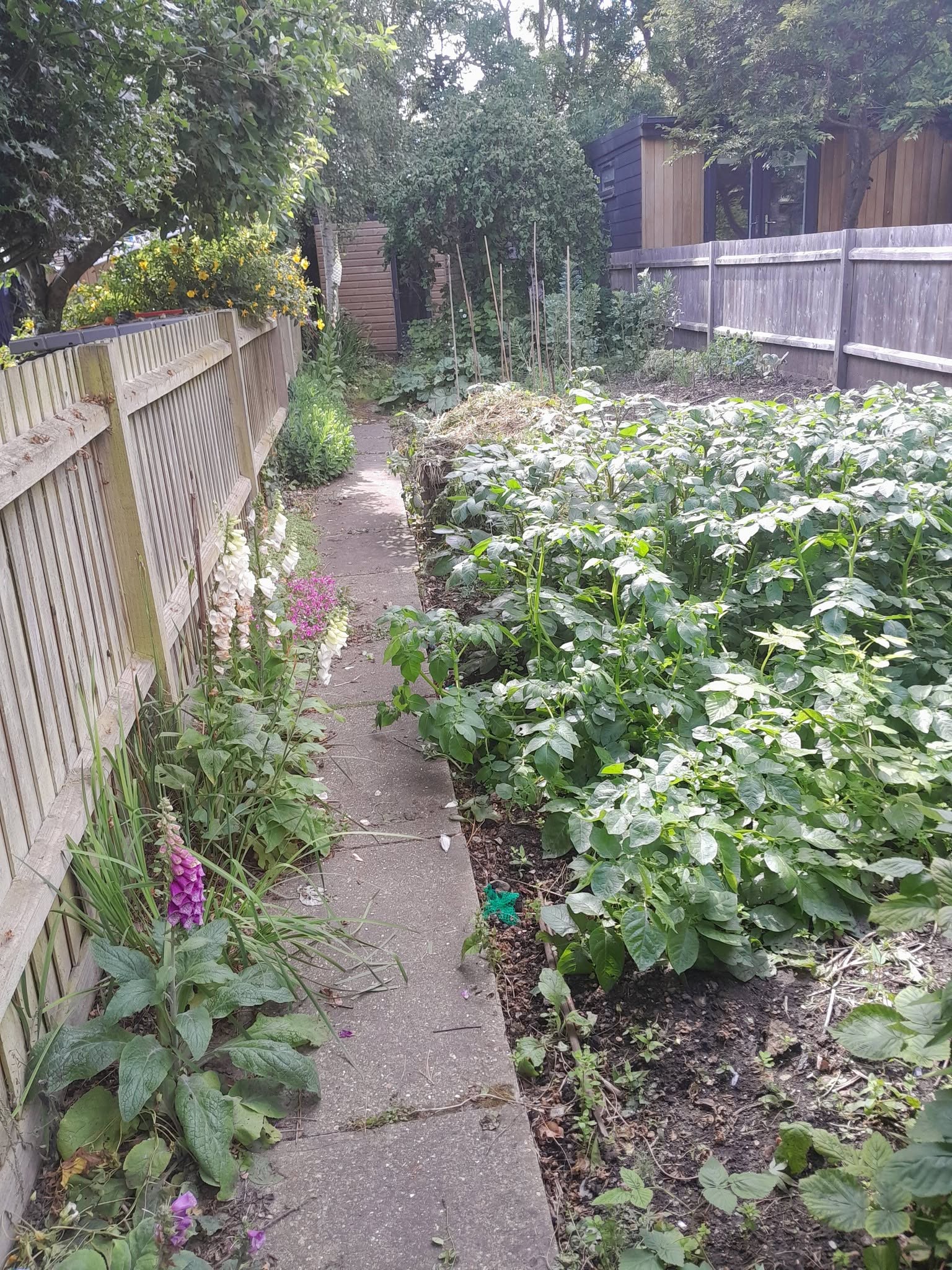
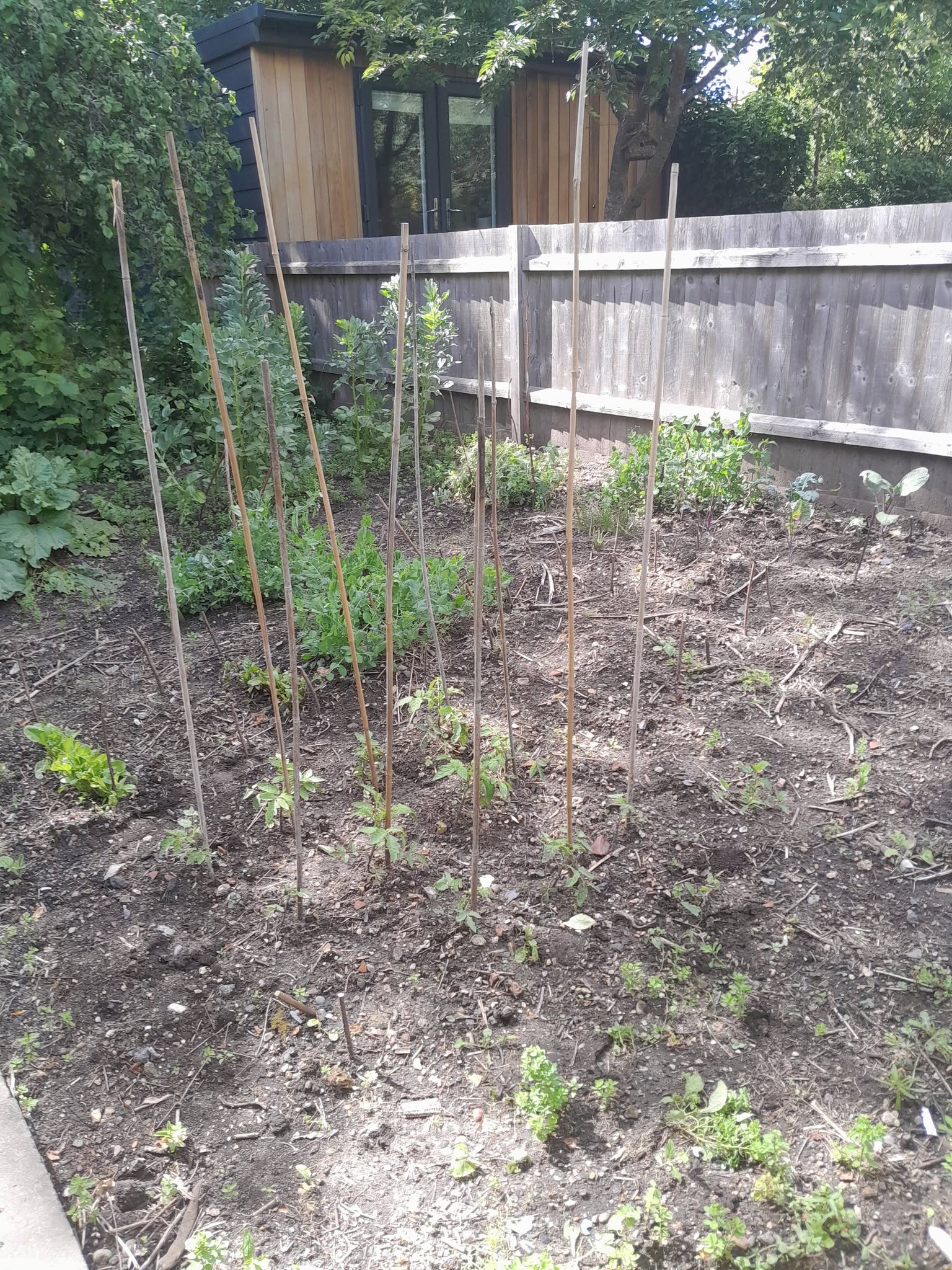
June 20: Second heatwave starting, and we haven't had midsummer yet!
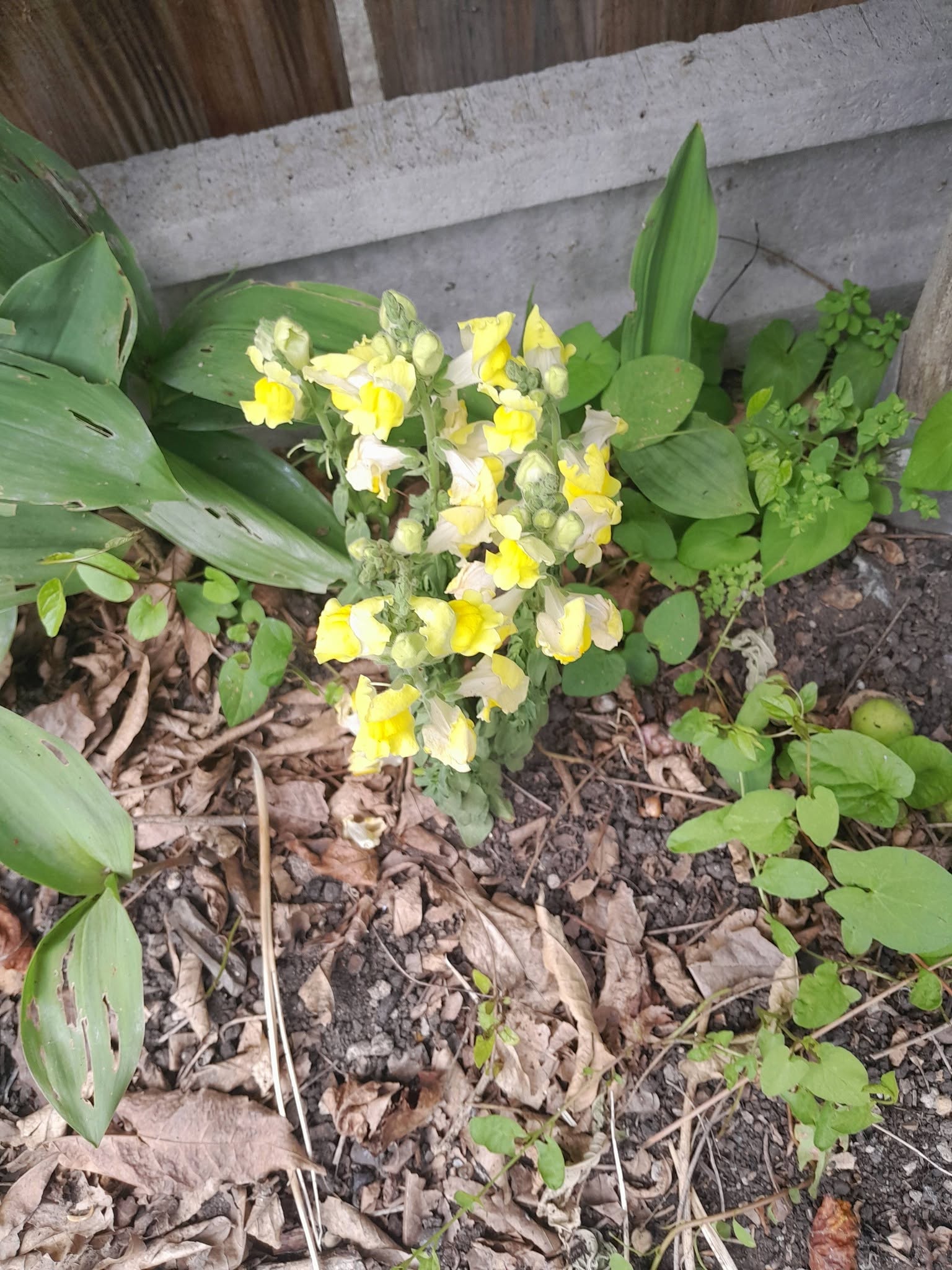
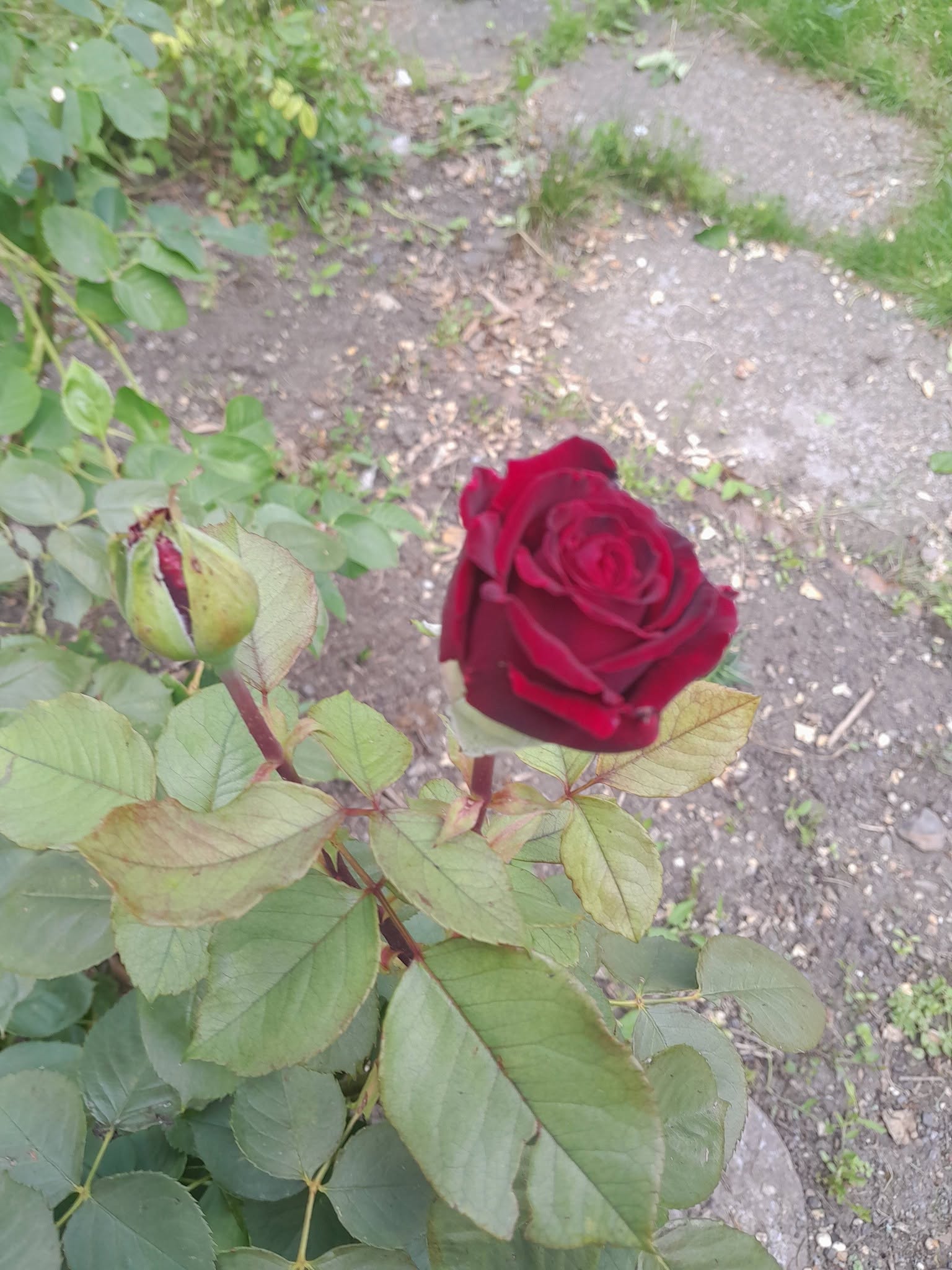
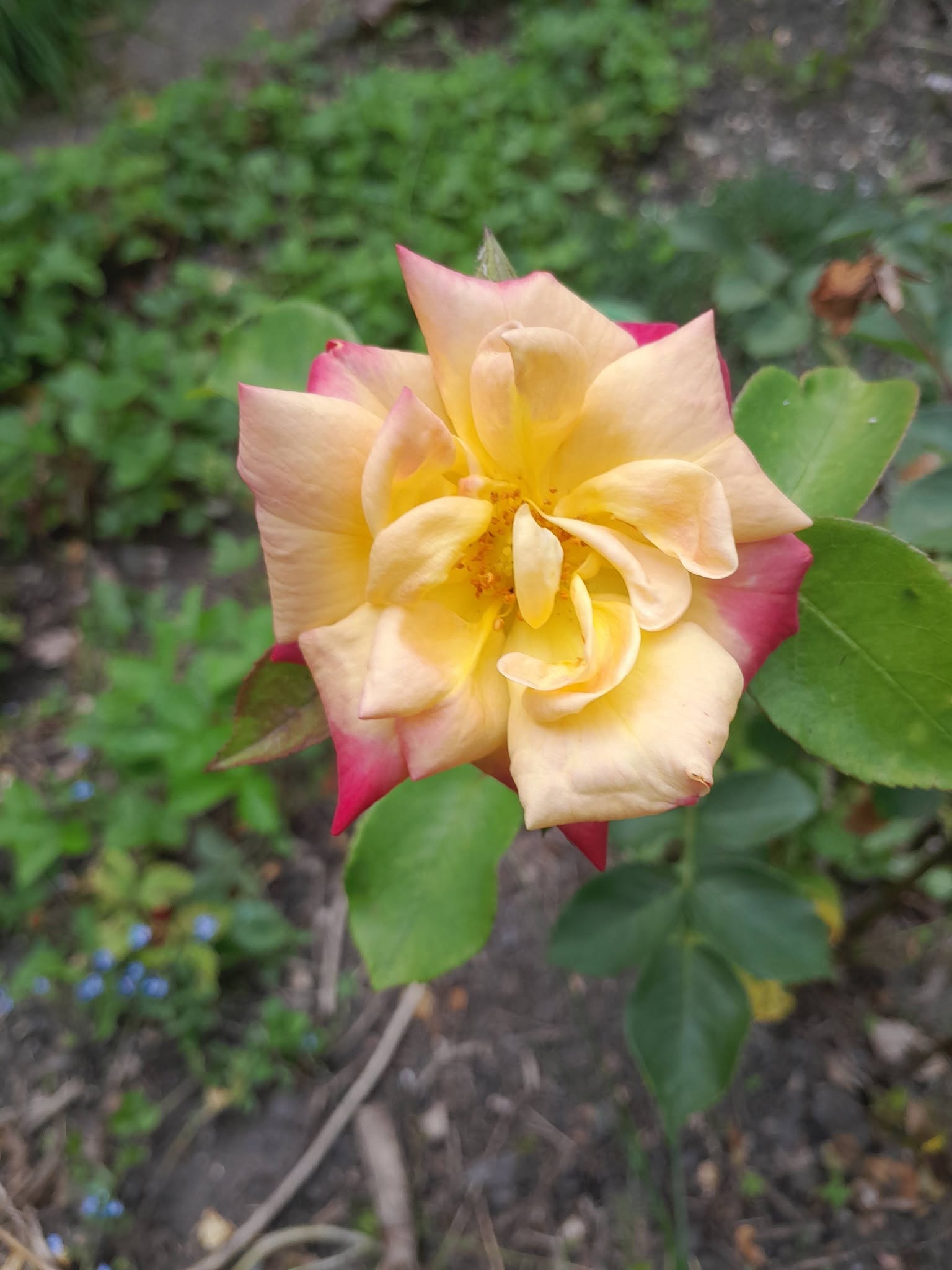
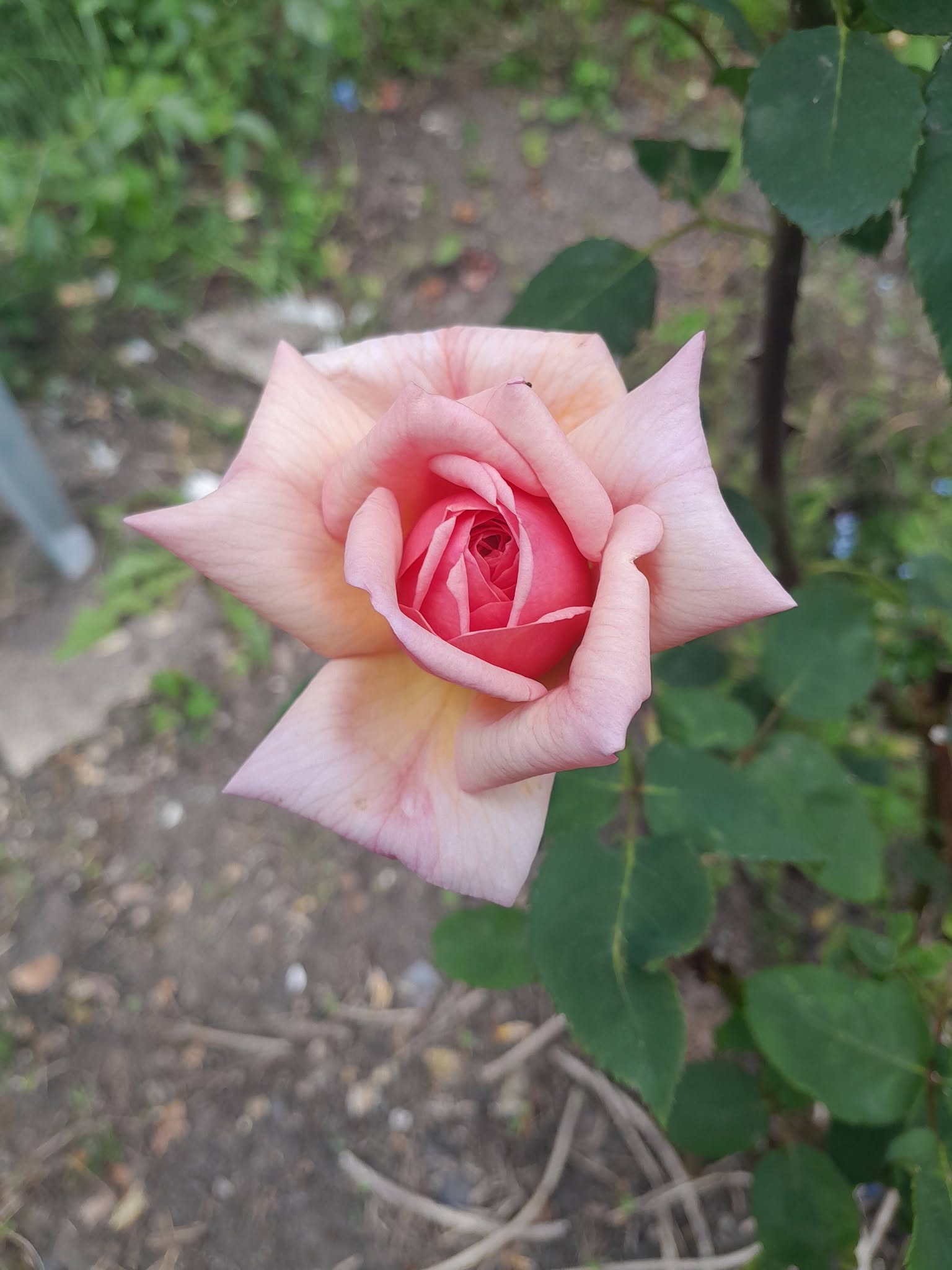
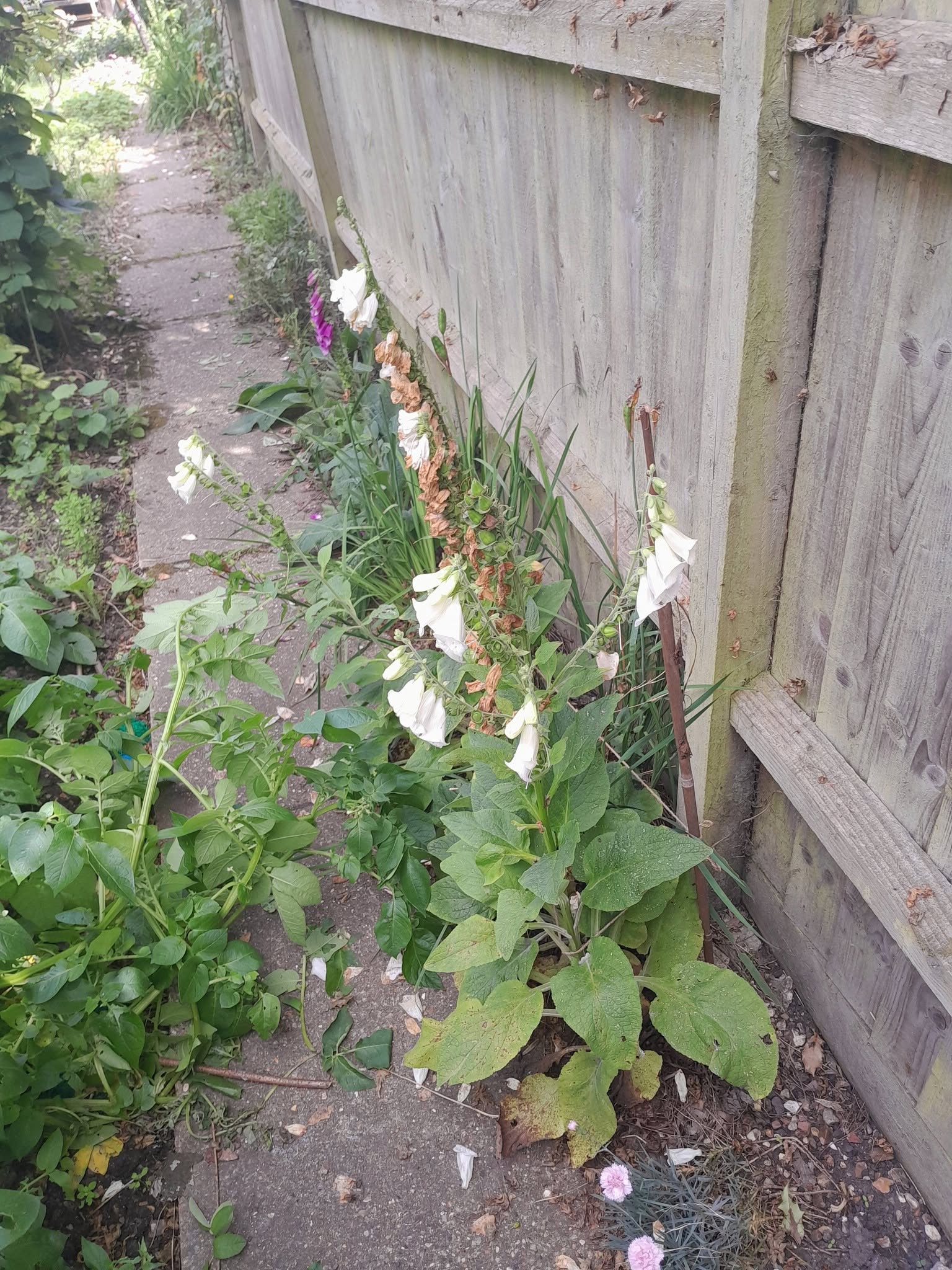
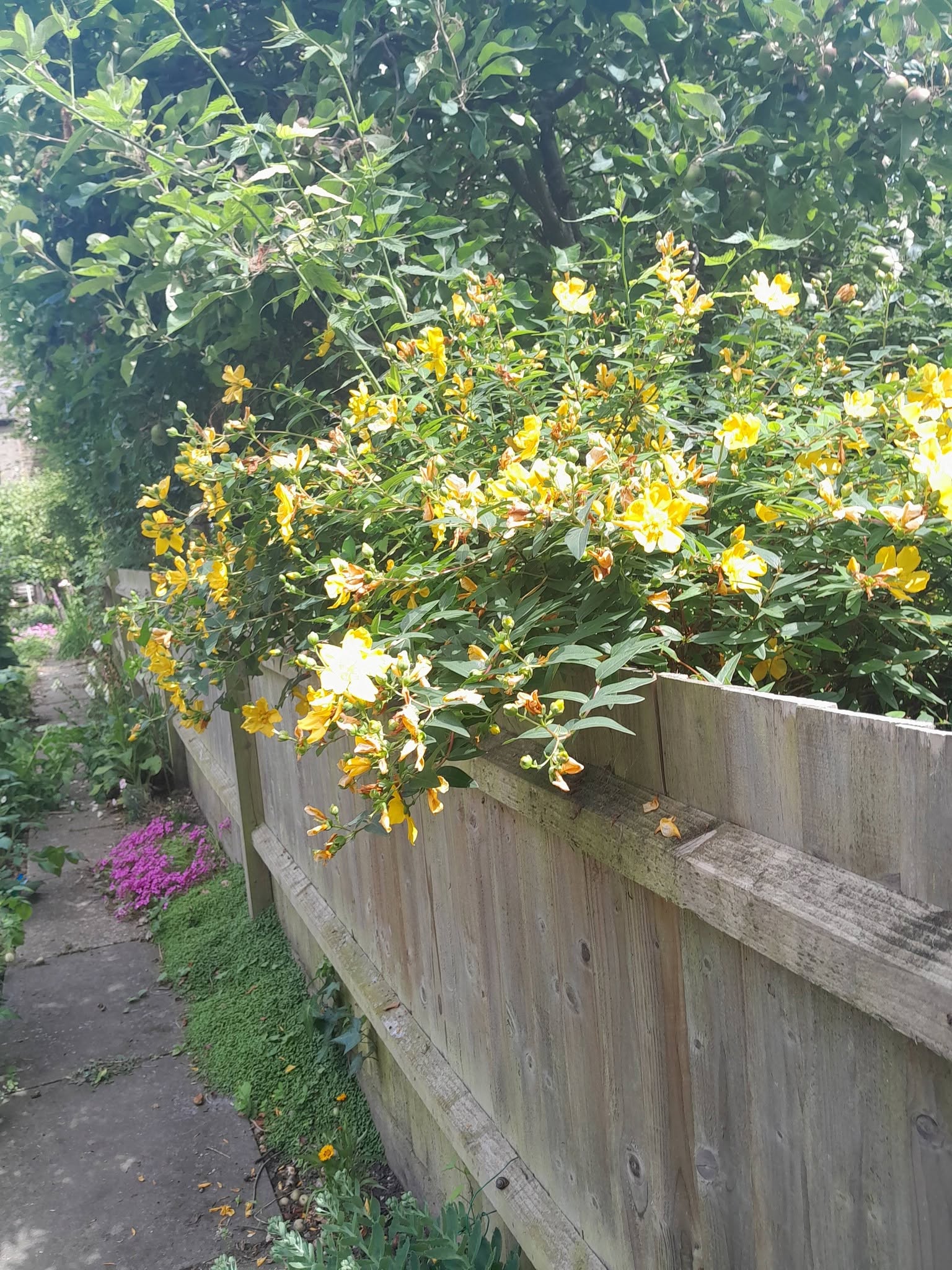
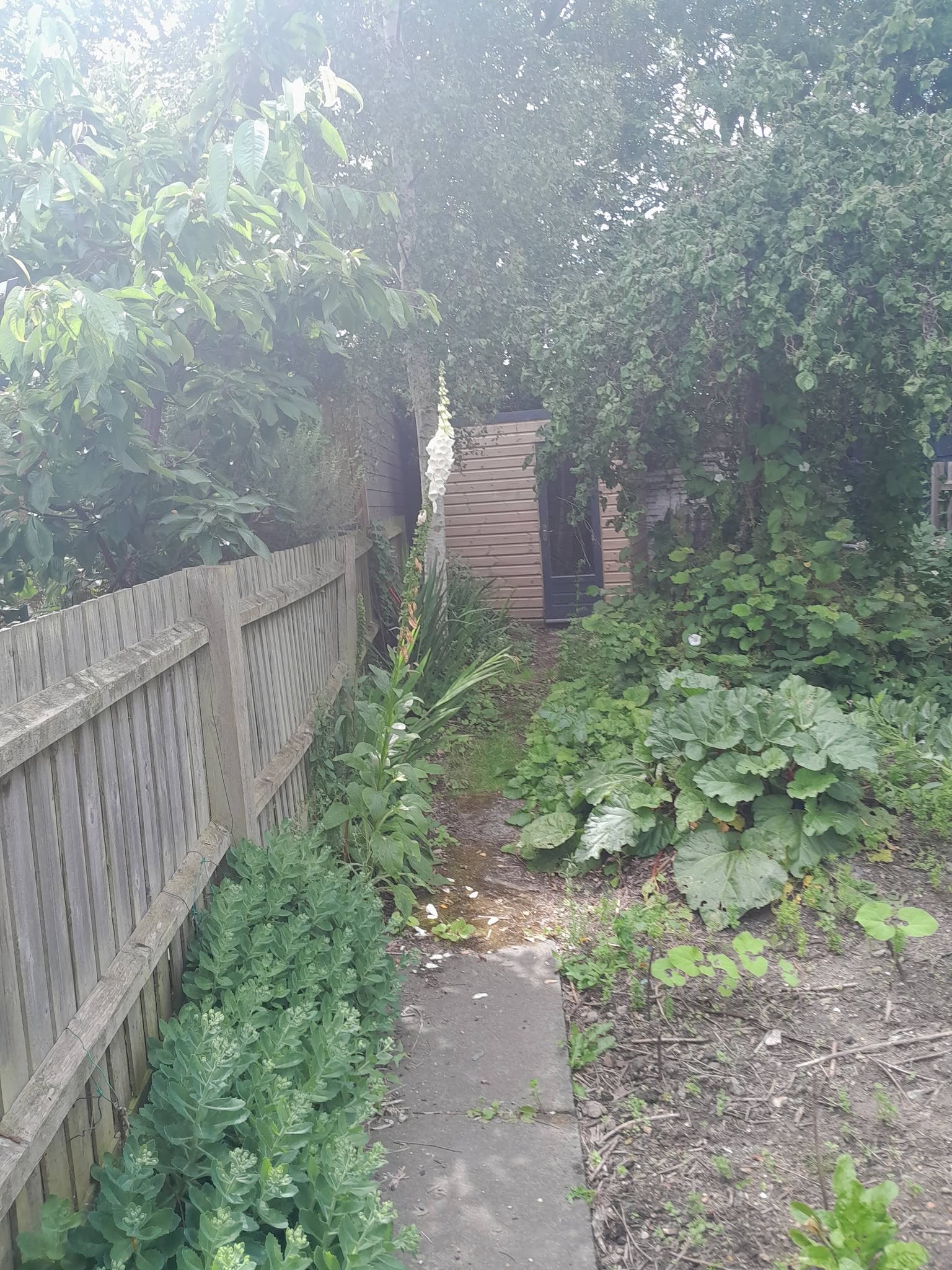
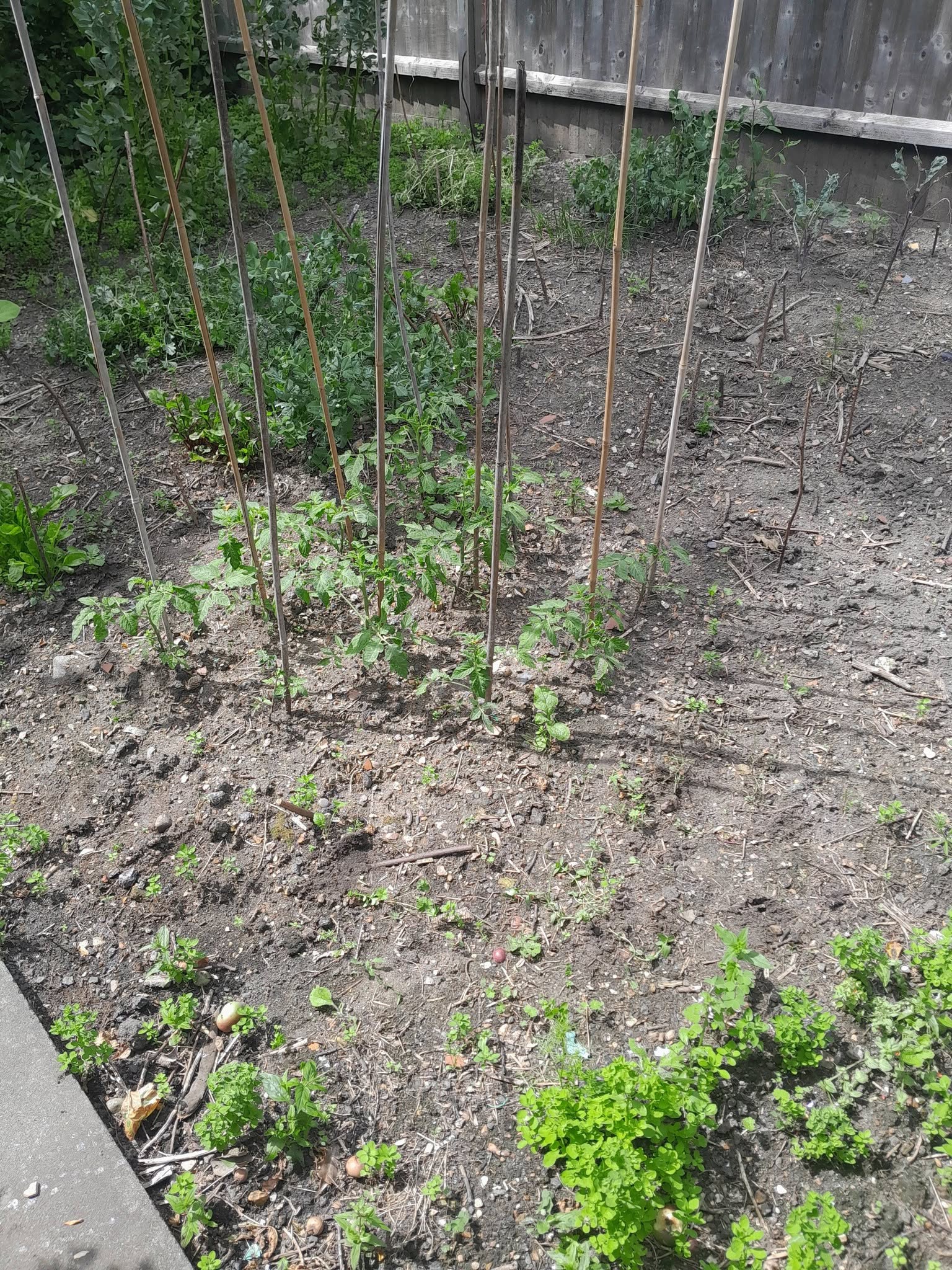
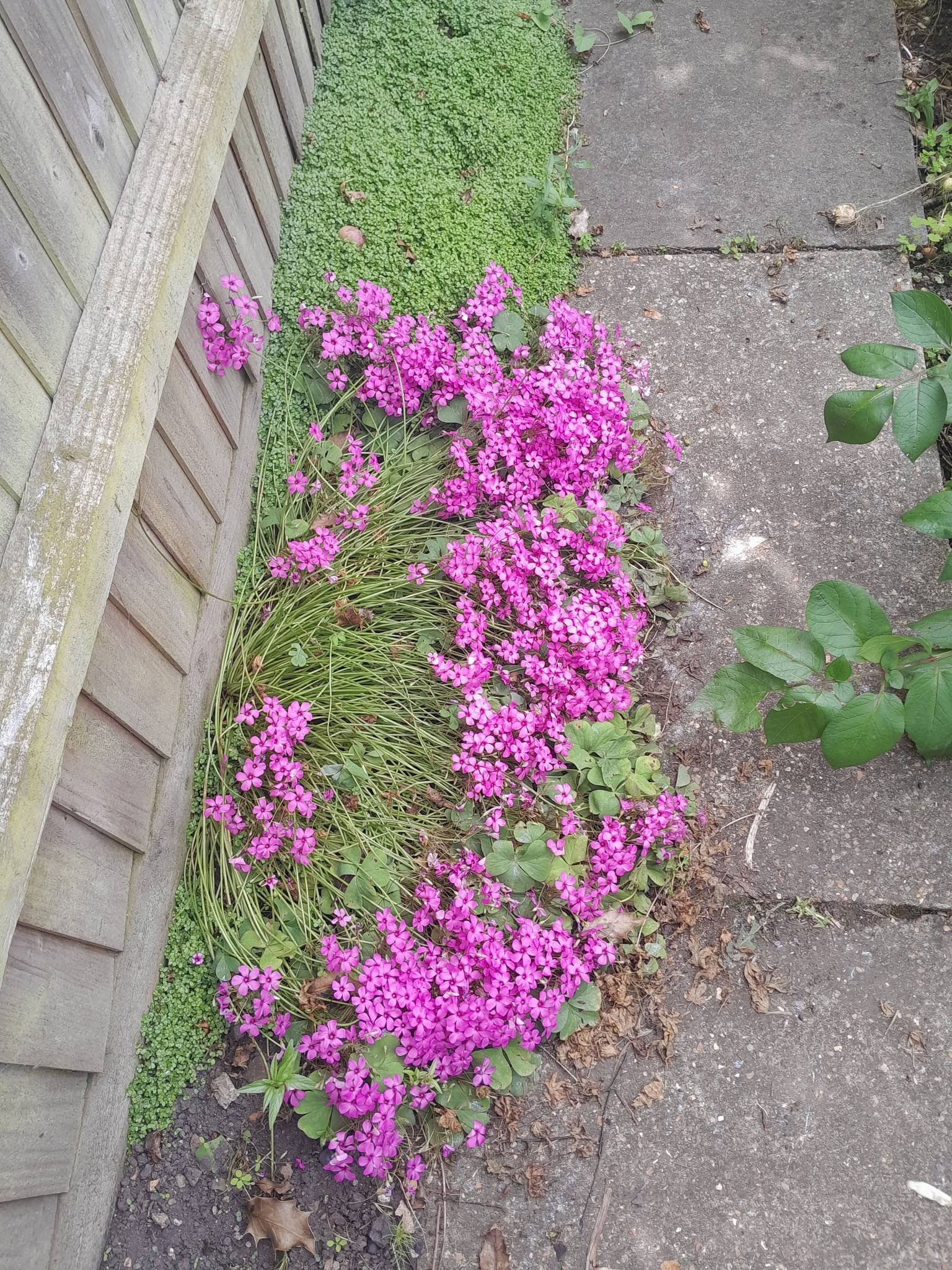
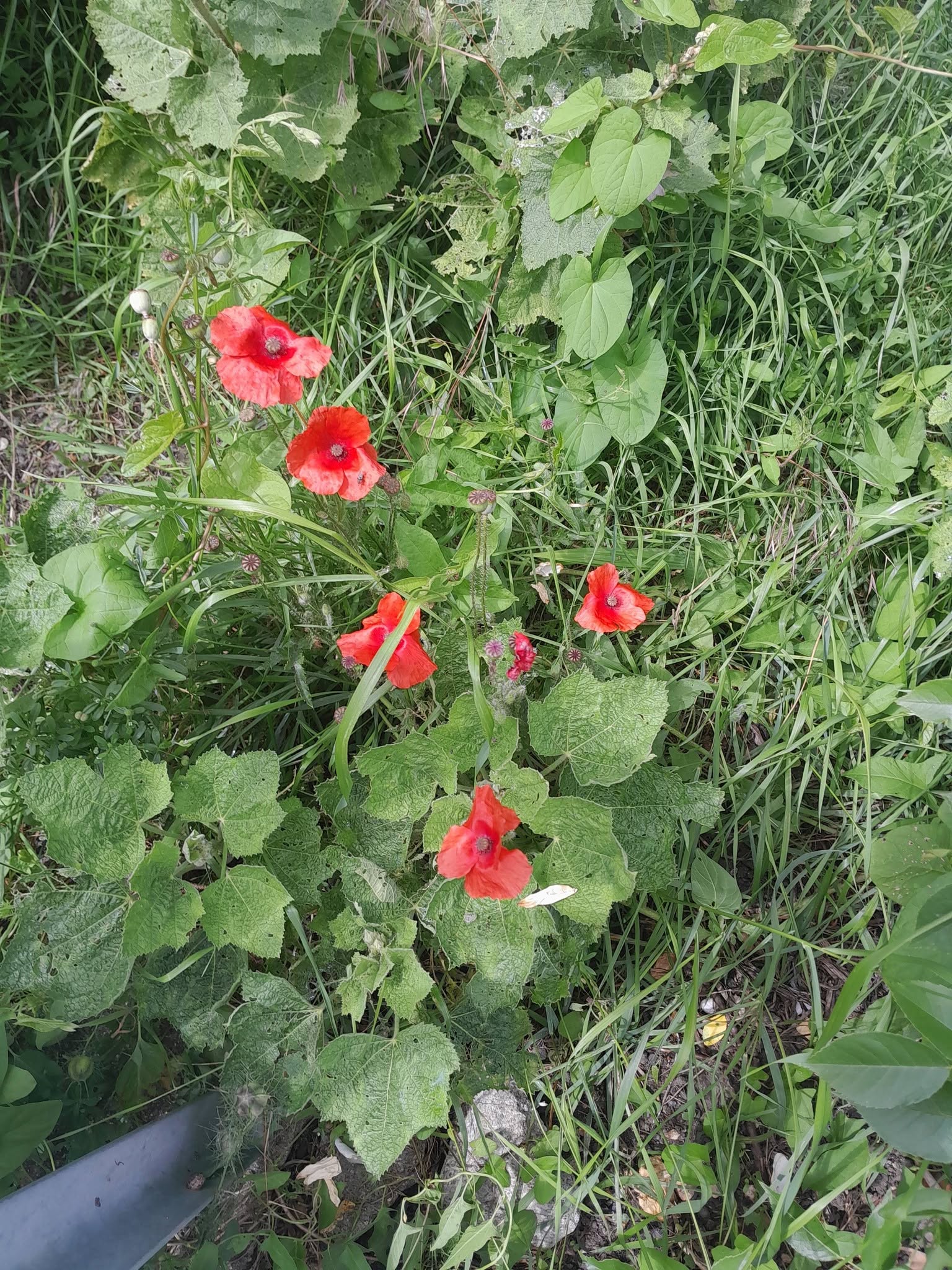
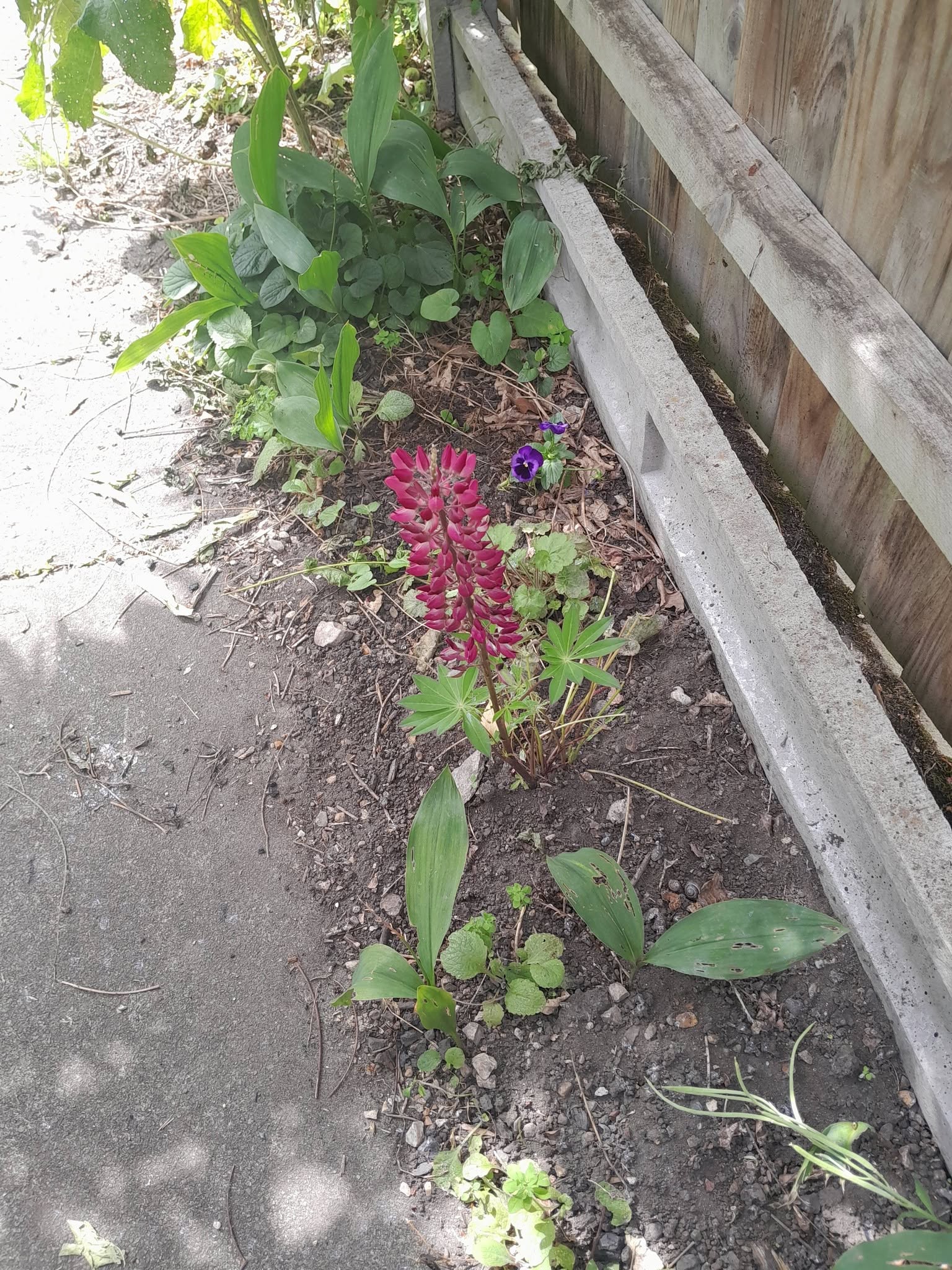
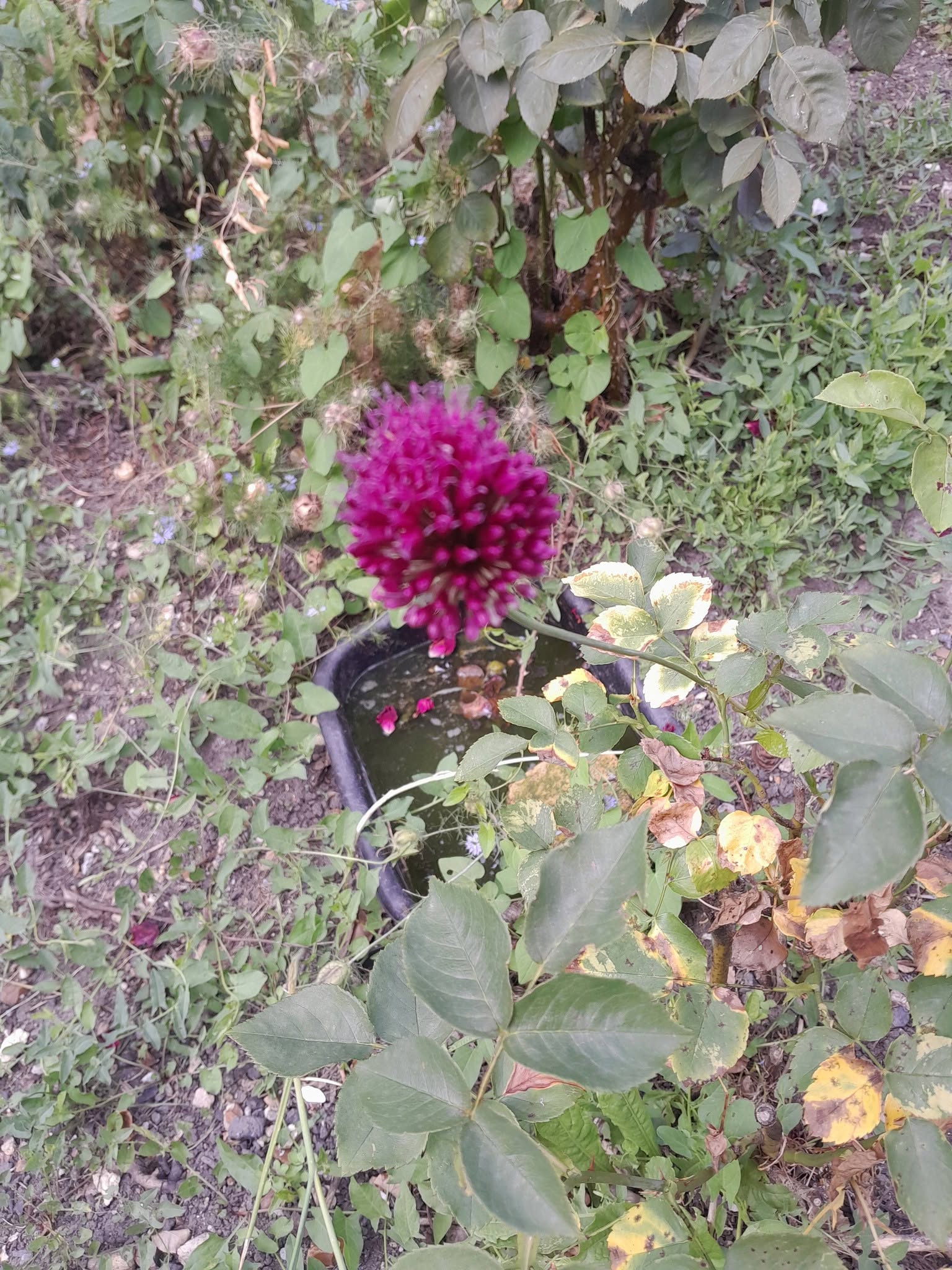
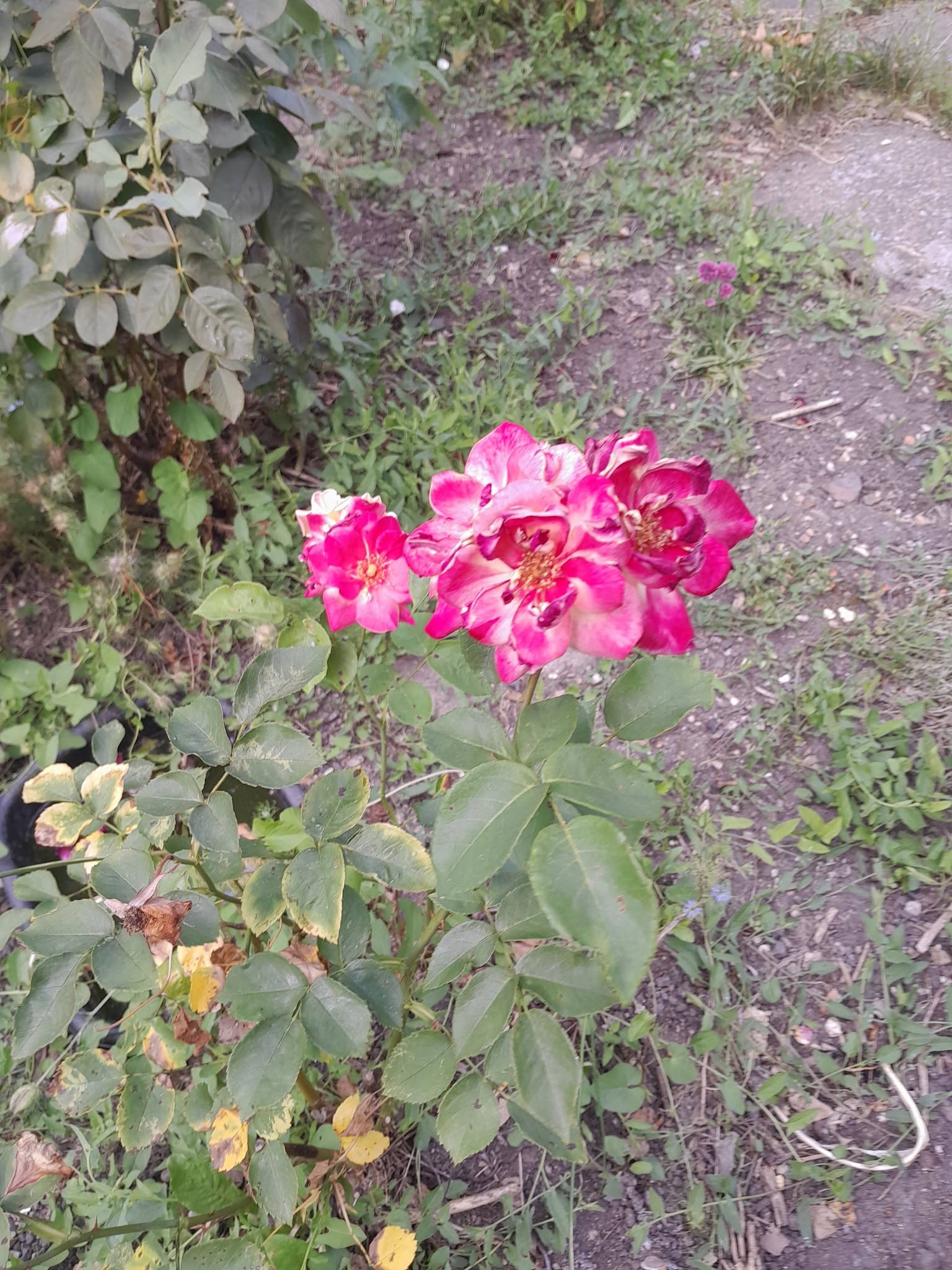
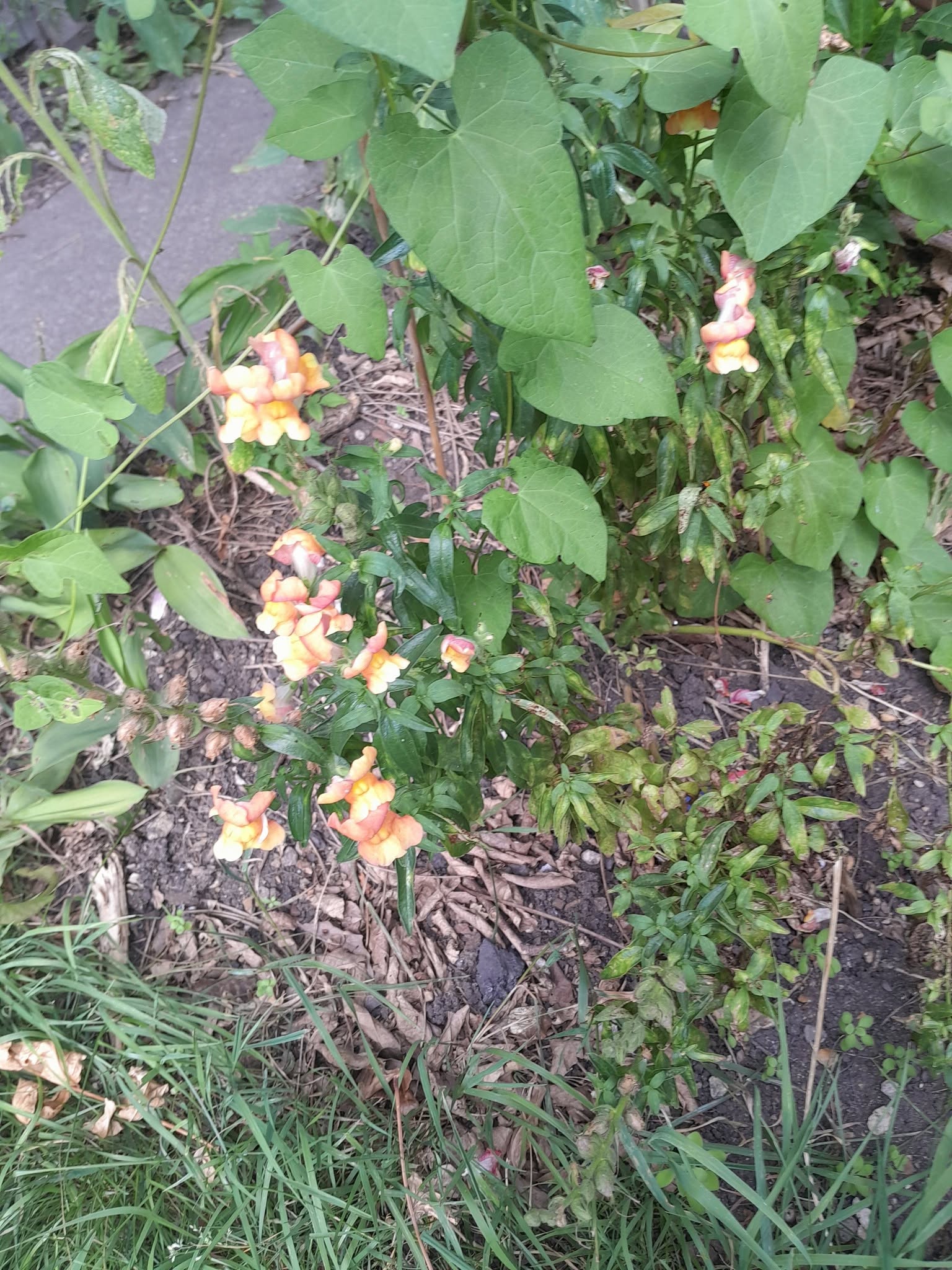
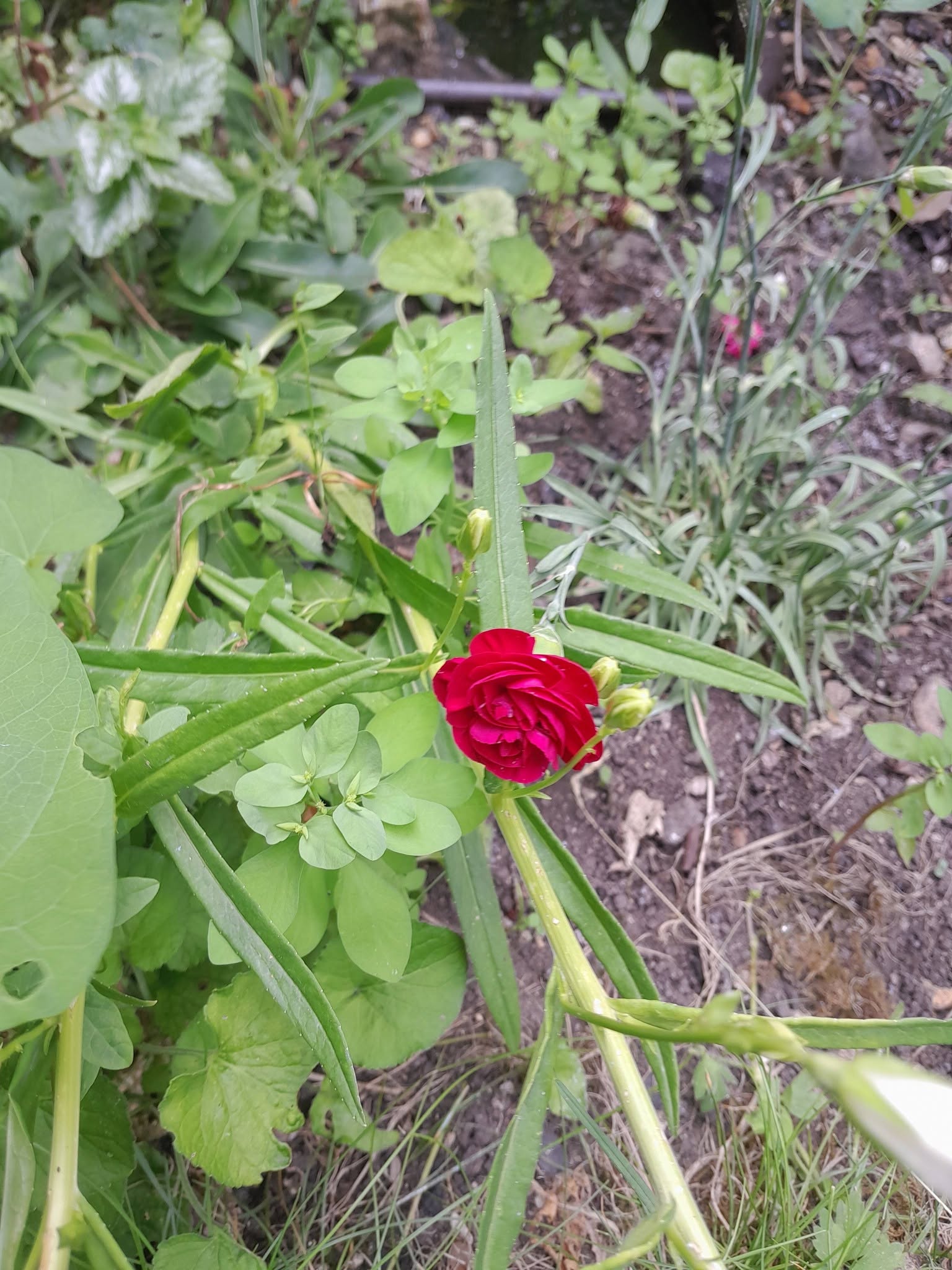
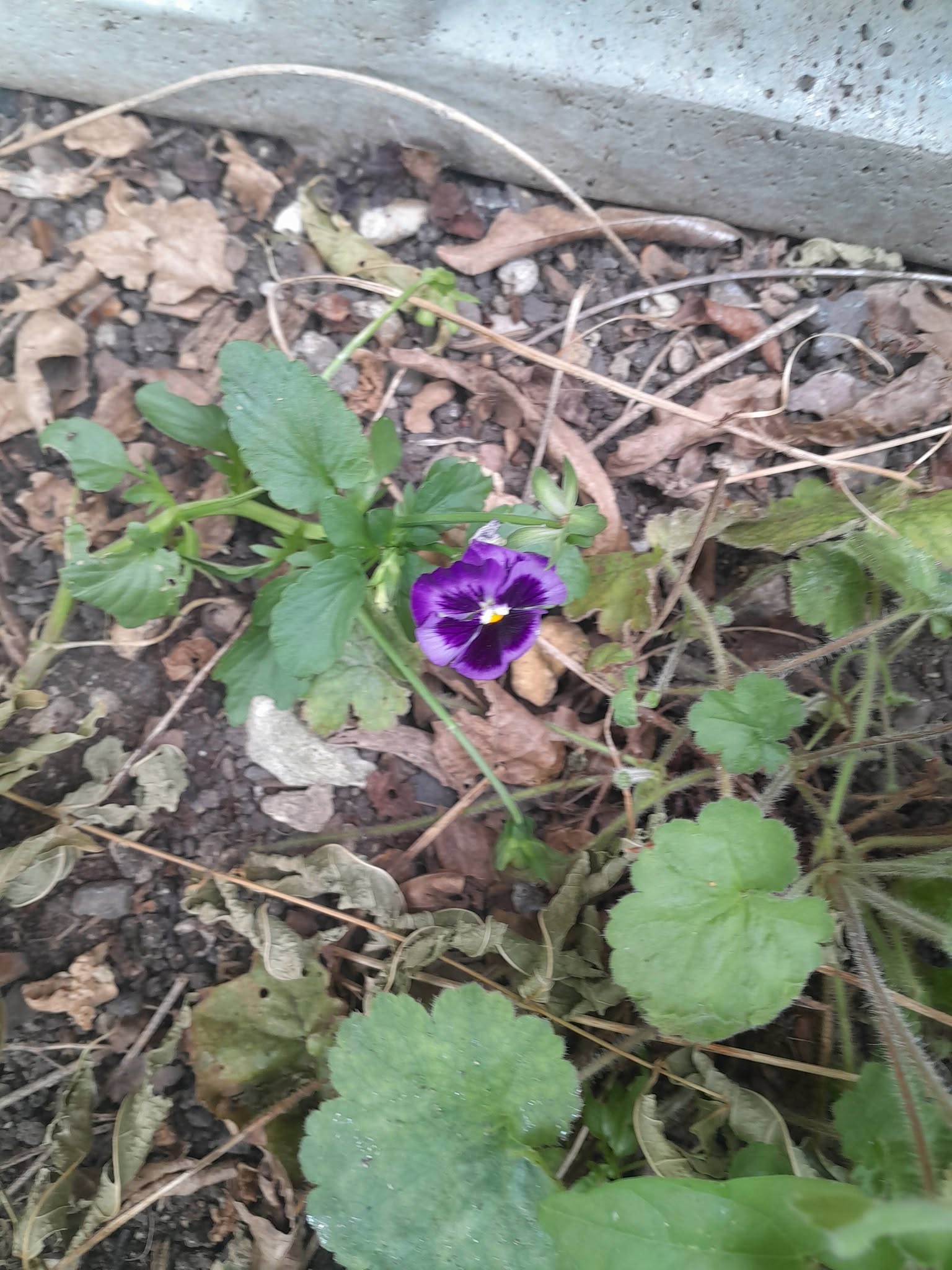
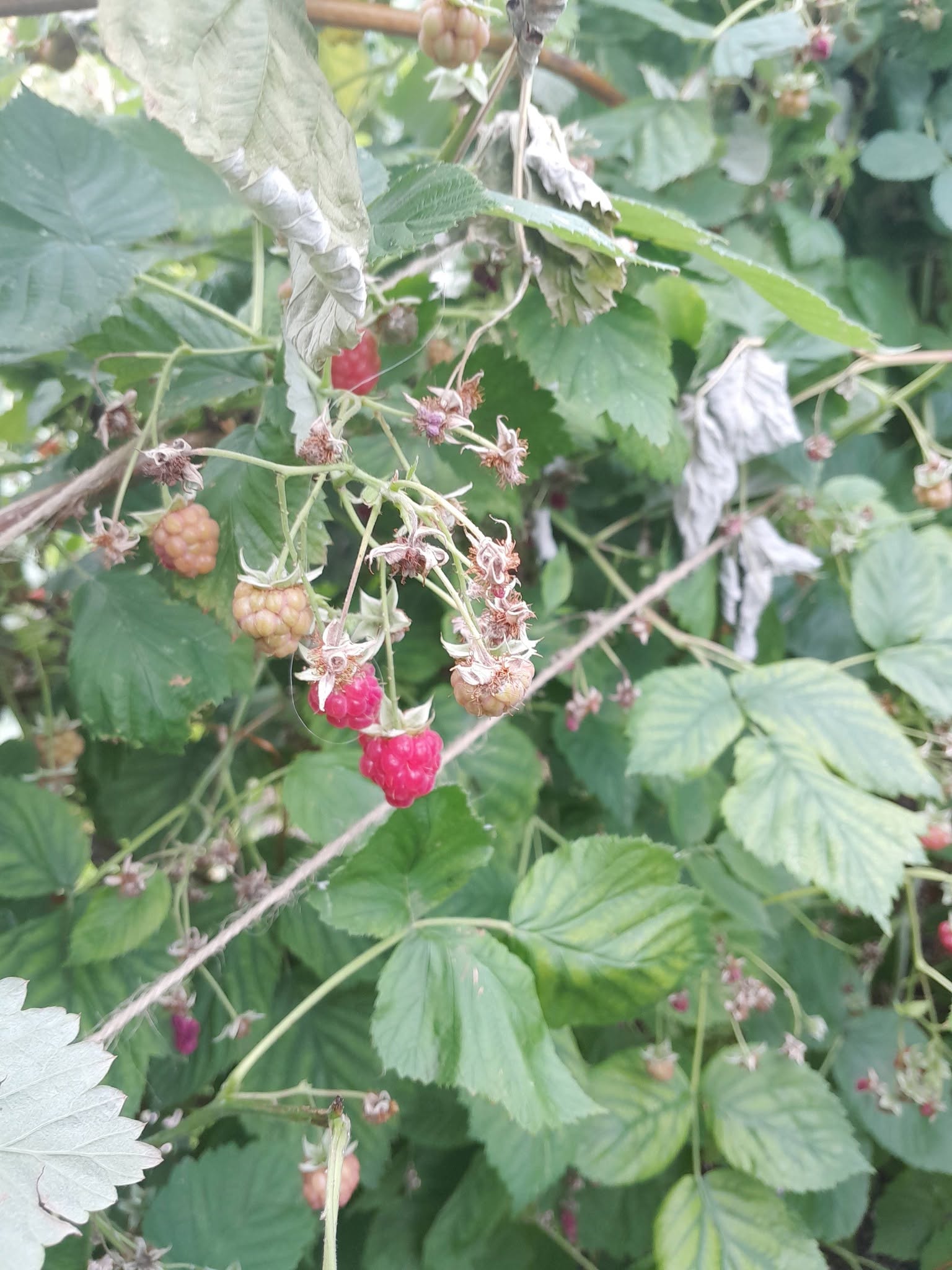
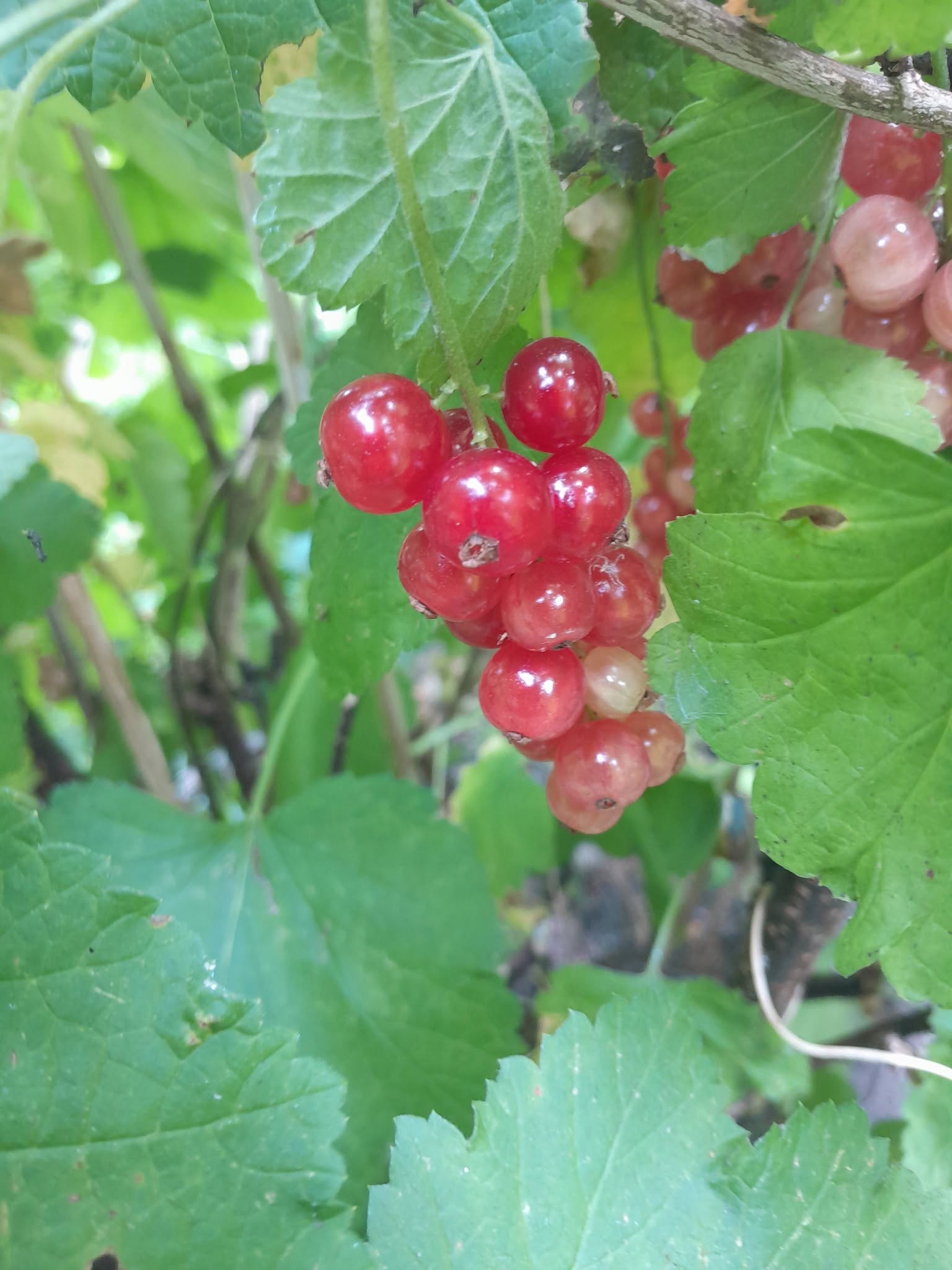
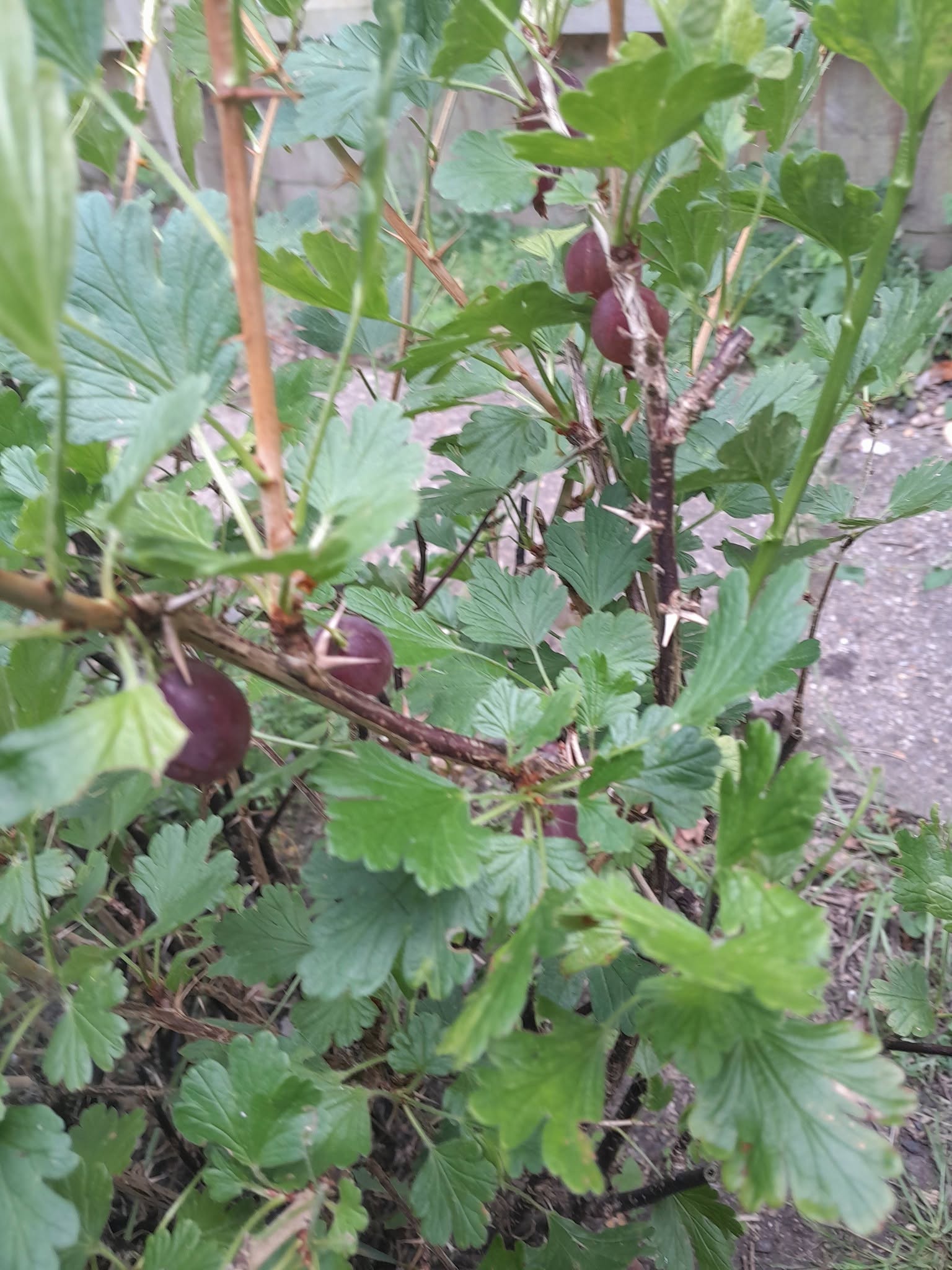
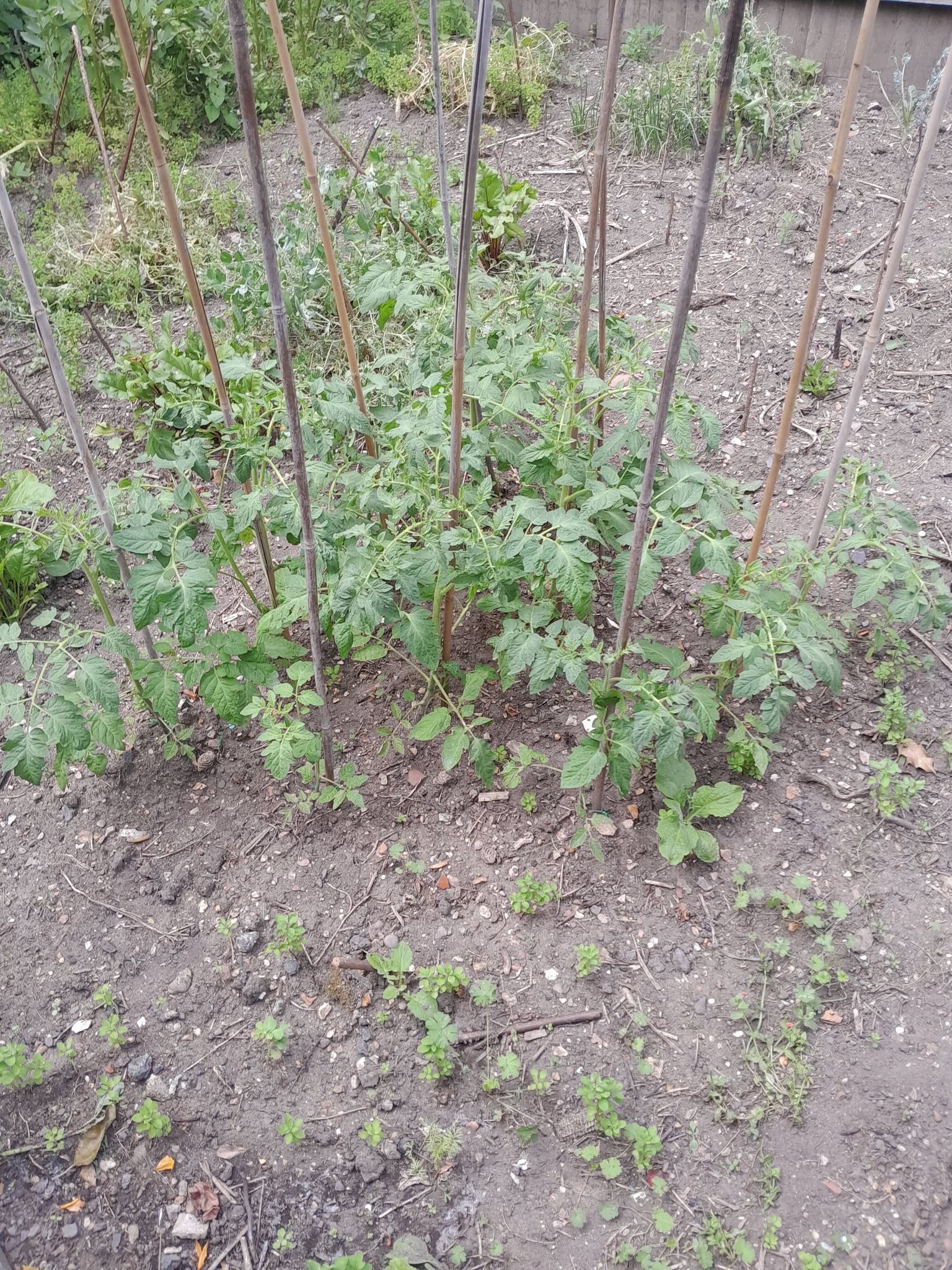
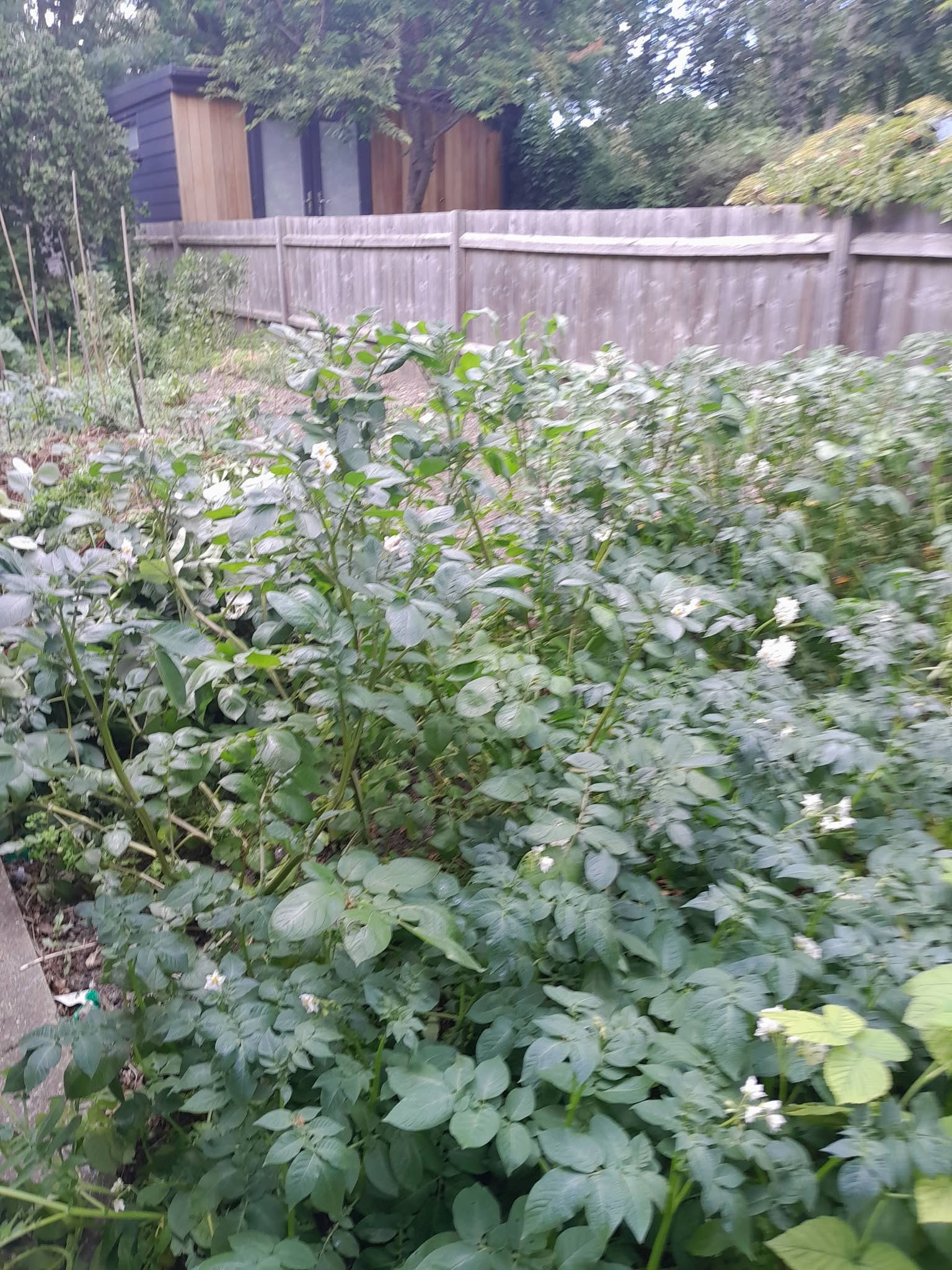
June 28: We've been having temps in 30s, top was 36. British flowers don't like this. Potatoes and tomatoes apparently do...
| June | 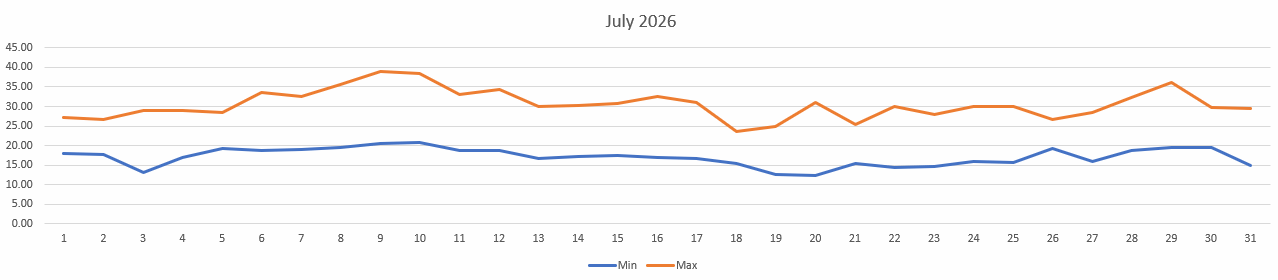 |
August |
July 3: Weather still high 20s, and no rain. Not many flowers.
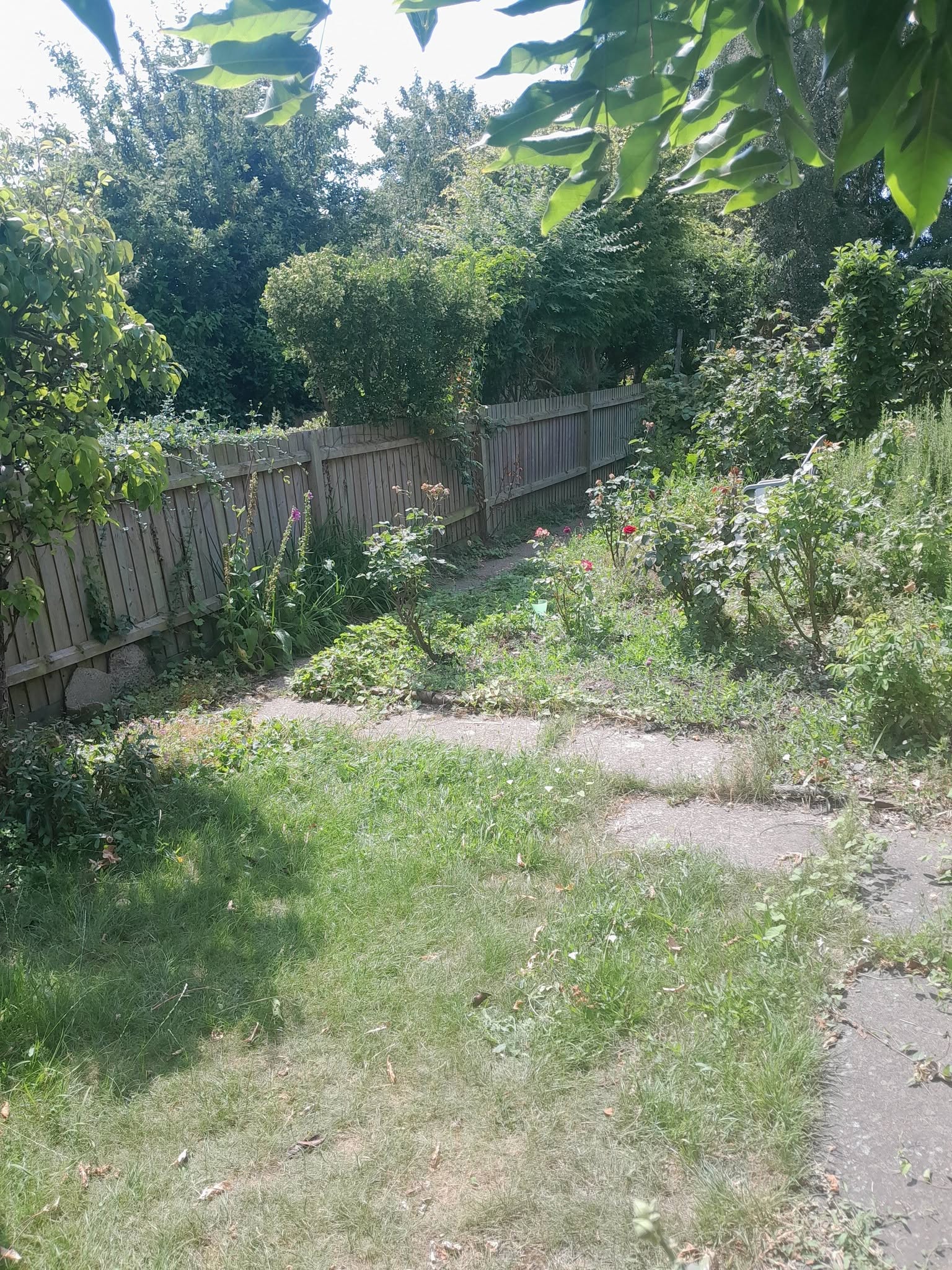
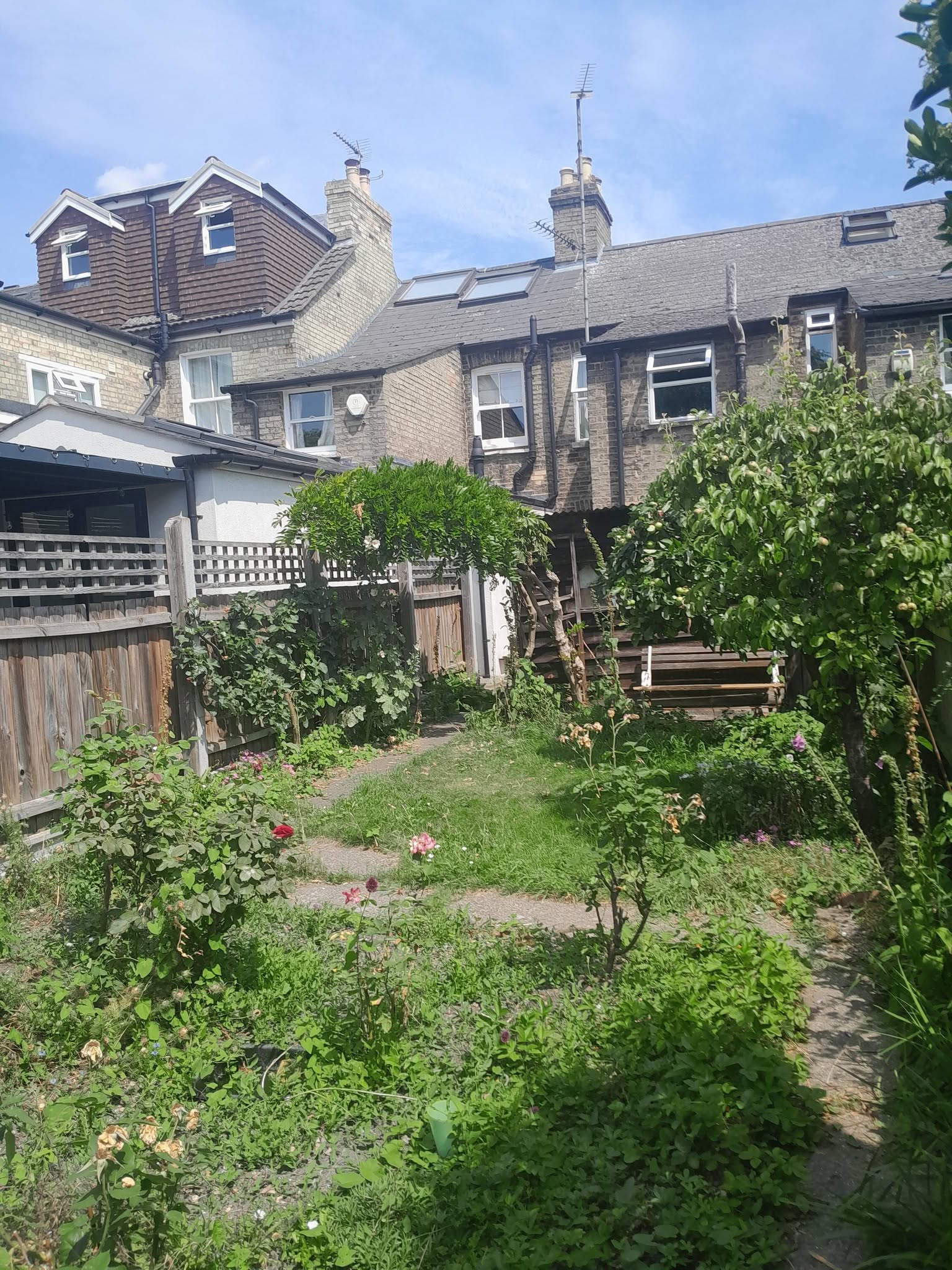
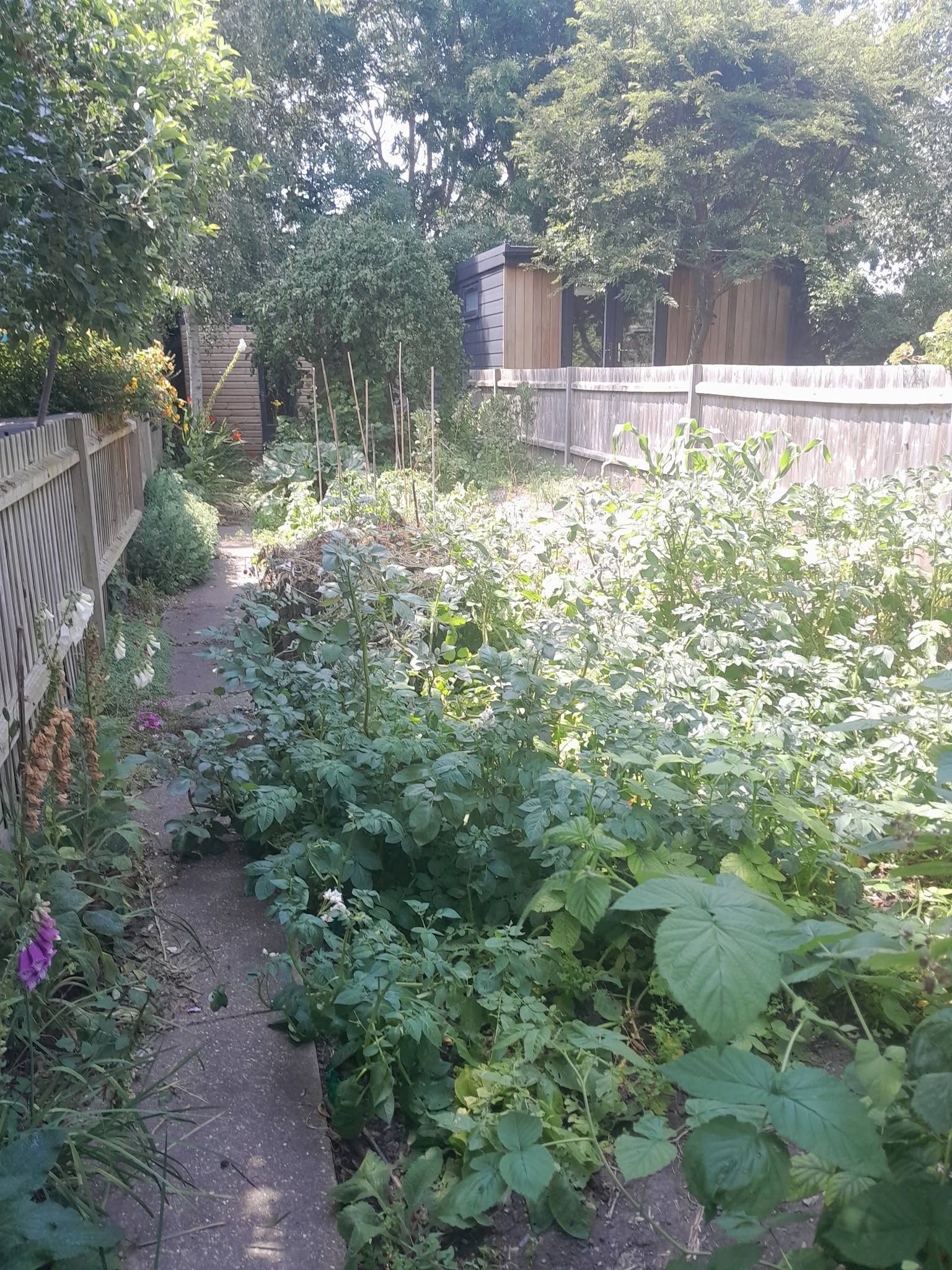
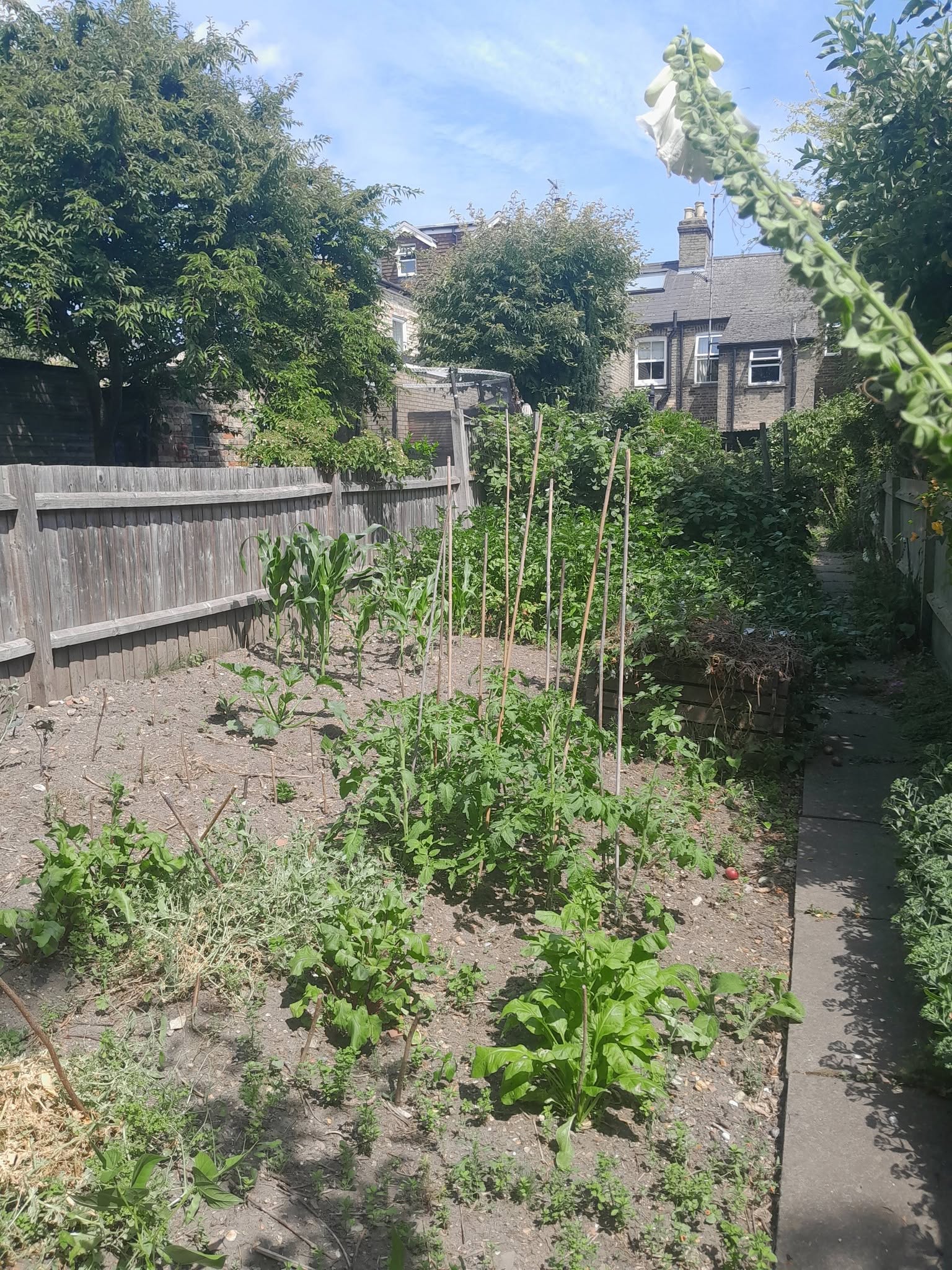
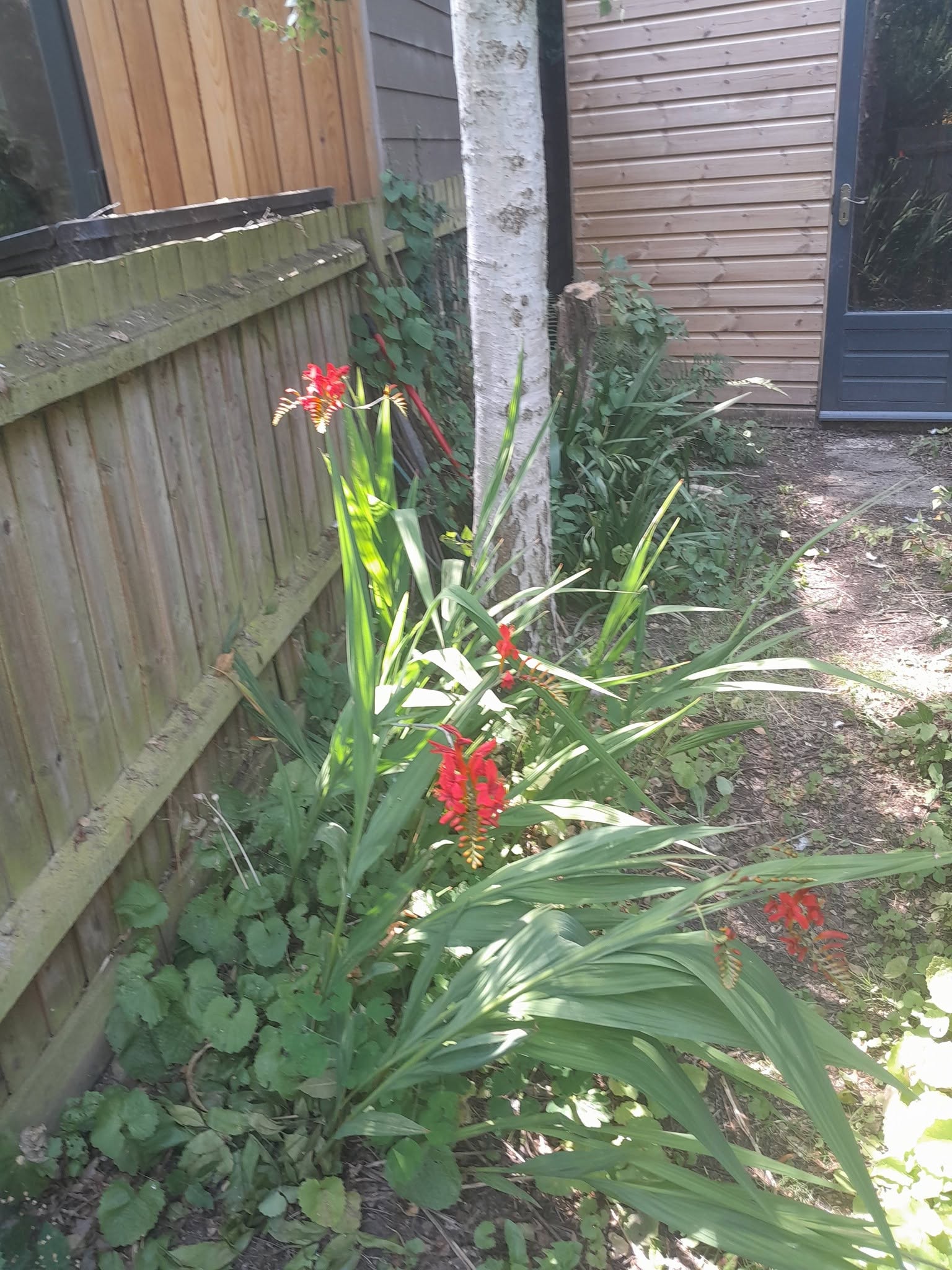
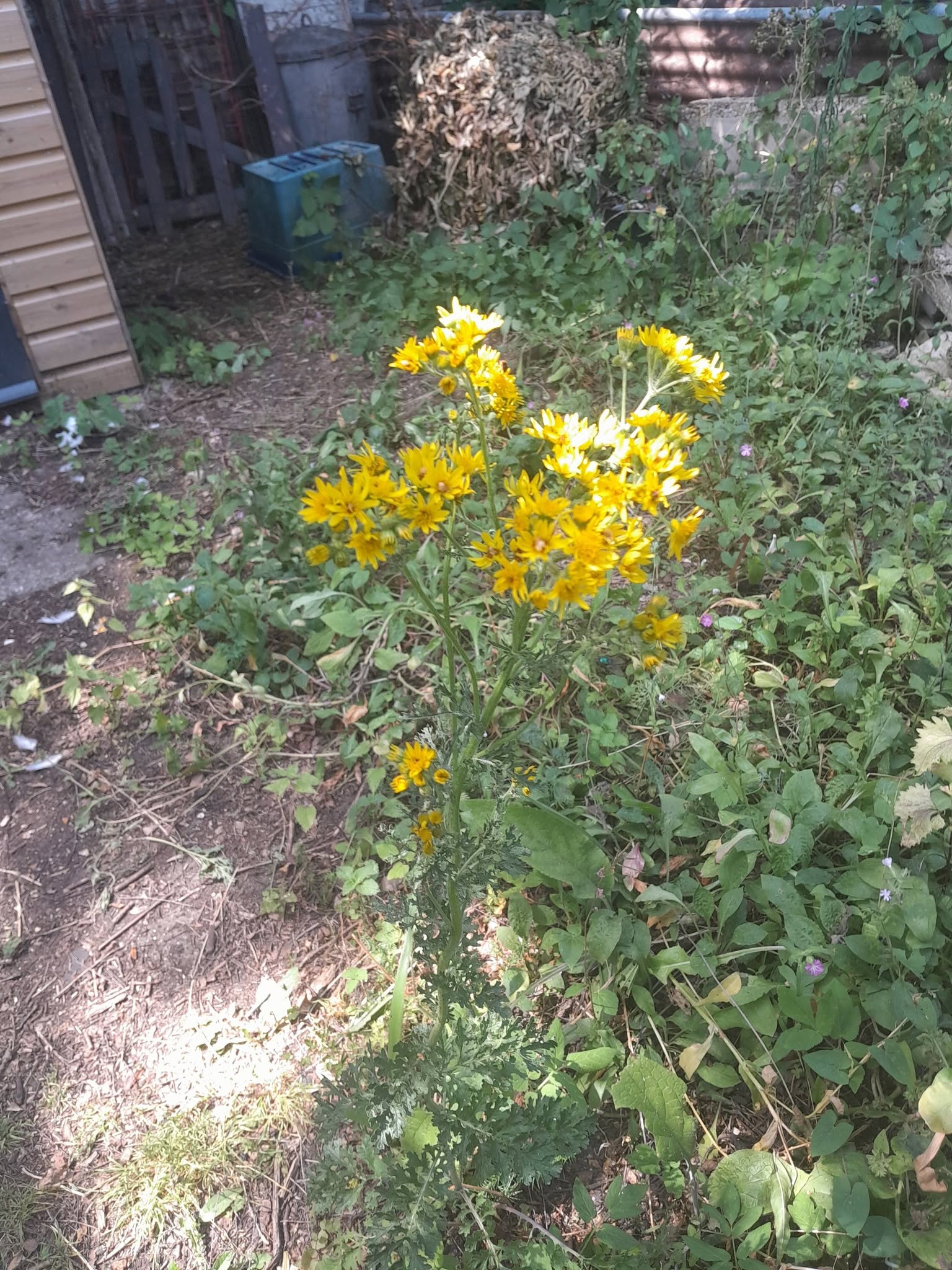
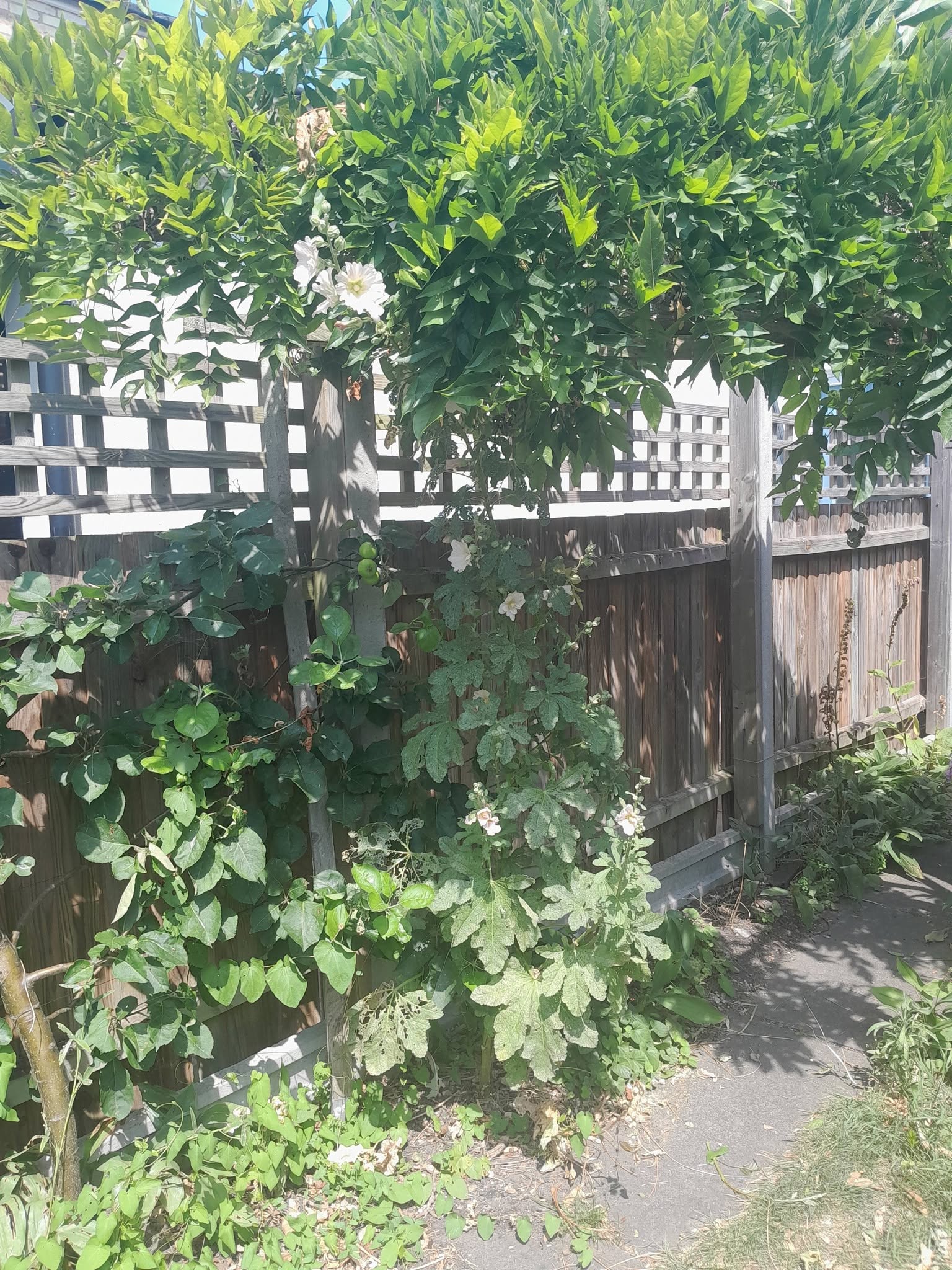
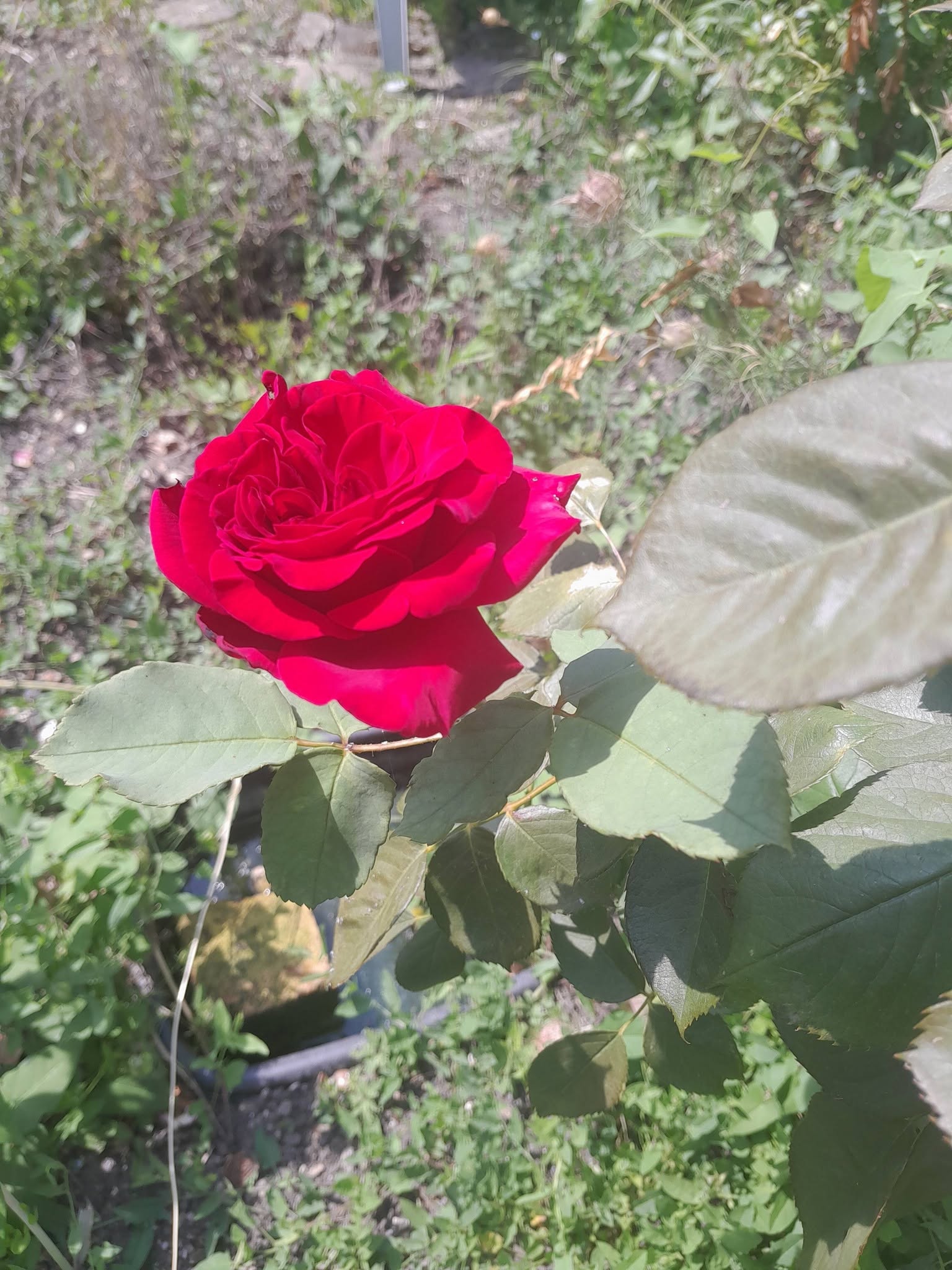
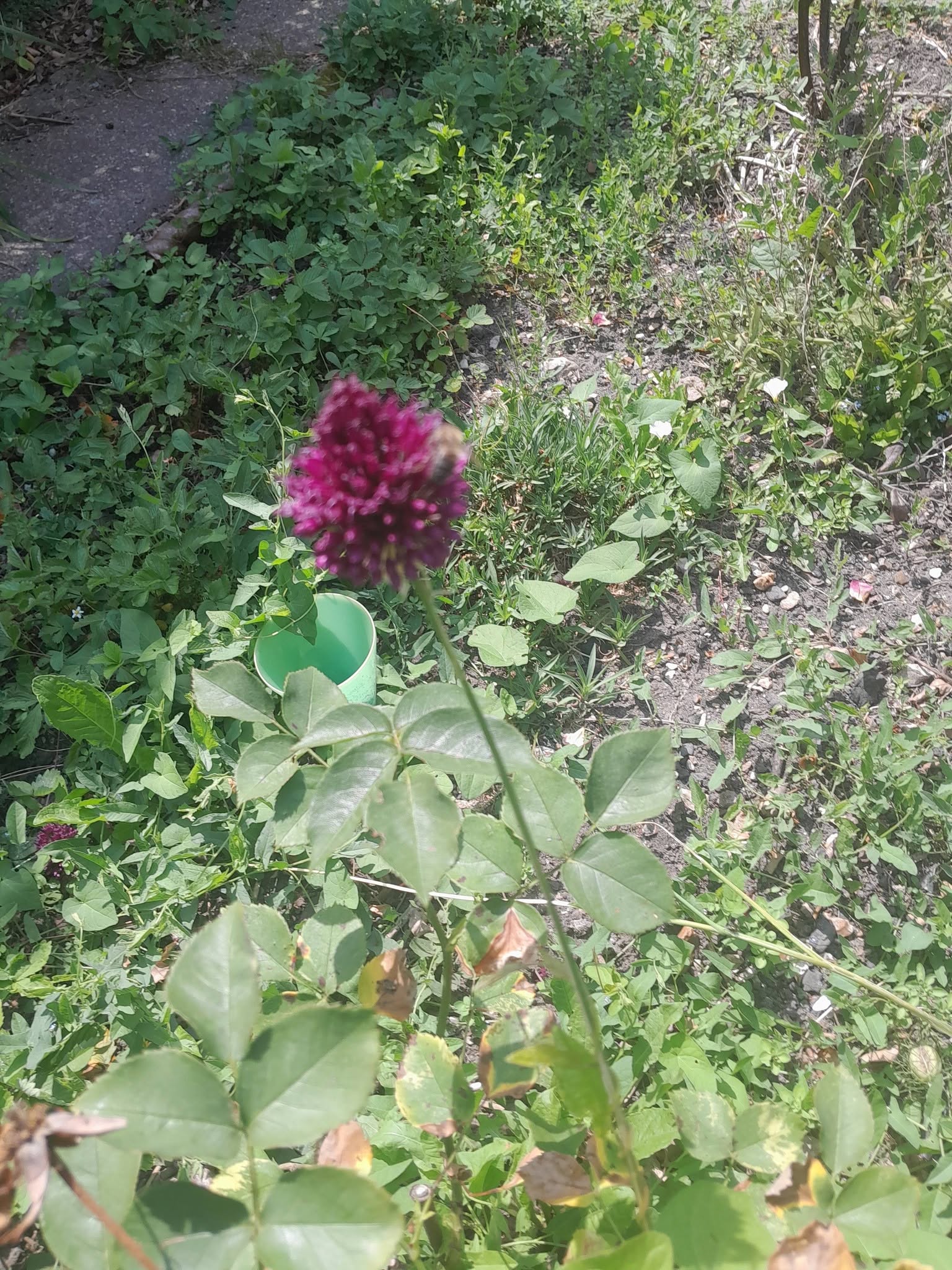
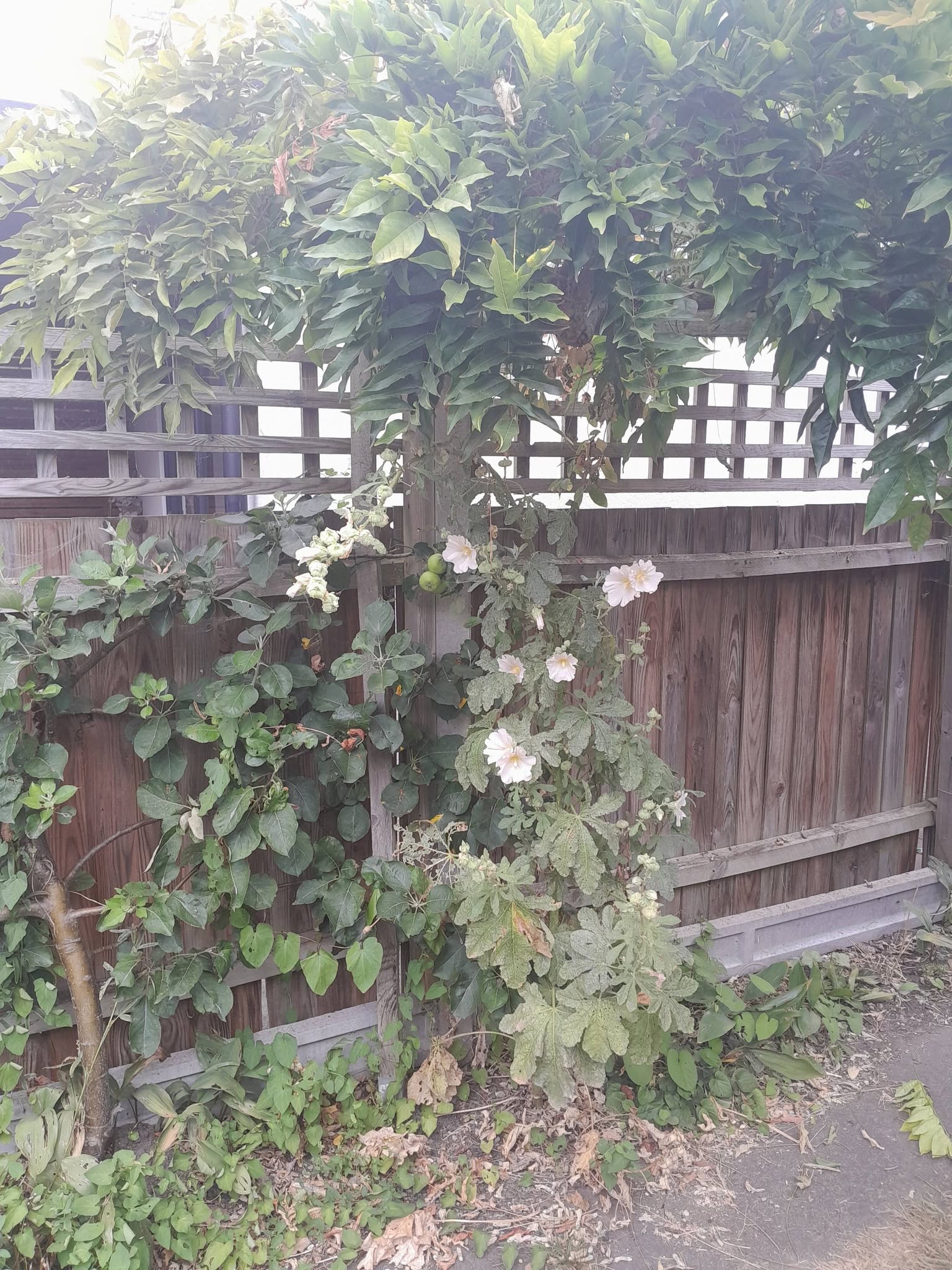
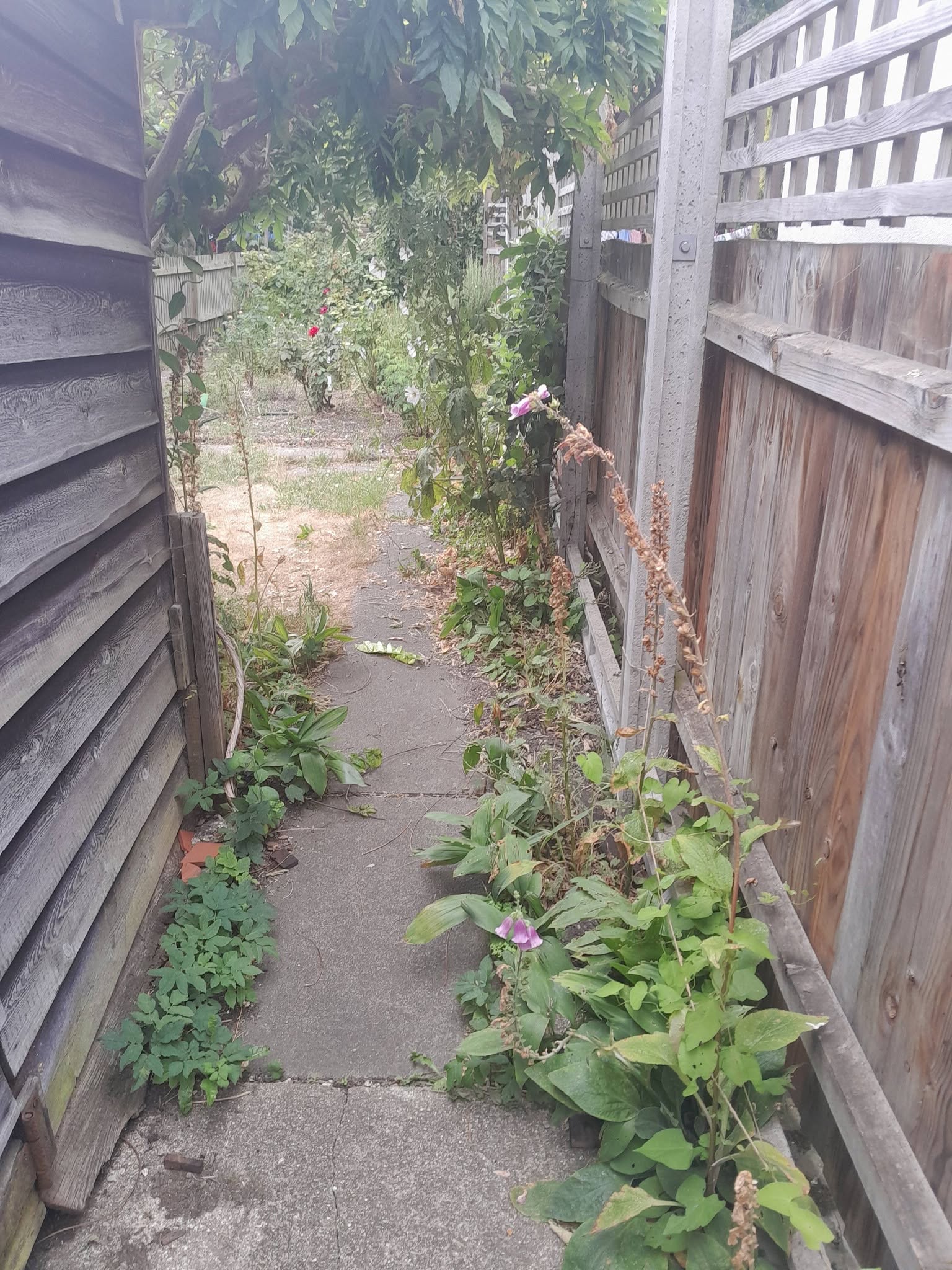
July 15: I'm getting bored with this heatwave... Garden flowers mostly bindweed. A few others including roses starting up again. Plus that stupid hollyhock which insists on growing under the wisteria and runs out of room. Some veg doing well.
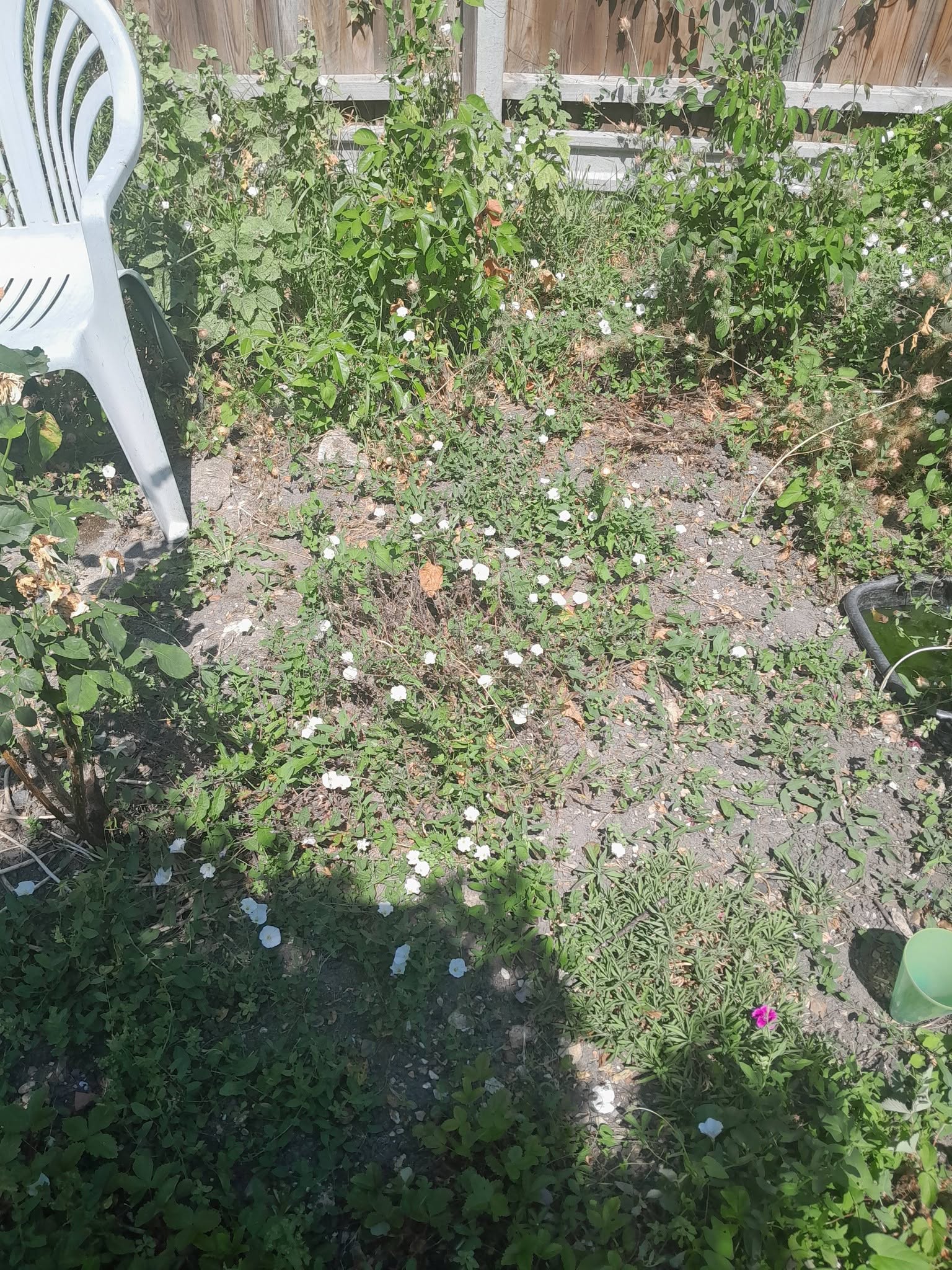
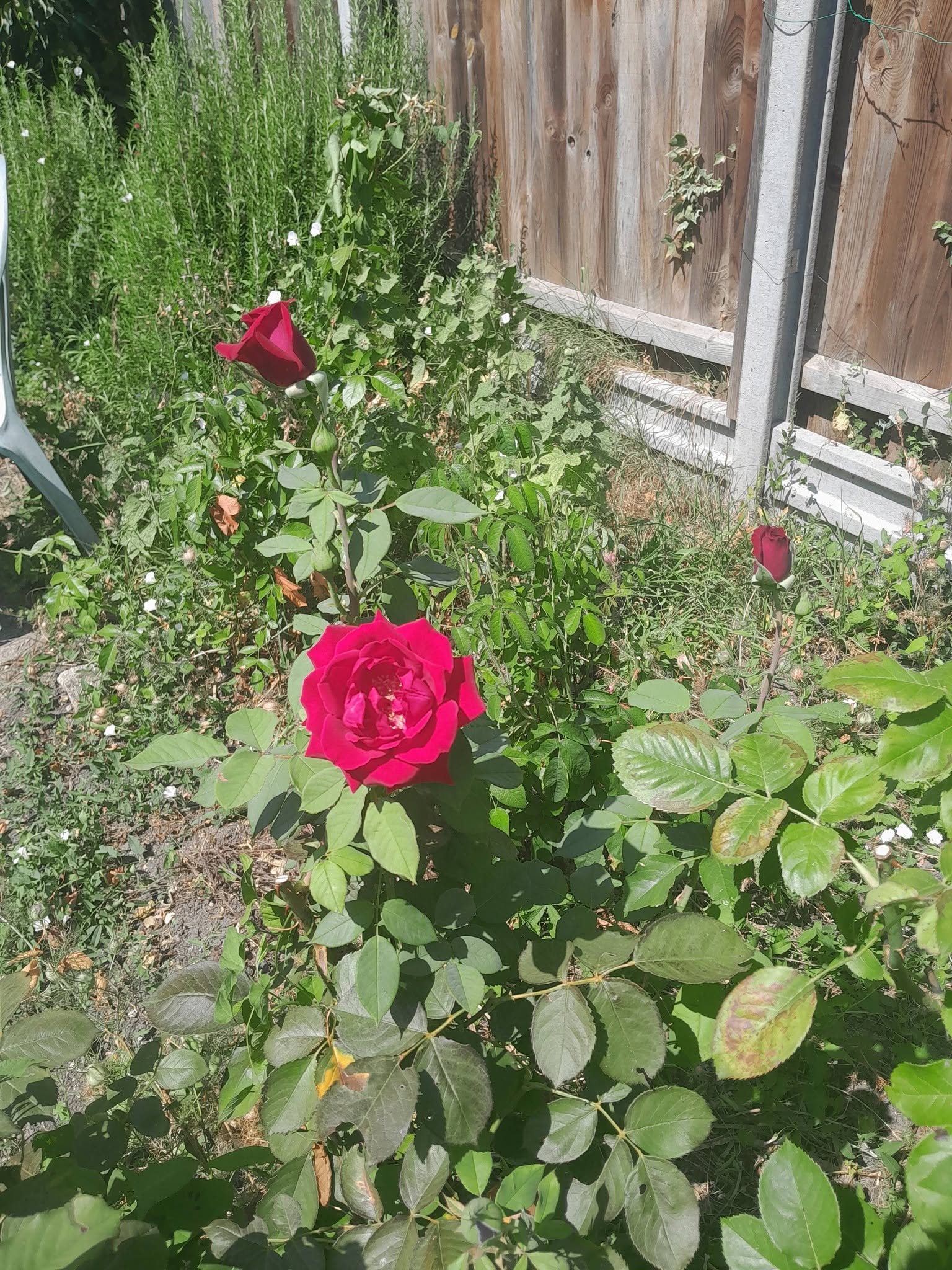
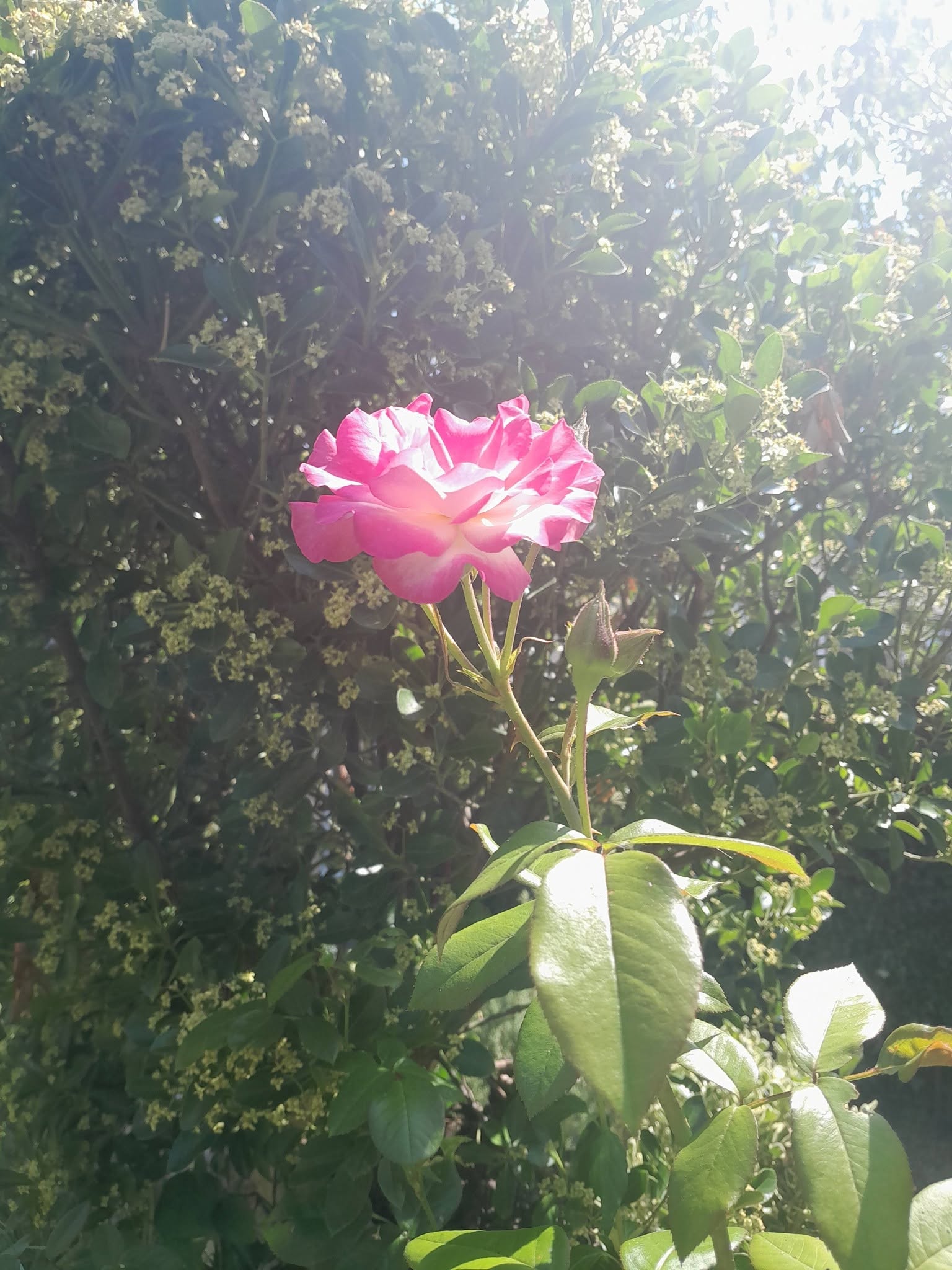
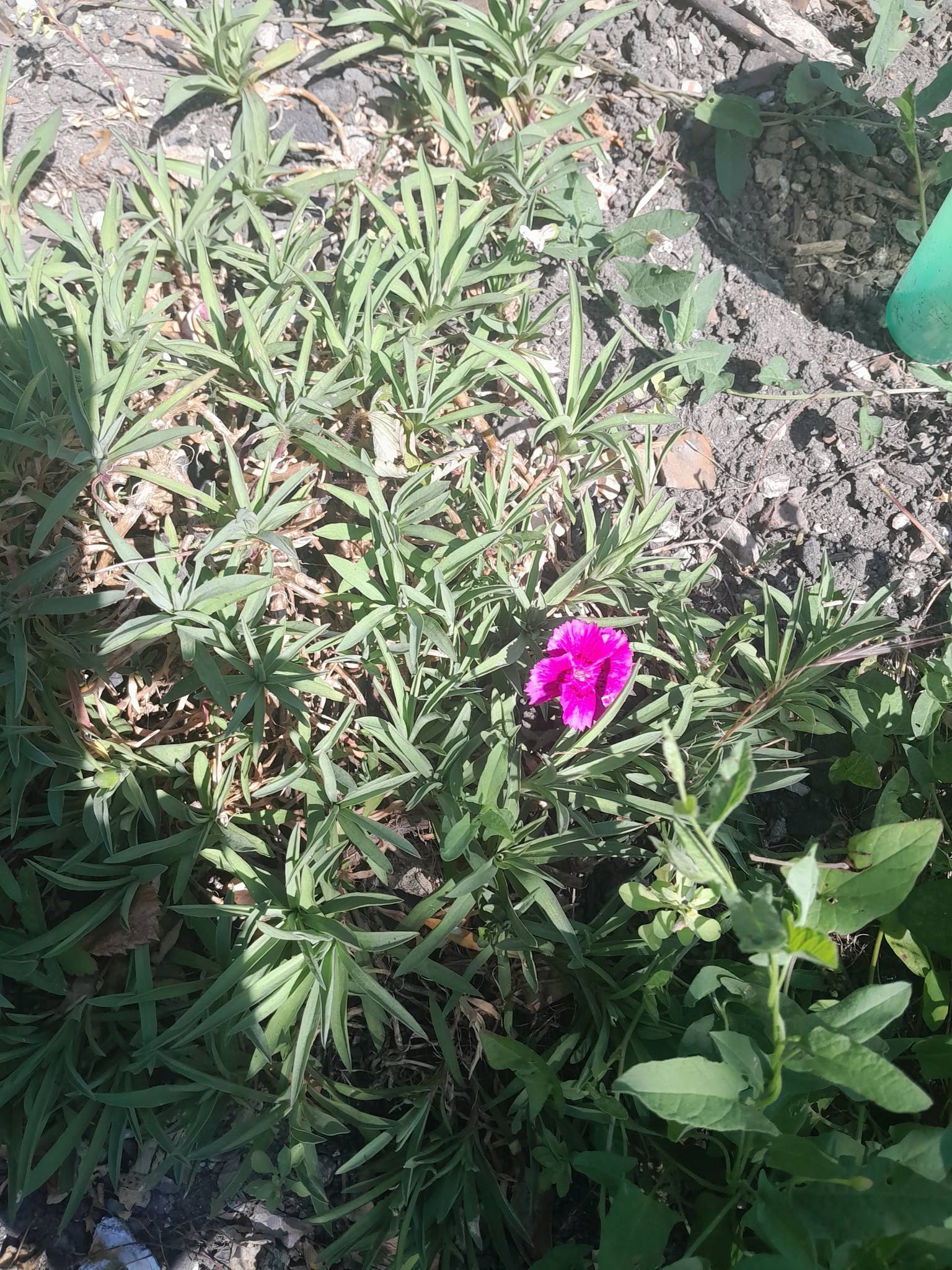
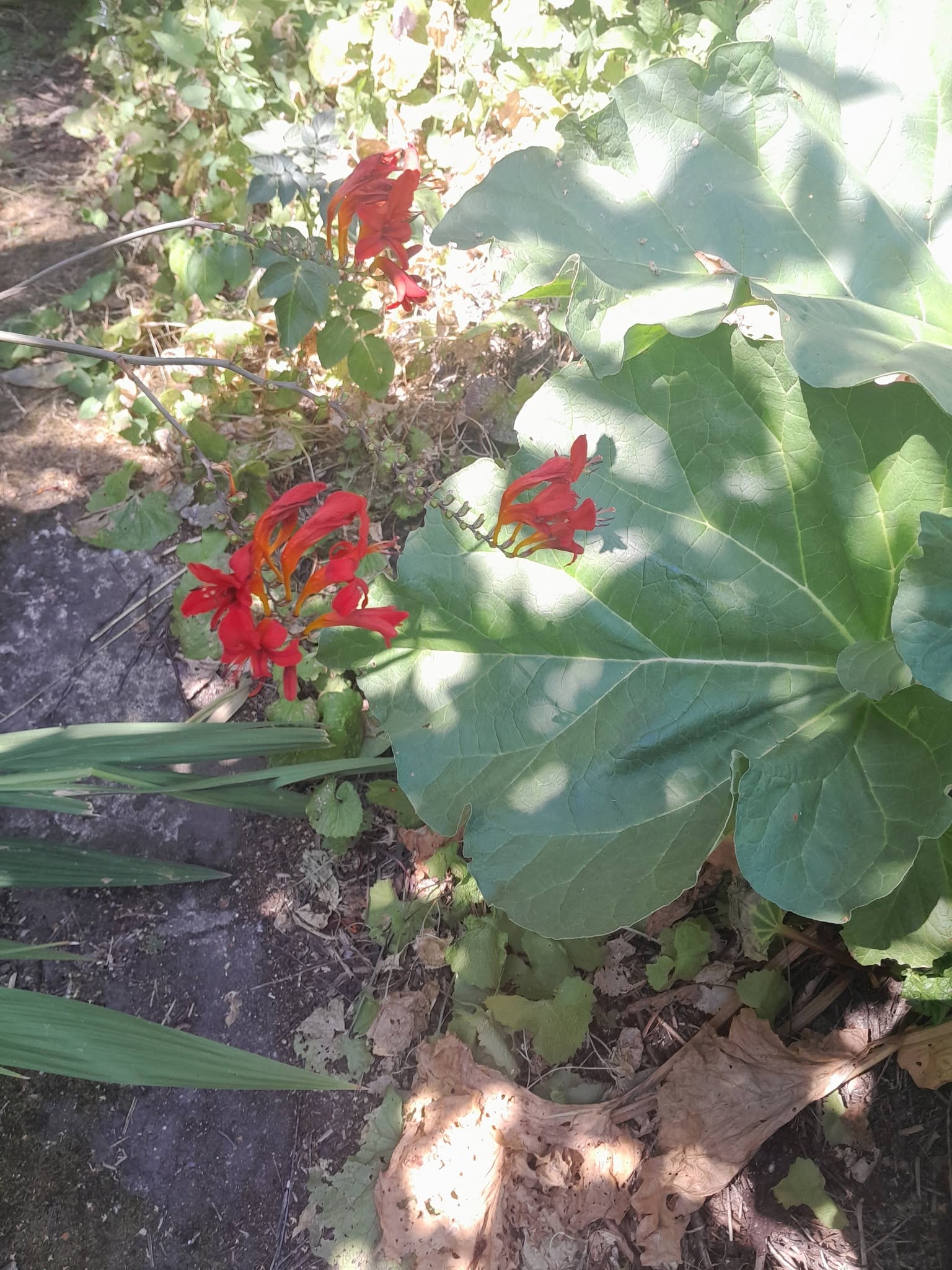
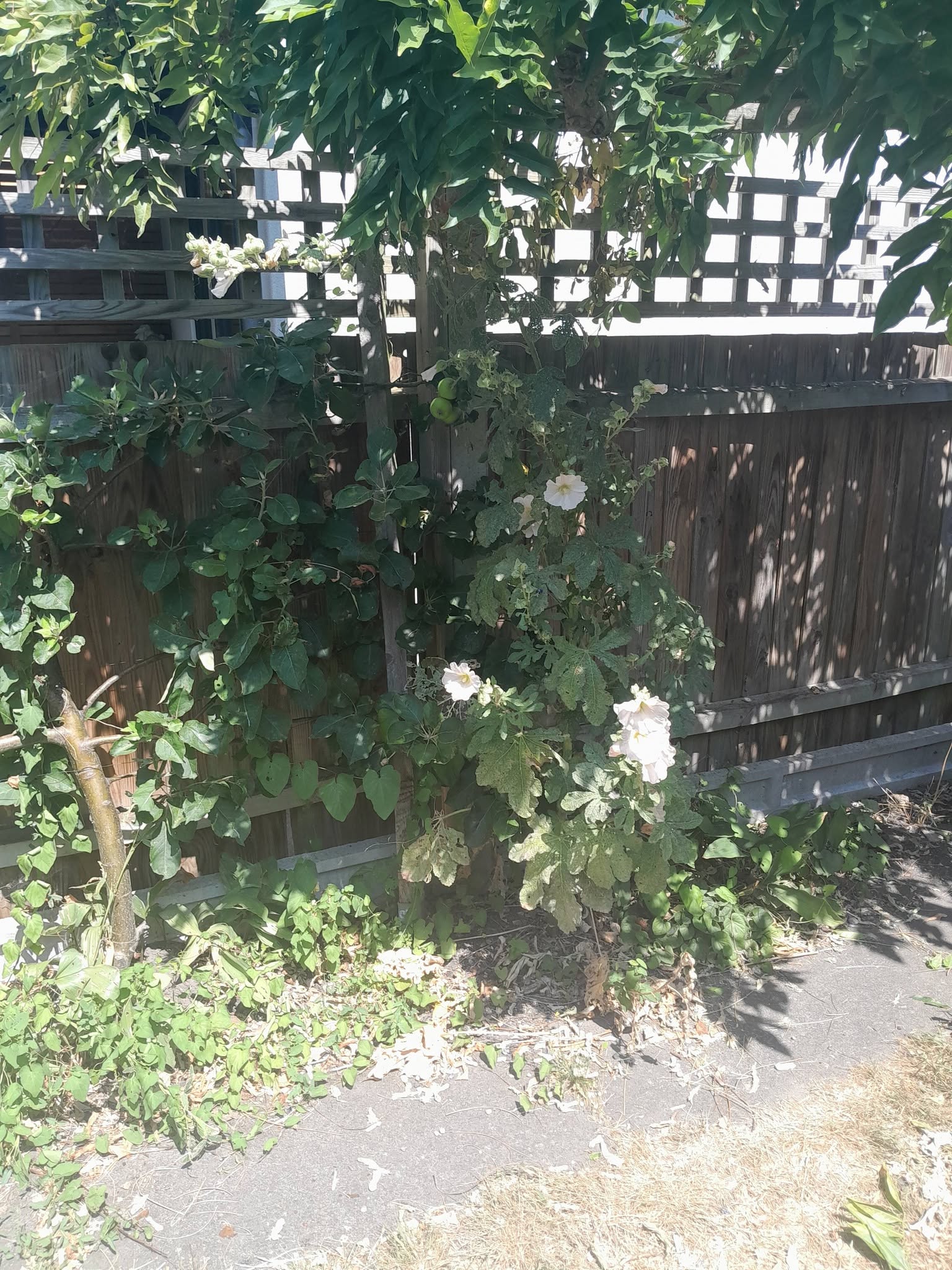
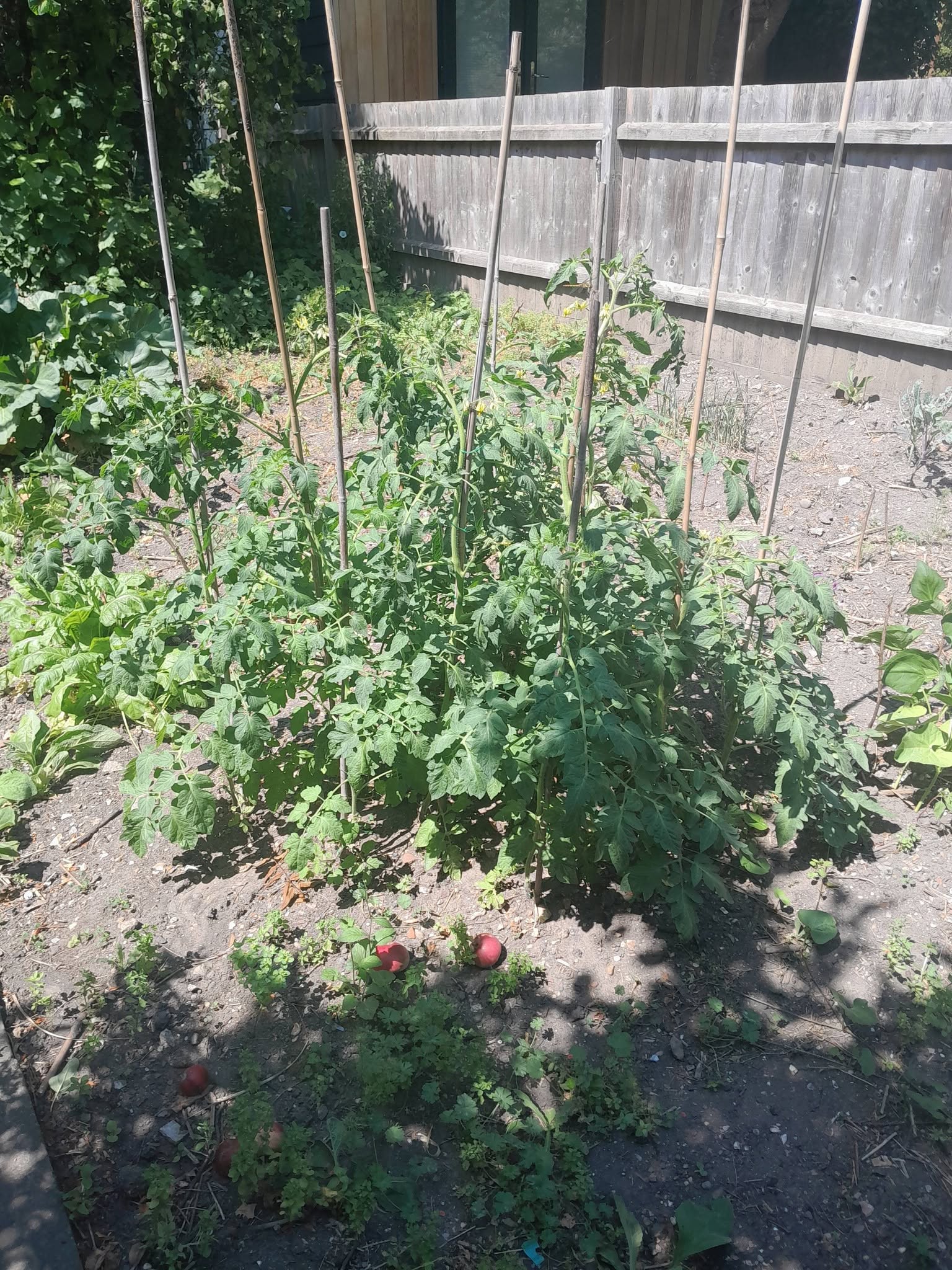
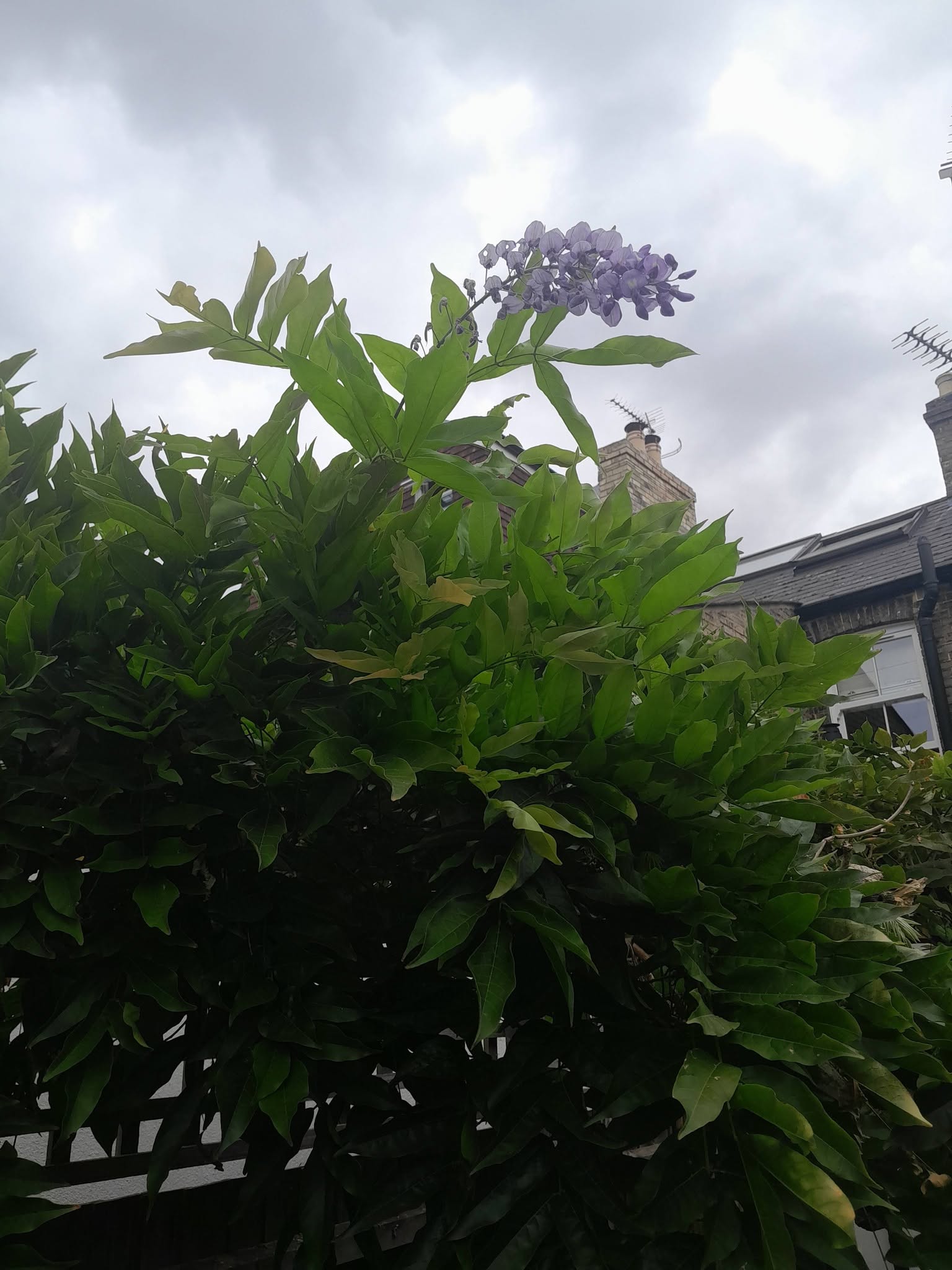
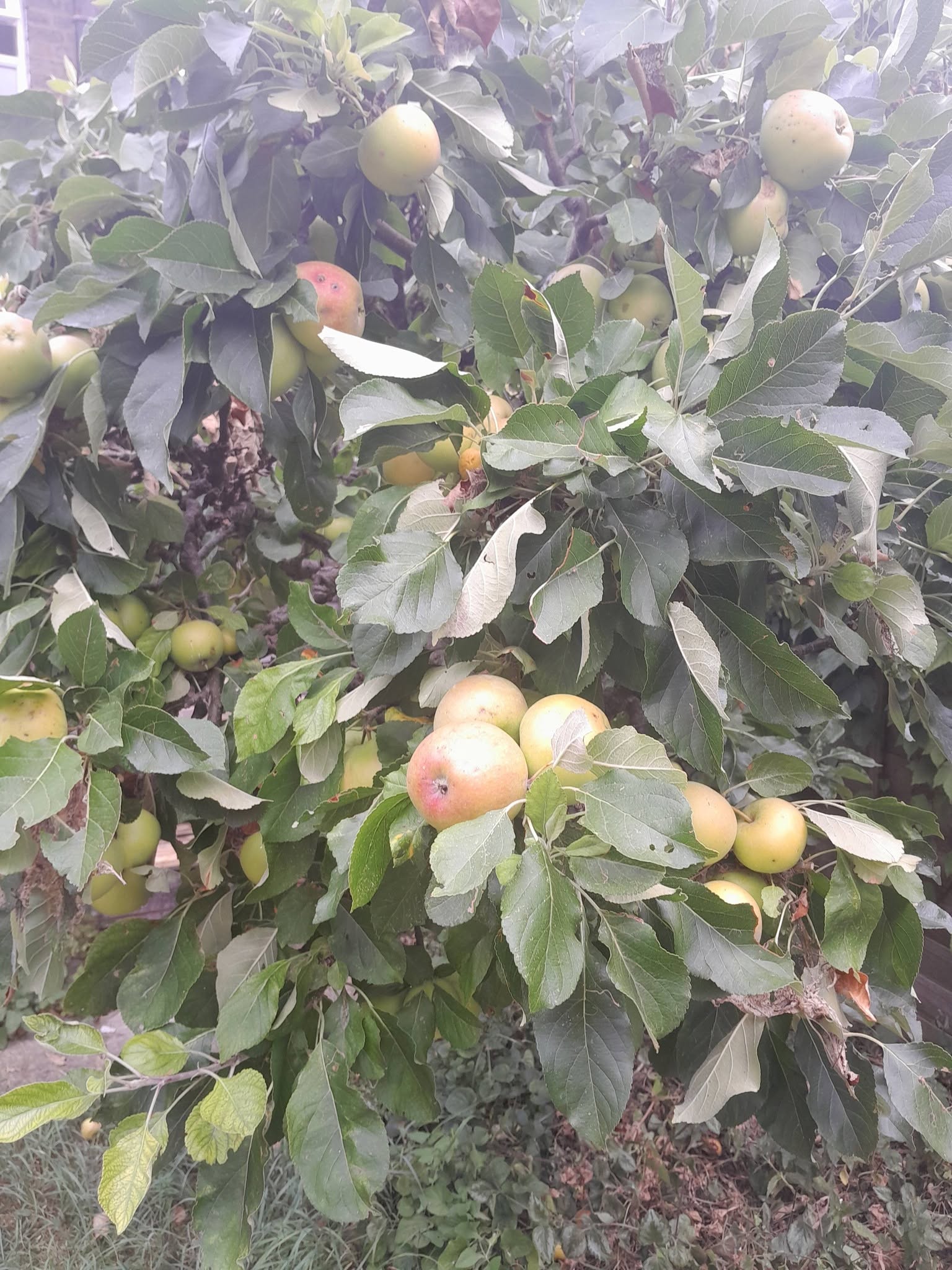
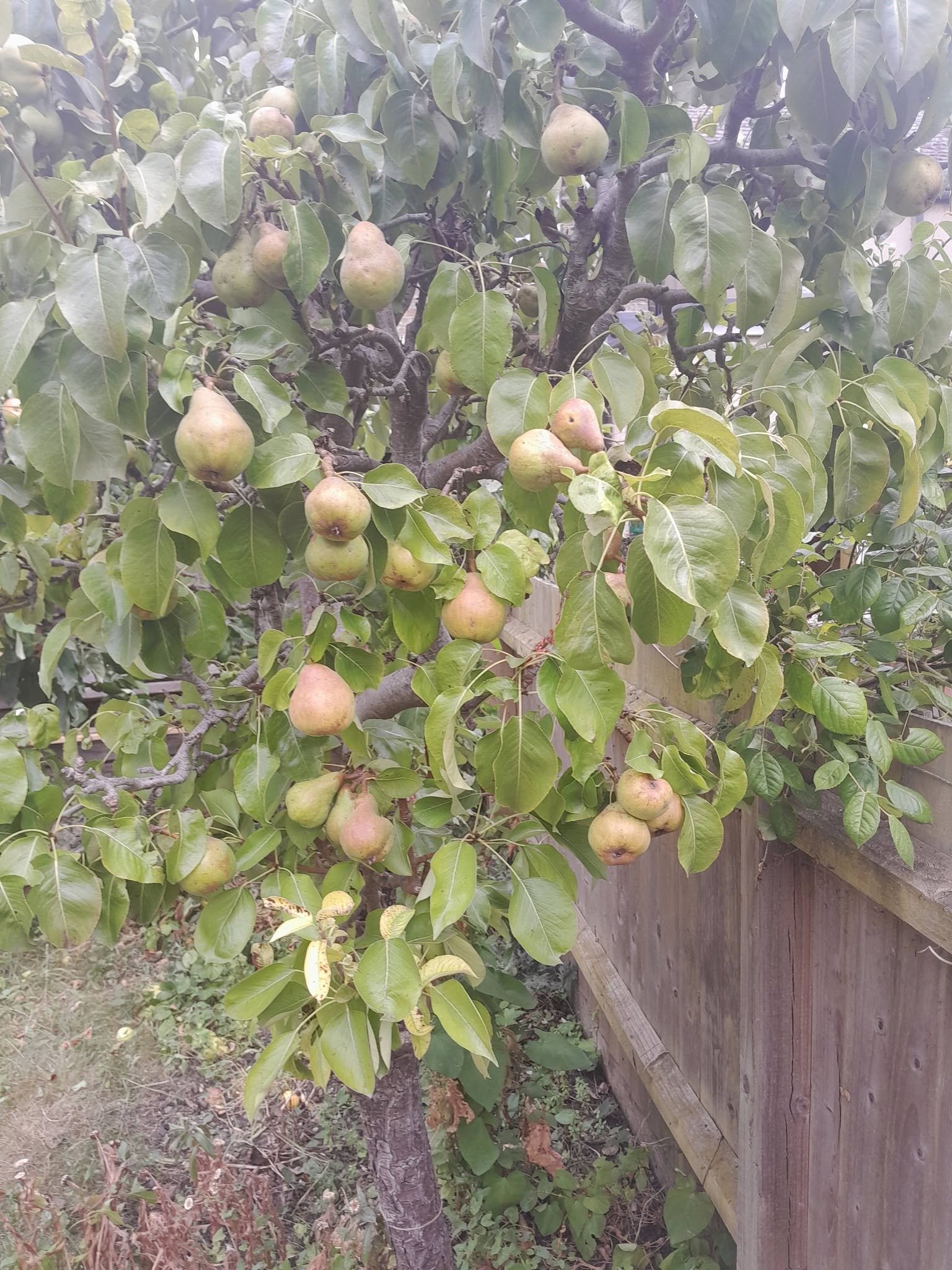
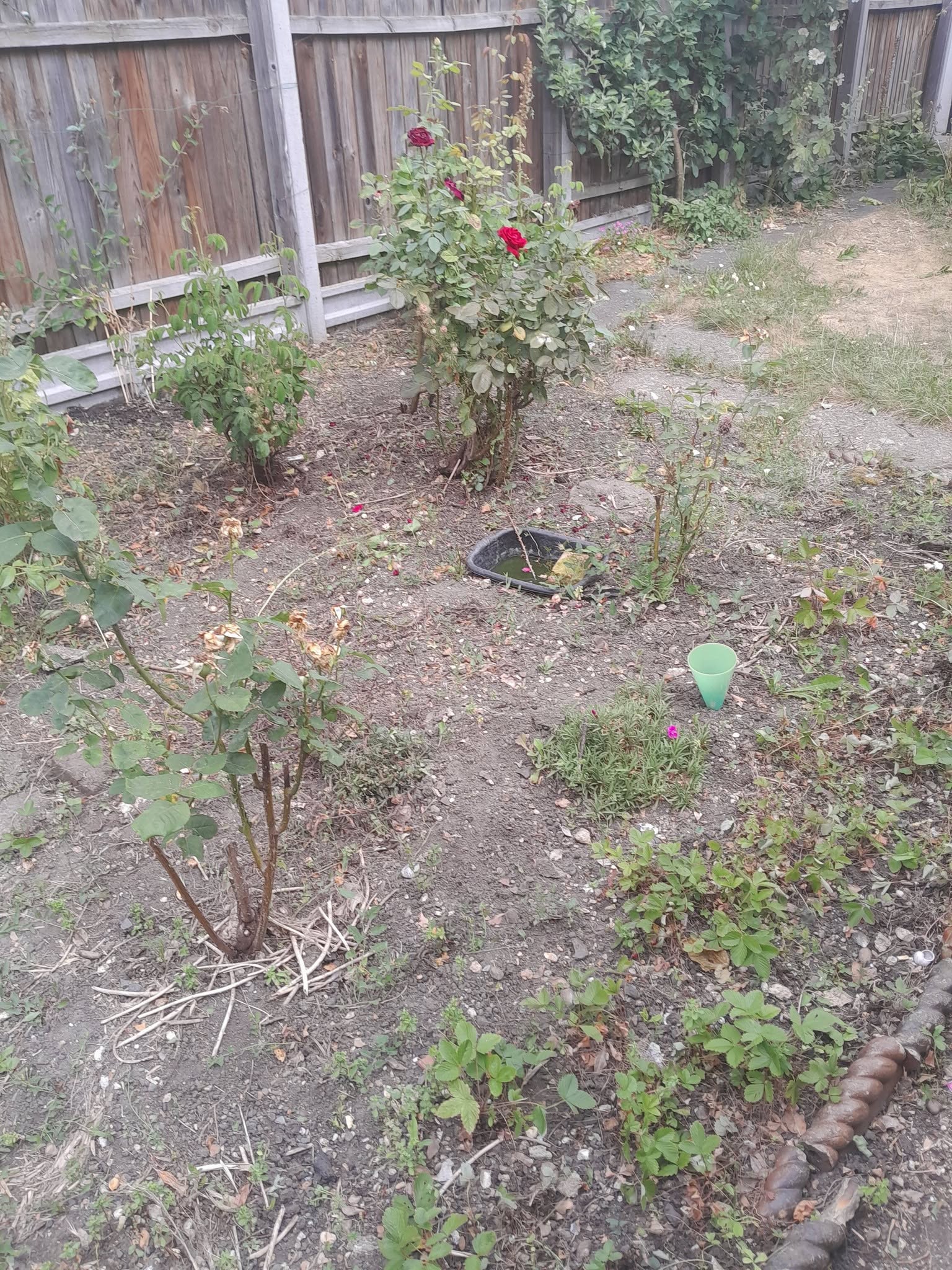
July 19: Wisteria? At this time of year? The hollyhock still trying to grow under the Wisteria. Apples and pears incoming. And we've got rid of (most of) the bindweed from the rose garden. Cooler, by the way, but no rain.
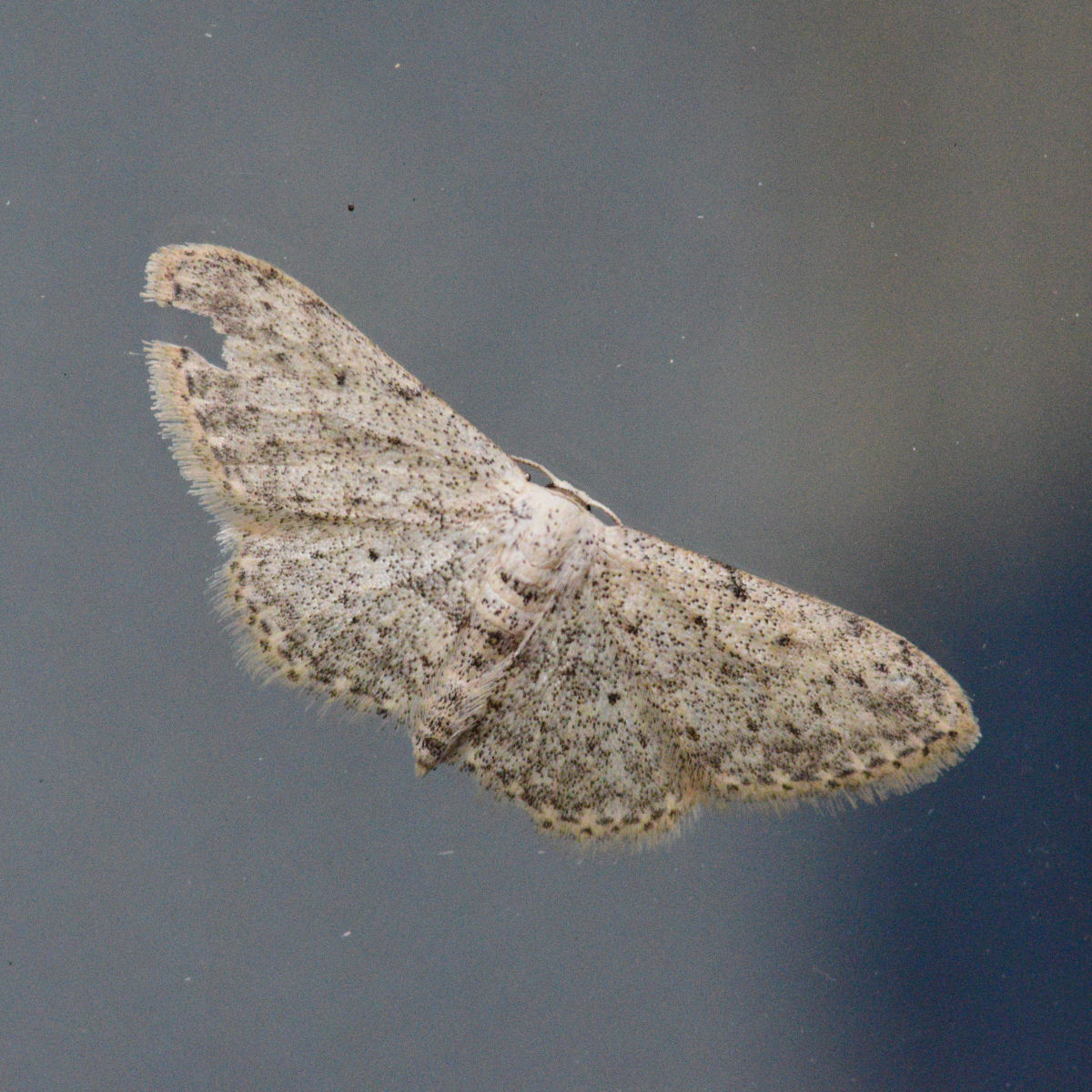
July 23: Idaea seriata (Small Dusty Wave) - A relative of Idaea fuscovenosa (June 21, 2023) with a more freckled appearance. Known larval food plants include Ivy (principally), also Dandelion and Dock; not known to be injurious. Common throughout England, rather localised in Wales & Scotland.
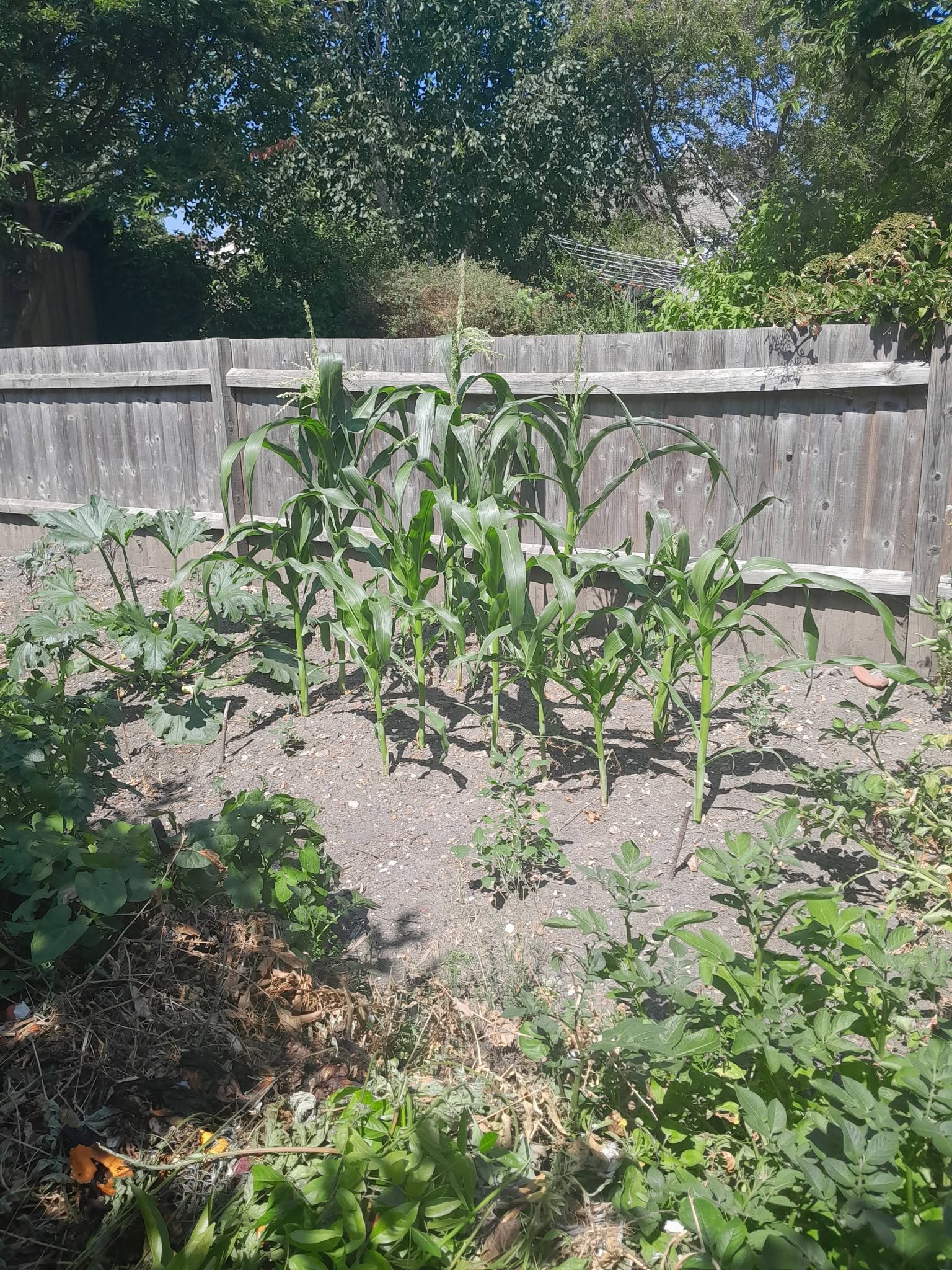
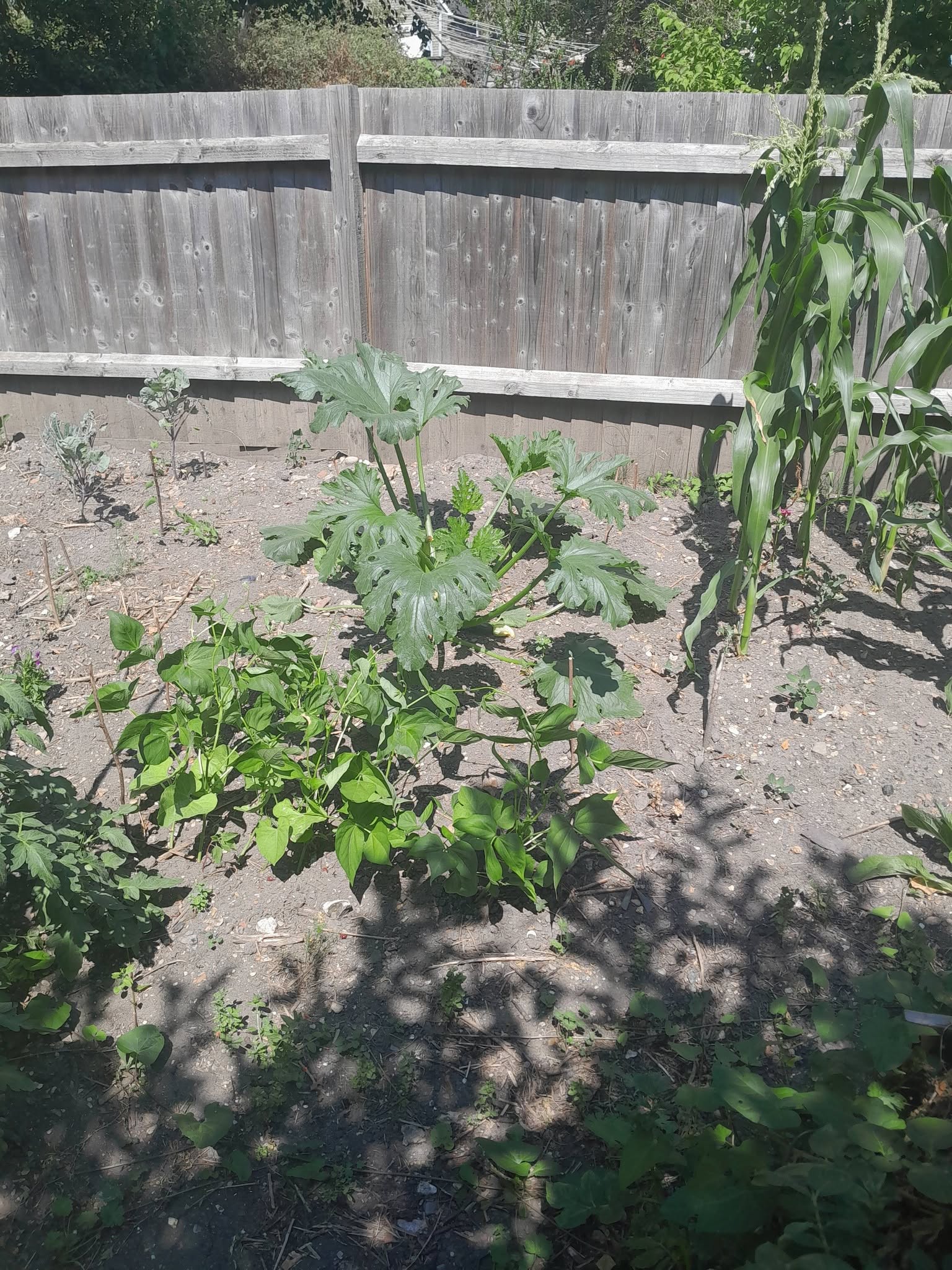
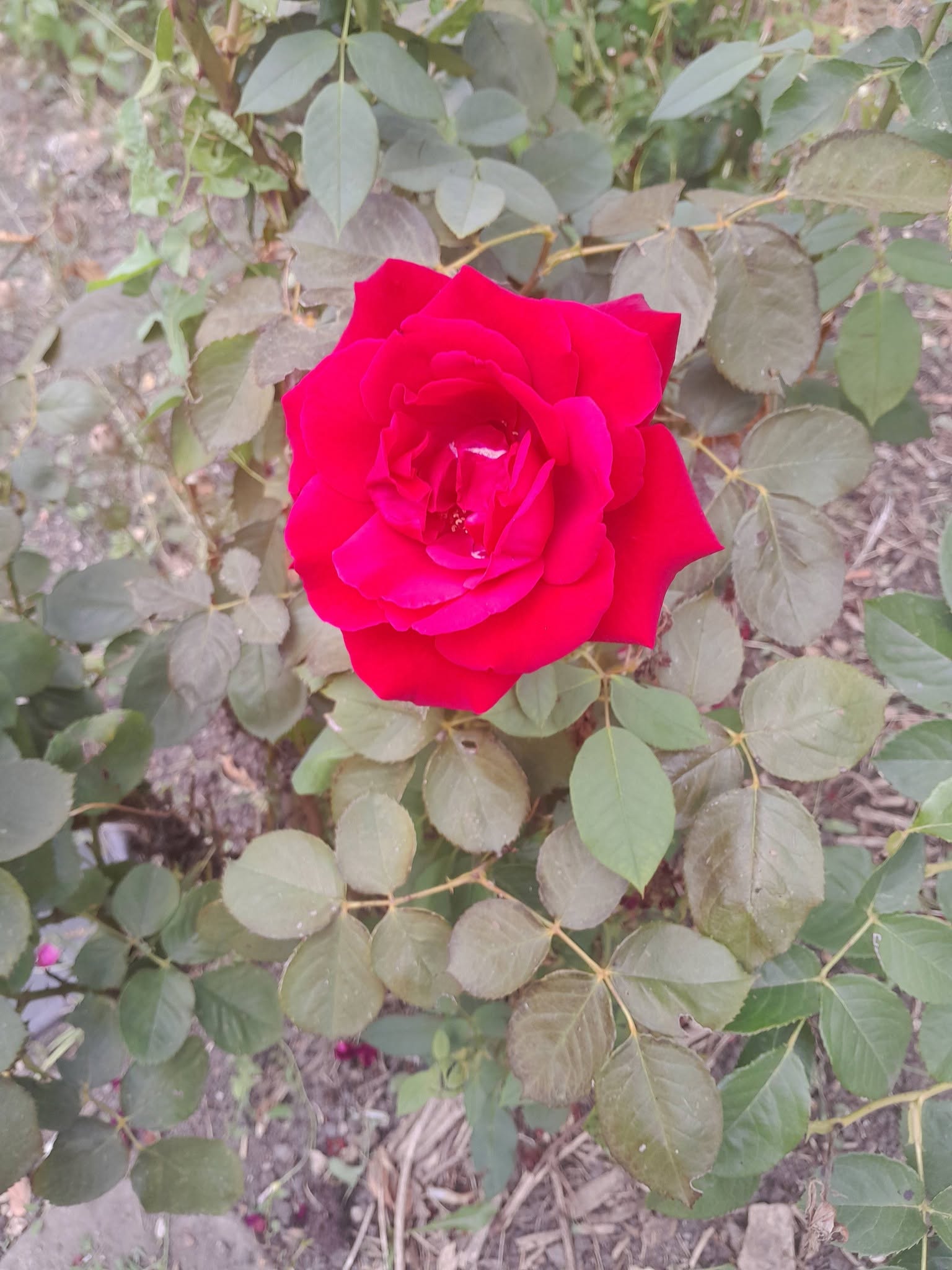
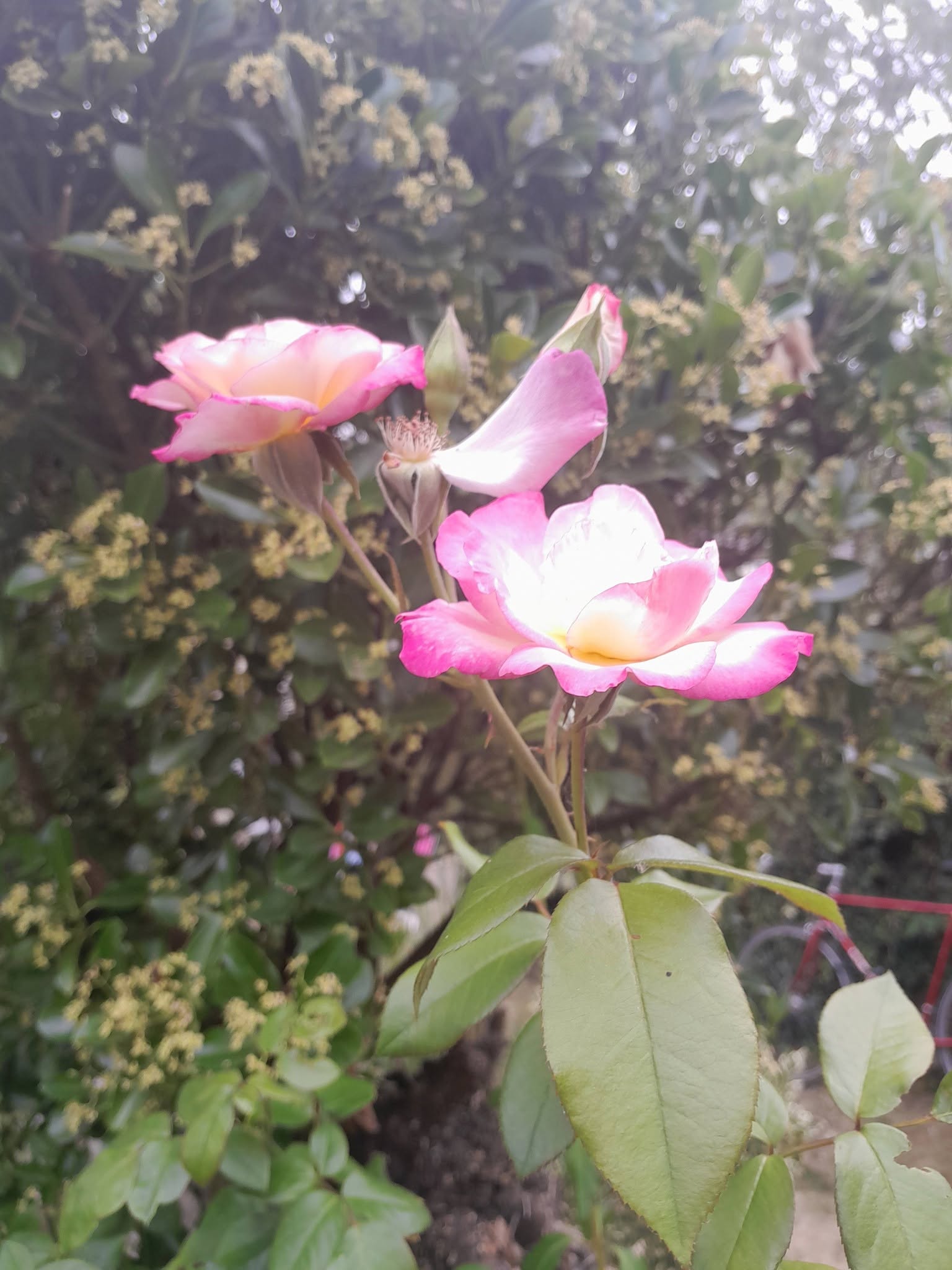
July 26: We bought it as a cucumber. It's a courgette. Oh help! Roses are on second flowering. Hollyhocks aren't much this year. You can see that I bought two types of sweet corn seeds. Brussel sprouts seem to have recovered a little. And we have had RAIN! Only a little, and 4th heatwave of summer next week...
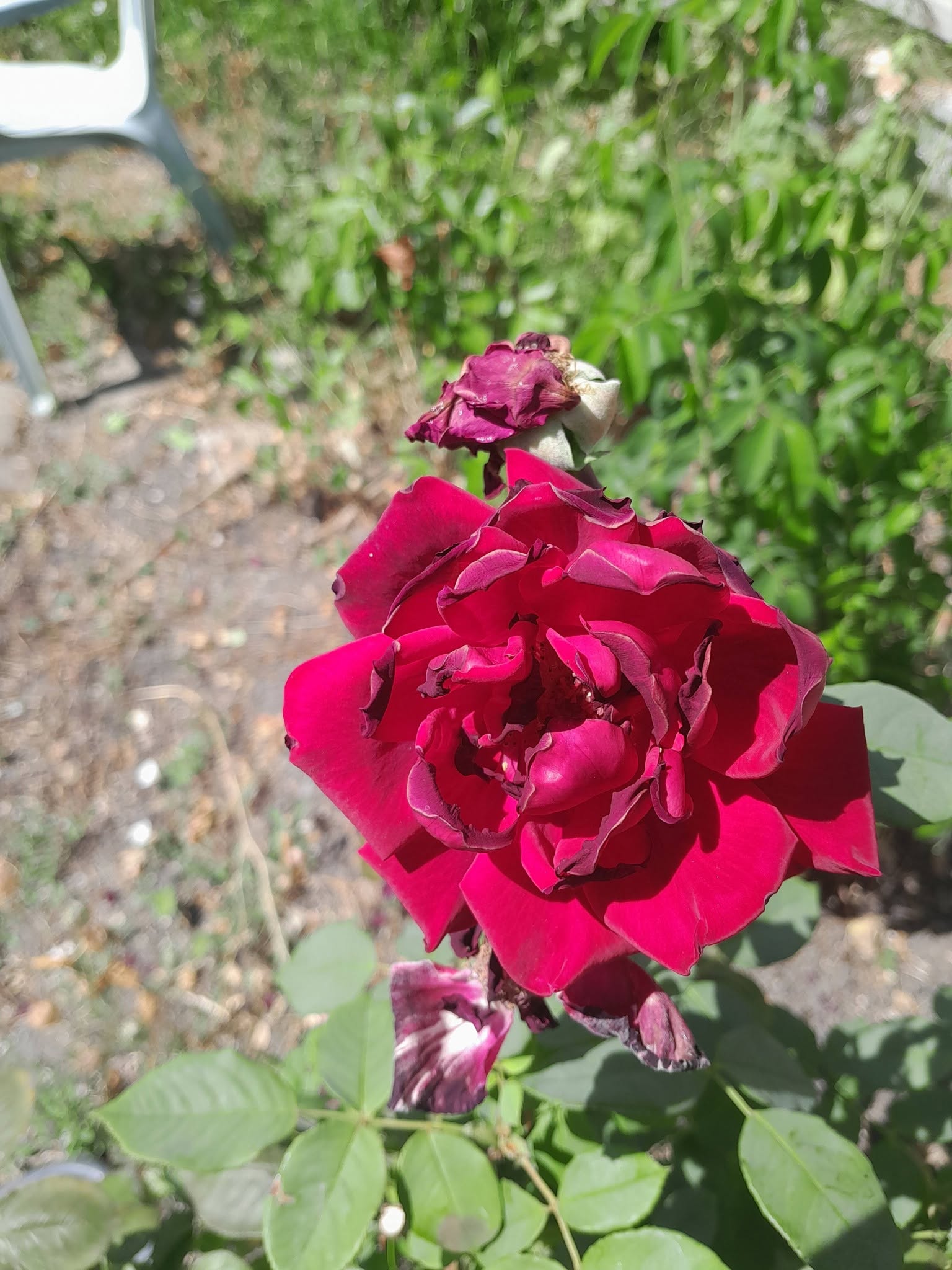
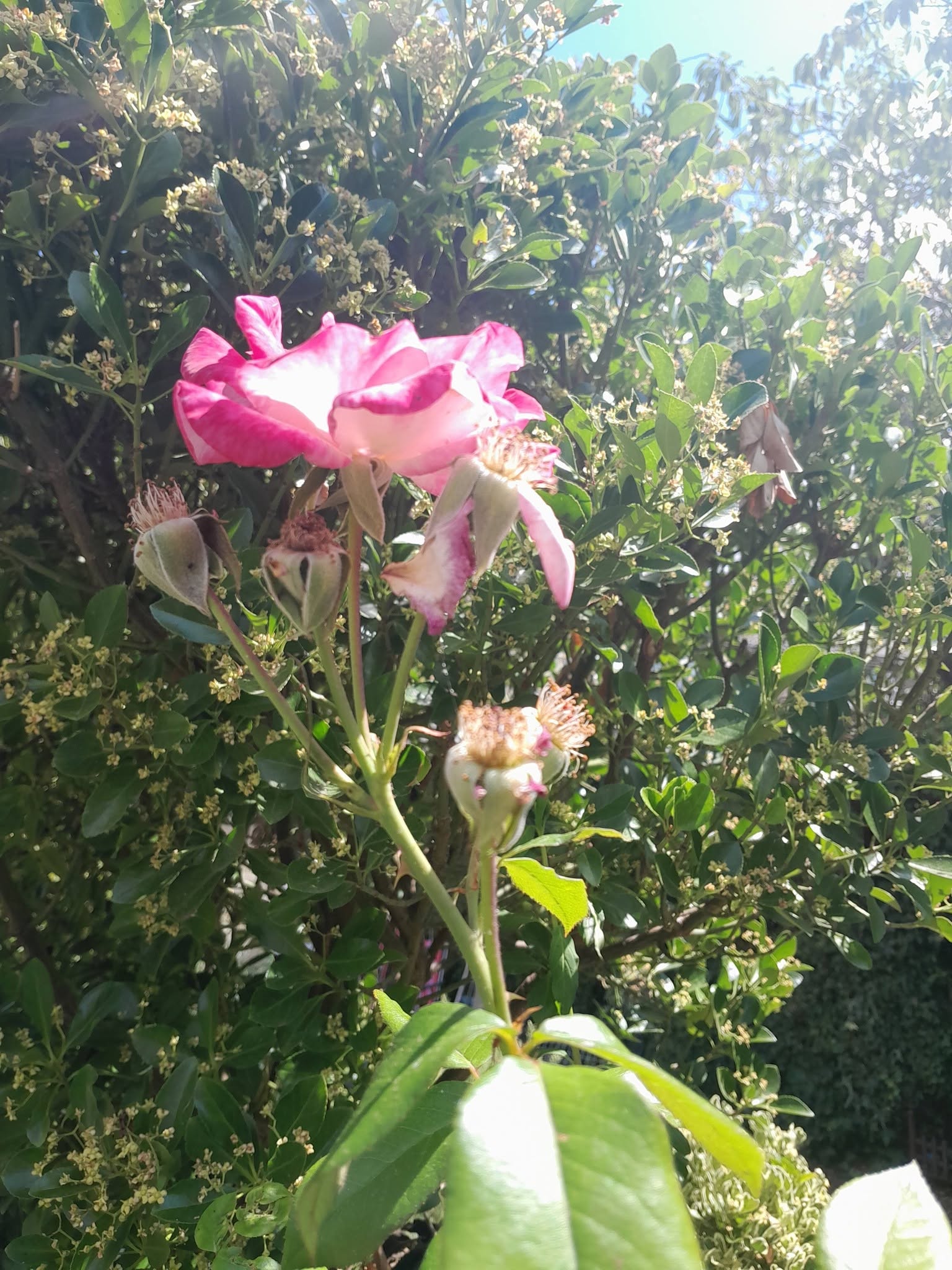
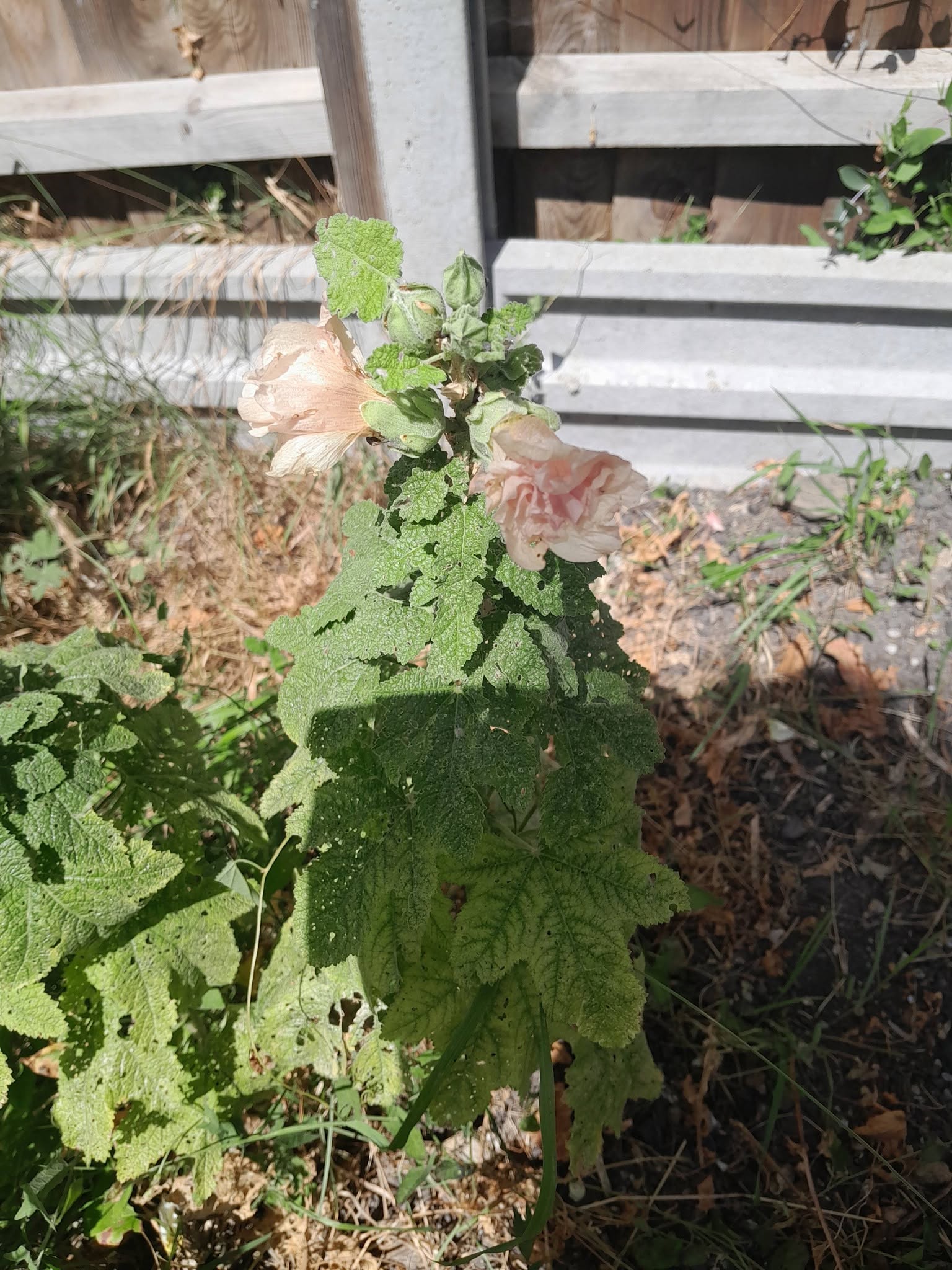
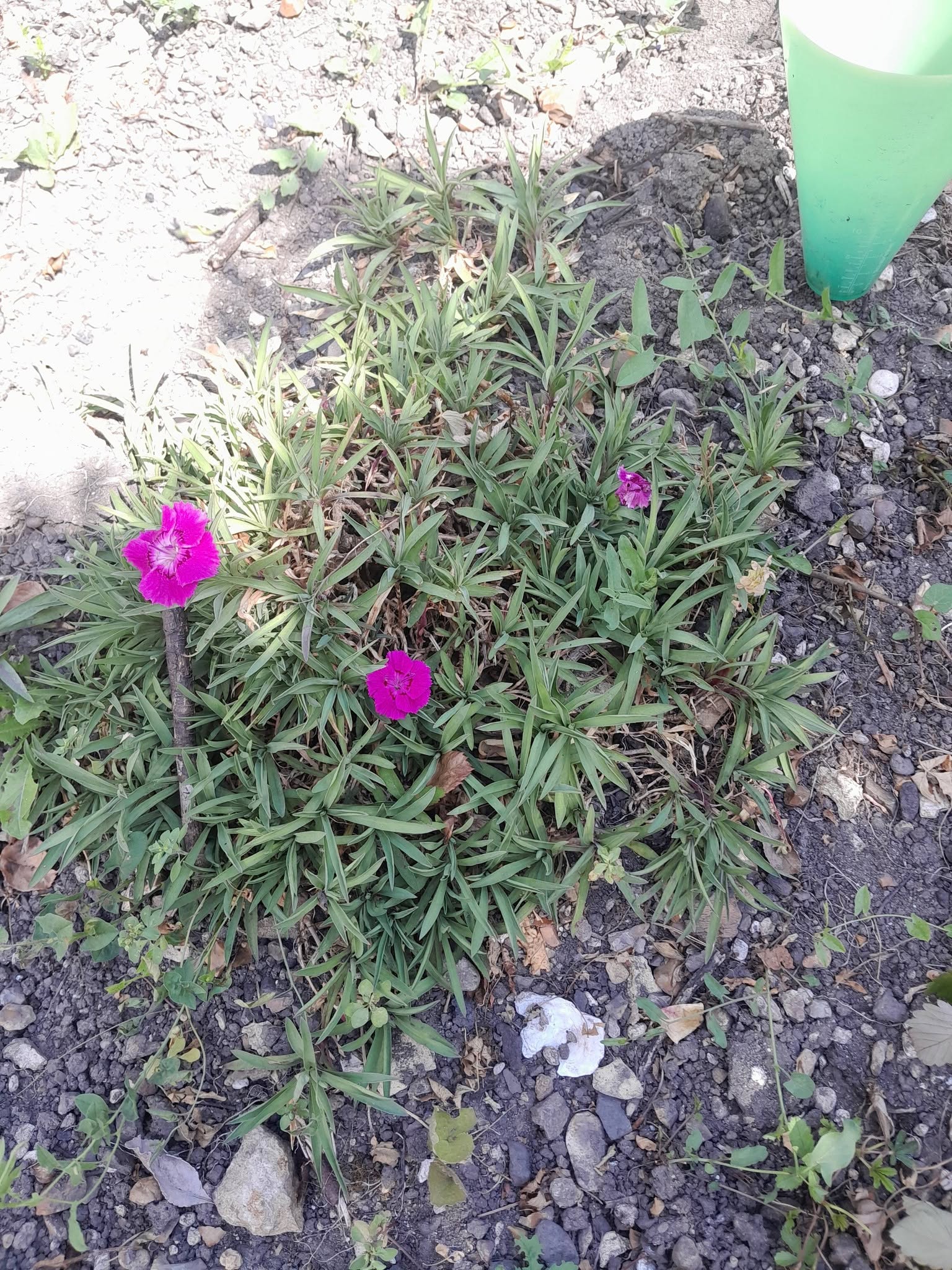
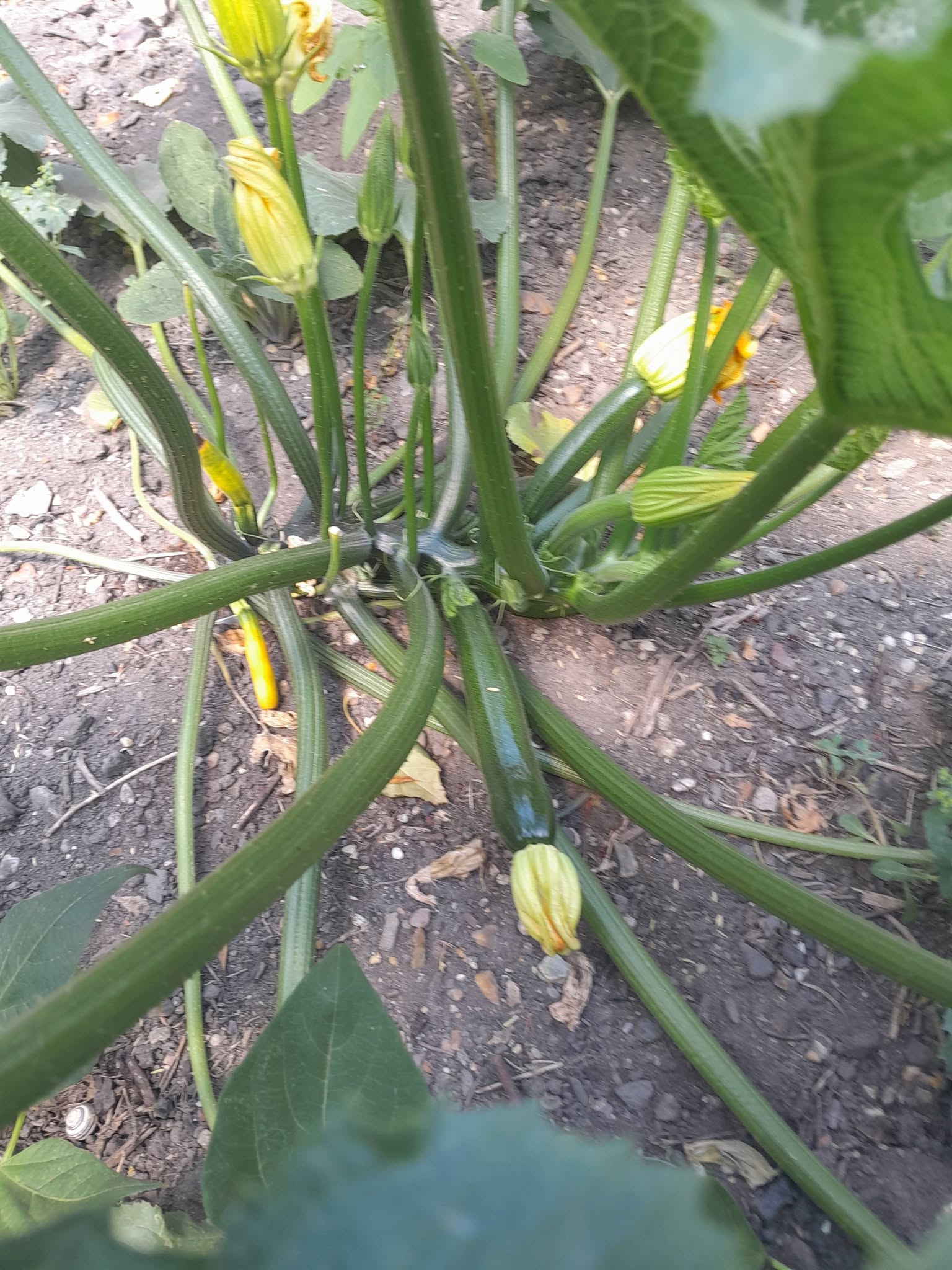
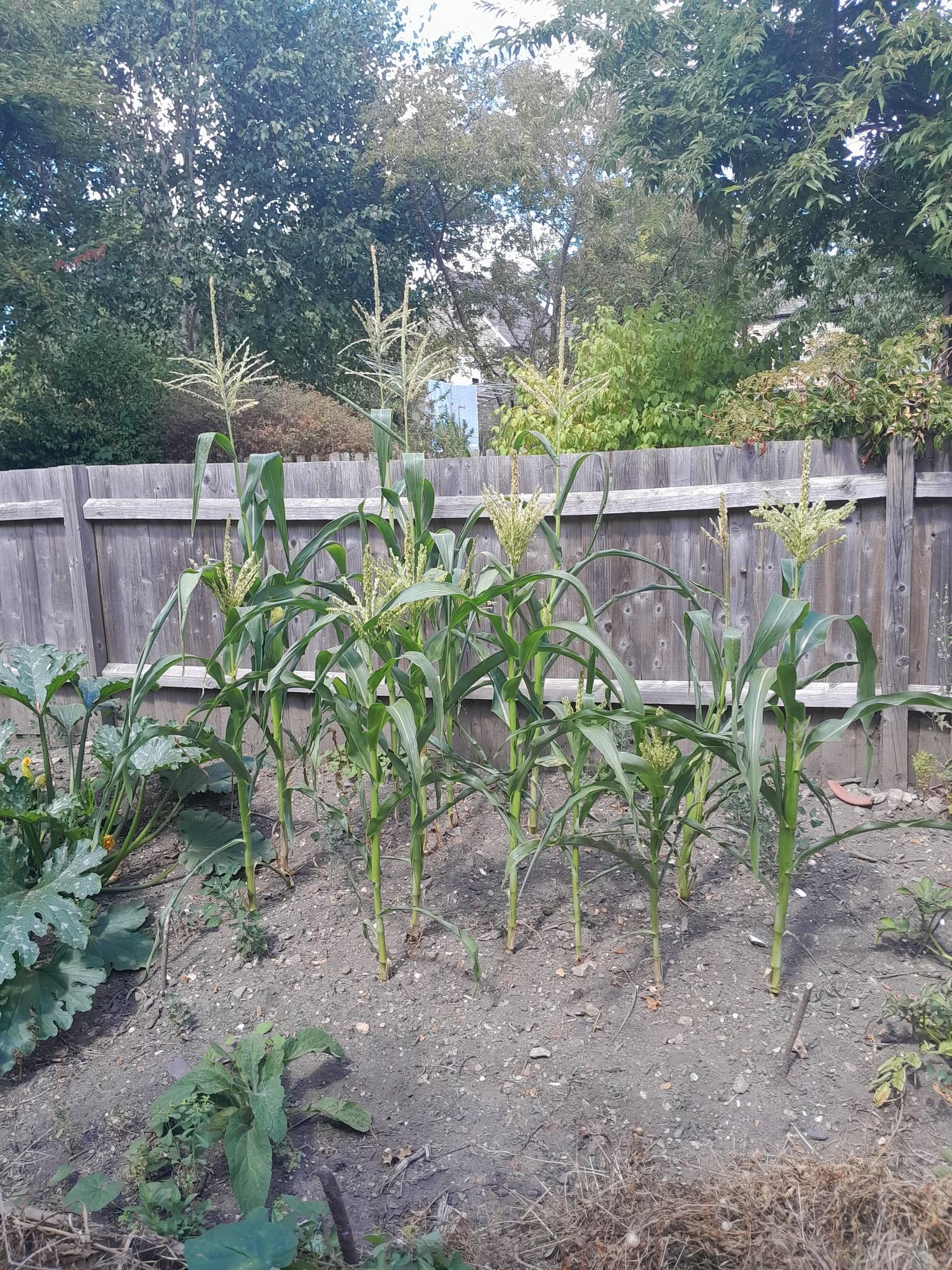
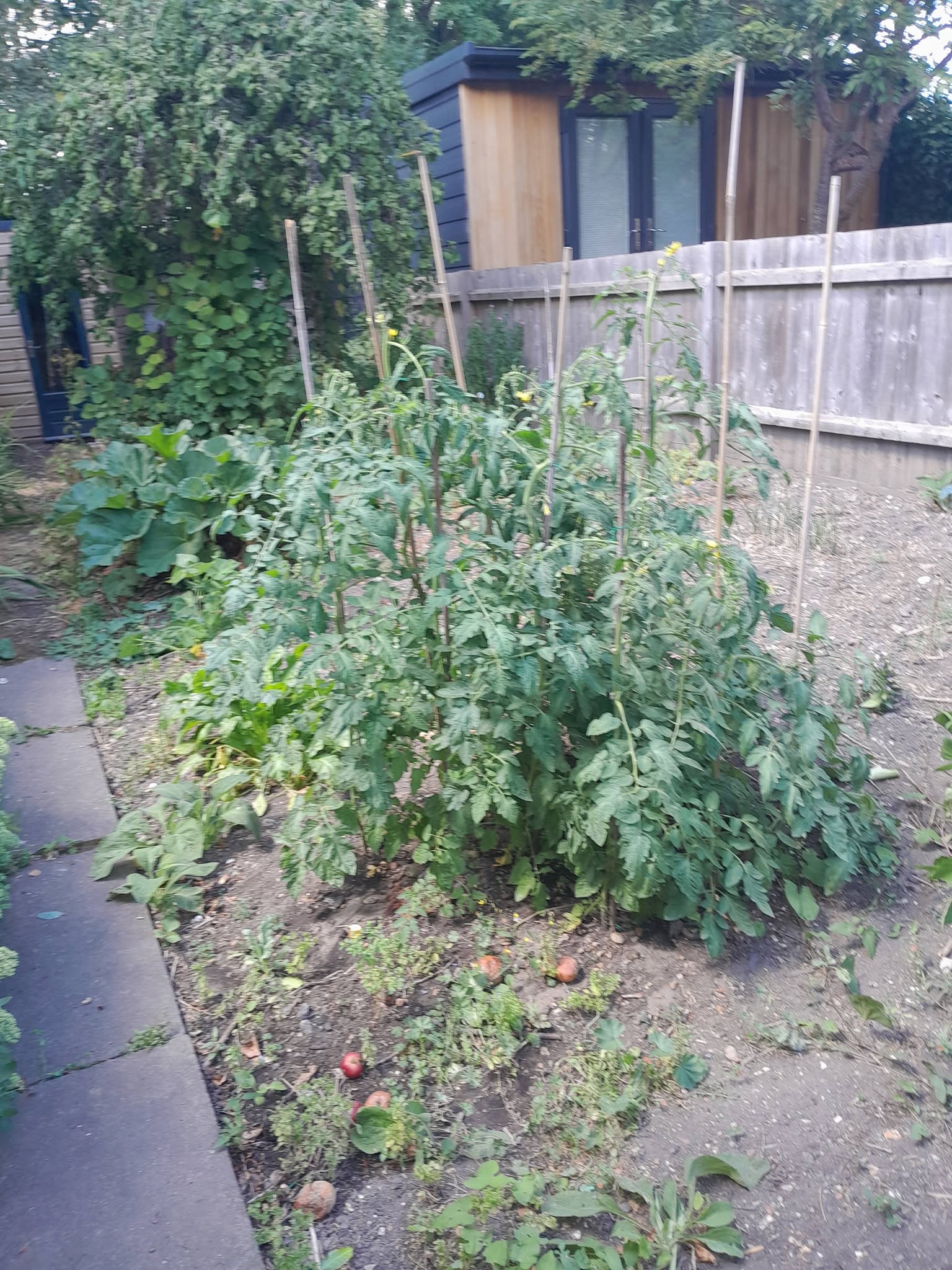
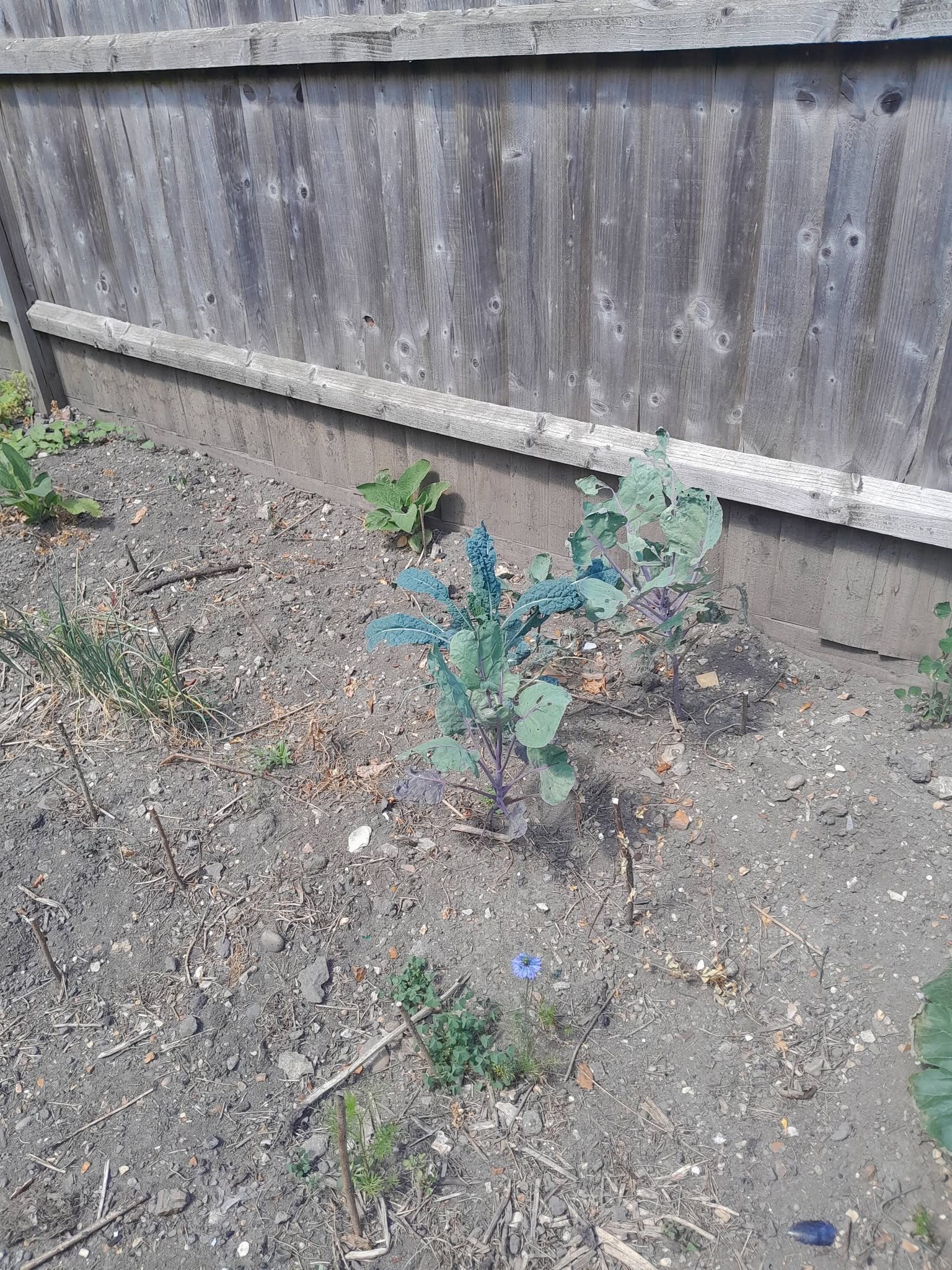
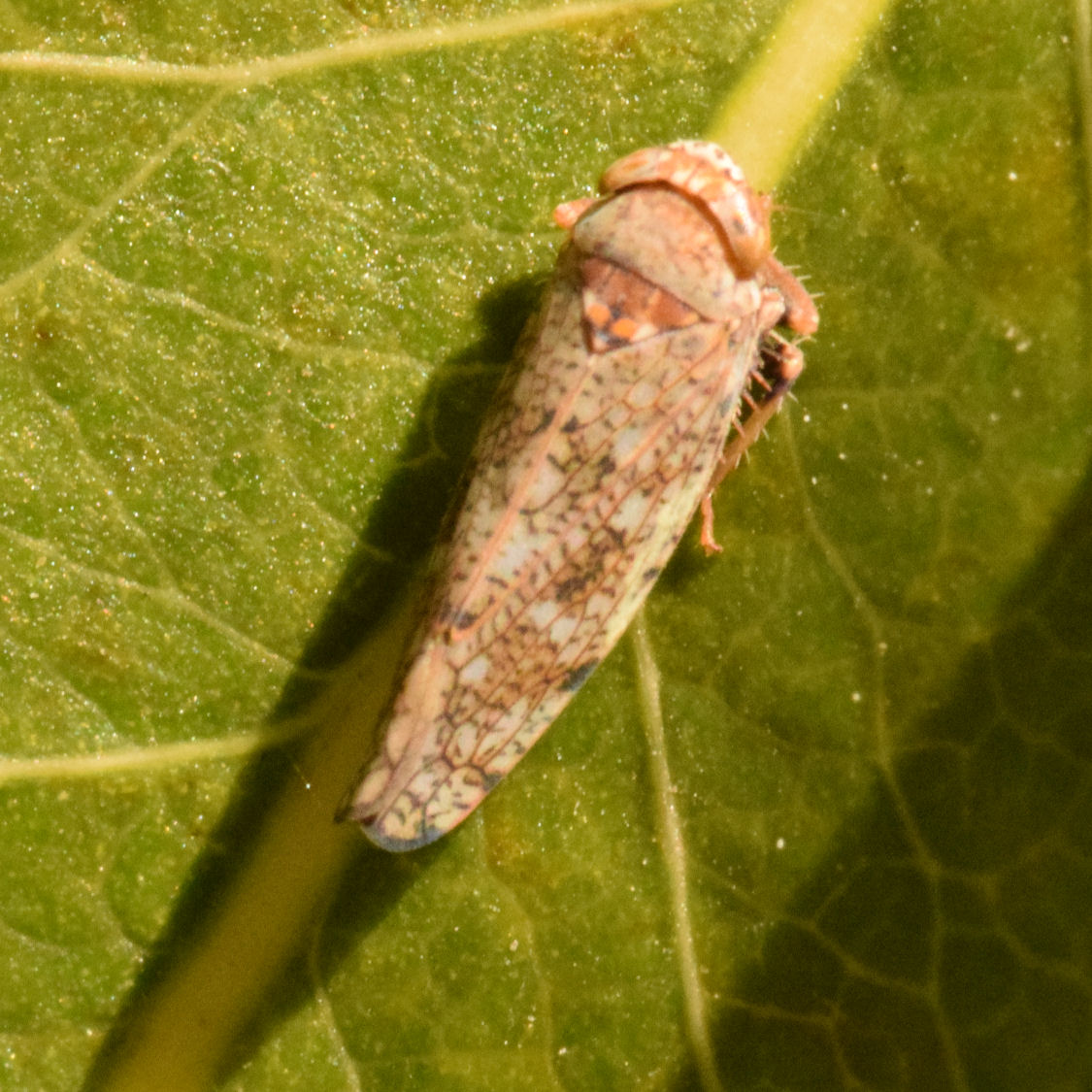
July 31: Orientus ishidae (Japanese mosaic leafhopper) - A similar story to Japananus hyalinus (3 August 2023), this is a native of Japan which has been accidentally introduced into Europe and North America. It reached the UK in the early 2010s but doesn't seem to have spread much outside the Thames Valley area, with sightings in Cambridge being outliers. The overall colour varies but all have the mosaic-like patterns on the wing-cases. Nymphs feed on a variety of trees: willow, oak, hazel etc. In southern Europe it is suspected as a potential vector of the Flavescence doré disease of grapevines, although a different leafhopper, Scaphoideus titanus (a native of north America) is regarded as the principal vector.
| July | 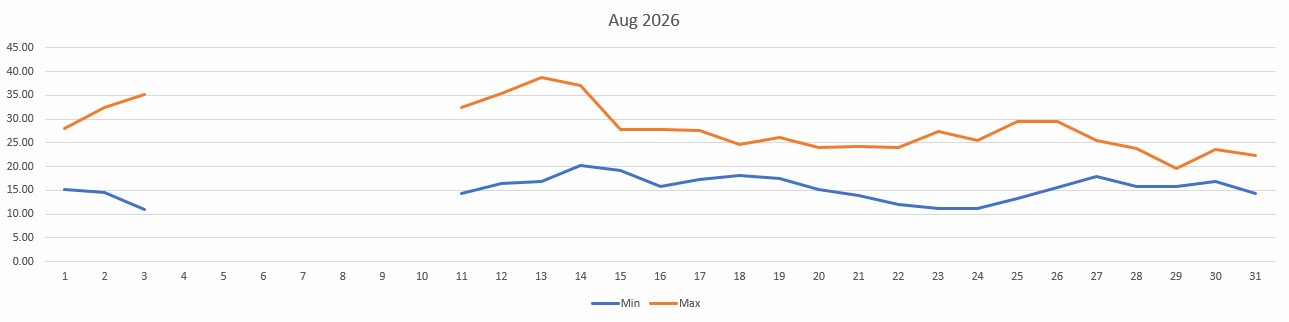 |
September |
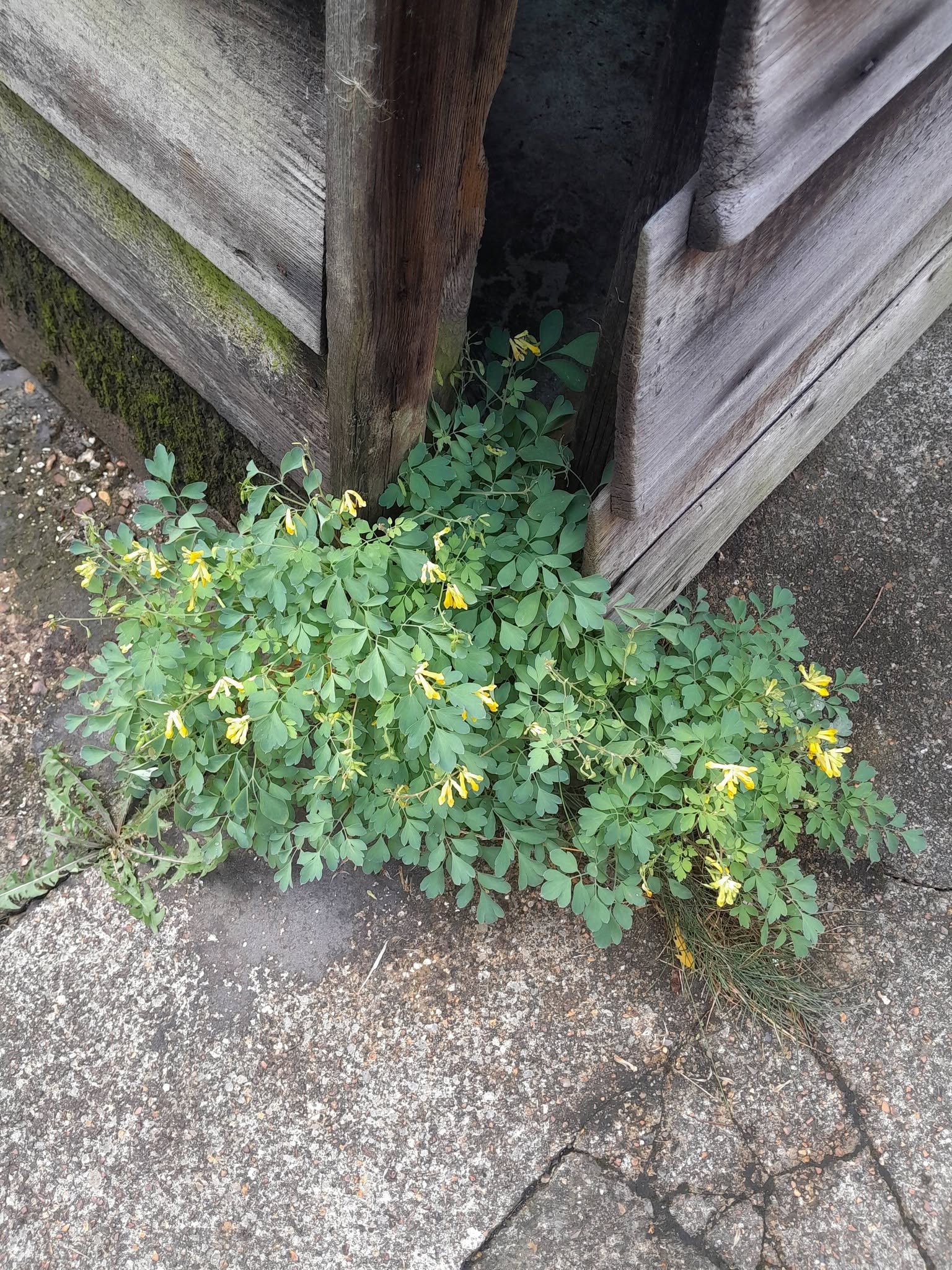
Aug 1: A few roses. 3 mm of rain last month!
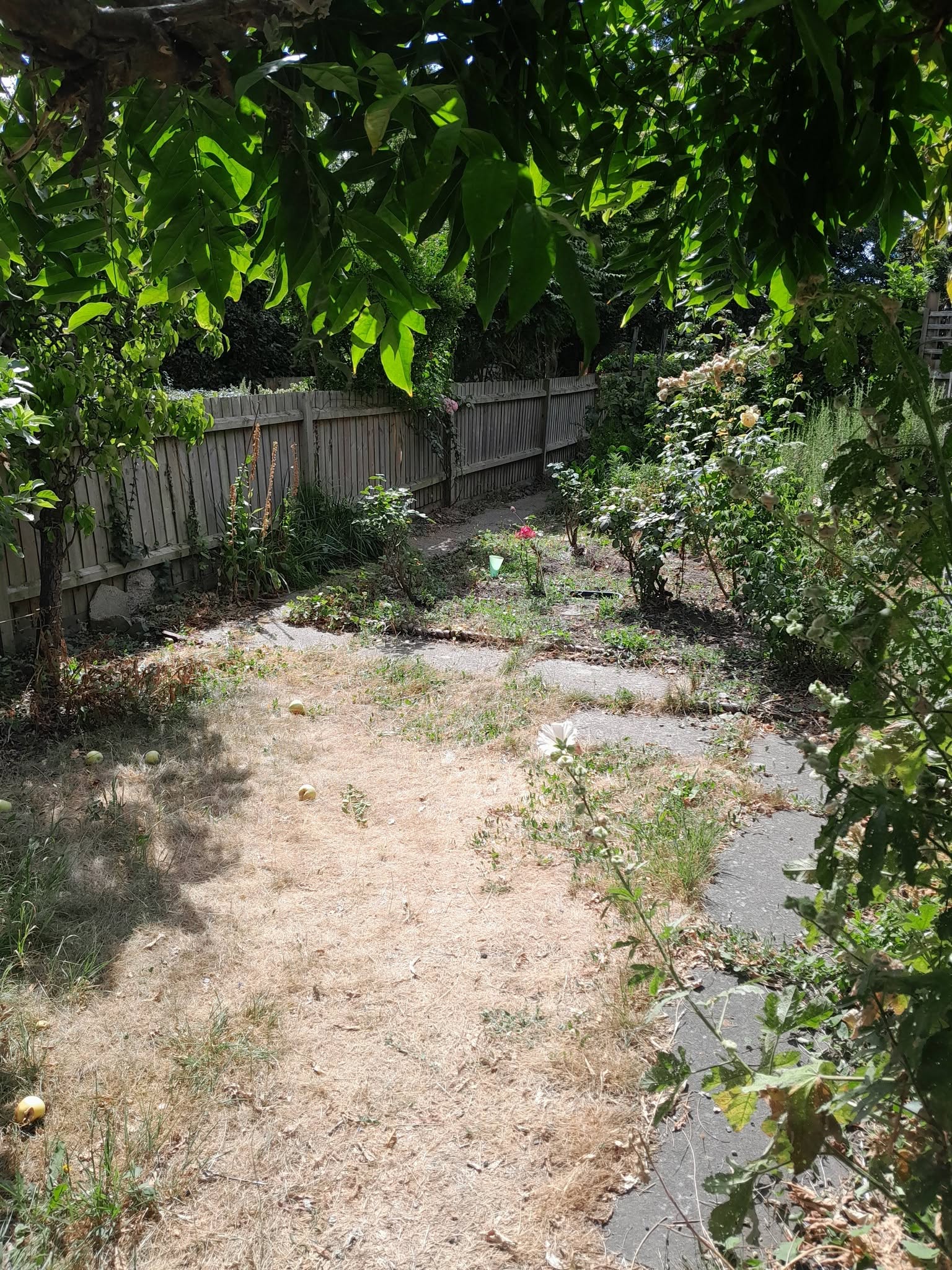
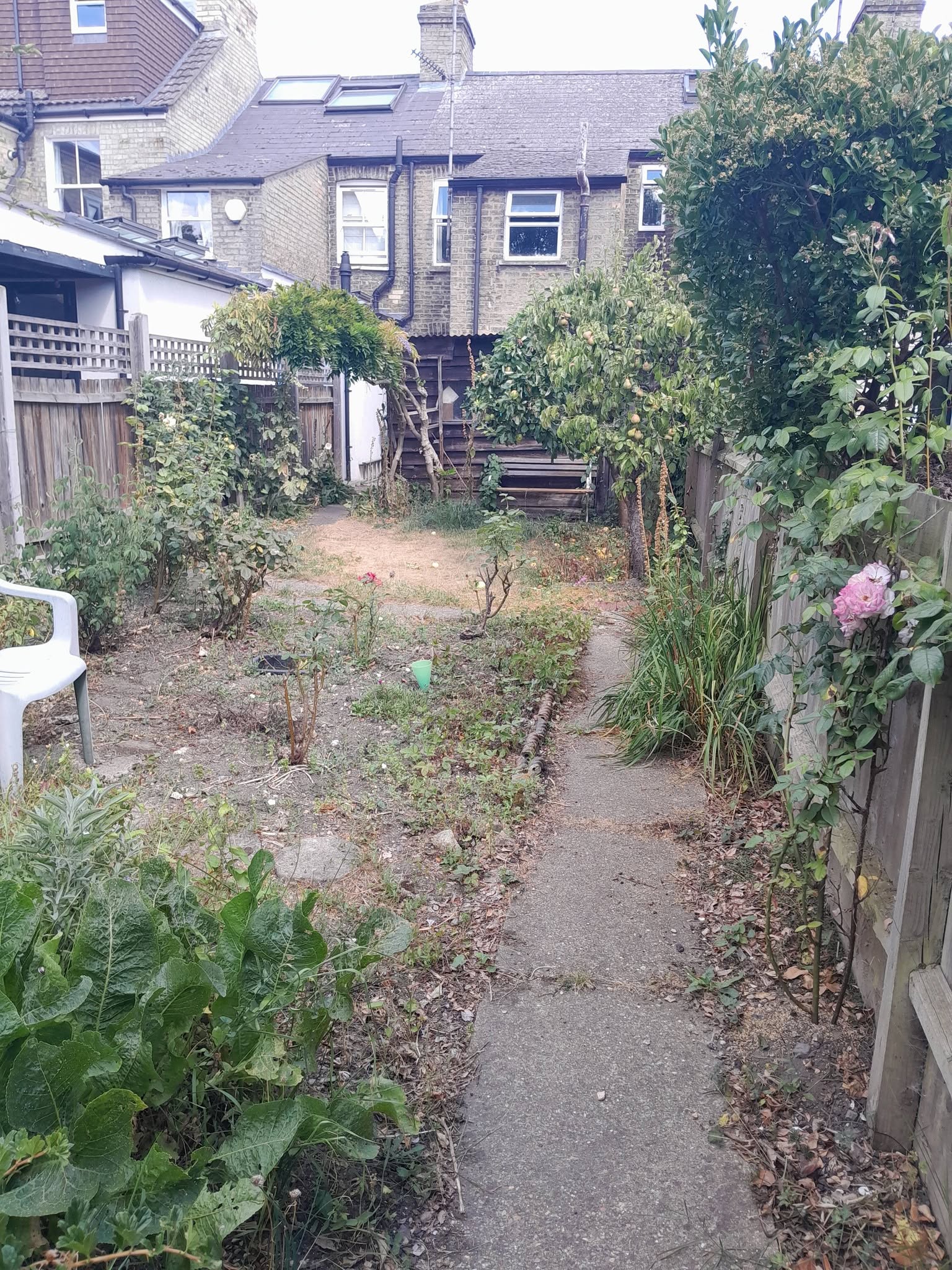
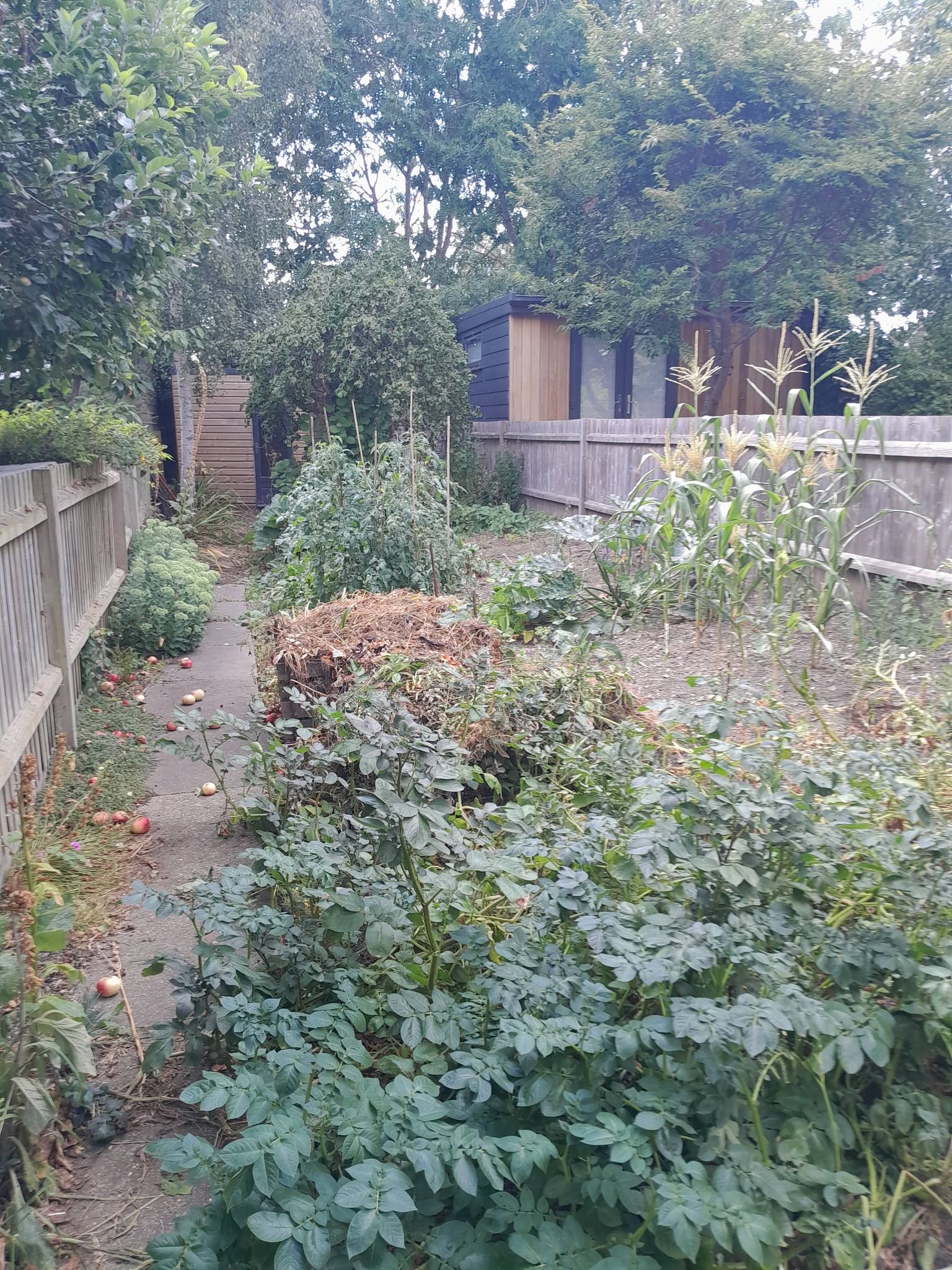
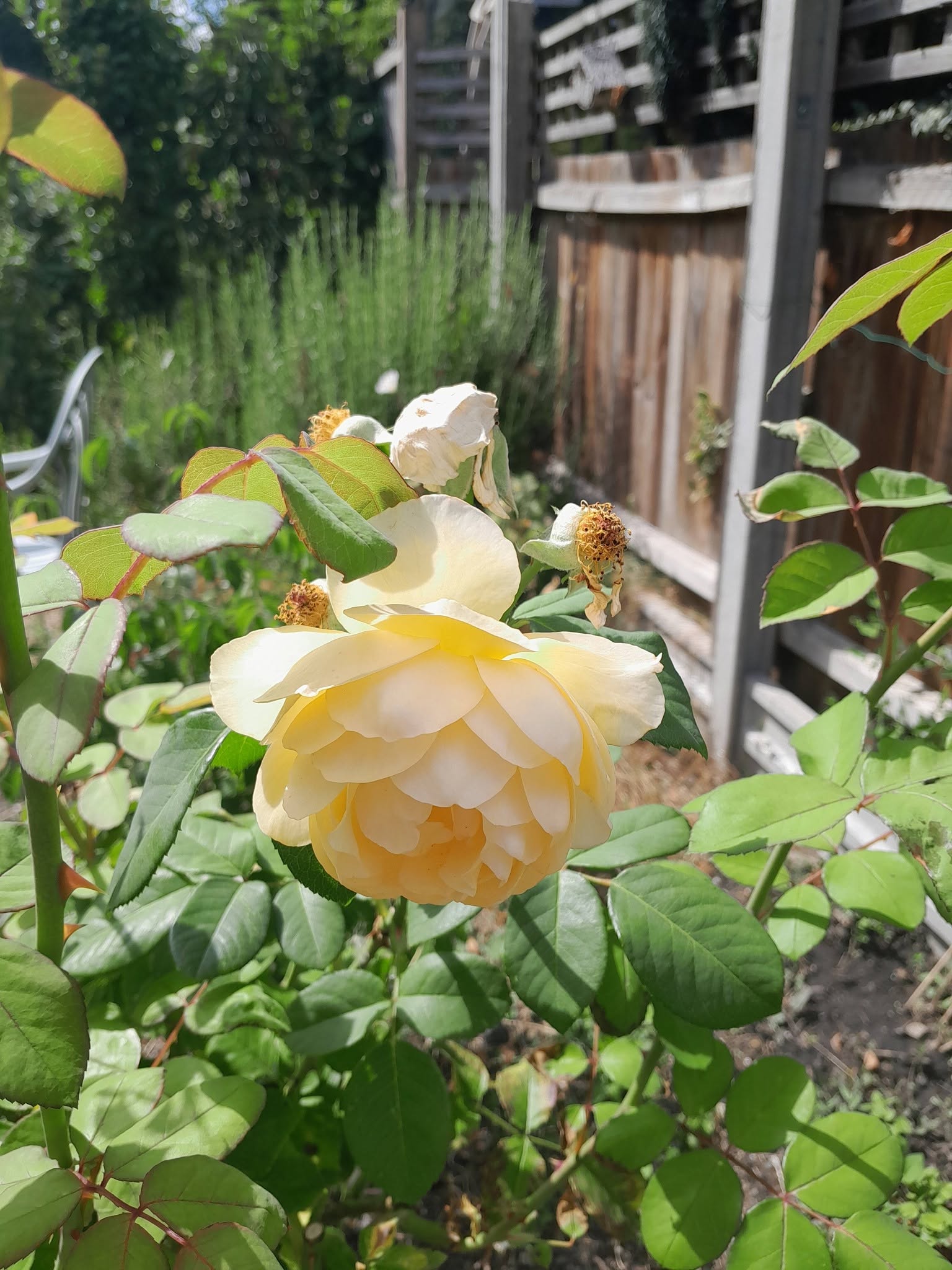
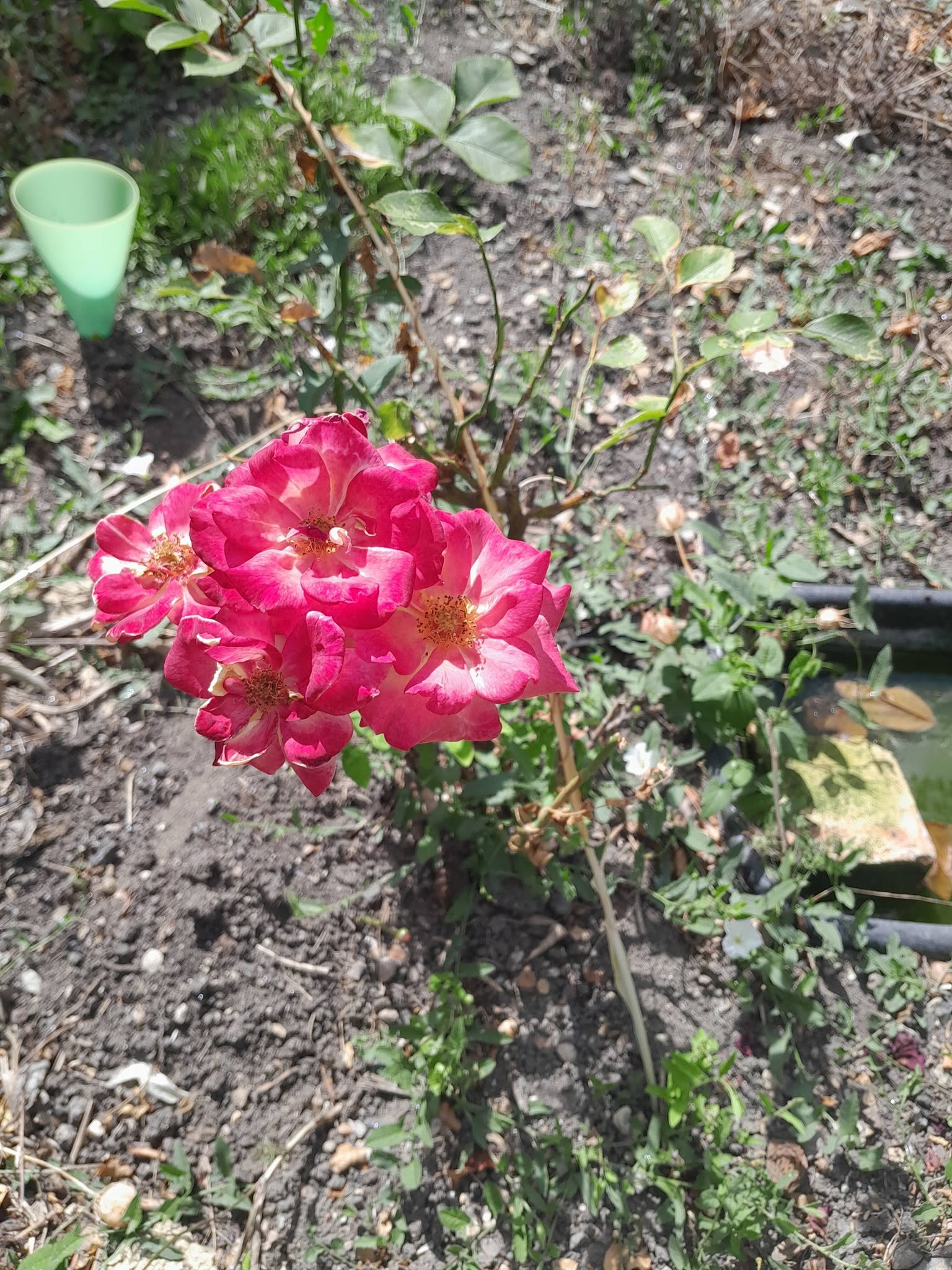
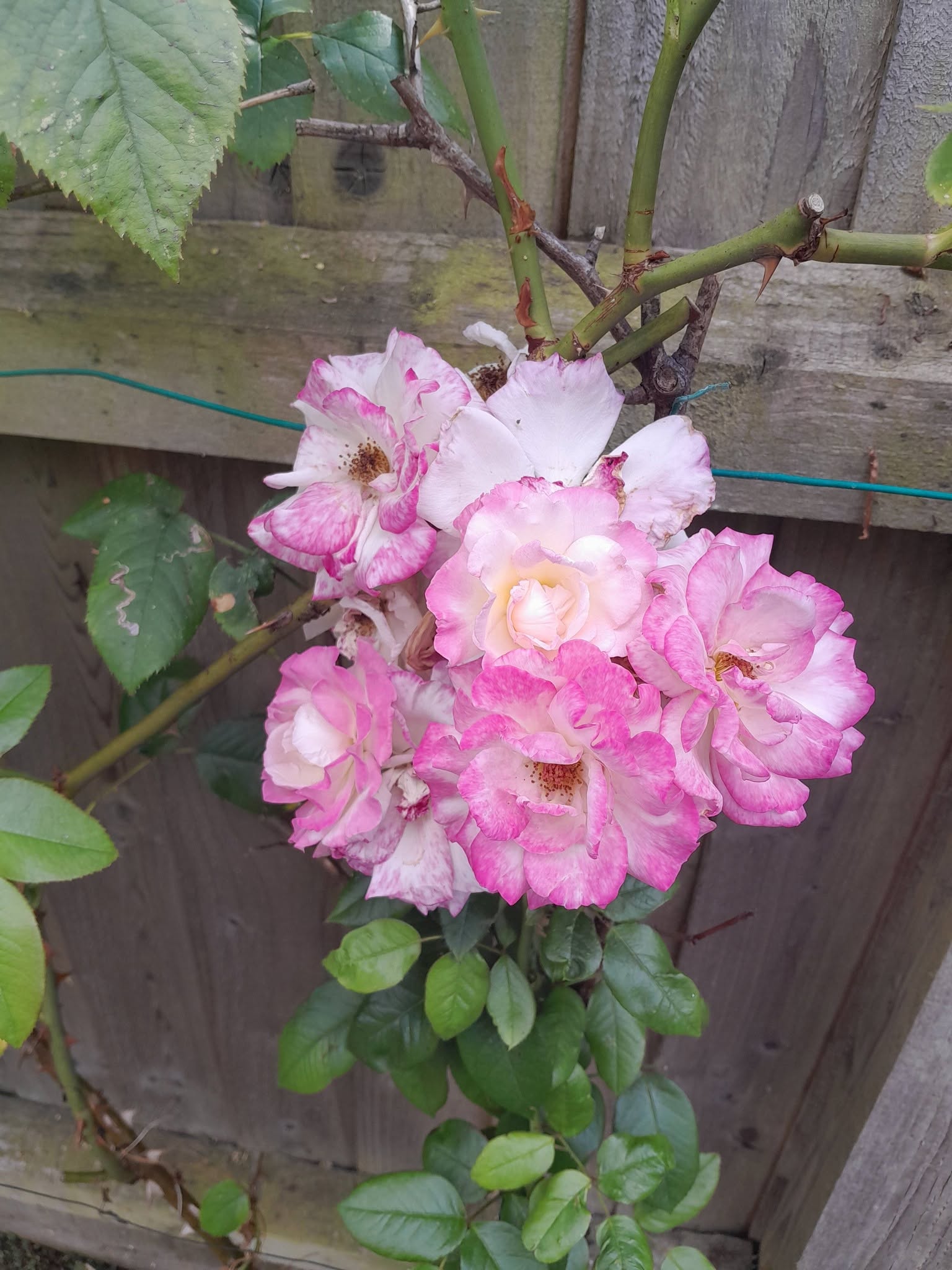
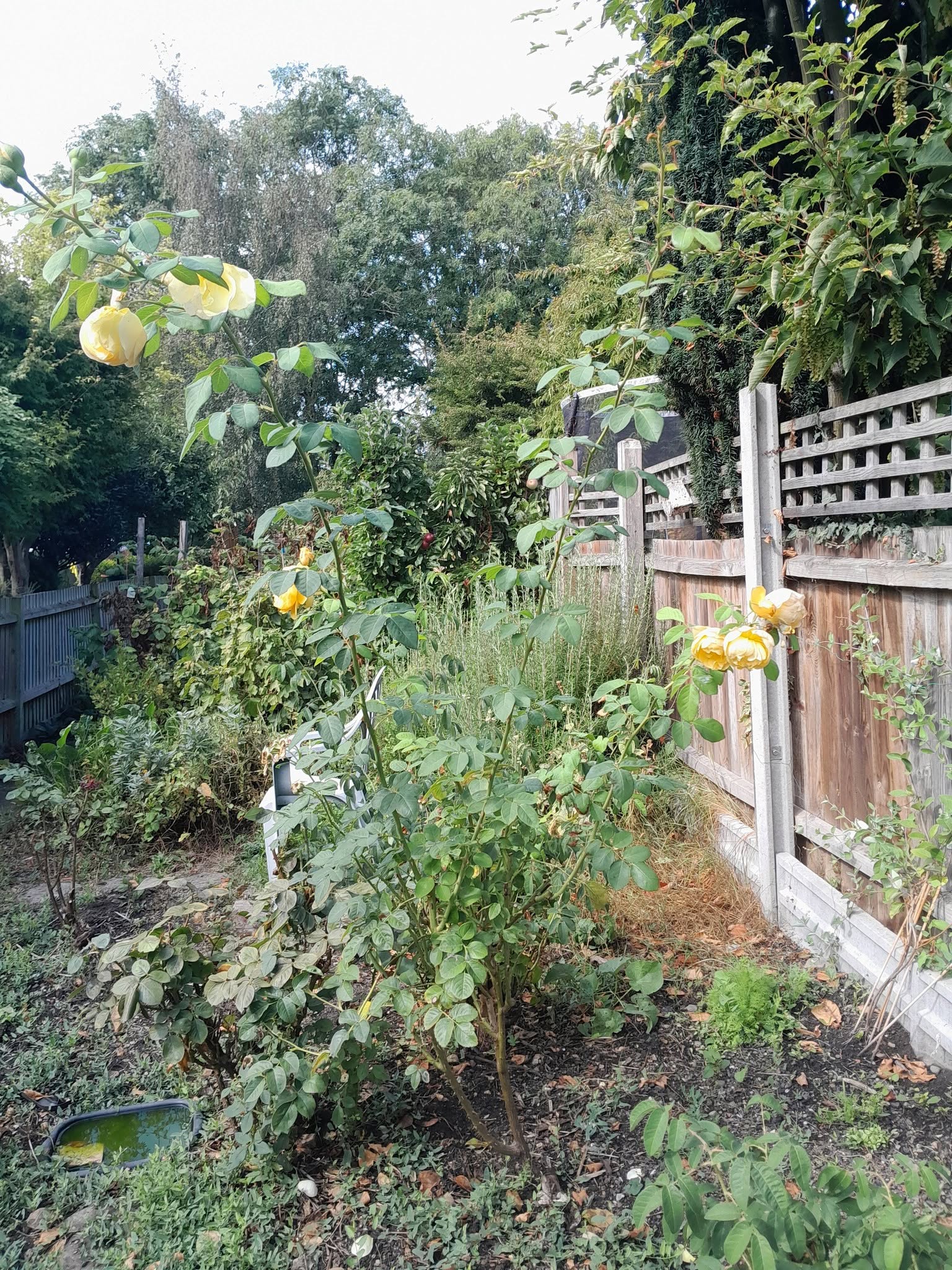
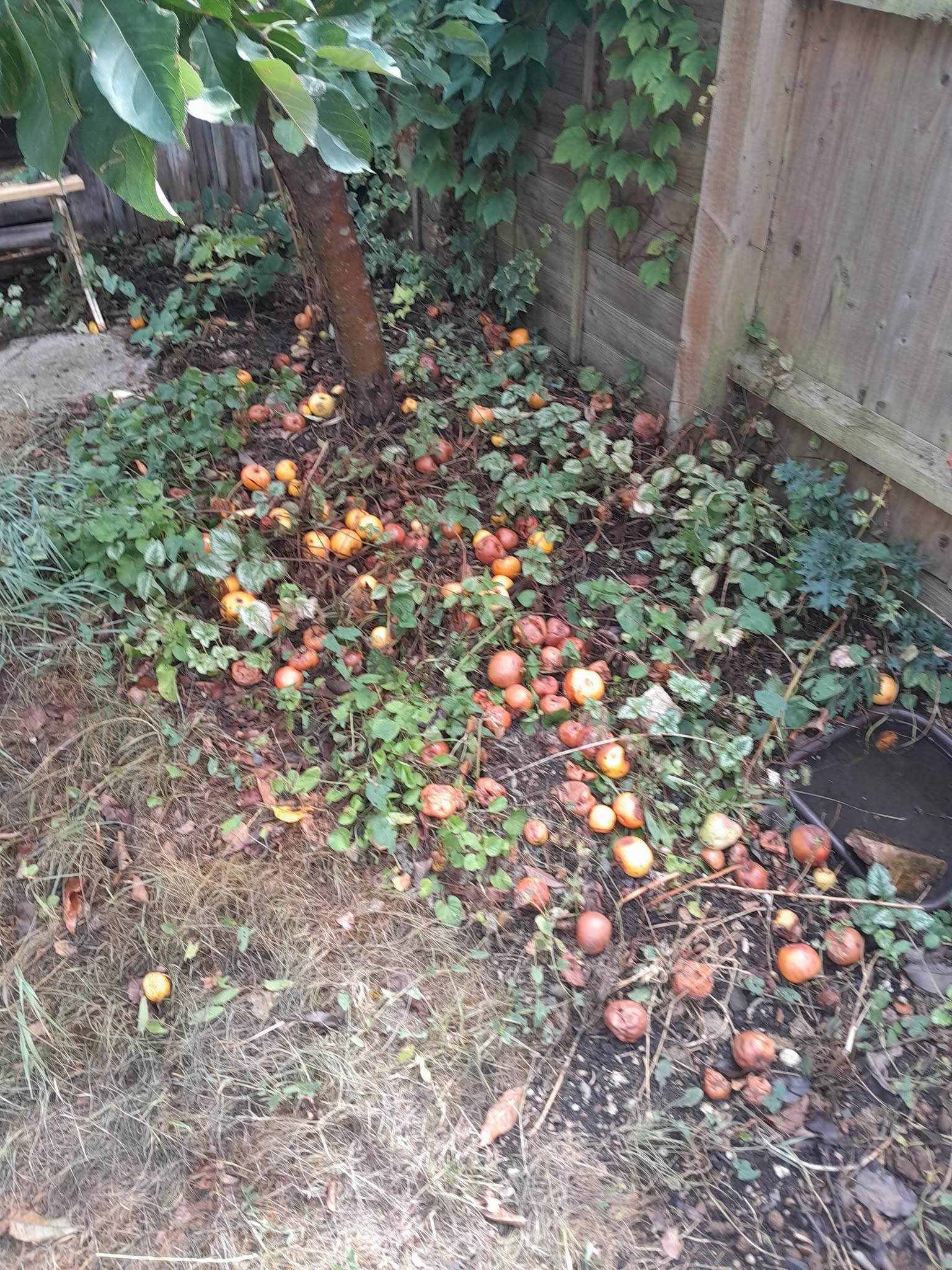
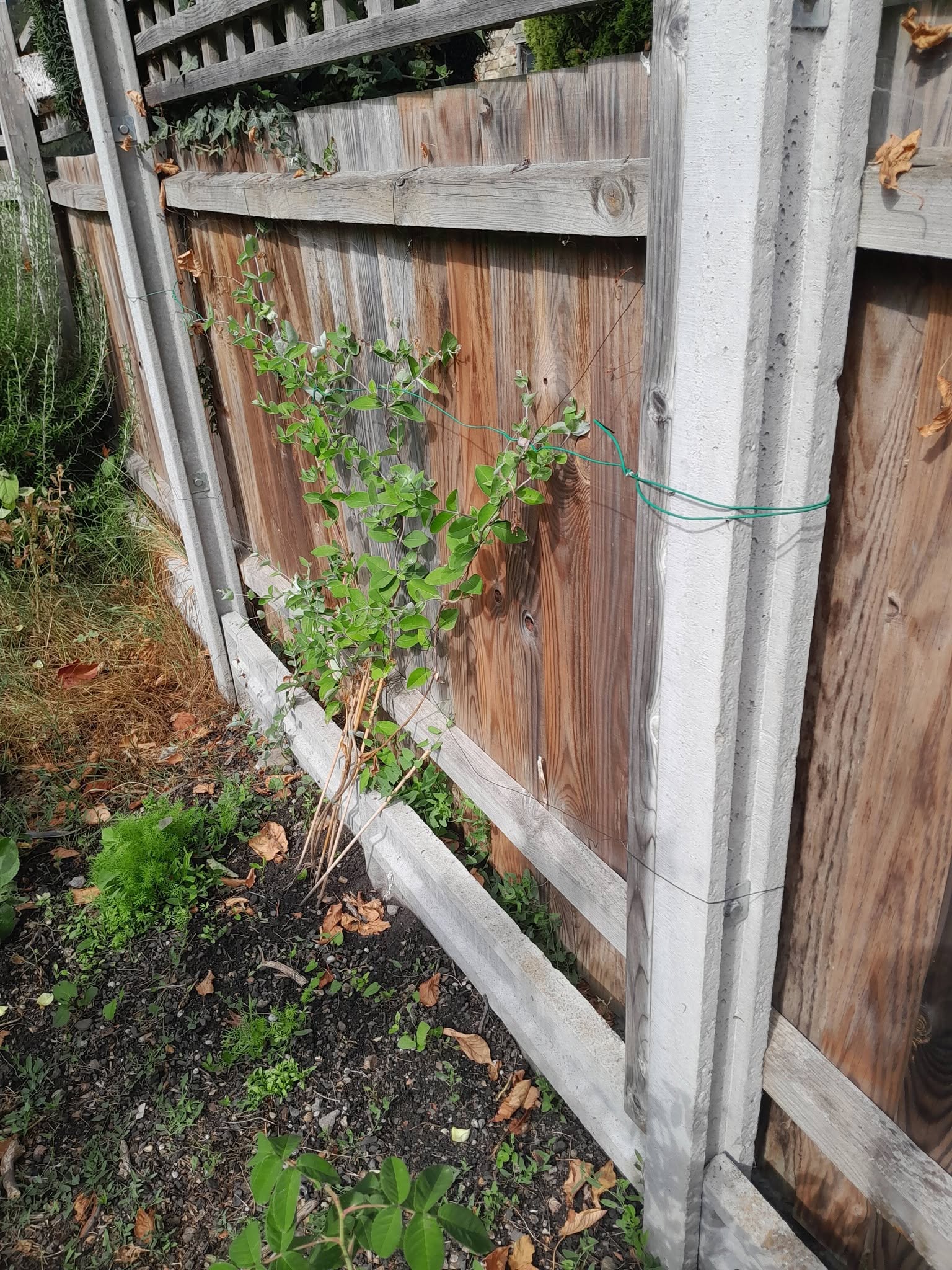
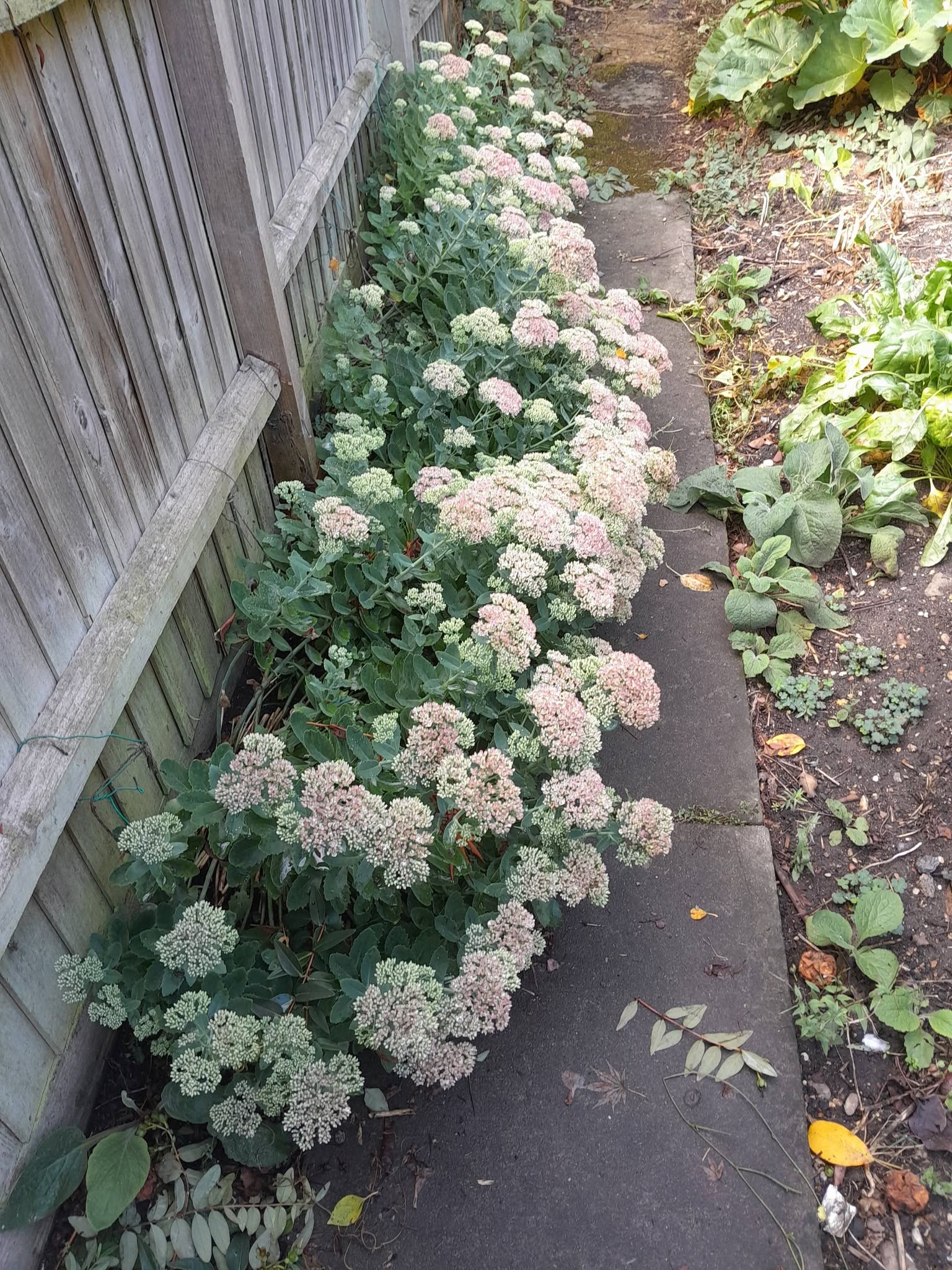
Aug 30: Not many photos this month - partly because of our holiday, and partly, not much happening with flowers due to extreme heat and no rain. The rain finally arrived in time for the bank holiday (naturally). This week, A very silly rose, all the apples we haven't managed to eat (the snails got there first) and all that's left of the flowers. The new honeysuckle managed to survive the blistering hot, and dry, summer, due to daily watering. But I didn't water much else. And that was with a watering can (hosepipe ban).
| August | 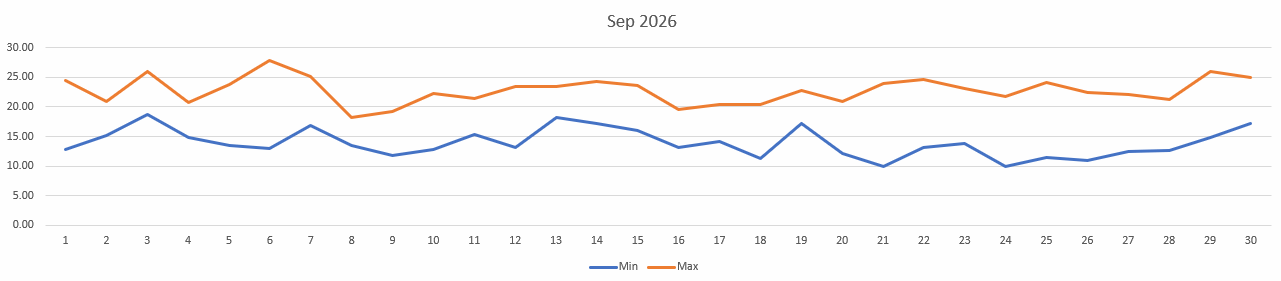 |
October |
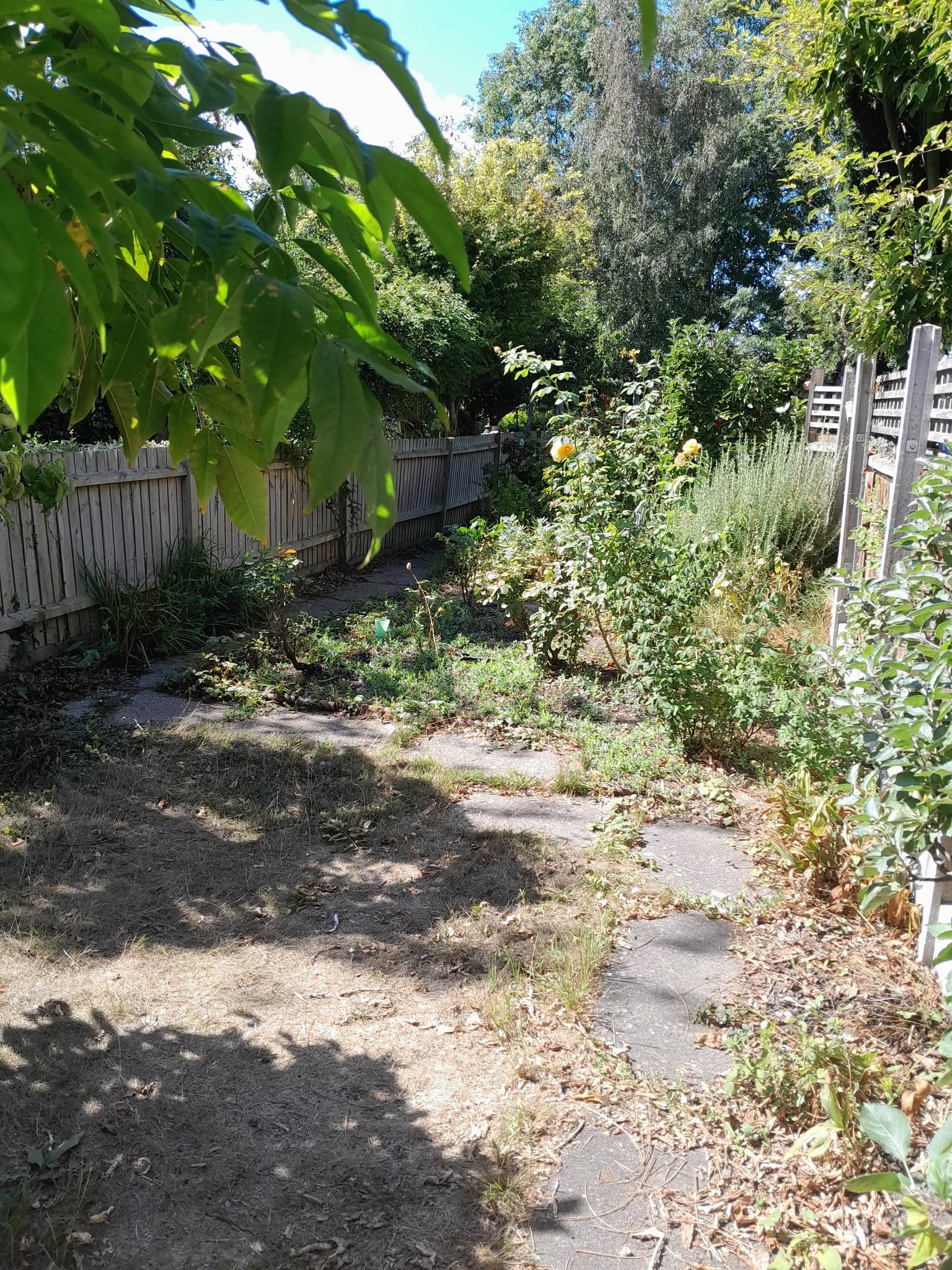
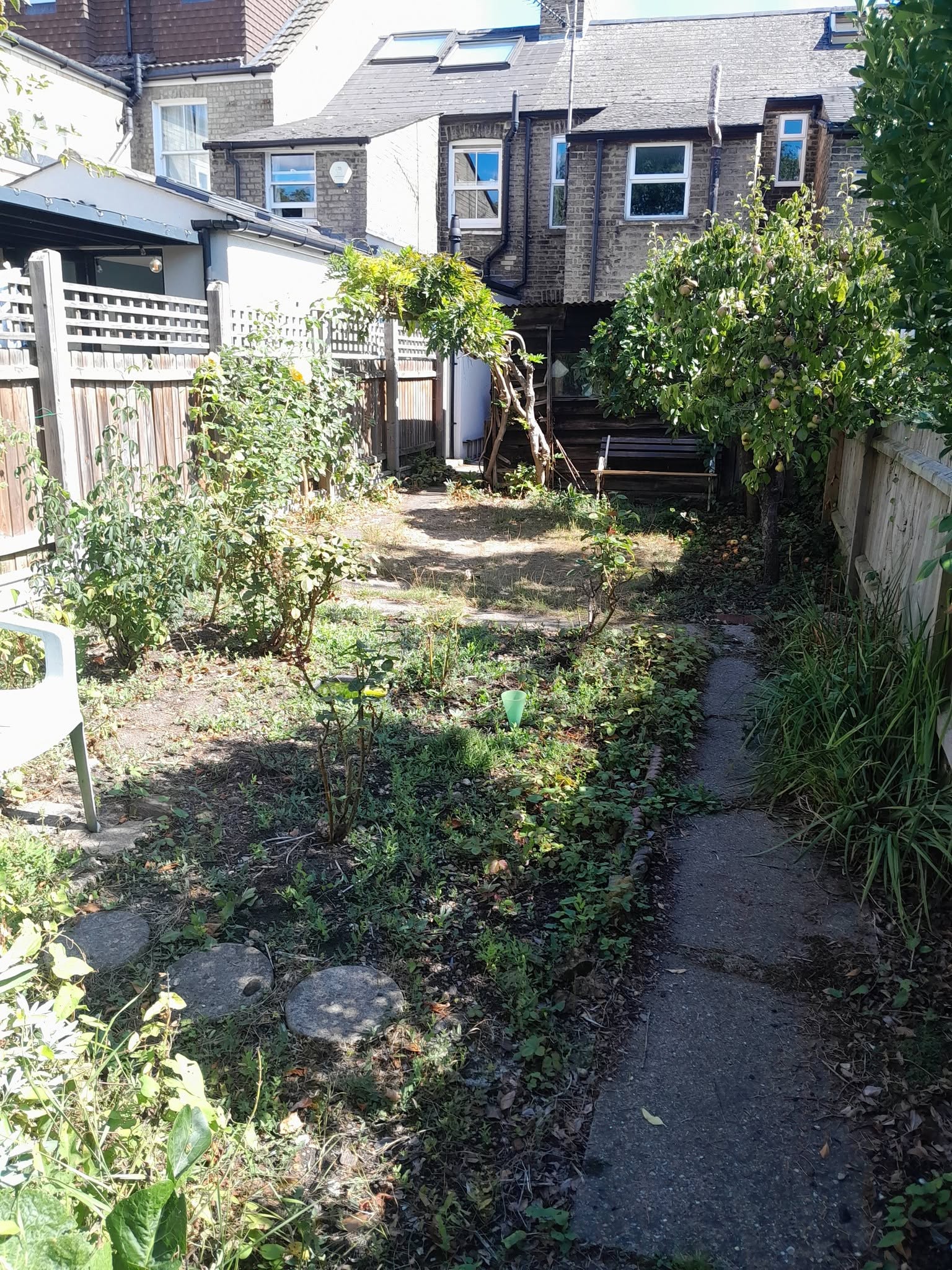
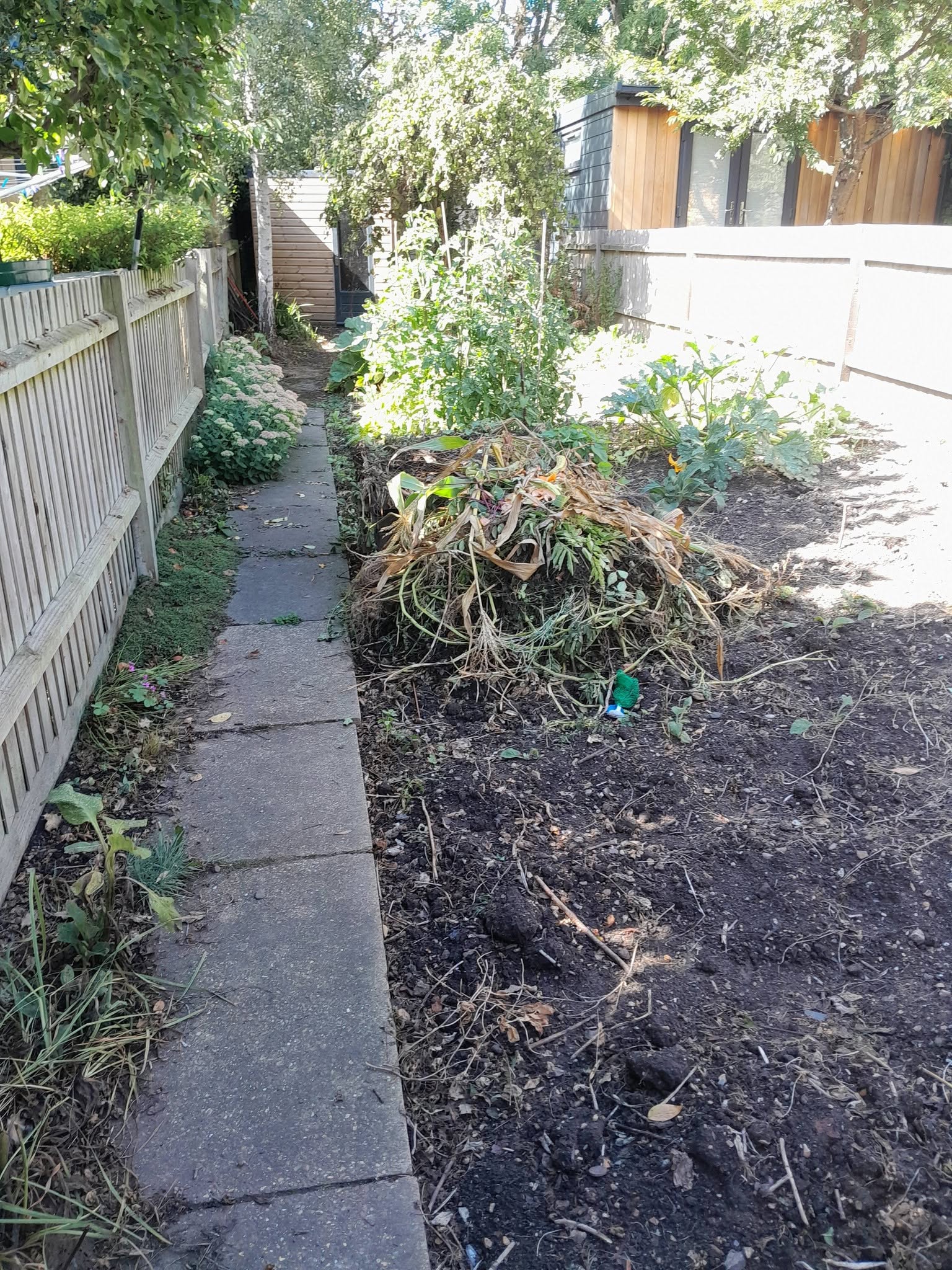
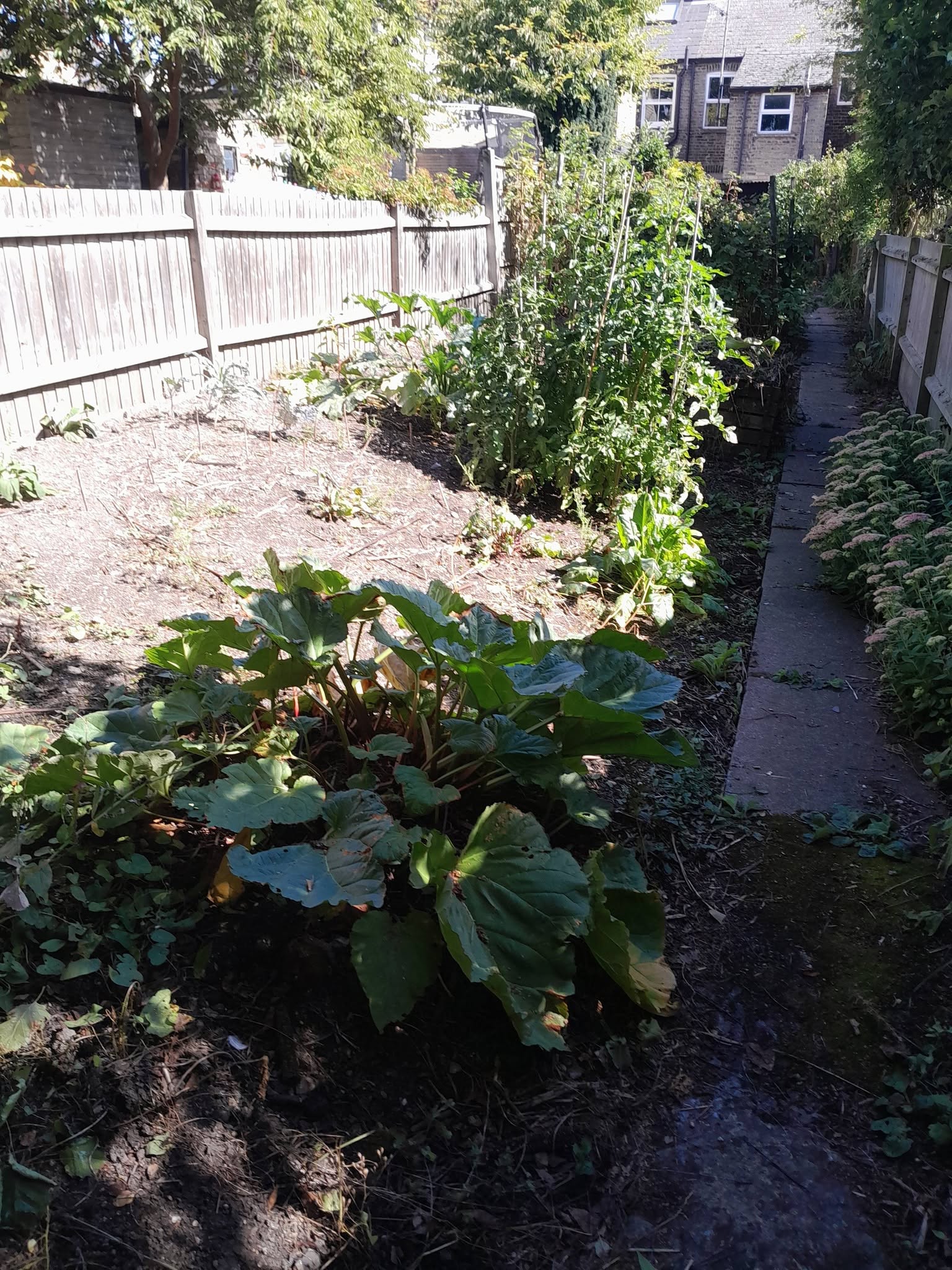
Sep 1:
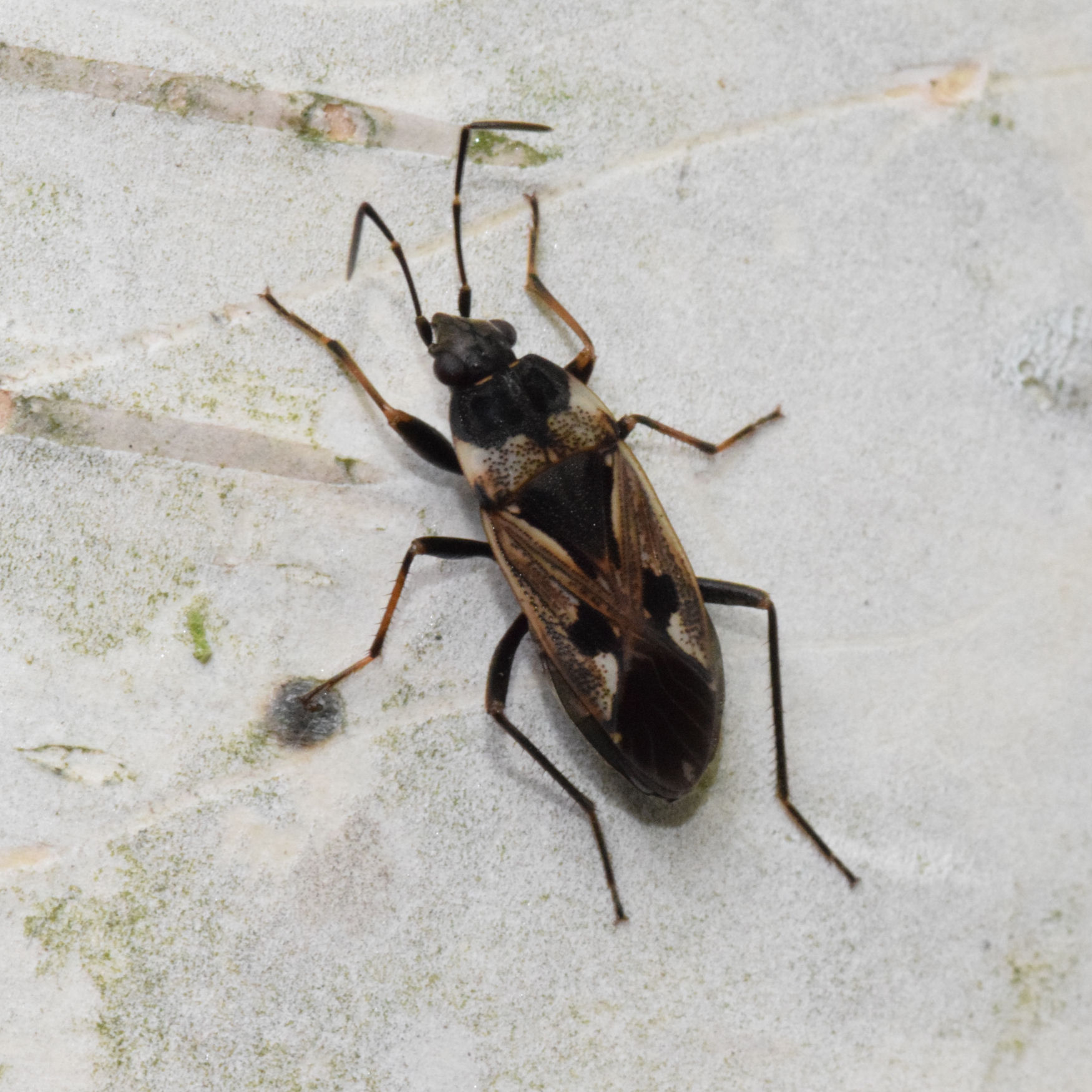
Sep 30: Rhyparochromus vulgaris (Dirt-coloured seed bug - this may be an Americanism). At 7mm this is quite large for its family, which (as listed by "British Bugs") includes the Nettle Ground Bug (May 27, 2023). Wikipedia has raised seedbugs to a full family Rhyparochromidae. A native of Europe introduced into Britain about 2010, North America a little earlier. Currently confined to the Home Counties, its northern limit being about Huntingdon. Young and adults both scavenge for fallen seeds and fruits, so it is not likely to become a nuisance. It eats a wide variety, which will enable it to spread easily into new territory. First sighting for garden, on silver-birch trunk. I (Keith) found one in an old tree-trunk on Midsummer Common 3 years ago.
| September |  |
November |
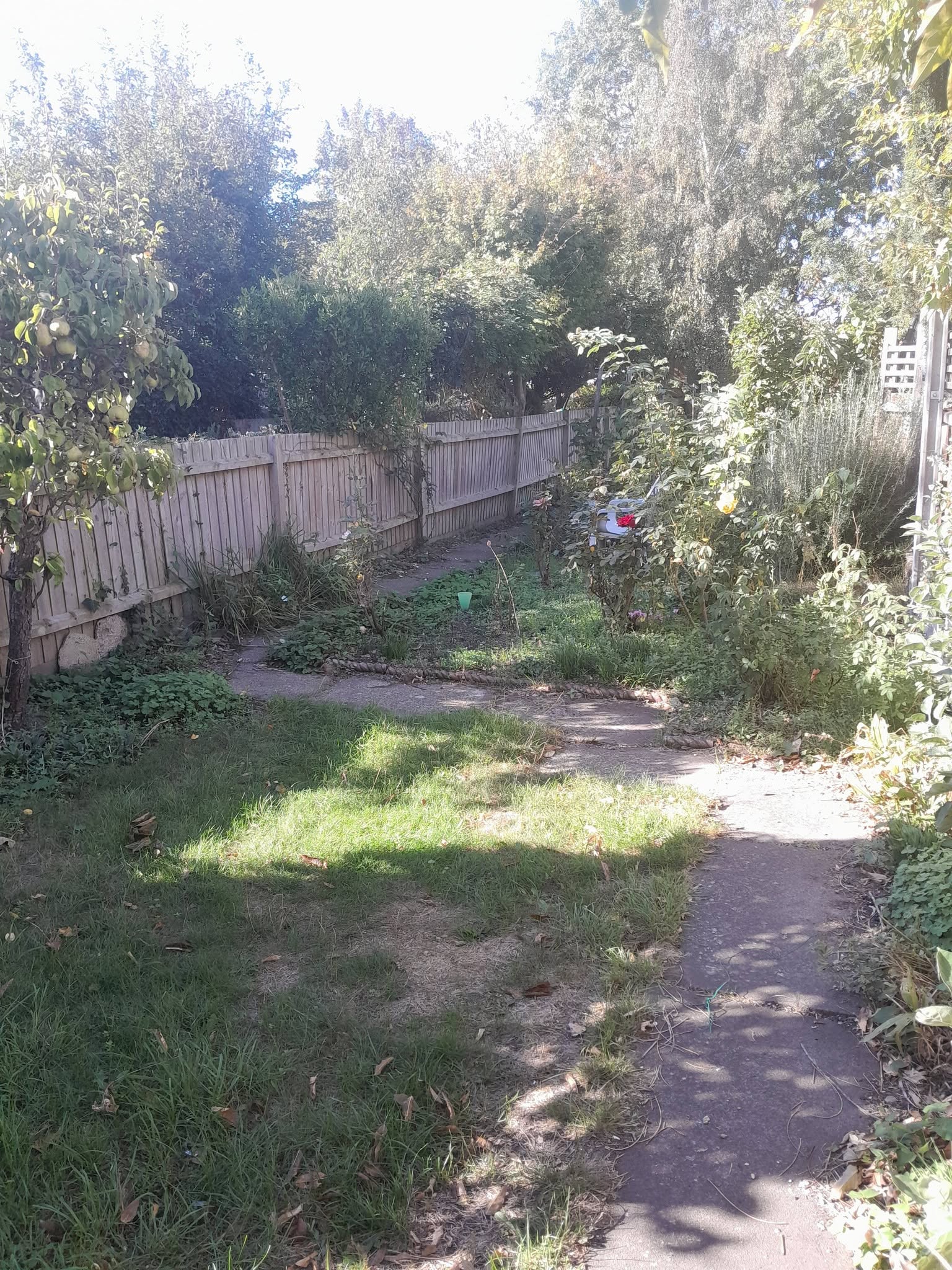
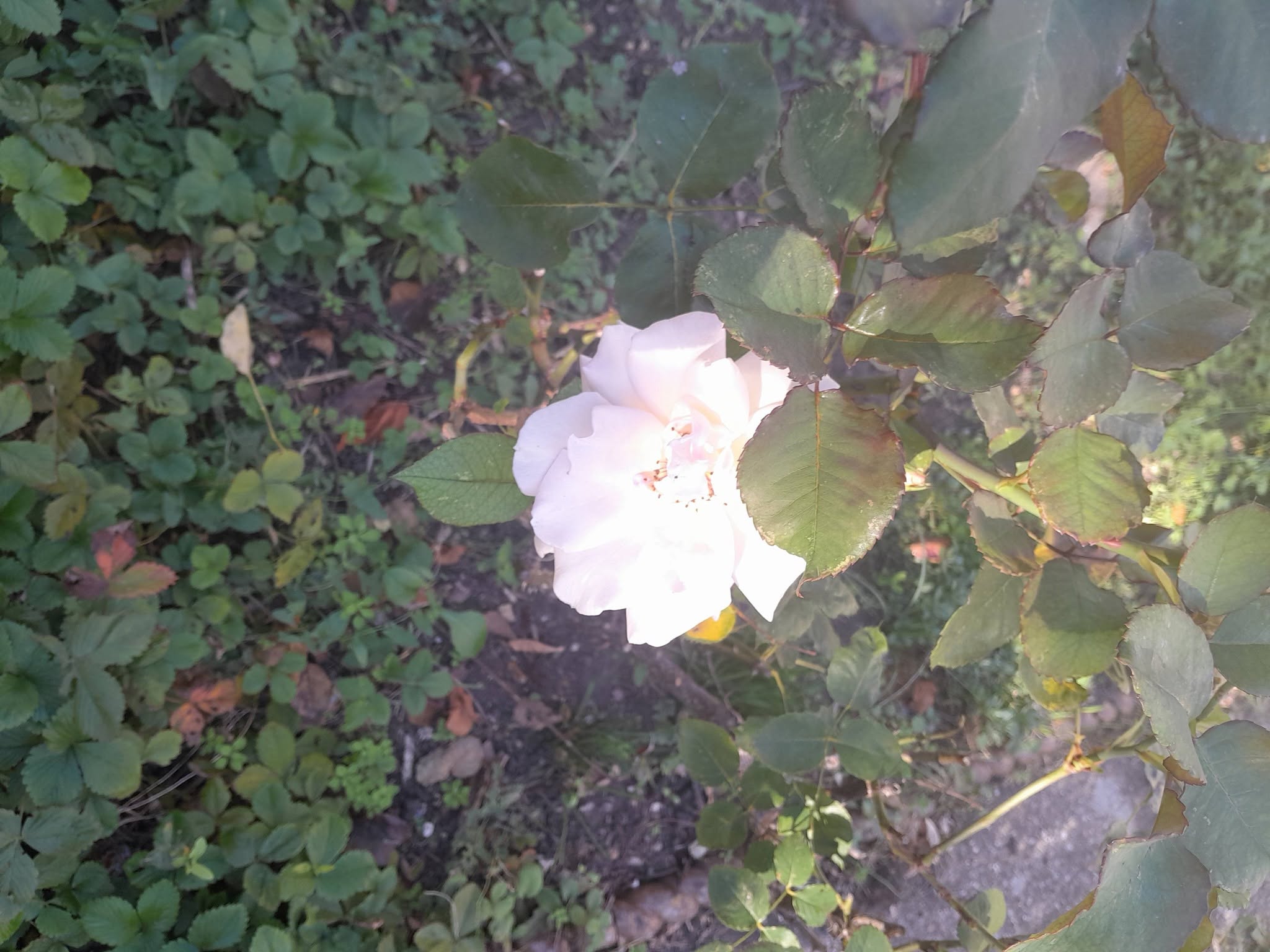
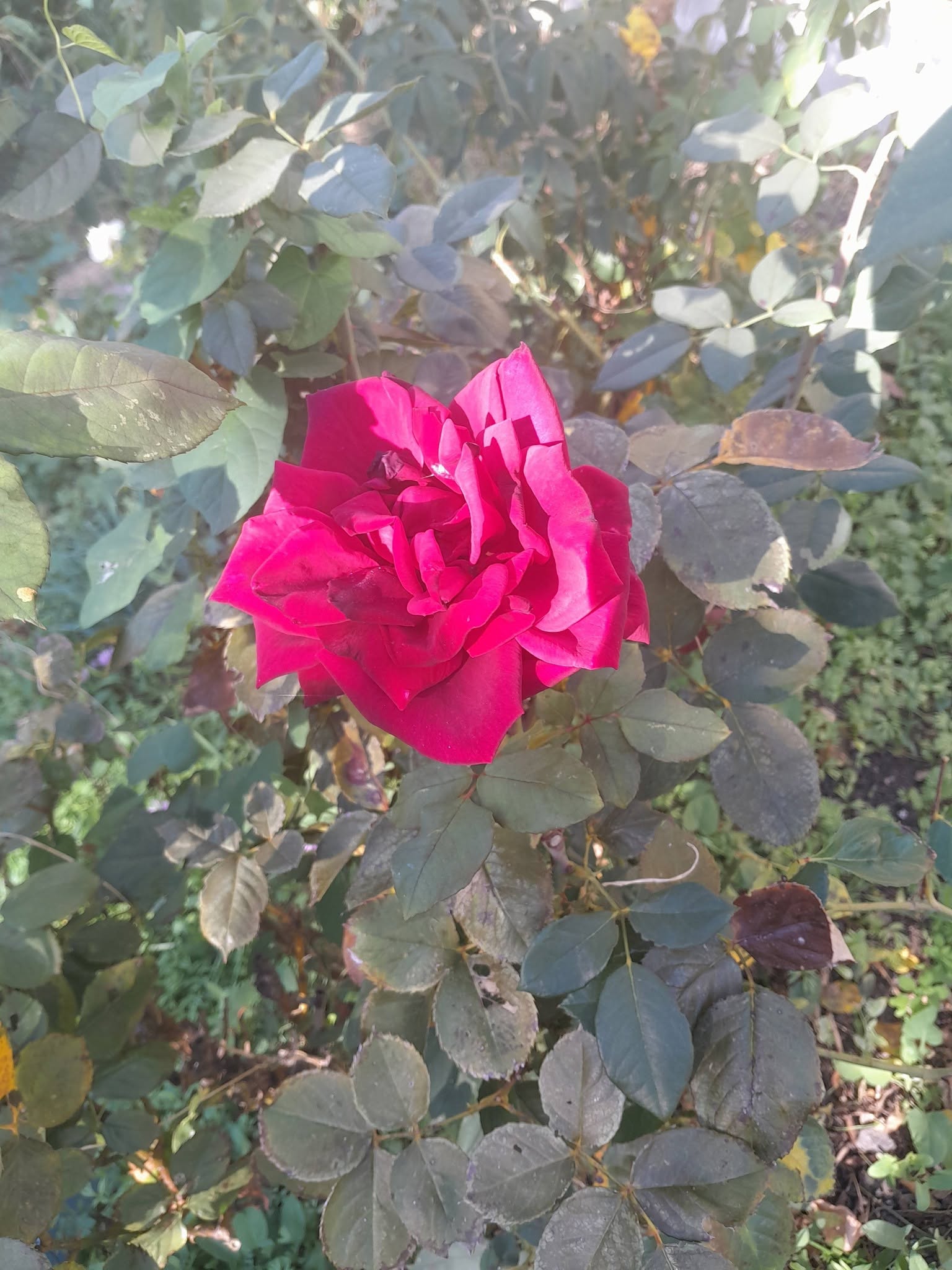
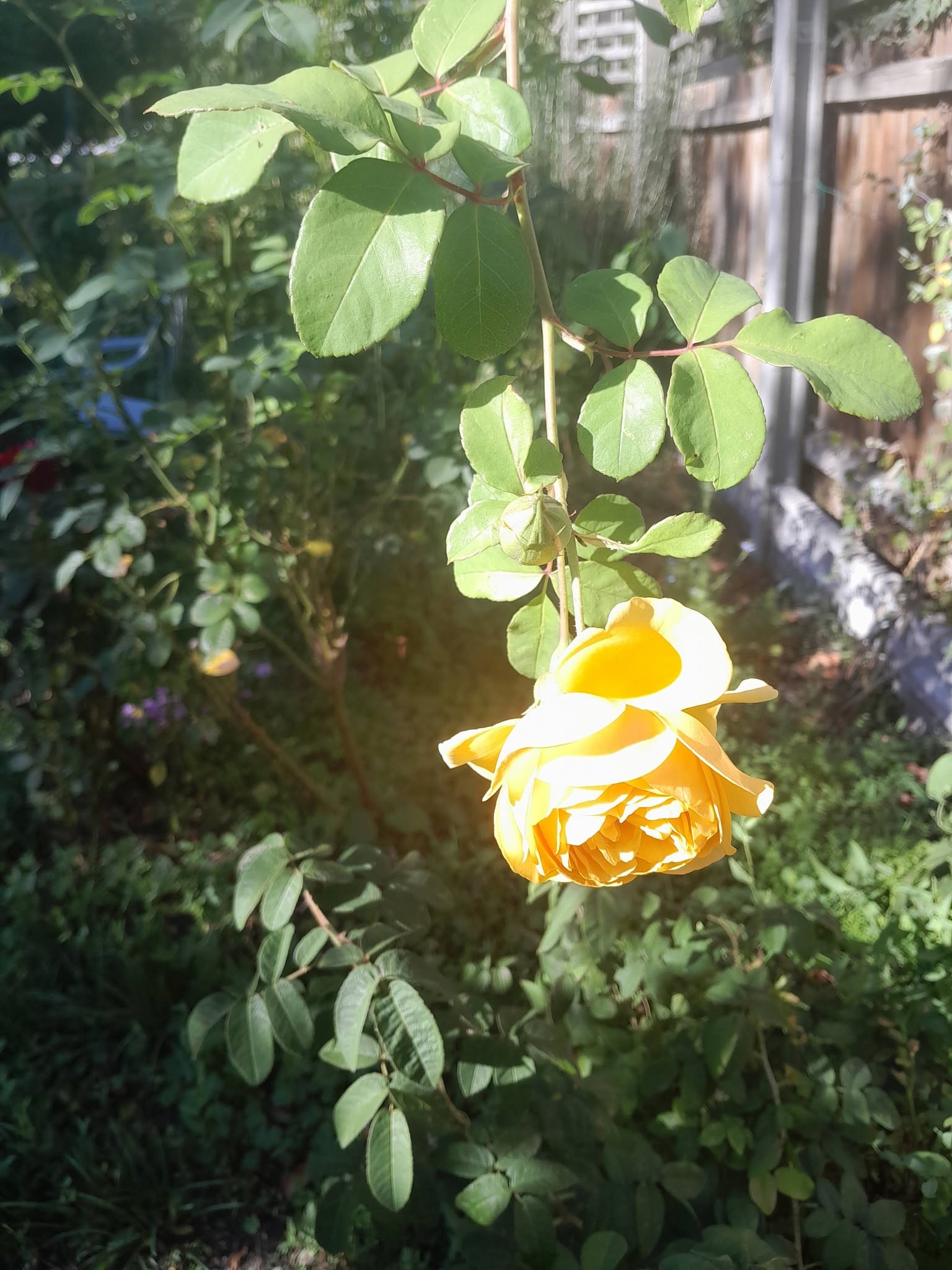
Oct 1:
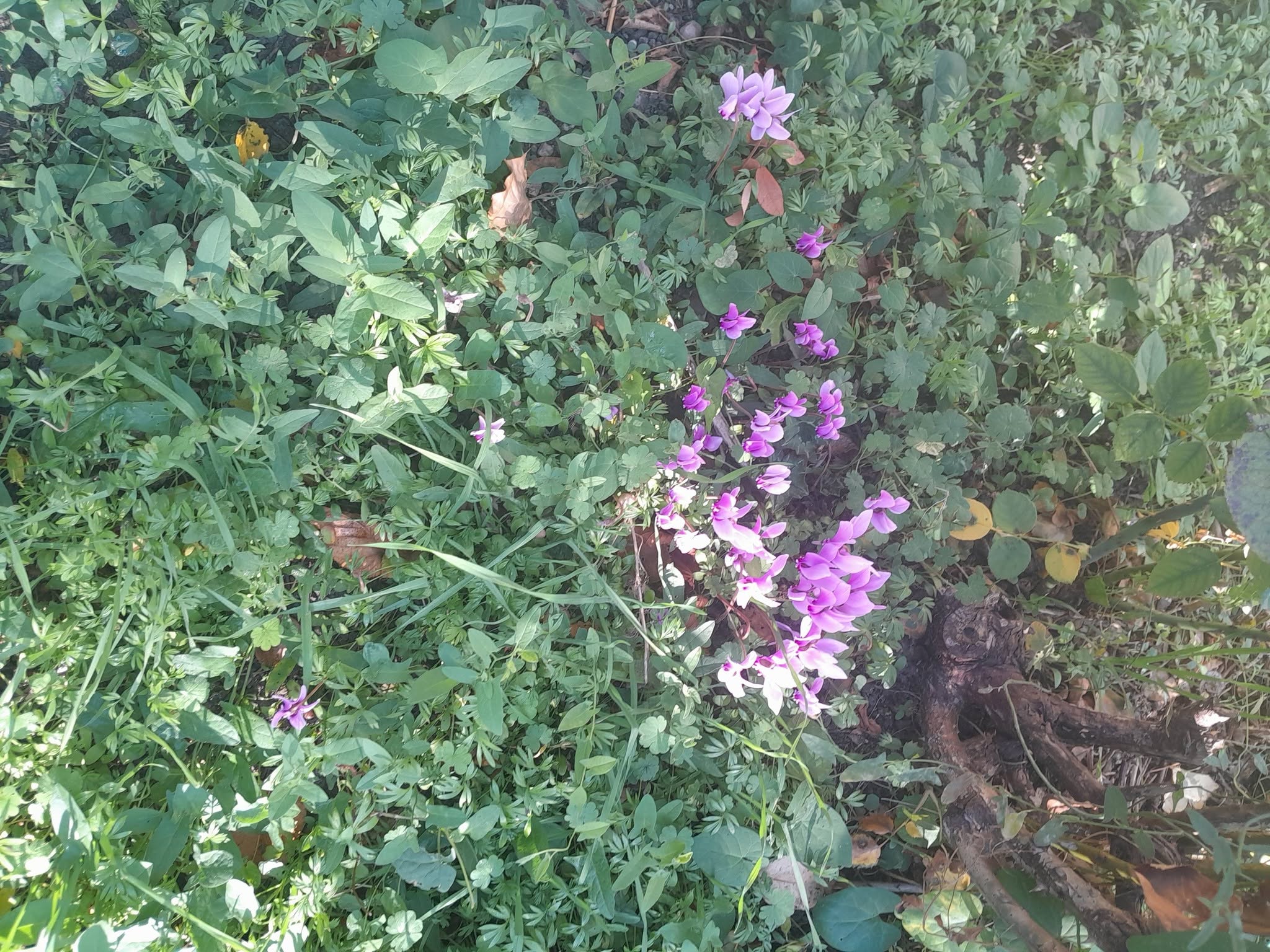
| October |  |
December |
| November |  |

- January - February - March - April - May - June - July - August - September - October - November - December - Temperatures for year -
© Jo Edkins 2026 - Return to Garden index